Rwanda Safari and Gorilla Trekking: How to Combine Volcanoes, Akagera & Nyungwe
September 24, 2026Clementine
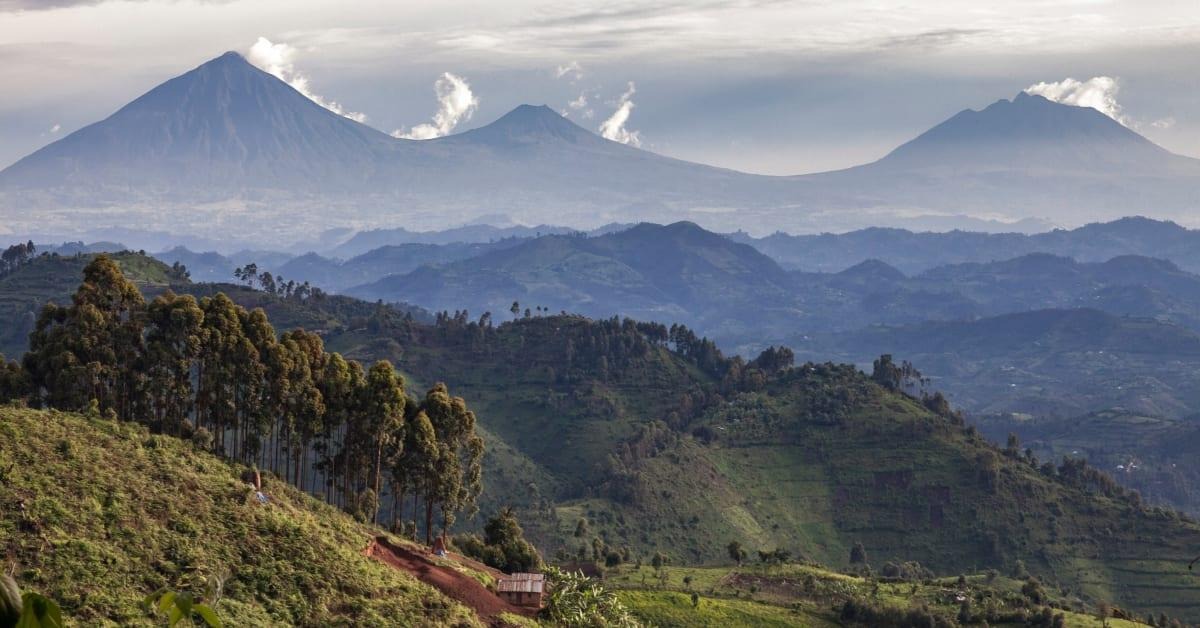
If you are searching for an African safari that combines mountain gorillas, the Big Five, chimpanzees, ancient rainforest, savannah, wetlands, volcanoes and remarkable conservation stories, Rwanda offers something remarkably different.
A Rwanda safari and gorilla trekking journey is not simply a trip to see wildlife. It is an opportunity to move through three dramatically different ecosystems within one relatively compact country: the savannah and wetlands of Akagera National Park, the ancient rainforest of Nyungwe National Park, and the volcanic mountain habitat of Volcanoes National Park.
This diversity is one of the strongest reasons to consider Rwanda for an African adventure in 2026–2027.


Rwanda's tourism model has developed around conservation, organized visitor experiences and community participation. In 2025, Rwanda recorded USD 685 million in tourism revenues and 1.49 million visitor arrivals, while its national parks received more than 155,000 visits. The country's three major wildlife destinations continue to develop as part of a broader conservation-led tourism strategy.
The result is a safari experience where the journey itself becomes part of the attraction.
Why Rwanda Safari and Gorilla Trekking Is So Different
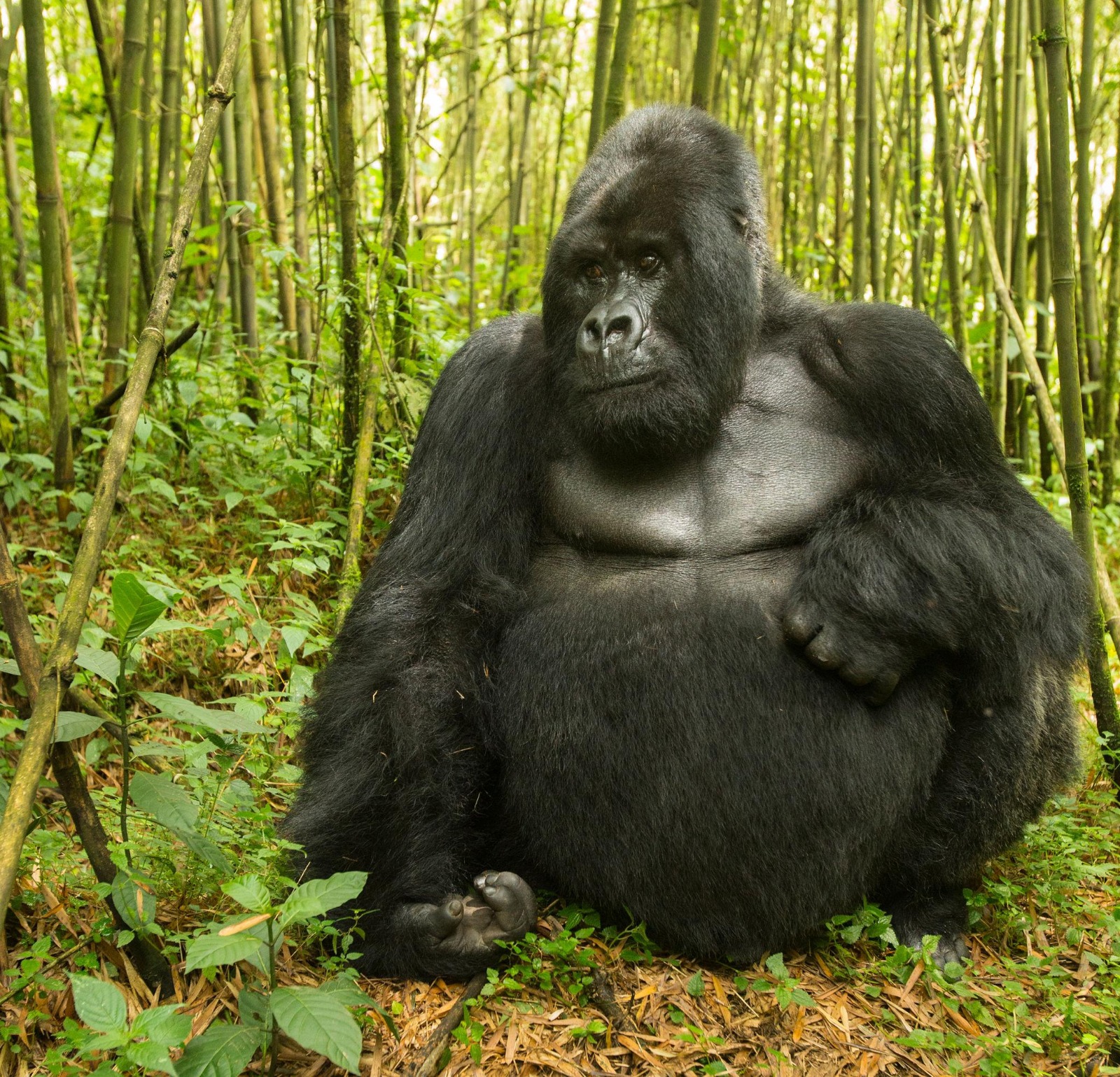


Many travellers first associate Rwanda with gorilla trekking. That reputation is deserved, but it represents only one part of the country's wildlife story.
A complete Rwanda safari can take you:
- From open savannah and wetlands to rainforest
- From lowland wildlife to high-altitude volcanic forests
- From Big Five game drives to intimate primate encounters
- From chimpanzee trekking to mountain gorilla trekking
- From lakes and wetlands to ancient forests
- From traditional communities to modern Kigali
- From conservation history to some of Africa's newest wildlife restoration successes
This combination gives Rwanda an unusual advantage for travellers who want different wildlife experiences during one African holiday.
Rather than trying to reproduce the Serengeti or Masai Mara experience, Rwanda offers something different: variety within a compact destination.
Visit Rwanda describes the country's popular national-park circuit as relatively easy to explore by road, with dramatic scenery connecting the destinations.
Rwanda's Three National Parks: Three Completely Different Worlds
1. Akagera National Park: Rwanda's Savannah and Big Five Experience


Akagera is where the character of a traditional East African safari changes dramatically.
Located in eastern Rwanda, Akagera contains savannah, woodland, wetlands and a network of lakes. It is Rwanda's only protected savannah environment and one of Central Africa's major protected wetland landscapes.
The park was established in 1934. Its history, however, has not always been easy.
Following the devastating years of war and genocide in Rwanda, large parts of Akagera were reallocated for settlement and agriculture in 1997. The park became significantly smaller, while poaching and human-wildlife conflict contributed to severe wildlife losses, including the disappearance of lions from Rwanda for almost two decades.
But Akagera's story did not end there.
Akagera's Remarkable Conservation Recovery
In 2010, the Rwanda Development Board and African Parks established a joint management partnership through the Akagera Management Company.
This became an important turning point.
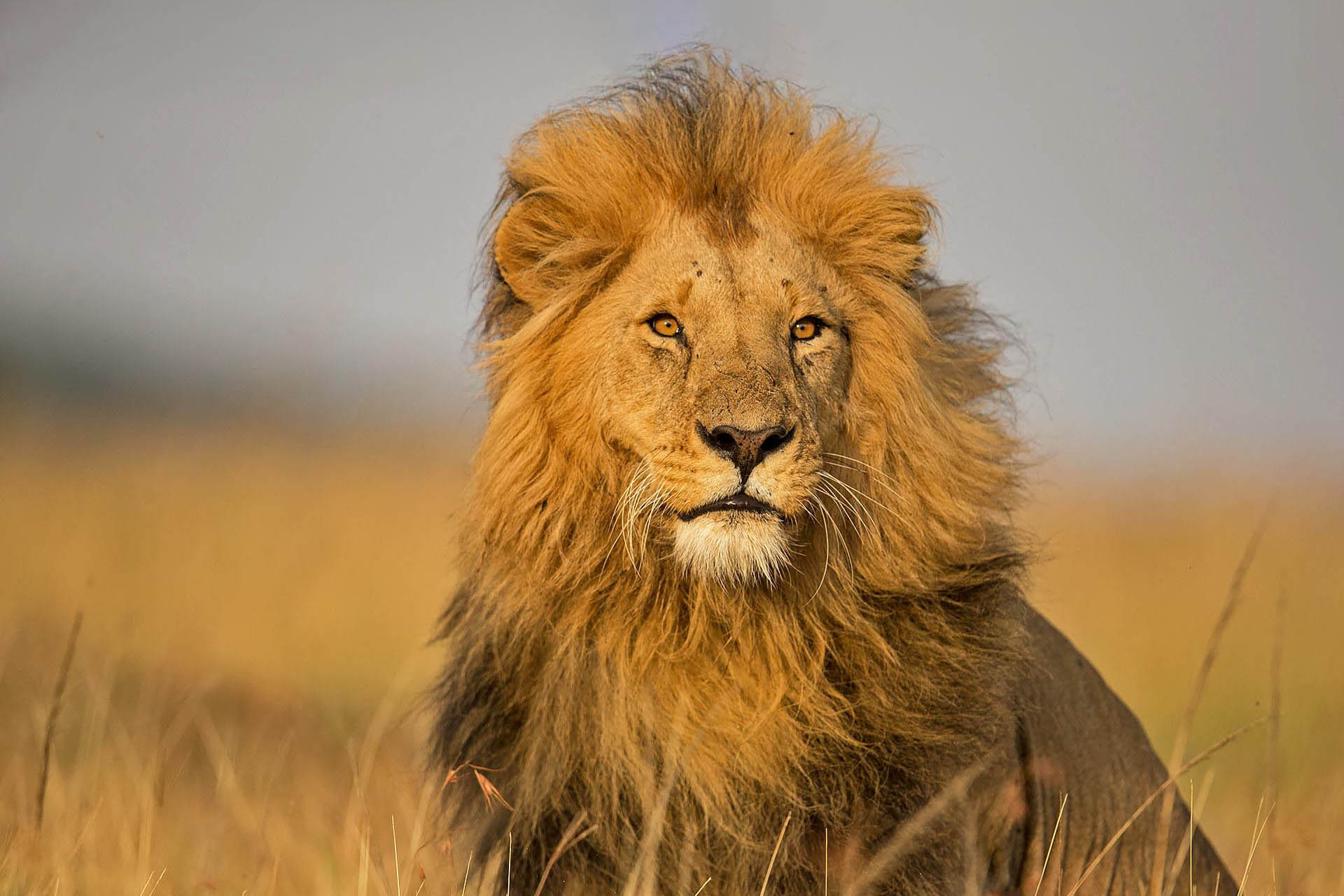
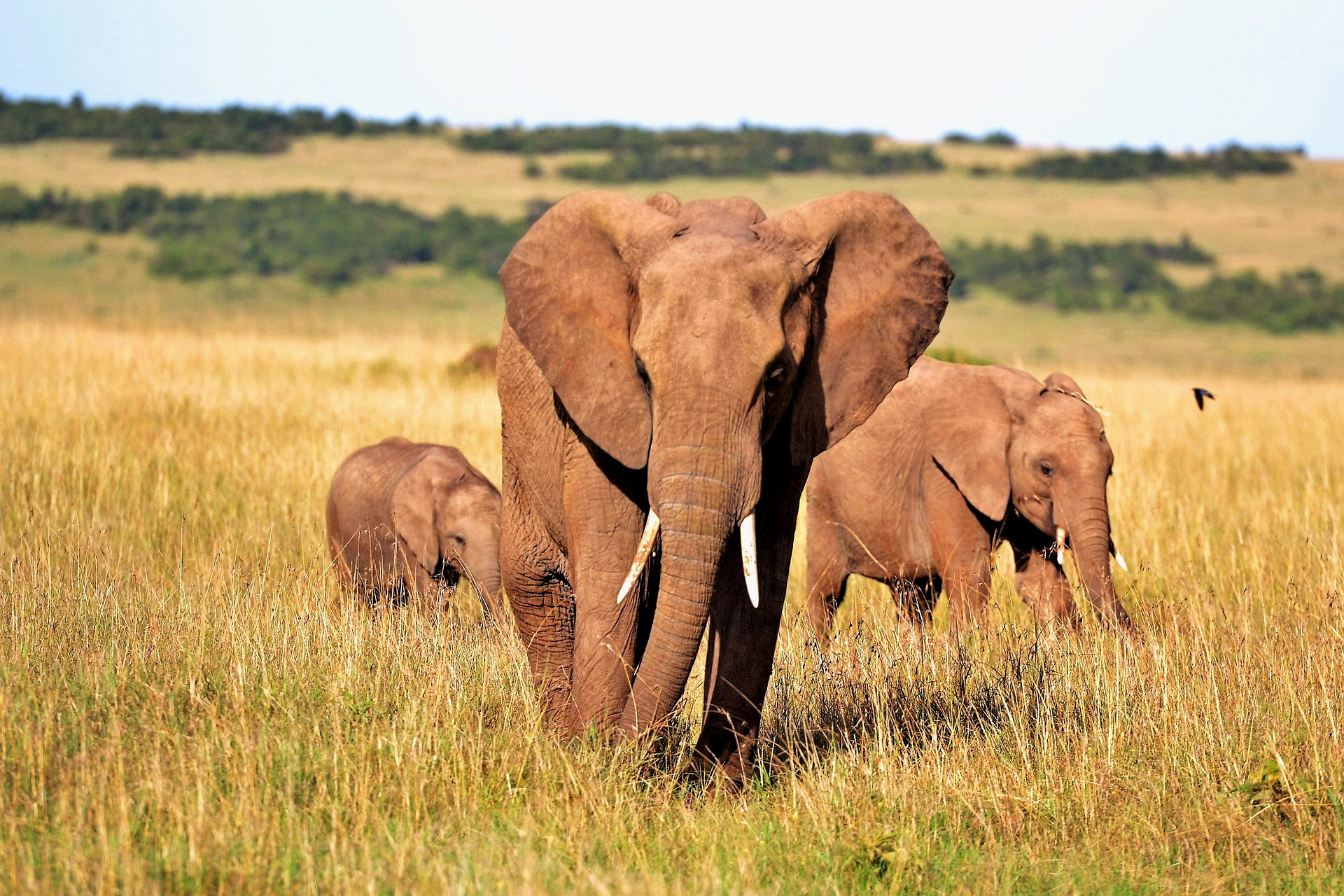
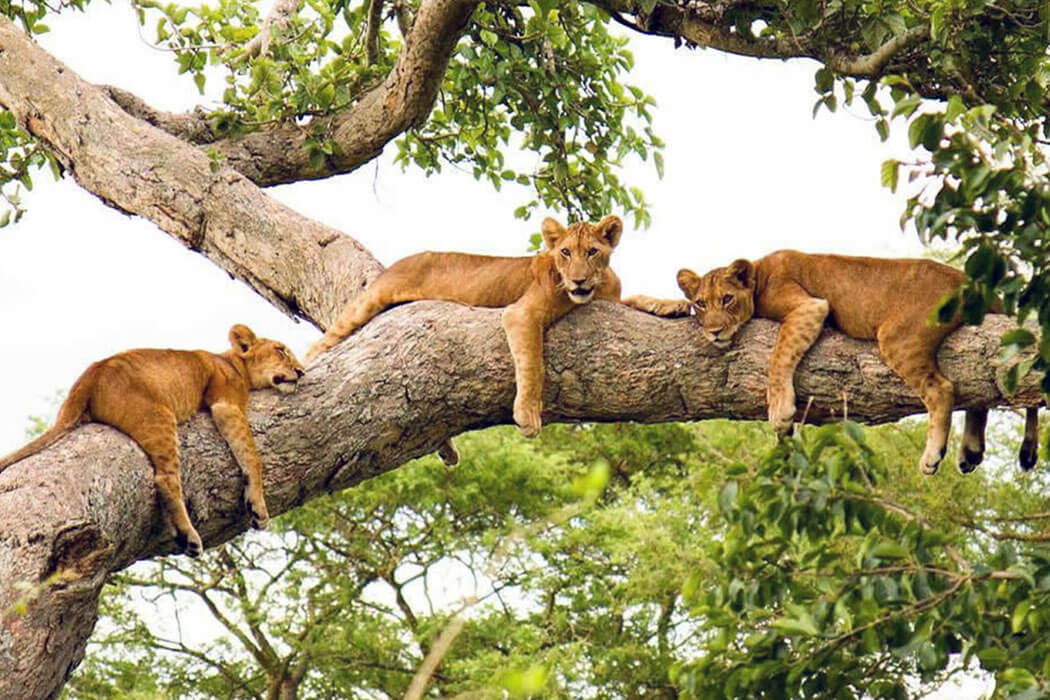
Conservation programmes strengthened law enforcement, reduced poaching, improved community engagement and restored important wildlife populations. Lions returned in 2015. Eastern black rhinos were reintroduced in 2017 and 2019, followed by southern white rhinos in 2021 and another major rhino translocation in 2025.
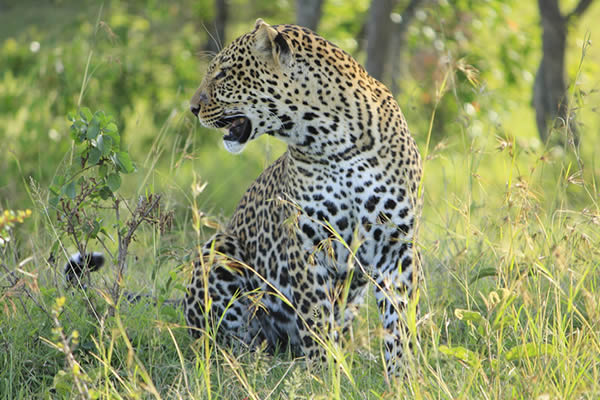
Today, Akagera is once again a place where travellers can search for the Big Five: lion, leopard, elephant, buffalo and rhino.
The park is also home to large numbers of other mammals and hundreds of bird species.
What Makes Akagera Different From the Serengeti and Masai Mara?
The Serengeti and Masai Mara are globally famous for enormous savannah landscapes and, particularly, the spectacular Great Migration.
Akagera should not be marketed as a replacement for that migration.
Its uniqueness is elsewhere.
Akagera offers a smaller-scale, highly varied ecosystem where savannah, woodland and wetlands meet, creating opportunities to experience wildlife in landscapes that feel very different from the vast open plains of the Serengeti-Mara ecosystem.
Instead of following millions of migrating wildebeest, visitors can focus on:
- Big Five wildlife viewing
- Lions and elephants
- Black and white rhinos
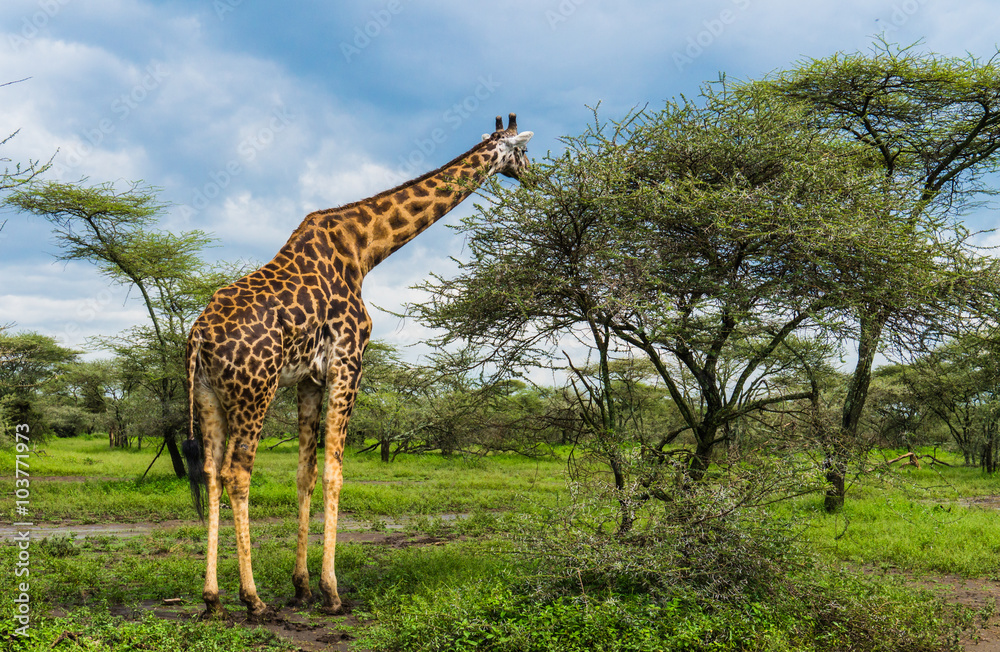
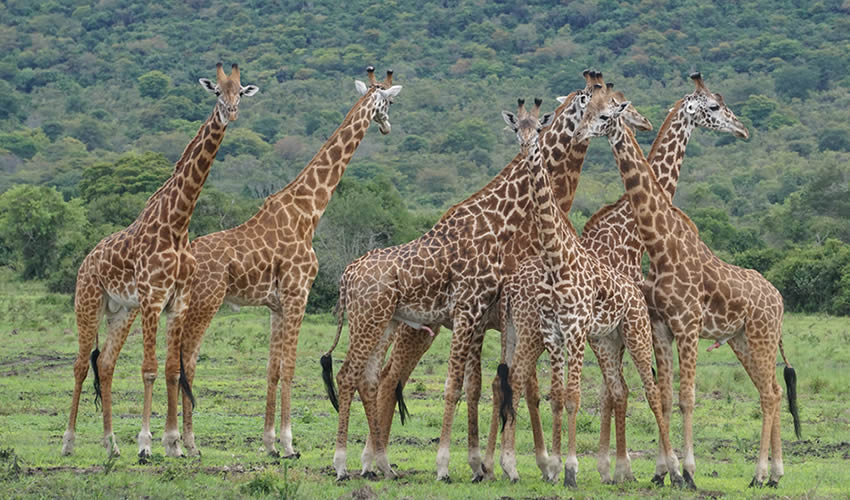
- Giraffes and zebras
- Hippos and crocodiles
- Wetland birdlife
- Boat safaris
- Night drives
- Fishing
- Community experiences
- Conservation and behind-the-scenes experiences
A boat safari on Lake Ihema adds another dimension, allowing visitors to observe hippos, crocodiles and waterbirds from the water.
That is the real Akagera story: not the Great Migration, but the remarkable restoration of a Rwandan savannah ecosystem.
Akagera Game Drive Strategy: How to Maximize Your Wildlife Experience


A successful Akagera National Park safari should not simply mean driving around randomly looking for animals.
Your timing and route matter.
Early Morning Game Drive
Begin early when wildlife is generally more active and temperatures are cooler.
This is an excellent period to search for:
- Lions
- Elephants
- Buffalo
- Giraffes
- Zebras
- Antelope
- Birds of prey
Midday Strategy
Instead of spending every midday hour searching the open plains, consider combining wildlife viewing with a relaxed lunch, lodge experience or another activity.
Afternoon Game Drive
As temperatures begin to fall, animals may become active again.
This is a useful period for continuing wildlife searches before sunset.
Night Drive
A night drive offers an entirely different perspective. Nocturnal species and nighttime behaviour can make the experience completely different from a daytime safari.
Akagera's park management also offers activities including night drives, boat trips, fishing, cultural experiences and behind-the-scenes experiences, subject to current availability and park regulations.
Boat Safari
Do not leave Akagera without considering a boat safari if your schedule allows.
The experience shifts your perspective from land to water, especially around Lake Ihema.
2. Nyungwe National Park: Ancient Rainforest, Chimpanzees and Forest Adventures


If Akagera represents Rwanda's savannah, Nyungwe National Park represents its ancient rainforest.
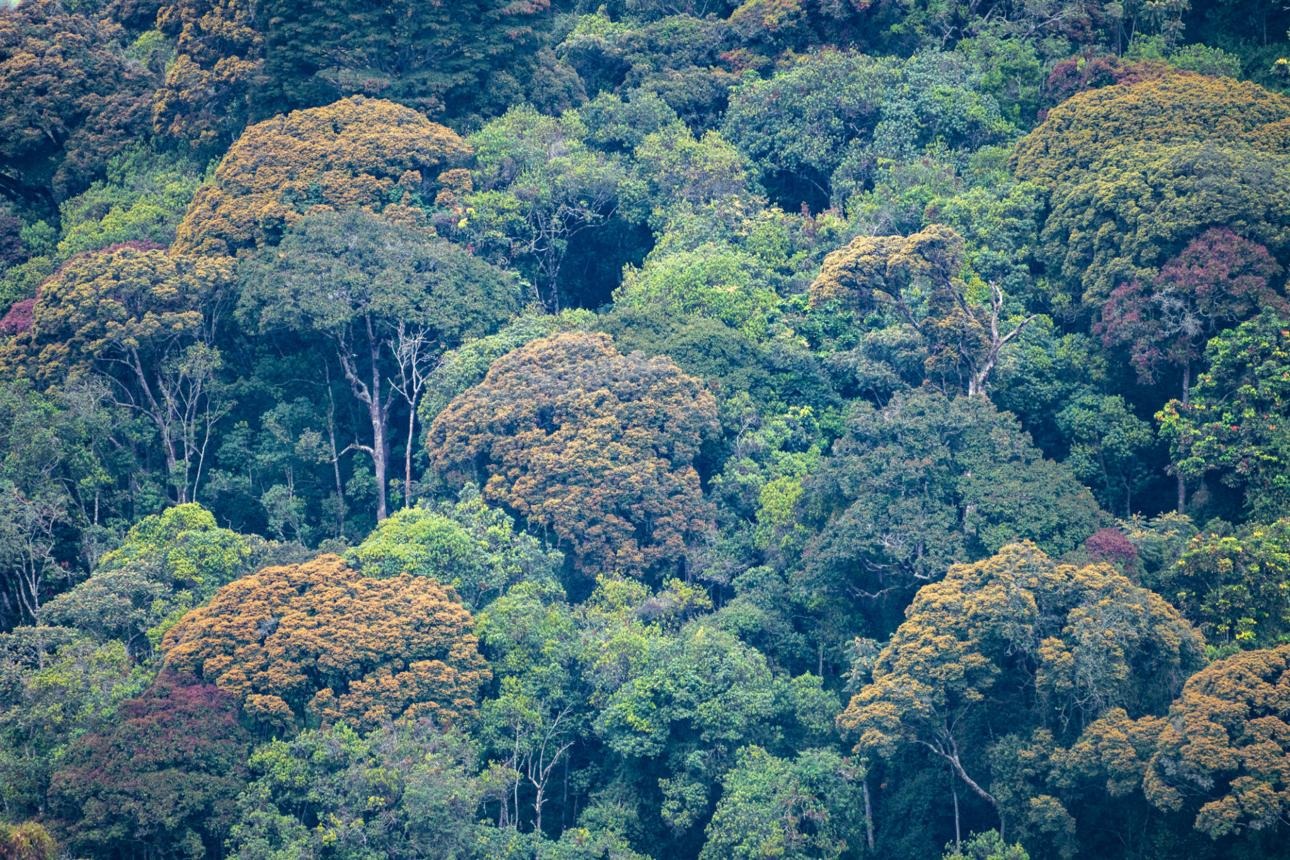
Nyungwe is one of Africa's oldest rainforests and covers approximately 1,019 km² of dense montane forest, bamboo-covered slopes, grasslands and wetlands.
The forest contains remarkable biodiversity, including hundreds of bird species, numerous mammals and 13 primate species. It is also an important ecological water catchment connecting the Congo and Nile basins.
Nyungwe was first established as a forest reserve in 1933 and became a national park in 2005. In 2023, it was inscribed on the UNESCO World Heritage List, recognizing its outstanding natural value.
Nyungwe's Conservation Journey
Nyungwe's importance goes beyond tourism.
Its forest protects biodiversity, supports water systems and provides livelihoods and opportunities for surrounding communities.
In 2020, the Rwanda Development Board entered a long-term management partnership with African Parks to strengthen conservation, community development and sustainable tourism.
The park's conservation model increasingly connects:
Forest protection → wildlife monitoring → tourism → local employment → community enterprise → long-term conservation.
This is one of the reasons Nyungwe deserves a prominent place in a Rwanda safari 2026–2027.
What Can You Do in Nyungwe National Park Apart From Game Drives?
Nyungwe is not primarily a traditional game-drive destination.
Its greatest experiences happen on foot, above the forest and within the rainforest itself.
Chimpanzee Trekking
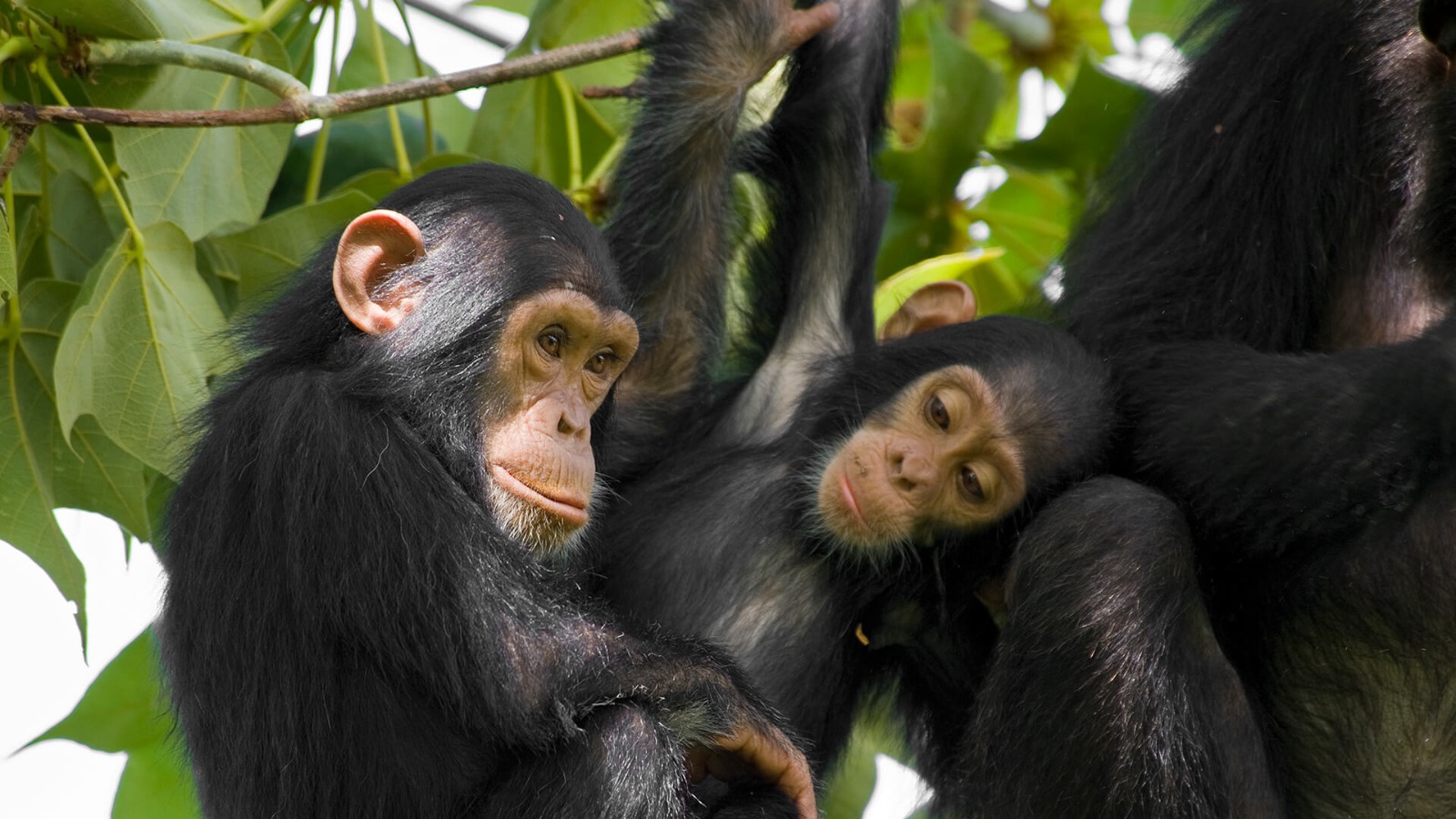
Chimpanzee trekking is one of the signature experiences.
Visitors enter the forest with trained guides and trackers in search of habituated chimpanzee communities.
The experience is different from gorilla trekking.
Chimpanzees move quickly through the forest, vocalize loudly and may travel through the canopy, making the encounter dynamic and unpredictable.
Nyungwe Canopy Walk
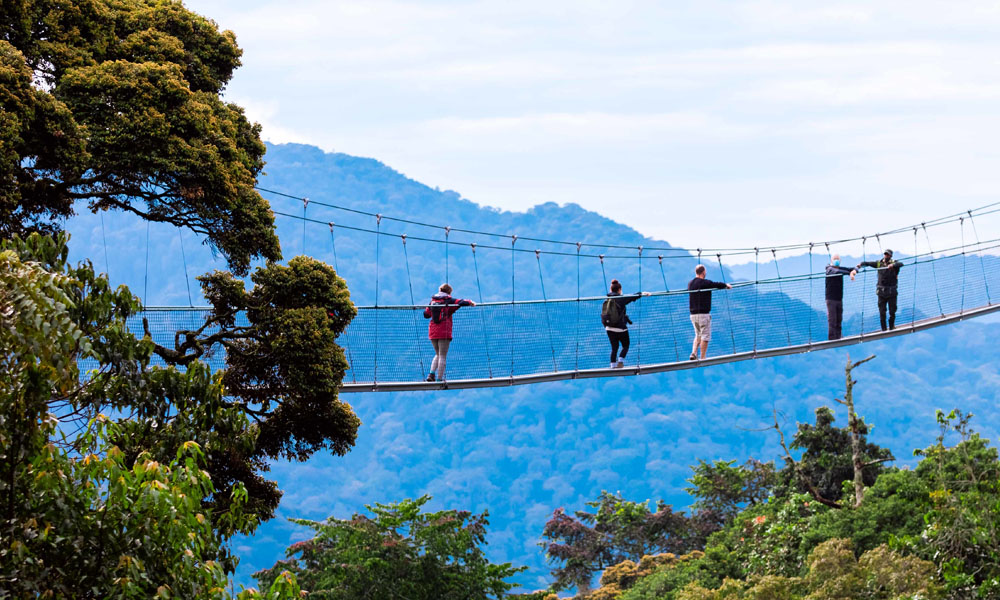

The Nyungwe Canopy Walkway takes visitors high above the forest floor.
The suspension bridge is approximately 160 metres long and around 70 metres above the ground, providing spectacular views across the forest canopy.
For many visitors, this becomes one of the most memorable experiences of a Nyungwe National Park safari.
Hiking and Waterfalls
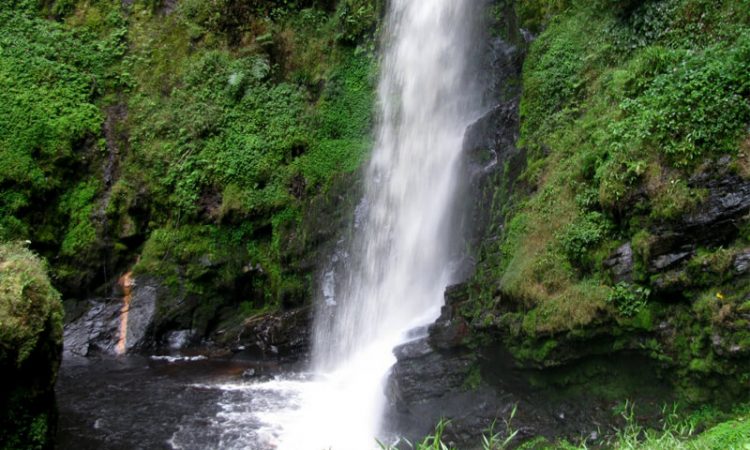
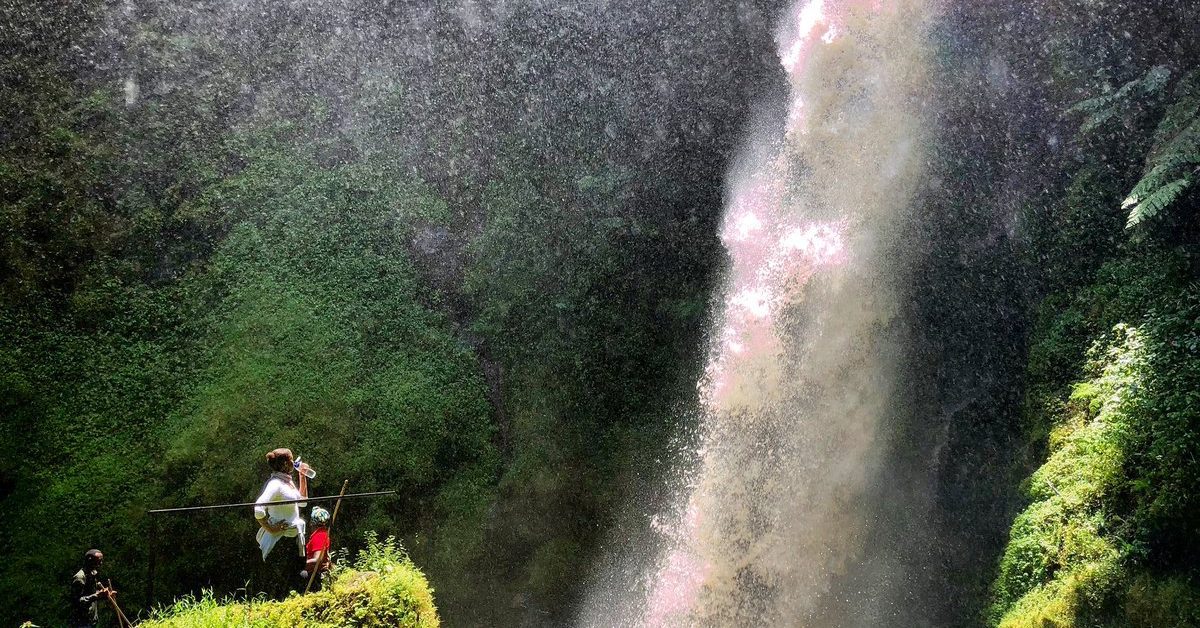
Nyungwe contains a network of hiking trails through ancient forest.
Depending on the selected trail and current park arrangements, visitors can explore waterfalls, forest viewpoints, vegetation, birds and primates.
The Kamiranzovu Waterfall and Ndambarare Waterfall are among the attractions highlighted by Rwanda's tourism authorities.
Birdwatching
Nyungwe is particularly important for birdwatchers.
The forest contains numerous Albertine Rift species and offers opportunities to search for forest specialists that are difficult to encounter in open savannah environments.
Primate Tracking
Chimpanzees are not the only attraction.
Nyungwe is home to multiple primate species, including colobus monkeys and L'Hoest's monkeys.
Nyungwe Canopy Zipline
Nyungwe has continued developing new adventure experiences.
The park launched a 1,935-metre canopy zipline in 2025, described by African Parks as one of Africa's longest. A 280-metre Gisakura Rope Course was also introduced.
This gives travellers another reason to visit Nyungwe beyond chimpanzee trekking.
Forest Camping and Multi-Day Hiking
For adventurous travellers, Nyungwe's longer trails and campsites create opportunities to experience the forest more slowly rather than treating it as a short stop between destinations.
3. Volcanoes National Park: The Heart of Gorilla Trekking Rwanda
Then comes the experience that has made Rwanda famous around the world: gorilla trekking in Volcanoes National Park.
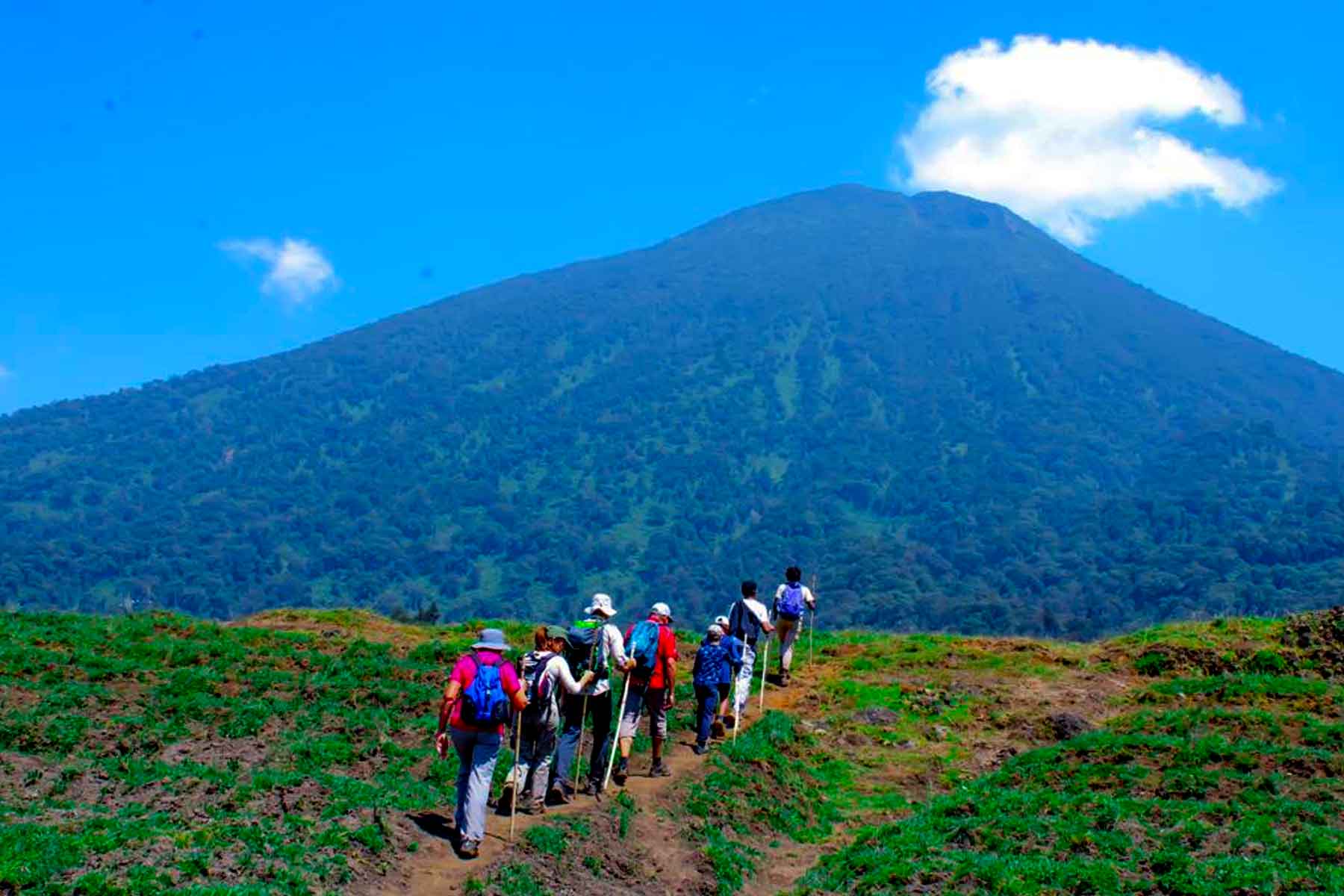
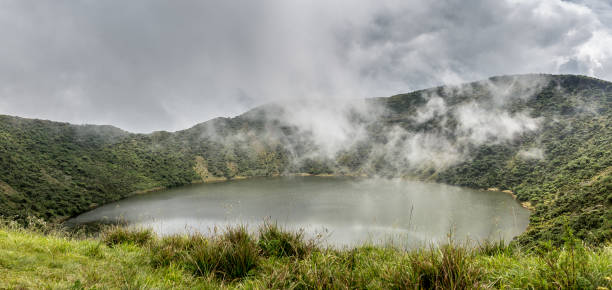
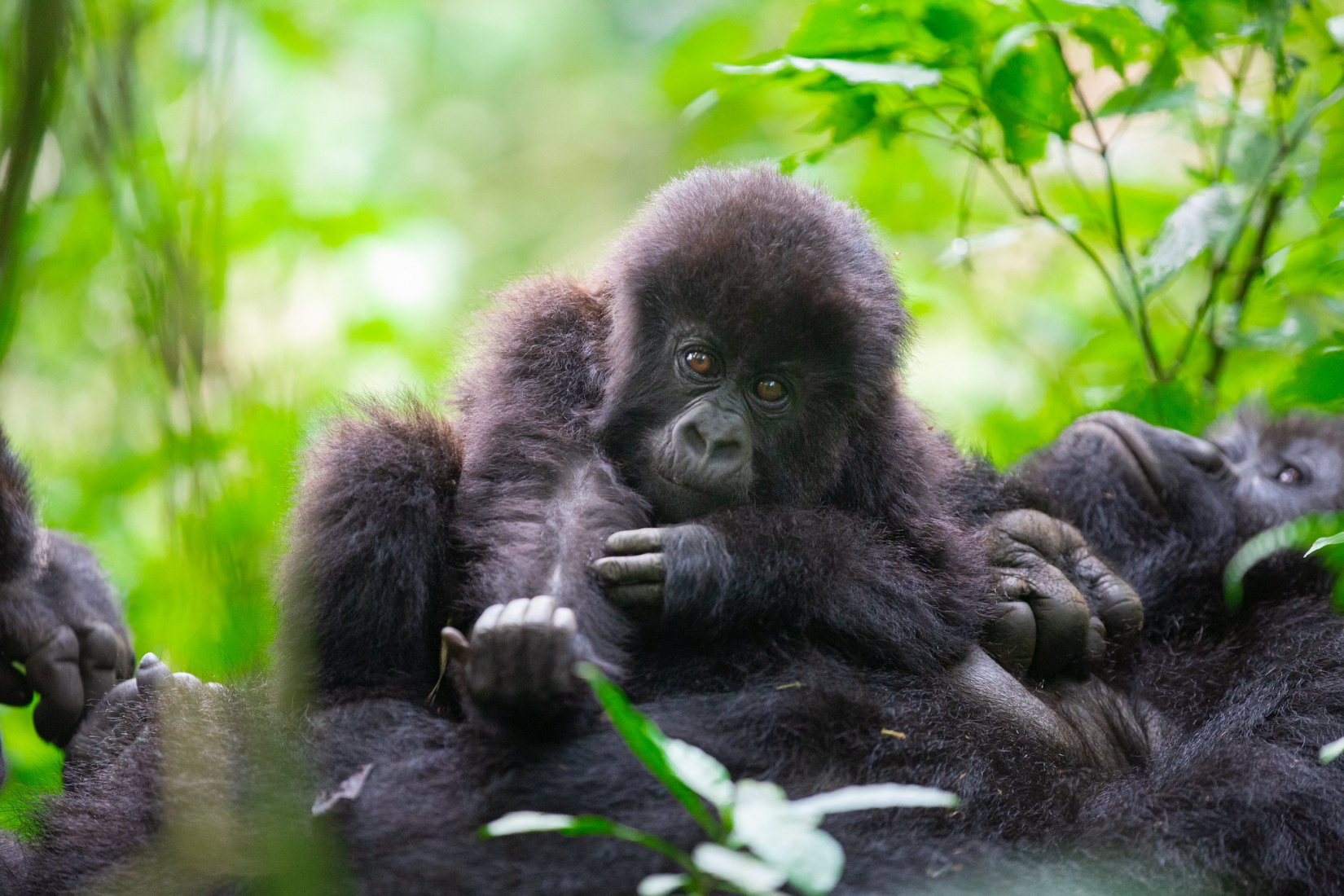
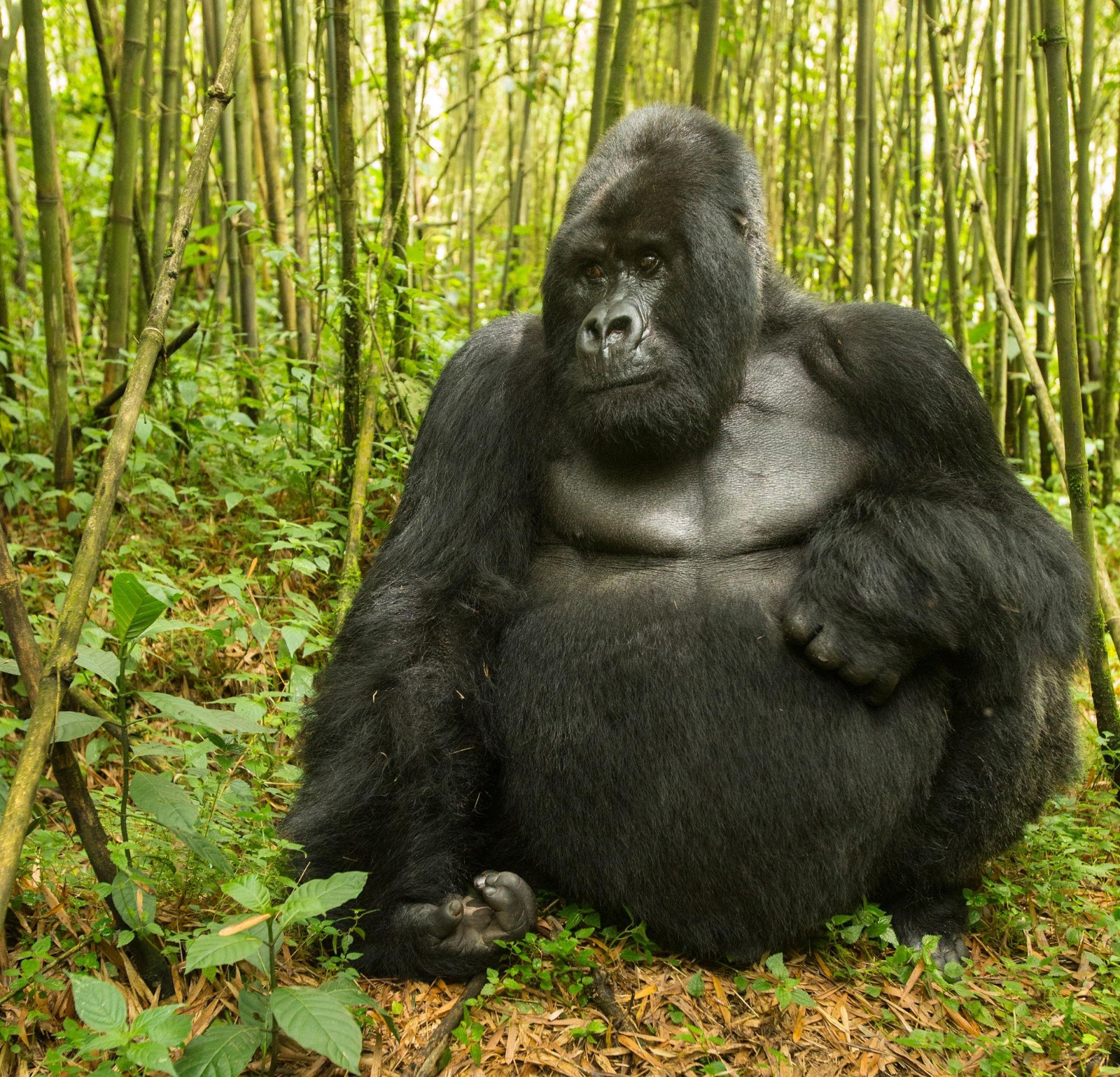
Volcanoes National Park protects the Rwandan section of the Virunga Massif and is home to endangered mountain gorillas, golden monkeys and a rich montane ecosystem.
The park contains five major volcanoes:
- Mount Karisimbi
- Mount Bisoke
- Mount Muhabura

- Mount Gahinga
- Mount Sabyinyo
Karisimbi reaches approximately 4,507 metres.
A Conservation Story That Changed Rwanda's Wildlife Tourism
Volcanoes National Park was established in 1925, making it one of Africa's earliest national parks created specifically to protect mountain gorilla habitat.
Its history includes severe conservation challenges.
In 1978, the mountain gorilla population in the Virunga region was estimated at only around 285 individuals. Conservation work subsequently helped the population recover substantially. Rwanda's 2010 figure for the Virunga Massif was 480 gorillas, rising to 604 in the 2016 census.
The latest 2026 information from Rwanda's Development Board states that more than 1,060 mountain gorillas now live across the Virunga Massif and Bwindi ecosystem.
This recovery is not accidental.
It has involved:
- Rangers
- Trackers
- Veterinarians
- Researchers
- Conservation organizations
- Local communities
- Tourism operators
- Government institutions
- Responsible visitors
The annual Kwita Izina gorilla naming ceremony has become one of Rwanda's major conservation events. In September 2026, Rwanda celebrated the 21st Kwita Izina and named 22 baby mountain gorillas.
Gorilla Trekking Rwanda: More Than a Wildlife Encounter
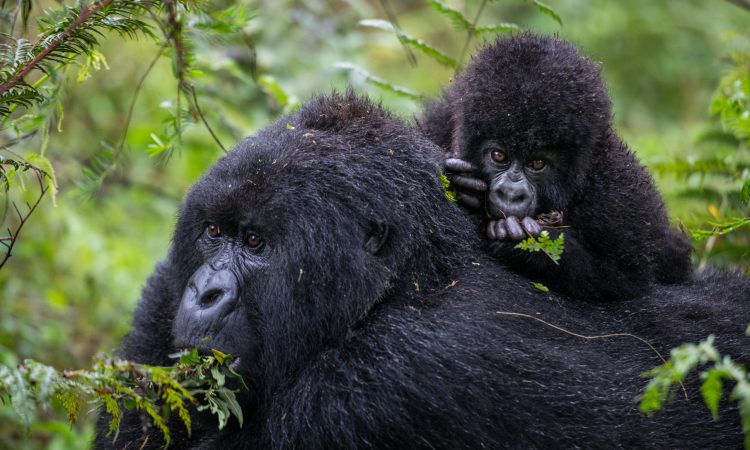

A gorilla trek is not simply about taking a photograph.
You walk through the natural habitat of a species whose survival has depended on decades of conservation.
Trekking times vary considerably. Visitors may hike for less than an hour or several hours depending on where their assigned gorilla group is located.
Porters are available to help carry equipment and assist travellers along the route.
Things to Do in Volcanoes National Park Beyond Gorilla Trekking
A Rwanda safari and gorilla trekking itinerary becomes even more interesting when you allow time for experiences beyond gorillas.
Golden Monkey Trekking
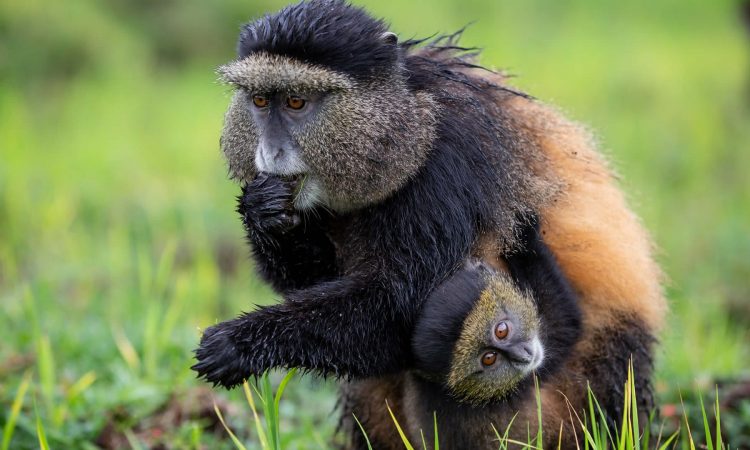

Volcanoes National Park is also home to endangered golden monkeys.
This provides another exceptional primate experience.
Dian Fossey Research Area
Travellers interested in conservation history can hike toward the former Karisoke Research Centre and Dian Fossey's gravesite.
Fossey's work became an important part of the international story of mountain gorilla conservation.
Volcano Hiking
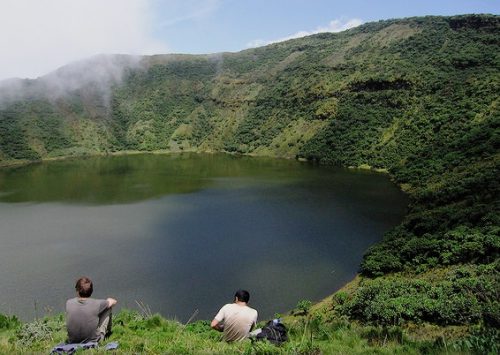
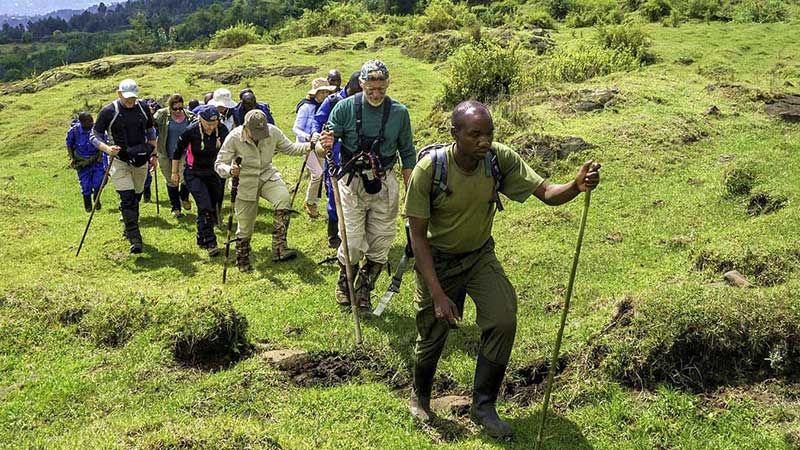

Experienced hikers can climb volcanic peaks such as:
- Mount Bisoke
- Mount Muhabura
- Mount Karisimbi
- Mount Sabyinyo
The difficulty varies considerably, so itineraries should be matched to fitness, weather and available trekking conditions.
Musanze Caves
Musanze Caves provide another geological and cultural experience in the region. Visit Rwanda notes that the caves were formed millions of years ago following volcanic activity.
Buhanga Eco-Park
Buhanga Eco-Park offers a different experience centred around ancient forest and Rwandan cultural traditions.
Cultural and Village Experiences
Visitors can also combine their Volcanoes National Park safari with community and cultural experiences around Musanze.
Why Combine Akagera, Nyungwe and Volcanoes?
This is where Rwanda safari and gorilla trekking becomes especially powerful.
Each park answers a different question.
Destination
Main Experience
Landscape
- Big Five & savannah safari
- Savannah, woodland, wetlands and lakes
- Chimpanzees & rainforest adventure
- Ancient montane rainforest
- Mountain gorillas & golden monkeys
- Volcanic mountains and bamboo forest
Instead of spending an entire holiday searching for one type of wildlife, you experience three completely different ecosystems.
That is the strongest argument for a combined Rwanda safari.
A Beautiful One-Day Tour Option for Each Park
A one-day experience cannot reproduce everything a multi-day safari offers, but it can provide an exciting introduction when travellers have limited time.
One-Day Akagera Safari From Kigali
Early Morning: Kigali Departure
Leave Kigali very early and travel east toward Akagera National Park.
Morning: Game Drive
Enter the park and begin wildlife viewing.
Focus on the major habitats where your guide can search for elephants, buffalo, giraffes, zebras, antelope, lions and other species.
Midday: Lunch and Relaxation
Take a break before continuing.
Afternoon: Second Wildlife Experience
Continue the game drive or, depending on timing and availability, include another park activity.
Evening: Return to Kigali
After the wildlife experience, drive back to Kigali.
Best for: travellers with very limited time who want a taste of a Big Five safari in Rwanda.
One-Day Nyungwe Experience

A one-day Nyungwe itinerary requires careful planning because the park is far from Kigali.
Early Morning: Depart for Nyungwe
A very early start is essential.
Morning: Chimpanzee Trekking
Enter the rainforest with park guides and trackers.
Midday: Lunch
Relax after the trek.
Afternoon: Canopy Walk or Forest Trail
If timing and availability allow, experience the canopy walkway or another suitable forest activity.
Evening: Return or Overnight
For most international travellers, an overnight stay is more comfortable and allows more time in the forest.
Important: A one-day Nyungwe excursion is possible in a tightly planned itinerary, but a two-day or longer stay generally provides a better experience because of the travel distance and early activity schedules.
One-Day Volcanoes National Park Experience
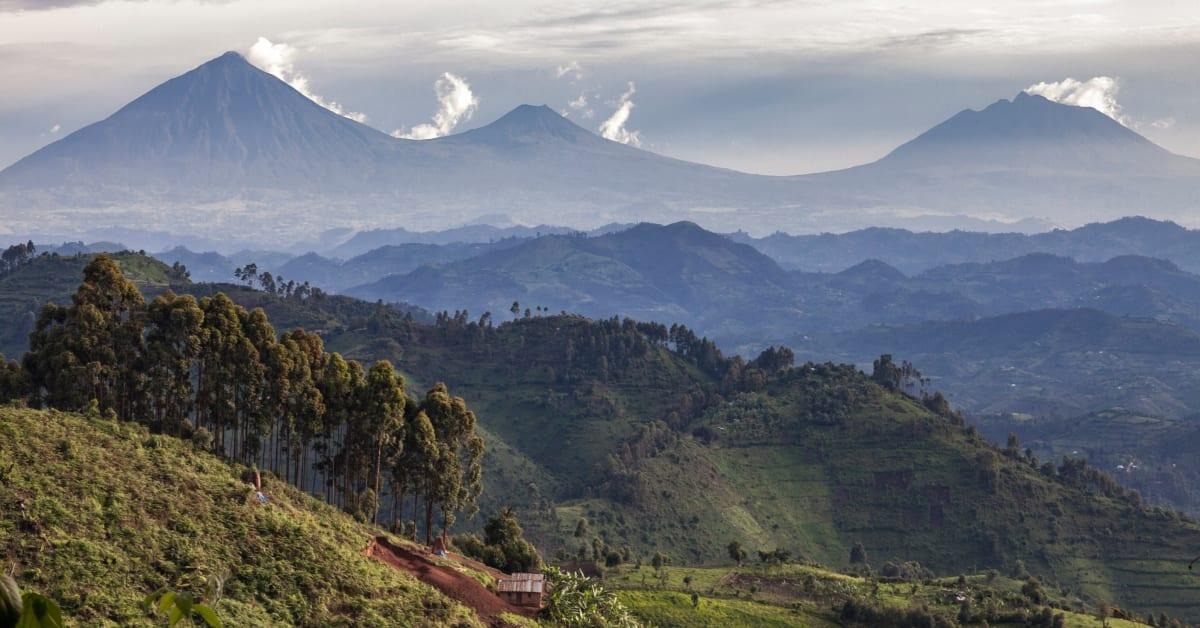
Volcanoes is particularly suitable for short excursions from Kigali.
Early Morning: Kigali to Musanze
Travel north toward Musanze.
Morning: Golden Monkey Trekking or Gorilla Trekking
For gorilla trekking, a valid permit and strict park procedures are required.
For travellers who do not have a gorilla permit, golden monkey trekking can provide another excellent primate experience.
Afternoon: Cultural or Scenic Experience
Depending on your schedule, continue with a cultural experience, Musanze Caves or a scenic activity.
Evening: Return to Kigali
Return to Kigali after the day's adventure.
The Ideal Rwanda Safari and Gorilla Trekking Itinerary
For travellers who have more time, combining the three parks creates a much richer journey.
9-Day Rwanda Safari and Gorilla Trekking Circuit

Day 1 – Arrive in Kigali
Airport pickup.
Hotel check-in.
Optional Kigali city experience.
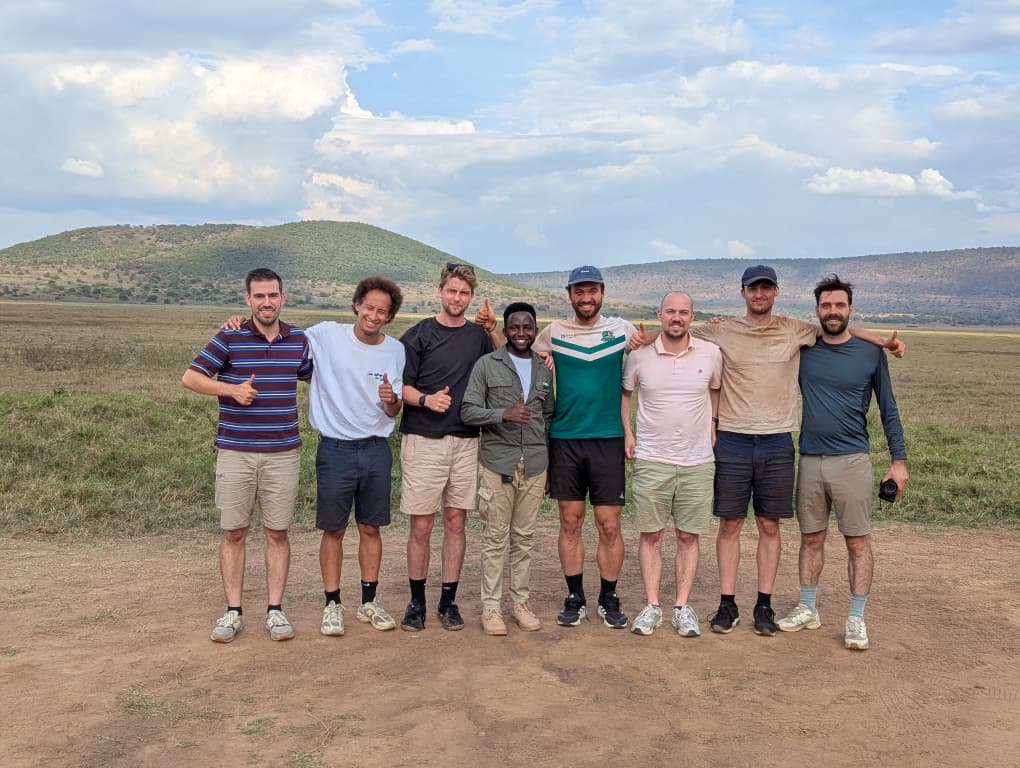
Day 2 – Kigali to Akagera National Park
Travel east toward Akagera.
Afternoon game drive.
Overnight near or inside the park.
Day 3 – Full-Day Akagera Safari
Early morning game drive.
Big Five wildlife search.
Lunch.
Boat safari on Lake Ihema where scheduled.
Overnight in Akagera.
Day 4 – Akagera to Nyungwe
Long scenic transfer across Rwanda.
Optional cultural or scenic stops.
Overnight near Nyungwe.
Day 5 – Chimpanzee Trekking in Nyungwe
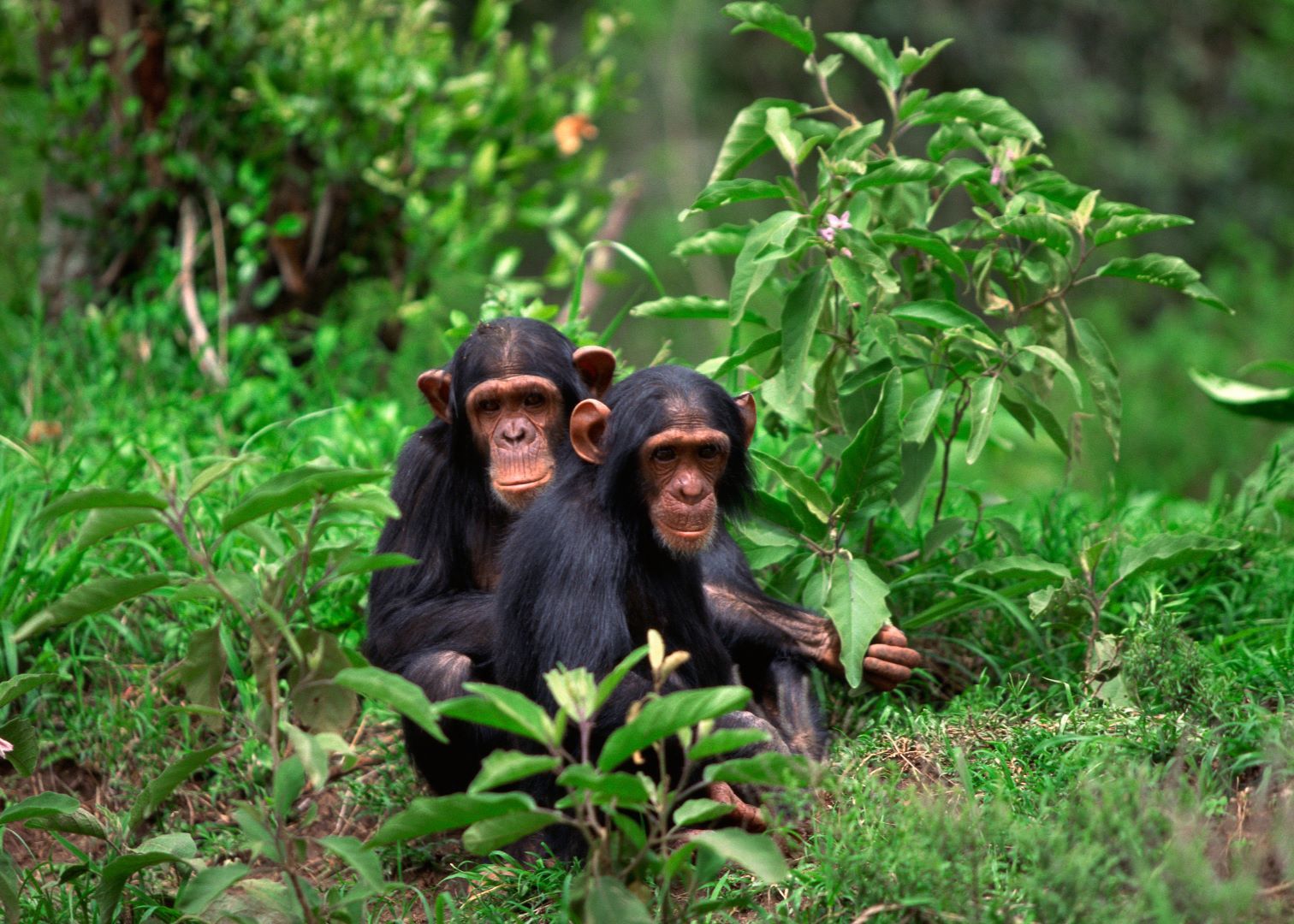
Early morning chimpanzee trekking.
Afternoon canopy walkway or forest activity, subject to timing.
Overnight near Nyungwe.
Day 6 – Nyungwe Adventure
Forest hiking, waterfall experience, birdwatching or another available activity.
Continue toward the western/northern part of Rwanda.
Day 7 – Travel to Volcanoes National Park

Travel toward Musanze.
Optional cultural experience.
Overnight near Volcanoes National Park.
Day 8 – Gorilla Trekking Rwanda

Early morning briefing.
Mountain gorilla trek.
Spend the regulated visitor time observing the gorilla family.
Return to the lodge.
Relax.
Day 9 – Golden Monkeys or Volcano Experience and Return to Kigali
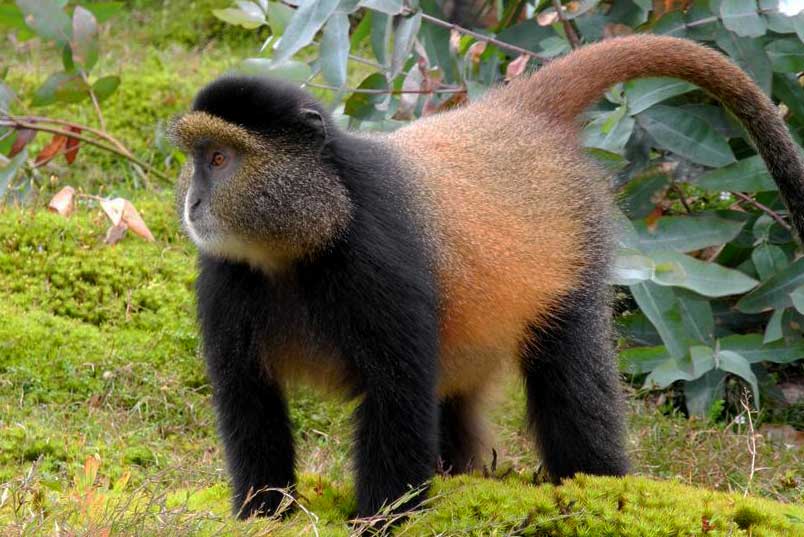
Depending on departure time, enjoy golden monkey trekking, a cultural activity or another Volcanoes experience before returning to Kigali.
Where to Stay: Lodges Inside and Outside Rwanda's National Parks

Accommodation is an important part of a successful Rwanda safari 2026–2027.
The country offers different standards, from campsites and comfortable lodges to luxury safari camps and high-end eco-lodges.
Akagera Accommodation
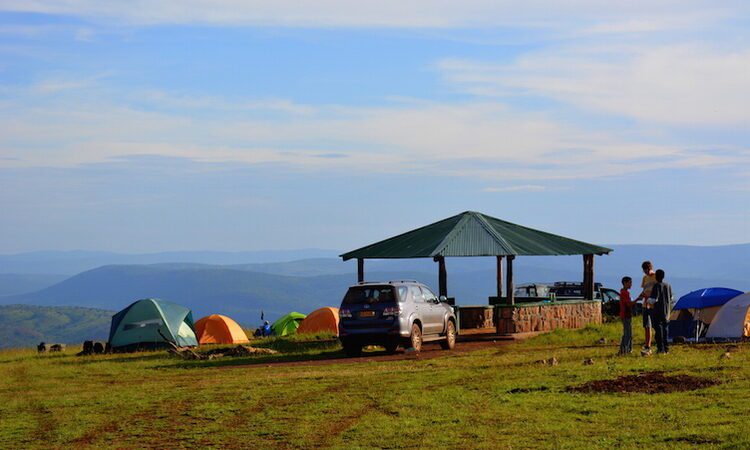
Inside and around Akagera, travellers can choose from safari-style accommodation and camps.
Examples include:
Ruzizi Tented Lodge
Located overlooking Lake Ihema, Ruzizi offers an intimate safari atmosphere and easy access to Akagera wildlife experiences.
Magashi Camp
Magashi provides a luxury safari experience in a wildlife-rich area of Akagera and is particularly suited to travellers seeking a high-end safari atmosphere.
Camping
For adventurous travellers, camping provides another way to experience Akagera.
Nyungwe Accommodation
One&Only Nyungwe House
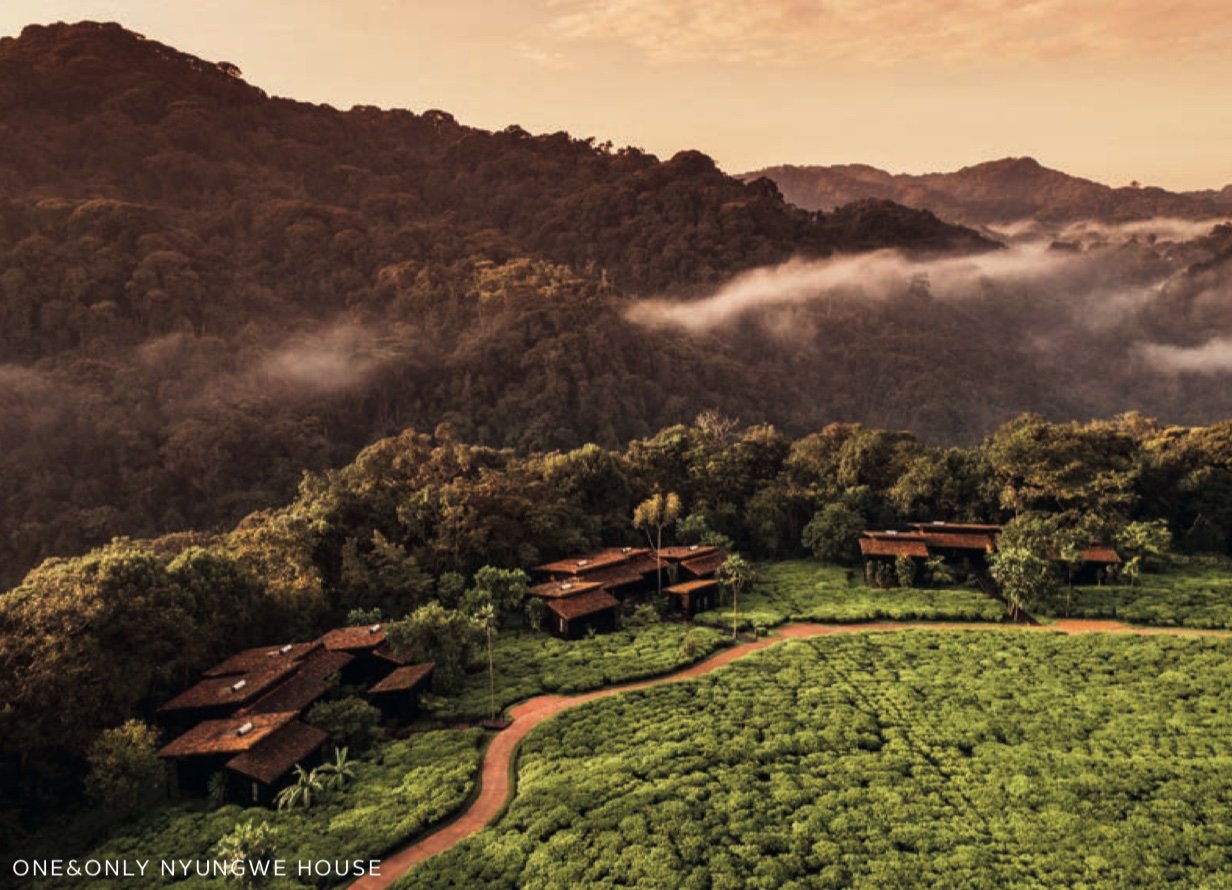
This is one of the most luxurious accommodation options near Nyungwe.
It is located on the edge of the forest within a tea-growing landscape and offers high-end accommodation and access to forest experiences.
Munazi Eco Lodge
Nyungwe has also expanded its accommodation options with Munazi Eco Lodge, a 20-bed eco-lodge designed around sustainability and forest experiences.
Campsites and Other Accommodation
Travellers looking for more affordable or adventurous options can also use designated campsites and accommodation around the park.
Volcanoes National Park Accommodation
Volcanoes offers a particularly strong range of accommodation.
Options range from comfortable hotels around Musanze to luxury lodges closer to the park.
Sabyinyo Silverback Lodge
Located close to the park headquarters, Sabyinyo offers private cottages, gardens, a restaurant, bar and other guest facilities.
Bisate Lodge

Bisate is another high-end option for travellers looking for an exclusive conservation-focused stay near Volcanoes National Park.
Accommodation Outside the Parks
Staying outside a national park does not mean sacrificing the safari experience.
Travellers can stay in Kigali, Musanze, Nyamagabe, Rusizi, or other nearby destinations depending on the route.
This can sometimes provide more flexibility for different budgets.
What Makes Rwanda's National Parks So Well Organized?
One of the strongest characteristics of travelling in Rwanda is the structured relationship between tourism, conservation and community development.
The system involves national institutions, park management organizations, conservation partners, guides, rangers, trackers, hospitality businesses and local communities.
Tourism revenue is also linked to community development.
Rwanda's Tourism Revenue Sharing Programme reinvests 10% of national park tourism revenues into surrounding communities. By 2026, the programme had supported nearly 1,300 projects with more than RWF 23 billion invested in community development.
These projects include areas such as:
- Education
- Healthcare
- Water infrastructure
- Livelihood development
- Community enterprises
- Human-wildlife conflict management
This matters because conservation becomes more sustainable when communities living beside protected areas can also benefit from tourism.
Rwanda's Conservation Model: From Resilience to Restoration


The story of Rwanda's national parks is not simply about beautiful landscapes.
It is about resilience.
Akagera demonstrates how a heavily damaged savannah ecosystem can be restored through long-term management, law enforcement, wildlife reintroduction and community engagement.
Nyungwe demonstrates how an ancient forest can be protected while developing sustainable tourism and local economic opportunities.
Volcanoes demonstrates how intensive conservation, research, veterinary care, tourism and community involvement can contribute to the recovery of mountain gorillas.
Rwanda's conservation journey is still continuing.
In 2026, the country announced long-term plans to expand Volcanoes National Park by approximately 3,740 hectares, establish approximately 6,620 hectares of buffer zones, and improve livelihoods for surrounding communities.
This means a Rwanda safari in 2026–2027 is not simply visiting a finished conservation story.
You are visiting a country where conservation is still evolving.
Rwanda Safari 2026–2027: Why the Experience Is Worth Exploring
Rwanda offers something that is difficult to reproduce elsewhere in exactly the same combination.
In One Journey You Can Experience:
Big Five
Savannah
Wetlands
Boat safari
Night drives
Birdwatching
Fishing
Community experiences
Chimpanzee trekking
Canopy walkway
Canopy zipline
Waterfalls
Forest hiking
Birdwatching
Primate tracking
Camping
Ancient rainforest
Gorilla trekking
Golden monkey trekking
Volcano hiking
Dian Fossey experience
Musanze Caves
Buhanga Eco-Park
Cultural experiences
This diversity makes Rwanda particularly attractive to travellers who want a multi-dimensional African safari rather than a single wildlife spectacle.
How Seek Wild Africa Helps You Experience Rwanda


At Seek Wild Africa, we understand that planning a Rwanda safari can involve much more than simply booking a vehicle and accommodation.
Our role is to help travellers transform their ideas into a practical journey.
We can help organize:
- Rwanda safari itineraries
- Gorilla trekking Rwanda packages
- Akagera National Park safaris
- Nyungwe chimpanzee trekking
- Volcanoes National Park experiences
- Big Five wildlife safaris
- Airport transfers
- Private transportation
- Professional driver-guide services
- Accommodation arrangements
- Gorilla trekking permit arrangements
- Park activity planning
- One-day and multi-day tours
- Cultural experiences
- Kigali tours
- Family safari arrangements
- Luxury and standard safari options
- Combined Akagera–Nyungwe–Volcanoes itineraries
We also help travellers choose the right combination according to their time, budget, interests and preferred accommodation standard.
Whether you have one day, three days, one week or more, the itinerary should be designed around what you genuinely want to experience.
What to Bring on a Rwanda Safari and Gorilla Trekking Trip
Good preparation can make a major difference.
Essential Clothing
Bring:
- Lightweight long-sleeved clothing
- Comfortable trousers
- Waterproof jacket
- Warm layers for high-altitude areas
- Comfortable hiking shoes
- Waterproof hiking boots for forest trekking
- Gaiters
- Hat
- Sunglasses
Safari Equipment
Consider bringing:
- Binoculars
- Camera
- Extra batteries
- Power bank
- Small backpack
- Sunscreen
- Insect repellent
- Personal medication
- Reusable water bottle
Responsible Travel: Avoid Single-Use Plastic
Rwanda has a long-standing environmental policy against plastic bags and other environmentally harmful single-use plastics, with the national plastic-bag ban introduced in 2008. Travellers should follow the specific rules communicated by their airline, accommodation provider and each national park.
Instead of carrying disposable plastic bottles, bring a durable reusable water bottle, preferably stainless steel or another sturdy refillable bottle.
A reusable insulated bottle can be especially useful during long drives and trekking days.
Always follow the current park regulations and dispose of waste responsibly.
Leave nothing behind except footprints.
Final Thoughts: One Country, Three Extraordinary Wildlife Worlds
A Rwanda safari and gorilla trekking adventure is about more than ticking animals off a list.
It is about experiencing the contrast between three remarkable landscapes.
The Great Migration of the Serengeti and Masai Mara is one of Africa's great natural spectacles. Rwanda does not need to imitate it.
Instead, Rwanda offers a different proposition:
Big Five + chimpanzees + mountain gorillas + rainforest + volcanoes + wetlands + conservation + culture — within one carefully connected destination.
That combination is what makes Rwanda safari and gorilla trekking such a compelling choice for travellers planning an African adventure in 2026–2027.
And with Seek Wild Africa, you do not have to plan the entire journey alone.
We help you organize the route, activities, accommodation, transportation and experiences so that your time in Rwanda becomes more than a holiday.
It becomes a journey through wildlife, nature, culture and conservation — from Akagera to Nyungwe to Volcanoes.
Explore Rwanda with Seek Wild Africa and discover three national parks, three ecosystems and countless unforgettable moments.