Akagera vs Serengeti: Which African Safari Experience Is Right for You? In 2026
November 21, 2026Clementine
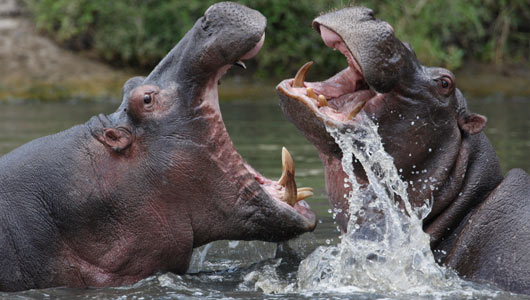
Africa offers wildlife experiences that remain unforgettable long after a journey ends. From enormous herds moving across golden plains to elephants gathering near lakes and lions resting beneath acacia trees, every safari destination has a story to tell.
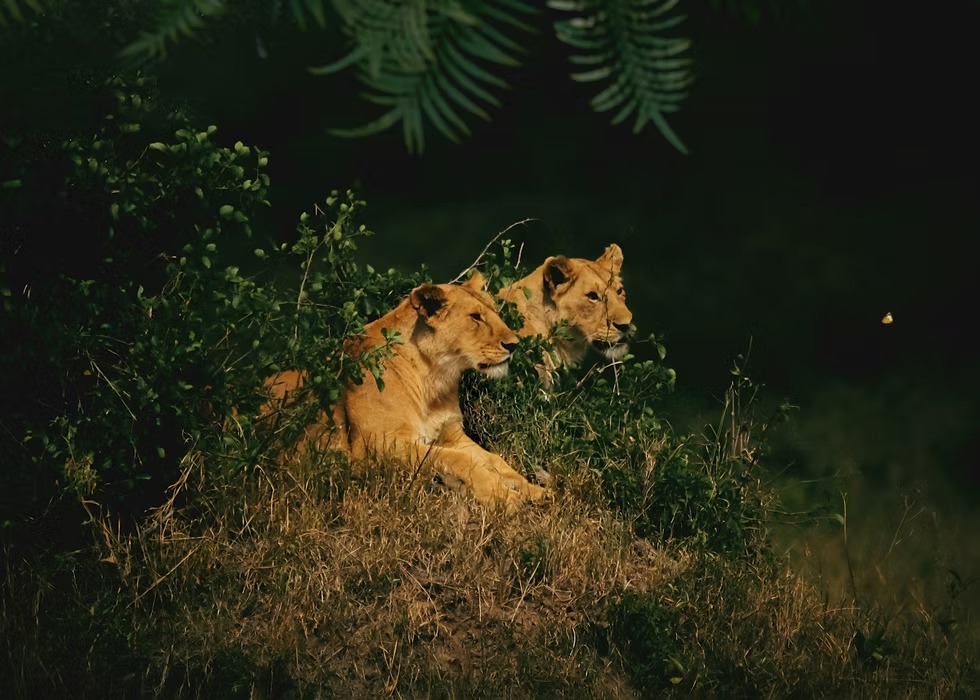
Among the continent's most celebrated wildlife destinations, Tanzania's Serengeti National Park stands out for its immense savannah landscapes and the legendary Great Migration. Yet in eastern Rwanda, Akagera National Park offers a different and equally compelling reason to explore Africa: a remarkable conservation comeback, a thriving Big Five ecosystem, beautiful lakes and wetlands, and a more compact safari experience within one of Africa's most welcoming destinations.
For travellers planning an African safari in 2026–2027, the choice between Akagera and the Serengeti is not simply a comparison of animal numbers. It is about deciding which experience best matches your interests, available time, budget and travel ambitions.
The Serengeti is ideal for travellers dreaming of vast wilderness areas, large-scale wildlife movements and an extended East African safari. Akagera, meanwhile, is particularly attractive to visitors seeking diverse wildlife, guided game drives, scenic boat excursions and an opportunity to experience Rwanda's extraordinary conservation achievements.
Akagera's story is especially inspiring. Established in 1934, the park suffered substantial habitat loss and declining wildlife populations during difficult periods in Rwanda's history. Through renewed conservation investment, stronger protection measures, wildlife reintroductions and community engagement, it has developed into Rwanda's principal savannah safari destination.
Today, visitors can encounter lions, elephants, rhinos, buffaloes and leopards while exploring a landscape of open plains, rolling hills, papyrus swamps and shimmering lakes.
So, which African safari is right for you? This comprehensive guide compares Akagera and the Serengeti, explains what makes Rwanda's wildlife destination distinctive, and shows how Seek Wild Africa can organise an exceptional safari for 2026–2027.
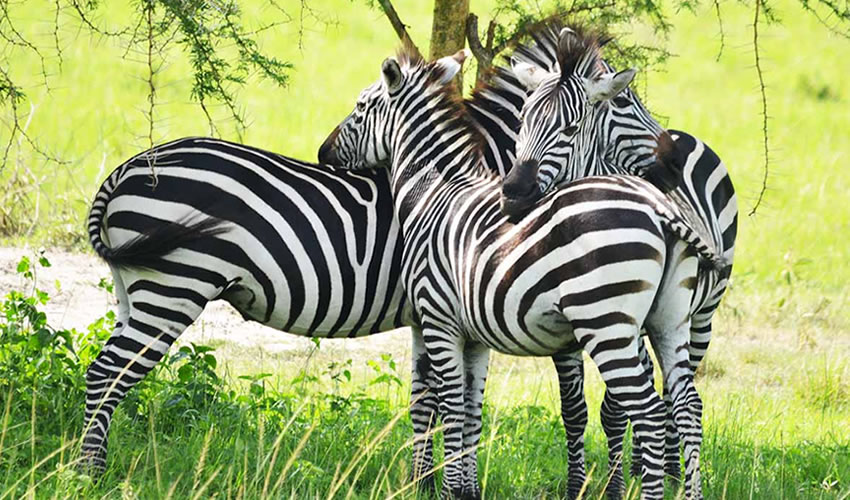
Akagera National Park: Location, History and Conservation Significance
Where Is Akagera National Park Located?
Akagera National Park lies in eastern Rwanda along the border with Tanzania. It is Rwanda's only protected savannah national park and covers approximately 1,122 square kilometres.
The park's landscape combines open grasslands, woodland, rolling hills, lakes, rivers and extensive wetlands. The Akagera River system forms an important part of the region's ecological character, supporting wildlife and a remarkable variety of bird species.
Located approximately 110–120 kilometres from Kigali, depending on the route and entrance used, Akagera can generally be reached in around 2.5–3.5 hours by road.
This accessibility makes it an excellent choice for visitors who want to experience a traditional African wildlife safari without undertaking a lengthy journey to a remote destination.
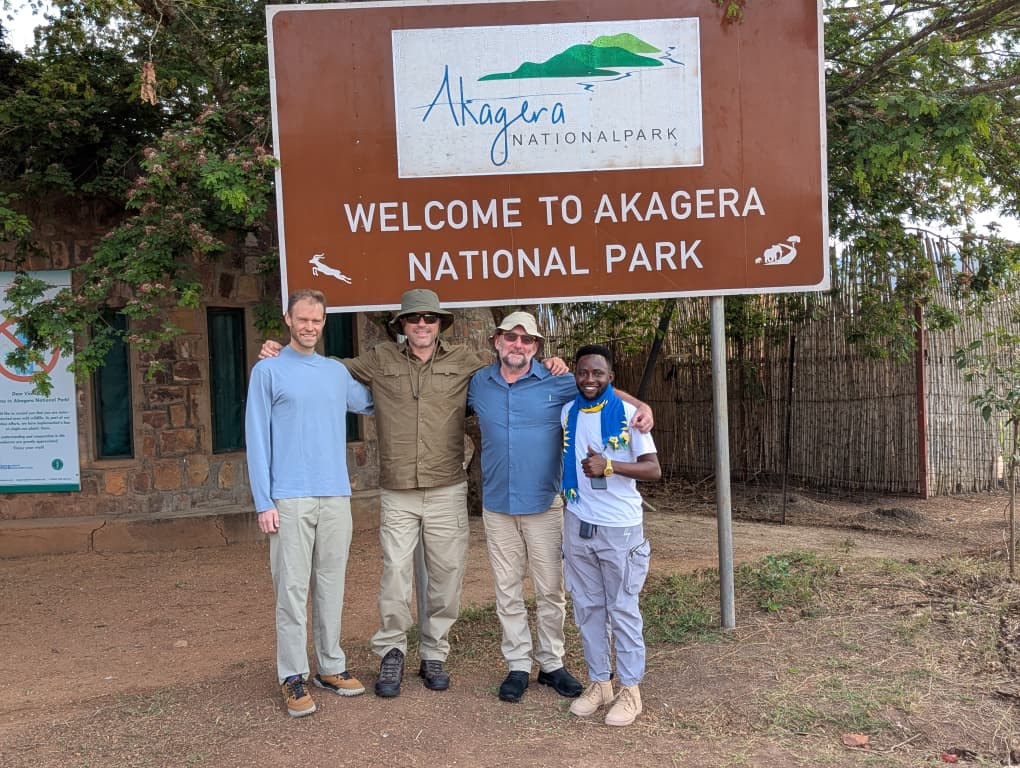
The History of Akagera National Park: Established in 1934
Akagera National Park was established in 1934 to protect Rwanda's wildlife and natural habitats.
Historically, the protected area covered more than 2,500 square kilometres. Its extensive savannahs, wetlands and woodland ecosystems supported a rich variety of wildlife.
However, the park's history also includes a period of severe pressure.
Following the 1994 Genocide against the Tutsi and the return of refugees, land around Akagera was under considerable pressure from settlement, livestock and agricultural needs. In the years that followed, substantial portions of the protected area were removed from the park, and wildlife populations declined.
Poaching, habitat loss and human-wildlife conflict further complicated conservation efforts.
These challenges threatened the park's ecological integrity and reduced its potential as a major wildlife tourism destination.
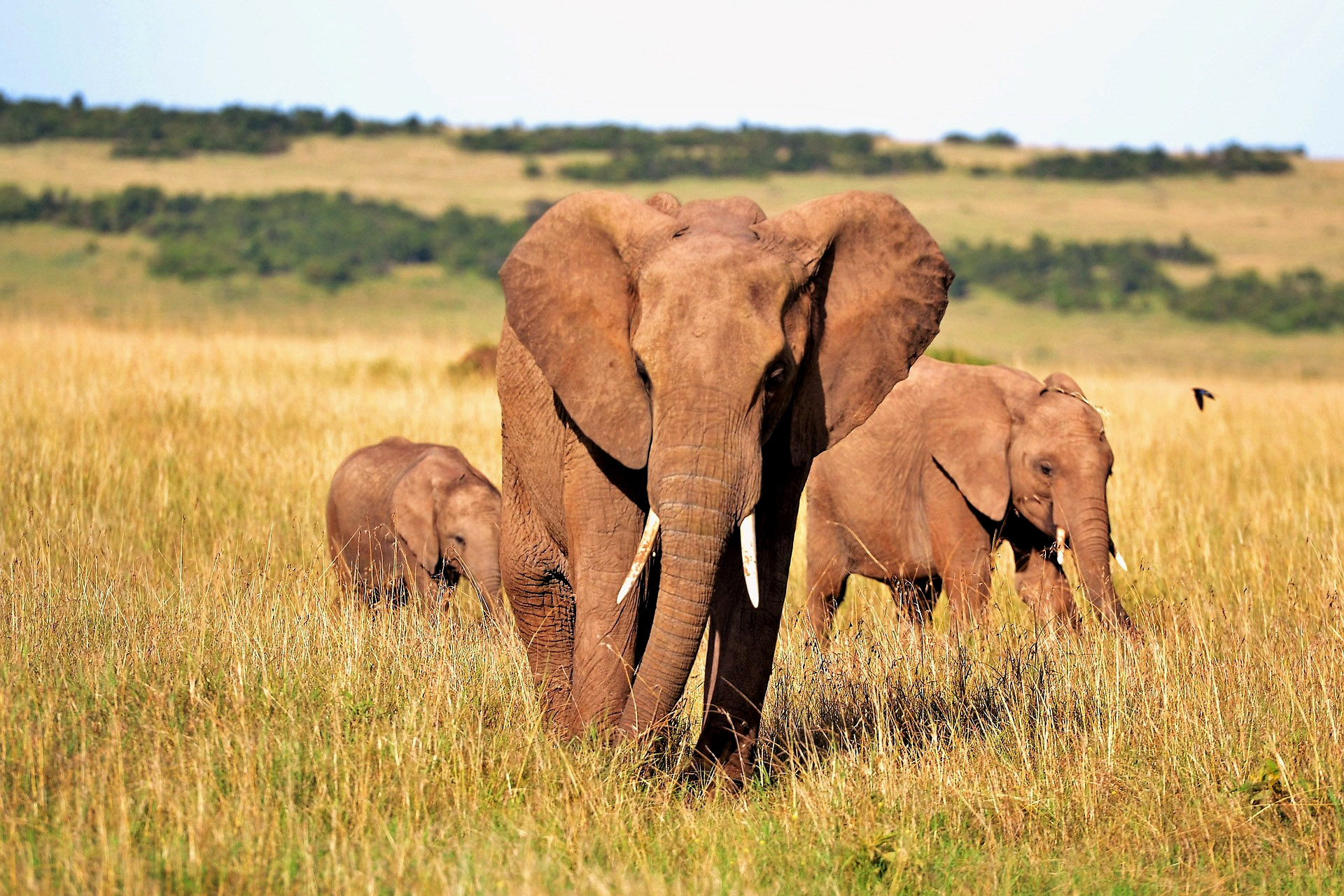
The Conservation Comeback: How Akagera Rebuilt Its Wildlife Heritage
A major turning point came in 2010, when African Parks entered a management partnership with the Rwanda Development Board.
The partnership introduced stronger conservation management, improved law enforcement, wildlife monitoring, habitat protection and community engagement.
Subsequent wildlife reintroductions helped restore the park's ecological balance.
2015 — Lions Return to Rwanda
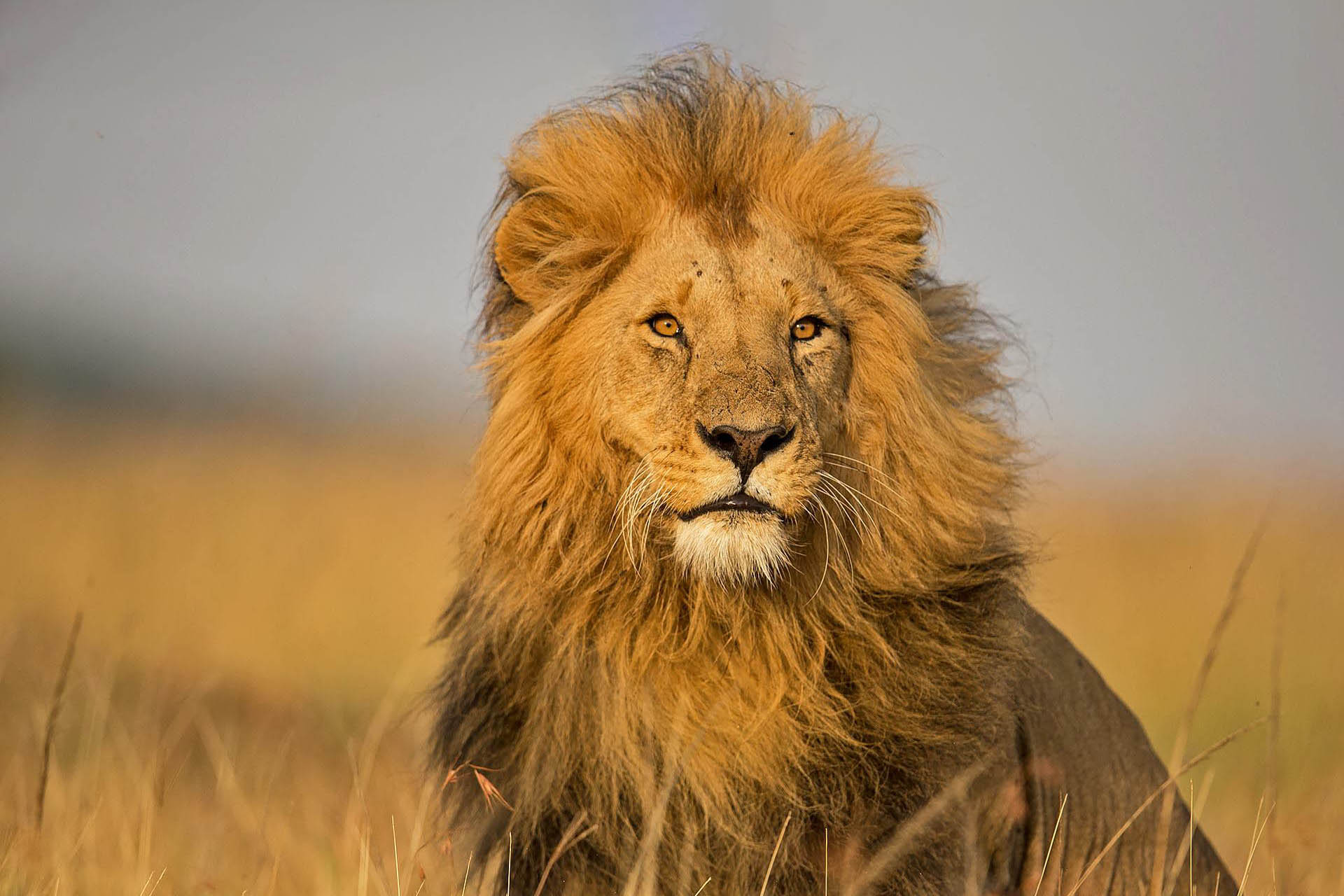
Seven lions were reintroduced to Akagera, restoring a species that had disappeared from Rwanda for approximately two decades.
Their return represented an important milestone in the recovery of the park's predator population.
2017 and 2019 — Eastern Black Rhinos Reintroduced
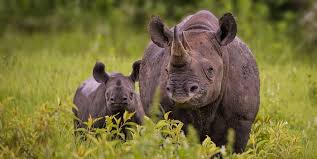
The return of eastern black rhinos strengthened the park's conservation significance and restored another threatened species to Rwanda's savannah ecosystem.
2021 — Southern White Rhinos Arrive
The introduction of southern white rhinos further strengthened Akagera's role as a protected refuge for large mammals.
2025 — Major Rhino Conservation Expansion
In June 2025, an additional 70 southern white rhinos were introduced to Akagera through a major translocation initiative. This marked a significant development in the park's ongoing wildlife restoration programme.
These milestones demonstrate how long-term conservation planning can help rebuild wildlife populations after periods of serious decline.
Why Akagera's Recovery Matters to African Tourism
Akagera's success is not simply about bringing animals back into a protected area.
It demonstrates the importance of combining wildlife management with tourism, scientific monitoring, community participation and sustainable financing.
The park has strengthened its reputation as a conservation destination while creating opportunities for employment, tourism services and community development.
For visitors, this adds an important dimension to the safari experience. Every game drive offers the opportunity to discover wildlife in a landscape whose recovery represents years of dedicated conservation work.
Akagera is therefore not merely a place to photograph wildlife. It is a destination where visitors can witness the results of a determined effort to restore Rwanda's natural heritage.
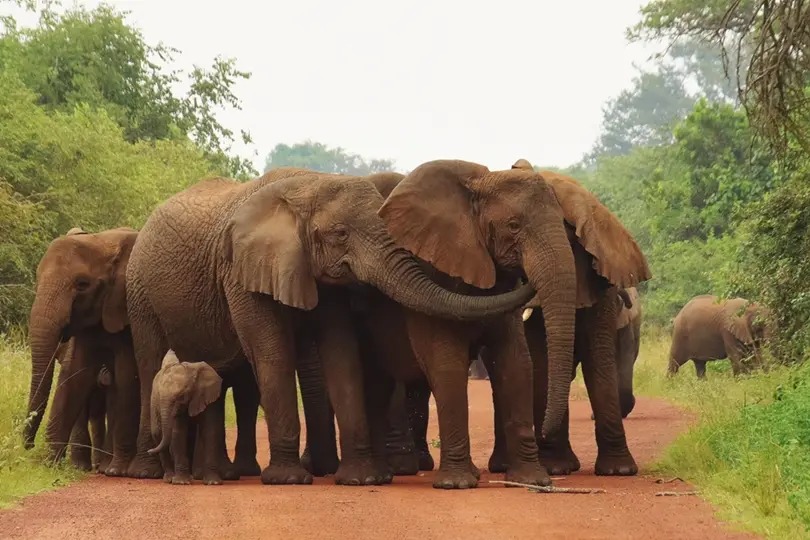
Why Akagera National Park Deserves a Place Among Africa's Best Safari Destinations in 2026–2027
A. Home to Africa's Big Five
One of Akagera's greatest attractions is its status as Rwanda's Big Five safari destination.
The Big Five consists of:
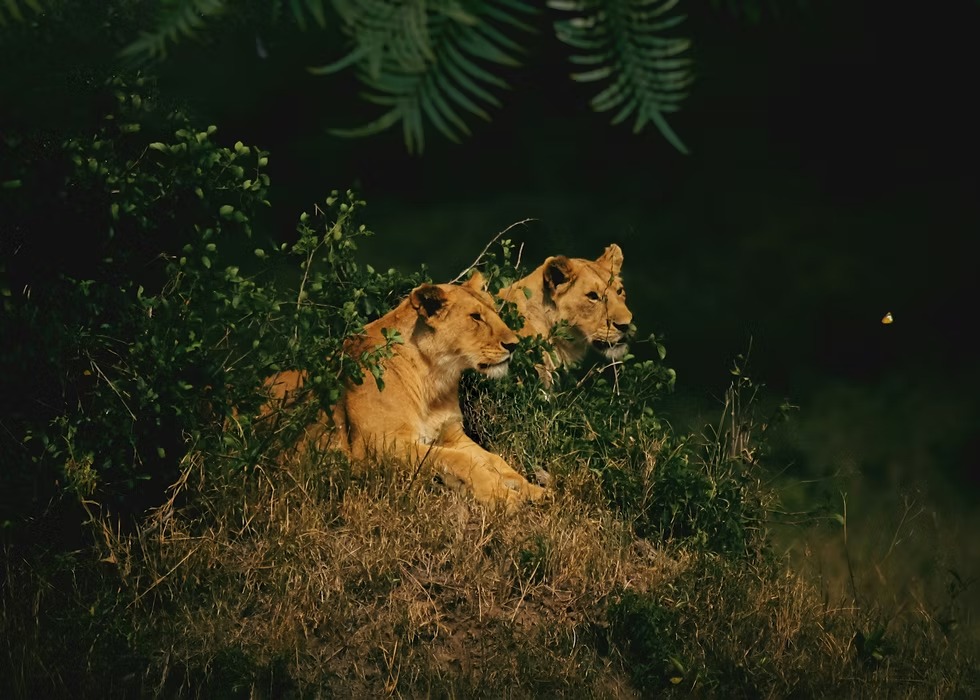
Lion
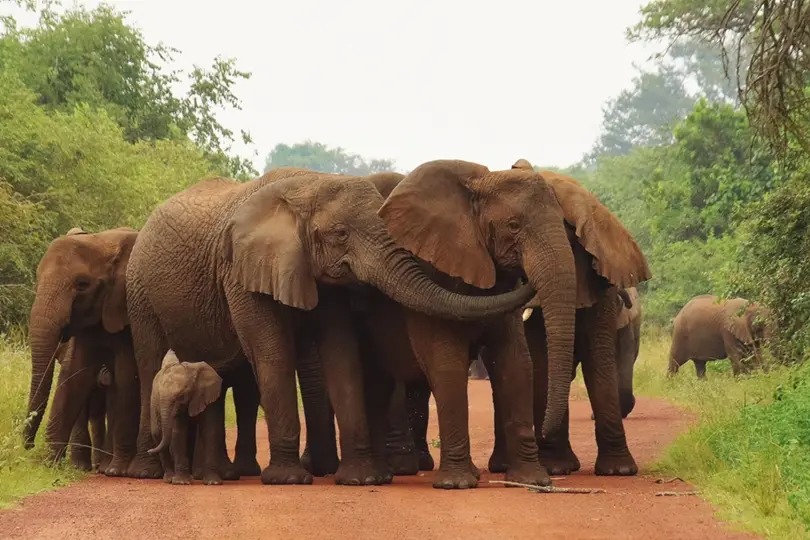
African elephant
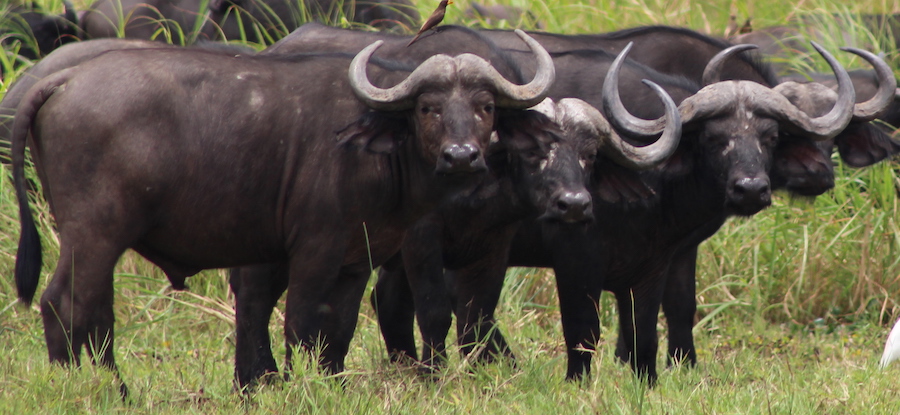
African buffalo
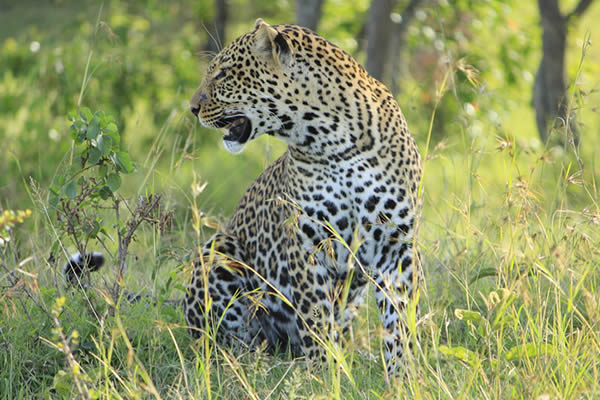
Leopard
Rhinoceros
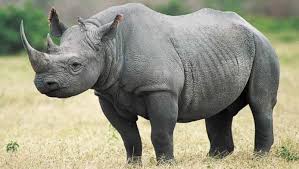
Originally used as a hunting term, the expression is now widely associated with iconic African wildlife safaris.
Akagera provides visitors with the opportunity to search for all five species within one protected savannah ecosystem.
However, wildlife sightings are never guaranteed. Each species has its own habitat preferences and behaviour, and the outcome of a safari depends on the animals' movements, weather conditions, time of day and the areas explored.
The excitement lies in the search itself: following tracks, scanning the grasslands, watching waterholes and observing how wildlife interacts with its environment.
A Unique Combination of Savannah, Lakes and Wetlands
Unlike parks dominated primarily by open plains, Akagera offers several interconnected habitats.
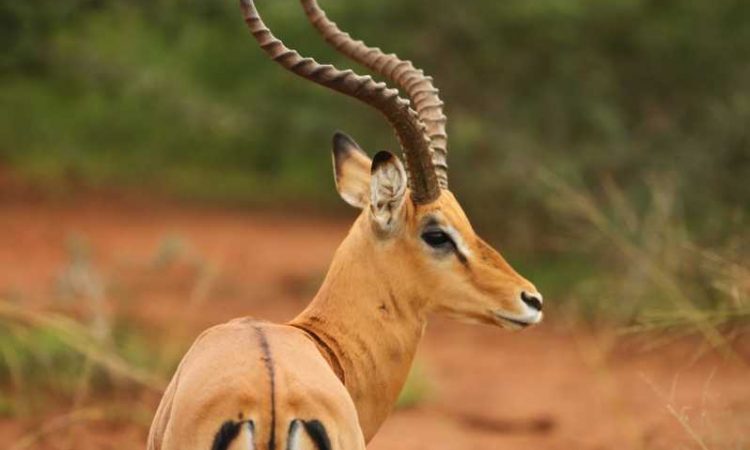
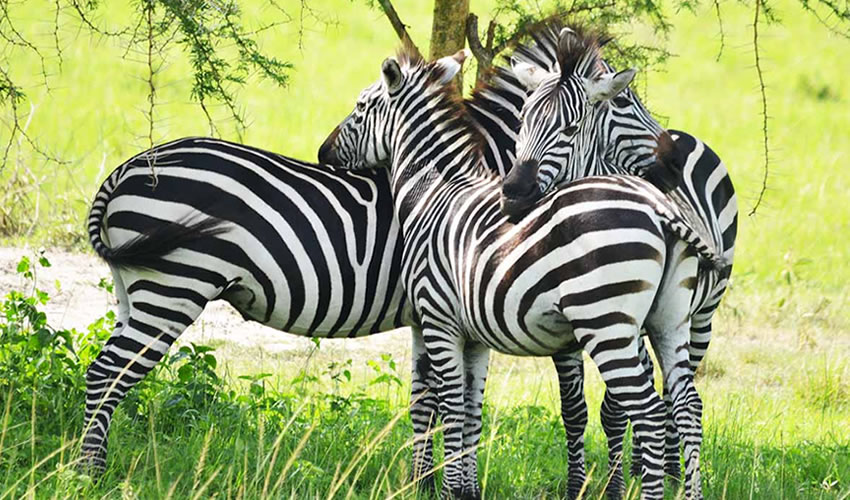
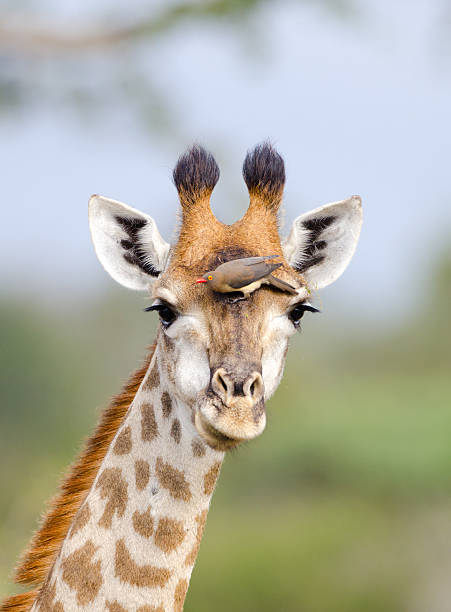
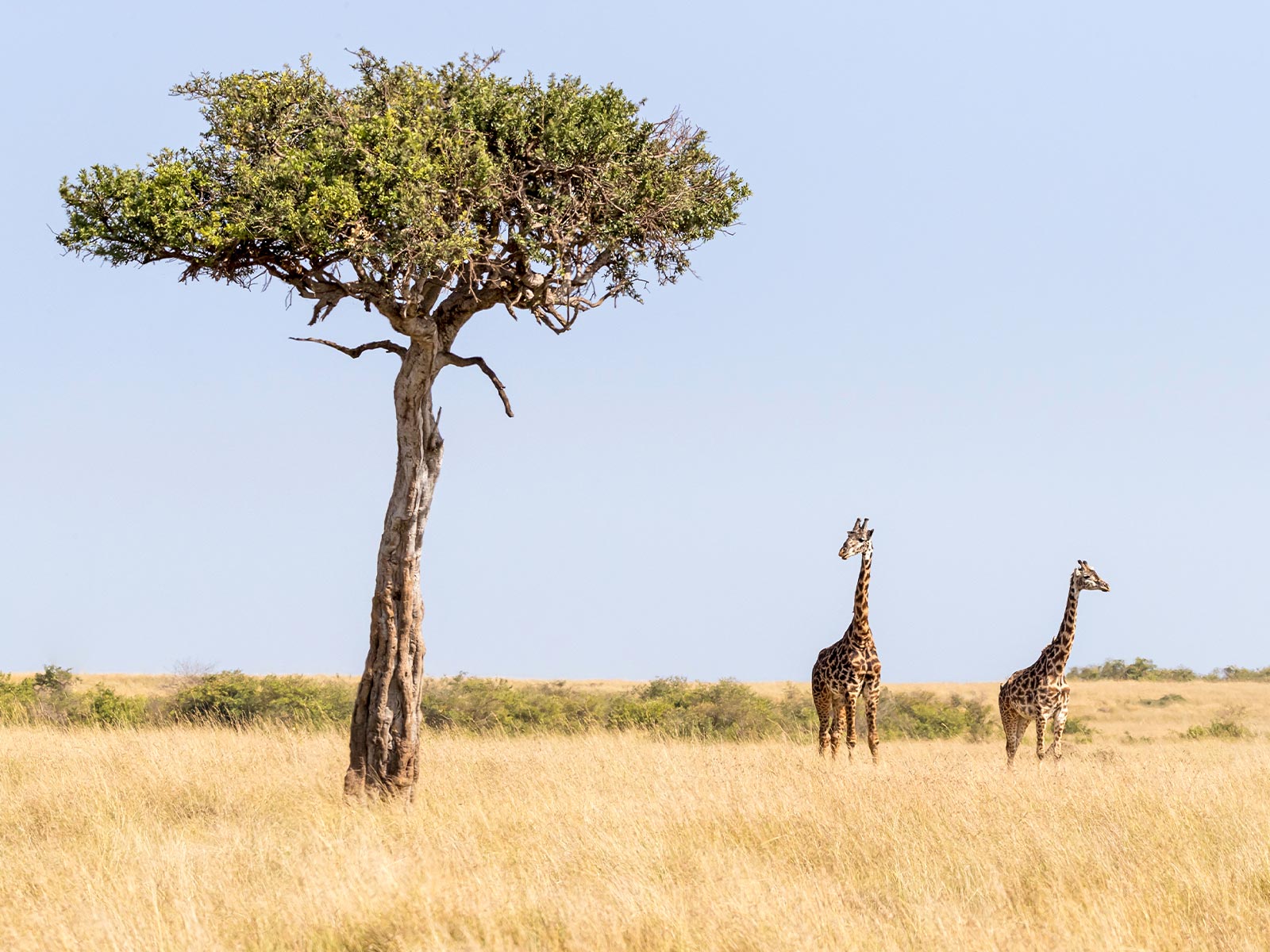
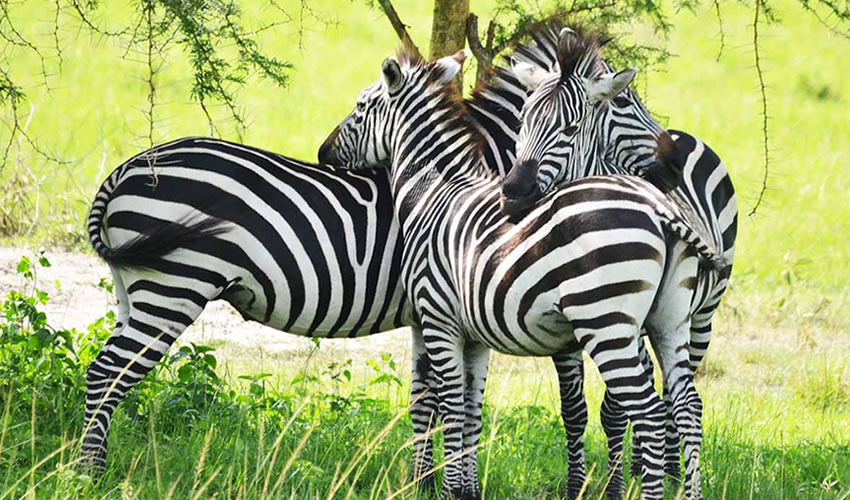
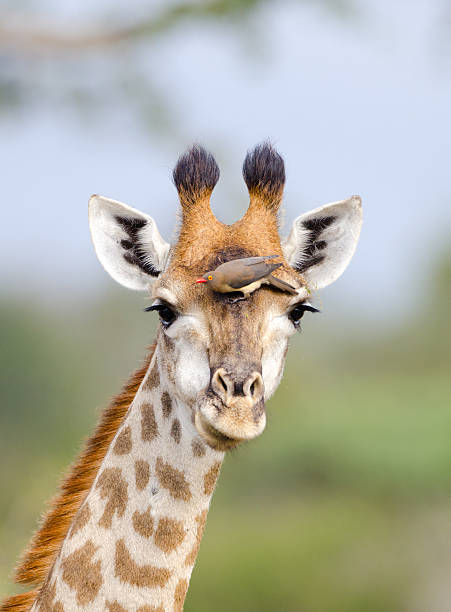
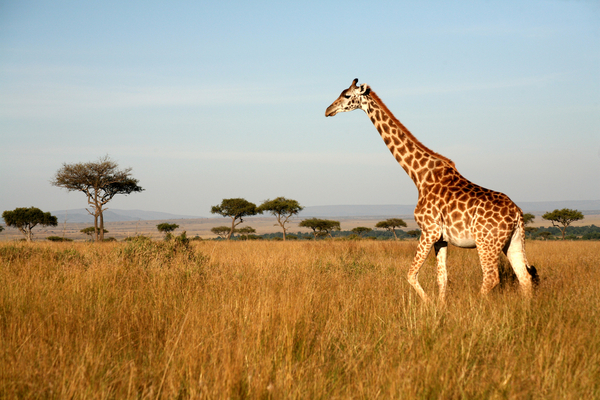
Its grasslands support grazing animals such as zebras, impalas and other antelope species. Woodlands provide shelter and feeding grounds for elephants, giraffes and numerous bird species.
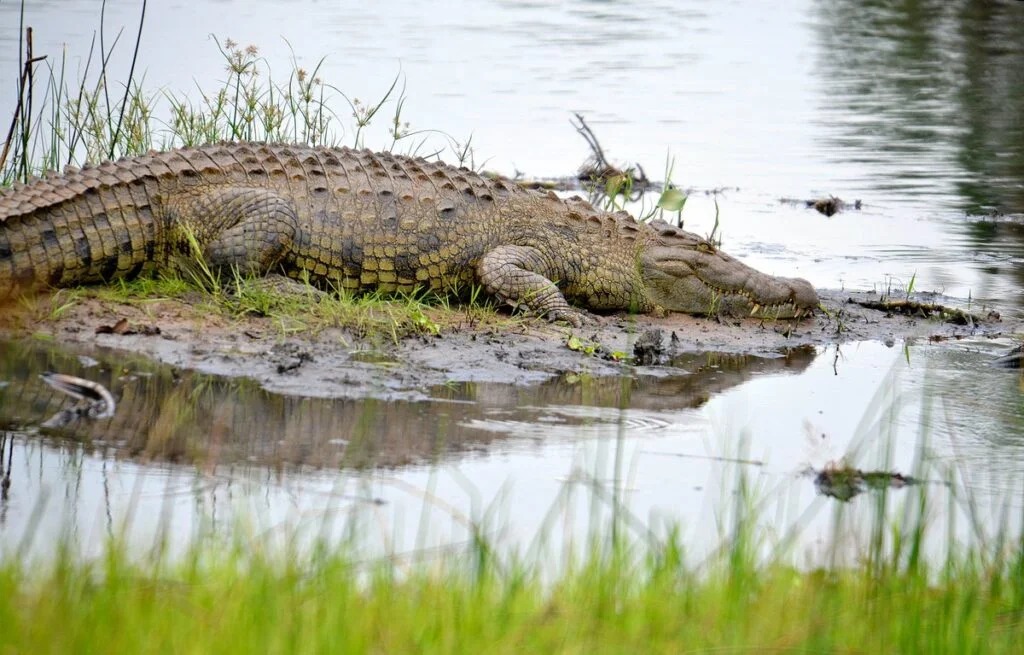
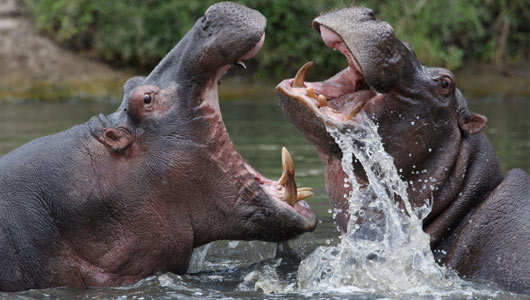
The park's lakes and wetlands support hippos, crocodiles, waterbirds and a variety of aquatic habitats.
Lake Ihema is particularly important for boat excursions and wildlife viewing, while the northern savannah plains are popular for game drives.
This diversity creates opportunities to experience several different environments within a single safari.
Excellent Opportunities for Birdwatching
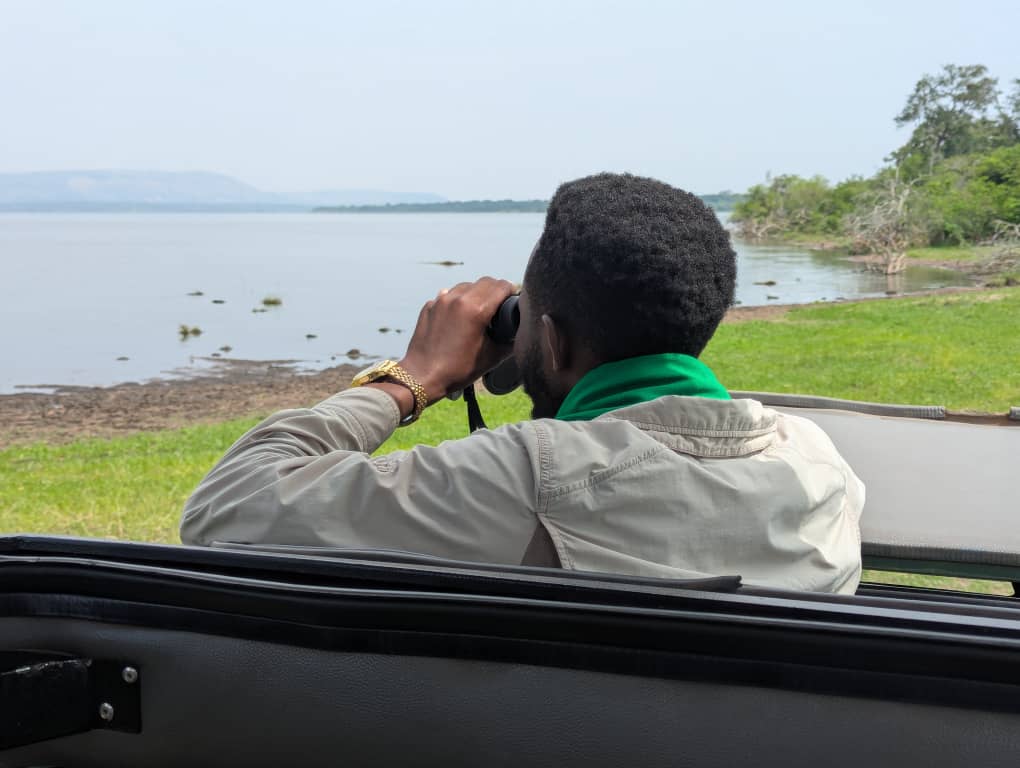
Akagera is also an important birdwatching destination, with nearly 500 bird species recorded in the park.
Its wetlands, woodland habitats and open grasslands attract a wide variety of birds, making it particularly appealing to wildlife photographers and nature enthusiasts.
Birdwatchers may look for species such as:
- African fish eagle
- African jacana
- Papyrus-associated birds
- Herons and egrets
- Kingfishers
- Various waterbirds and savannah species
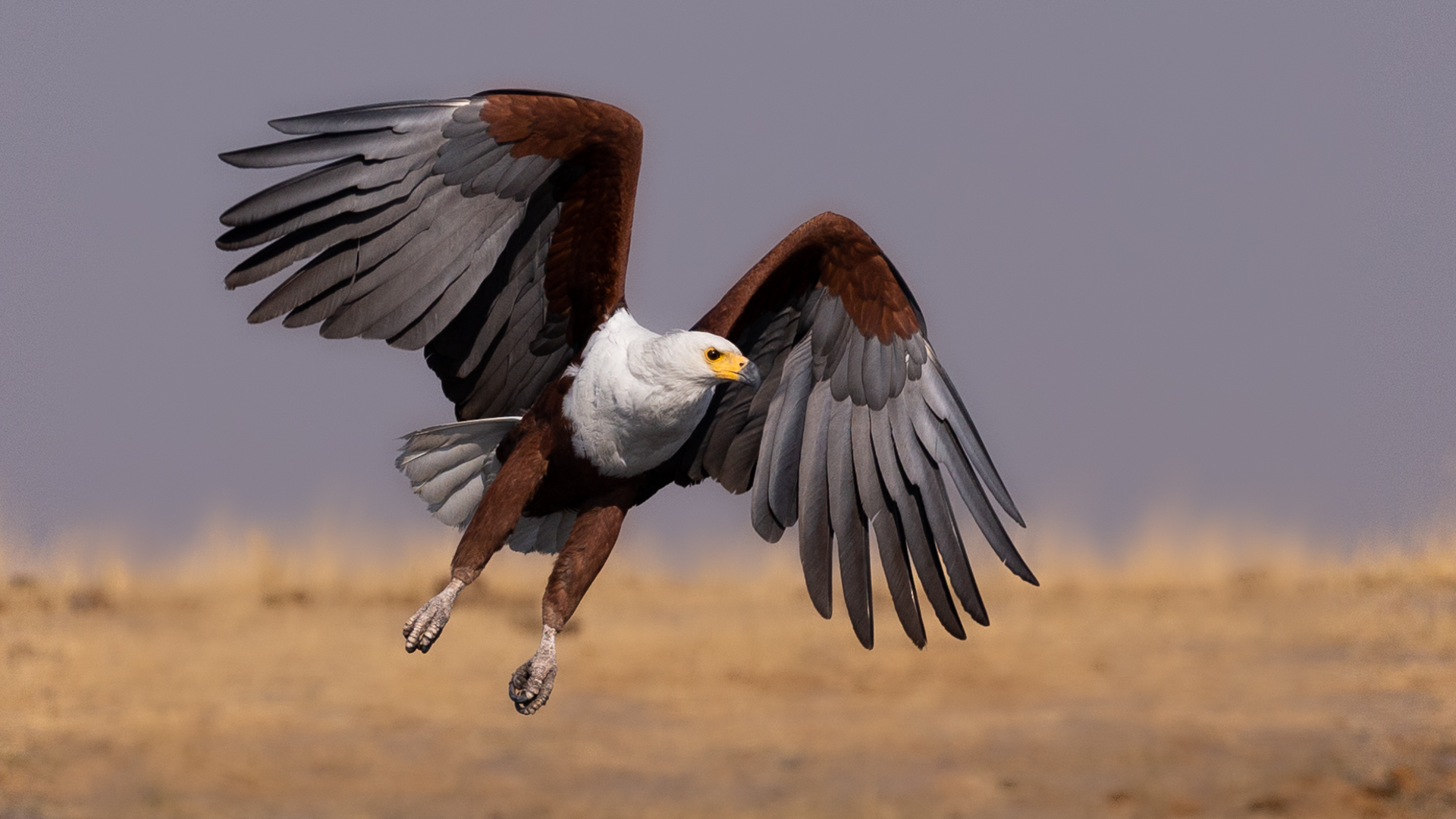
The rare shoebill is particularly sought after in suitable wetland habitats, although sightings are not guaranteed.
A Safari Destination Accessible from Kigali
One of Akagera's strongest advantages is its proximity to Rwanda's capital.
Travellers can leave Kigali early in the morning, reach the park and enjoy a substantial wildlife experience before returning to the city later in the day.
This makes Akagera attractive to business travellers, visitors on short holidays, families and international tourists with limited time.
A one-day safari can provide an excellent introduction to Rwanda's savannah wildlife, while an overnight stay allows for more extensive exploration and a relaxed pace.
Conservation with Community Participation
Akagera's management approach recognises the importance of involving surrounding communities in conservation.
Community engagement, employment, environmental education and tourism-related economic opportunities help strengthen relationships between the park and neighbouring communities.
This approach contributes to long-term wildlife protection while creating opportunities for local people to benefit from responsible tourism.
For travellers, choosing legitimate park activities and responsible tourism operators supports a broader conservation economy that values both biodiversity and people.
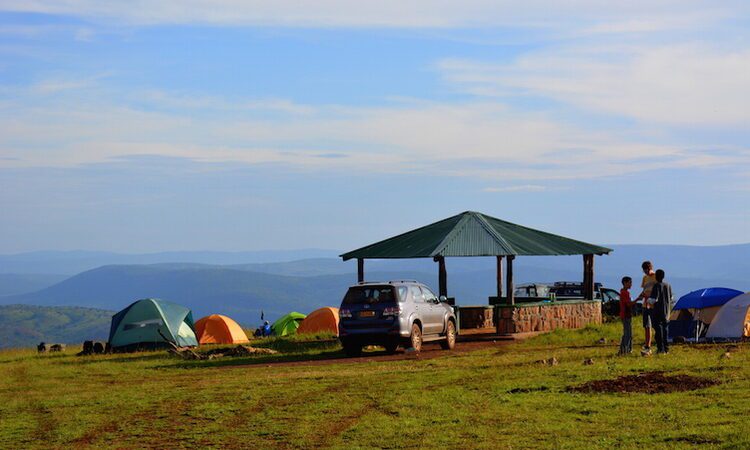
Akagera vs Serengeti: Which Safari Experience Is Better for You?
The Serengeti and Akagera are both remarkable wildlife destinations, but they serve different travel interests.
The most suitable choice depends on whether you prioritise large-scale wildlife spectacles, a compact Big Five safari, specialised activities or a broader East African itinerary.
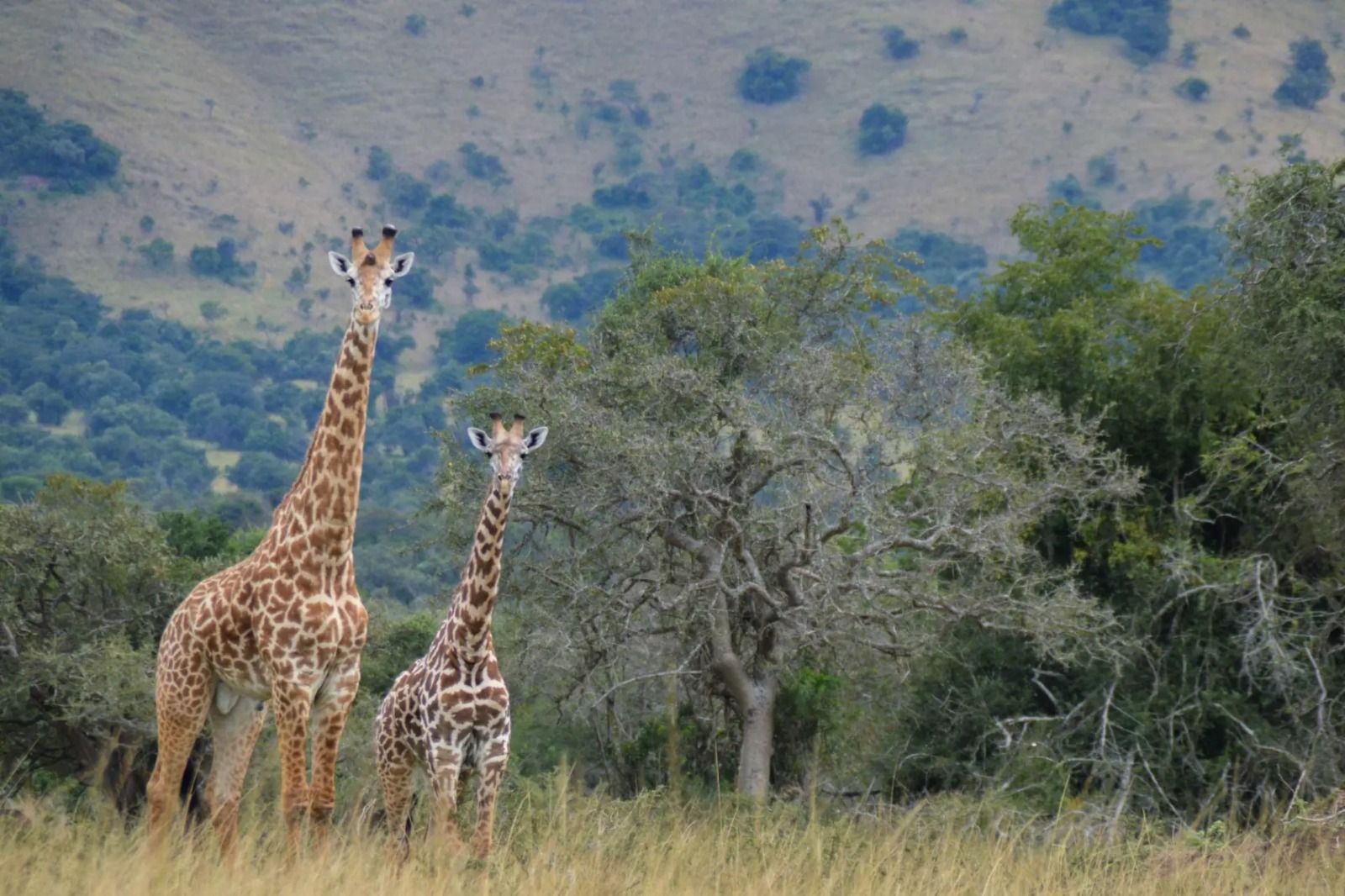
What Makes the Serengeti Special?
The Serengeti is internationally celebrated for the Great Migration, during which vast numbers of wildebeest, zebras and gazelles move through the Serengeti-Mara ecosystem in search of grazing and water.
Predators follow the migrating herds, creating opportunities to observe dramatic wildlife interactions.
The Serengeti's immense scale, extensive plains and seasonal wildlife movements make it one of Africa's most iconic safari destinations.
For travellers who want to spend several days exploring a vast ecosystem and potentially witness migration-related wildlife events, it is an outstanding choice.
However, migration movements vary throughout the year, and specific sightings cannot be guaranteed at a particular location or date.
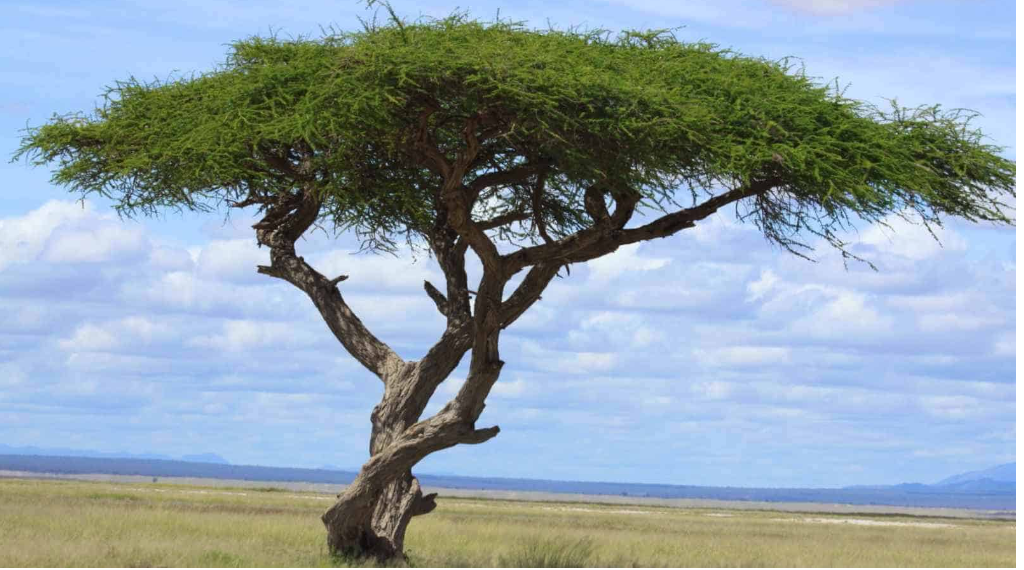
What Makes Akagera Different?
Akagera offers a more compact but diverse safari environment.
Rather than focusing on the Great Migration, the park provides opportunities to search for the Big Five, explore lake and wetland habitats, enjoy guided boat excursions and experience Rwanda's conservation recovery.
Its combination of savannah and aquatic environments makes it particularly attractive to visitors who want several different activities within one destination.
The park also works exceptionally well as part of a wider Rwanda itinerary, allowing travellers to combine savannah wildlife with mountain gorilla trekking in Volcanoes National Park or chimpanzee trekking in Nyungwe Forest National Park.
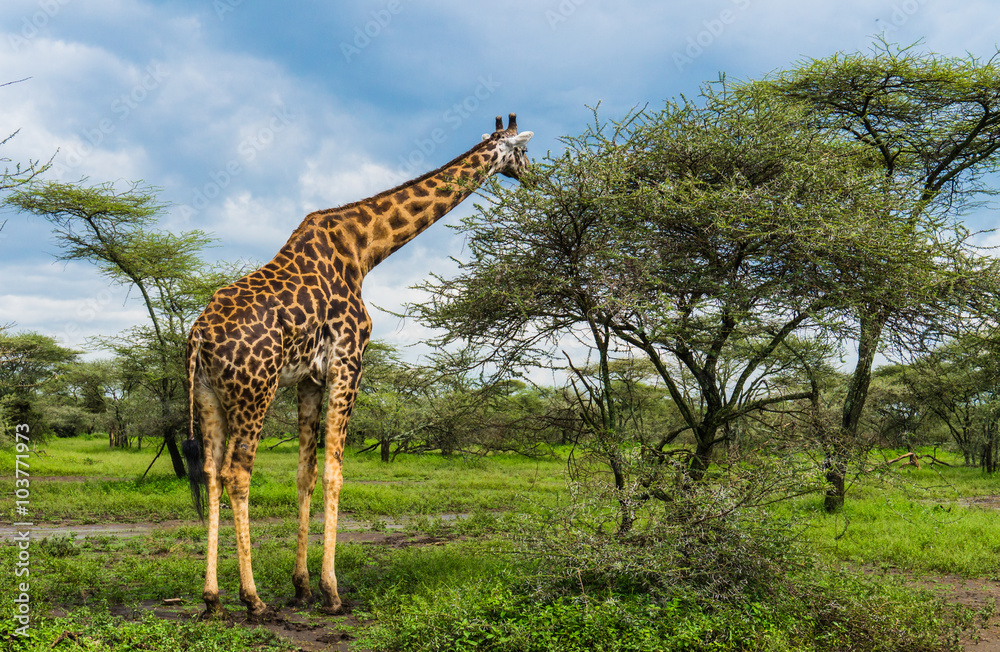
Which Park Should You Choose?
Choose Akagera National Park if you want:
- A Big Five safari in Rwanda.
- A wildlife excursion from Kigali.
- A combination of game drives and boat safaris.
- Diverse habitats and excellent birdwatching.
- A destination with a remarkable conservation recovery story.
- A safari that can fit into a short holiday.
Choose Serengeti National Park if you want:
- To explore a vast savannah ecosystem.
- To plan a multi-day wildlife expedition.
- To follow the seasonal Great Migration.
- To enjoy extensive predator and prey viewing opportunities.
- To build a longer Tanzania safari itinerary.
For travellers with sufficient time and budget, visiting both destinations on separate journeys—or combining them in a carefully planned East African itinerary—can provide an exceptionally diverse wildlife experience.
Understanding Akagera's Wildlife: What Animals Can You See?
Akagera is Rwanda's principal destination for traditional savannah wildlife viewing.
Its different habitats support a variety of large mammals, predators, herbivores and bird species.
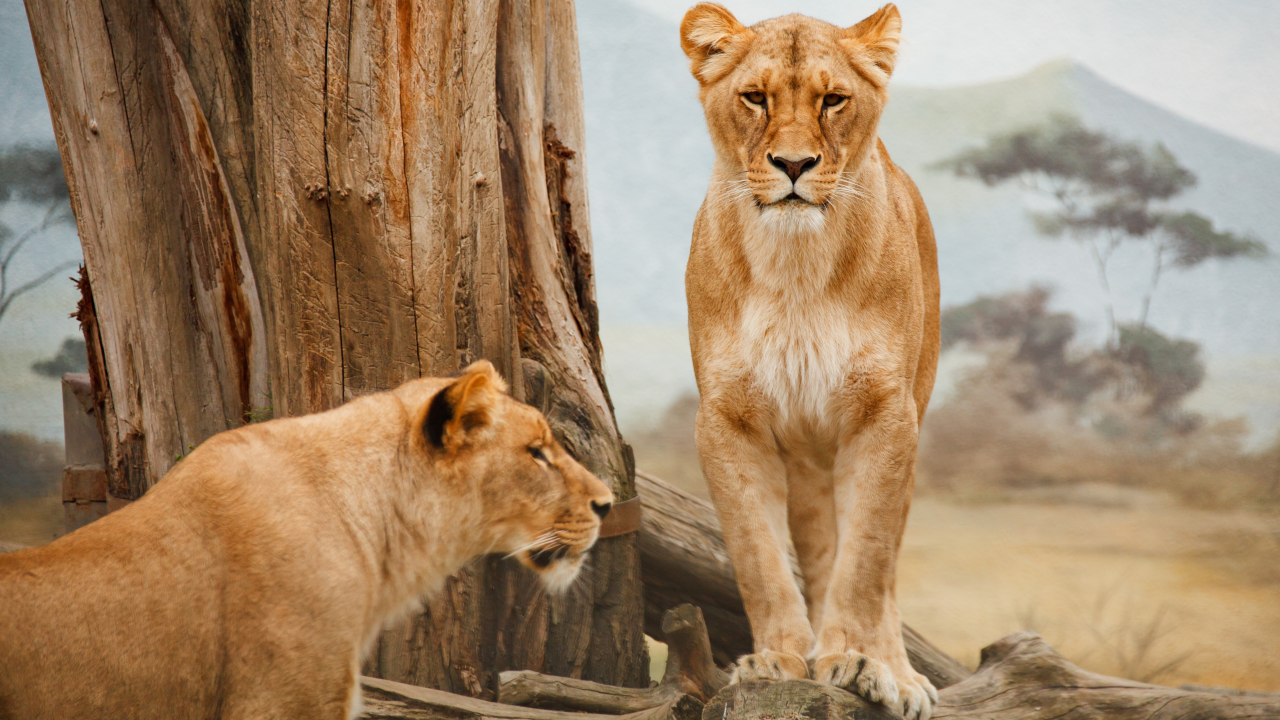
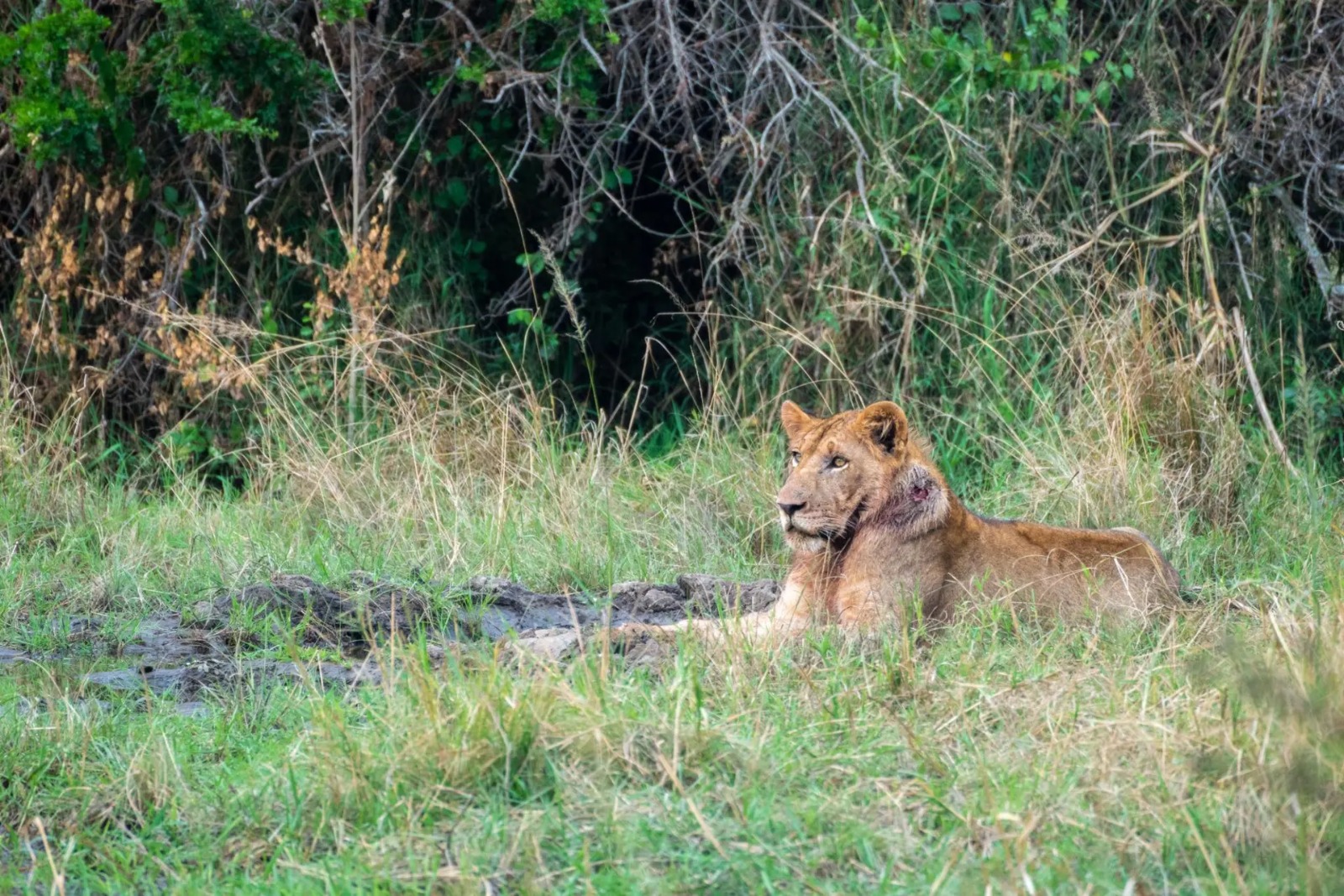
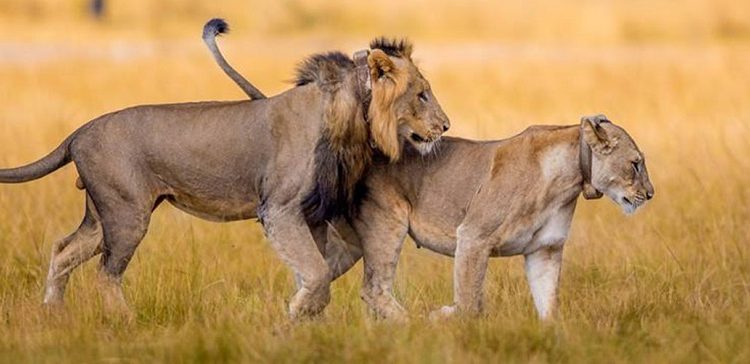
Lions
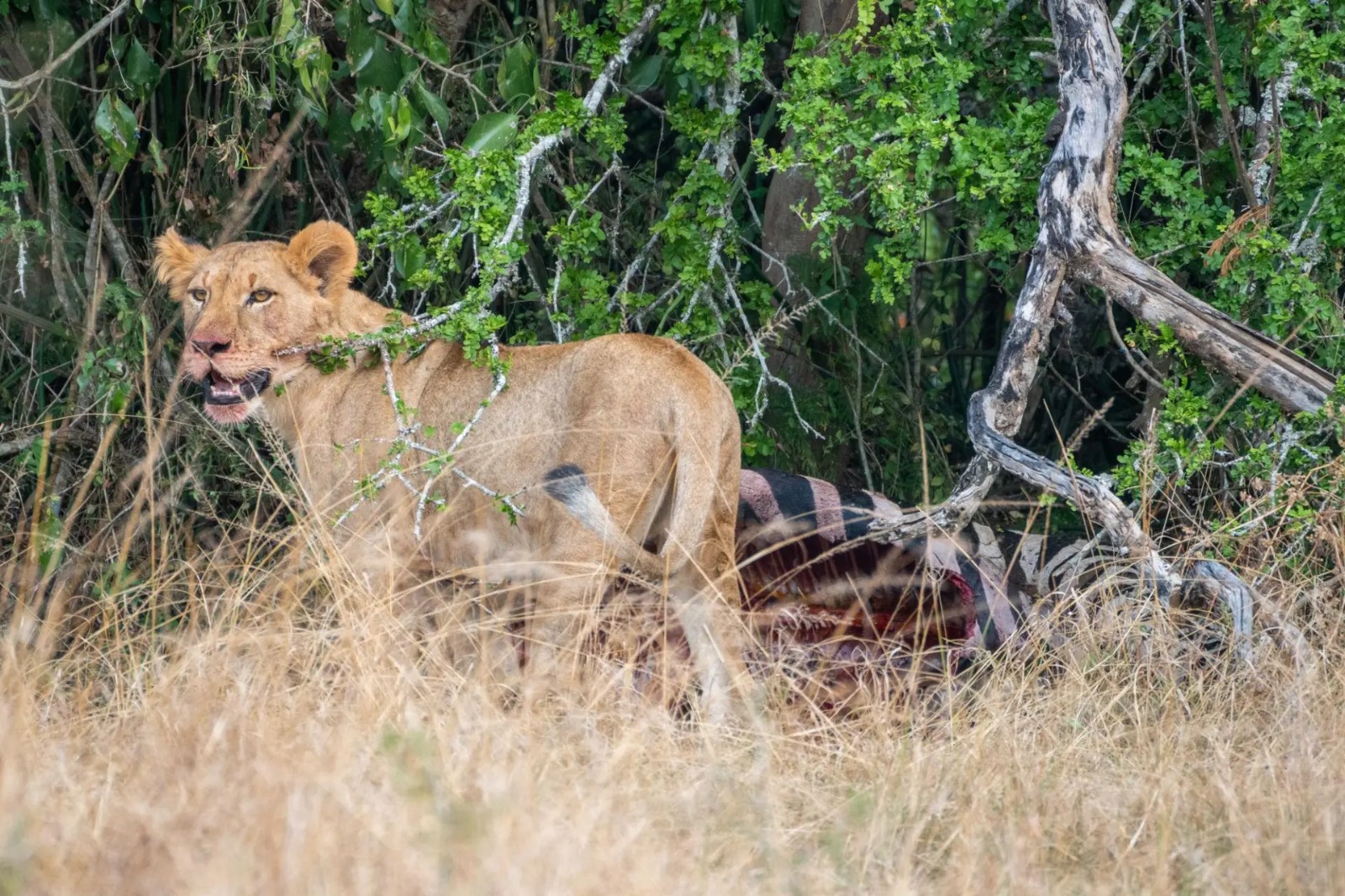
Lions are among the park's most sought-after animals.
Visitors may encounter them resting in the grass, moving through woodland or searching for prey.
Because lions spend much of their time resting and may be difficult to locate in dense vegetation, patient observation and knowledgeable guiding are important.
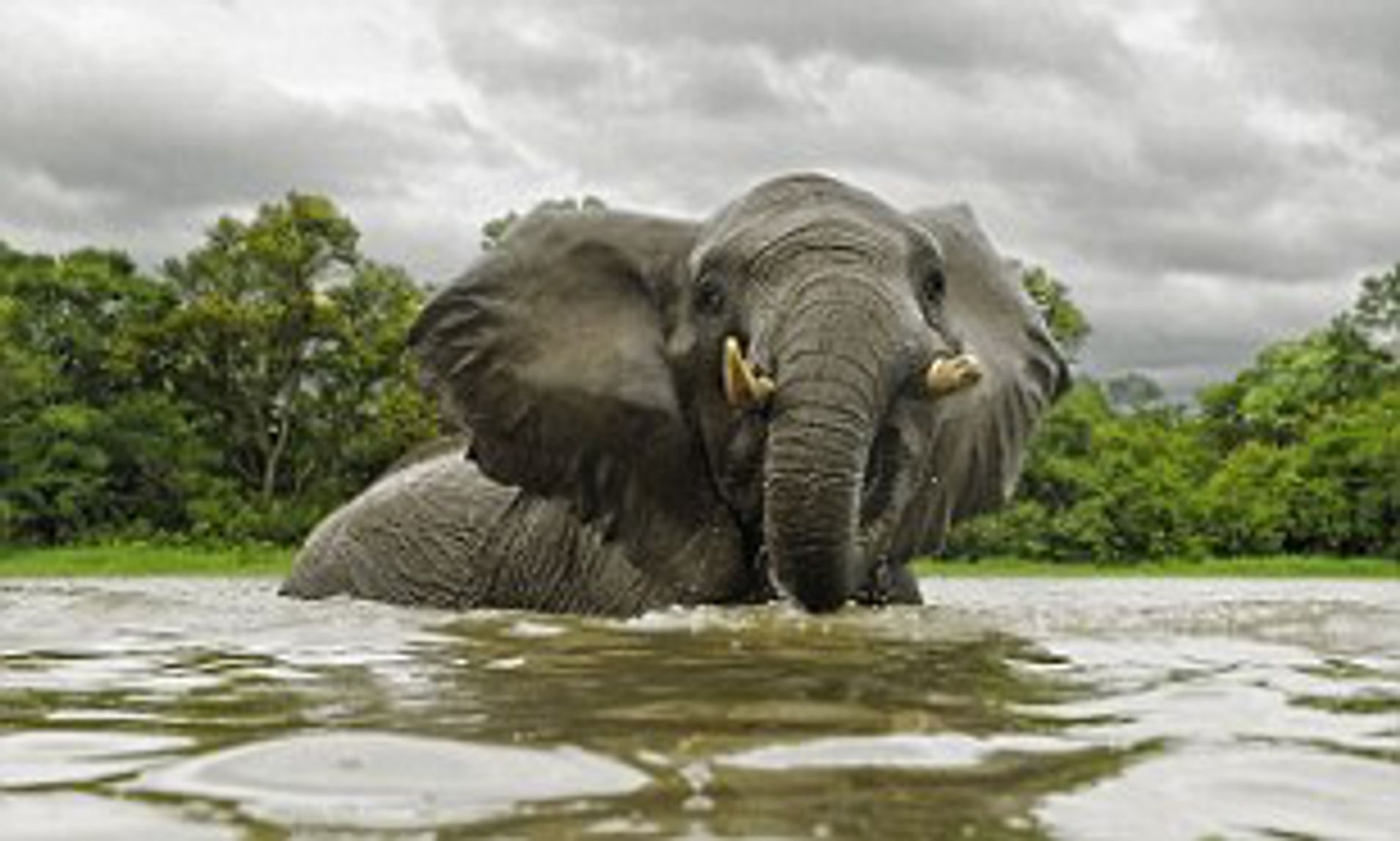
African Elephants
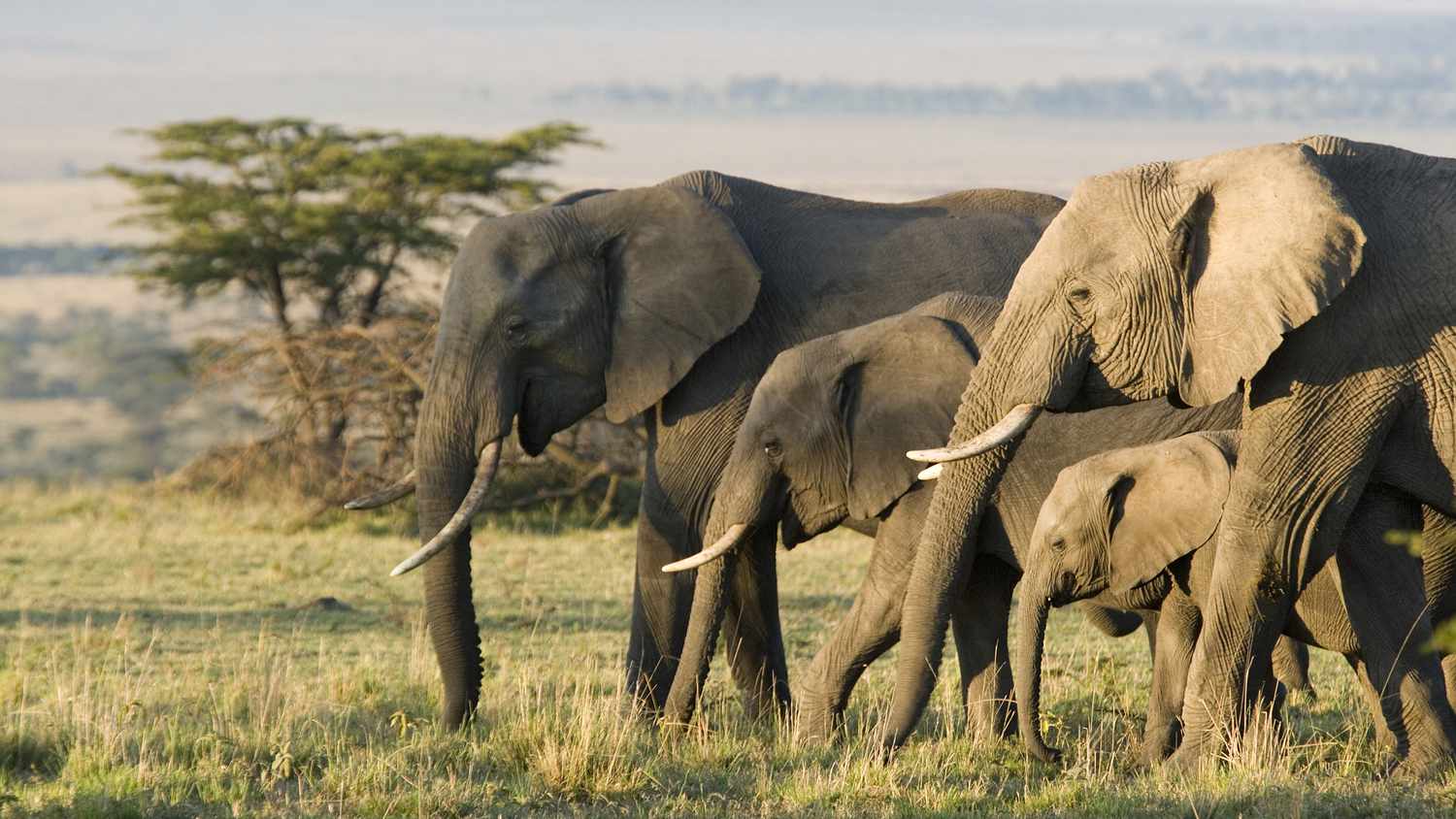
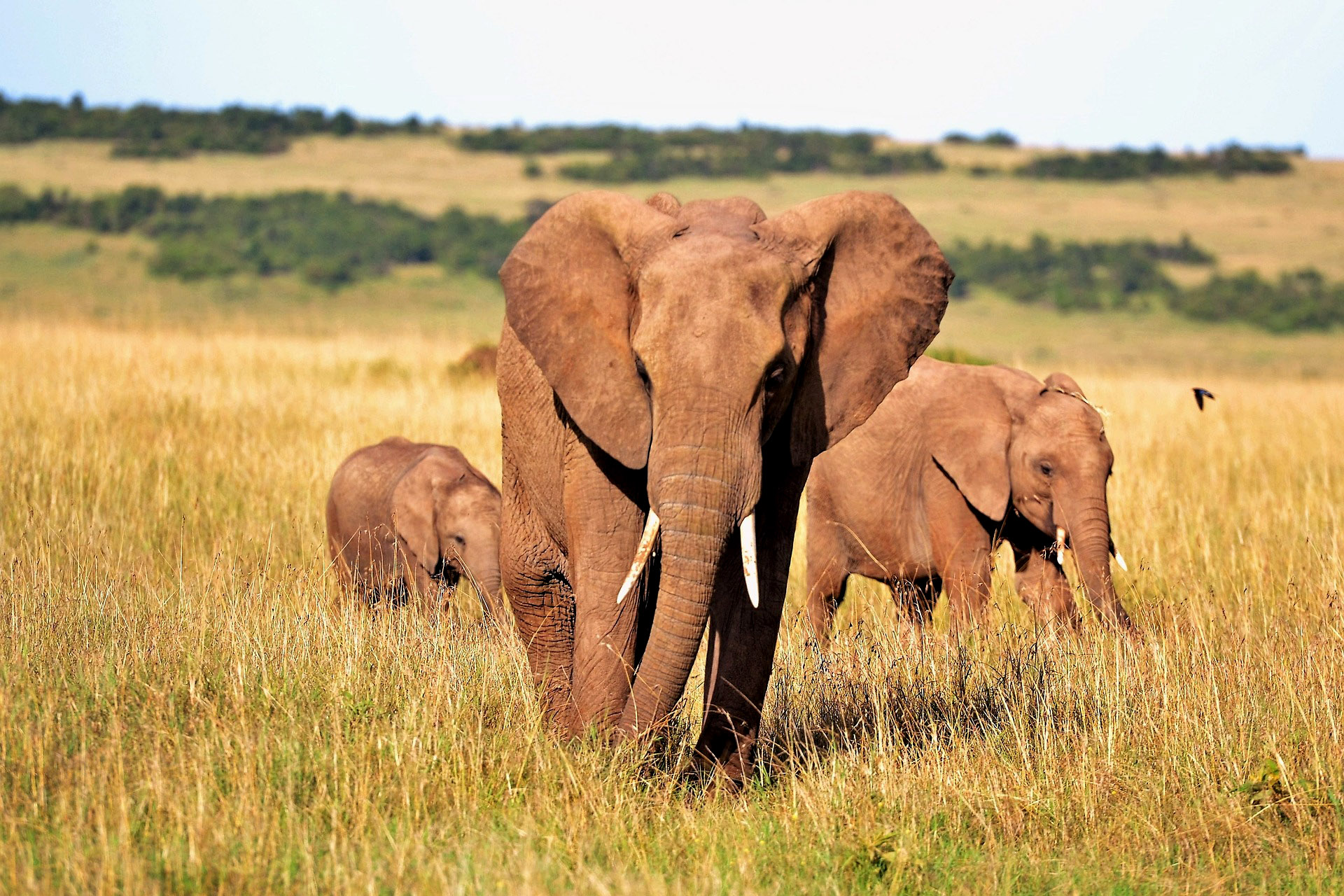
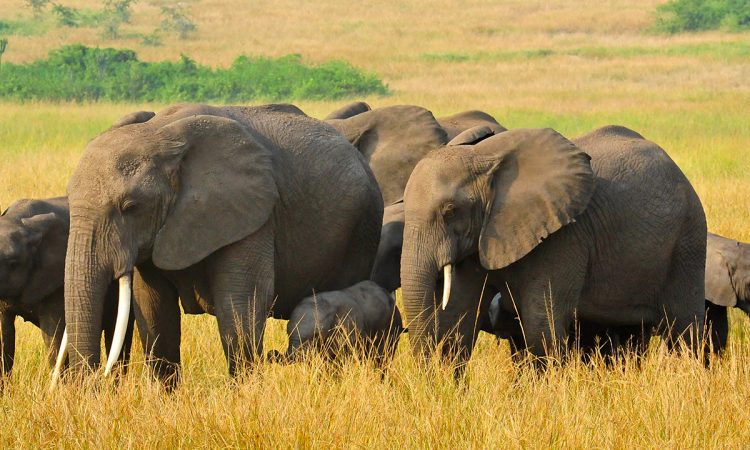
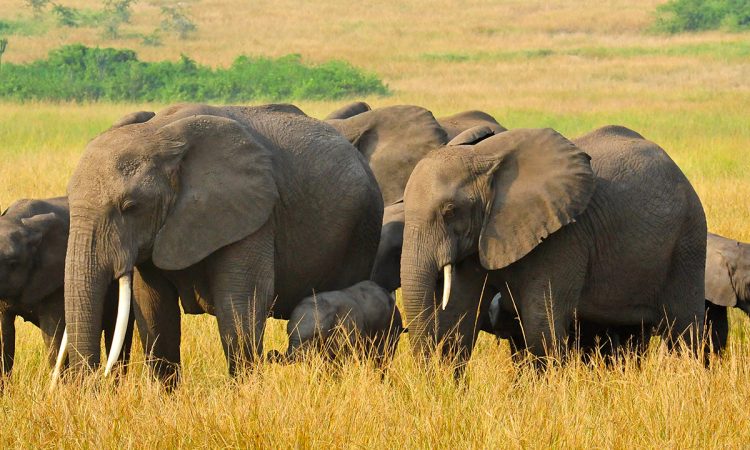
Elephants are among Akagera's most impressive residents.
They can sometimes be seen moving through woodland, feeding on vegetation or gathering near water sources.
Their size, family behaviour and interactions with the environment make them particularly rewarding subjects for wildlife photography.
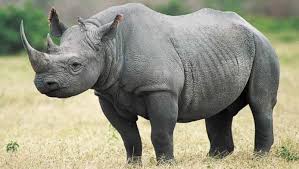
Rhinoceroses
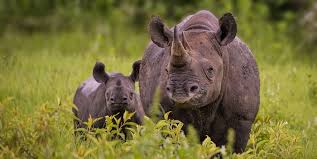
Akagera protects both eastern black rhinos and southern white rhinos.
These species are important conservation priorities, and their presence reflects the park's long-term wildlife restoration programme.
Rhinos are not always easy to locate, so sightings depend on their movements and the areas explored.
African Buffaloes
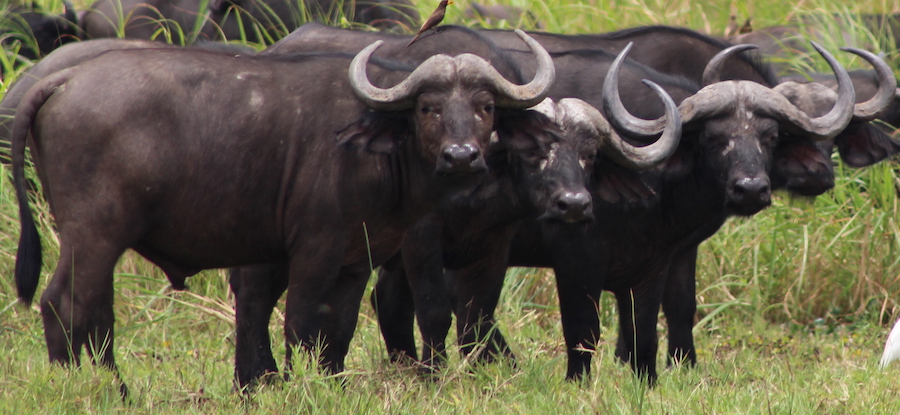
Buffaloes are among the park's most characteristic large herbivores.
They may form sizeable herds and are frequently associated with grasslands and areas close to water.
Their interactions with other grazing animals create interesting wildlife viewing opportunities.
Leopards
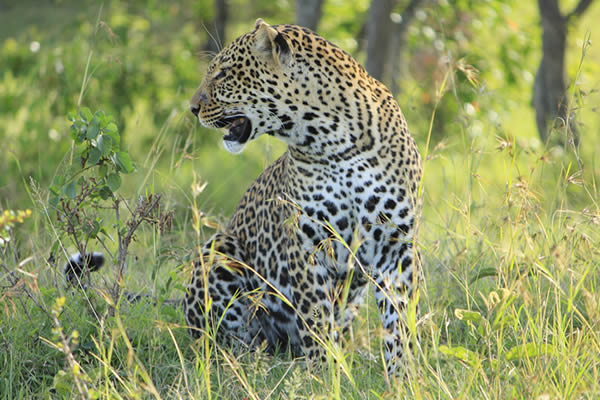
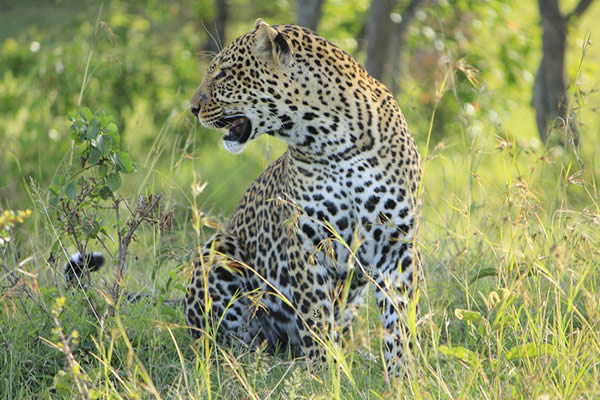
Leopards are elusive predators that favour areas where vegetation provides cover.
They may be encountered resting in trees, moving through woodland or hunting during quieter periods.
Although they are part of Akagera's wildlife, sightings are unpredictable and often require patience.
Other Mammals to Look For
Beyond the Big Five, visitors may encounter:
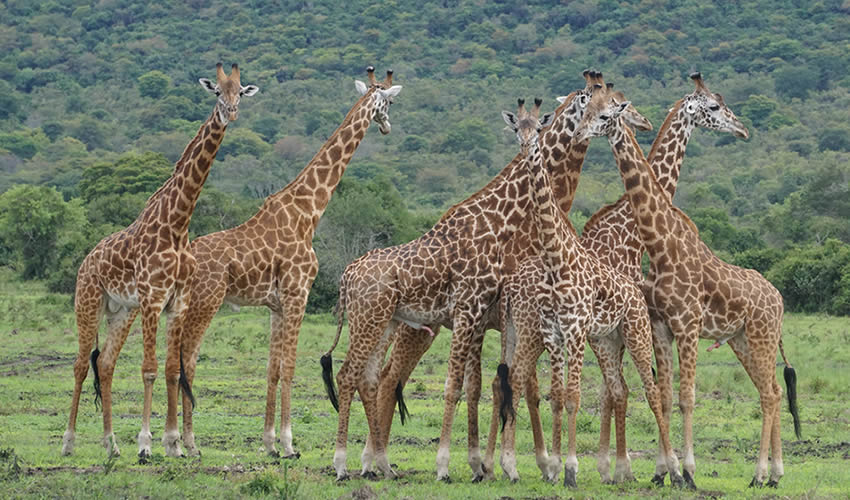
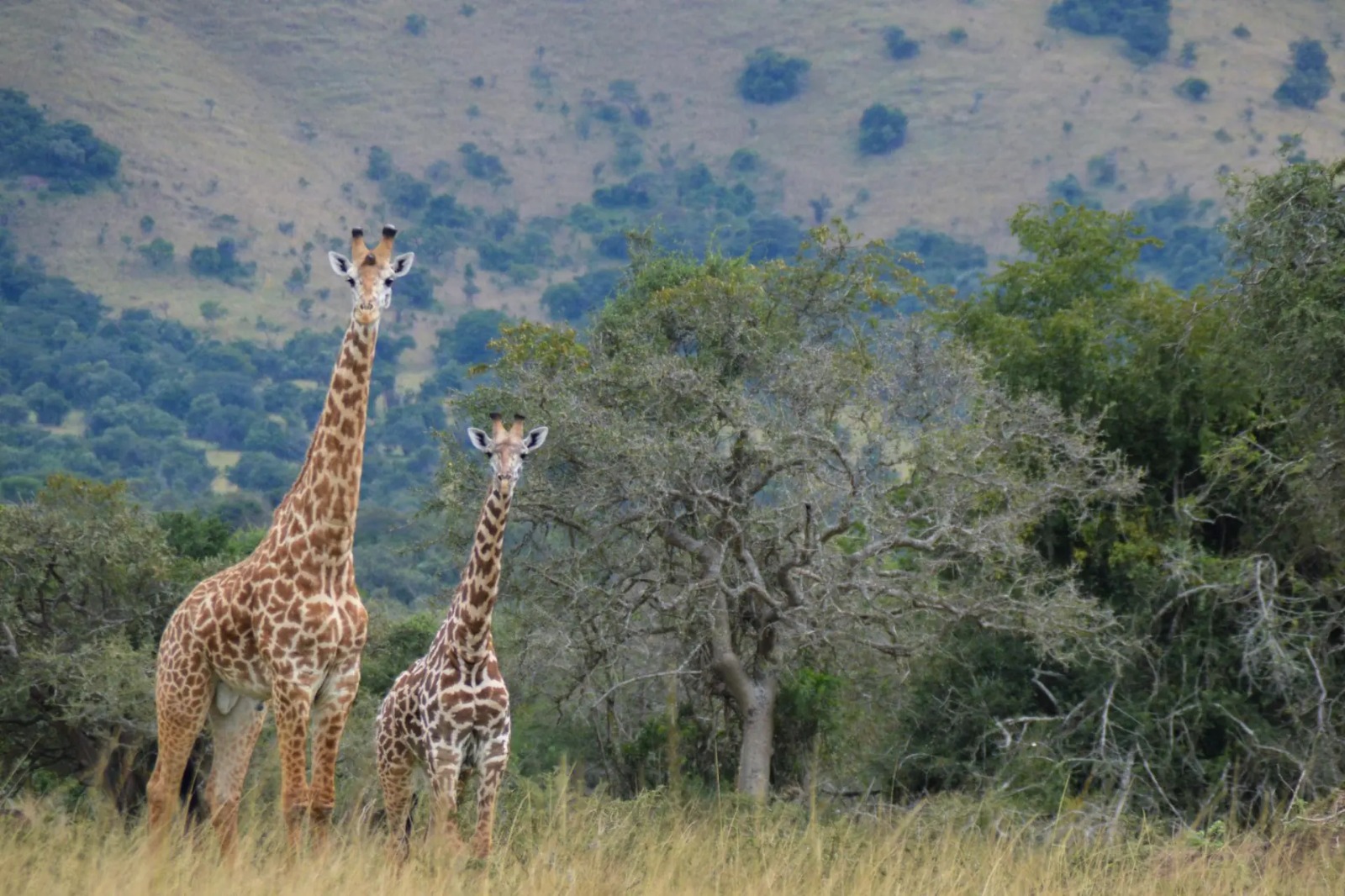
- Giraffes
- Plains zebras
- Hippopotamuses
- Nile crocodiles
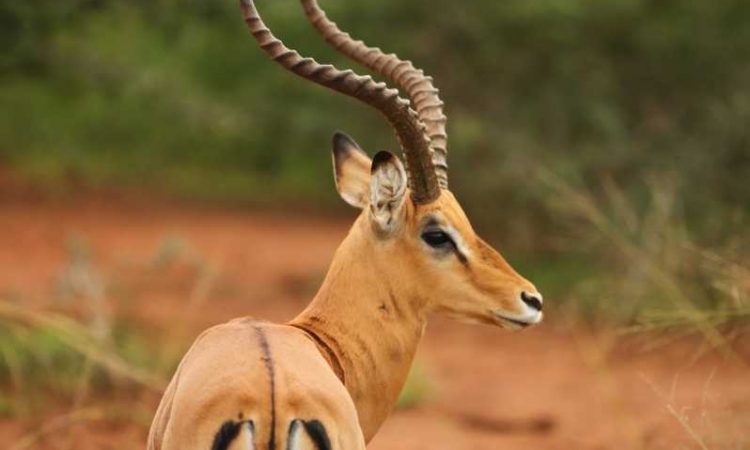
- Impalas
- Waterbucks
- Topis
- Elands
- Warthogs
- Baboons and vervet monkeys
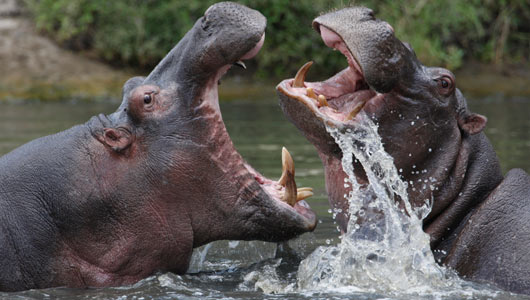
The exact species observed will depend on the route, season, weather and wildlife movements.
Game Drive Strategy: How to Make the Most of Your Akagera Safari
A successful game drive requires more than entering the park and hoping to see animals.
The timing of the drive, route selection, wildlife behaviour and knowledge of different habitats all influence the experience.
Early-Morning Game Drives
Early morning is an excellent time to search for wildlife because temperatures are generally cooler and many animals are active.
Predators may still be moving after the night, while herbivores begin feeding across grasslands and woodland edges.
An early departure also provides more time to explore before the midday heat.
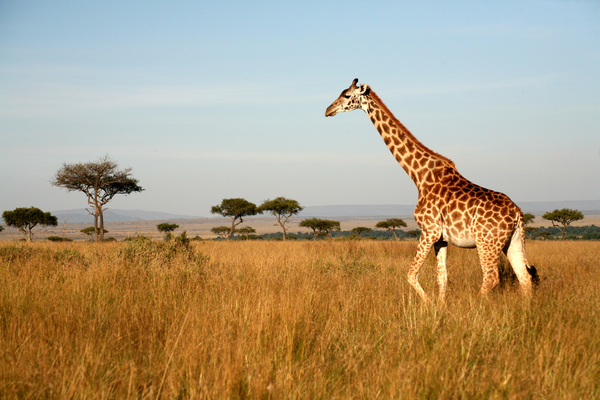
Exploring the Northern Plains
The northern sector is known for its open savannah landscapes and wildlife-viewing opportunities.
Its grasslands can provide favourable conditions for observing grazing animals, while predators may be found in suitable habitats.
For travellers with a full day available, reaching the northern areas can offer a different perspective on Akagera's ecosystem.
However, travel distances within the park can be substantial, so route planning should account for the time needed to return to the exit or accommodation.
Following Water Sources and Habitat Transitions
Water sources attract wildlife, particularly during drier periods.
The edges of lakes, wetlands and woodland can provide opportunities to observe animals moving between feeding and resting areas.
A knowledgeable guide can help identify suitable locations while ensuring that wildlife is approached responsibly.
Using a Flexible Wildlife-Viewing Strategy
The best route is not necessarily the one that covers the greatest distance.
A productive safari balances exploration with observation.
When animals are found, allow time to watch their behaviour, movements and interactions rather than rushing immediately to the next location.
A responsible guide will adapt the route according to the available time, road conditions, wildlife reports and visitor interests.
Consider a Night Drive
Night drives, where available and organised through authorised park services, offer a different perspective on Akagera.
Some nocturnal species are more active after sunset, and visitors may have opportunities to look for bushbabies, genets, owls and other night-active wildlife.
Night drives require appropriate vehicles, trained guides and compliance with park regulations. They should be booked in advance where possible.
Can You See All the Big Five in One Day?
It is possible to encounter several Big Five species during one day, but seeing all five cannot be guaranteed.
Each species has different habitat preferences and behaviour, and wildlife movements are unpredictable.
The most rewarding approach is to enjoy the full diversity of the park rather than judge the safari solely by the number of major animals seen.
Activities in Akagera National Park Beyond Game Drives
Akagera is much more than a destination for driving through the savannah.
Its lakes, wetlands, birdlife and surrounding communities offer several additional experiences that enrich a safari.
Lake Ihema Boat Safari
A boat excursion on Lake Ihema is one of the park's signature experiences.
The lake's calm waters, papyrus-fringed shores and surrounding wetlands create a distinctive wildlife-viewing environment.
During a guided boat safari, visitors may observe:
- Hippopotamuses resting or surfacing in the water.
- Nile crocodiles along the shoreline.
- African fish eagles.
- Kingfishers and other waterbirds.
- Herons, egrets and other wetland species.
The boat provides a different perspective from a vehicle-based game drive, allowing visitors to explore aquatic habitats and observe the relationship between wildlife and the lake ecosystem.
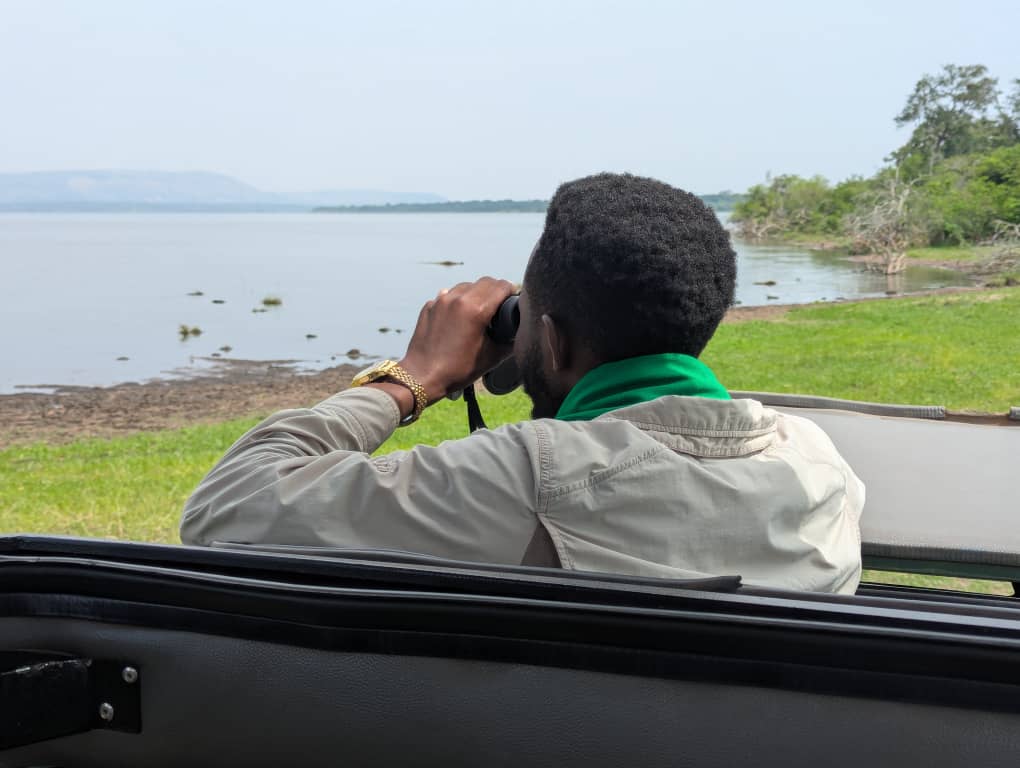
Boat excursions operate according to the park's schedule and availability, so advance coordination is recommended.
Birdwatching and Wetland Exploration
Akagera is an excellent destination for bird enthusiasts.
Its extensive wetlands, papyrus swamps, lakes and savannah habitats support a diverse bird community.
Visitors can explore these environments with a guide and search for waterbirds, raptors, woodland species and birds associated with papyrus vegetation.
The rare shoebill is particularly interesting to dedicated birdwatchers, although sightings are never guaranteed.
Sport Fishing at Lake Shakani
Lake Shakani is notable for permitted recreational fishing activities.
Visitors interested in fishing should confirm the applicable rules, authorised arrangements, equipment requirements and availability before travelling.
Fishing is subject to park regulations and must not interfere with wildlife protection.
Community and Cultural Experiences
Tourism around Akagera can also include community-based experiences.
Depending on availability, visitors may learn about traditional cattle keeping, local food production, honey cooperatives and other activities that reflect life in eastern Rwanda.
These experiences help travellers understand the relationship between local livelihoods, tourism and conservation.
Photography and Scenic Exploration
Akagera's changing scenery provides excellent opportunities for photography.
Golden grasslands, reflective lakes, acacia trees and distant hills create a beautiful backdrop for wildlife and landscape photography.
For the best results, bring a camera with a suitable zoom lens, protect your equipment from dust and avoid disturbing animals to obtain photographs.
Overnight Camping and Wilderness Experiences
Travellers who wish to spend more time in the park can consider designated campsites and authorised bush-camp experiences.
Staying overnight allows visitors to enjoy the changing atmosphere of the landscape, from sunrise over the savannah to the sounds of wildlife after dark.
Accommodation and activity arrangements must be confirmed before arrival.
One-Day Akagera National Park Safari from Kigali
Is a One-Day Akagera Safari Possible?
Yes. Akagera is one of Rwanda's most practical destinations for a full-day wildlife safari from Kigali.
The road journey generally takes around 2.5–3.5 hours, depending on the entrance, traffic and road conditions.
A one-day safari is particularly suitable for visitors with limited time, including travellers staying in Kigali, business visitors and tourists who want to add a wildlife experience to a short Rwanda holiday.
However, the park is large enough that a one-day excursion cannot cover every area.
The itinerary should therefore be planned carefully, balancing driving time, wildlife observation, meals and the chosen activities.
Recommended One-Day Akagera Safari Itinerary
03:30–04:00 AM — Departure from Kigali
Your Seek Wild Africa driver-guide collects you from your hotel or agreed pick-up location.
Begin the journey towards eastern Rwanda, allowing sufficient time to reach the park early.
06:30–07:00 AM— Arrival at the Southern Entrance
Complete the required entry procedures and begin the safari according to the park's opening arrangements and confirmed booking.
07:00–10:00 AM — Morning Game Drive
Explore selected southern or central areas, depending on the time available and current wildlife information.
Look for zebras, giraffes, buffaloes, antelopes and other species, while keeping watch for predators.
Your guide adapts the route to the conditions and the day's objectives.
10:00–11:30 AM — Continue Wildlife Exploration
Visit suitable grassland, woodland or lakeside areas to look for additional wildlife and enjoy photography stops.
11:30 AM–12:30 PM — Lunch Break
Enjoy a packed lunch or an arranged meal at an authorised location.
12:30–02:00 PM — Optional Lake Ihema Boat Safari
If the boat schedule, availability and travel time permit, enjoy a guided boat excursion to explore hippos, crocodiles and wetland birdlife.
If a boat excursion is not practical, continue the game drive instead.
02:00–03:00 PM — Final Wildlife Viewing
Enjoy additional wildlife observation and scenic stops before beginning the return journey.
03:00–06:30 PM — Return to Kigali
Exit the park and travel back to Kigali, allowing flexibility for road conditions and the actual departure time.
This itinerary is illustrative. The exact schedule depends on the entrance used, park operating arrangements, wildlife-viewing conditions and whether the boat excursion is available. If you want to explore the northern plains, an overnight stay is generally preferable.
What Is Included in a Well-Organised One-Day Safari?
A professionally arranged excursion can coordinate:
- Hotel or agreed-location pick-up.
- Return transport from Kigali.
- Park entry and booking coordination.
- A suitable safari vehicle.
- Professional driver-guide services.
- A planned wildlife-viewing route.
- Lunch or refreshments, according to the package.
- Optional boat safari arrangements, subject to availability.
Park fees, meals and activities should be clearly confirmed in the quotation so that travellers understand what is included.
Two-Day Akagera Safari: A More Immersive Experience
Although a one-day safari is possible, two days allow visitors to explore more of the park at a relaxed pace.
Day 1: Kigali to Akagera – Southern and Central Wildlife Exploration
05:30–06:00 AM — Departure from Kigali
Meet your Seek Wild Africa driver-guide and travel towards Akagera.
08:00–09:00 AM — Park Entry and Safari Preparation
Complete the entry procedures and begin the game drive according to the day's route.
09:00 AM–12:00 PM — Morning Game Drive
Explore selected wildlife areas and search for elephants, giraffes, buffaloes, zebras and other species.
12:00–01:00 PM — Lunch
Enjoy lunch at an authorised location or your selected accommodation.
01:00–03:30 PM — Afternoon Wildlife Exploration
Continue the game drive, taking time to observe wildlife and photograph the park's changing landscapes.
03:30–05:00 PM — Lodge Arrival and Relaxation
Check in at your accommodation, enjoy the surrounding scenery and prepare for the next day.
Evening — Dinner and Overnight Stay
Enjoy dinner and a peaceful night surrounded by the natural environment.
Day 2: Boat Safari, Additional Wildlife Viewing and Return to Kigali
06:00–07:00 AM — Breakfast
Enjoy breakfast before beginning the day's activities.
07:00–09:30 AM — Morning Game Drive
Explore selected areas while wildlife is active in the cooler morning conditions.
09:30–11:00 AM — Lake Ihema Boat Safari
Where available, enjoy a guided boat excursion to observe hippos, crocodiles and waterbirds.
11:00 AM–12:00 PM — Lunch or Refreshments
Take a break before the return journey.
12:00–03:00 PM — Additional Wildlife Exploration and Exit
Depending on your accommodation and route, enjoy further wildlife viewing before leaving the park.
Afternoon — Return to Kigali
Travel back to Kigali and conclude the two-day safari.
The final schedule should be adapted to your lodge location, park rules, boat departure times and chosen wildlife-viewing areas.
Where to Stay: Accommodation Inside and Outside Akagera National Park
Choosing the right accommodation can significantly improve your safari experience.
Staying inside the park can provide convenient access to wildlife areas and early-morning game drives. Accommodation outside the park may suit visitors who prefer a shorter stay or a different budget.
Luxury and Premium Wilderness Accommodation
Wilderness Magashi
Located in the northeastern part of Akagera, Wilderness Magashi offers an exclusive wilderness experience overlooking Lake Rwanyakazinga.
It is particularly suitable for travellers seeking premium accommodation, personalised hospitality and opportunities to explore wildlife-rich areas of the park.
Ruzizi Tented Lodge

Ruzizi Tented Lodge lies beside Lake Ihema in the southern sector.
Its intimate tented accommodation, lakeside setting, environmentally conscious design and peaceful atmosphere make it an attractive option for visitors who want to combine comfort with a close connection to nature.
Comfortable Mid-Range Accommodation
Akagera Game Lodge

Akagera Game Lodge offers hotel-style accommodation in a scenic setting near the southern sector.
Its facilities and location make it a practical choice for families and travellers seeking a conventional hotel experience close to the park.
Bush Camps and Designated Campsites
Karenge Bush Camp

Karenge Bush Camp offers a more intimate bush experience in the northern part of Akagera. Its location makes it attractive to travellers seeking a remote wilderness atmosphere.
Designated Campsites
Akagera also offers designated camping areas, including Muyumbu, Shakani and Mutumba, subject to current availability and park arrangements.
These are suitable for travellers who prefer a more adventurous experience.
Accommodation Outside the Park
Travellers can also consider properties near the southern entrance and in the surrounding communities.
Examples include Akagera Transit Lodge and Akagera Rhino Lodge, subject to current availability and services.
Staying outside the park may suit visitors on a tighter budget or those planning a short safari. However, travellers should account for the time required to enter the park and any applicable entry-fee rules when leaving and re-entering.
Seek Wild Africa can help you compare accommodation according to location, comfort, budget and itinerary. Always confirm current rates, facilities and availability before booking.
Best Time to Visit Akagera National Park in 2026–2027
Akagera can be visited throughout the year, but seasonal conditions influence road surfaces, wildlife distribution and the overall safari experience.
June to September: Main Dry Season
This is a popular period for wildlife viewing.
As some water sources become more limited, animals may gather around remaining water sources, although sightings depend on many environmental factors.
Drier conditions can also make some roads easier to navigate.
December to February: Short Dry Season
These months provide another attractive opportunity for a safari.
Travellers can combine Akagera with other Rwanda destinations and enjoy relatively favourable conditions for outdoor activities.
March to May: Long Rainy Season
Rainfall increases, vegetation becomes greener and some roads may become more challenging.
The landscape can be particularly attractive for photography, although wet conditions may affect travel time.
October to November: Short Rainy Season
This period also experiences increased rainfall, although conditions vary.
Travellers should prepare for changing weather and flexible driving schedules.
The best time to visit depends on your interests, available dates, road conditions and accommodation preferences. Wildlife sightings cannot be guaranteed in any season.
What to Pack for an Akagera Safari
Preparation helps make your safari more comfortable and allows you to focus on the wildlife experience.
Clothing
Bring lightweight, breathable clothing in neutral colours such as khaki, brown, olive or beige.
Useful items include:
- Lightweight long-sleeved shirts.
- Comfortable trousers.
- A light jacket.
- A hat or cap.
- Comfortable closed shoes.
- Sunglasses.
Neutral colours can be practical for wildlife observation and photography.
Essential Safari Equipment
Consider packing:
- Binoculars.
- A camera with a zoom lens.
- Spare batteries and memory cards.
- Sunscreen.
- Insect repellent.
- Personal medication.
- A small daypack.
- A reusable water bottle.
Binoculars are particularly useful for observing birds and distant wildlife without disturbing the animals.
Plastic-Free and Responsible Travel
Rwanda has restrictions on plastic carry bags and specified single-use plastic items. Travellers should avoid prohibited plastic packaging and follow current park regulations.
For drinking water, bring a durable reusable bottle, such as:
- A stainless-steel water bottle.
- A reusable aluminium bottle.
- A sturdy refillable bottle permitted under current regulations.
A reusable bottle with a secure lid is particularly practical for carrying water during game drives and boat excursions.
Avoid leaving litter in the park, and carry all waste to designated disposal points.
Responsible safari travel helps protect Akagera's wildlife, lakes and wetlands for future generations.
How Seek Wild Africa Organises Your Akagera Safari
A memorable safari depends on more than reaching the park. It requires appropriate transport, sensible route planning, clear communication and a carefully coordinated schedule.
At Seek Wild Africa, we help travellers organise Akagera safaris according to their interests, available time and budget.
Personalised Safari Itineraries
We can organise one-day, two-day and extended Akagera safaris.
Our itinerary planning considers the park entrance, wildlife-viewing priorities, travel distances, accommodation preferences and additional activities.
Professional Driver-Guide Services
We arrange transport from Kigali and other agreed pick-up locations, helping travellers reach Akagera comfortably and efficiently.
Our transport arrangements can include:
- Kigali hotel pick-up and drop-off.
- Private safari transportation.
- Transfers to the park entrance.
- Multi-day transport and accommodation coordination.
- Return transfers after the safari.
Game Drive Planning
We help travellers select an appropriate safari duration and coordinate the route according to the time available.
For one-day trips, the focus is on making the most of a limited schedule. For longer safaris, we can help incorporate additional wildlife-viewing areas and activities.
Boat Safari Coordination
Where available, we can help arrange a Lake Ihema boat excursion as part of the overall itinerary.
The final booking depends on the park's operating schedule, availability and the feasibility of fitting the excursion into the day's route.
Accommodation Arrangements
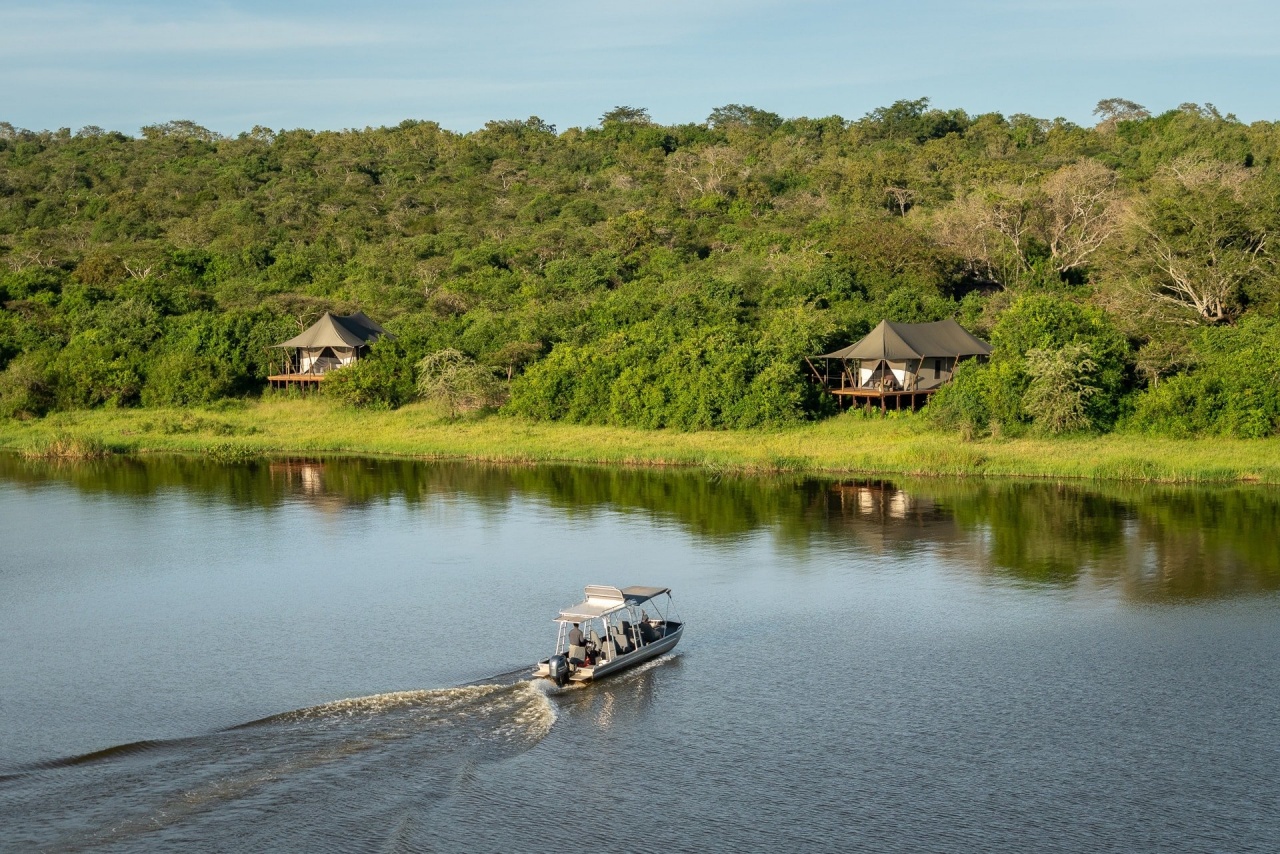
We help travellers identify suitable accommodation inside or near Akagera, from premium wilderness lodges to comfortable hotels and camping options.
Multi-Destination Rwanda Safaris
For travellers with more time, we can combine Akagera with other Rwanda destinations, including:
- Volcanoes National Park for mountain gorilla trekking.
- Nyungwe Forest National Park for chimpanzee trekking and forest experiences.
- Kigali for historical and cultural exploration.
- Lake Kivu for lakeside relaxation.
Our aim is to create a well-coordinated journey that allows travellers to experience Rwanda's diverse landscapes and wildlife.
Frequently Asked Questions About Akagera vs Serengeti
Is Akagera National Park worth visiting in 2026–2027?
Yes. Akagera offers an excellent combination of Big Five wildlife, lakes, wetlands, birdwatching and conservation history. Its accessibility from Kigali makes it particularly attractive to visitors with limited time.
Is Akagera better than the Serengeti?
Neither park is universally better. Akagera is particularly suitable for a compact Rwanda safari with Big Five wildlife and boat excursions, while the Serengeti is famous for its immense savannah ecosystem and Great Migration.
Can I see the Big Five in Akagera?
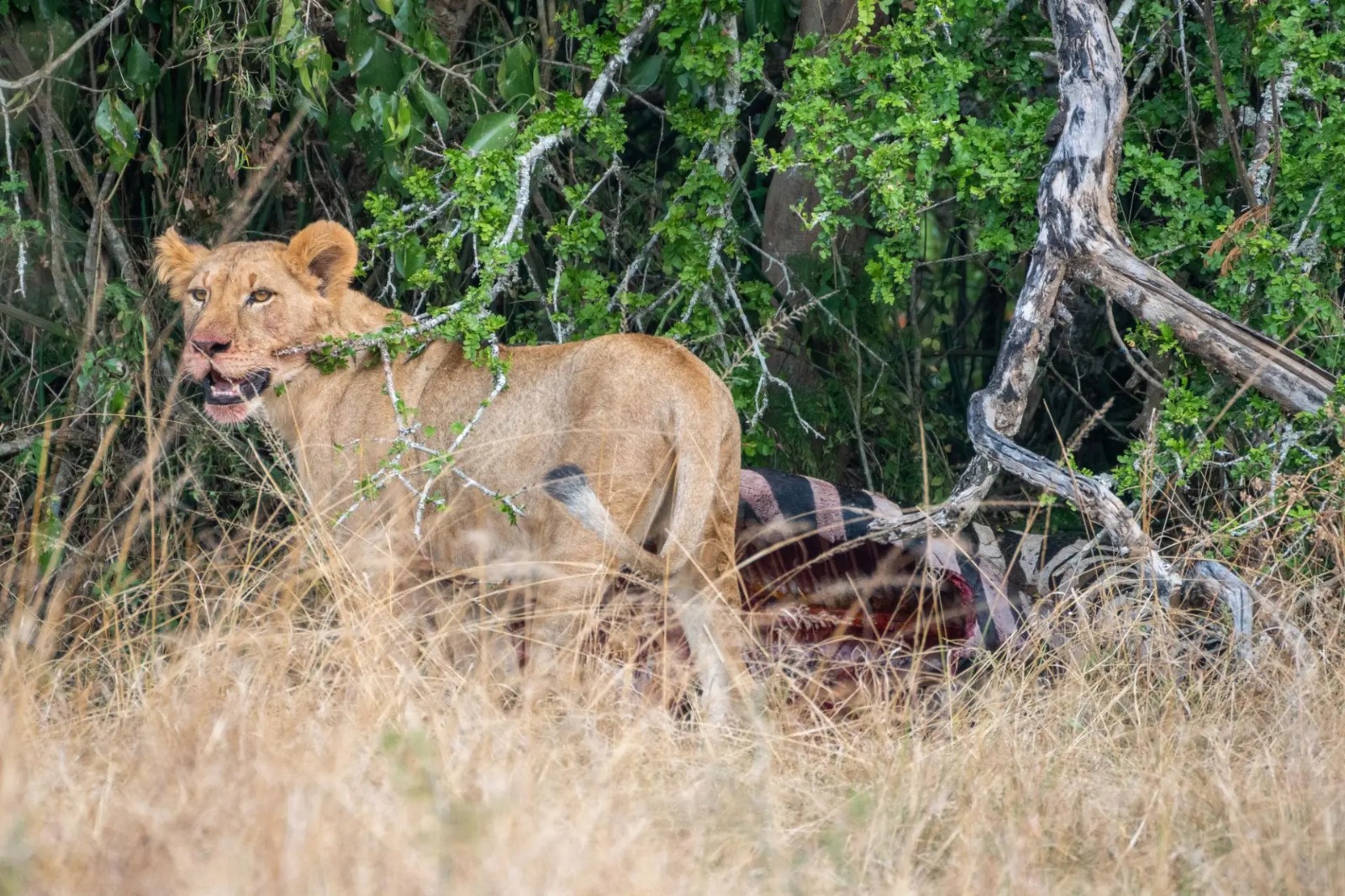
Yes. Akagera is home to lions, elephants, buffaloes, leopards and rhinos. However, sightings of all five species during a single safari are not guaranteed.
Can I visit Akagera National Park in one day from Kigali?
Yes. A one-day safari is possible with an early departure and a well-planned itinerary. A two-day safari is preferable for visitors who want more time for wildlife viewing and additional activities.
What animals can I see in Akagera?
Visitors may encounter lions, elephants, rhinos, buffaloes, leopards, giraffes, zebras, hippos, crocodiles, antelopes and numerous bird species.
What can I do in Akagera besides game drives?
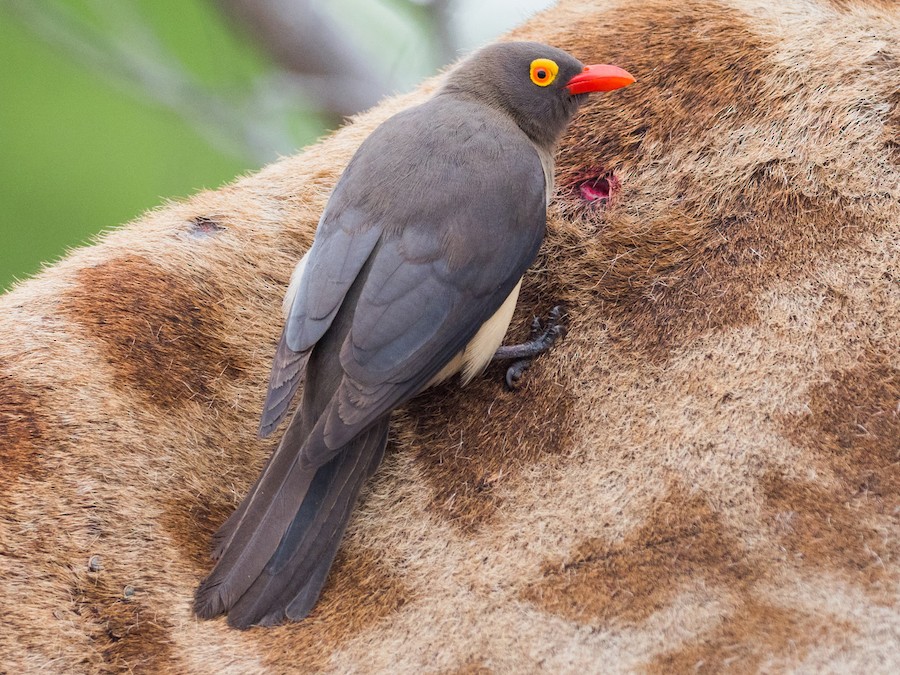
Additional activities include Lake Ihema boat safaris, birdwatching, authorised fishing activities at Lake Shakani, photography and selected community experiences.
Is Akagera suitable for families?
Yes. Akagera can be suitable for families interested in wildlife, nature and outdoor experiences. Families should confirm the age requirements and safety conditions for individual activities and accommodation properties.
Where should I stay during an Akagera safari?
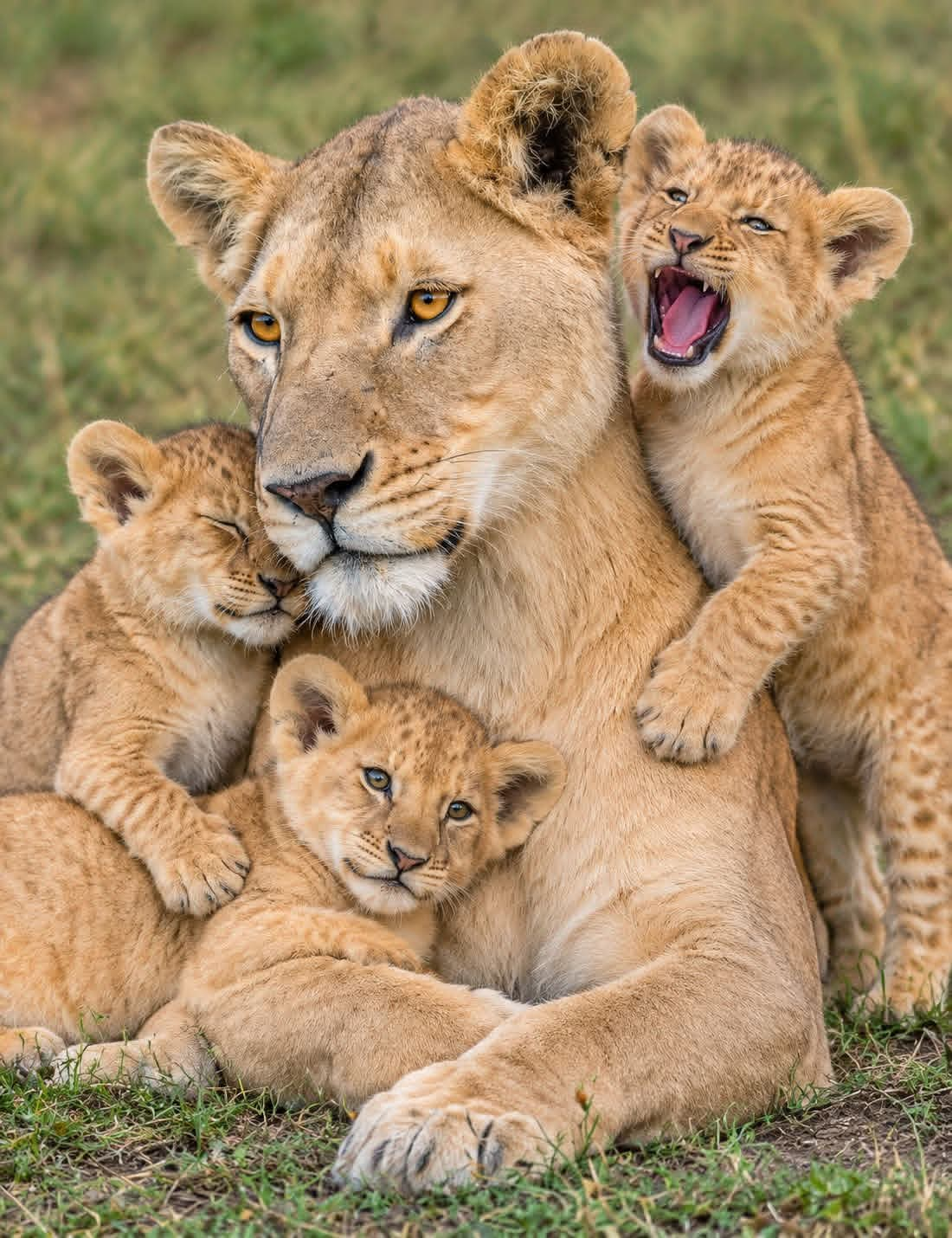
Options include Wilderness Magashi, Ruzizi Tented Lodge, Akagera Game Lodge, Karenge Bush Camp and designated campsites. Accommodation near the park's southern entrance may also be suitable for short visits.
What is the best time to visit Akagera?
The drier periods, generally June to September and December to February, are popular for wildlife viewing. However, Akagera can be visited throughout the year.
How can Seek Wild Africa help plan my Akagera safari?
Seek Wild Africa assists with itinerary planning, transport, professional driver-guide services, accommodation arrangements, game drive coordination and additional activities such as boat safaris, subject to availability.
Discover Rwanda's Wildlife Heritage with Seek Wild Africa
Akagera National Park is one of Rwanda's most important natural treasures and an inspiring example of conservation recovery.
Its transformation from a landscape affected by habitat loss and declining wildlife to a protected Big Five destination demonstrates the value of long-term conservation, effective management and community participation.
For travellers planning an African safari in 2026–2027, Akagera offers a compelling combination of wildlife viewing, scenic landscapes, lake excursions and conservation-focused tourism.
Whether you have only one day in Kigali or several days to explore Rwanda, Akagera can provide an unforgettable introduction to the country's savannah wildlife.
The choice between Akagera and the Serengeti ultimately depends on your travel ambitions. If you want to experience the Great Migration across an immense savannah ecosystem, the Serengeti is an exceptional destination. If you want to discover Rwanda's Big Five, explore diverse wetland habitats and experience a remarkable conservation success story within a more compact itinerary, Akagera deserves a place on your travel list.
At Seek Wild Africa, we help turn your travel plans into carefully organised safari experiences.
We organise:
- One-day Akagera safaris from Kigali.
- Two-day and extended Akagera safari packages.
- Professional driver-guide services.
- Private 4x4 safari transportation.
- Accommodation reservations.
- Lake Ihema boat safari coordination.
- Wildlife photography and birdwatching itineraries.
- Airport transfers and hotel pick-ups.
- Combined Rwanda wildlife and gorilla trekking safaris.
- Tailor-made Rwanda and East Africa safari itineraries.
Explore Rwanda with Seek Wild Africa. Discover the wildlife, landscapes and conservation achievements that make Akagera an exceptional African safari destination.
Start planning your 2026–2027 safari today.