Best Places to Visit in Kigali Before or After Your Rwanda Safari in 2026–2027
October 19, 2026Clementine
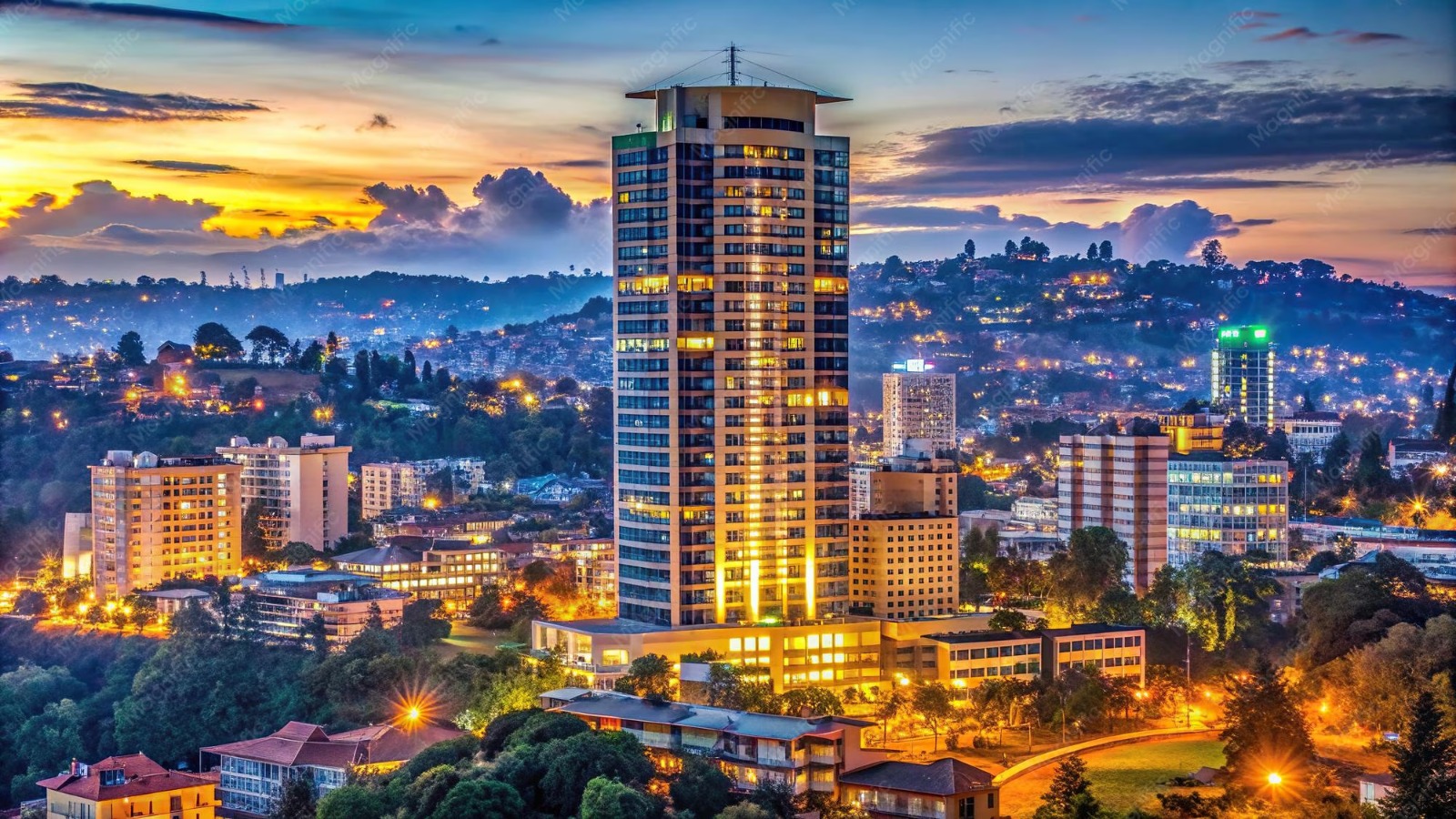
Discover Kigali’s history, Rwanda’s remarkable resilience, cultural heritage, conservation achievements, and unforgettable wildlife experiences with Seek Wild Africa.
Imagine beginning your African adventure in a city surrounded by green hills, where modern buildings stand alongside bustling local markets, museums preserve important chapters of history, and welcoming communities bring Rwanda’s culture to life. Beyond the capital, mist-covered mountains shelter endangered mountain gorillas, rainforests echo with the calls of chimpanzees, and open savannas provide habitats for elephants, lions, rhinos, and other wildlife.
Welcome to Kigali and Rwanda.

For travellers planning an African adventure in 2026–2027, Kigali offers much more than an airport arrival or an overnight stop before a safari. It is a place to understand Rwanda’s past, appreciate its recovery and development, explore its cultural identity, and prepare for adventures in some of the country’s most remarkable natural landscapes.
This Kigali Rwanda travel guide explores the best Kigali attractions, museums, memorial sites, cultural destinations, and nearby experiences to enjoy before or after a Rwanda safari. It also explains how to plan a one-day Kigali city tour, a cultural journey to Huye and Nyanza, a one-day gorilla safari from Kigali, and a longer itinerary combining gorillas, golden monkeys, savanna wildlife, and rainforest adventures.
With careful planning from Seek Wild Africa, visitors can experience the connections between Rwanda’s history, people, landscapes, and conservation efforts in one memorable journey.
Why Visit Kigali Before or After Your Rwanda Safari?

Kigali is not a national park, but it is an important gateway to understanding Rwanda. The city combines historical education, cultural experiences, contemporary urban life, and access to major wildlife destinations.
Discover Rwanda beyond its wildlife
A safari introduces travellers to animals and landscapes. Kigali adds another dimension by helping visitors understand the country and the communities connected to its tourism industry.
In the capital, visitors can explore memorials, museums, art spaces, local markets, restaurants, and modern landmarks. These experiences help explain how Rwanda’s history and cultural identity have shaped the country travellers encounter today.
Experience Rwanda’s resilience and development

Rwanda endured the 1994 Genocide against the Tutsi, which caused devastating loss of life and lasting trauma. The years since have involved rebuilding communities and institutions, supporting survivors, pursuing justice, and working towards reconciliation.
Today, Kigali is a centre for business, education, conferences, creative industries, and tourism. Its changing skyline and developing infrastructure sit alongside memorial sites that preserve the memory of the past.
Understanding both sides of this story makes a visit more meaningful. Rwanda should not be defined only by its tragedy, nor should its history be overlooked in favour of attractive landscapes. Responsible travel recognises the country’s painful past while appreciating its people, culture, achievements, and continuing challenges.
Combine city attractions with national park adventures
Kigali makes it practical to build a varied Rwanda safari itinerary around different experiences:
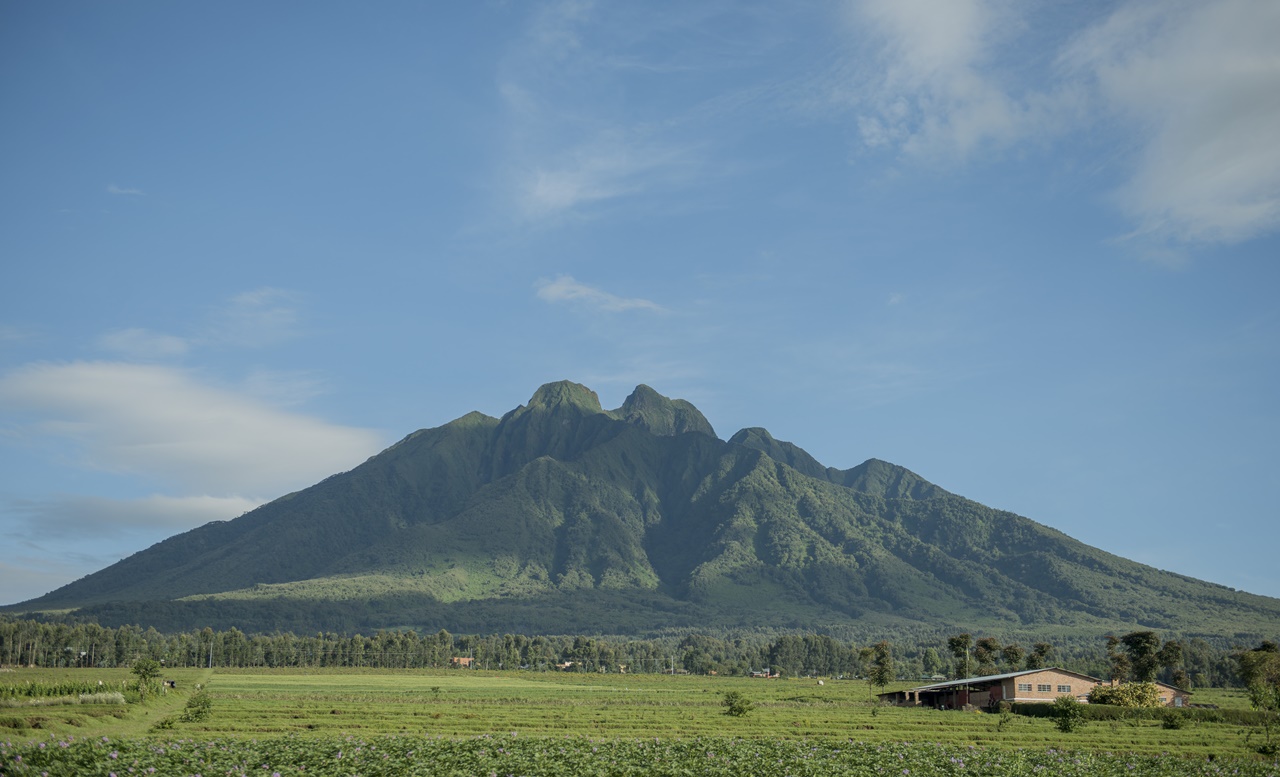
- Volcanoes National Park: Mountain gorilla trekking, golden monkey tracking, and volcanic scenery.
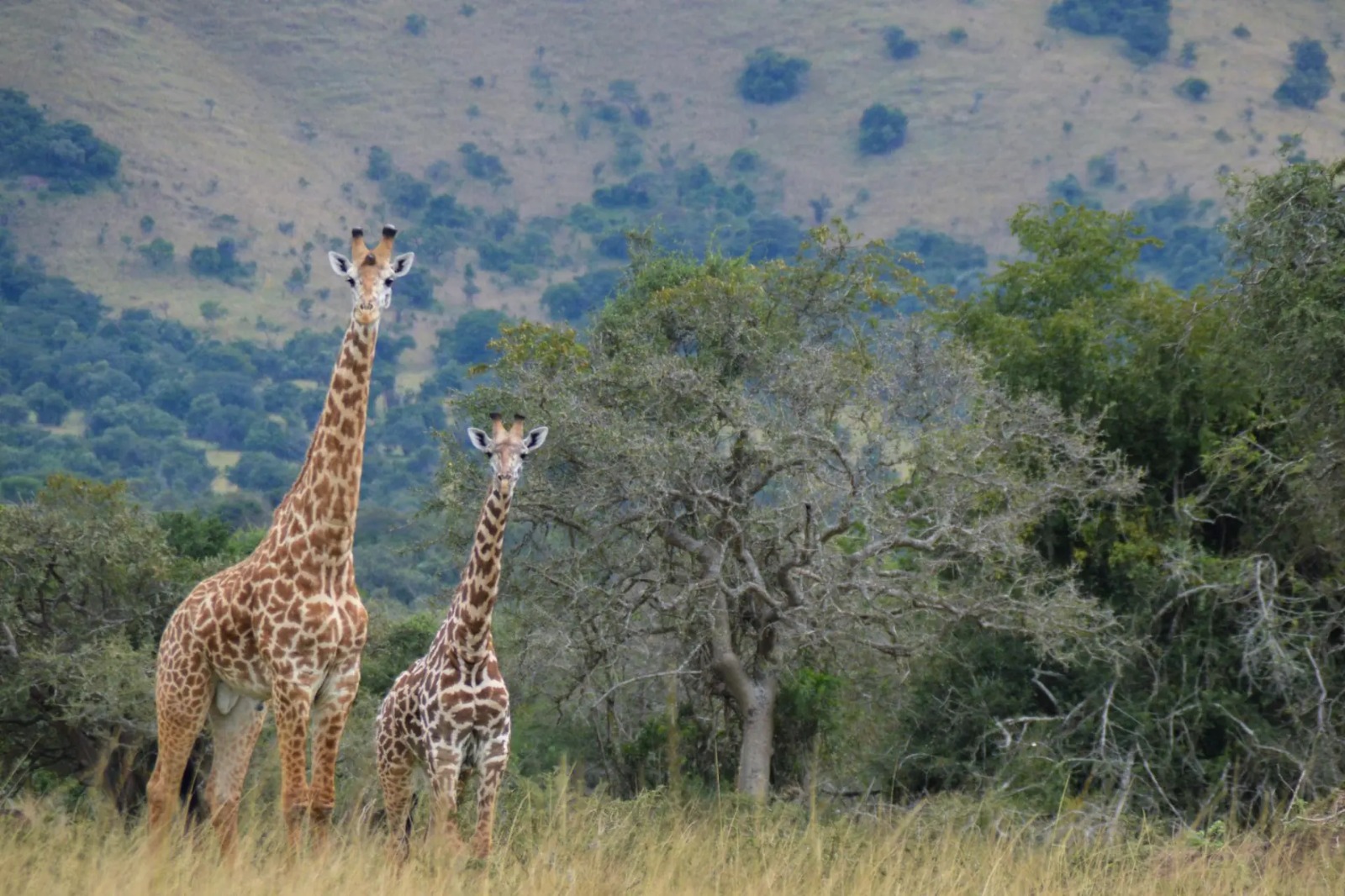
- Akagera National Park: Big Five wildlife viewing, game drives, birdwatching, and boat excursions where available.
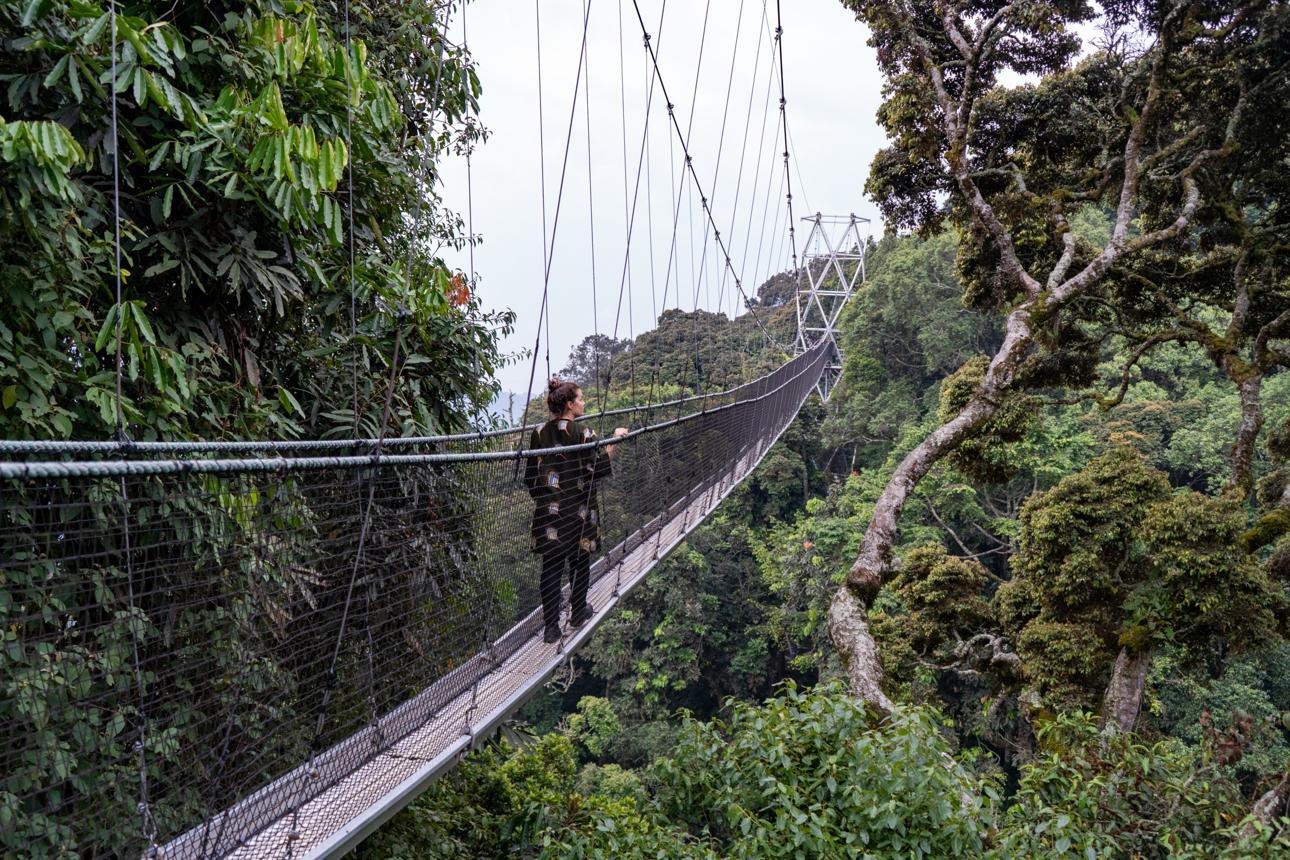
- Nyungwe National Park: Chimpanzee trekking, rainforest trails, and the canopy walkway.
- Huye and Nyanza: Museums, traditional royal heritage, and cultural history.

- Lake Kivu: Lakeside relaxation, boat trips, and scenic towns.
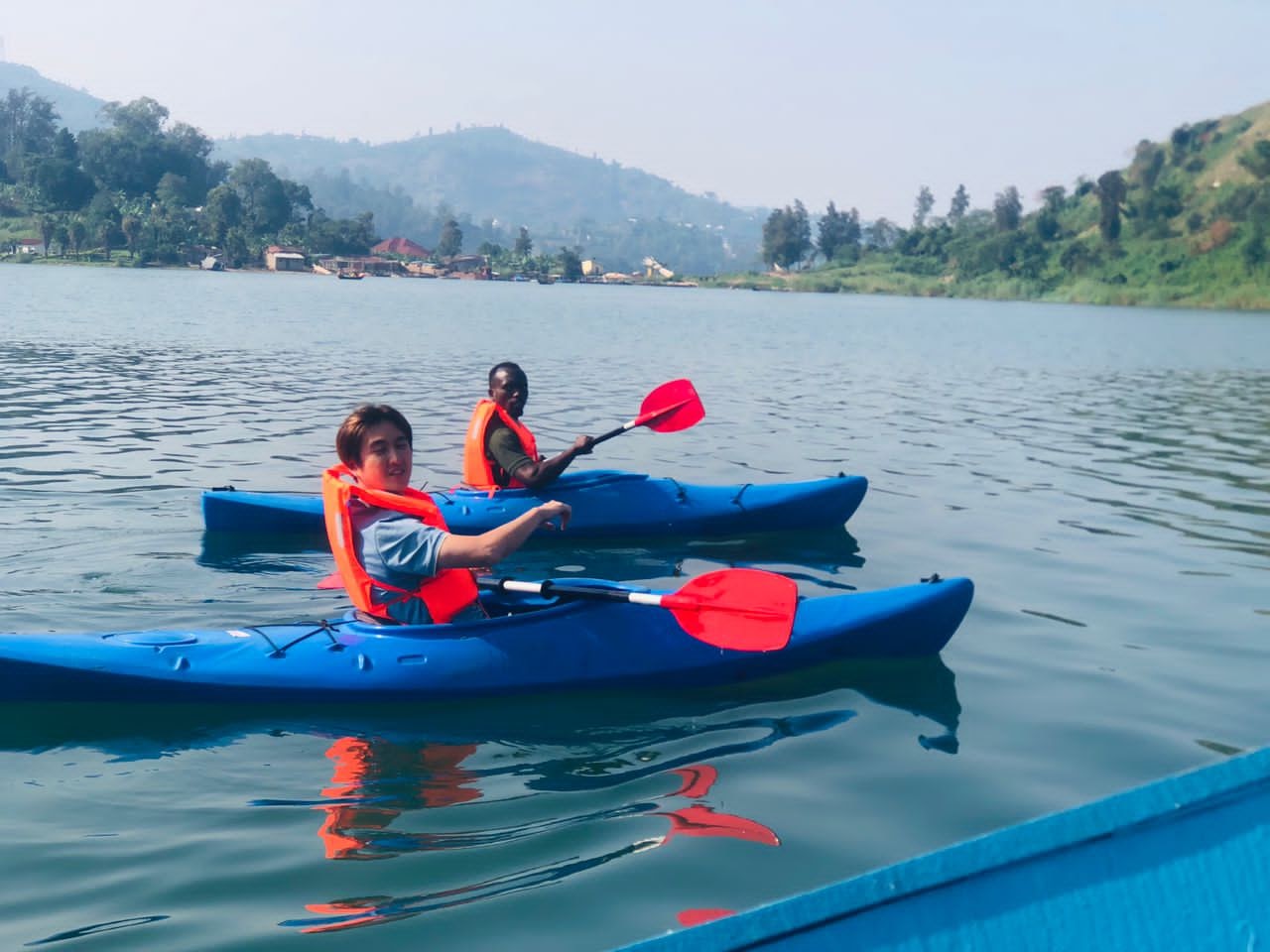
The result is a trip that combines nature, culture, history, and relaxation rather than concentrating on one type of activity.
Rwanda’s History, Resilience, and Conservation Journey
From historical kingdoms to contemporary Rwanda
Rwanda has a long history of kingdoms, agriculture, craftsmanship, oral traditions, and community life. Colonial rule brought significant political and social changes, and divisions were intensified over time. These historical developments formed part of the background to the violence that culminated in the 1994 Genocide against the Tutsi.

After the genocide, Rwanda faced the immense task of rebuilding communities, supporting survivors, restoring institutions, and addressing the consequences of widespread violence.
Visitors can learn about this history through the Kigali Genocide Memorial, museums, cultural institutions, and guided visits to historical sites. Such experiences offer context for understanding Rwanda today and should be approached with sensitivity and respect.
How conservation has shaped Rwanda’s tourism identity
Rwanda’s conservation work is especially visible in its national parks.
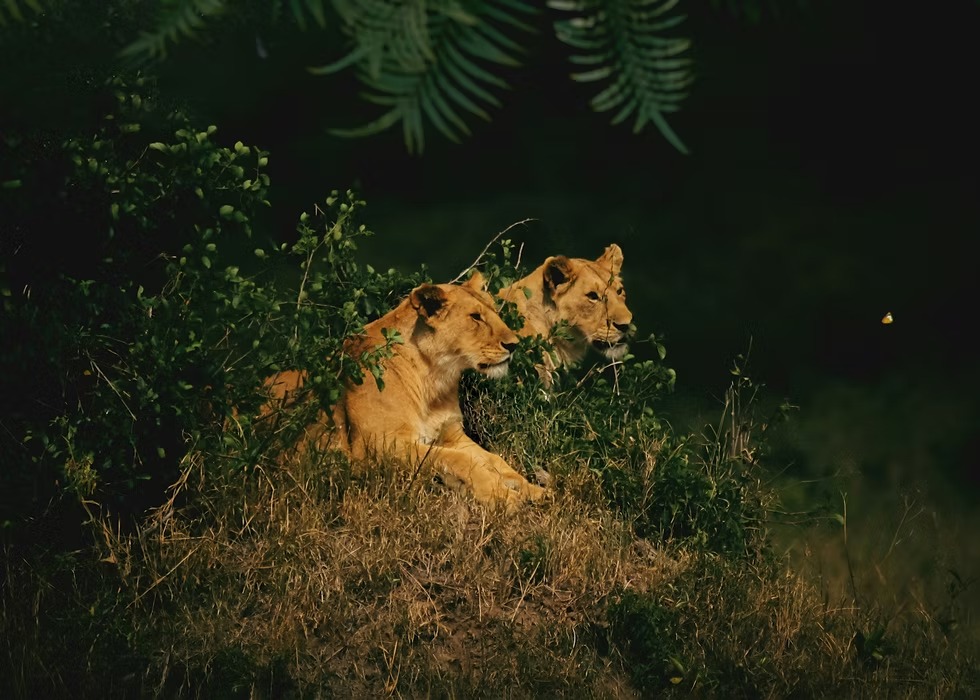
Akagera National Park has experienced significant restoration and wildlife recovery. Lions were reintroduced in 2015, followed by black rhinos in 2017. Today, the park offers opportunities to look for the Big Five across savanna, woodland, wetland, and lakeside habitats.
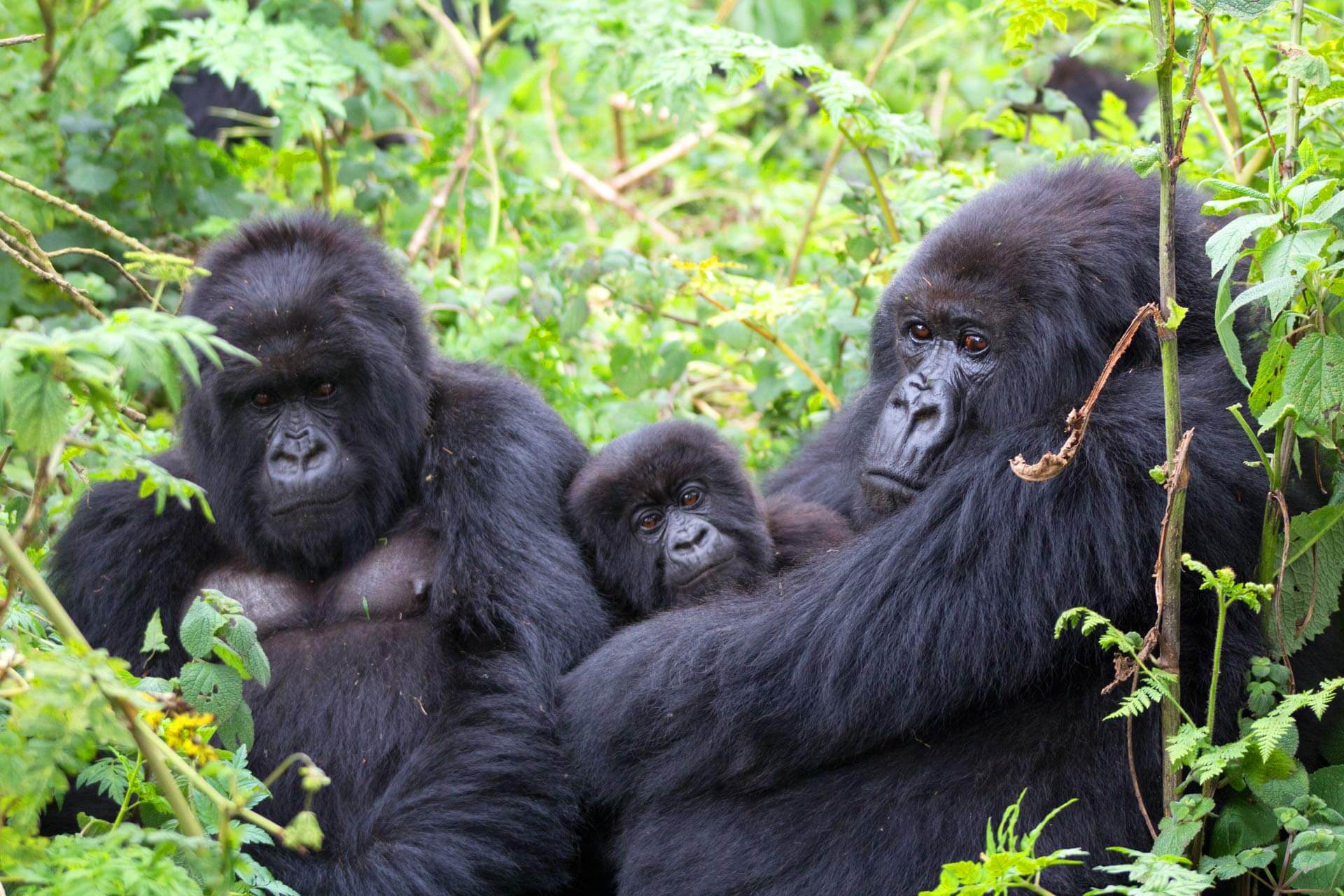
Volcanoes National Park protects mountain gorillas and other wildlife in the Virunga landscape. Gorilla tourism is carefully regulated, with trained guides, park staff, visitor briefings, and rules designed to reduce disturbance to the animals.
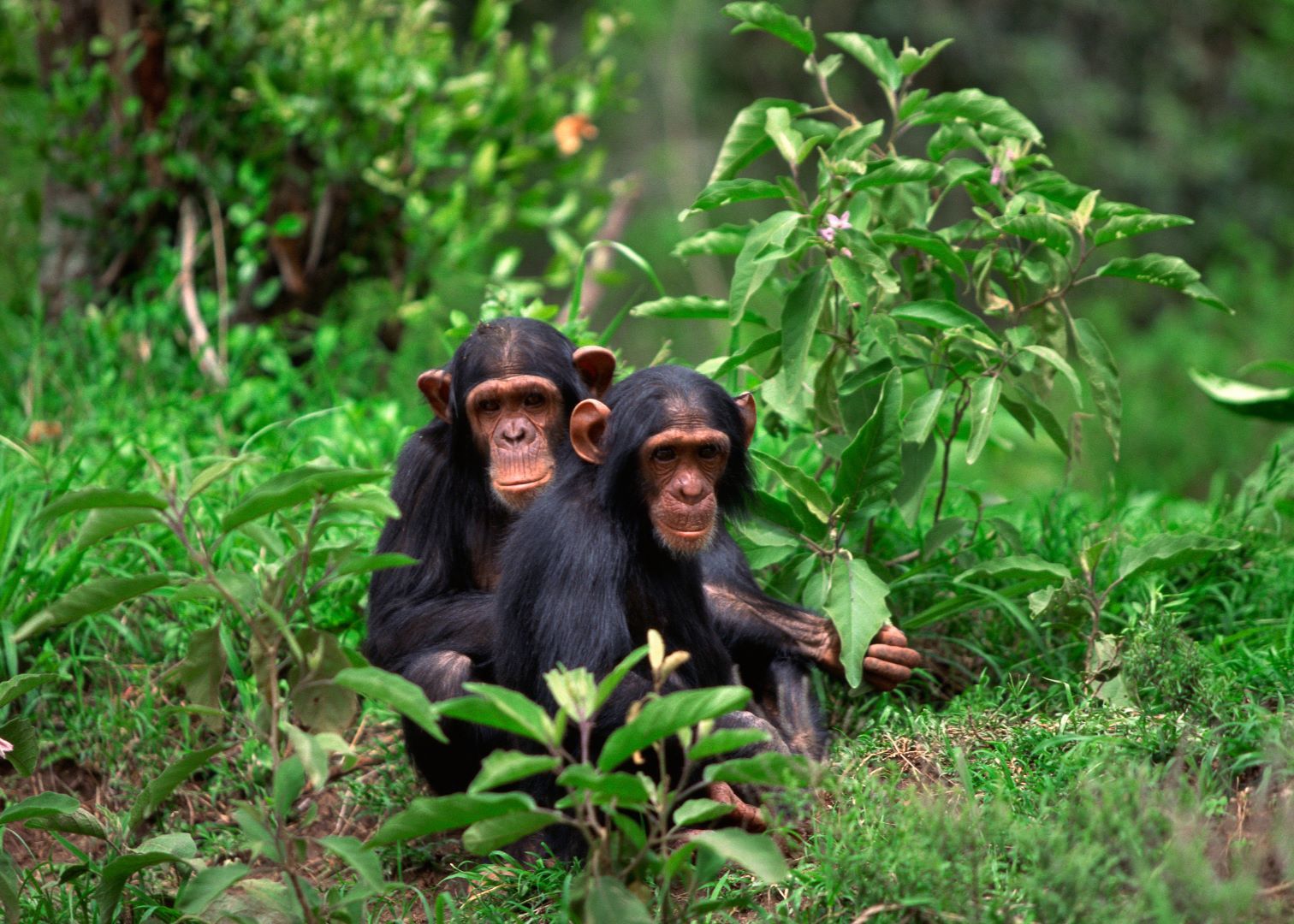
Nyungwe National Park protects an important montane rainforest ecosystem that supports chimpanzees, other primates, and a rich diversity of birds and plants.
These conservation areas are not simply places to see animals. They are living ecosystems requiring habitat protection, monitoring, responsible visitor behaviour, and cooperation with communities.
How tourism can support conservation
Well-managed tourism can generate employment, create business opportunities, support conservation programmes, and bring income to communities near protected areas.
Visitors can contribute by using authorised guides and operators, respecting park regulations, purchasing authentic local crafts, reducing waste, and treating wildlife and local communities responsibly.
Kigali helps complete this picture by introducing visitors to Rwanda’s historical and contemporary life before they travel into the country’s natural landscapes.
Best Places to Visit in Kigali in 2026–2027
Kigali Genocide Memorial: A place of remembrance and education
The Kigali Genocide Memorial in Gisozi is one of Rwanda’s most important memorial and educational sites. It is the final resting place of more than 250,000 victims of the 1994 Genocide against the Tutsi.
The memorial includes exhibitions documenting the genocide, its historical background, the consequences of mass violence, and the importance of remembrance and education. The grounds also provide a quiet space for reflection.
For international visitors, this is an opportunity to learn about Rwanda through the experiences of those affected and the country’s ongoing work of remembrance.
What makes the memorial important?
- It honours victims and provides a place for remembrance.
- It documents historical events and preserves testimony.
- It helps visitors understand the human consequences of genocide.
- It supports education about preventing future mass violence.
How much time should you allow?
Allow approximately 90 minutes to two hours, or longer if you want to explore the exhibitions carefully. Check the official Kigali Genocide Memorial visitor information for current opening arrangements, entry details, and any special closures.
This is not an ordinary sightseeing stop. Dress respectfully, follow photography rules, and allow time to reflect.
Kandt House Museum: Understanding Kigali’s early history

Kandt House Museum introduces visitors to aspects of Rwanda’s history, colonial-era experiences, and Kigali’s early development.
A visit can help travellers understand how the capital evolved and how historical changes affected the country. It also provides context for exploring Kigali’s neighbourhoods and contemporary urban landscape.
Allow around one hour, depending on the exhibitions and your interest. Confirm current opening times before visiting.
Campaign Against Genocide Museum

Located in Rwanda’s parliamentary complex, the Campaign Against Genocide Museum documents the campaign that brought the 1994 Genocide against the Tutsi to an end.
It offers historical information that complements a visit to the Kigali Genocide Memorial. Visitors interested in understanding Rwanda’s recent history may find the two sites particularly informative.
Because the subject is sensitive, allow sufficient time for the visit and check access arrangements in advance.
Kigali Convention Centre and the modern city
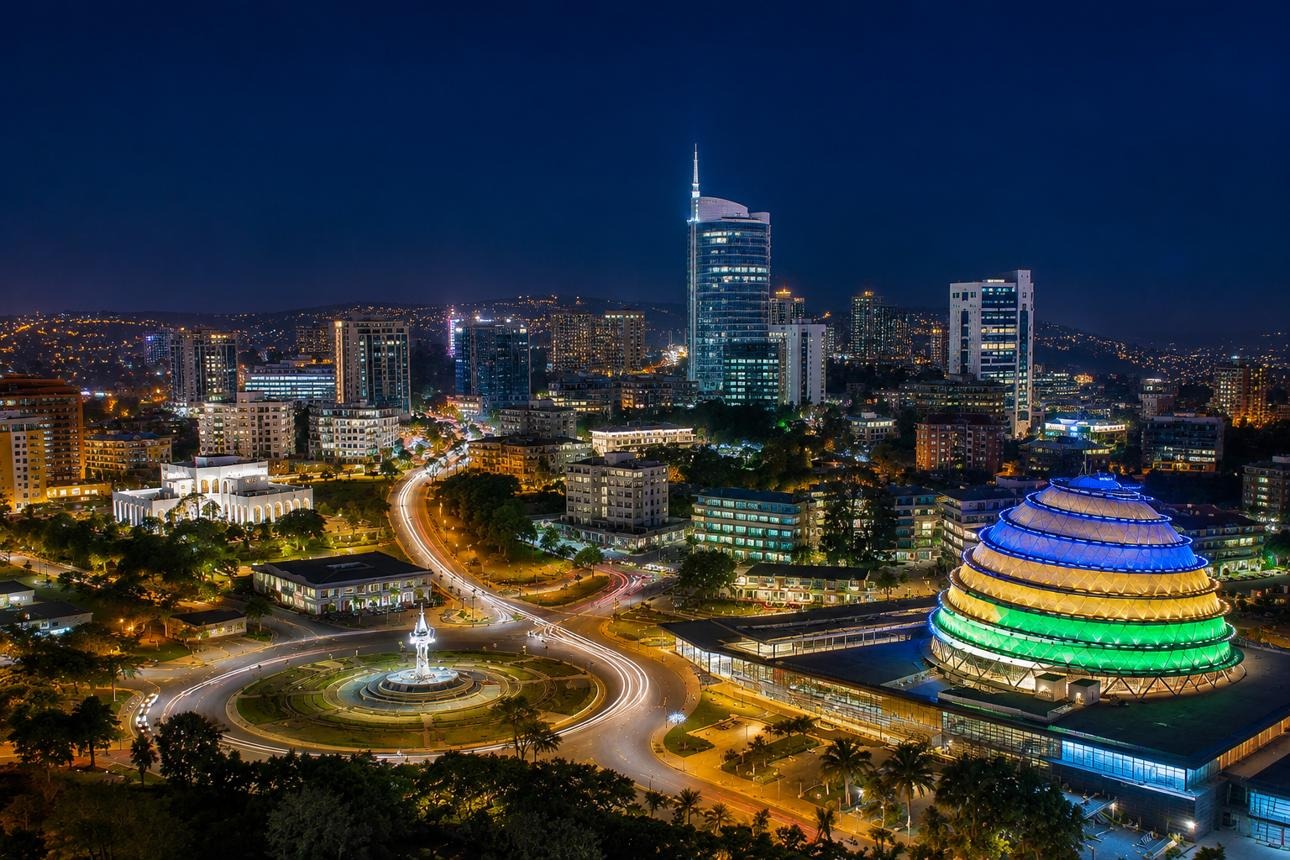
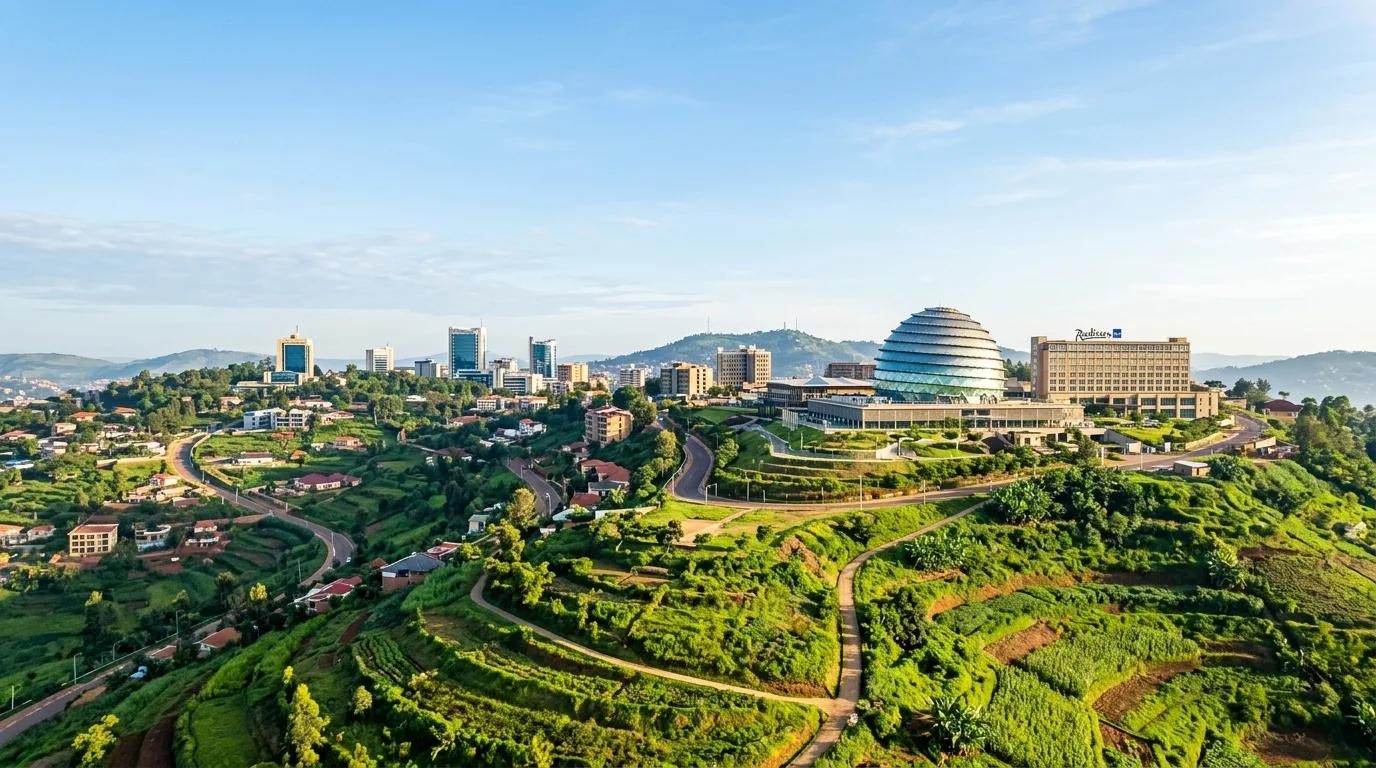
The Kigali Convention Centre is one of the capital’s recognisable modern landmarks. Its distinctive dome and surrounding business district reflect Kigali’s role in business, conferences, and international events.
A drive through the area provides a glimpse of contemporary Kigali, where commercial developments, hotels, restaurants, and modern infrastructure form part of the city’s changing landscape.
For photography, the surrounding district can be particularly attractive in the late afternoon or evening. Respect private property and follow local rules when taking pictures.
Kigali’s local markets and craft shops

Local markets offer a more everyday view of Kigali. Visitors can explore stalls selling fresh produce, clothing, household goods, and locally made items.
Craft shops and artisan businesses may offer woven baskets, textiles, artwork, and souvenirs inspired by Rwandan traditions.
A knowledgeable guide can help you navigate the area, explain local customs, and identify authentic locally made products. Ask permission before photographing people, and agree on prices before making purchases where bargaining is customary.
Rwanda Art Museum

The Rwanda Art Museum, located at the former presidential residence in Kanombe, presents visitors with opportunities to explore Rwanda’s artistic expression and creative scene.
It is a useful addition for travellers interested in contemporary culture, visual arts, and the ways artists interpret society and identity.
Confirm the museum’s current access and opening arrangements before including it in a tightly scheduled city tour.
Experience Kigali through its food and neighbourhoods
Food is an enjoyable way to connect with a destination. In Kigali, travellers can look for traditional dishes such as isombe, brochettes, beans, plantains, and other locally prepared meals.
The city offers everything from casual local restaurants to international dining. Your choice may depend on dietary requirements, budget, location, and the time available.
Beyond restaurants, a guided drive or walk through selected neighbourhoods can reveal different aspects of Kigali’s daily life, commercial activity, and urban development.
One-Day Kigali City Tour Itinerary

A well-planned city tour can cover several key attractions without making the day feel rushed. The schedule below is a suggested route; actual timings depend on traffic, museum access, and how long you choose to spend at each site.
8:30 a.m. — Hotel pick-up and city introduction
Meet your driver-guide and begin with an introduction to Kigali’s history, neighbourhoods, and main landmarks.
9:00 a.m. — Kigali Genocide Memorial
Spend approximately 90 minutes to two hours at the memorial. Take time to understand the exhibitions and reflect on the history they preserve.
11:15 a.m. — Kandt House Museum

Continue to the museum to explore aspects of Kigali’s early development and Rwanda’s colonial-era history. If the museum does not fit your schedule, your guide can suggest an alternative stop.
12:45 p.m. — Lunch in Kigali
Enjoy a local meal or select a restaurant that suits your preferences. This is also a good opportunity to ask your guide about Rwandan food and everyday customs.
2:00 p.m. — Local market or craft visit
Explore a market or artisan shop, discover locally made crafts, and learn about the products and traditions behind them.
3:30 p.m. — Kigali Convention Centre area
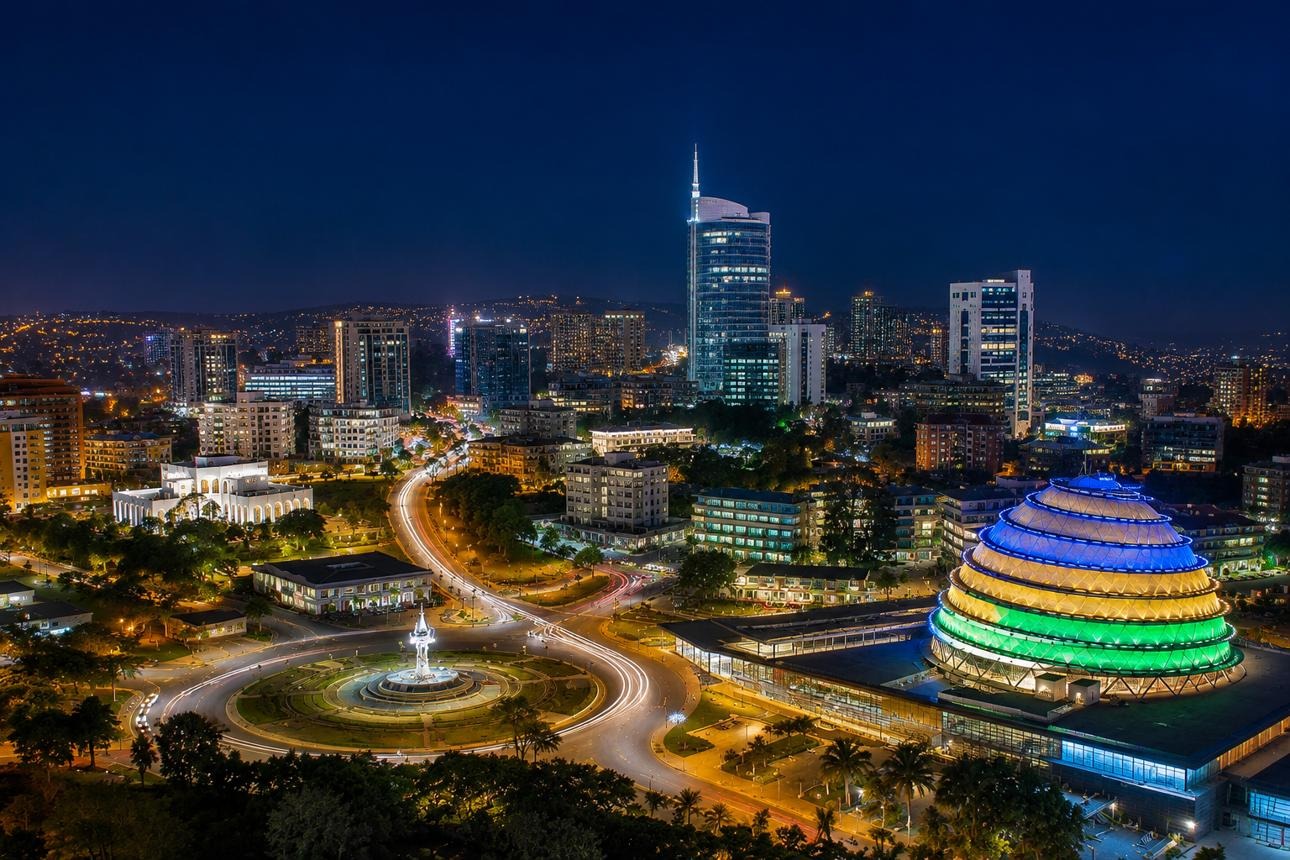
Take a short drive through selected modern districts and viewpoints, depending on traffic and your interests.
5:00 p.m. — Return to your hotel
Finish the tour with time to relax, prepare for the next leg of your journey, or enjoy dinner.
Travel tip: If your flight arrives late or departs the same day, reduce the number of stops. A smaller itinerary with enough time at each location is better than trying to see everything in a hurry.
One-Day Cultural Tour from Kigali to Nyanza and Huye

For visitors who want to explore Rwanda beyond the capital, a road trip to Nyanza and Huye provides a valuable introduction to royal heritage and cultural history.
This is a long day on the road. An early departure, a private vehicle, and advance confirmation of museum opening hours are important.
6:30 a.m. — Depart Kigali
Leave Kigali early and travel south through Rwanda’s hills and towns. The journey itself provides a glimpse of the countryside and daily life outside the capital.
9:00 a.m. — King’s Palace Museum in Nyanza

<image-placeholder: Traditional royal residence at the King’s Palace Museum in Nyanza>
The King’s Palace Museum introduces visitors to Rwanda’s monarchy and royal traditions. The reconstructed traditional residence helps explain aspects of royal life and cultural heritage.
The site is also associated with Inyambo cattle, long-horned cattle historically connected with royal ceremonies and traditions.
Allow approximately 60–90 minutes, depending on the visit arrangements.
10:45 a.m. — Drive to Huye
Continue to Huye, a town known for its academic institutions and cultural attractions.
11:30 a.m. — Ethnographic Museum
The Ethnographic Museum presents collections relating to Rwanda’s history, traditional life, craftsmanship, social organisation, and cultural practices.
Allow time to explore the displays and learn about the meaning of objects and traditions through the museum’s interpretation.
1:00 p.m. — Lunch in Huye
Enjoy lunch before beginning the return journey. If time and opening hours allow, you may also explore a nearby craft shop or cultural stop.
2:30 p.m. — Return to Kigali
Begin the drive back to Kigali. Depending on traffic, road conditions, and the time spent at the museums, you may arrive in the early evening.
Should you make it an overnight trip?
If you prefer a slower cultural experience, stay one night in Huye or Nyanza. This gives you more flexibility and reduces the pressure of a long return drive on the same day.
One-Day Gorilla Trekking Safari from Kigali
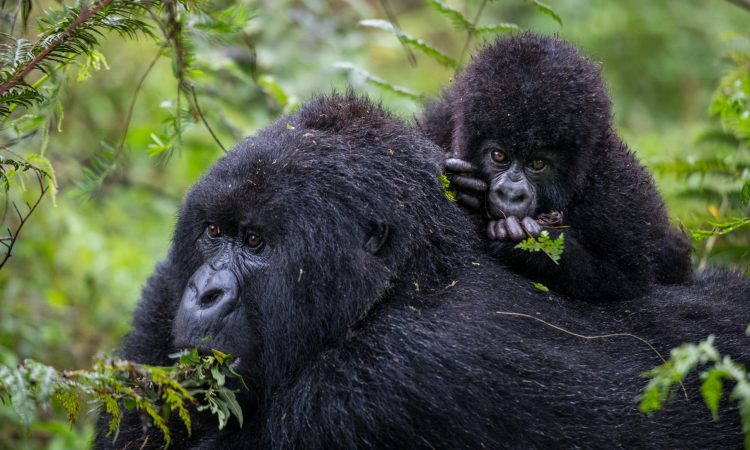
<image-placeholder: Mountain gorilla family in Volcanoes National Park, Rwanda>
Mountain gorilla trekking is one of Rwanda’s most distinctive wildlife experiences. Volcanoes National Park protects mountain gorillas in a landscape of forested volcanic slopes, bamboo vegetation, and mist-covered mountains.
A one-day gorilla safari from Kigali can be possible, but it requires an early start, a confirmed permit, and careful coordination. Trekking duration varies, so travellers should be prepared for a demanding day.
Suggested itinerary
4:00–4:30 a.m. — Pick-up in Kigali
Meet your driver-guide and depart for Volcanoes National Park. The drive usually takes around two to three hours, depending on the exact departure point, road conditions, and traffic.
Around 7:00 a.m. — Arrive at the park briefing location
Complete the required registration and attend the briefing. Park staff provide instructions and assign visitors to trekking groups according to the day’s arrangements.
Morning to early afternoon — Gorilla trekking
Follow the authorised guides and trackers through the forest to locate your assigned gorilla group. The trek may be short or may involve several hours of walking over steep, muddy, or uneven terrain.
When the gorillas are located, visitors must follow the current viewing rules and instructions from park staff. Do not touch, feed, or approach the animals independently.
After trekking — Lunch and return to Kigali
Depending on the arrangements and finish time, enjoy lunch or a packed meal before driving back to Kigali. Arrival may be in the late afternoon or evening.
What should you know before booking?
- A valid gorilla trekking permit is required.
- Permit availability should be confirmed before finalising travel arrangements.
- Trekking duration and difficulty cannot be guaranteed in advance.
- Sturdy hiking boots, long trousers, a waterproof jacket, and drinking water are essential.
- An overnight stay near the park offers greater flexibility and reduces the pressure of a same-day return.
Check current permit requirements and availability through the official Rwanda Development Board booking portal.
Seek Wild Africa can help coordinate the permit arrangements, accommodation, transfers, and timing around your confirmed trekking date.
Golden Monkey Tracking in Volcanoes National Park
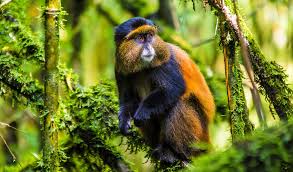
Golden monkey tracking provides another way to explore the forests of Volcanoes National Park. These lively primates have distinctive golden-orange markings and are often seen moving energetically through bamboo vegetation.
A typical excursion includes a morning briefing and a guided walk to locate a habituated group. The activity is different from gorilla trekking, with its own arrangements and permit requirements.
Golden monkey tracking is particularly suitable for travellers spending more than one day in the Volcanoes region. Depending on availability, it may be combined with a cultural visit, scenic drive, or other local experience.
For a one-day trip from Kigali, choose your main activity carefully. For a longer itinerary, Seek Wild Africa can help coordinate gorilla trekking and golden monkey tracking on suitable days.
Beyond Kigali: Rwanda’s National Parks and Wildlife Experiences
Kigali is the gateway, but the wider country offers very different landscapes and wildlife encounters. Travellers who have several days can build a Rwanda safari itinerary that combines the city with savanna, rainforest, mountains, and lakes.
Akagera National Park: Big Five safari and savanna scenery
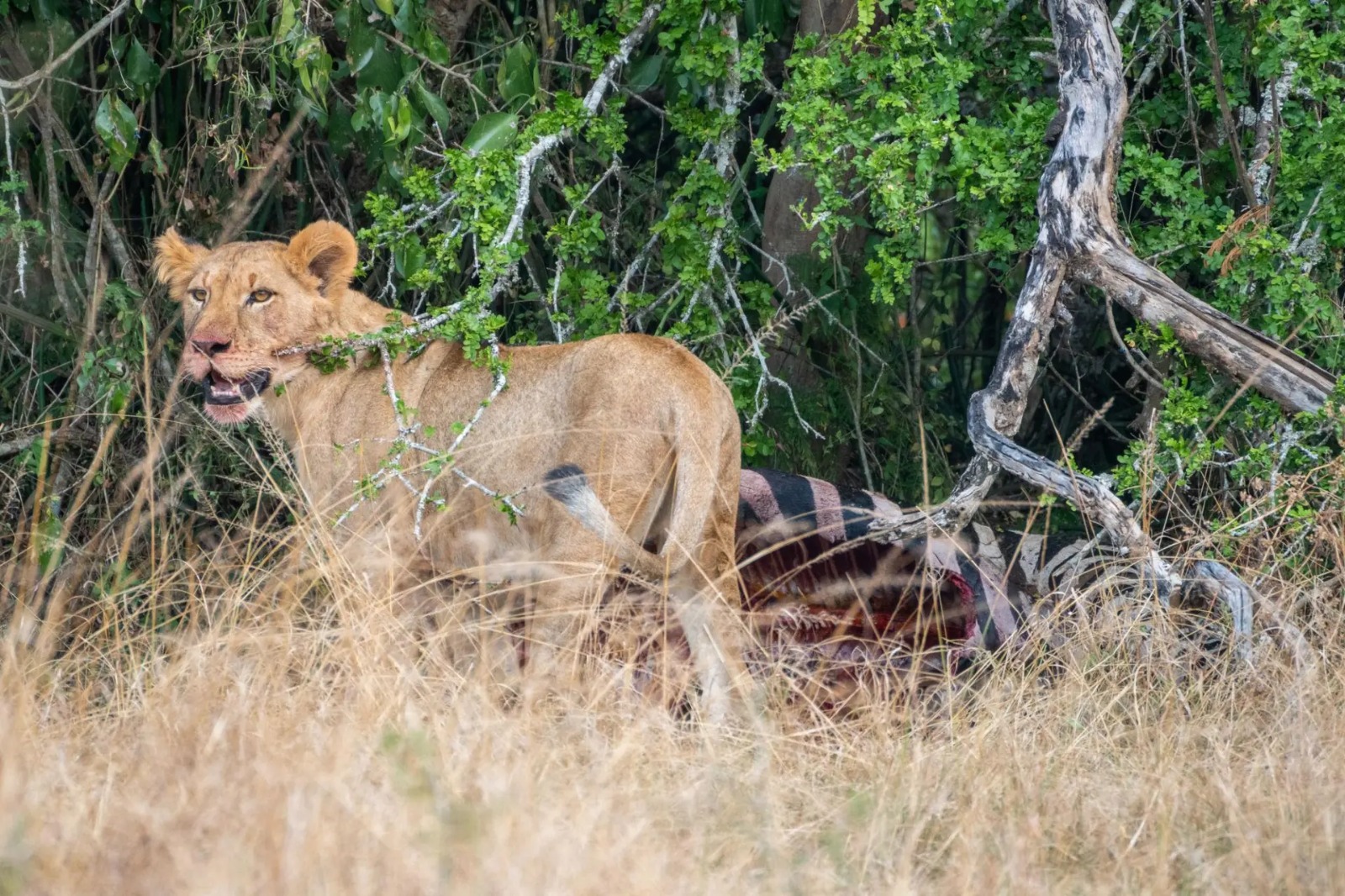
Akagera National Park offers a classic savanna safari experience in eastern Rwanda. Its mix of open plains, woodland, wetlands, and lakes supports a wide range of wildlife.
Visitors may look for lions, leopards, elephants, buffaloes, and rhinos—the Big Five—along with giraffes, zebras, antelopes, hippos, crocodiles, and numerous bird species. Sightings vary with wildlife movement, season, weather, and the route taken.
Game-drive strategy in Akagera
Start early. Morning drives can provide cooler conditions and opportunities to observe animals when they are active.
Work with your guide. A knowledgeable guide can adapt the route to current conditions, recent sightings, road access, and your interests.
Allow enough time. A single game drive cannot guarantee sightings of every species. A two-day safari provides more opportunities to explore different areas.
Consider the lake environments. A boat excursion, when available, offers a different perspective on waterbirds, hippos, crocodiles, and the park’s lakeside scenery.
Respect wildlife. Remain inside the vehicle where required, follow the guide’s instructions, and avoid disturbing animals to obtain photographs.
A one-day safari from Kigali is possible, but it is a long day. A two-day itinerary allows a more relaxed pace and more time for wildlife viewing.
Explore Seek Wild Africa’s 2-Day Akagera National Park Safari with Boat Cruise.
Nyungwe National Park: Chimpanzee trekking and rainforest exploration
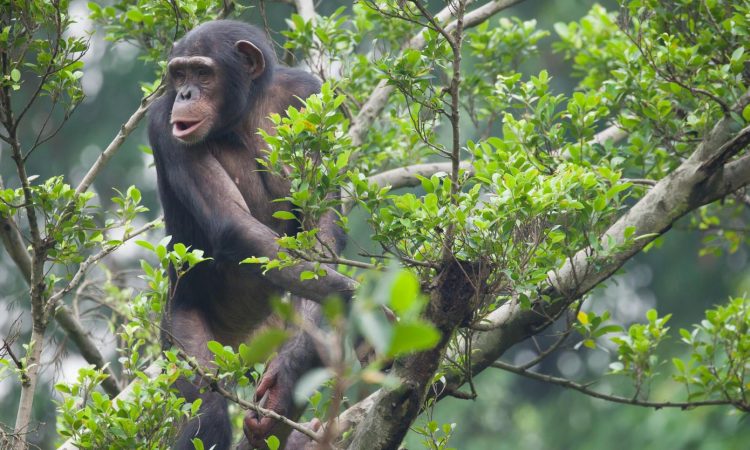
Nyungwe National Park protects a large area of montane rainforest and is known for its biodiversity, primates, birdlife, and forest trails.
Chimpanzee trekking offers the opportunity to observe these primates in their natural habitat with authorised guides. Other experiences may include guided forest walks and the canopy walkway, subject to operating arrangements and availability.
Nyungwe is farther from Kigali than Volcanoes National Park, so a multi-day visit is generally more practical than attempting a rushed day trip. A two- or three-day itinerary gives you time for the drive, an early forest activity, and additional exploration.
Lake Kivu: A peaceful extension after your safari
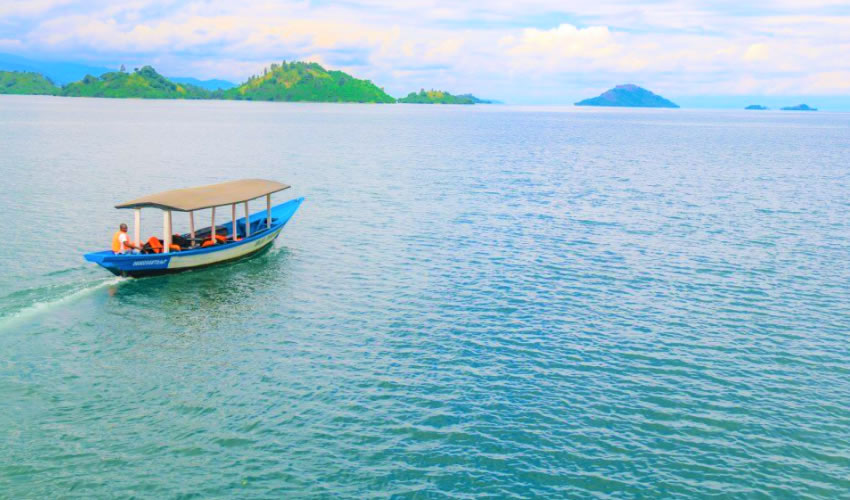
Lake Kivu offers a relaxing contrast to early morning trekking and game drives. Towns such as Rubavu and Karongi provide lakeside scenery, places to rest, and opportunities for boat excursions with licensed operators.
Travellers can enjoy the views, sample local food, and spend time beside the water. Lake Kivu works especially well after a gorilla or chimpanzee trek, when a slower pace may be welcome.
Where to Stay in Kigali and Near Rwanda’s National Parks
Accommodation is an important part of a successful Rwanda safari itinerary. The best choice depends on your budget, preferred comfort level, activity schedule, and the distance to the places you plan to visit.
Luxury hotels in Kigali

Luxury hotels typically offer full-service facilities, restaurants, concierge assistance, comfortable rooms, and transfer options. They can suit travellers seeking a premium stay, a business-friendly environment, or additional support before and after a safari.
Mid-range hotels and boutique properties

Mid-range and boutique hotels provide a balance of comfort, service, and cost. Look at recent reviews, breakfast times, location, transport availability, and cancellation policies before booking.
Budget hotels and guesthouses
Budget properties can be suitable for travellers who prefer to spend more of their budget on activities. Confirm security, cleanliness, transport options, and whether an early breakfast or packed meal can be arranged for safari departures.
Accommodation near Volcanoes National Park

Travellers planning gorilla trekking may choose hotels, lodges, or guesthouses around Musanze and Kinigi. Staying closer to the park can make it easier to attend the morning briefing and reduces the need for an extremely early drive from Kigali.
Options range from simpler guesthouses to upscale lodges with restaurants, scenic views, and additional services. Check exactly what the rate includes and whether transfers to the briefing location are available.
Accommodation in and around Akagera National Park

Akagera offers options inside and near the park, including lodge and tented-camp experiences at different comfort levels. Staying nearby gives you more flexibility for morning and afternoon game drives.
Confirm meal plans, park access arrangements, activity costs, and transport requirements before booking.
Accommodation near Nyungwe National Park

Visitors to Nyungwe can choose lodges and hotels in the surrounding region. For early chimpanzee trekking or other forest activities, prioritise a property that makes it practical to reach the designated briefing location on time.
Seek Wild Africa’s accommodation advice: We can help compare available properties according to your preferred standard, budget, itinerary, and transport arrangements. Facilities, rates, and availability vary, so confirm details before paying.
Best Time to Visit Kigali and Rwanda in 2026–2027
Kigali can be visited throughout the year. The best time for a wider Rwanda safari depends on the activities you want to prioritise and your tolerance for rain, muddy trails, and changing road conditions.
Kigali city visits
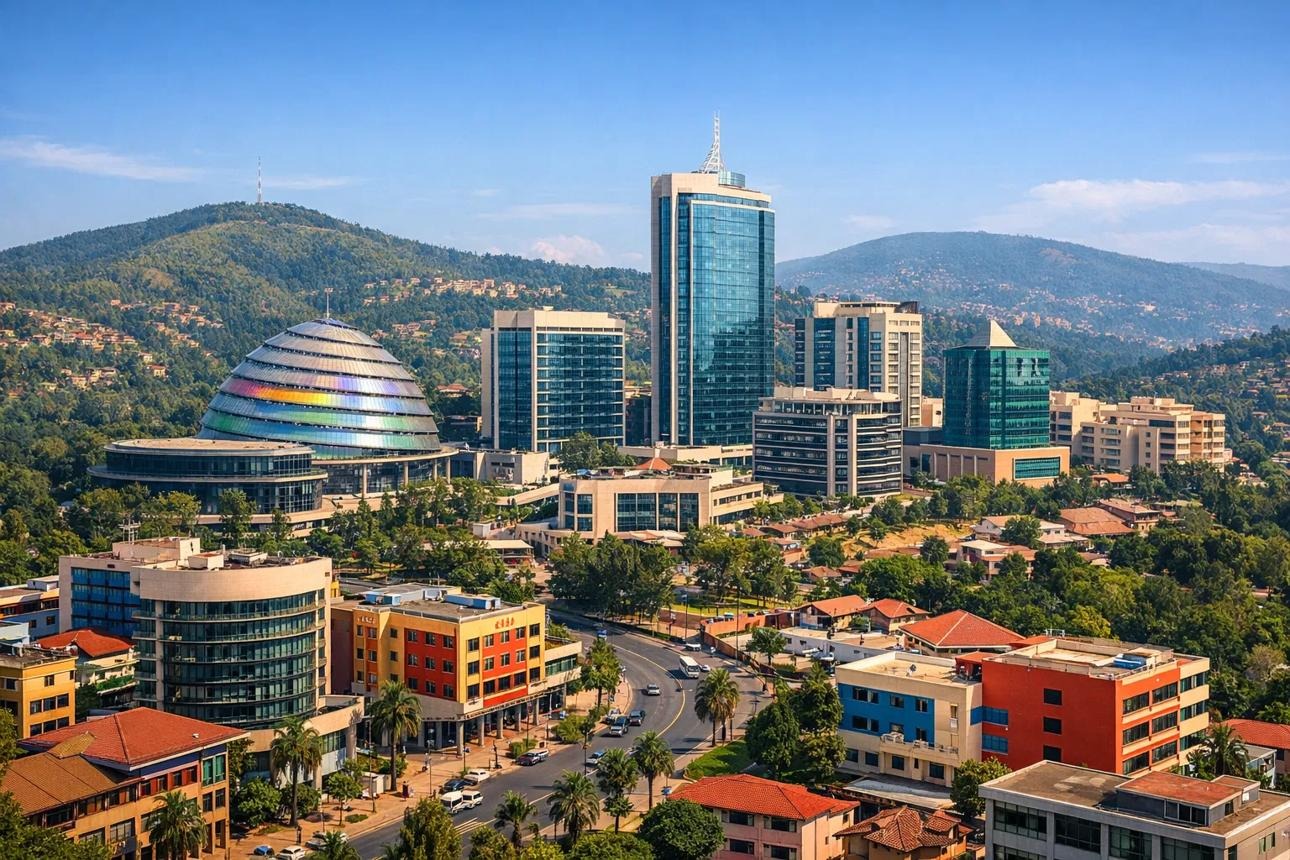
Museums, markets, restaurants, and city landmarks can generally be explored year-round. Check the opening arrangements of each attraction and allow additional time for traffic.
Gorilla and golden monkey trekking
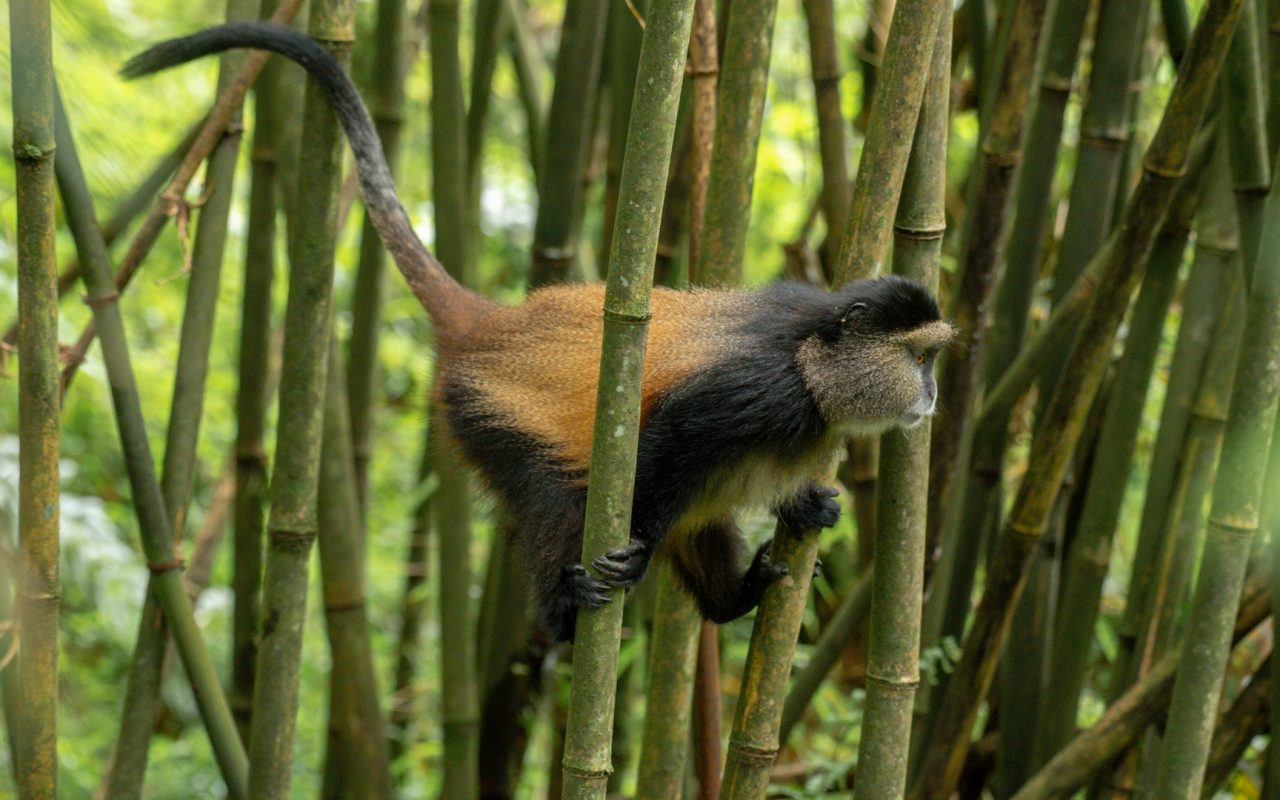
Trekking takes place in a mountainous environment where rain and muddy paths are possible at any time. Some travellers prefer relatively drier periods because trails may be easier, but conditions vary.
Akagera game drives
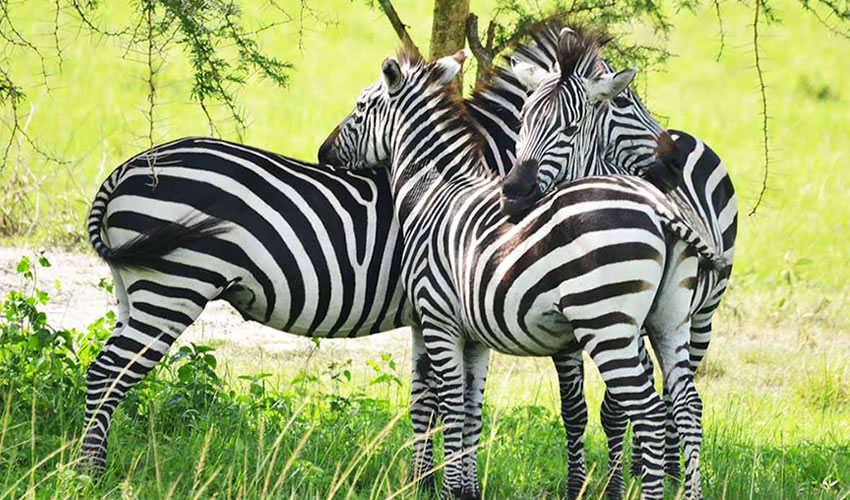
Wildlife viewing is possible in different seasons. Vegetation, rainfall, animal movements, and road access can affect visibility and the route taken by guides.
Nyungwe forest activities
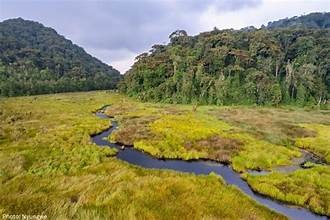
Nyungwe is a rainforest, so wet conditions are part of the environment. Check trail and activity conditions before travel and bring suitable footwear and waterproof clothing.
For a 2026–2027 trip, choose dates based on permit availability, accommodation, flights, and the activities that matter most to you. No season can guarantee a particular wildlife sighting.
What to Pack for Kigali and Your Rwanda Safari
Packing well will help you stay comfortable during city tours, long drives, game drives, and forest trekking.
Essential clothing and equipment
- Comfortable walking shoes for Kigali.
- Sturdy, waterproof hiking boots for gorilla or chimpanzee trekking.
- Lightweight clothing for warm days.
- Long trousers and long-sleeved shirts for forest activities.
- A waterproof jacket and a warm layer for cool mornings.
- A hat, sunglasses, and sunscreen.
- Insect repellent and personal medication.
- A small daypack.
- Binoculars and a camera if you wish.
- Travel documents and confirmed booking details.
Bring a reusable water bottle

Rwanda restricts many single-use plastic items, particularly plastic bags. Regulations can differ by item and location, so check current travel guidance and follow the rules communicated by your tour operator and accommodation.
Bring a durable, reusable water bottle made from stainless steel or food-safe reusable material, preferably with a secure, leak-resistant lid. An insulated stainless-steel bottle can help keep drinking water cool during long drives and outdoor activities.
Ask your operator or lodge about safe refill options. Do not assume every accommodation has the same water facilities. Avoid leaving packaging or any other waste in national parks, forests, memorial grounds, or public areas.
Travel responsibly
- Follow your guide’s instructions around wildlife.
- Never feed, touch, or approach wild animals independently.
- Stay on designated paths where required.
- Keep noise to a minimum around wildlife.
- Ask permission before photographing people.
- Follow the rules and guidance at memorial sites.
- Support local businesses and choose authentic locally made products.
- Take all your waste with you until it can be disposed of properly.
Responsible travel protects Rwanda’s natural and cultural heritage and helps preserve the experience for future visitors.
How Seek Wild Africa Helps You Organise Your Rwanda Safari
Planning a memorable trip involves more than choosing attractive destinations. It requires coordinating permits, transport, accommodation, activity timings, and realistic travel distances.
Seek Wild Africa helps travellers organise journeys that bring together Kigali, Rwanda’s cultural heritage, and the country’s wildlife destinations.
Kigali city tours and historical visits
We can help arrange transport and guided visits to selected museums, memorial sites, local markets, and city landmarks according to your schedule and interests.
Cultural tours to Huye and Nyanza
We can help plan a cultural road trip to the King’s Palace Museum, the Ethnographic Museum, and other suitable stops, including accommodation when a slower itinerary is preferred.
Gorilla trekking and golden monkey tracking
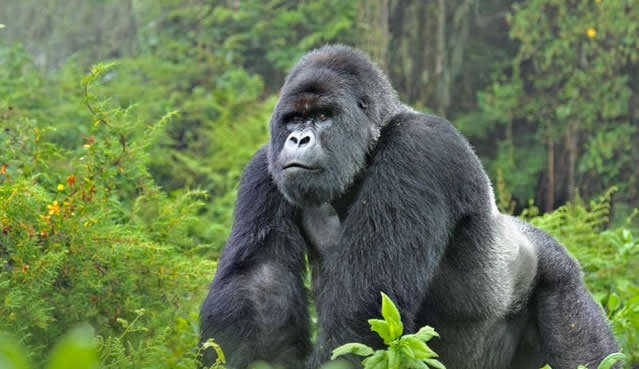
We can coordinate the itinerary around confirmed permit arrangements, arrange suitable transport, and recommend accommodation near Volcanoes National Park.
Akagera wildlife safaris
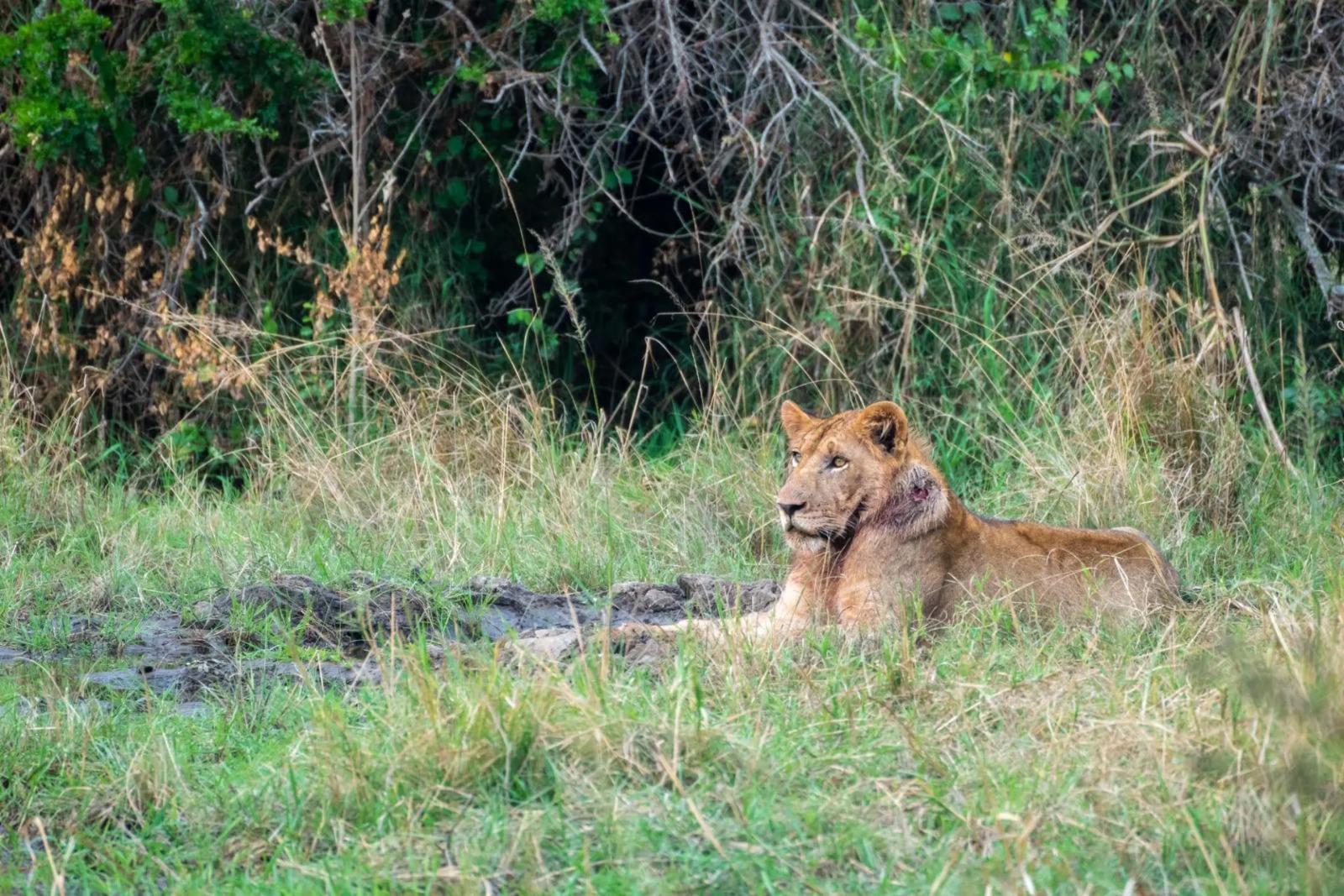
We can organise game-drive itineraries, overnight accommodation, and boat activities where available, with options suited to your budget and preferred level of comfort.
Nyungwe chimpanzee trekking and forest experiences
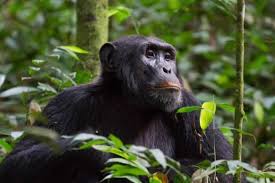
We can help coordinate transport, accommodation, and activities according to availability and current park requirements.
Lake Kivu extensions and multi-day journeys
We can combine wildlife activities with lakeside relaxation, cultural visits, and practical travel routes so that your trip feels connected rather than rushed.
Transport, accommodation, and itinerary planning
We help travellers compare options, understand what is included, and coordinate the details of their journey. Permits, accommodation, and activities should be confirmed before travel, and wildlife sightings cannot be guaranteed.
Plan Your Rwanda Journey for 2026–2027
Kigali offers an important starting point for understanding Rwanda. Its memorial sites preserve history, its museums introduce the country’s cultural heritage, its neighbourhoods reveal contemporary life, and its location makes it a practical gateway to the national parks.
Beyond the city, mountain gorillas inhabit the forests of Volcanoes National Park, Akagera’s savannas offer Big Five safari opportunities, Nyungwe protects an extraordinary rainforest ecosystem, and Lake Kivu provides space to slow down and enjoy the scenery.
While the Great Migration is a spectacular reason to visit parts of East Africa, Rwanda offers a different combination of experiences: gorilla trekking, golden monkey tracking, chimpanzee encounters, savanna wildlife, cultural heritage, and meaningful historical visits within one destination.
Explore Rwanda with Seek Wild Africa.
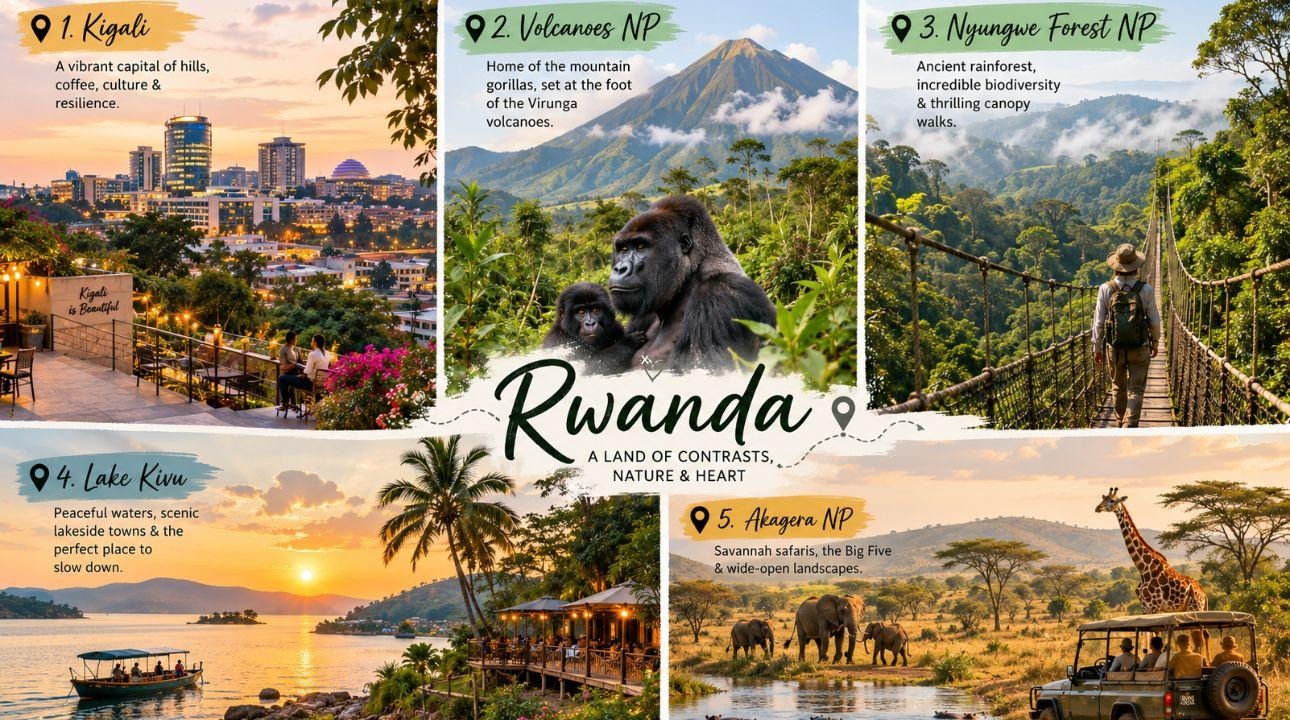
Contact Seek Wild Africa to discuss your travel dates, preferred activities, accommodation standard, and budget. We can help you organise a practical and memorable Rwanda safari itinerary for 2026–2027.
Frequently Asked Questions
Is Kigali worth visiting before or after a Rwanda safari?
Yes. Kigali offers memorial sites, museums, markets, restaurants, and cultural experiences that complement wildlife activities in Rwanda’s national parks.
Can I explore Kigali in one day?
Yes. A carefully planned day can include the Kigali Genocide Memorial, a museum, a local market, and selected city landmarks. The number of stops should depend on opening hours and your available time.
Is a one-day gorilla safari from Kigali possible?
It can be possible with a confirmed permit, an early departure, and carefully coordinated transport. Trekking time varies, so an overnight stay near Volcanoes National Park offers more flexibility.
Can I visit Huye and Nyanza from Kigali in one day?
Yes, as a long day trip with an early start. The King’s Palace Museum in Nyanza and the Ethnographic Museum in Huye provide a useful introduction to Rwanda’s royal and cultural heritage. An overnight stay is better for a relaxed visit.
Can I combine gorilla trekking and golden monkey tracking?
Yes, on a longer itinerary when permits and activity schedules allow. Because both activities take place in the Volcanoes region, staying nearby can make the experience more comfortable.
What should I bring on a Rwanda safari?
Pack suitable walking and trekking shoes, weather-appropriate clothing, a waterproof jacket, sun protection, personal essentials, and a reusable water bottle. Check the requirements for your specific activities before departure.
How early should I book a Rwanda safari?
Book as early as practical, especially if your dates are fixed and gorilla trekking is a priority. Confirm permit availability, accommodation, transport, and current activity requirements before making non-refundable payments.