Akagera National Park Safari: Where Rwanda's Big Five Meet the Chimpanzee Forest
October 02, 2026Clementine
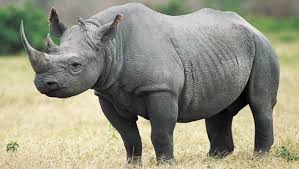
Imagine beginning your Rwanda adventure on open savannah, watching elephants move through golden grass, buffalo gather near wetlands, giraffes rise above the acacia, and a lion disappear into the morning light.
Then imagine changing landscapes completely.
Days later, you are walking beneath an ancient rainforest canopy, listening for chimpanzees calling somewhere above you, while colobus monkeys move through the trees and mist hangs over the mountains.
This is the power of combining Akagera National Park and Nyungwe National Park.
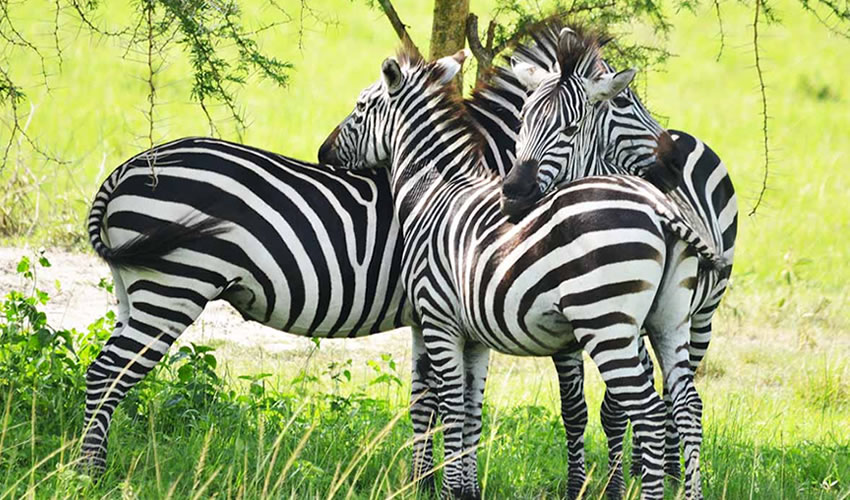
Akagera gives travellers Rwanda's extraordinary Big Five safari experience—lion, leopard, elephant, buffalo and rhinoceros—while Nyungwe provides a completely different wildlife experience centred on chimpanzee trekking, primates, rainforest, birds, hiking and canopy adventures.
The two parks should not be confused: chimpanzees are not the attraction of Akagera. Instead, the combination of Akagera's savannah wildlife and Nyungwe's rainforest primates creates one of Rwanda's most diverse wildlife journeys.
And for travellers considering Africa in 2026 and 2027, Akagera deserves serious attention—not because every African park should be measured against the Serengeti or Masai Mara, but because its story, landscape, wildlife recovery and conservation model are remarkably different.
Why Akagera National Park Is One of Africa's Standout Safari Destinations
Calling Akagera "one of Africa's best parks" is ultimately a matter of what a traveller wants from a safari. There is no single objective ranking that makes one African national park best for everyone.
Akagera combines:
- The Big Five
- Savannah, woodland and wetland ecosystems
- More than 500 recorded bird species
- Lakes and papyrus wetlands
- Boat safaris
- Day and night game drives
- Rhino conservation
- Lion restoration
- Elephant conservation
- Community-based conservation
- Professional ranger and anti-poaching operations
- High-quality safari accommodation
- Easy combination with Kigali and other Rwanda destinations
- A remarkable recovery story after decades of severe wildlife decline
Most importantly, Akagera is not simply a park that contains wildlife.
It is a conservation recovery story that travellers can experience while on safari.
The History of Akagera National Park: From Protected Landscape to Crisis
Akagera Was Established in 1934
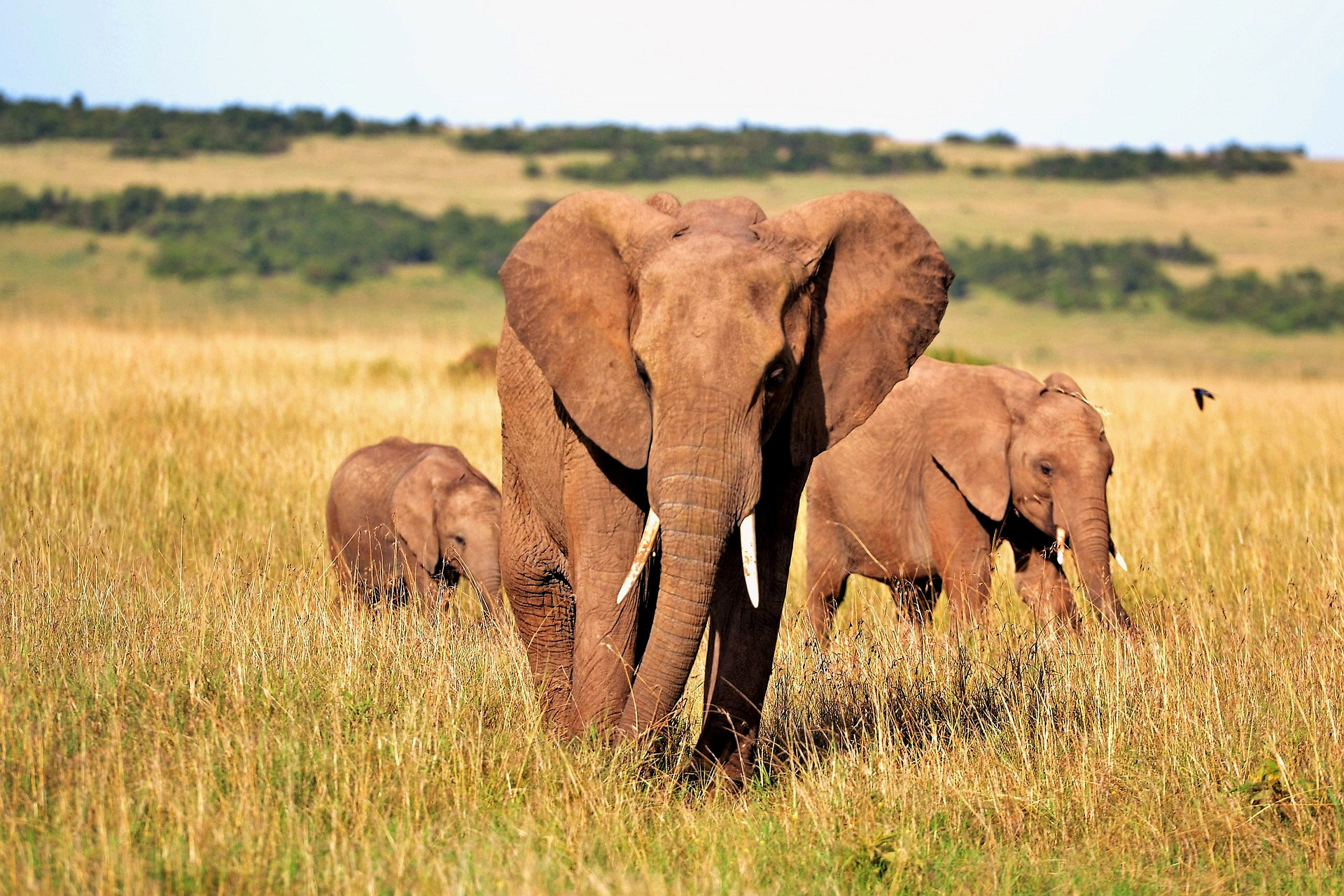
Akagera National Park was established in 1934 and is Rwanda's only protected savannah ecosystem.
Its landscape is different from the image many travellers have of Rwanda.
Instead of only misty mountains and dense rainforest, eastern Rwanda opens into:
- rolling hills,
- savannah plains,
- woodland,
- lakes,
- papyrus wetlands,
- grasslands and
- riverine habitats.
The Akagera River forms part of the park's eastern boundary and feeds a network of lakes, including Lake Ihema.
For decades, this landscape supported large populations of African wildlife.
But the park's future became increasingly uncertain.
The Years of Wildlife Decline
The history of Akagera cannot be separated from Rwanda's wider history.
Following the 1994 genocide against the Tutsi and the subsequent return of refugees, parts of the park were reallocated for settlement and agriculture.
By 1997, Akagera had been reduced dramatically in size.
Wildlife populations also suffered from poaching, habitat pressure and human-wildlife conflict.
Some of the park's most famous animals disappeared.
Lions were locally extinct.
Rhinos disappeared from the park.
Poaching became a serious threat.
Akagera's story could easily have ended there.
Instead, the park entered one of the most remarkable periods of restoration in its history.
Akagera's Remarkable Conservation Recovery
A New Management Model
A major turning point came when the Government of Rwanda partnered with African Parks to manage Akagera.
The partnership began in 2010 through the Akagera Management Company, bringing together government and conservation management.
The objective was not simply to protect what remained.
It was to rebuild the ecosystem.
That meant:
- stronger law enforcement,
- ranger training,
- wildlife monitoring,
- anti-poaching operations,
- community engagement,
- species reintroduction,
- tourism development,
- infrastructure improvement and
- sustainable revenue generation.
The results have transformed the park.
The Return of the Lion
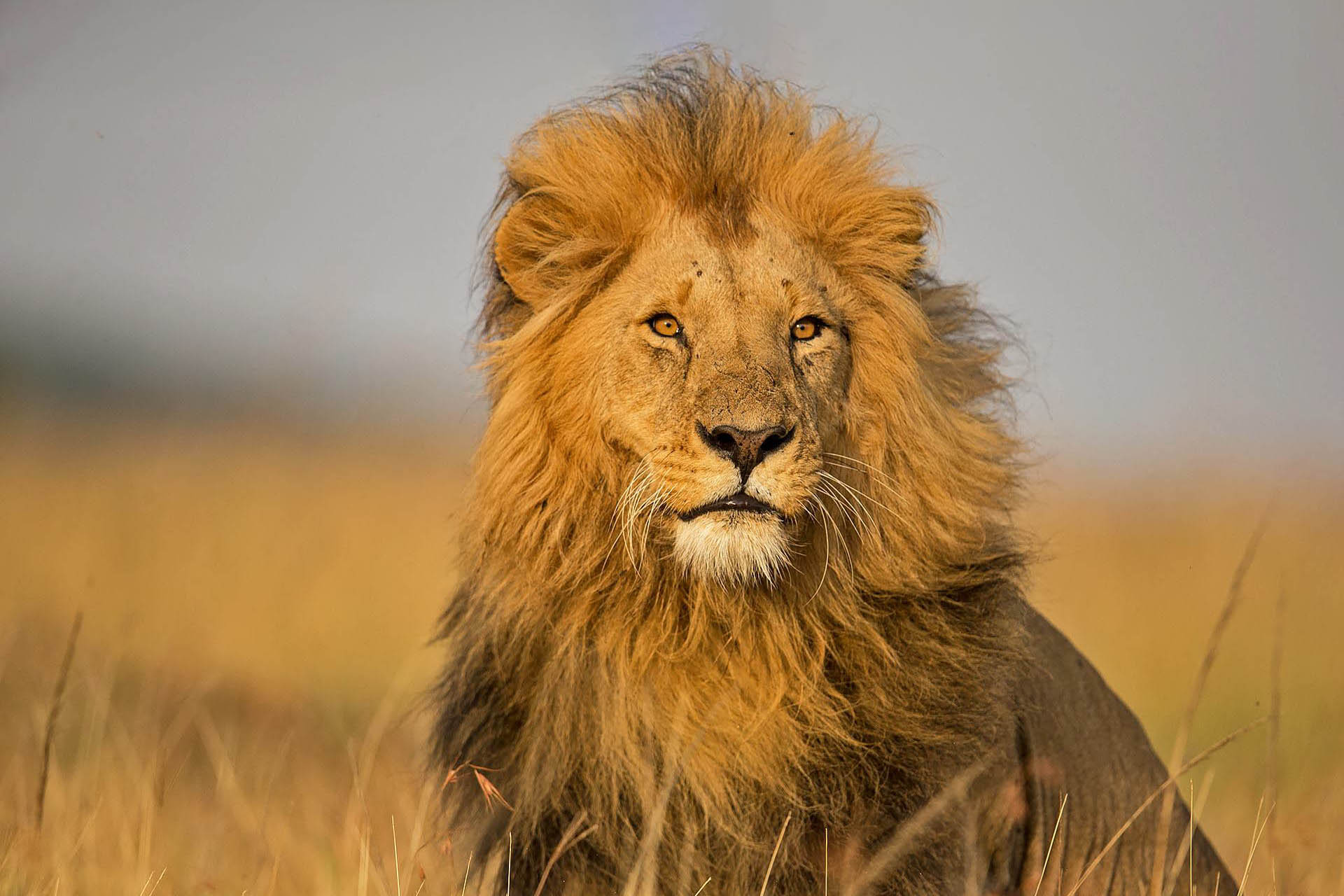
In 2015, seven lions were reintroduced into Akagera after approximately two decades without the species.
The population subsequently reproduced, marking an important step in restoring the park's predator community.
For visitors, the return of the lion changed the safari experience.
Akagera was no longer simply a beautiful wetland and savannah landscape.
It was becoming a genuine predator-and-prey ecosystem again.
The Return of the Rhinoceros
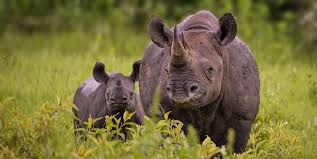
In 2017, 18 eastern black rhinoceroses were reintroduced into Akagera after a decade-long absence.
Additional black rhinos followed in 2019.
Then came another major conservation milestone.
In 2021, 30 southern white rhinos were introduced.
In June 2025, another 70 southern white rhinos were translocated to Akagera as part of the Rhino Rewild Initiative.
By September 2026, African Parks reported that Akagera's white rhino population had grown to just over 100 animals.
That makes Akagera's rhino story more than a tourism attraction.
It is part of a broader African effort to rebuild secure wildlife populations.
Why Akagera Is Now a Big Five Safari Destination
Today, Akagera is Rwanda's Big Five destination.
The Big Five are:
Lion
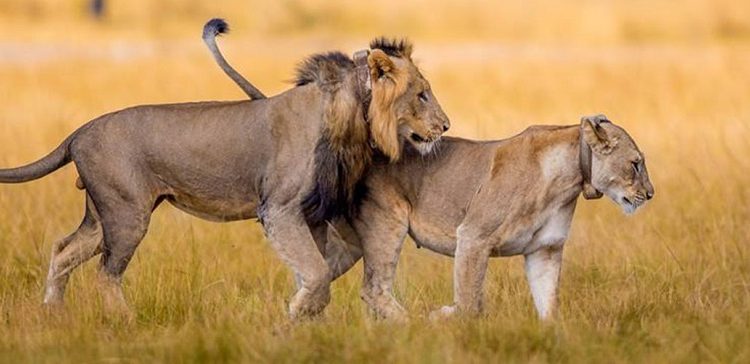
Akagera's lion population represents one of the park's most visible conservation successes.
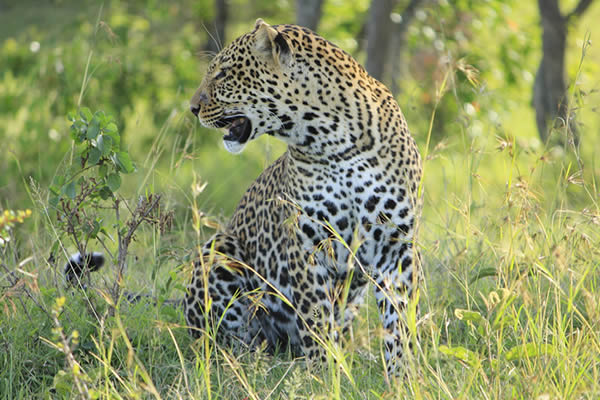
Leopard
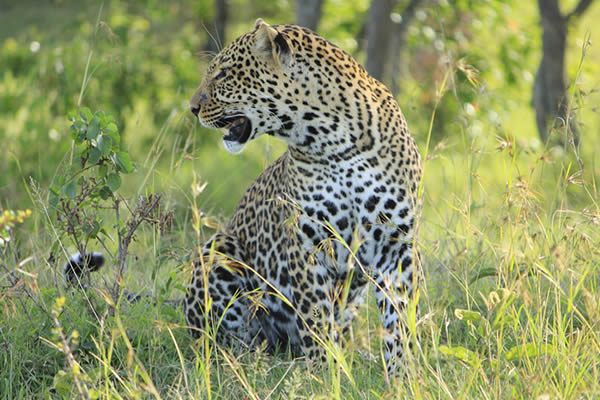
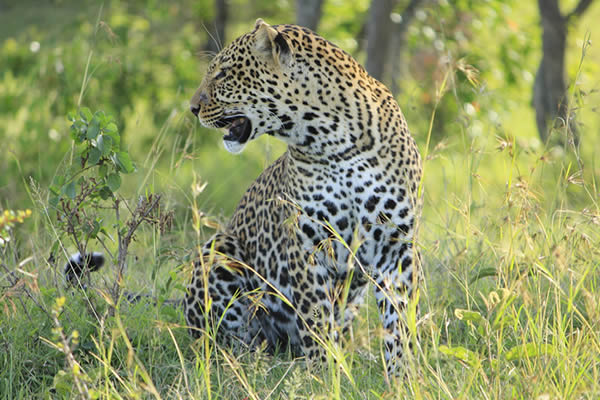
Leopards are present but are naturally secretive, making them one of the more challenging Big Five sightings.
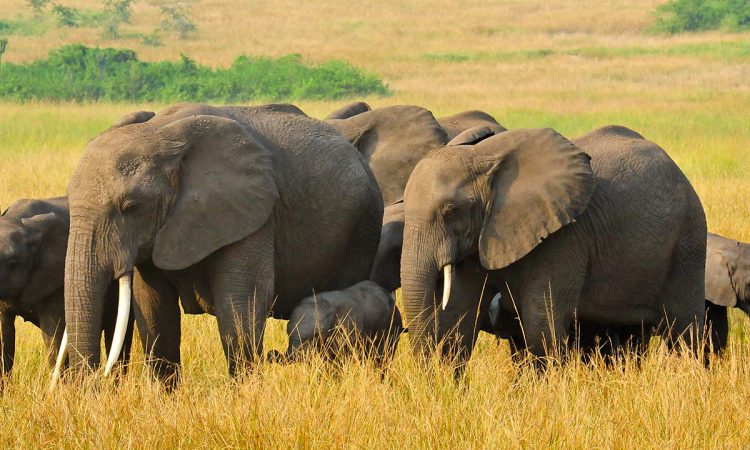
Elephant
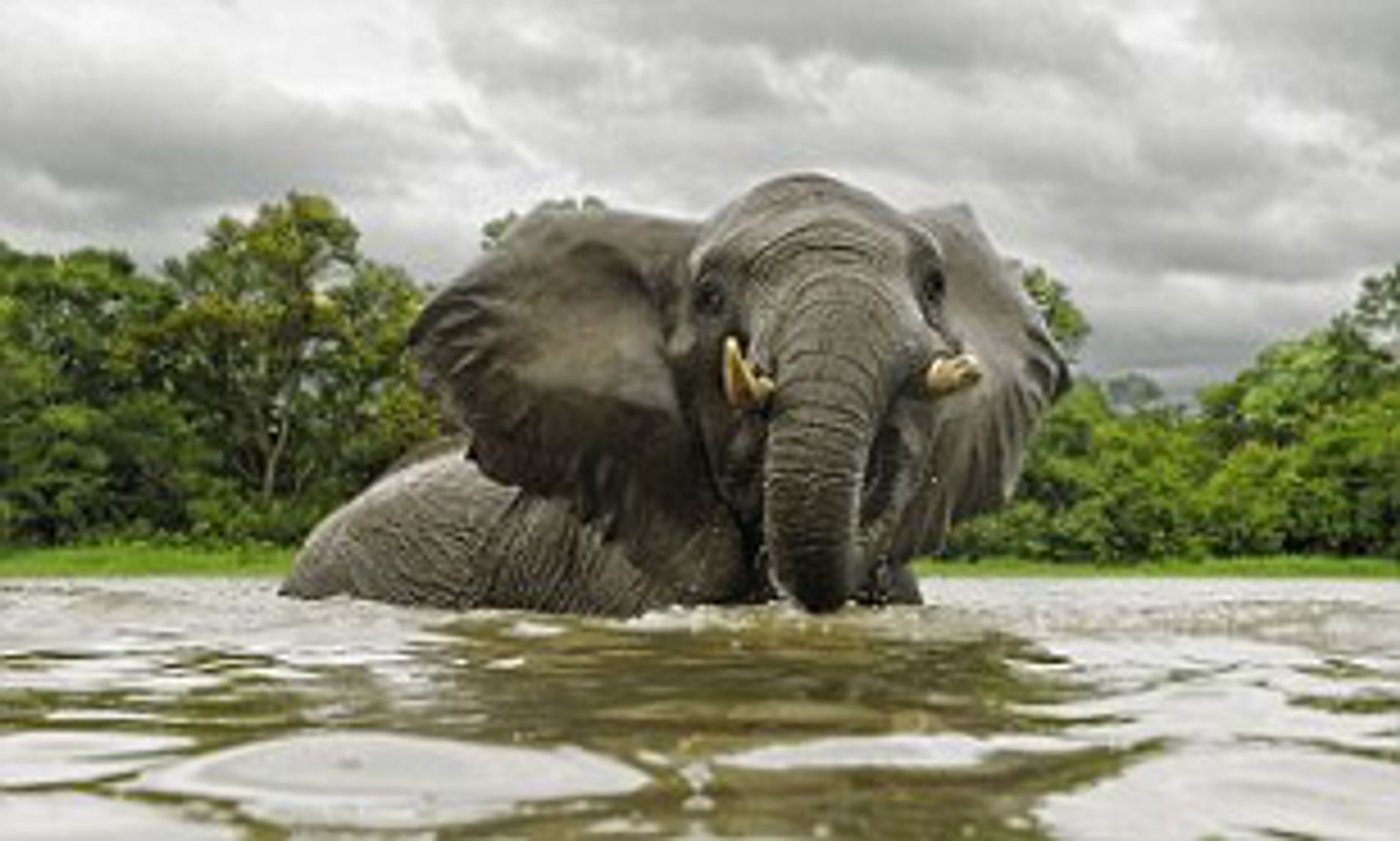
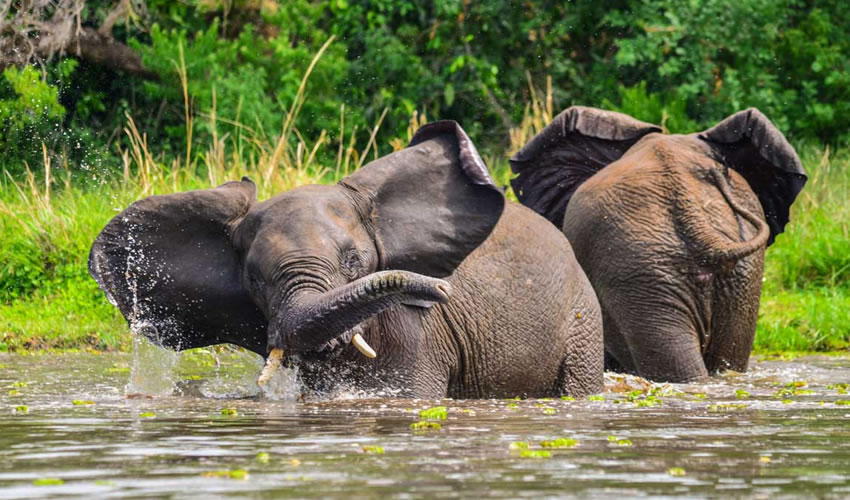
Elephants are an important part of Akagera's ecosystem and can sometimes be encountered around water and woodland habitats.
Buffalo
Large buffalo herds contribute to the classic African savannah experience.
Rhinoceros
Both eastern black rhinos and southern white rhinos form part of Akagera's restored wildlife heritage.
However, an important safari principle applies:
A Big Five park does not mean guaranteed Big Five sightings.
Wild animals move freely.
The best safari is therefore not about ticking five boxes as quickly as possible. It is about understanding the ecosystem, spending enough time in the field and allowing your guide to respond to wildlife movements.
What Makes Akagera Different from the Serengeti and Masai Mara?
The Serengeti and Masai Mara are globally famous for good reason, especially for the spectacular Great Migration and enormous concentrations of migrating wildebeest and zebra.
Akagera offers a different proposition.
It should not try to imitate the Serengeti or Masai Mara.
Its strength is its compact diversity and conservation story.
Can be combined with Nyungwe and Volcanoes National Park
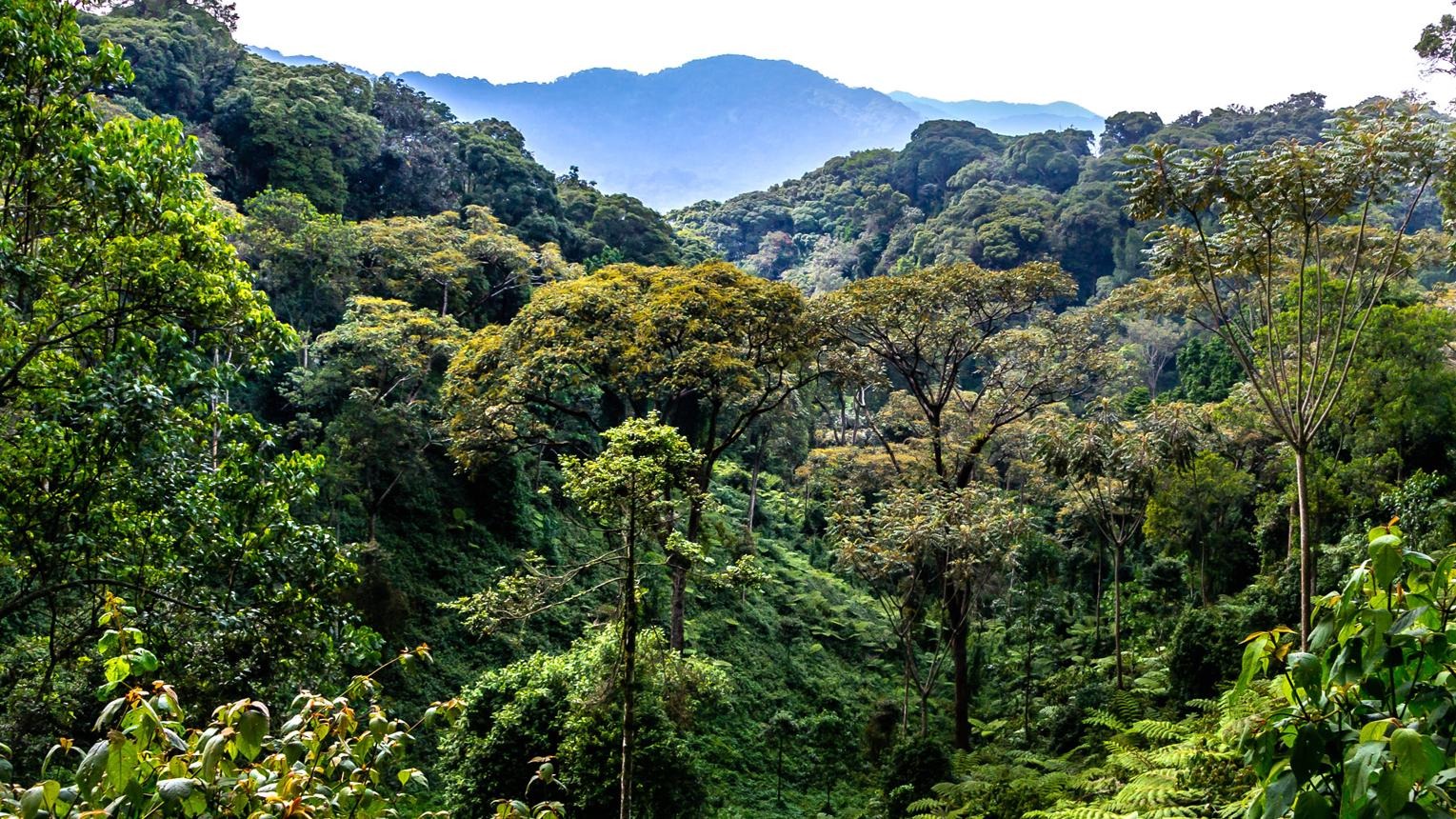
Often combined with other East African destinations
The traveller who chooses Akagera is therefore not choosing a smaller copy of the Serengeti.
They are choosing a different safari story.
Akagera's lakes, papyrus wetlands, hills and savannah create opportunities to experience wildlife from both land and water.
What Makes Akagera Unique?
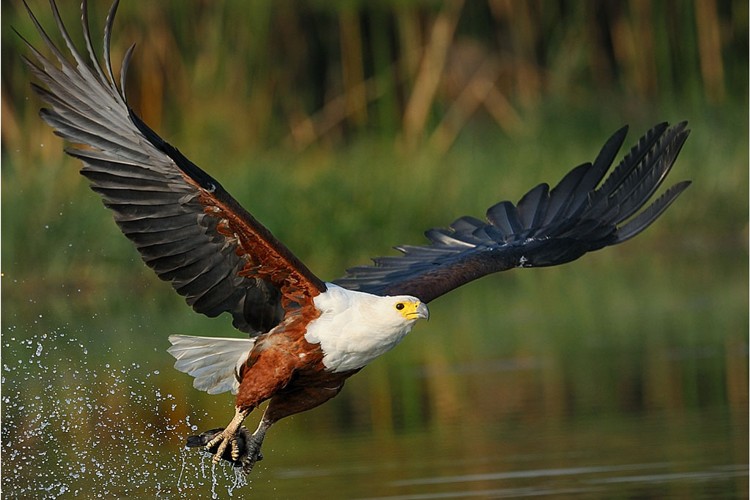
1. Big Five + Wetland Ecosystem
Few safari experiences combine classic savannah animals with such an important wetland environment.
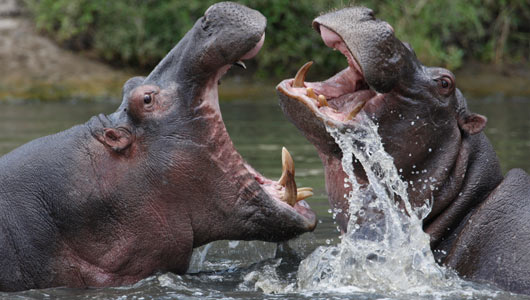
The lakes attract:
- hippos,
- crocodiles,
- elephants,
- buffalo,
- waterbirds and
- numerous other species.
Lake Ihema is particularly important for boat safari experiences.
2. A Conservation Success You Can See
When you see a rhino in Akagera, you are not simply observing an animal.
You are seeing part of a restoration programme that has involved translocation, monitoring, veterinary care, law enforcement and long-term habitat protection.
That gives an Akagera safari an additional layer of meaning.
3. Exceptional Birdlife
Akagera is also a serious destination for birdwatchers.
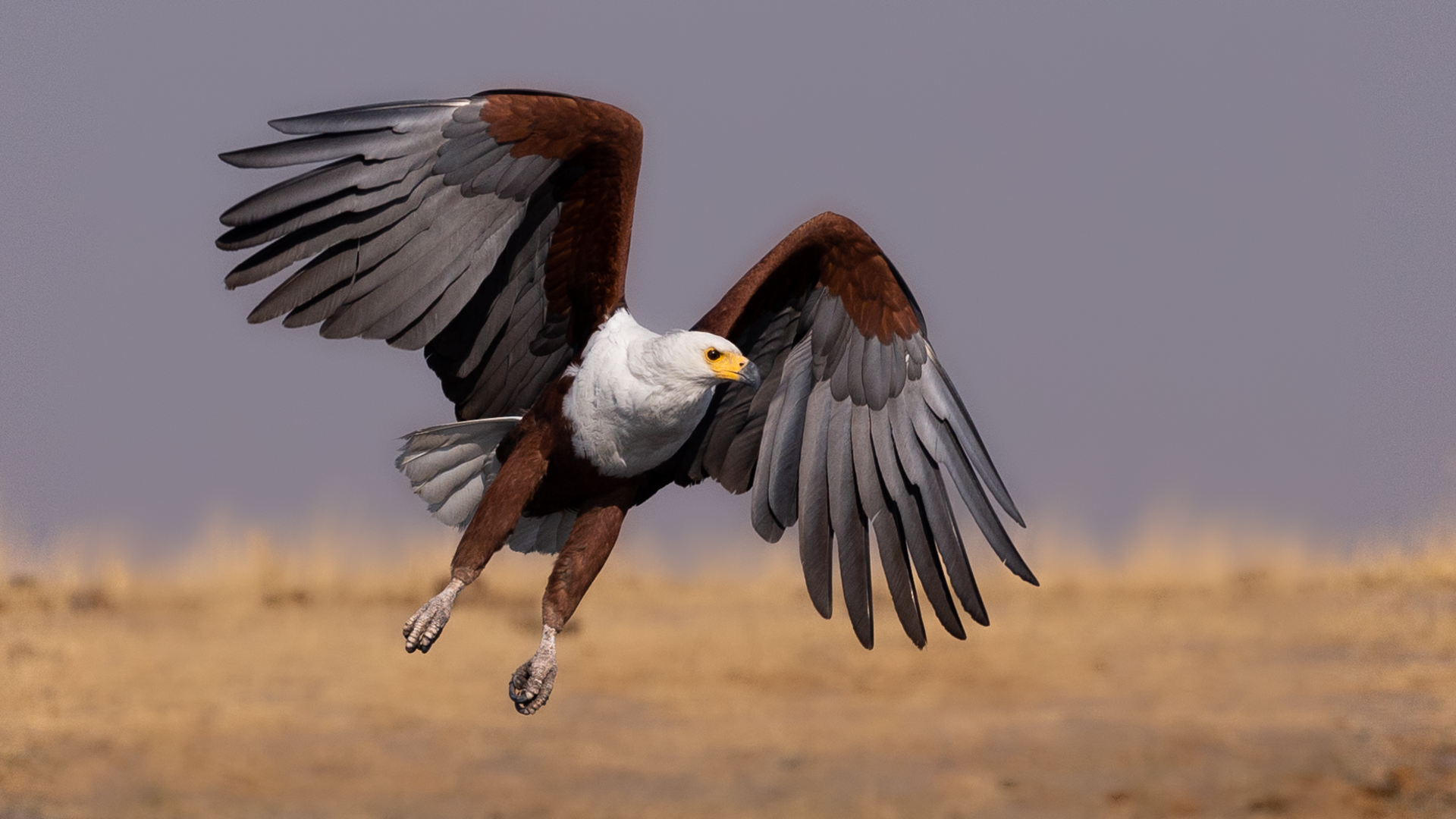
Almost 500 bird species have been documented, including wetland specialists and the highly sought-after shoebill.
The combination of lakes, papyrus, woodland and savannah creates exceptional habitat diversity.
A traveller who focuses only on lions and elephants can therefore miss one of Akagera's greatest strengths.
The Organization Behind Akagera's Conservation
Rangers, Monitoring and Technology
Modern safari tourism depends on a functioning conservation system behind the scenes.
Akagera's management includes:
- trained rangers,
- wildlife monitoring,
- rhino tracking,
- canine anti-poaching teams,
- aerial surveillance,
- technology-supported monitoring,
- biodiversity surveys and
- community engagement.
This organization is one reason wildlife populations have recovered.
The park has also developed financial sustainability through tourism and other conservation-compatible enterprises.
In 2025, Akagera reached the major milestone of covering its operating costs through self-generated revenue.
That is particularly important because a national park needs more than animals.
It needs money to pay rangers, maintain roads, monitor wildlife, support communities and maintain conservation infrastructure.
Conservation and Local Communities
A successful national park cannot exist independently of the people living around it.
Akagera's conservation model therefore includes community development.
Tourism revenue contributes to Rwanda's Tourism Revenue Sharing scheme, while the park supports local employment and community enterprises.
These include activities connected to:
- beekeeping,
- fisheries,
- agriculture,
- education,
- environmental awareness,
- community guides and
- small businesses.
This creates a relationship in which wildlife conservation can also contribute to local economic opportunity.
That is one of the most important lessons from Akagera's transformation.
Akagera National Park Game Drive Strategy
Do Not Treat Every Game Drive the Same
A successful Akagera National Park safari requires strategy.
Wildlife is not distributed evenly throughout the park, and animal behaviour changes throughout the day.
Your guide should therefore adapt the route according to:
- time of day,
- recent wildlife sightings,
- weather,
- season,
- animal behaviour,
- water availability and
- the traveller's priorities.
Early Morning Game Drive
For many travellers, the early morning is the most valuable period for wildlife viewing.
Predators can still be active.
Temperatures are cooler.
Herbivores are often feeding.
The light is excellent for photography.
An early departure also allows your guide to begin searching before the savannah becomes hotter.
If your priority is predators such as lion or leopard, tell your guide before the safari begins.
Midday Strategy
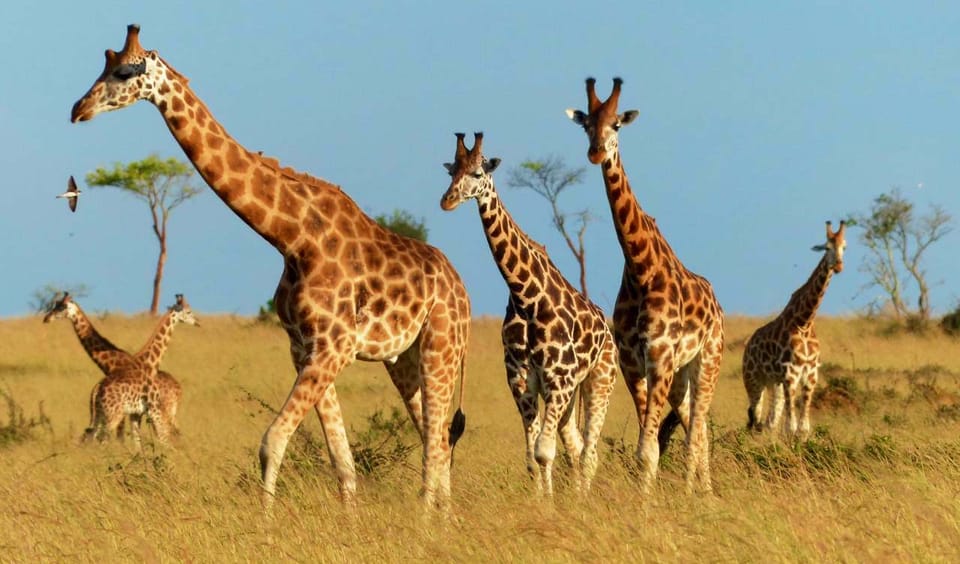
The middle of the day can be slower for some large mammals.
Rather than treating this as wasted time, use it differently.
Focus on:
- birdwatching,
- wetlands,
- landscapes,
- elephants around water,
- buffalo,
- giraffes,
- antelope,
- photography and
- learning about conservation.
A boat safari can be particularly valuable because it changes the perspective from land to water.
Afternoon Game Drive
As temperatures begin to fall, wildlife activity can increase again.
This is an excellent time to explore different habitats rather than repeatedly searching the same area.
Your guide may adjust the route depending on what was seen in the morning.
Night Game Drive
A night drive reveals an entirely different Akagera.
Nocturnal wildlife may include:
- bushbabies,
- genets,
- civets,
- night-active predators and
- other species that are rarely seen during daylight.
Night drives should be viewed as a different experience rather than simply an extension of the daytime safari.
Beyond Game Drives: What Can You Do in Akagera?
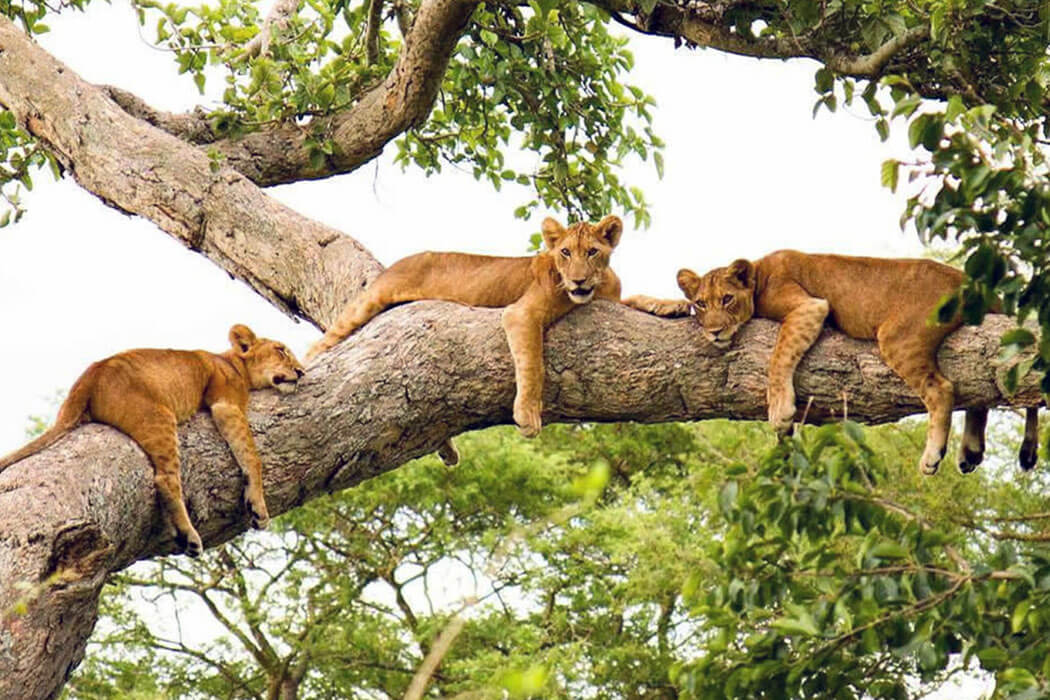
A major mistake would be to visit Akagera and spend the entire trip inside a safari vehicle.
Lake Ihema Boat Safari
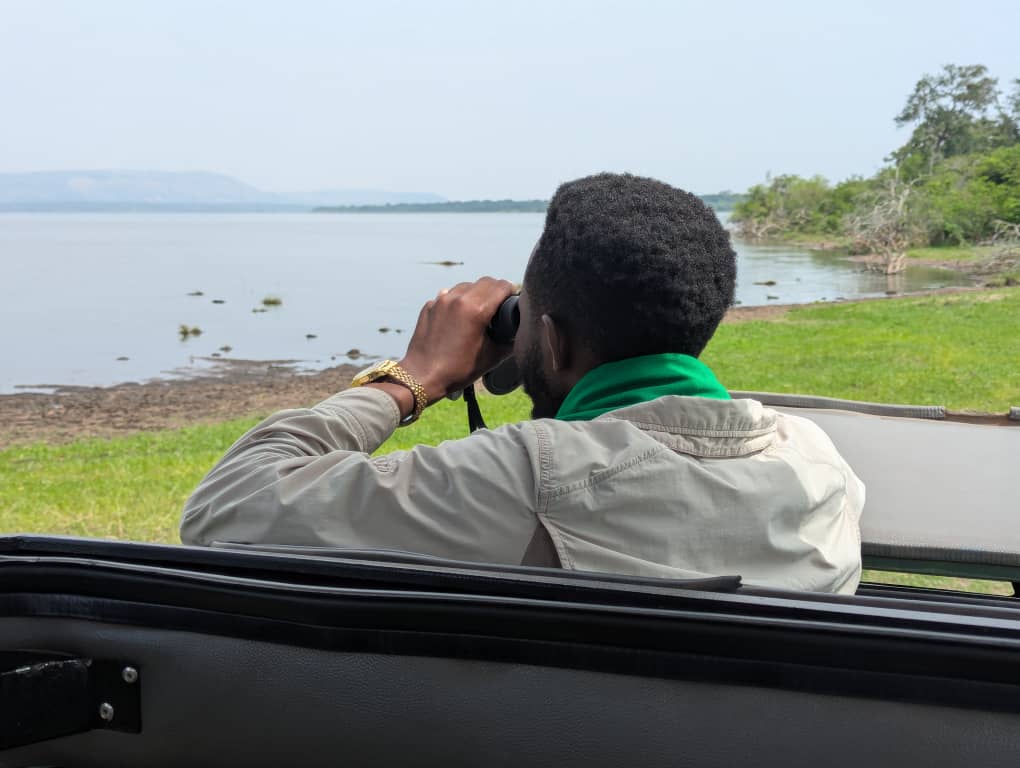
A boat safari is one of Akagera's defining experiences.
From the water, travellers can look for:
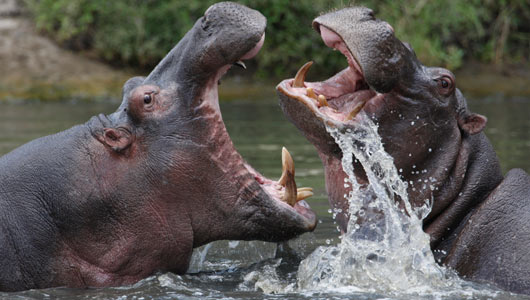
- hippos,
- crocodiles,
- elephants,
- waterbirds,
- African fish eagles and
- other wetland species.
It also provides a completely different photographic perspective.
Birdwatching
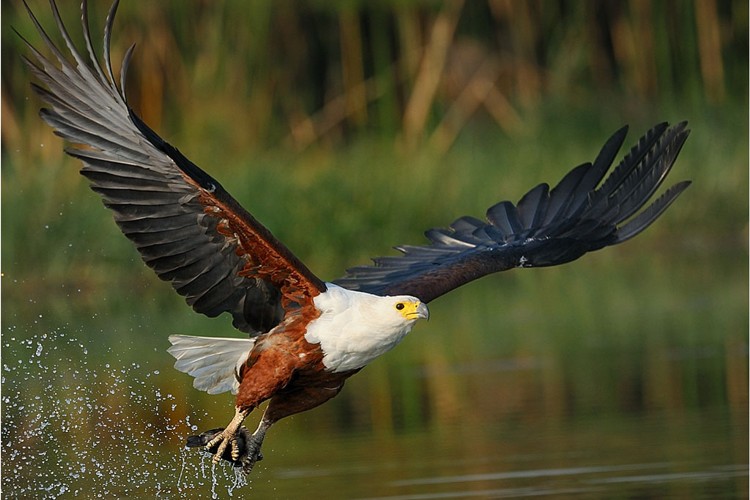
Akagera's wetlands make it an excellent destination for dedicated birders.
The shoebill is one of the most sought-after sightings, while papyrus habitats support numerous specialized species.
A birding-focused guide can transform an ordinary safari drive into a completely different experience.
Night Drives
Night drives provide opportunities to see wildlife that becomes active after sunset.
This is particularly valuable for travellers who have already experienced a full day game drive and want to understand how the ecosystem changes after dark.
Fishing
Fishing experiences are available in designated areas and provide another way of connecting with Akagera's lake environment.
This is particularly attractive for travellers who want a slower activity between game drives.
Community and Cultural Experiences
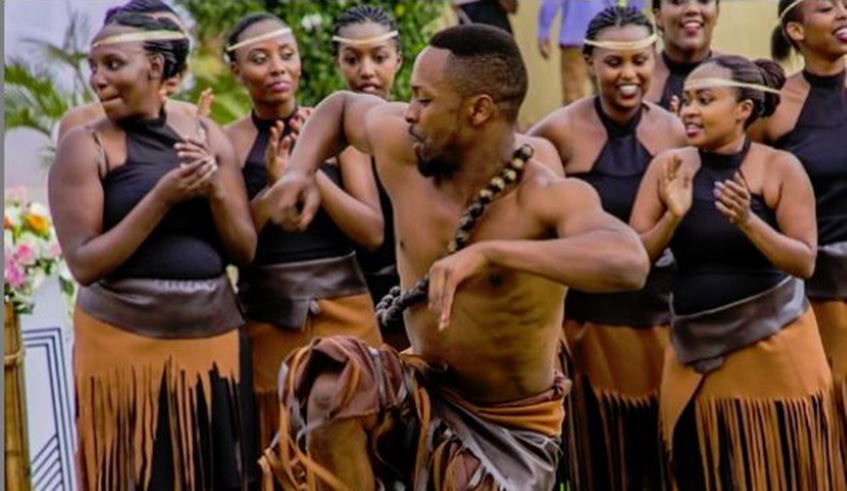
Akagera also works with community guides who can introduce visitors to experiences connected to local livelihoods and traditions.
Depending on availability, experiences can include:
- dairy farming,
- honey cooperatives,
- local food and agricultural practices,
- community stories and
- conservation-related activities.
These experiences help visitors understand that the park is not isolated from the communities around it.
Rhino Tracking and Conservation Experiences
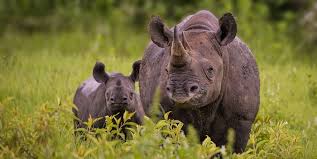
New conservation-focused experiences, including guided rhino walks with expert trackers, provide travellers with an opportunity to understand wildlife monitoring more closely.
Availability should always be confirmed when booking because park activities and operating arrangements can change.
Hot-Air Balloon Safari
For travellers looking for a premium experience, a hot-air balloon safari can provide an extraordinary aerial perspective over Akagera's landscape.
From above, the relationship between lakes, wetlands, woodland and savannah becomes especially clear.
Availability is subject to operating schedules, weather and booking conditions.
Nyungwe National Park: Where the Chimpanzee Part Begins
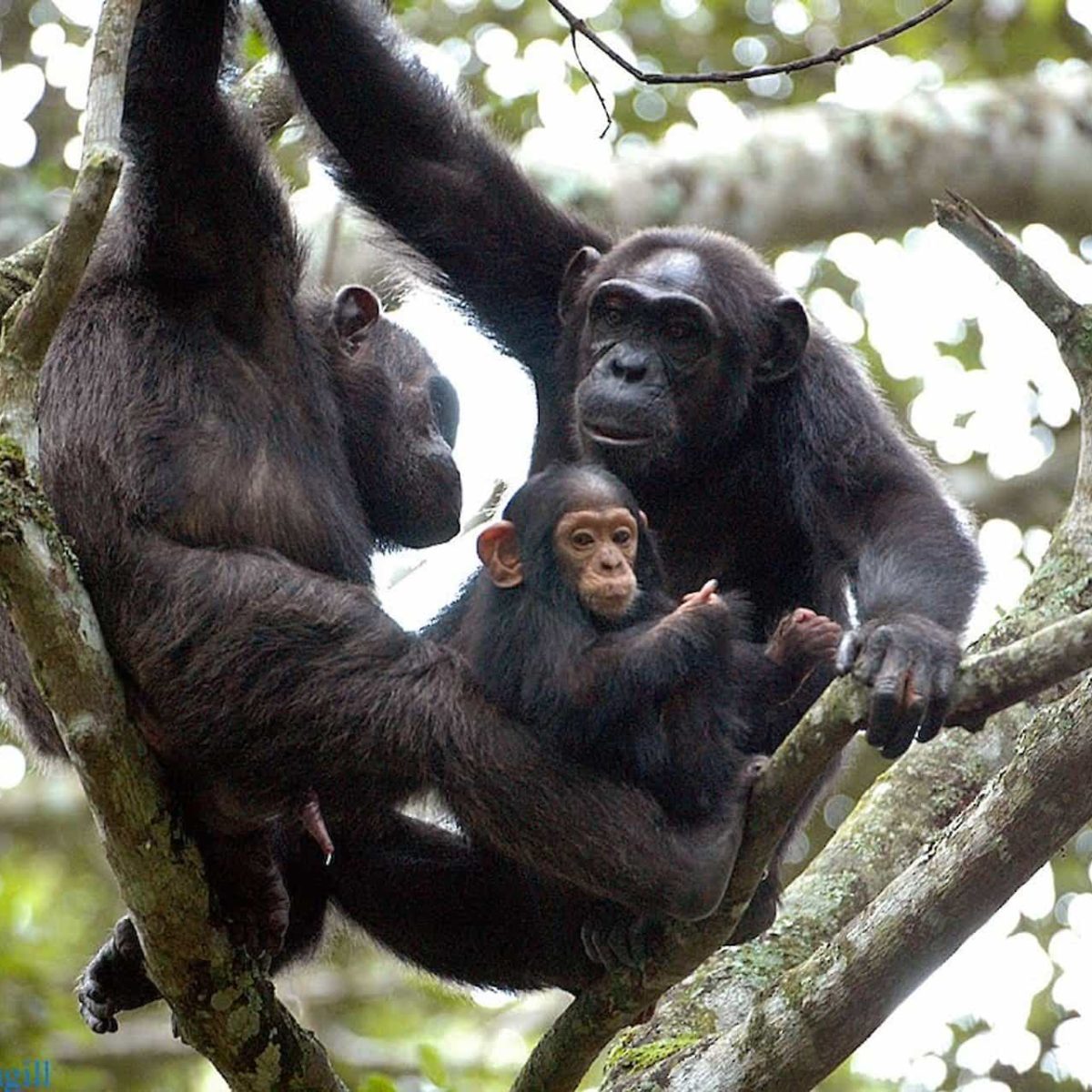
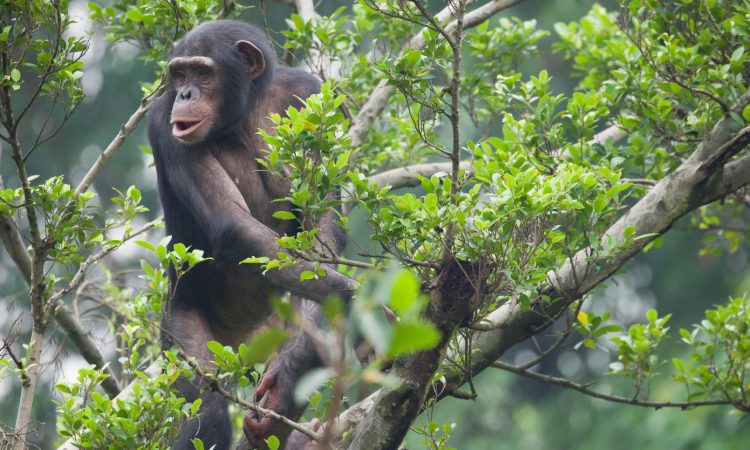
This is where the chimpanzee experience enters the journey.
Nyungwe covers approximately 1,019 square kilometres and is one of Africa's important biodiversity hotspots.
It contains:
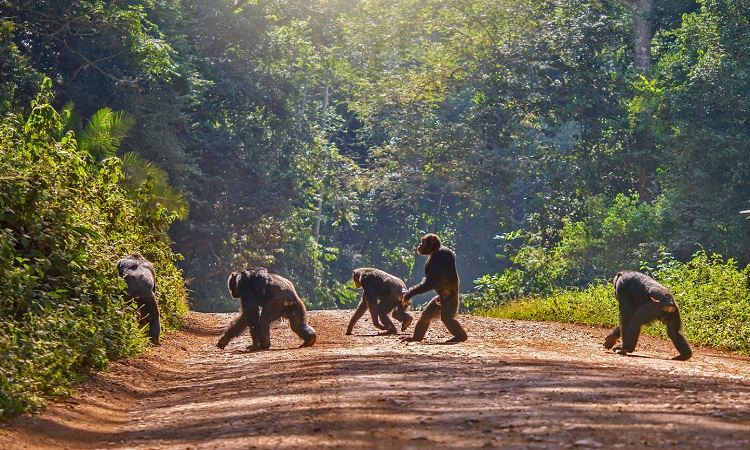
- chimpanzees,
- 13 known primate species,
- Ruwenzori black-and-white colobus,
- L'Hoest's monkeys,
- hundreds of bird species,
- thousands of plant species,
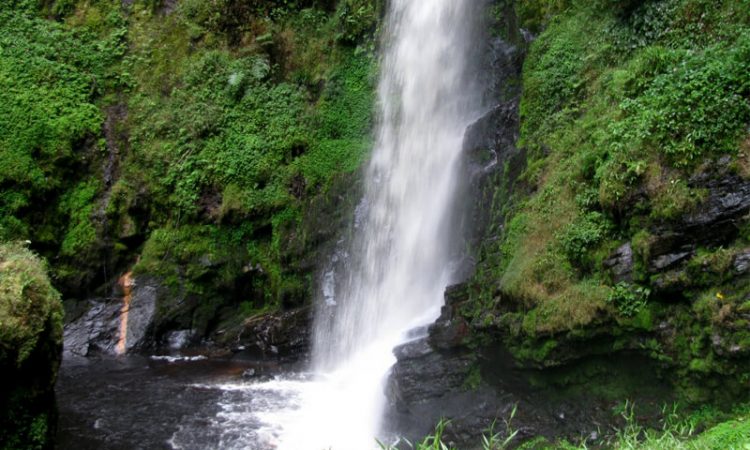
- waterfalls,
- mountain trails and
- extraordinary rainforest landscapes.
Nyungwe was also inscribed as a UNESCO World Heritage Site in 2023.
Chimpanzee Trekking in Nyungwe
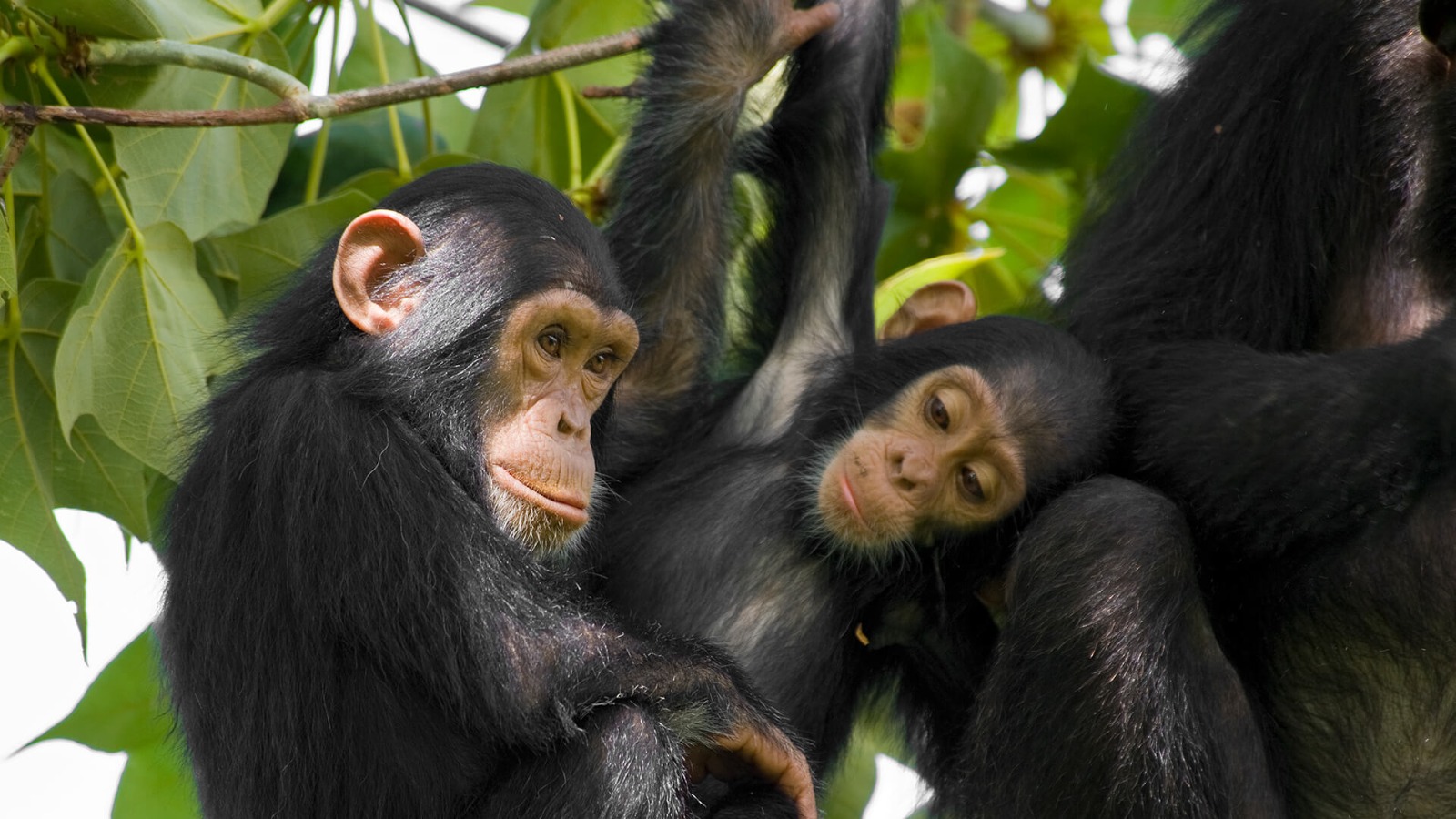
Chimpanzee trekking begins early because the forest is alive with movement in the morning.
After briefing, you enter the rainforest with trackers and guides.
The experience is completely different from an Akagera game drive.
There is no safari vehicle following a road.
- You walk.
- You listen.
- You look into the canopy.
- You follow signs of chimpanzee movement.
- And when the chimpanzees are located, you experience one of Africa's most fascinating primate encounters.
Chimpanzee sightings are wildlife encounters, so they cannot be guaranteed.
What Else Can You Do in Nyungwe Besides Chimpanzee Trekking?
Canopy Walk
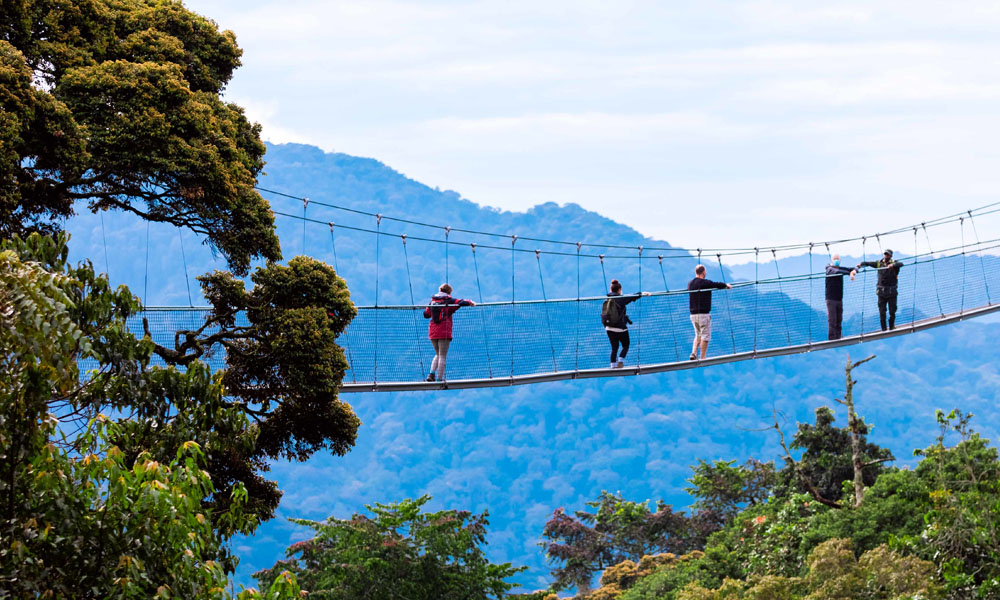
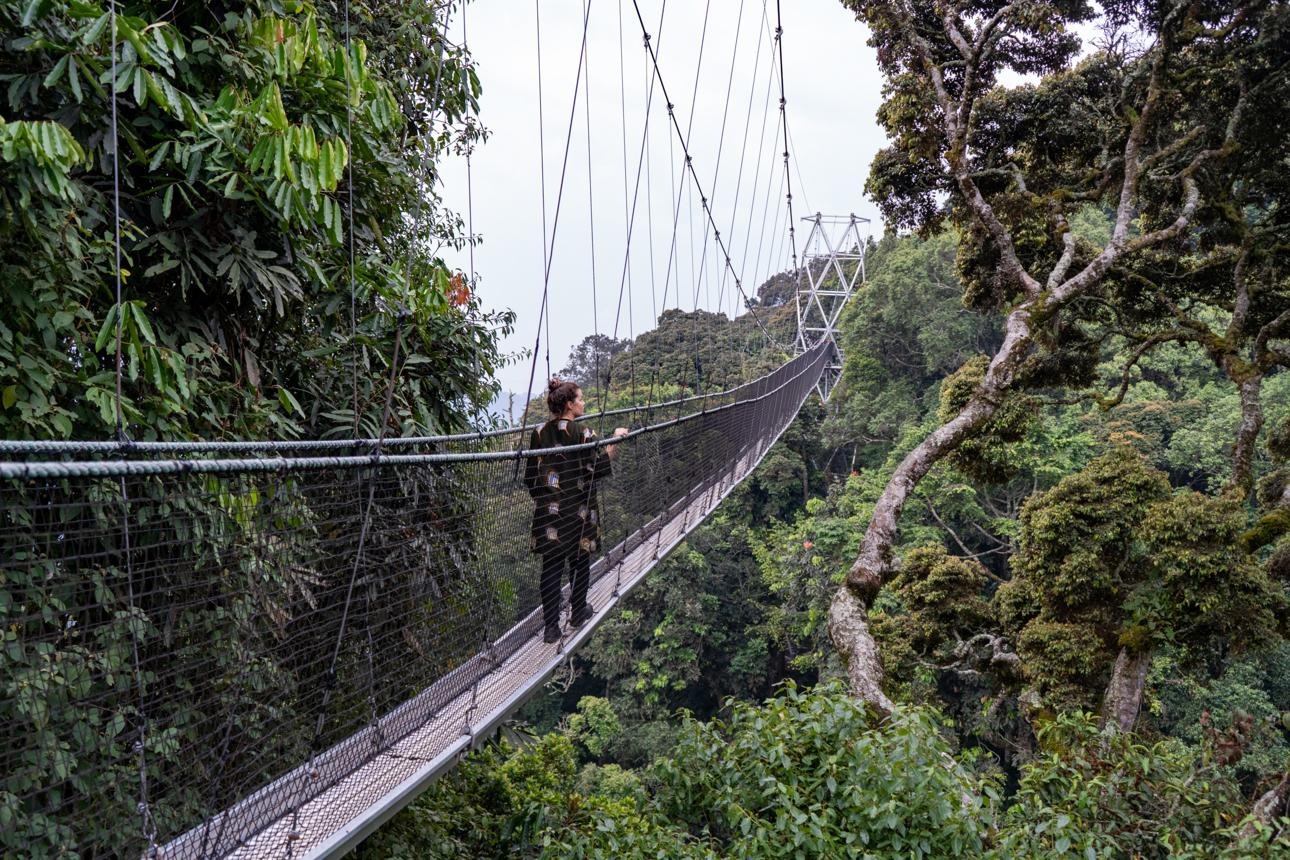
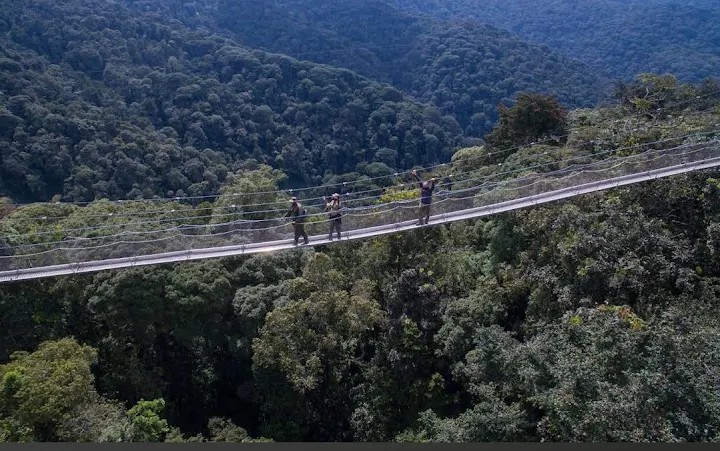
The Nyungwe Canopy Walkway is approximately 160 metres long and suspended around 70 metres above the forest floor.
Walking across the bridge gives travellers a completely different perspective of the rainforest.
You may see:
- monkeys,
- birds,
- butterflies,
- orchids,
- forest vegetation and
- dramatic mountain scenery.
Monkey Experiences
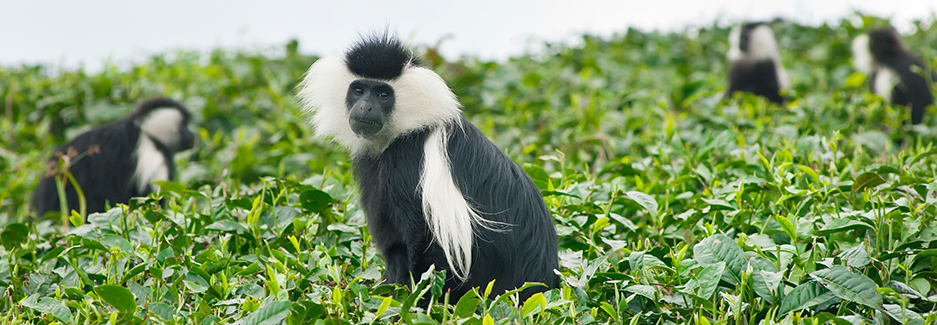
Nyungwe is home to large groups of Ruwenzori black-and-white colobus monkeys.
For primate enthusiasts, this can be one of the highlights of a forest visit.
Forest Hiking
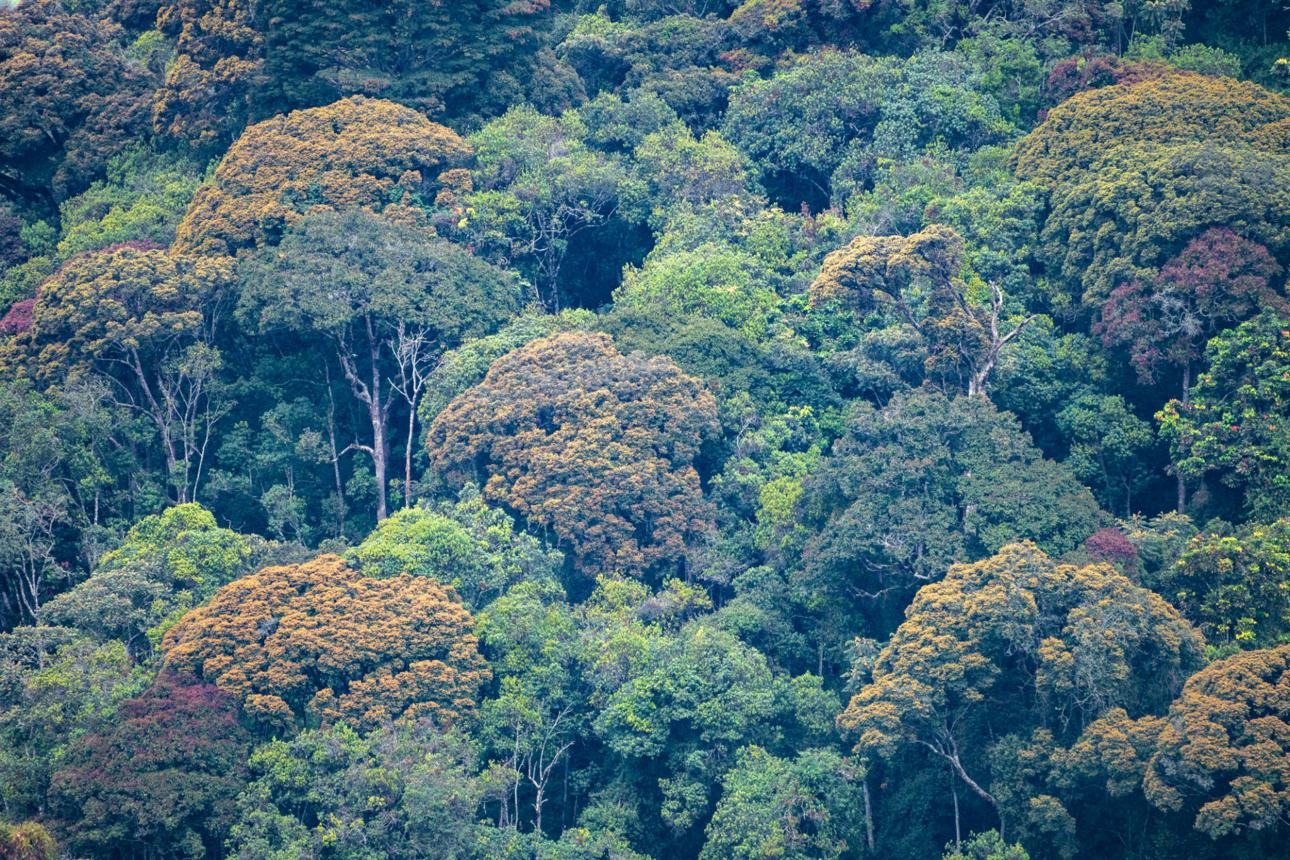
Nyungwe has numerous trails.
Popular experiences include trails associated with:
- Igishigishigi,
- Umoyove,
- Imbaraga,
- Karamba and
- Umugote.
Some trails focus on scenery, others on birds, primates, waterfalls or forest ecology.
Nyungwe Canopy Zipline
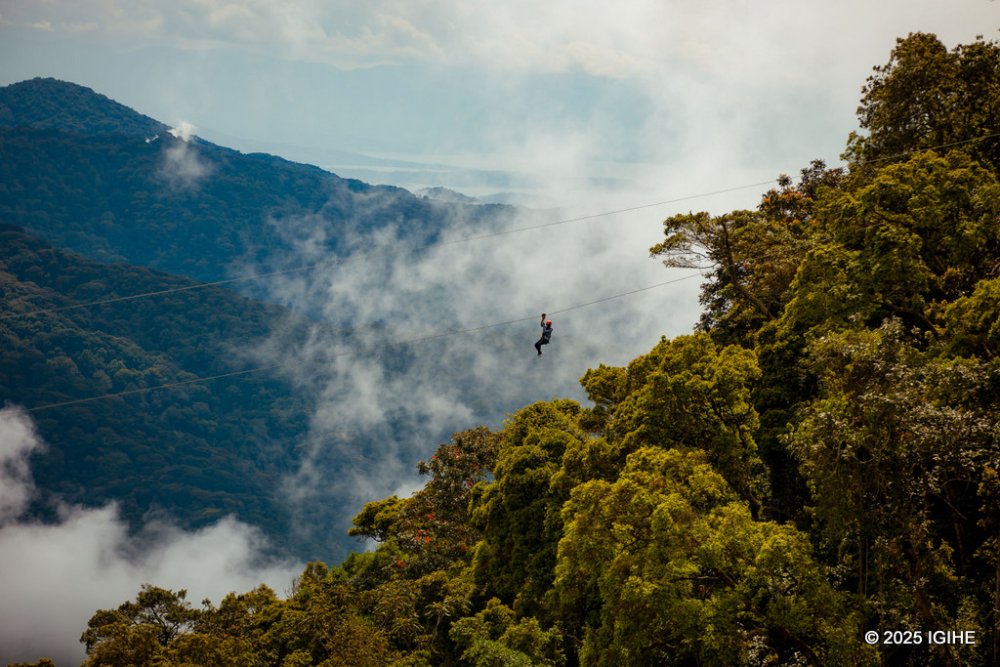
Nyungwe has expanded its adventure offering with a 1,935-metre canopy zipline, giving visitors another way to experience the forest from above.
Gisakura Rope Course
The Gisakura Rope Course provides another active experience, with aerial obstacles and zipline sections near the western side of the park.
Akagera + Nyungwe: The Ultimate Rwanda Wildlife Combination
The greatest strength of combining these parks is not simply the number of animals.
It is the contrast between ecosystems.
Akagera
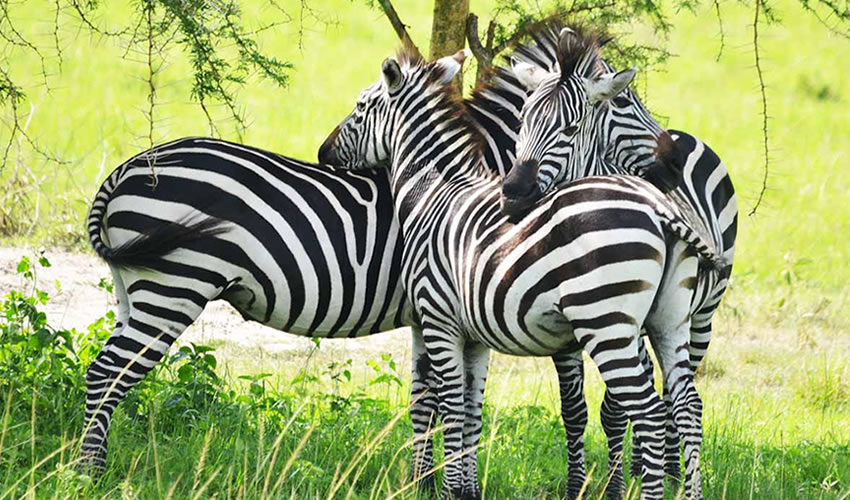
Savannah + wetlands + Big Five + lakes
Nyungwe
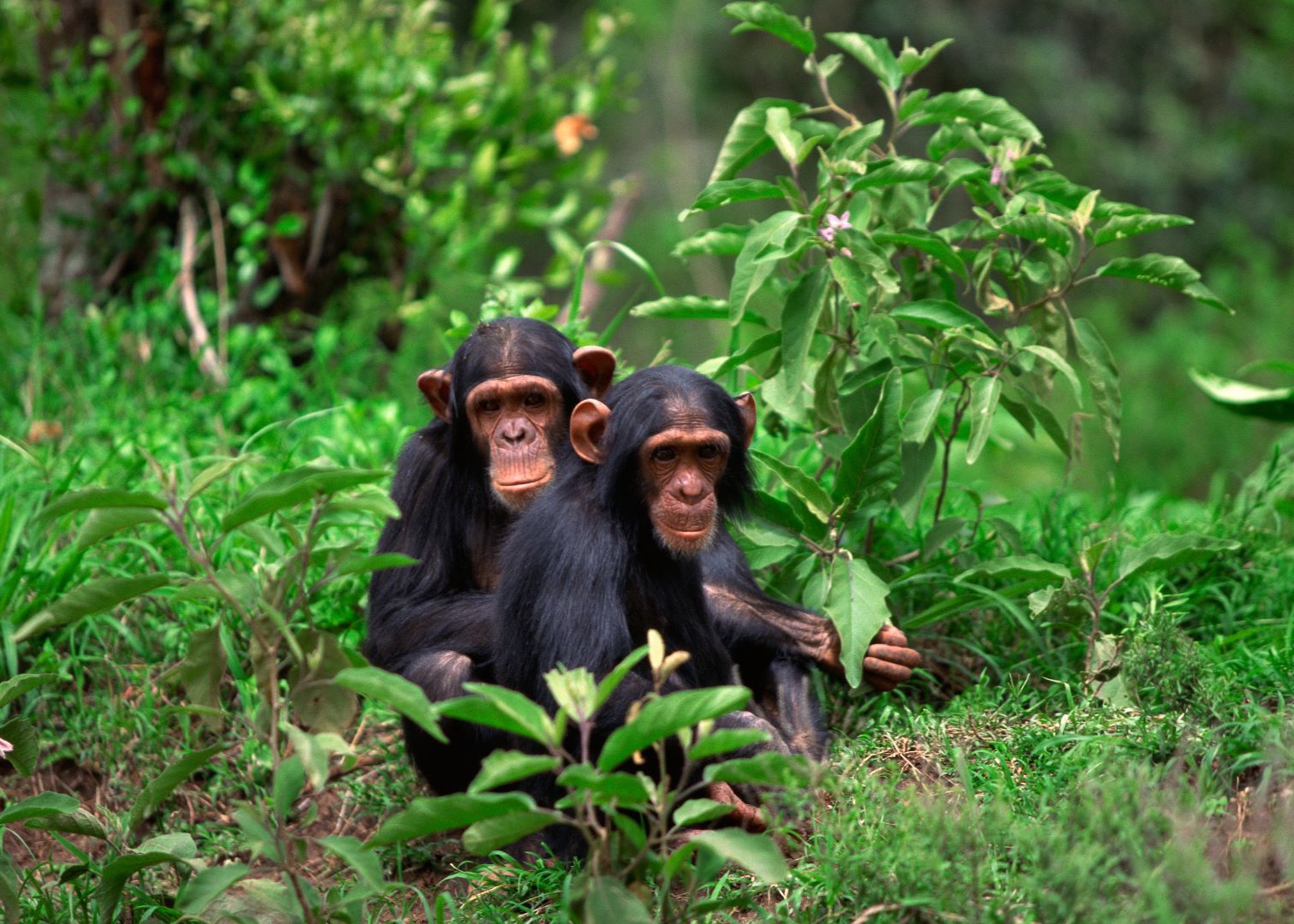
Rainforest + chimpanzees + primates + canopy + hiking
In one Rwanda journey, you can move from:
lion → rhino → elephant → buffalo → leopard
to:
chimpanzee → colobus → rainforest → canopy → waterfalls
That is an exceptionally diverse African wildlife experience.
One-Day Akagera National Park Safari Itinerary
A one-day Akagera safari is possible, particularly for travellers staying in Kigali who have limited time.
However, it is a long day, so starting early is important.
04:30–05:00 — Pick-Up in Kigali
Meet your professional driver-guide at your hotel or agreed location.
Depart Kigali early to maximize time inside Akagera.
07:00–08:00 — Arrive at Akagera
Complete park entry procedures and begin the safari.
08:00–12:00 — Morning Game Drive
Focus on wildlife and the habitats where your guide has the strongest current information.
Possible sightings include:
- elephants,
- buffalo,
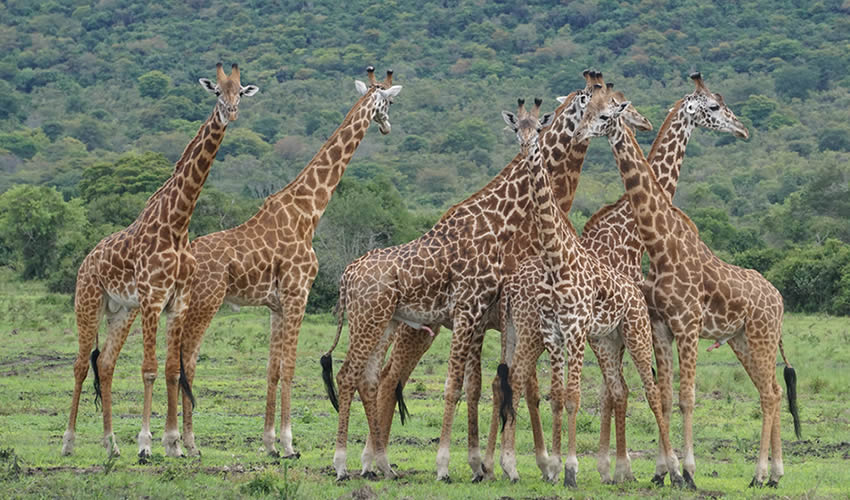
- giraffes,
- zebra,
- antelope,
- rhinos,
- lions and
- numerous bird species.
Leopard sightings are possible but should never be treated as guaranteed.
12:00–13:00 — Lunch
Enjoy a packed safari lunch or arranged meal according to the package.
13:00–15:00 — Lake Ihema Boat Safari
Change perspective from land to water.
Look for hippos, crocodiles and waterbirds.
15:00–17:00 — Afternoon Game Drive
Use the final safari hours to explore another habitat and search for species that were missed during the morning.
17:00–20:00 — Return to Kigali
Drive back to Kigali after completing the safari.
Who Should Choose a One-Day Akagera Safari?
A one-day safari is ideal for:
- travellers with limited time,
- business travellers,
- visitors with only one free day in Kigali,
- short Rwanda stopovers and
- travellers adding Akagera to a longer East African journey.
However, if wildlife is a major reason for visiting Rwanda, two days allow a much richer experience.
Two-Day Akagera National Park Safari Itinerary
Day 1: Kigali – Akagera – Game Drive – Lake Ihema
05:00 — Depart Kigali
Begin your journey to eastern Rwanda with a professional driver-guide.
07:30–08:00 — Enter Akagera National Park
After park formalities, begin your first game drive.
08:00–12:00 — Morning Wildlife Safari
Explore the southern sector and search for large mammals and birds.
Your guide adjusts the route according to recent wildlife information.
12:00–13:00 — Lunch
Take a relaxed lunch break while keeping the safari schedule in mind.
14:00–16:00 — Lake Ihema Boat Safari
Cruise across the lake searching for:
- hippos,
- crocodiles,
- elephants near the shoreline,
- waterbirds and
- other wetland wildlife.
16:00–18:00 — Afternoon Game Drive
Continue through the savannah as temperatures fall.
Evening — Lodge Check-In
Stay inside or near the park depending on your accommodation choice.
Enjoy dinner and rest.
Day 2: Akagera Big Five Safari – Conservation – Kigali
05:30–06:00 — Early Morning Game Drive
Wake before sunrise and head into the park.
This is your opportunity to focus on predators and other early-active wildlife.
06:00–10:30 — Big Five Wildlife Search
Your guide can prioritize your interests.
For example:
Photographers: seek good light and scenic compositions.
Big Five travellers: focus on recent lion, leopard, elephant, buffalo and rhino sightings.
Birdwatchers: prioritize wetlands and specialist habitats.
10:30–12:00 — Conservation-Focused Experience
Where available, add a conservation or community experience to understand how Akagera is managed beyond tourism.
12:00–13:00 — Lunch
Relax before the return journey.
13:00–15:30 — Final Game Drive
Use the final hours to explore a different route.
15:30–16:00 — Depart Akagera
Begin the journey toward Kigali.
Evening — Arrival in Kigali
Your two-day Akagera safari ends with a return to Kigali.
How to Combine Akagera Big Five Safari with Nyungwe Chimpanzee Trekking
For travellers who want both experiences, we recommend thinking in terms of ecosystem contrast rather than simply adding activities.
A practical combination is:
Day 1
Kigali → Akagera
Afternoon game drive + overnight
Day 2
Early Big Five game drive → boat safari → overnight/return
Day 3
Akagera → Nyungwe
Scenic transfer through Rwanda → overnight near Nyungwe
Day 4
Early chimpanzee trekking → canopy walk or forest activity
Day 5
Nyungwe hiking/primates/waterfall experience → continue to Kigali or Lake Kivu
This creates a Rwanda wildlife journey that moves from savannah to rainforest.
For travellers with more time, the itinerary can be expanded to include Volcanoes National Park and mountain gorilla trekking.
Where to Stay During an Akagera Safari
Accommodation can significantly influence the quality of a safari.
Ruzizi Tented Lodge — Inside Akagera
Located on the shores of Lake Ihema, Ruzizi Tented Lodge offers an intimate eco-lodge experience.
Its location inside the park means guests can wake up surrounded by the sounds of the wilderness rather than beginning every safari with a drive from outside the park.
It is particularly attractive for travellers who want:
- lakeside scenery,
- comfortable tented accommodation,
- an eco-conscious atmosphere,
- proximity to Lake Ihema and
- a quieter safari experience.
Karenge Bush Camp — Northern Akagera
Karenge Bush Camp provides a more intimate bush experience in the northern part of the park.
Its location near the Kilala Plains can be particularly useful for travellers who want early access to northern wildlife areas.
The camp has a small capacity, creating a more intimate atmosphere.
Magashi Camp — Premium Safari Experience
Magashi is designed for travellers looking for a high-end safari experience.
Its northern location provides access to wildlife-rich areas and a combination of accommodation, game drives and water-based experiences.
It is suited to travellers seeking a more exclusive and premium safari style.
Akagera Game Lodge
Akagera Game Lodge provides a more traditional lodge-style experience, making it useful for families, groups and travellers who prefer permanent hotel-style accommodation.
Its elevated position provides views across the surrounding landscape.
Should You Stay Inside or Outside Akagera?
Staying Inside the Park
Advantages include:
- faster access to early morning wildlife viewing,
- less time commuting,
- stronger immersion in the wilderness,
- easier access to sunset and night activities,
- more time for safari.
Staying Outside the Park
This can be more suitable for:
- budget-conscious travellers,
- travellers spending only one day in Akagera,
- people who prefer conventional hotels,
- travellers combining the park with other eastern Rwanda destinations.
The important point is to calculate the total safari experience, not simply the nightly room price.
A cheaper room outside the park can mean additional driving and less time inside the wildlife area.
How Seek Wild Africa Helps You Experience Akagera
Planning an African safari involves much more than reserving a vehicle.
At Seek Wild Africa, our role is to help transform your Rwanda trip from a collection of bookings into a coordinated travel experience.
We can help travellers with:
Safari Planning
We design itineraries according to:
- travel dates,
- available time,
- budget,
- interests,
- preferred accommodation,
- wildlife priorities and
- desired level of comfort.
Professional Driver-Guide
Your driver-guide becomes an important part of the safari.
A good guide does more than drive.
They help you understand:
- wildlife behaviour,
- habitats,
- conservation,
- local communities,
- park history and
- how to use your time effectively.
Akagera Game Drives
We can organize the appropriate safari vehicle, park access and game-drive schedule according to your itinerary.
Boat Safari
We can incorporate Lake Ihema boat experiences into your Akagera safari.
Nyungwe Chimpanzee Trekking
For travellers combining Akagera with Nyungwe, we can organize the journey so that the transition from savannah to rainforest is smooth.
Accommodation
We help match accommodation with your:
- budget,
- comfort level,
- safari style and
- preferred location.
Transport Across Rwanda
Instead of worrying about long-distance transfers between Kigali, Akagera and Nyungwe, travellers can have the journey organized as part of one itinerary.
Full Rwanda Safari Planning
We can also combine:
- Akagera Big Five safari,
- Nyungwe chimpanzee trekking,
- canopy walks,
- Volcanoes National Park,
- gorilla trekking,
- golden monkey trekking,
- Kigali experiences,
- Lake Kivu,
- cultural experiences and
- airport transfers.
The objective is simple:
You enjoy Rwanda. We handle the logistics.
What Should You Bring on an Akagera National Park Safari?
A successful safari starts before you enter the park.
Clothing
Bring:
- lightweight, comfortable clothing,
- neutral colours,
- long-sleeved shirts,
- lightweight trousers,
- a warm layer for early mornings,
- comfortable closed shoes,
- a hat and
- sunglasses.
Avoid overly bright colours when possible.
Binoculars
A good pair of binoculars can transform your safari.
They are particularly useful for:
- distant animals,
- birds,
- leopard sightings,
- wetland species and
- wildlife behaviour.
Camera
Bring extra memory cards and ensure your batteries are fully charged.
A zoom lens is useful for wildlife photography.
Do not rely only on your phone if photography is one of your priorities.
Rain Protection
Rwanda's weather can change quickly.
Pack a lightweight rain jacket or waterproof layer.
This is particularly important if you are combining Akagera with Nyungwe, where rainforest conditions can be wetter.
Important: Akagera's Single-Use Plastic Policy
Responsible tourism is part of the Akagera experience.
Akagera National Park banned single-use plastic items from June 1, 2024.
This includes disposable plastic drink bottles and other single-use plastic products.
Therefore, do not arrive at Akagera carrying disposable plastic water bottles.
What should you bring instead?
Choose a durable reusable bottle such as:
- a stainless-steel reusable bottle,
- an insulated stainless-steel bottle,
- a BPA-free reusable bottle, or
- a reusable glass bottle with a protective sleeve.
For a full safari day, a 1-litre reusable bottle is a practical choice, although travellers who drink more water may prefer additional reusable capacity.
Seek Wild Africa can also help arrange suitable drinking-water solutions for travellers so that your safari follows the park's conservation requirements.
Other Essential Safari Items
Remember to pack:
- sunscreen,
- insect repellent,
- personal medication,
- small daypack,
- power bank,
- camera,
- binoculars,
- sunglasses,
- hat,
- rain jacket,
- comfortable shoes and
- reusable water bottle.
For Nyungwe chimpanzee trekking, add suitable hiking shoes and rain protection.
Why Your Akagera Safari Should Be More Than a Checklist
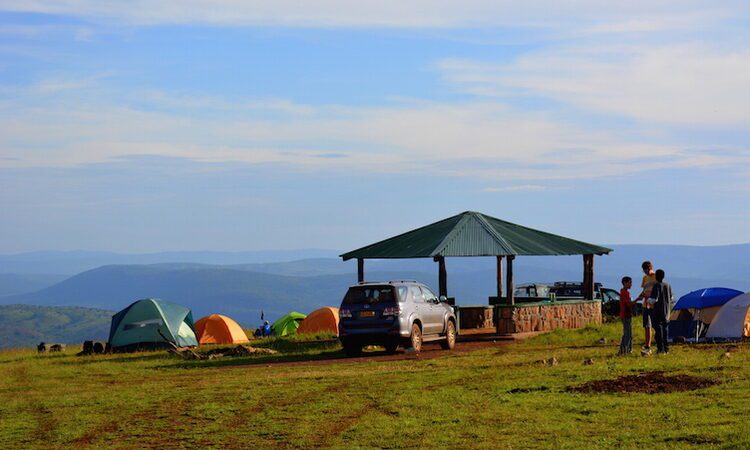
Do not visit Akagera simply thinking:
"I need to see the Big Five."
Instead, ask:
"What kind of African ecosystem am I entering?"
- Look at the wetlands.
- Listen to the birds.
- Watch elephants at the water.
- Learn why rhinos returned.
- Understand the role of rangers.
- Talk to community guides.
- Take a boat across Lake Ihema.
- Experience the savannah at sunrise.
Then travel south-west to Nyungwe and walk into a completely different world.
That is where the real strength of a Rwanda safari emerges.
Akagera + Nyungwe: Two Parks, Two Worlds, One Rwanda Adventure
Akagera gives you the drama of the savannah.
Nyungwe gives you the mystery of the rainforest.
Akagera offers:
Lion. Leopard. Elephant. Buffalo. Rhino. Hippo. Crocodile. Savannah. Wetlands. Boat safari.
Nyungwe offers:
Chimpanzee. Colobus. Other primates. Ancient rainforest. Canopy walkway. Hiking. Birds. Waterfalls. Zipline.
Together, they demonstrate why Rwanda should not be viewed only as a gorilla destination.
It is a country where a traveller can experience Big Five wildlife, rainforest primates, dramatic landscapes, conservation, culture and adventure within one relatively compact national journey.
Plan Your Akagera National Park Safari with Seek Wild Africa
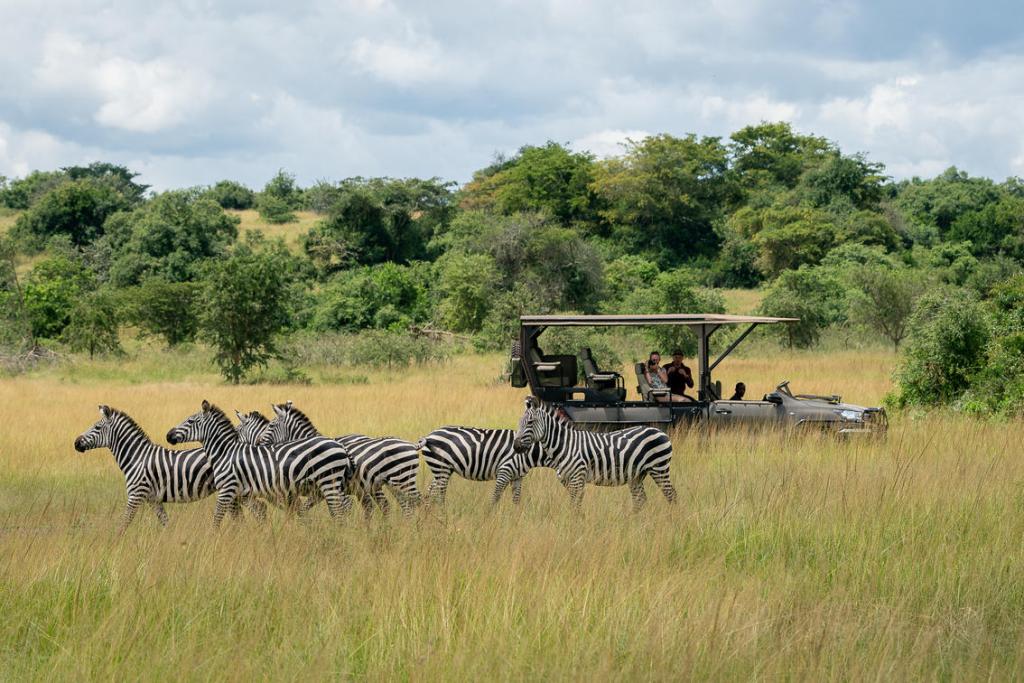
Your African safari should feel exciting from the moment you begin planning—not complicated.
At Seek Wild Africa, we can help organize your complete Rwanda adventure, from the moment you arrive to the moment you depart.
We can assist with:
- Akagera National Park safaris,
- Big Five game drives,
- Lake Ihema boat safaris,
- accommodation,
- professional driver-guides,
- Nyungwe chimpanzee trekking,
- canopy walks,
- forest activities,
- Volcanoes National Park,
- gorilla trekking,
- golden monkey trekking,
- Kigali tours,
- Lake Kivu experiences,
- airport transfers,
- private and customized itineraries,
- family safaris,
- couple and honeymoon journeys,
- group tours and
- complete Rwanda safari packages.
Whether you have one day, two days, five days or more, we can build the journey around your time and interests.
Your Rwanda adventure can start with Akagera.
Explore Rwanda with Seek Wild Africa and experience the Big Five, ancient forests, chimpanzees, conservation and the extraordinary landscapes that make Rwanda unforgettable.