Beyond the Big Five: Discover the Unique Wildlife and Natural Beauty of Akagera National Park (2026–2027)
November 11, 2026Clementine
Discover the Extraordinary Side of Akagera National Park
When travellers imagine an African safari, they often picture endless golden plains, magnificent elephants, powerful lions, graceful giraffes and herds of zebras moving freely across the wilderness. Africa offers many extraordinary destinations for these experiences, but few have a story as inspiring as Akagera National Park in eastern Rwanda.
An Akagera National Park safari is much more than an opportunity to search for Africa's famous Big Five. It is an invitation to explore a remarkable combination of open savannah, rolling hills, woodland, papyrus swamps, freshwater lakes and spectacular wildlife habitats. It is also an opportunity to witness one of Africa's inspiring conservation recovery stories.
Established in 1934, Akagera National Park has experienced decades of environmental challenges, significant landscape changes and declining wildlife populations. However, through determined conservation efforts, improved park management, strategic wildlife reintroductions and strong partnerships, the park has gradually transformed into one of East Africa's most rewarding wildlife destinations.
Today, Akagera protects Rwanda's only savannah ecosystem and is recognised for its successful restoration of the Big Five: lions, leopards, elephants, rhinoceroses and buffaloes. Its landscapes also support numerous other mammals, reptiles, aquatic species and nearly 500 documented bird species.
As international travellers increasingly seek meaningful, responsible and authentic African experiences, Akagera deserves serious consideration when planning an African safari in 2026–2027.
But what truly makes this destination exceptional?
It is not simply the animals that visitors hope to encounter. It is the opportunity to experience a national park that has recovered, developed and strengthened its conservation mission while creating opportunities for surrounding communities.
With its extraordinary biodiversity, impressive organisation, diverse safari activities and beautiful natural surroundings, Akagera National Park offers a different perspective on African wildlife tourism.
The History of Akagera National Park: From Conservation Challenges to an African Success Story
The park was established in 1934 to protect Rwanda's wildlife and natural ecosystems. Its name comes from the Akagera River, which flows along its eastern boundary and forms an important part of its wetland environment.
Historically, Akagera covered a much larger territory, with extensive savannah landscapes, wetlands, forests and wildlife habitats. For decades, it supported impressive populations of elephants, lions, rhinoceroses, buffaloes, zebras and other African wildlife.
However, the park experienced serious challenges during the following decades.
A Difficult Period in the Park's History
Following the 1994 Genocide against the Tutsi, the park experienced major changes. Land was allocated for the resettlement of returning refugees, reducing Akagera's protected area by approximately two-thirds compared with its former extent.
Human pressure, livestock encroachment, habitat loss and widespread poaching contributed to a significant decline in wildlife populations.
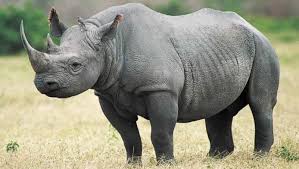
Several important species disappeared locally, including lions and rhinoceroses. The park's ecological balance was under considerable pressure, and its future as a major wildlife destination became uncertain.
Nevertheless, Akagera's story did not end with these challenges.
The Beginning of a Remarkable Transformation
A major turning point came in 2010 when African Parks entered a management partnership with the Rwanda Development Board (RDB).
Through the Akagera Management Company, the partnership introduced stronger conservation systems, improved security, habitat protection, community engagement and professional tourism management.
Important improvements included:
- Strengthening anti-poaching operations.
- Establishing and maintaining an effective electric perimeter fence.
- Improving wildlife monitoring and veterinary services.
- Supporting scientific research and biodiversity protection.
- Developing sustainable tourism infrastructure.
- Creating employment and economic opportunities for neighbouring communities.
These initiatives helped rebuild confidence in Akagera as a protected wildlife destination.
Wildlife Returns: Restoring the Big Five
One of the most significant achievements in Akagera's recovery has been the successful reintroduction of species that had disappeared from the park.
The return of lions in 2015
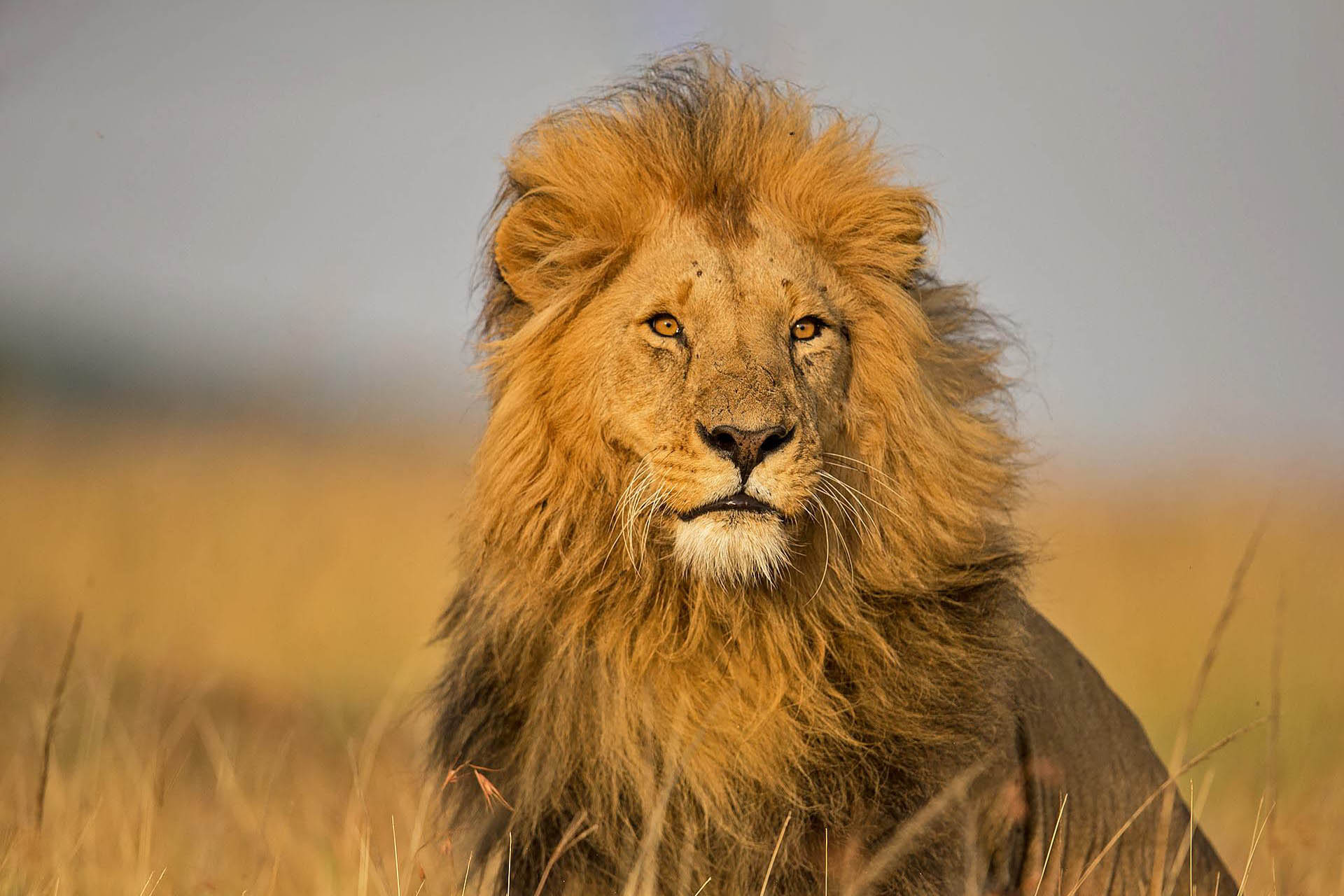
After years without a resident lion population, lions were reintroduced in 2015. Their return restored an important predator to the ecosystem and strengthened Akagera's appeal as a Big Five safari destination.
The return of eastern black rhinoceroses in 2017 and 2019
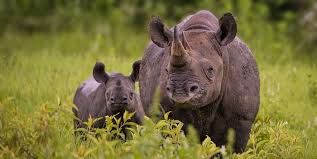
The reintroduction of eastern black rhinos was another historic conservation milestone. It restored a critically important species and strengthened Rwanda's contribution to international rhinoceros conservation.
The arrival of southern white rhinoceroses in 2021
In 2021, 30 southern white rhinos were relocated from South Africa to Akagera, further strengthening the park's rhinoceros population.
A historic translocation in 2025
In June 2025, another 70 southern white rhinos arrived in Akagera through the Rhino Rewild Initiative, representing an extraordinary conservation operation.
This achievement reinforced Akagera's growing importance in regional and international rhinoceros conservation.
The return of these animals demonstrates how long-term commitment, effective management and international cooperation can help restore an ecosystem.
For travellers visiting in 2026–2027, Akagera offers something particularly meaningful: the opportunity to explore a protected landscape whose wildlife recovery is still developing.
Why Akagera National Park Is One of Africa's Outstanding Safari Destinations in 2026–2027
What makes a national park one of Africa's best places to visit?
It is not only the number of famous animals it protects. The quality of its landscapes, biodiversity, conservation standards, visitor experiences, accessibility, accommodation and tourism organisation also matter.
Akagera brings these elements together in a distinctive way.
Rwanda's Only Savannah National Park
Unlike Rwanda's mountainous rainforest destinations, Akagera presents an entirely different natural environment.
This diversity creates different habitats for wildlife and makes every section of the park visually interesting.
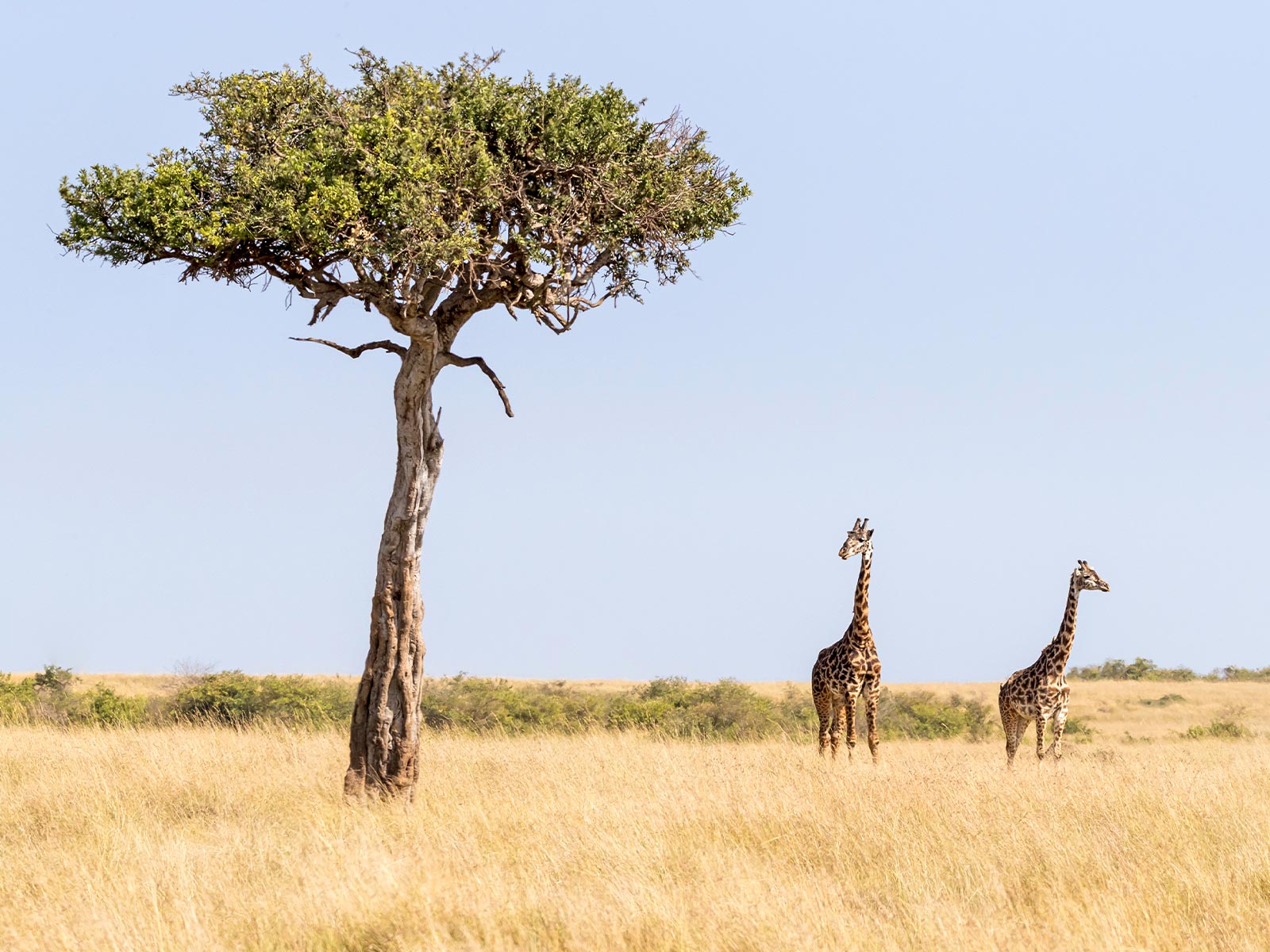
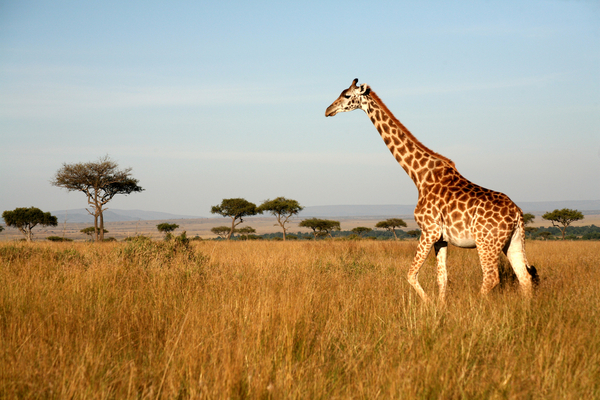
One moment, visitors may be watching giraffes moving across open grassland. A short time later, they may find themselves surrounded by woodland, watching elephants feeding or approaching a lake where hippos and crocodiles inhabit the water.
This variety gives an Akagera National Park safari a distinctive character.
Central Africa's Largest Protected Wetland
One of Akagera's most important geographical features is its extensive wetland ecosystem.
The park protects a remarkable network of lakes, rivers, marshes and papyrus swamps associated with the Akagera River system.
These aquatic environments are particularly important for birdlife, fish, amphibians, reptiles and other wildlife.
Lake Ihema, Lake Shakani and Lake Rwanyakazinga are among the most notable water bodies.
The wetlands also create beautiful scenery, especially during sunrise and sunset, when the reflections of the surrounding vegetation and wildlife transform the landscape.
A Remarkable Combination of Wildlife and Natural Beauty
Akagera is not simply a destination where visitors drive around searching for animals.
It is a landscape that offers several interconnected experiences:
- Wildlife encounters across open savannah.
- Beautiful lakes and peaceful waterways.
- Birdwatching in wetlands and woodlands.
- Spectacular sunrises and African sunsets.
- Cultural experiences with surrounding communities.
- Opportunities to learn about conservation and environmental protection.
This combination makes Akagera attractive to first-time safari visitors, wildlife photographers, families, birdwatchers, couples and experienced African travellers.
A More Intimate Safari Atmosphere
Compared with some of Africa's internationally famous safari destinations, Akagera can offer a more intimate and less crowded wildlife experience.
Visitors can enjoy the natural environment without necessarily encountering the large concentrations of safari vehicles sometimes associated with popular wildlife events elsewhere.
Beyond the Big Five: Discover the Unique Wildlife of Akagera National Park
The Big Five are among the main attractions of an Akagera National Park safari. However, limiting the experience to these five animals would mean overlooking much of the park's extraordinary biodiversity.
Akagera supports a wide variety of mammals, reptiles, aquatic wildlife and bird species.
The Big Five: Five Iconic Symbols of African Wildlife
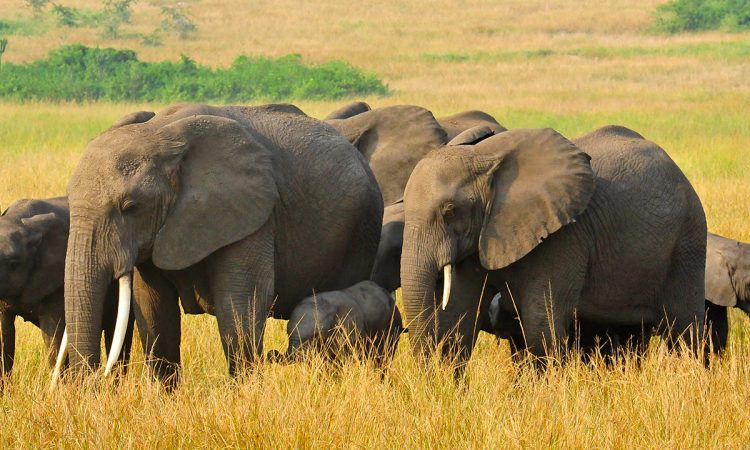
African Elephants
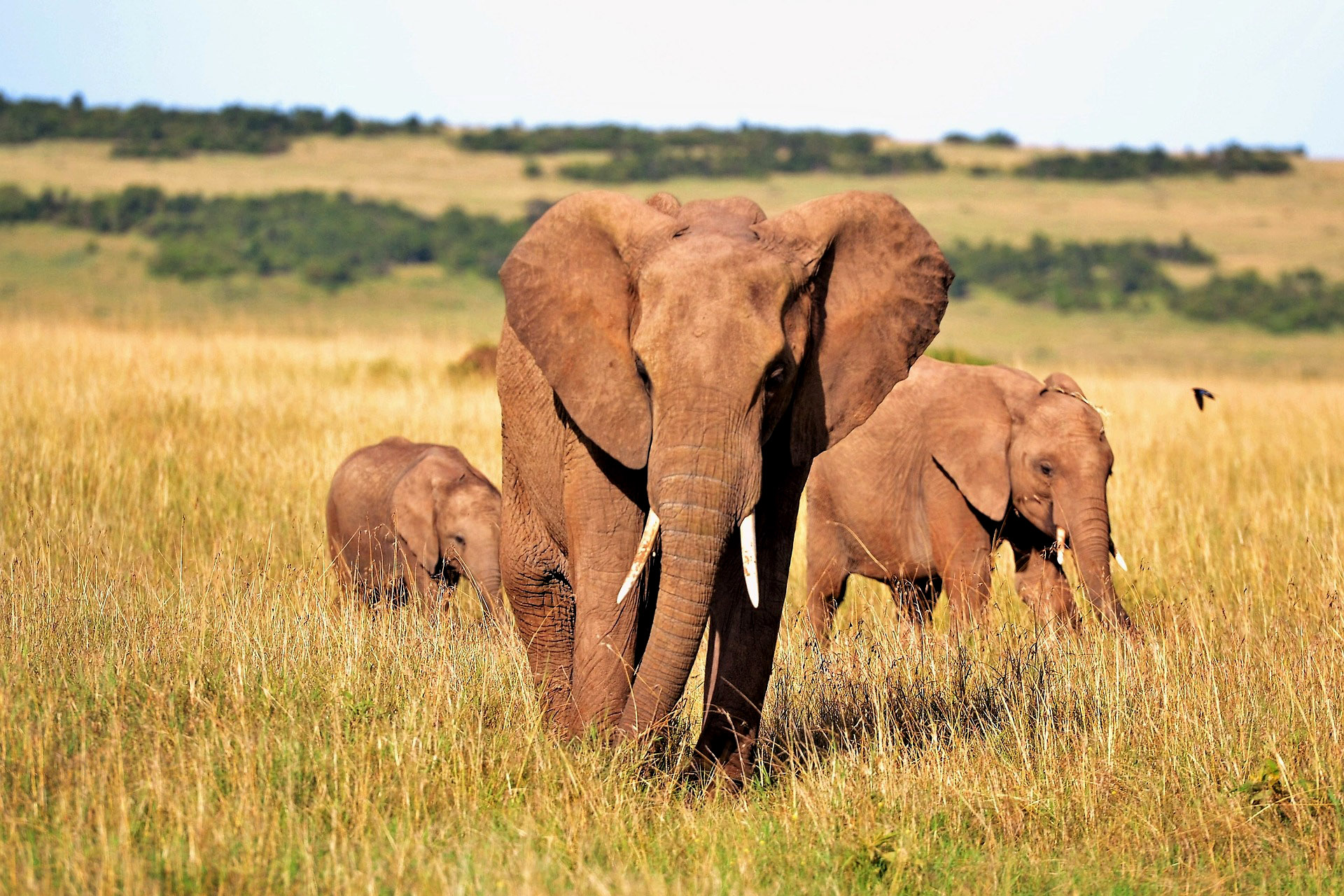
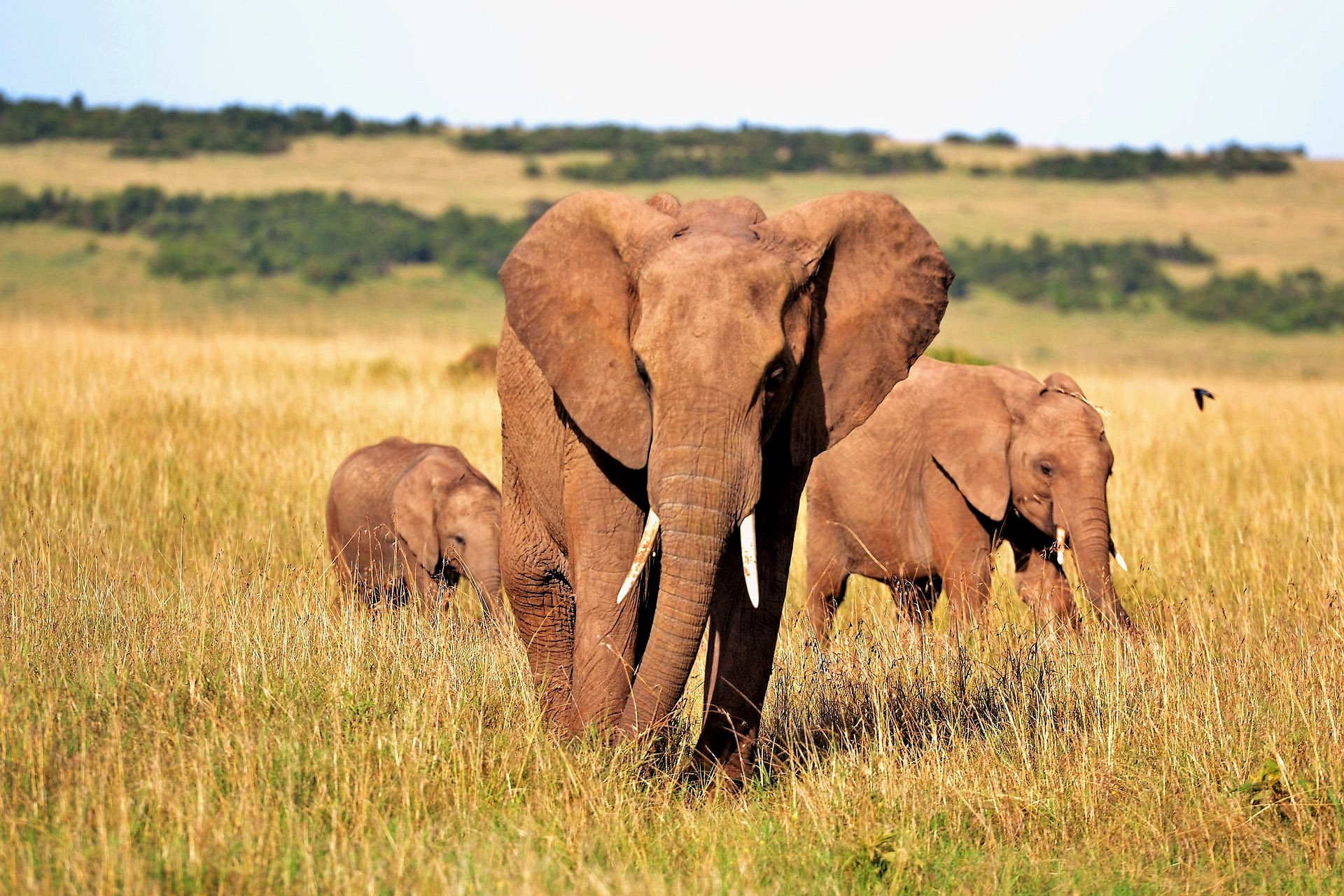
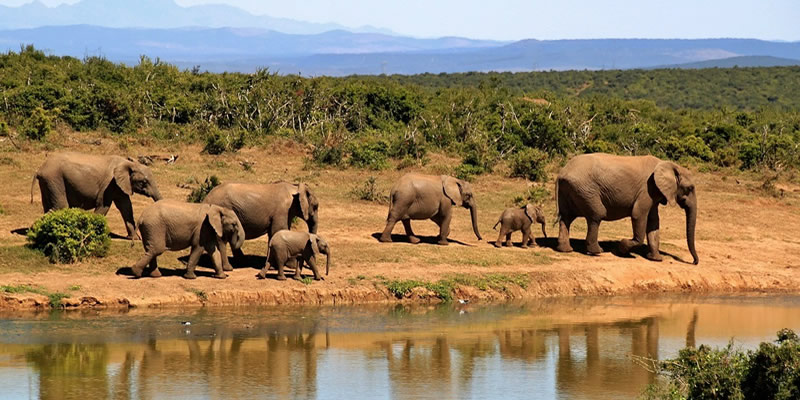
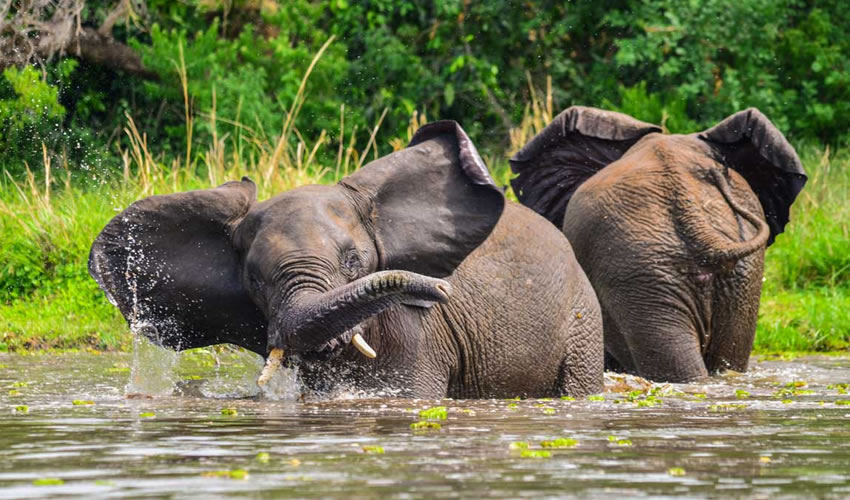
Elephants are among the most impressive animals in Akagera. Visitors may encounter them moving through woodland, feeding on vegetation, gathering near water sources or travelling in family groups.
Watching these enormous animals interact in their natural environment is one of the memorable experiences of an African safari.
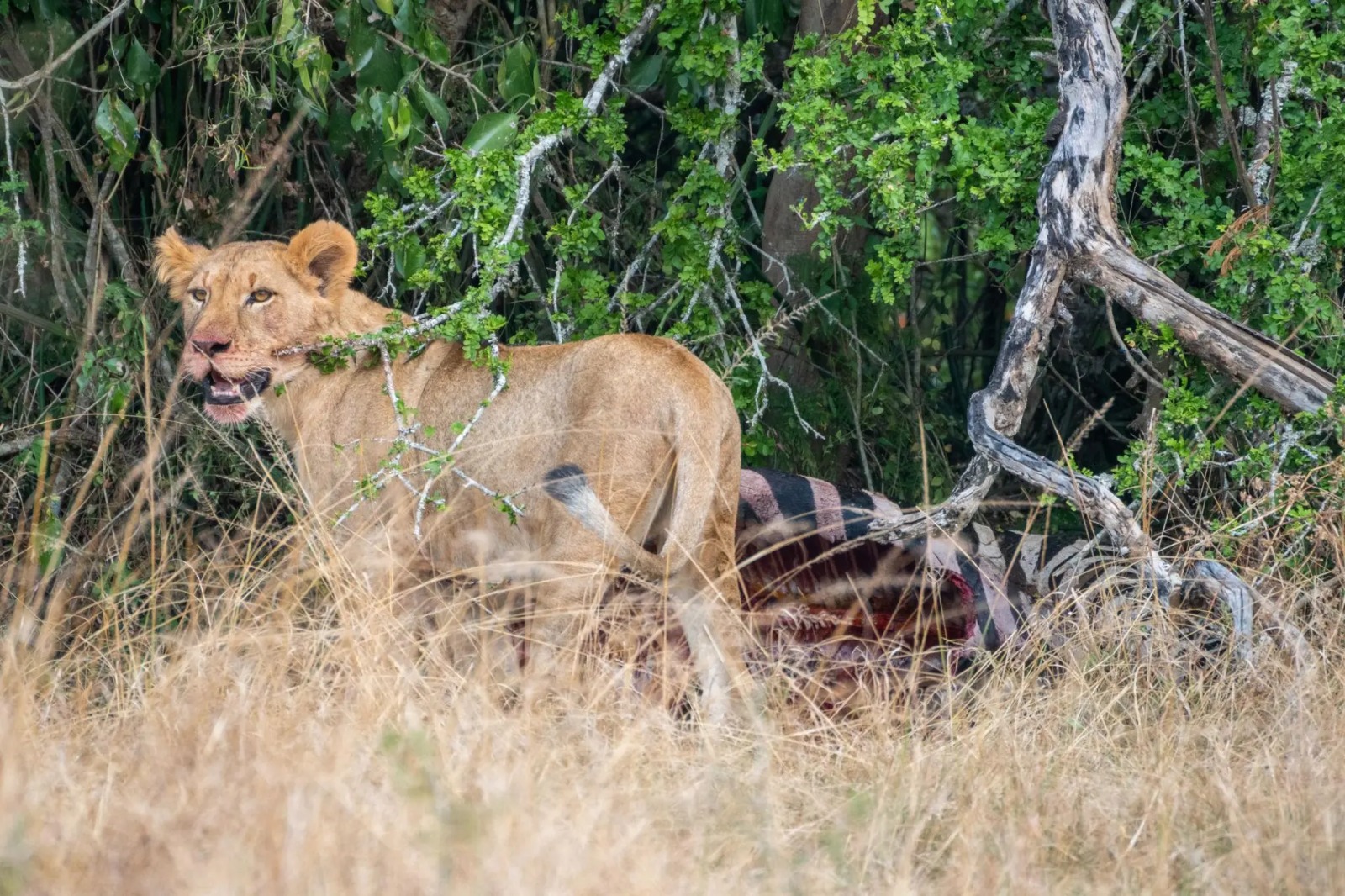
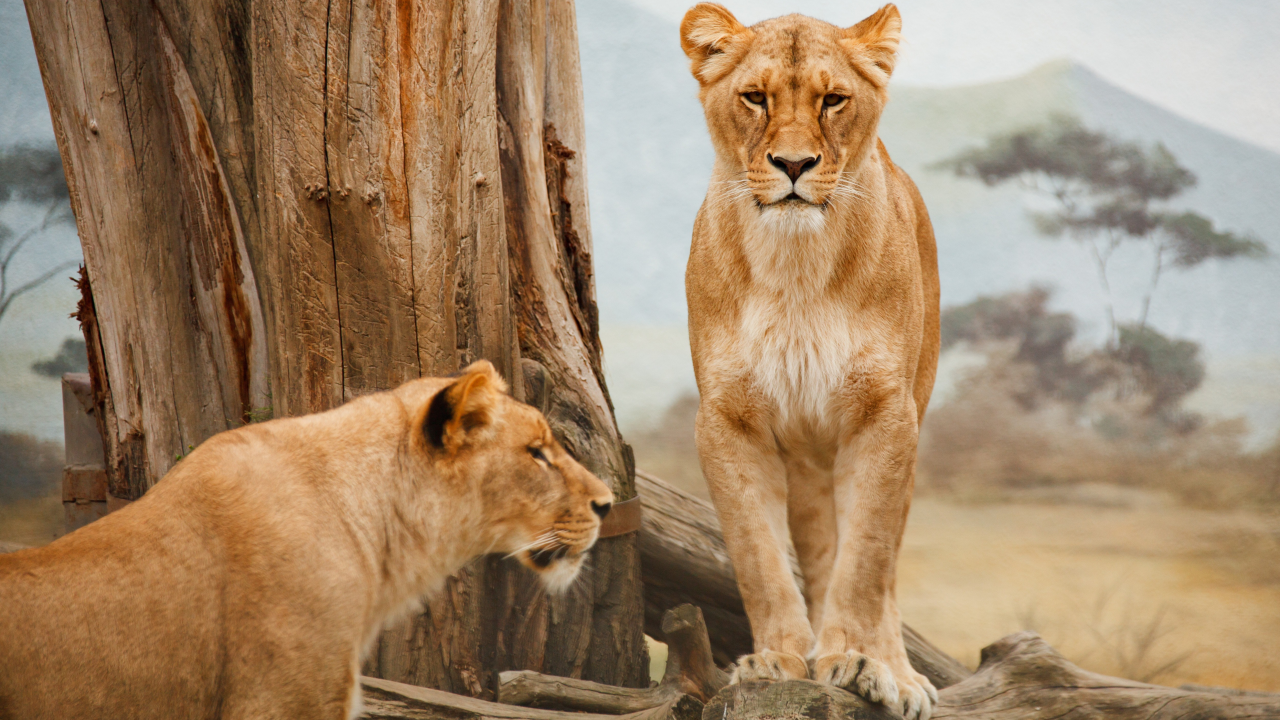
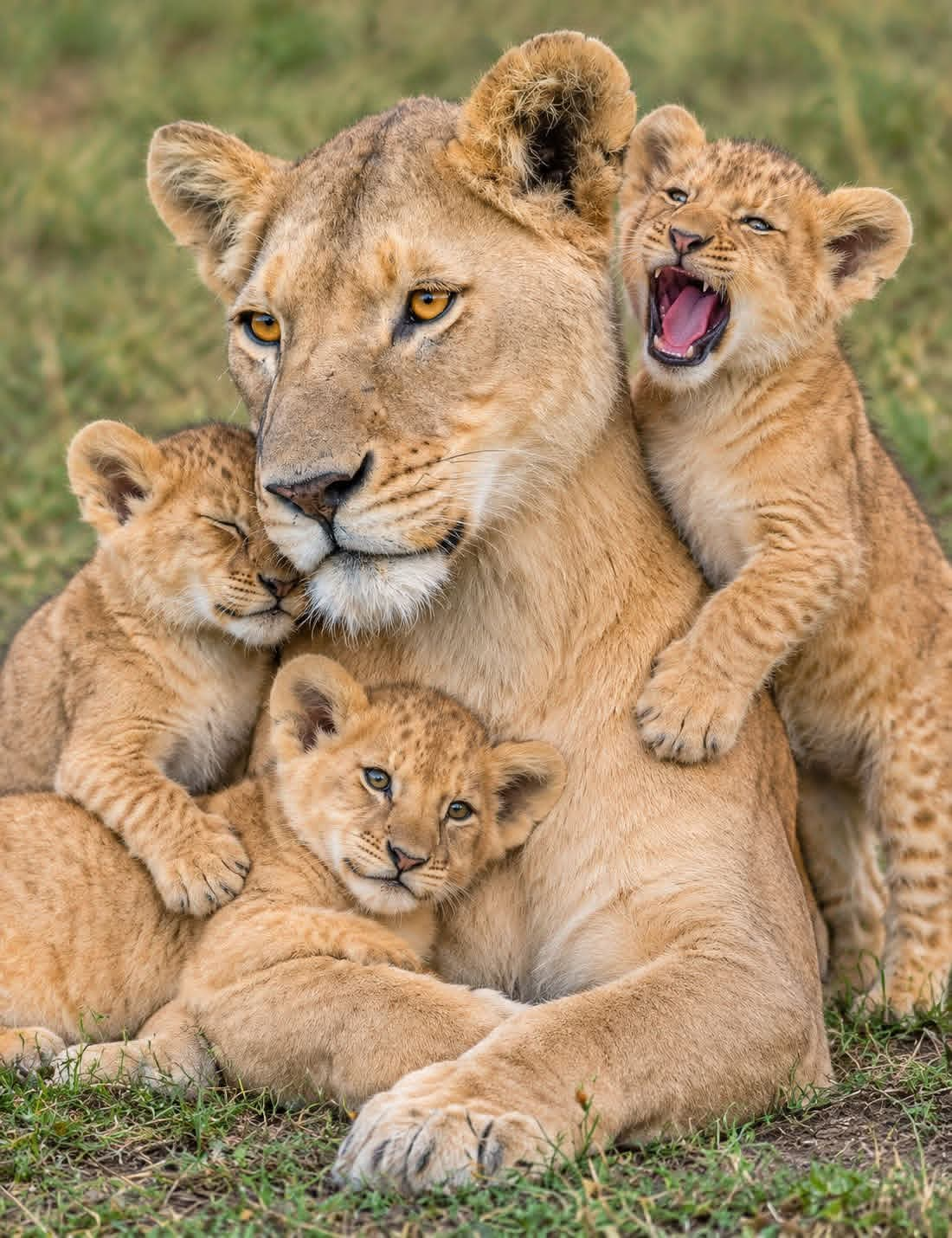
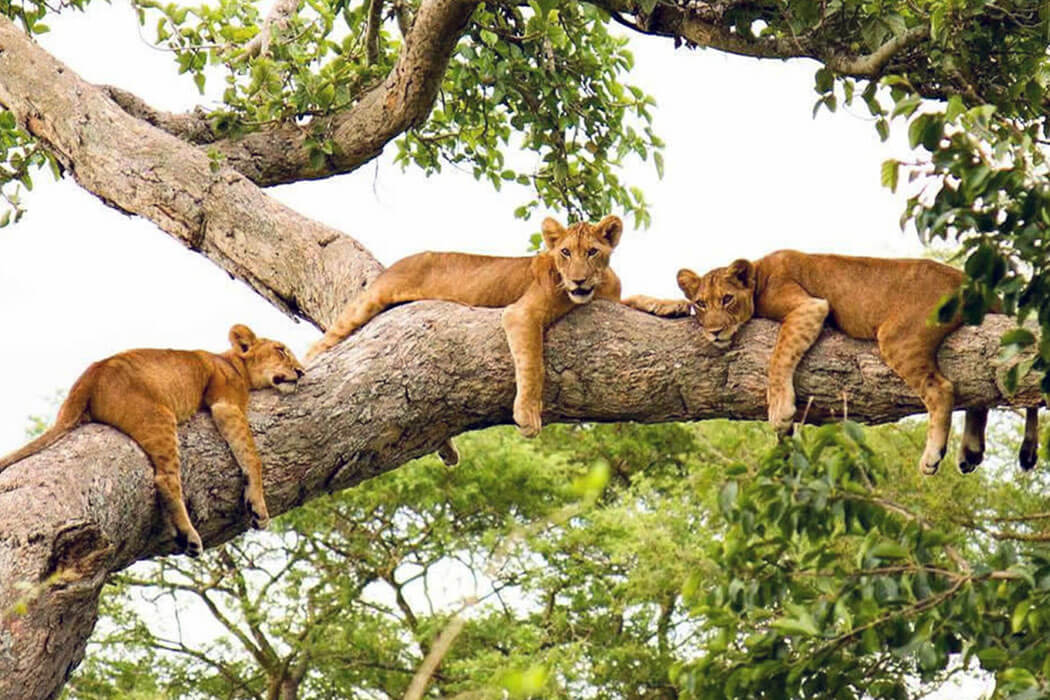
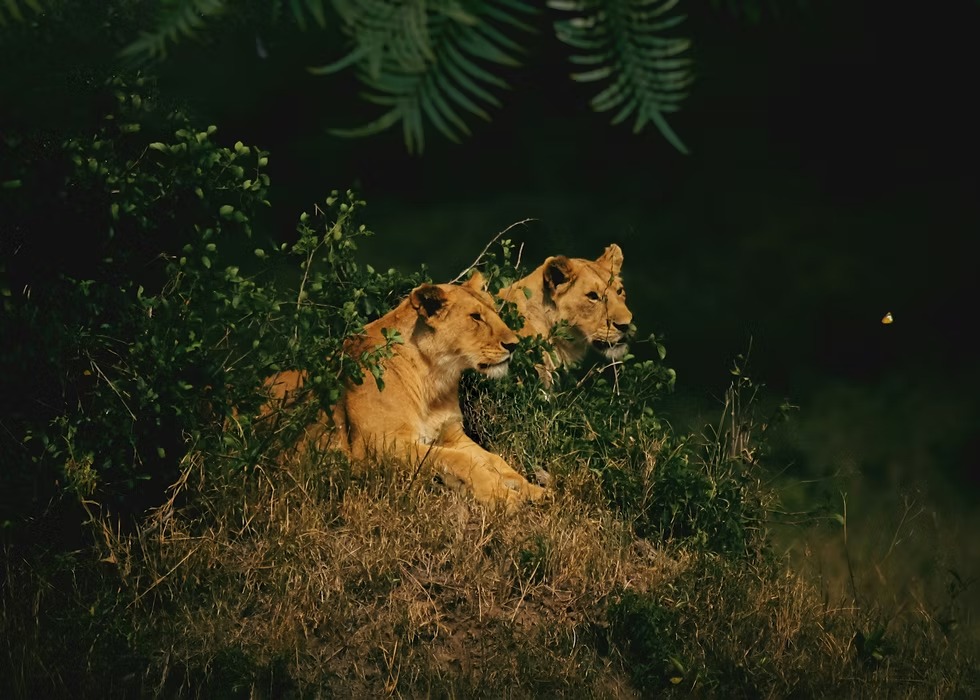
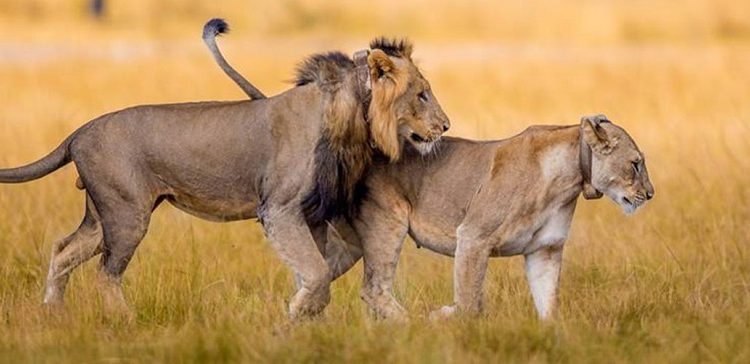
Lions
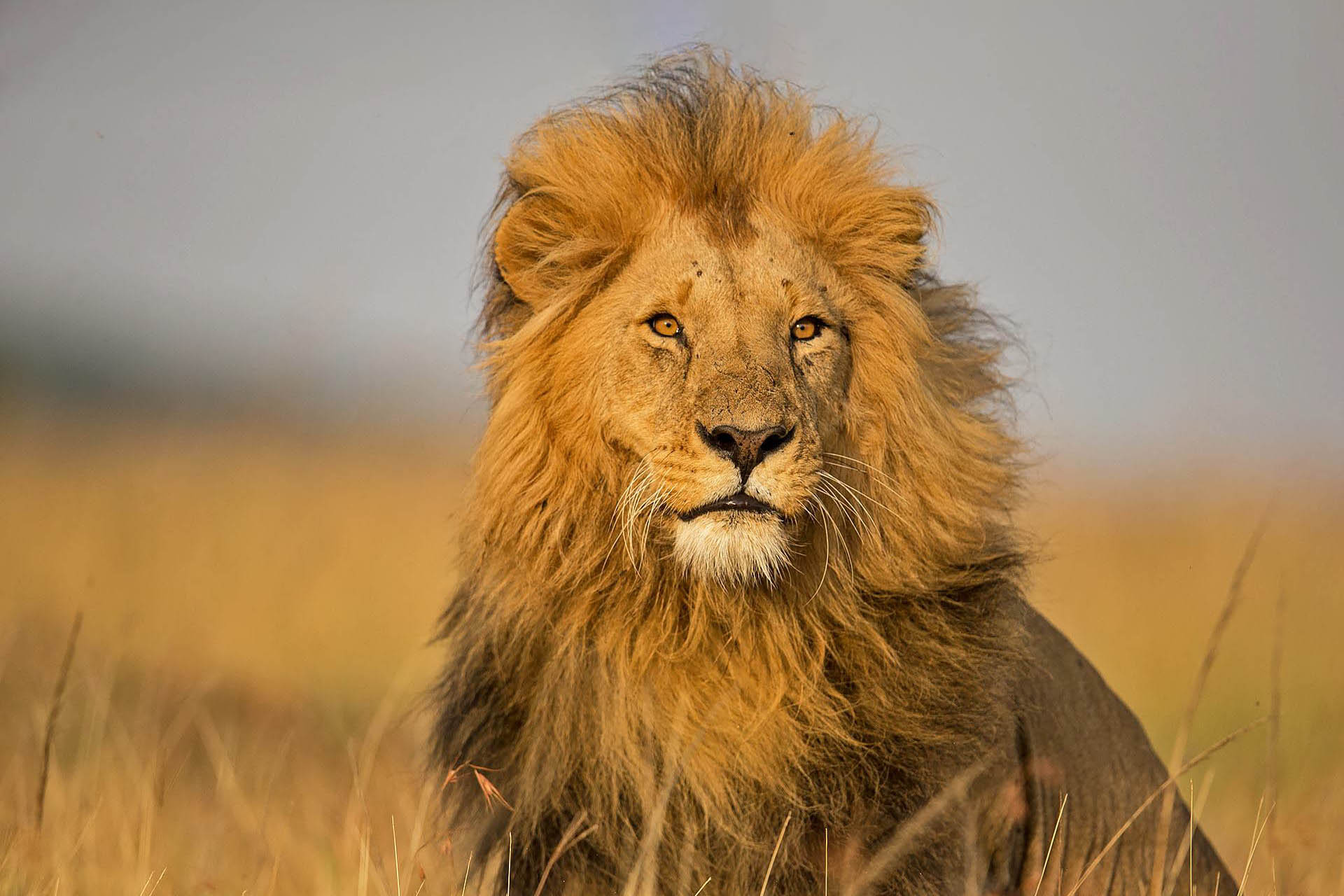
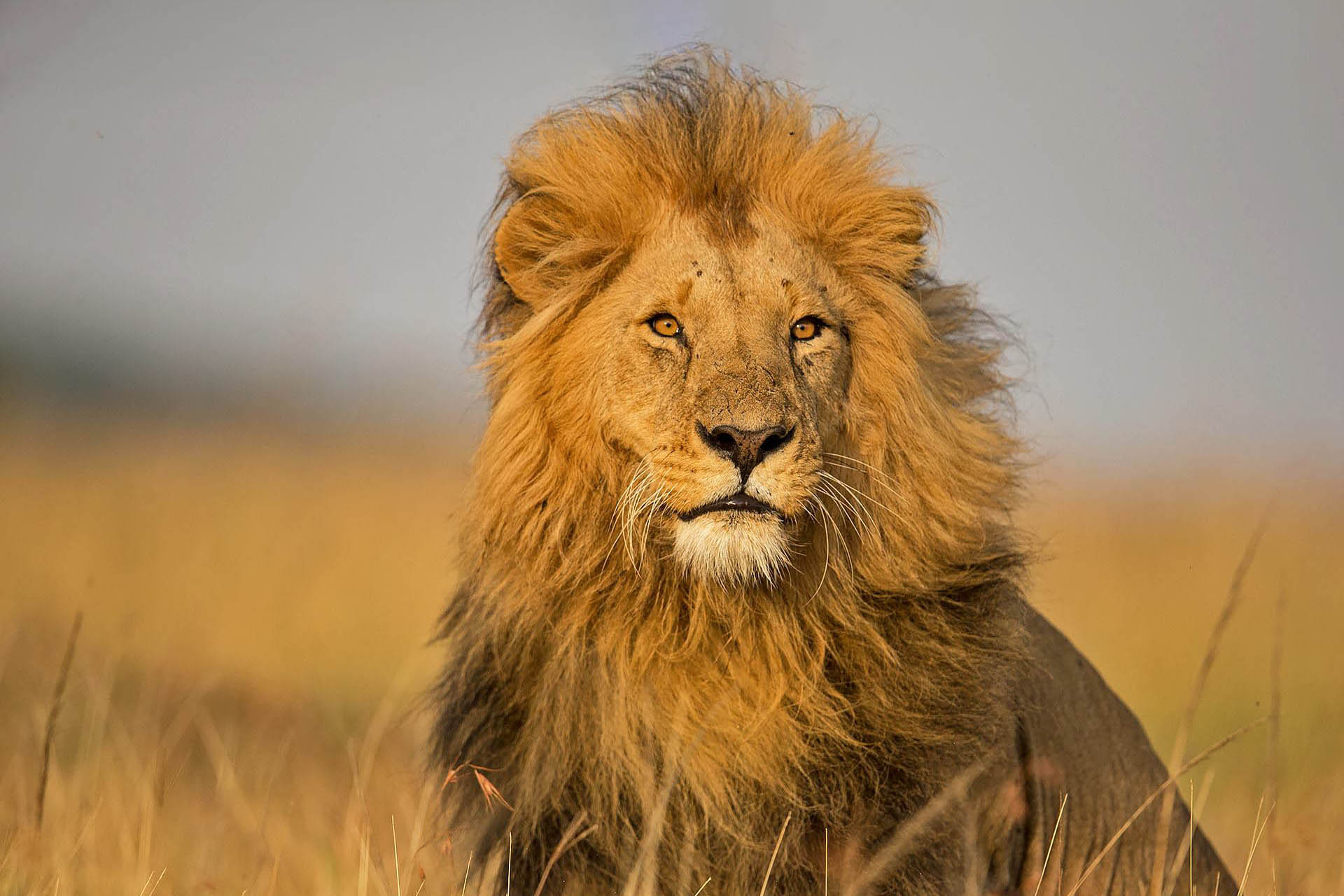
Lions are among Akagera's most exciting predators.
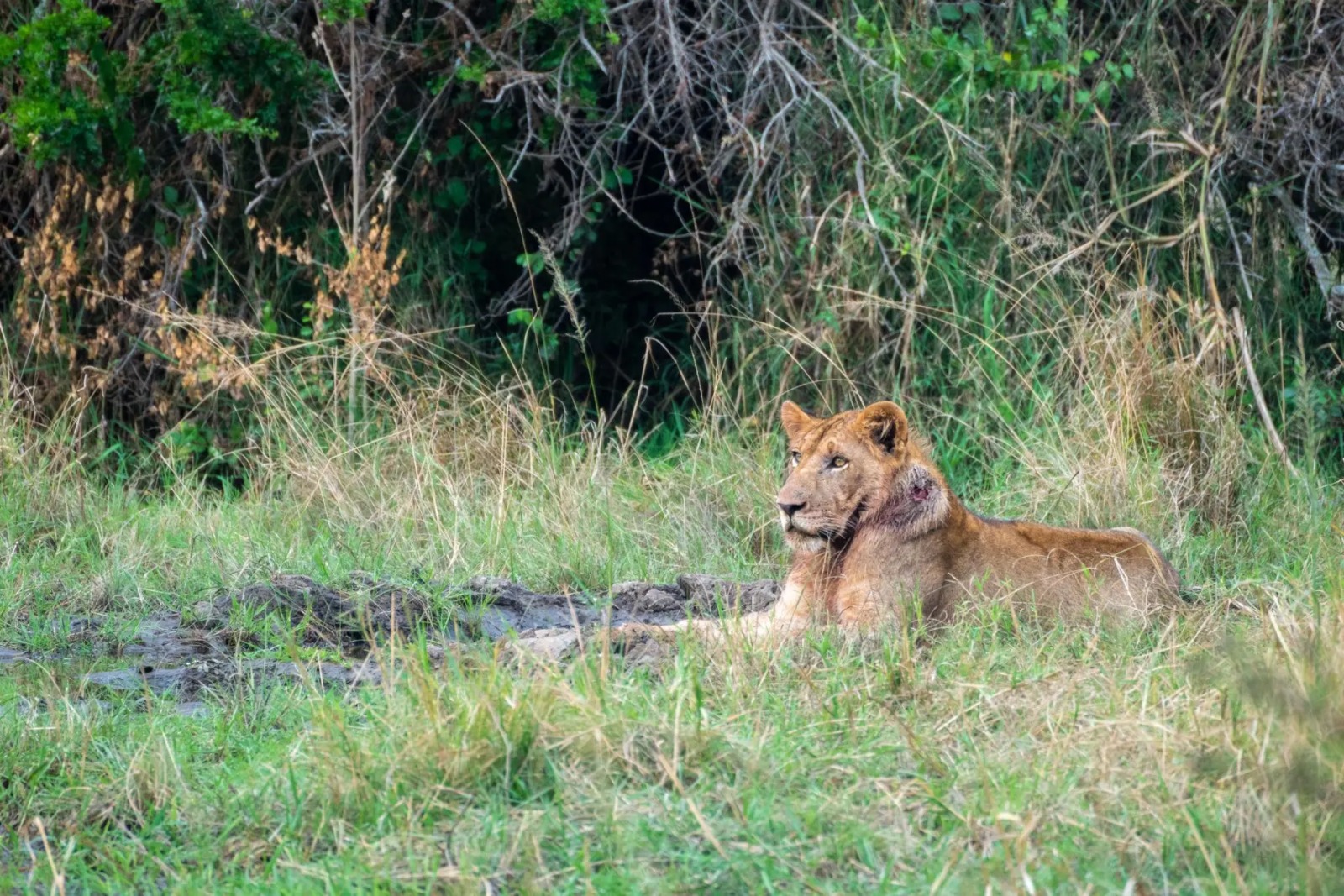
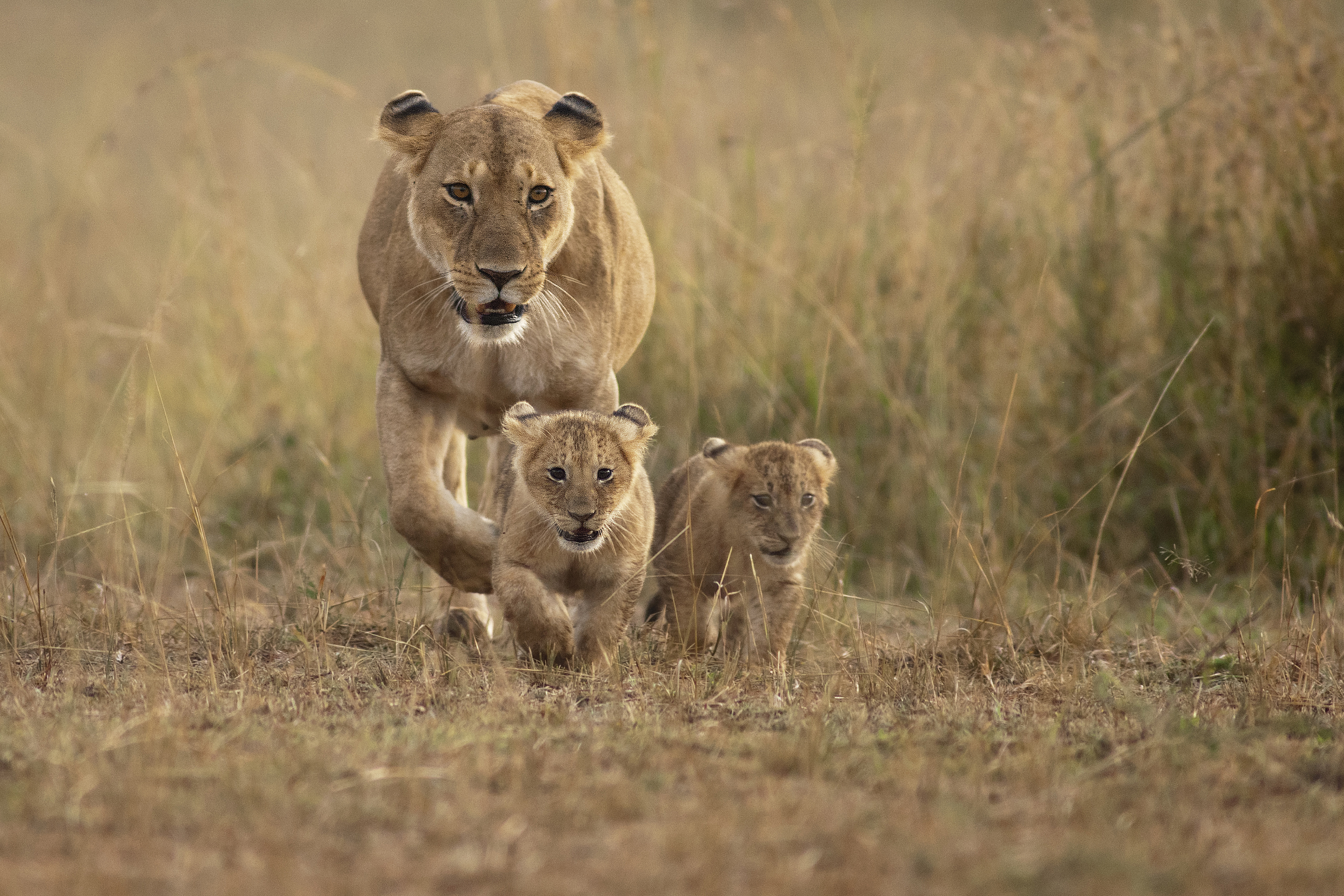
They may be spotted resting in the grass, moving through woodland or gathering in family groups. Early morning and late afternoon game drives can provide rewarding opportunities to search for these magnificent animals.
Their return to Akagera is also an important part of the park's conservation history.
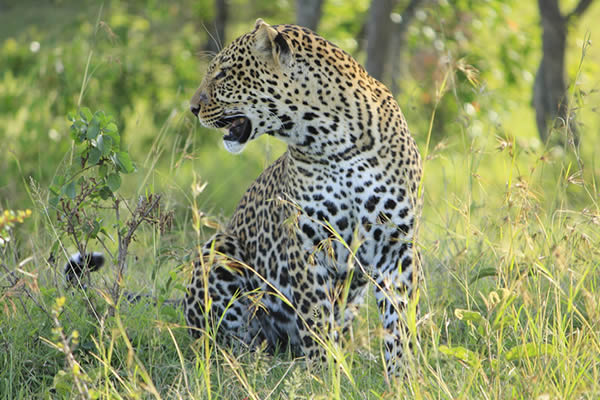
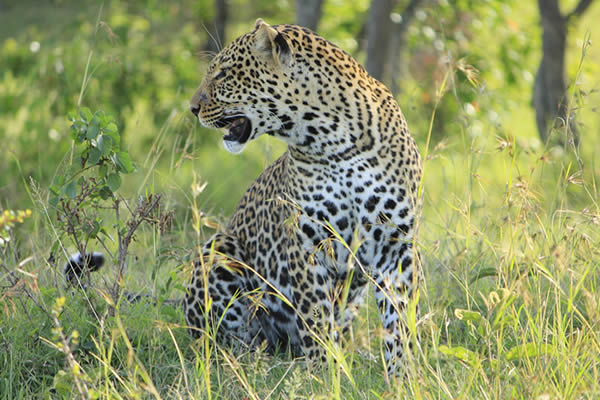
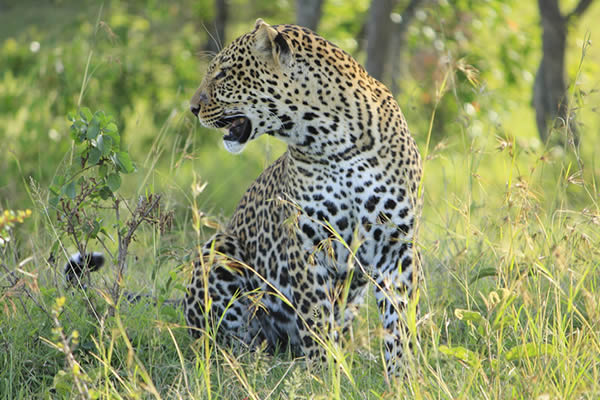
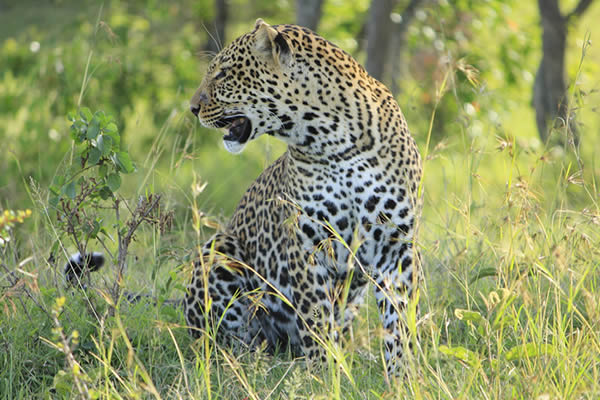
Leopards
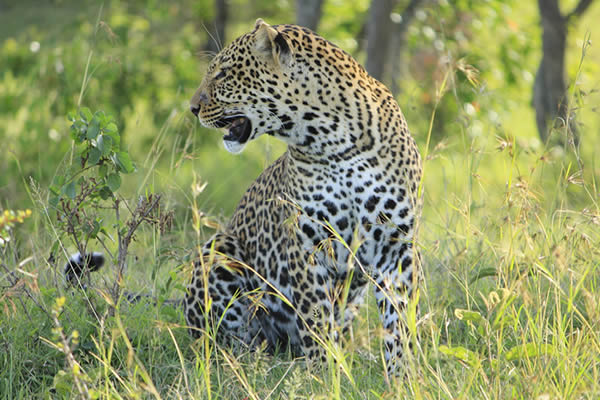
Leopards are among the most difficult animals to observe because of their secretive behaviour and excellent camouflage.
They are often associated with wooded habitats, where they can remain hidden among trees and vegetation.
Seeing a leopard in Akagera is a special wildlife encounter, although sightings cannot be guaranteed.
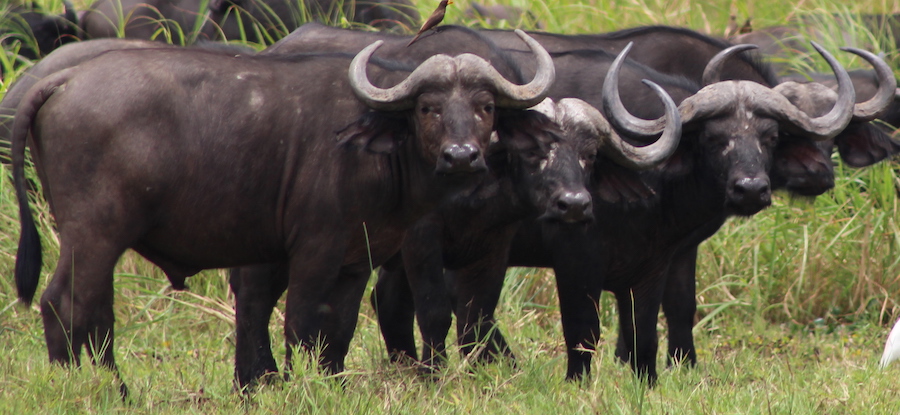
African Buffaloes
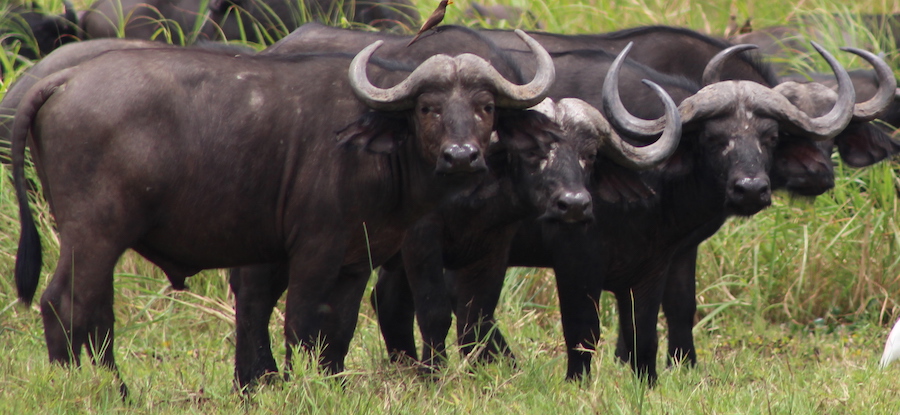
Buffaloes are frequently encountered in herds, particularly in grassland and woodland habitats.
Their powerful bodies, impressive horns and social behaviour make them fascinating animals to observe.
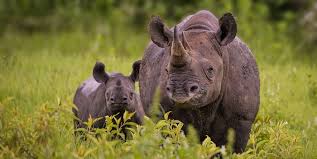
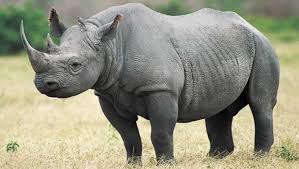
Rhinoceroses
Both eastern black and southern white rhinoceroses contribute to Akagera's restored Big Five ecosystem.
Their presence represents one of the park's most important conservation achievements.
Visitors should always follow their guide's instructions and maintain a responsible distance when observing these protected animals.
Other Mammals That Make Akagera Special
Beyond the Big Five, the park offers opportunities to encounter many other fascinating species.
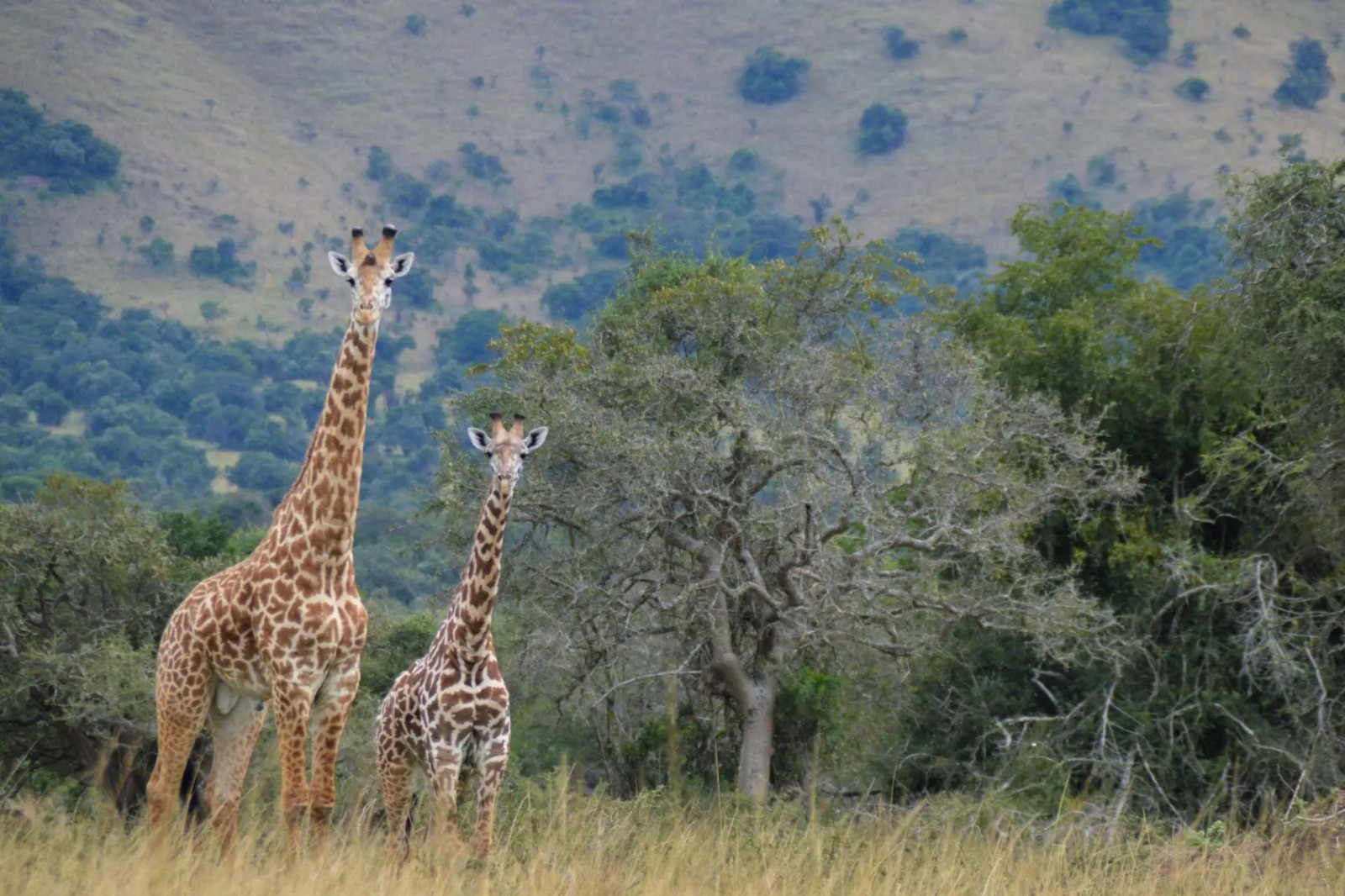
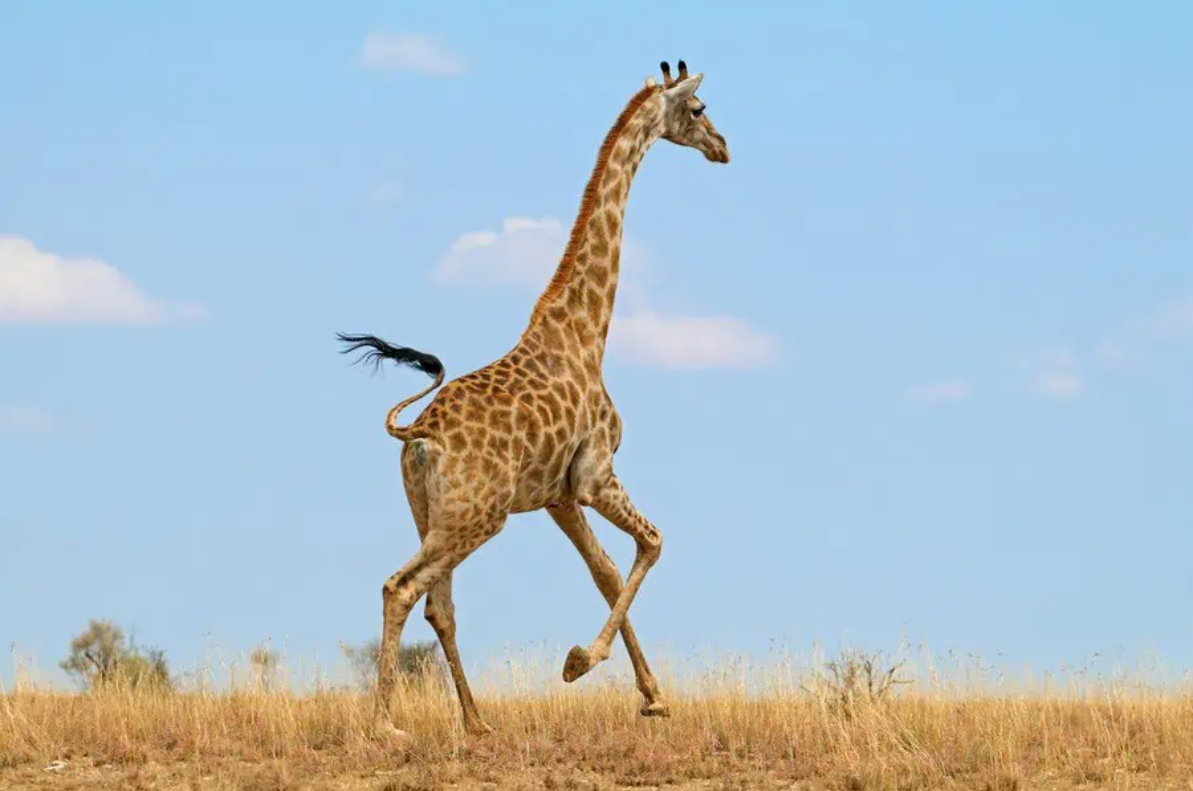
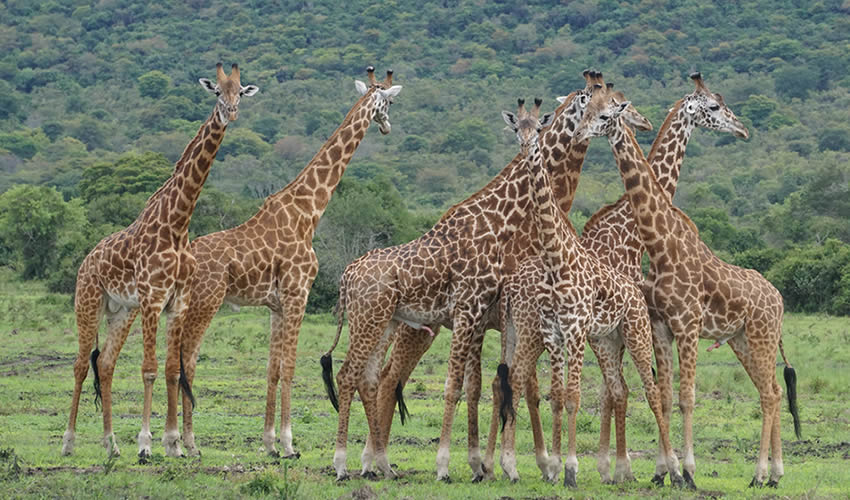
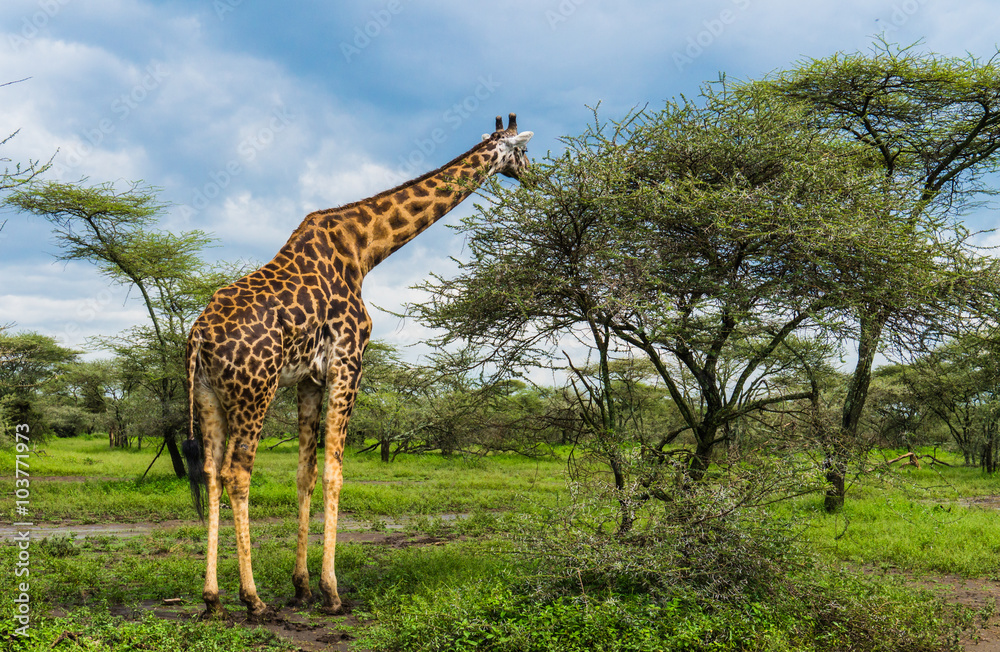
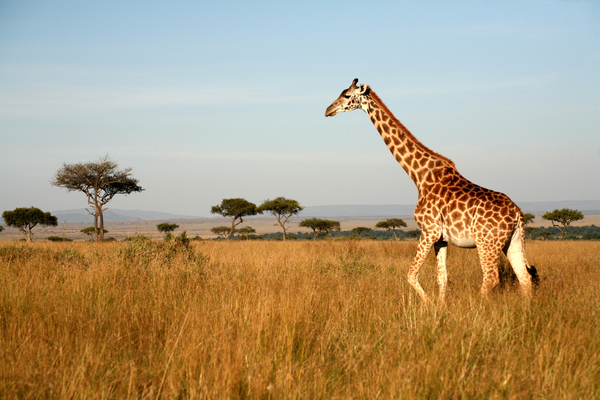
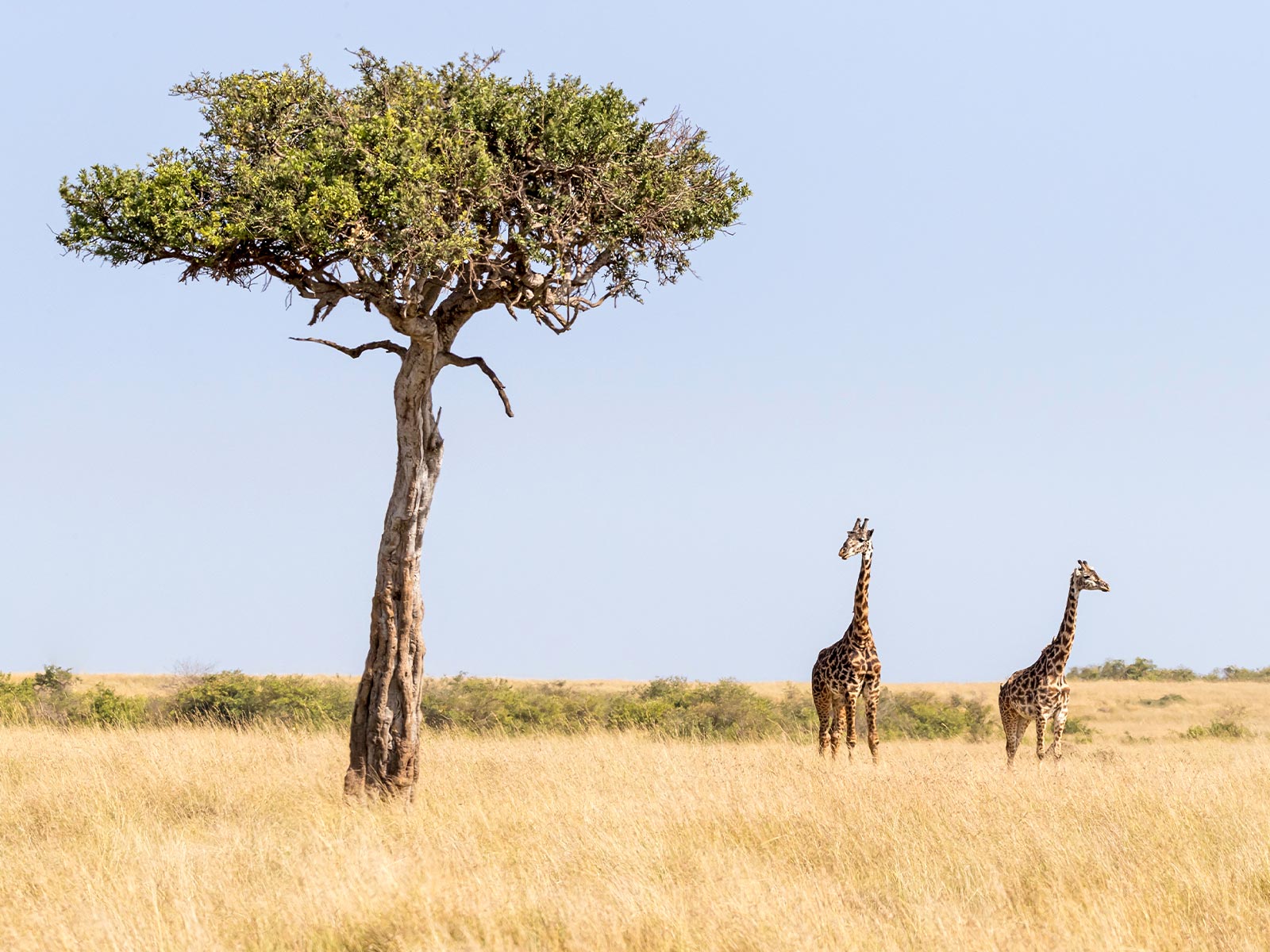
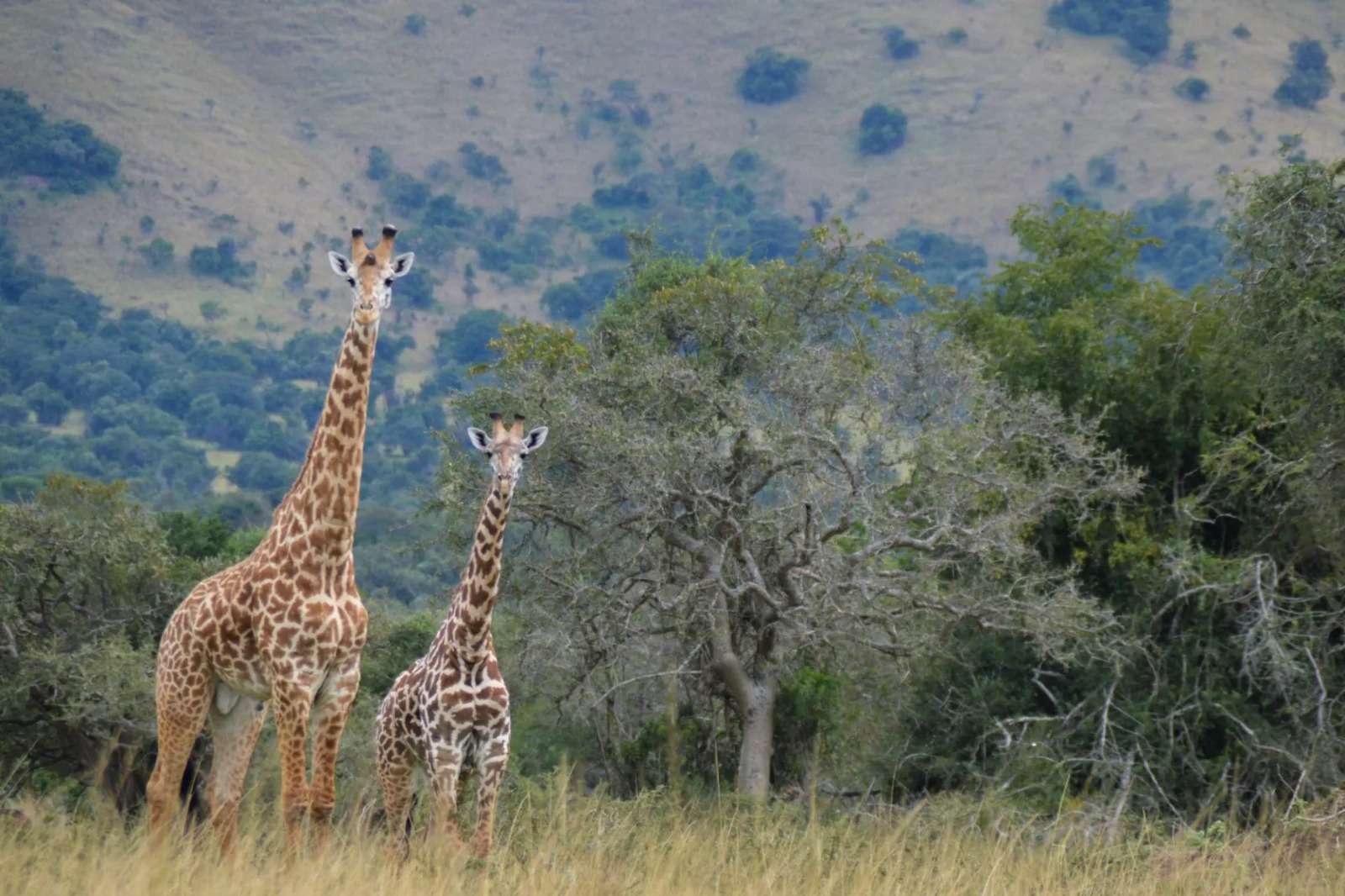
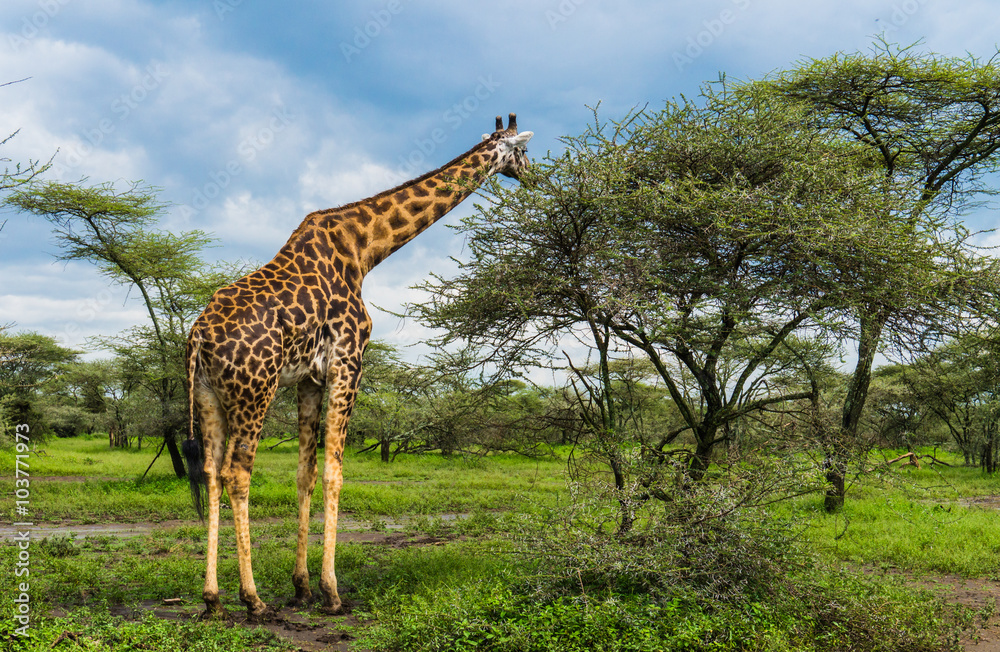
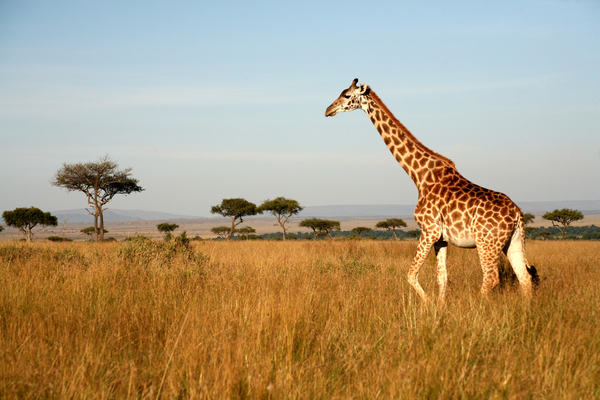
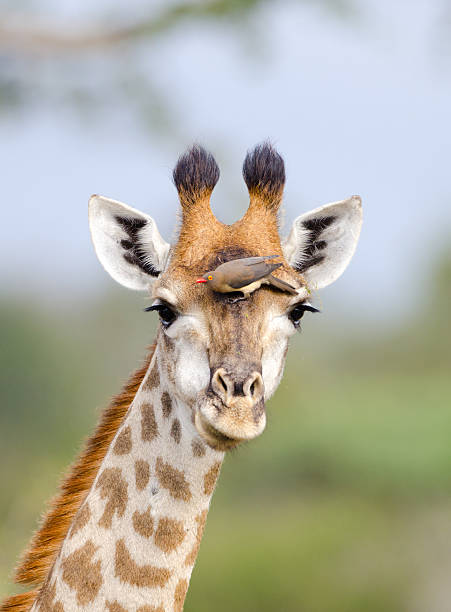
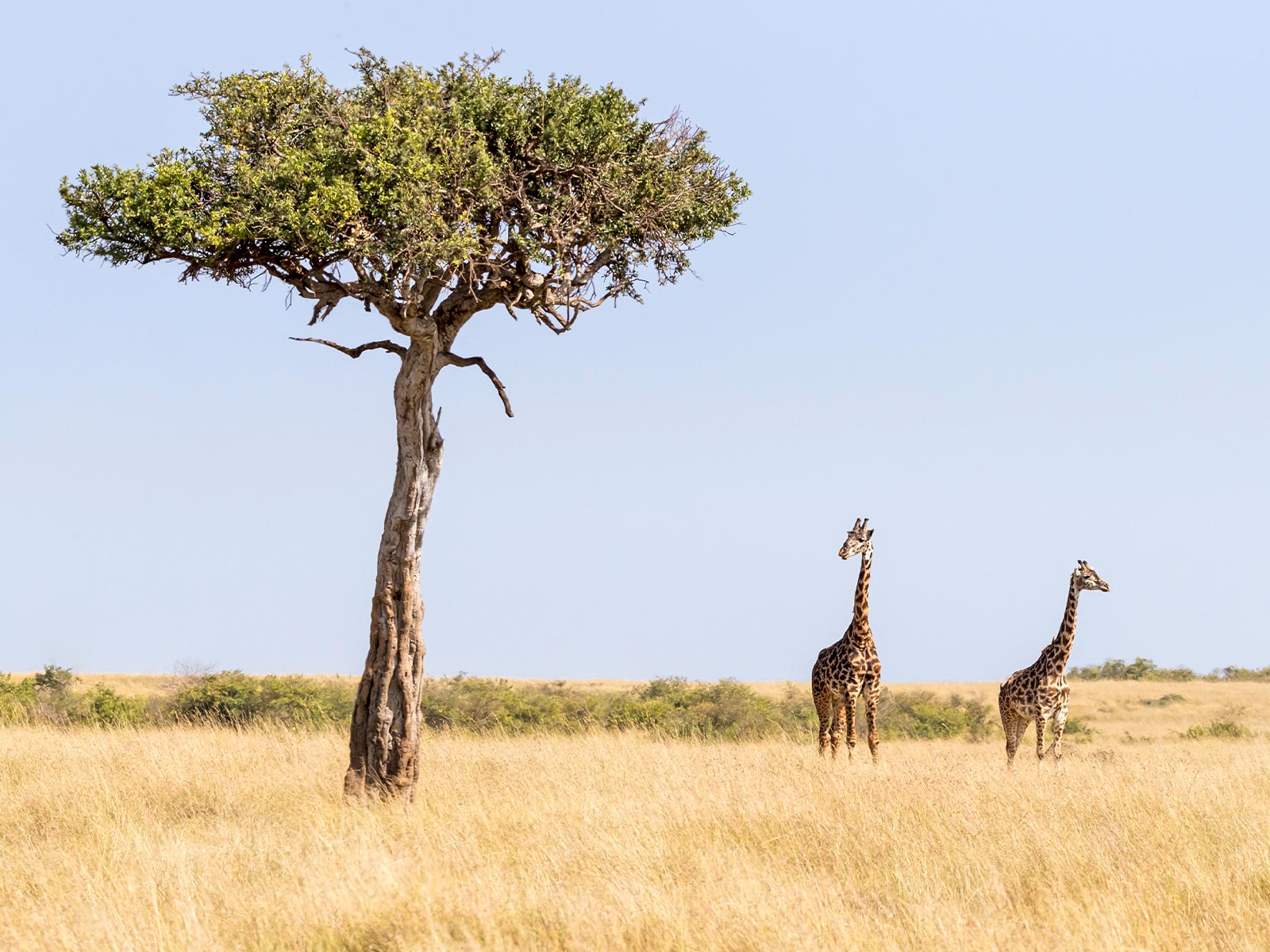
Masai Giraffes
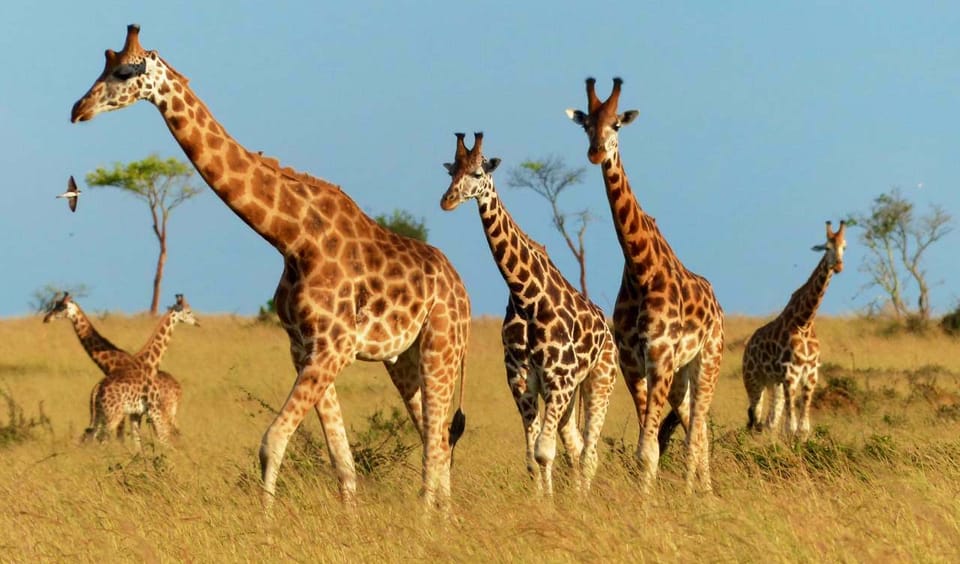
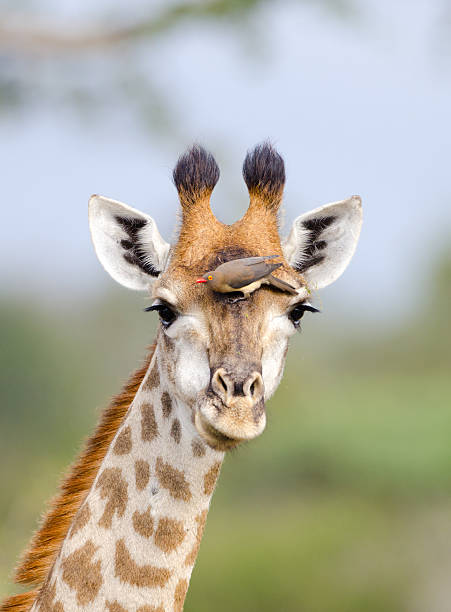
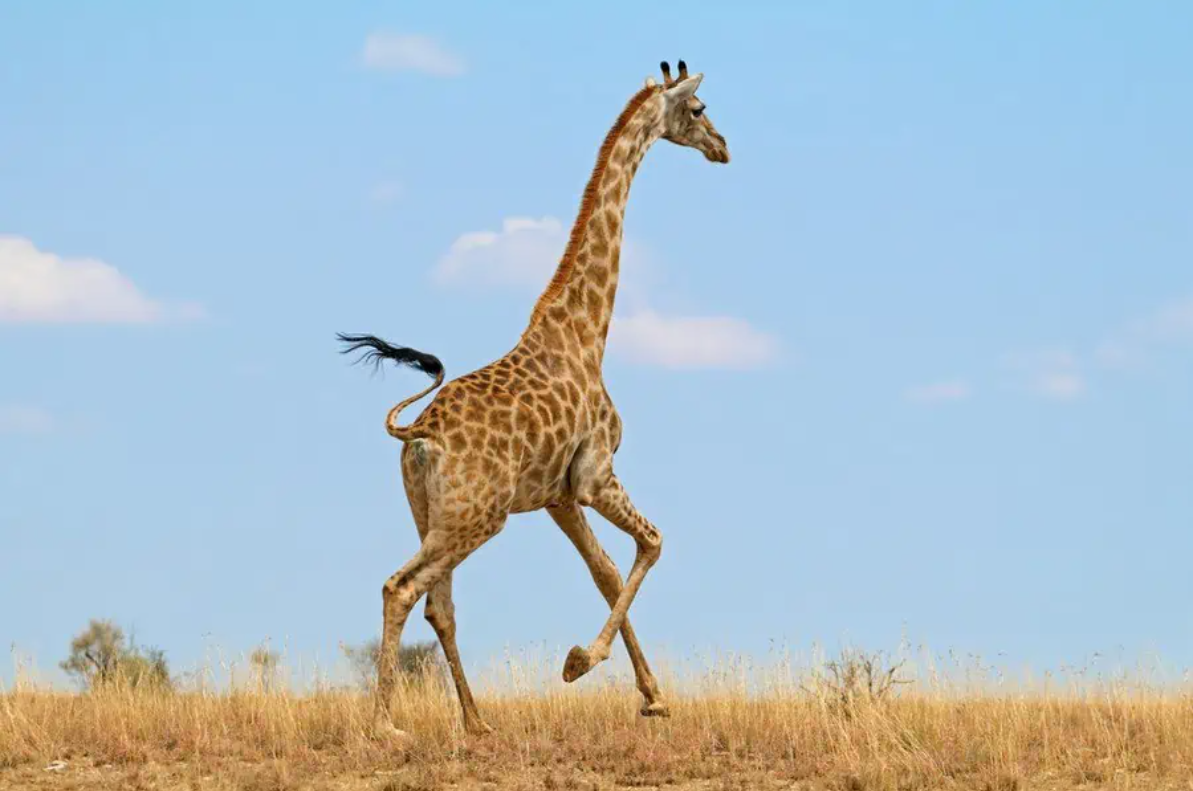
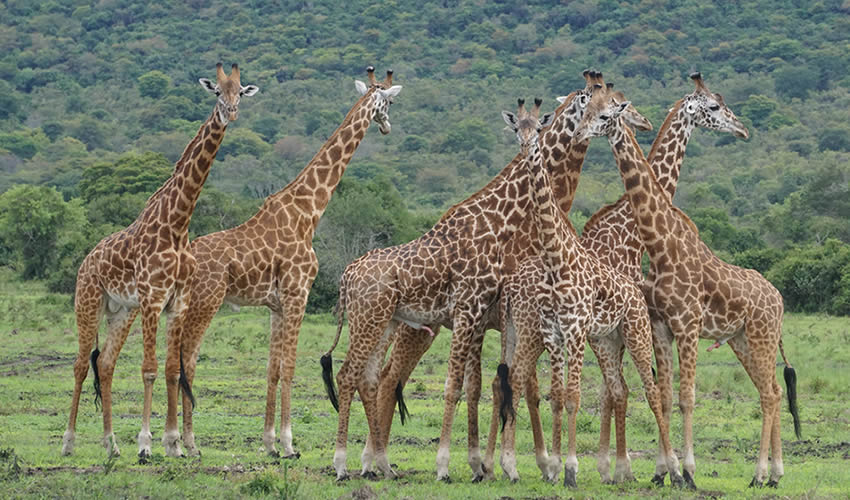
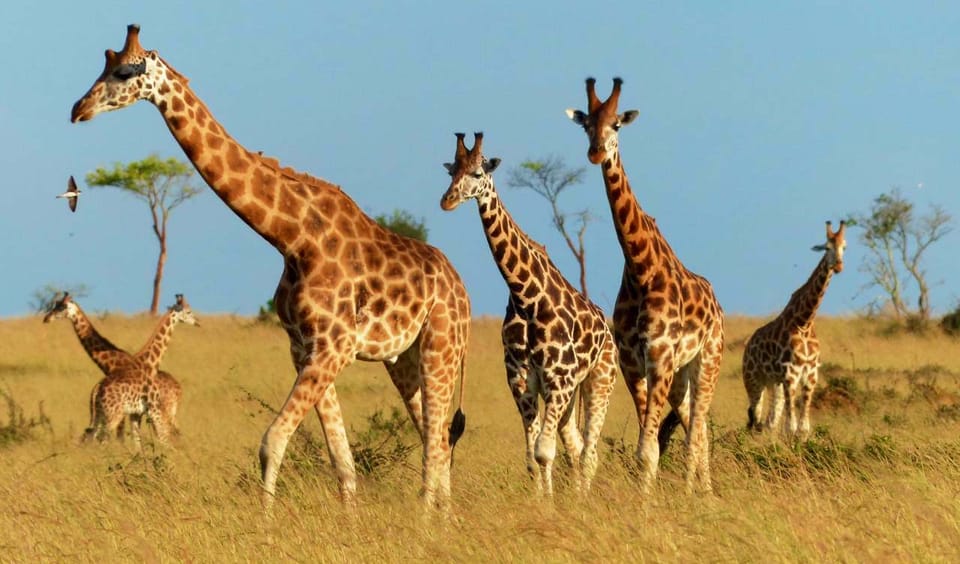
Their extraordinary height and distinctive patterns make giraffes some of the most photogenic animals in Akagera.
They can often be seen browsing on trees or moving gracefully across the savannah.
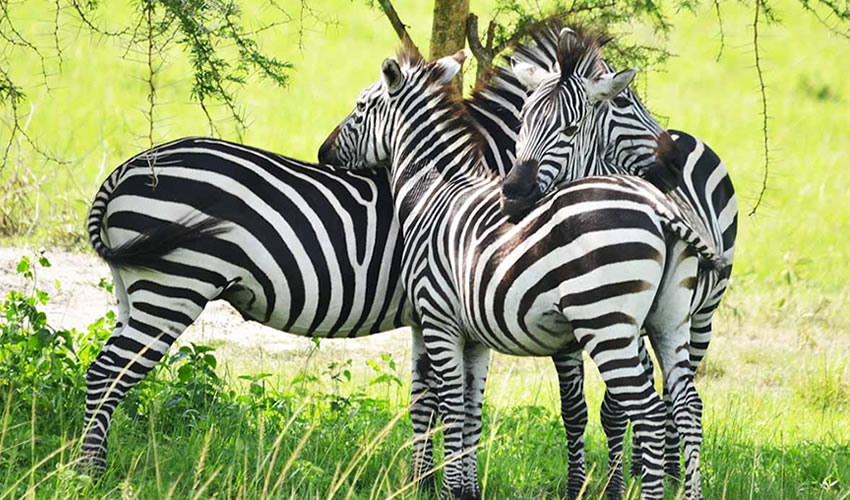
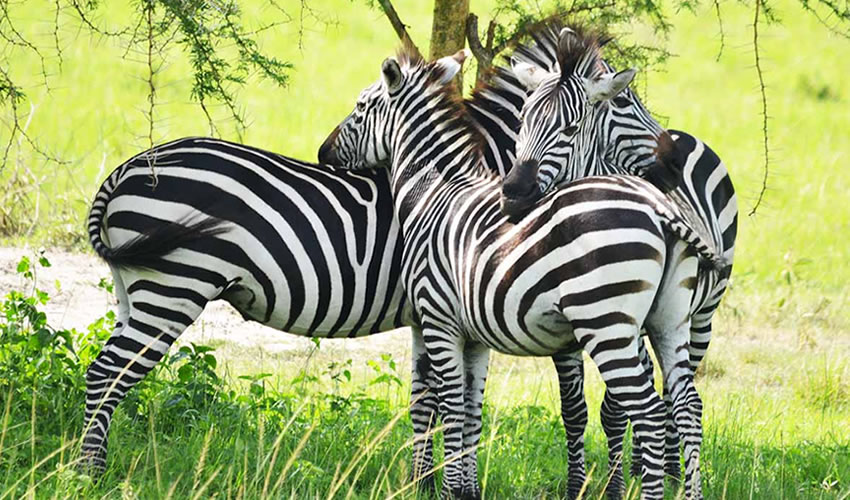
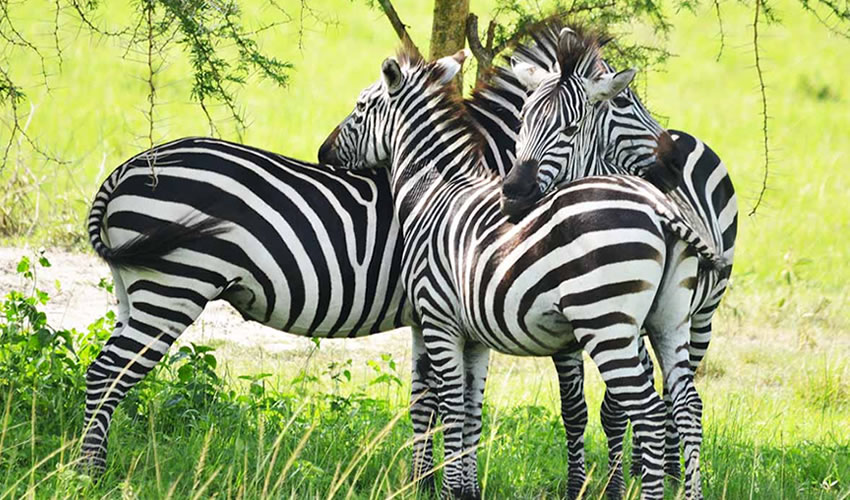
Plains Zebras
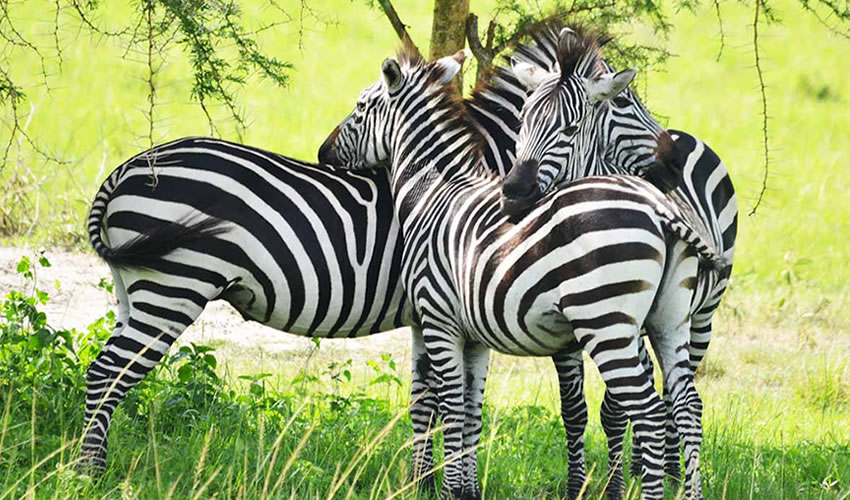
Zebras are among the most recognisable animals in the park. Their striking black-and-white patterns create beautiful photographic opportunities, especially when they gather in open grasslands.
Hippopotamuses
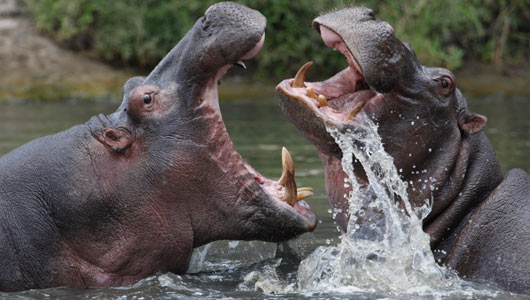
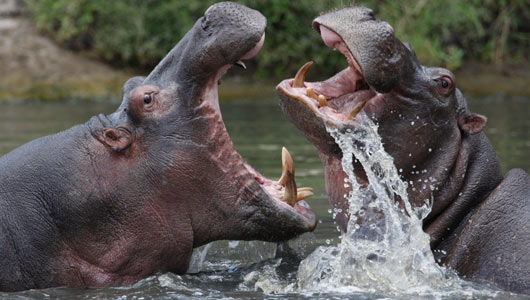
Hippos are closely associated with Akagera's lakes and waterways. They spend much of their time in water, often gathering in groups.
Visitors can observe them during boat excursions, where their behaviour can be appreciated from a different perspective.
Antelopes and Other Grazing Animals
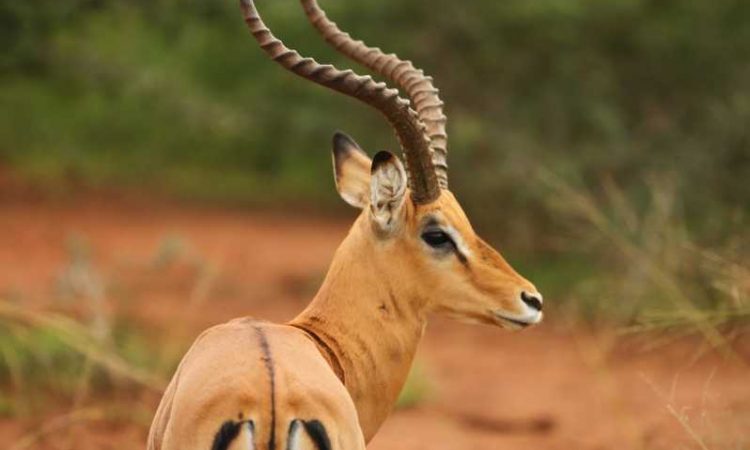
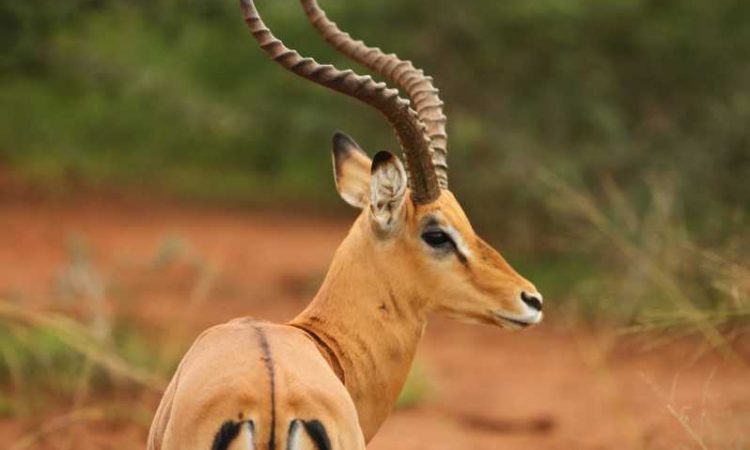
Akagera supports several antelope species, including:
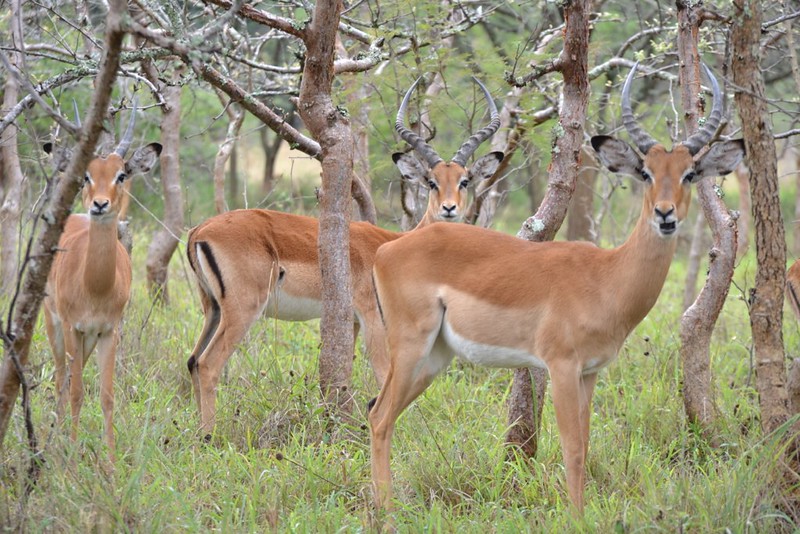
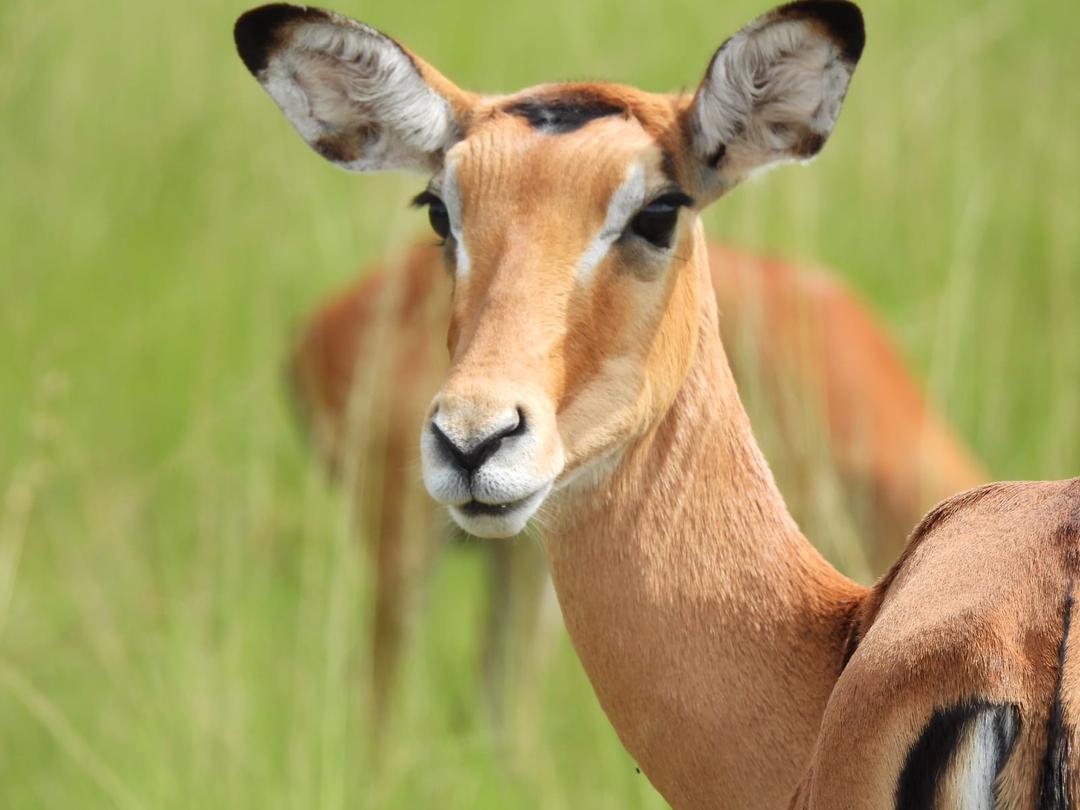
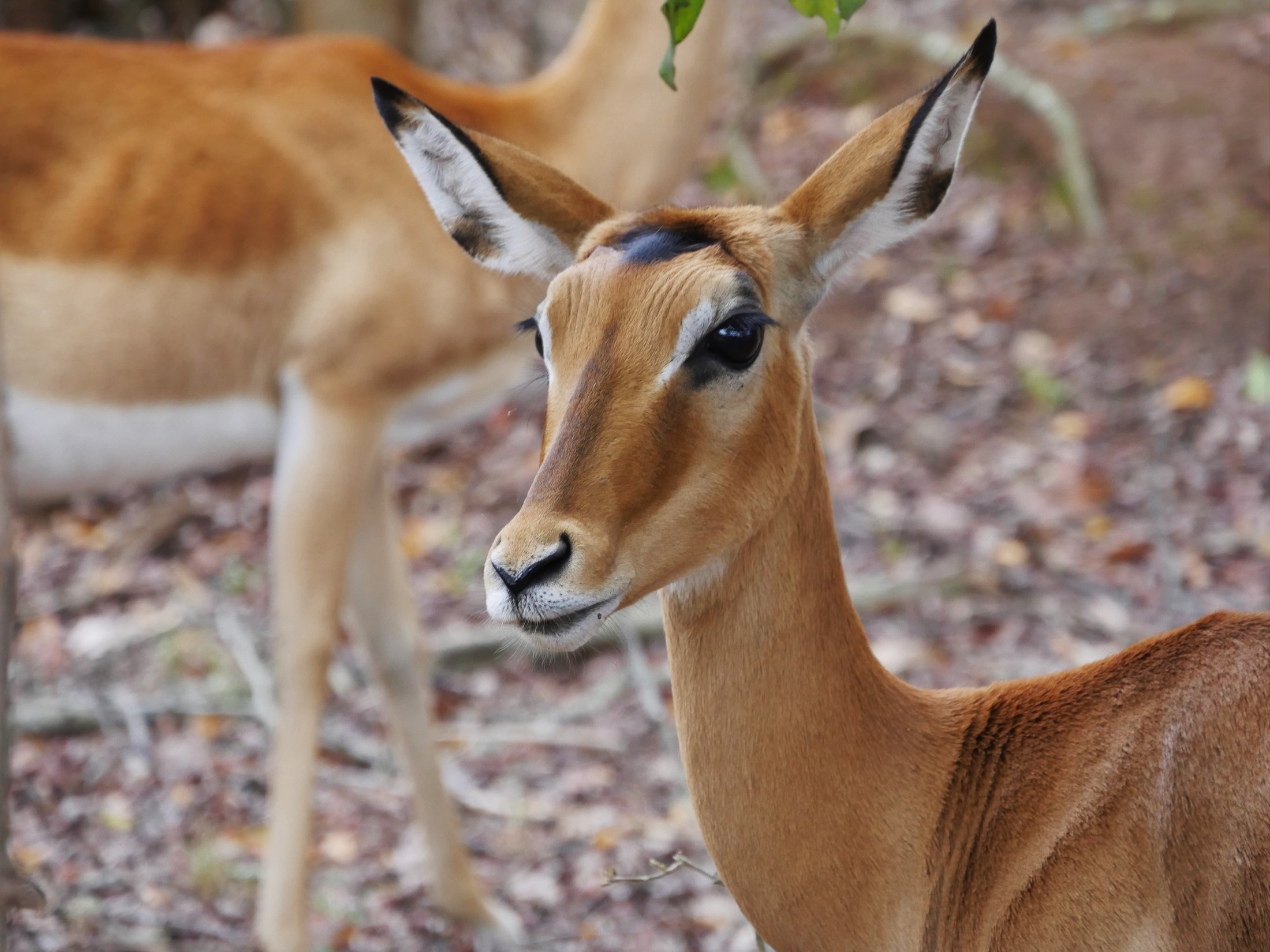
- Impalas.
- Topis.
- Waterbucks.
- Cape elands.
- Oribis.
- Bushbucks.
- Roan antelopes.
Spotted Hyenas
Hyenas are fascinating carnivores that contribute to the ecosystem through hunting and scavenging.
They may be encountered during game drives, although sightings depend on location and time.
Monkeys and Other Small Mammals
Olive baboons, vervet monkeys and other smaller mammals add further diversity to Akagera's wildlife.
Bush babies are also among the nocturnal animals that visitors may learn about during appropriate night-time experiences.
Aquatic Wildlife: A Different Side of Akagera
Akagera's lakes are important habitats for aquatic wildlife.
During a boat safari, visitors may observe:
Hippopotamuses
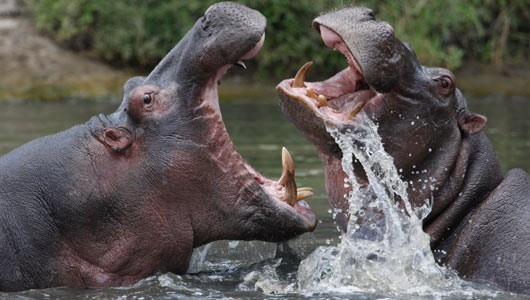
- Nile crocodiles.
- Waterbirds.
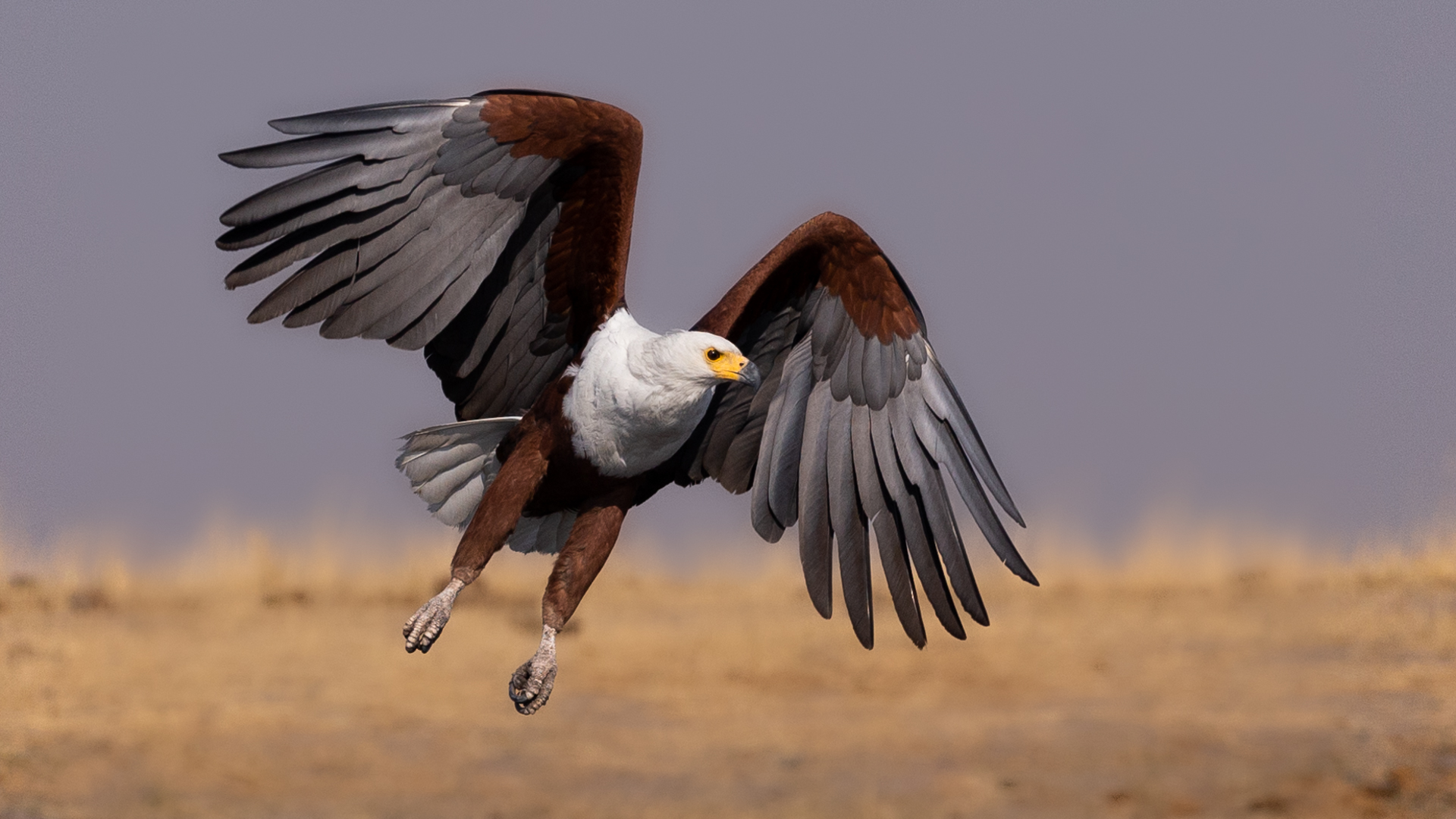
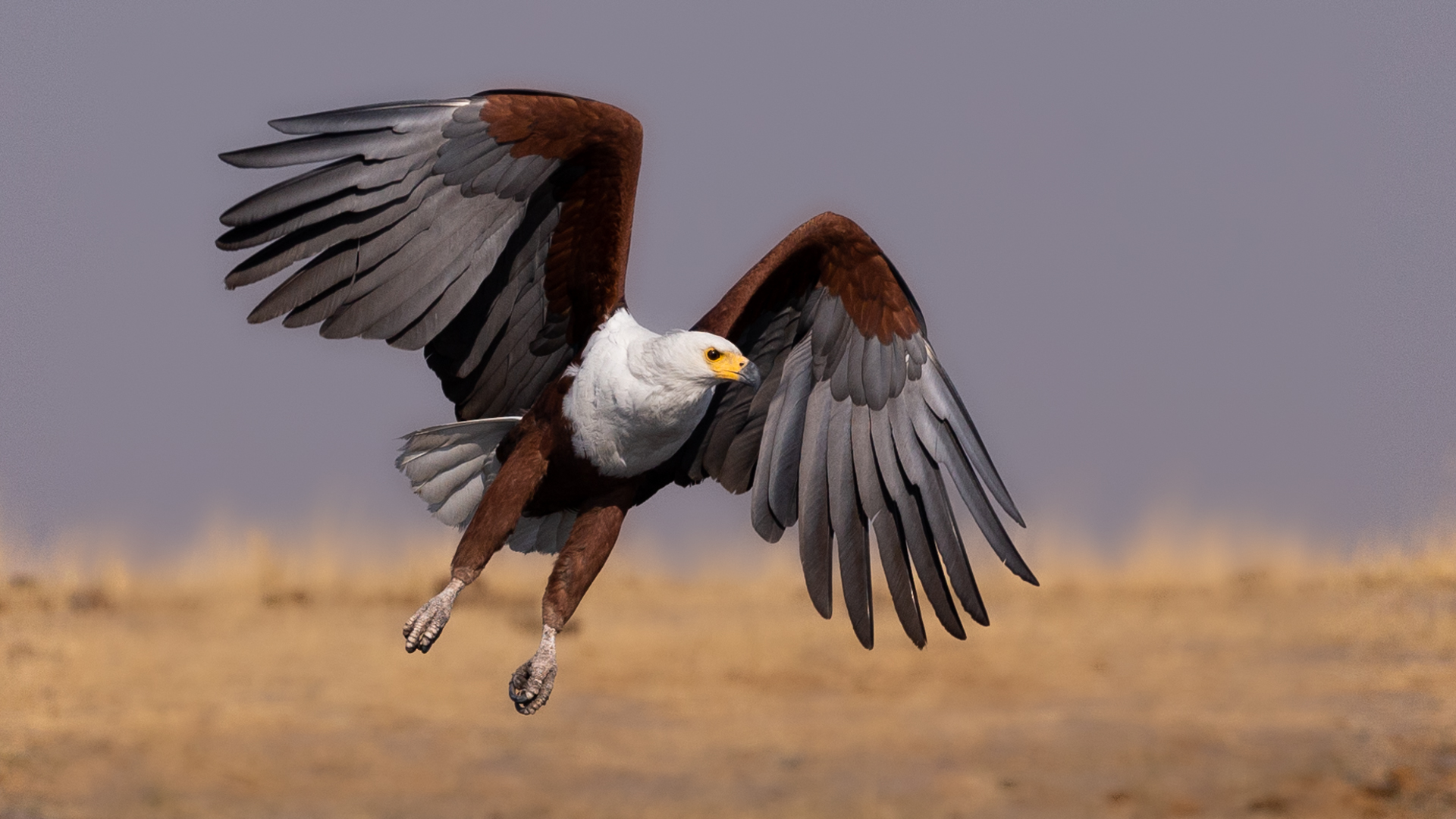
- Fish eagles.
- Kingfishers.
- Herons and egrets.
These encounters demonstrate why the park's lakes and wetlands are just as important as its savannah plains.
Birdwatching: A Paradise for Nature Lovers
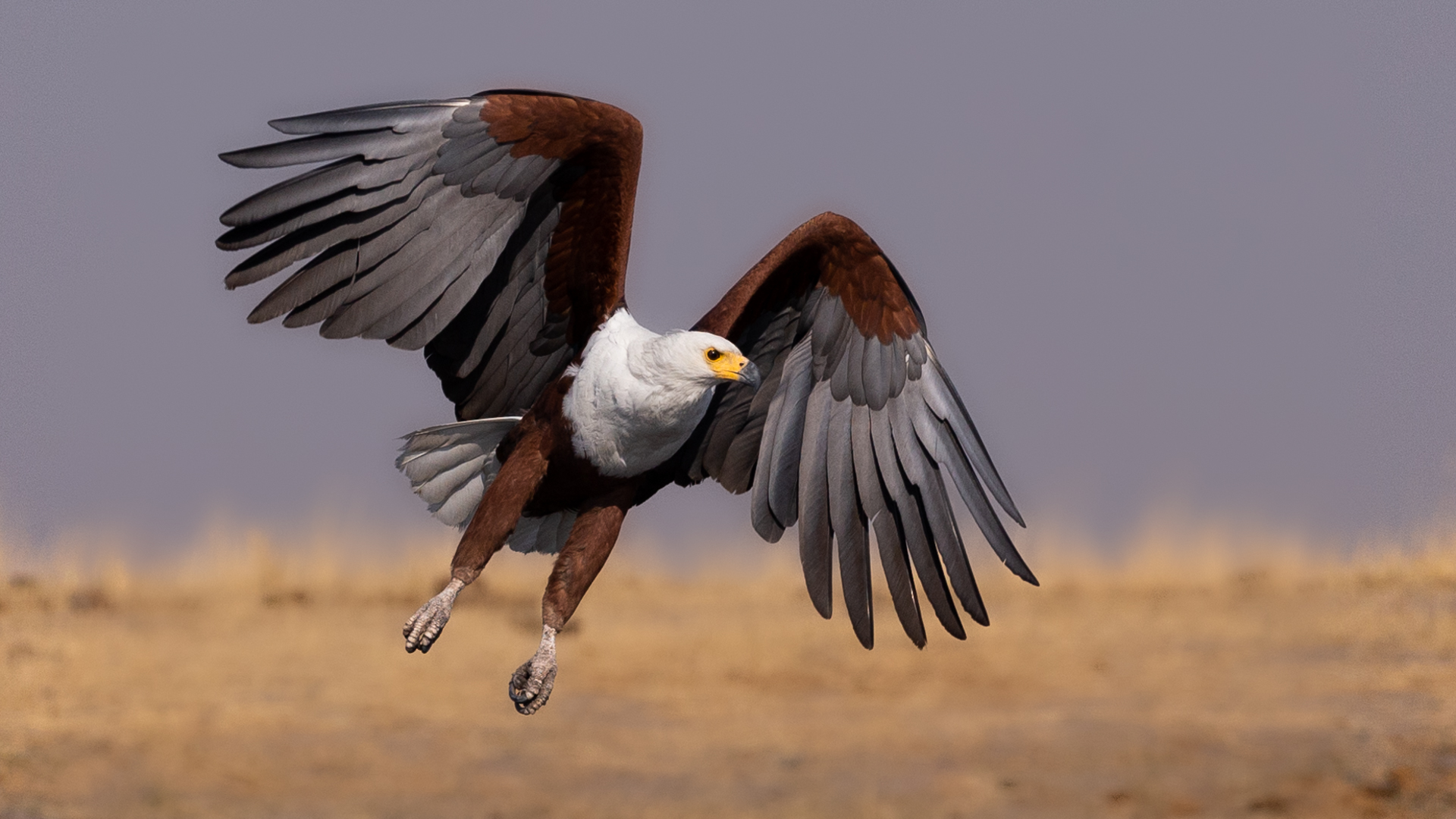
With nearly 500 documented bird species, Akagera is an outstanding destination for birdwatching.
The park's combination of wetlands, woodland, lakes and grassland creates habitats for an impressive range of resident and migratory birds.
Some notable species include:
- Shoebill stork.
- African fish eagle.
- Papyrus gonolek.
- Lilac-breasted roller.
- African jacana.
- Malachite kingfisher.
- Grey crowned crane.
- Herons and egrets.
For bird enthusiasts, the park offers an opportunity to explore an entirely different dimension of African wildlife.
The wetlands are particularly interesting because some species are closely associated with papyrus vegetation and aquatic habitats.
The shoebill, in particular, is a highly sought-after bird for wildlife photographers and birdwatchers.
What Makes Akagera Different from the Serengeti and Maasai Mara?
The Serengeti National Park in Tanzania and Maasai Mara National Reserve in Kenya are among Africa's most famous safari destinations.
Their international reputation is strongly associated with the Great Wildebeest Migration, when enormous herds of wildebeest, accompanied by zebras and other grazing animals, move across the Serengeti–Mara ecosystem in search of fresh grazing and water.
The dramatic river crossings are among the continent's most celebrated wildlife spectacles.
However, an Akagera National Park safari offers a different type of African adventure.
The aim should not be to claim that Akagera replaces the Serengeti or Maasai Mara. Rather, it is to recognise that each destination offers a distinctive wildlife experience.
Akagera: The Beauty of a Restored Savannah and Wetland Ecosystem
Akagera's greatest distinction is its combination of savannah and extensive protected wetlands.
Visitors can experience open grasslands, lakes, papyrus swamps and woodland within one national park.
Its conservation recovery story also gives the destination an additional dimension.
Travellers are not simply visiting a wildlife reserve; they are discovering a place where long-term conservation efforts have helped restore important species and habitats.
Serengeti: The Great Migration and Endless Plains
The Serengeti is internationally celebrated for its vast plains and the annual movement of millions of wildebeest and other grazing animals.
It is particularly attractive to travellers who want to experience the Great Migration, predator-prey interactions and large-scale wildlife movements.
Maasai Mara: Dramatic Wildlife Encounters and Migration
Kenya's Maasai Mara is famous for its impressive predator populations, open savannah and seasonal arrival of migratory herds.
The Mara River crossings are especially popular during the migration period, although their timing depends on natural conditions and cannot be guaranteed.
What Makes Akagera National Park Different from the Serengeti and Maasai Mara?
When discussing Africa's finest safari destinations, the Serengeti National Park in Tanzania and the Maasai Mara National Reserve in Kenya are among the first places that come to mind. Both destinations have earned international recognition for their extraordinary wildlife populations, extensive savannah landscapes and the spectacular Great Wildebeest Migration.
However, Africa's beauty cannot be measured by one wildlife experience alone. Every national park has its own ecological identity, conservation achievements and unforgettable attractions. Akagera National Park in Rwanda offers a distinctive safari experience that deserves equal attention when exploring Africa's remarkable natural destinations in 2026–2027.
Rather than competing directly with the Serengeti or Maasai Mara, Akagera presents a different side of African wildlife tourism, combining restored savannah ecosystems, beautiful wetlands, diverse wildlife and an inspiring conservation story.
Akagera National Park: A Unique Combination of Savannah, Wetlands and Conservation Success
What makes Akagera particularly special is its remarkable combination of landscapes within one protected ecosystem. Unlike destinations primarily recognised for extensive open plains, Akagera offers visitors a fascinating mixture of rolling savannah grasslands, acacia woodlands, papyrus swamps, freshwater lakes and river systems.
This diversity creates habitats for an impressive variety of wildlife, including elephants, lions, leopards, rhinoceroses, buffaloes, giraffes, zebras, antelopes, hippos and crocodiles.
One of Akagera's most extraordinary attractions is its aquatic environment. Lakes such as Ihema, Shakani and Rwanyakazinga provide opportunities to experience wildlife from a different perspective through boat excursions, birdwatching and other nature-based activities.
Beyond its natural beauty, Akagera stands out because of its conservation history. The return of lions and rhinoceroses after years of absence demonstrates the impact of long-term wildlife protection, professional management and international conservation partnerships.
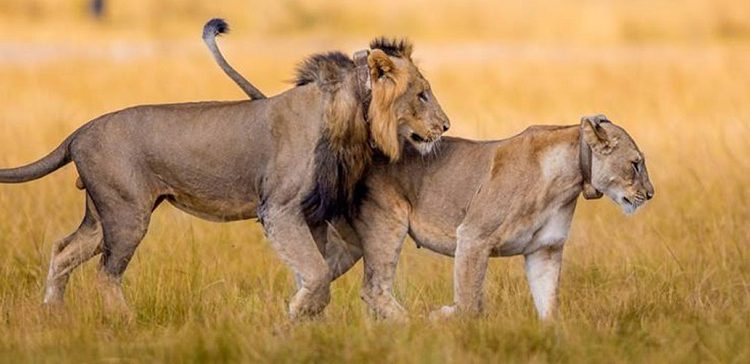
For travellers, visiting Akagera means discovering a destination where wildlife encounters are accompanied by a meaningful story of environmental recovery and resilience.
Serengeti National Park: The Home of the Great Wildebeest Migration
Located in northern Tanzania, Serengeti National Park is internationally celebrated for its vast open plains and extraordinary wildlife concentrations.
Its most famous attraction is the Great Wildebeest Migration, one of the world's most remarkable natural spectacles. Millions of wildebeest, accompanied by zebras and other grazing animals, move across the Serengeti ecosystem in search of fresh grazing and water.
The dramatic river crossings, particularly along the Grumeti and Mara rivers, attract visitors and wildlife photographers from around the world.
The Serengeti also provides excellent opportunities to observe lions, leopards, cheetahs, elephants, giraffes, buffaloes and numerous other wildlife species.
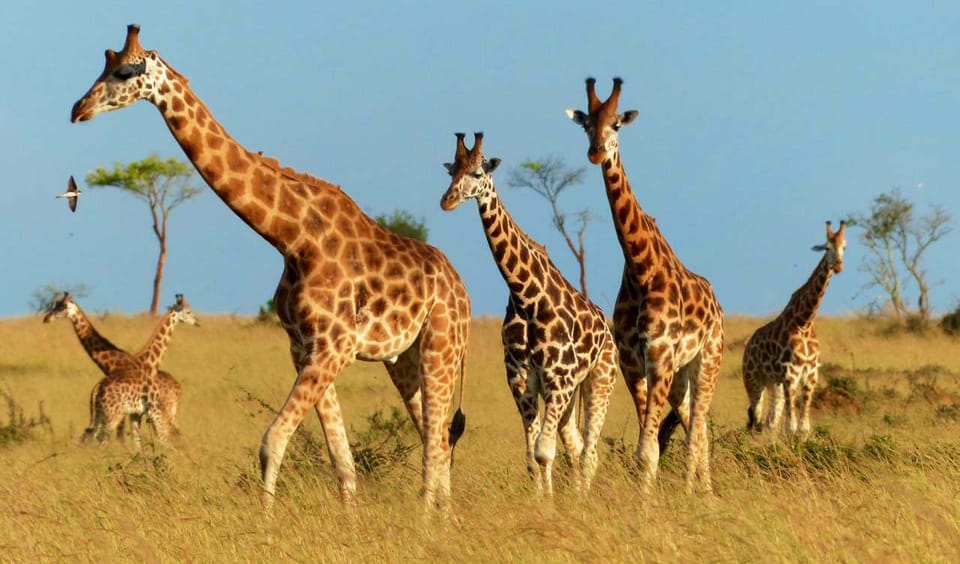
For travellers whose main interest is experiencing the Great Migration and the vastness of Africa's iconic savannah plains, the Serengeti remains an exceptional destination.
Nevertheless, Akagera offers a different experience through its distinctive wetland ecosystem, accessible safari opportunities and remarkable conservation recovery.
Maasai Mara National Reserve: Dramatic Wildlife Encounters in Kenya
Kenya's Maasai Mara is another world-renowned safari destination, particularly famous for its impressive predator populations and its connection to the Great Wildebeest Migration.
During the migration season, large herds of wildebeest and zebras move into the reserve from Tanzania's Serengeti ecosystem. The Mara River crossings create dramatic wildlife encounters that are among the most photographed safari experiences in Africa.
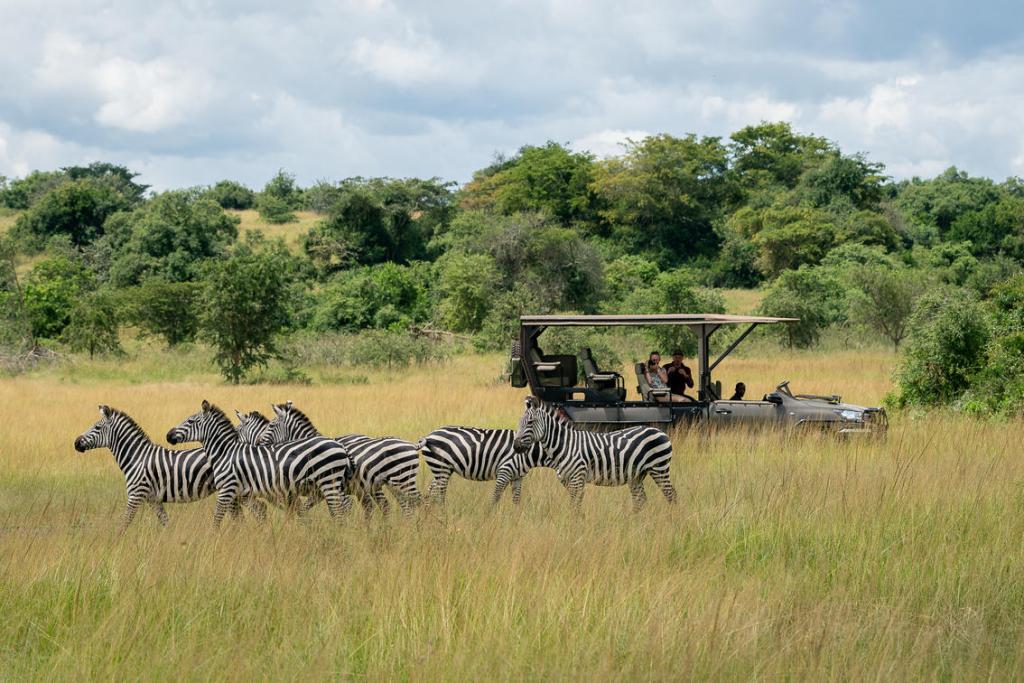
Apart from migration, the Maasai Mara offers remarkable opportunities to observe lions, cheetahs, leopards, elephants, buffaloes, giraffes, hyenas and several antelope species.
Its open grasslands and rolling landscapes provide excellent conditions for traditional game drives and wildlife photography.
The destination also offers opportunities to learn about Maasai culture and the relationship between local communities, wildlife and traditional pastoral livelihoods.
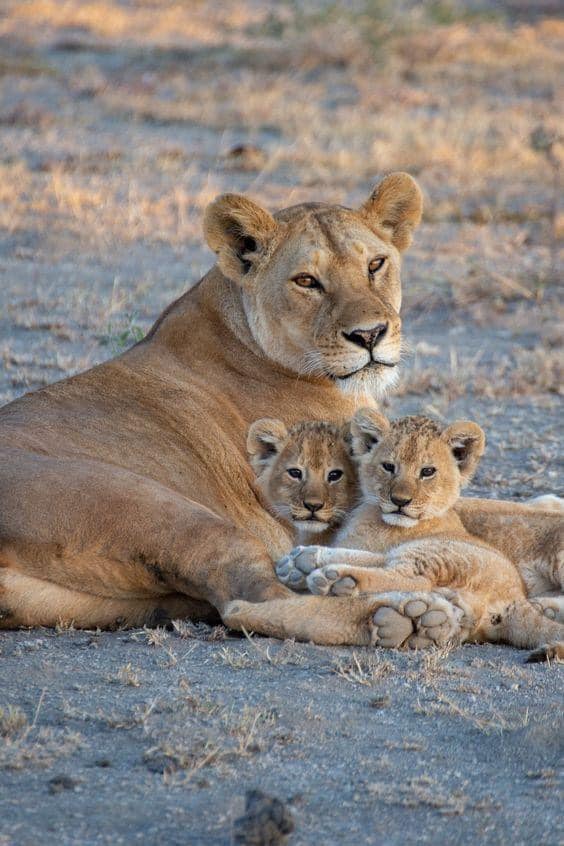
While the Maasai Mara is particularly associated with migration and predator sightings, Akagera distinguishes itself through its combination of savannah, wetlands, boat safaris, conservation education and community-based experiences.
Why Akagera Deserves Recognition Among Africa's Best Safari Destinations
Akagera's importance should not be judged only by comparing the number of animals it holds with larger and more internationally famous reserves.
Visitors can begin their day searching for elephants, lions, giraffes and buffaloes across the grasslands, then enjoy a boat excursion on Lake Ihema to observe hippos, crocodiles and aquatic birds. They can also discover the park's wetlands, enjoy birdwatching, learn about conservation operations and participate in selected cultural experiences with neighbouring communities.
Another significant advantage is its accessibility from Kigali. Travellers can experience an exciting one-day Akagera National Park safari or choose a longer stay to explore more of the park.
Furthermore, the park's successful wildlife restoration gives visitors an opportunity to understand how conservation partnerships, improved management and community participation can transform a protected area over time.
Akagera's uniqueness is therefore not about having the Great Migration. It is about offering a different and equally meaningful African safari experience, where remarkable wildlife, diverse landscapes, responsible tourism and conservation success come together.
For travellers planning an African adventure in 2026–2027, Akagera deserves to be considered alongside the continent's most celebrated wildlife destinations.
Why Choose Akagera in 2026–2027?
Akagera offers several important advantages:
- It is Rwanda's only savannah national park and the country's Big Five destination.
- It combines wildlife viewing with lake and wetland experiences.
- Its conservation history gives visitors a meaningful connection to African wildlife protection.
- It is accessible from Kigali, making it suitable for short safari holidays.
- It offers a variety of accommodation, from comfortable lodges to exclusive tented camps.
- It can easily be combined with Rwanda's gorilla trekking, chimpanzee trekking and cultural tourism experiences.
For travellers seeking a different perspective on Africa, Akagera provides an excellent opportunity to explore the continent beyond the famous migration destinations.
Game Drive Strategy: How to Make the Most of Your Akagera National Park Safari
A successful safari is not simply about driving through the park. It requires good timing, route planning, wildlife knowledge and patience.
Akagera has different habitats and wildlife concentrations, so understanding how to approach game drives can make a significant difference to the experience.
Begin Early in the Morning
Early morning is one of the most rewarding periods for wildlife viewing.
As temperatures remain relatively cool, many animals are active, moving between feeding areas and water sources.
An early departure also provides excellent opportunities for photography, especially when the morning light illuminates the savannah.
Travellers staying inside the park should consider arranging an early guided game drive.
Day visitors from Kigali should plan their departure well before sunrise.
Understand the Southern and Northern Sections
Akagera offers different experiences depending on the area being explored.
Southern Akagera
The southern section is convenient for day visitors arriving from Kigali through the southern entrance.
It provides access to beautiful lakes, woodland, grassland and important wildlife habitats.
Lake Ihema is also an important attraction in this area.
Northern Akagera
The northern plains offer extensive savannah landscapes and opportunities to explore different wildlife habitats.
This area is particularly attractive to travellers planning longer safaris and overnight stays inside the park.
The northern sector should not be treated as an easy addition to a short one-day safari from Kigali because of the extra driving distance.
Explore Different Habitats Instead of Following One Route
Wildlife is not distributed evenly throughout the park.
Some animals prefer open grasslands, while others spend more time in woodland or near water.
A knowledgeable guide can help visitors understand these differences and identify suitable areas to explore.
Rather than spending the entire day in one location, a well-planned game drive should allow time to experience different habitats.
Use an Experienced Safari Guide
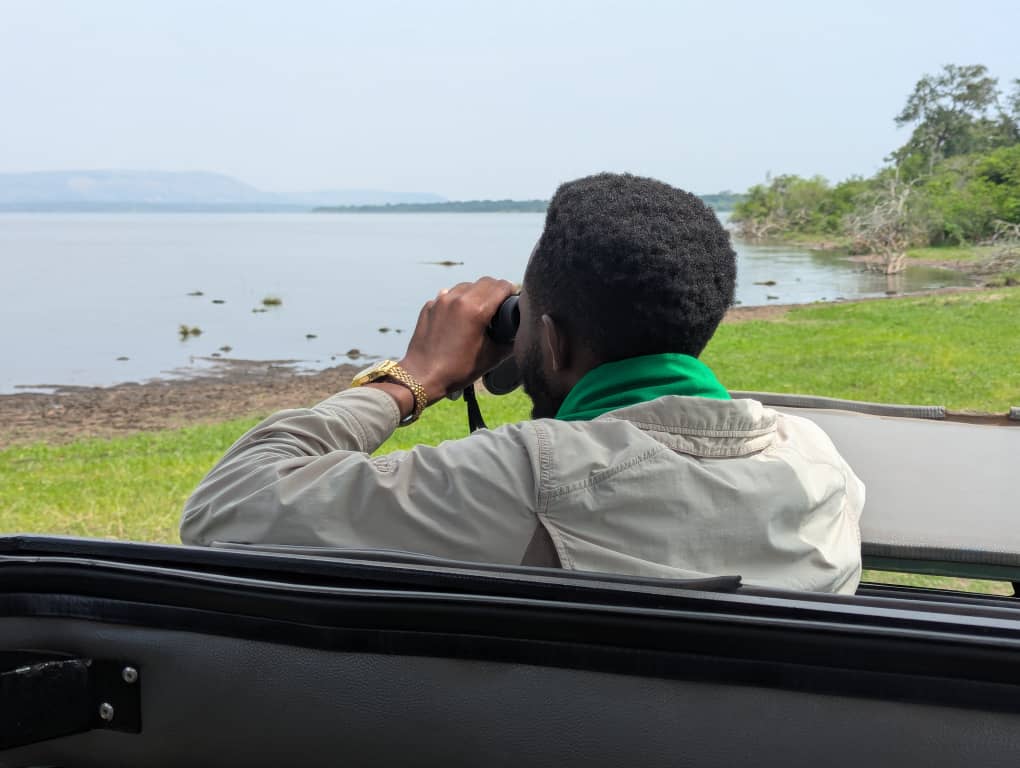
A professional guide contributes significantly to the quality of an Akagera National Park safari.
Guides help visitors:
- Identify animals and bird species.
- Understand animal behaviour.
- Interpret tracks and other signs of wildlife.
- Select appropriate routes.
- Respect wildlife viewing distances.
- Learn about the park's conservation work.
At Seek Wild Africa, we place particular importance on knowledgeable driver-guides who understand the destination and help visitors appreciate more than just the animals they encounter.
Be Patient and Respect Wildlife
Wildlife viewing is unpredictable.
A lion may be resting out of sight, an elephant herd may move into woodland, or a leopard may remain hidden throughout a game drive.
Responsible safari travellers understand that animals should never be chased, disturbed or forced into view.
The best safari experiences often come from patience, careful observation and respect for nature.
Beyond Game Drives: Extraordinary Activities to Enjoy in Akagera National Park
One of the reasons Akagera stands out among Rwanda's tourism destinations is the range of experiences available beyond traditional vehicle-based wildlife viewing.
Visitors can combine their game drives with water-based adventures, birdwatching, fishing, conservation learning and community experiences.
Boat Safari on Lake Ihema
A boat excursion on Lake Ihema is one of the most memorable activities in Akagera.
Instead of viewing wildlife from a safari vehicle, visitors explore the lake by boat, enjoying a different perspective of the surrounding ecosystem.
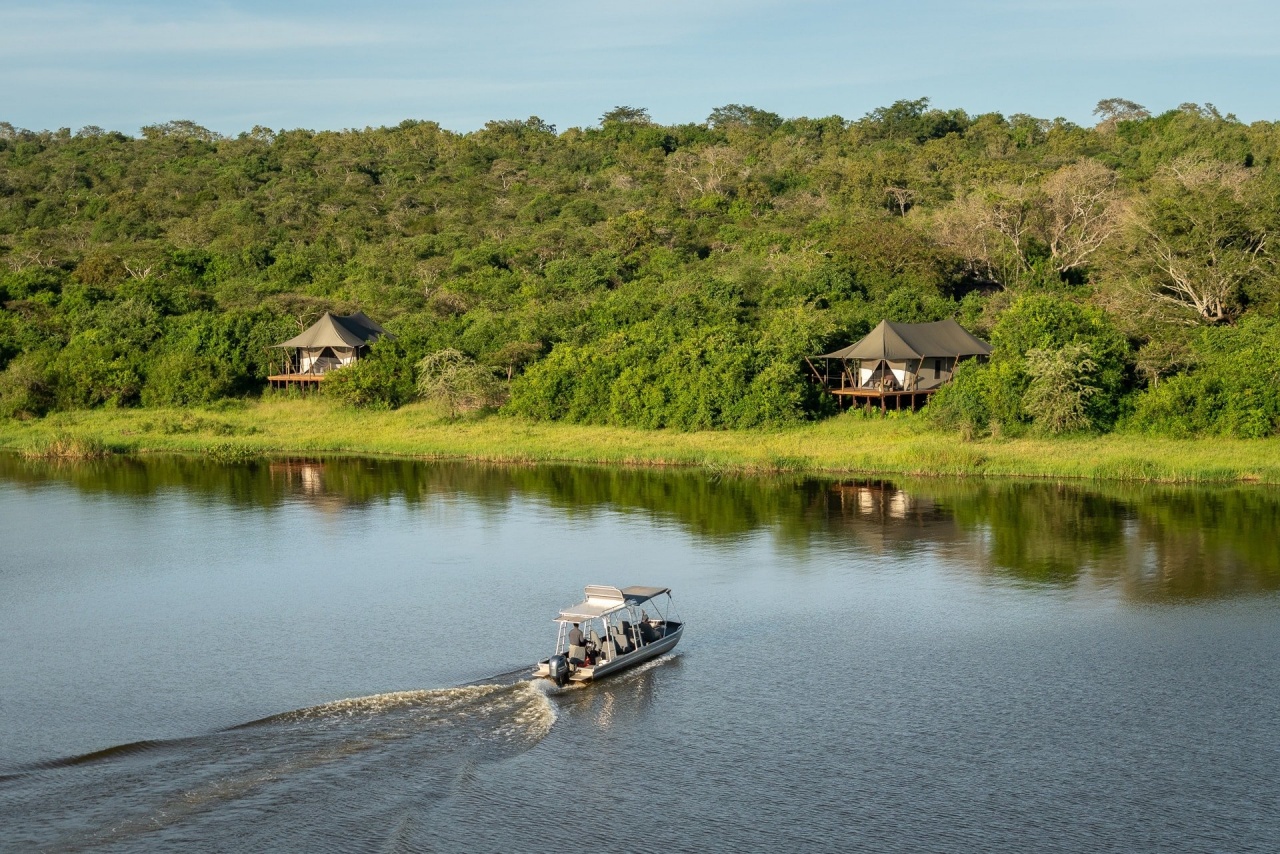
The experience provides opportunities to observe:
- Hippopotamuses resting in the water.
- Nile crocodiles along the shoreline.
- African fish eagles.
- Kingfishers.
- Herons and other aquatic birds.
- Beautiful wetland scenery.
The boat excursion is especially attractive to photographers and nature lovers.
Scheduled departures are generally available at 7:30 a.m., 9:00 a.m., 3:00 p.m. and 4:30 p.m., subject to confirmation with park management.
For visitors coming from Kigali, the 9:00 a.m. departure can be a practical option when carefully planned.
Sport Fishing at Lake Shakani
Lake Shakani provides another interesting experience for visitors who enjoy fishing.
Fishing is permitted in designated areas, giving travellers an opportunity to enjoy a quieter activity surrounded by natural scenery.
Visitors can spend time fishing while appreciating the peaceful atmosphere of the lake.
Fishing arrangements, applicable fees and any conditions should be confirmed with the park before travelling.
Night Game Drives
After sunset, the park becomes active with nocturnal wildlife.
Depending on conditions, visitors may encounter:
- Bush babies.
- Genets.
- Civets.
- Hyenas.
- Other nocturnal mammals.
The experience is particularly interesting because it reveals animal behaviour that is rarely observed during daytime game drives.
Night drives are subject to availability and park arrangements.
Behind-the-Scenes Conservation Experiences
Through its Behind-the-Scenes programme, visitors can learn about park management, conservation operations and the work undertaken by the people protecting the ecosystem.
This experience may include learning about:
- Anti-poaching operations.
- Wildlife monitoring.
- Habitat protection.
- Conservation management.
- Community involvement.
- The importance of protecting endangered species.
It offers a meaningful opportunity to understand why conservation is essential for the future of African wildlife.
Walk the Line: Discover the Human Side of Conservation
Another distinctive experience is Walk the Line.
This activity allows visitors to accompany a community guide and learn about the work of people responsible for monitoring the park's extensive boundary fence.
The experience follows a section of the fence outside the park and provides opportunities to appreciate the surrounding landscape, understand wildlife protection and learn about relationships between the park and neighbouring communities.
It demonstrates that conservation is not achieved by wildlife authorities alone. Local communities also play an important role.
Community Cultural Experiences
Akagera's tourism experience also extends into the surrounding communities.
Through Community Freelance Guides, visitors can participate in cultural activities that introduce them to local traditions and livelihoods.
Possible experiences include:
Traditional cattle and dairy experiences
Learn about the importance of cattle in Rwandan culture and discover traditional milk-related practices.
Banana beer production
Understand how locally produced banana beverages are prepared and their cultural significance.
Honey production
Visit a honey cooperative and learn how local communities produce and benefit from honey.
These experiences provide opportunities for visitors to connect with local people while supporting community-based tourism.
Hot-Air Balloon Safari
A sunrise flight provides an extraordinary opportunity to appreciate the park from above.
Visitors can enjoy panoramic views of the savannah, lakes and surrounding landscapes while observing wildlife from a different perspective.
The experience is subject to operating schedules, weather conditions and advance reservations.
Photography and Nature Observation
Akagera is an excellent destination for wildlife and landscape photography.
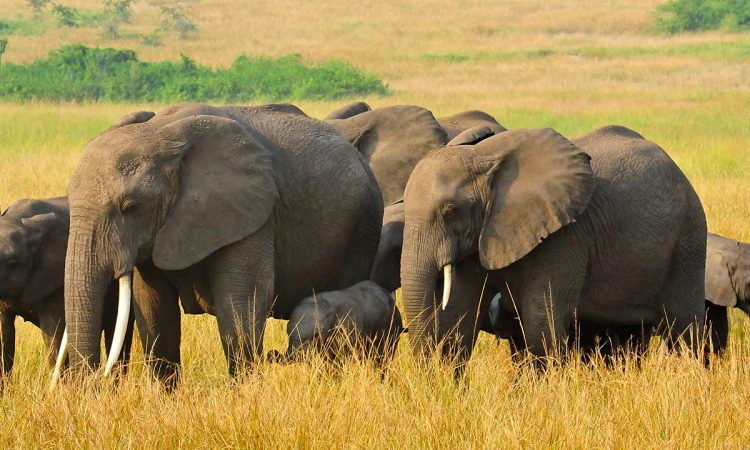
From elephants moving through woodland to hippos emerging from Lake Ihema, the park provides many opportunities to capture memorable images.
Bird photographers can also explore the wetlands in search of distinctive species such as the shoebill and papyrus gonolek.
The diversity of habitats ensures that photographers have more than one type of scenery to enjoy.
Best Time to Visit Akagera National Park in 2026–2027
Akagera can be visited throughout the year, but different seasons create different safari conditions.
Understanding the seasonal changes helps travellers choose the right time for their interests.
June to September: The Long Dry Season
The long dry season is generally one of the most favourable periods for traditional wildlife viewing.
Vegetation becomes less dense, and animals may concentrate around available water sources.
This can make certain wildlife sightings easier.
It is particularly suitable for:
- Big Five wildlife viewing.
- Game drives.
- Photography.
- Exploring savannah landscapes.
December to February: The Short Dry Season
This period can also provide rewarding safari conditions.
Travellers may enjoy relatively favourable weather, beautiful landscapes and opportunities for wildlife observation.
It is a good option for combining Akagera with other destinations in Rwanda.
March to May and October to November: Rainy Periods
During rainy periods, the park becomes greener and the vegetation more vibrant.
These months can be particularly attractive to birdwatchers and photographers who appreciate dramatic skies, lush landscapes and seasonal changes.
However, some roads may become more challenging, and visitors should allow for flexible travel arrangements.
Important: Wildlife sightings depend on natural conditions and animal movements. No season guarantees sightings of a particular animal.
One-Day Akagera National Park Safari from Kigali: A Beautiful Wildlife Adventure
One of Akagera's greatest advantages is its accessibility from Kigali.
Travellers staying in the capital can experience a rewarding savannah safari without necessarily spending several nights away.
A one-day Akagera National Park safari from Kigali is possible with careful planning, an early departure and a well-organised itinerary.
The southern section is particularly suitable for this experience because it offers access to wildlife-viewing areas and Lake Ihema.
One-Day Akagera Safari Itinerary from Kigali
Tour overview
- Destination: Akagera National Park.
- Starting point: Kigali.
- Duration: One full day.
- Transport: Private 4x4 safari vehicle.
- Recommended departure: Approximately 4:30 a.m.
- Main activities: Game drive, Lake Ihema boat safari and wildlife photography.
- Return: Kigali in the evening.
4:30 a.m. – Departure from Kigali
Your Akagera adventure begins early in the morning.
A professional Seek Wild Africa driver-guide collects you from your hotel, residence or another agreed location in Kigali.
After a short introduction to the day's programme, you travel east towards Akagera National Park.
The journey passes through Rwanda's beautiful countryside, where you can enjoy the changing scenery as the sun begins to rise.
An early departure is important because it allows enough time to explore the park before the gates close.
7:00 a.m. – Arrival at the Southern Entrance and Park Registration
Arrive at the southern entrance, commonly known as Giraffe Gate.
After completing entry formalities and confirming your activities, prepare to enter the park.
Your guide provides a briefing about the park, wildlife viewing expectations and conservation guidelines.
The excitement begins as the vehicle enters the savannah environment.
7:30 a.m. – Early Morning Game Drive
Begin exploring the southern section of Akagera.
During this first wildlife-viewing experience, keep your eyes open for elephants, giraffes, zebras, impalas, buffaloes and other animals.
The morning light provides beautiful photographic opportunities, while cooler temperatures can make wildlife observation particularly rewarding.
Your guide helps identify different species and explains their behaviour and habitats.
9:00 a.m. – Boat Safari on Lake Ihema
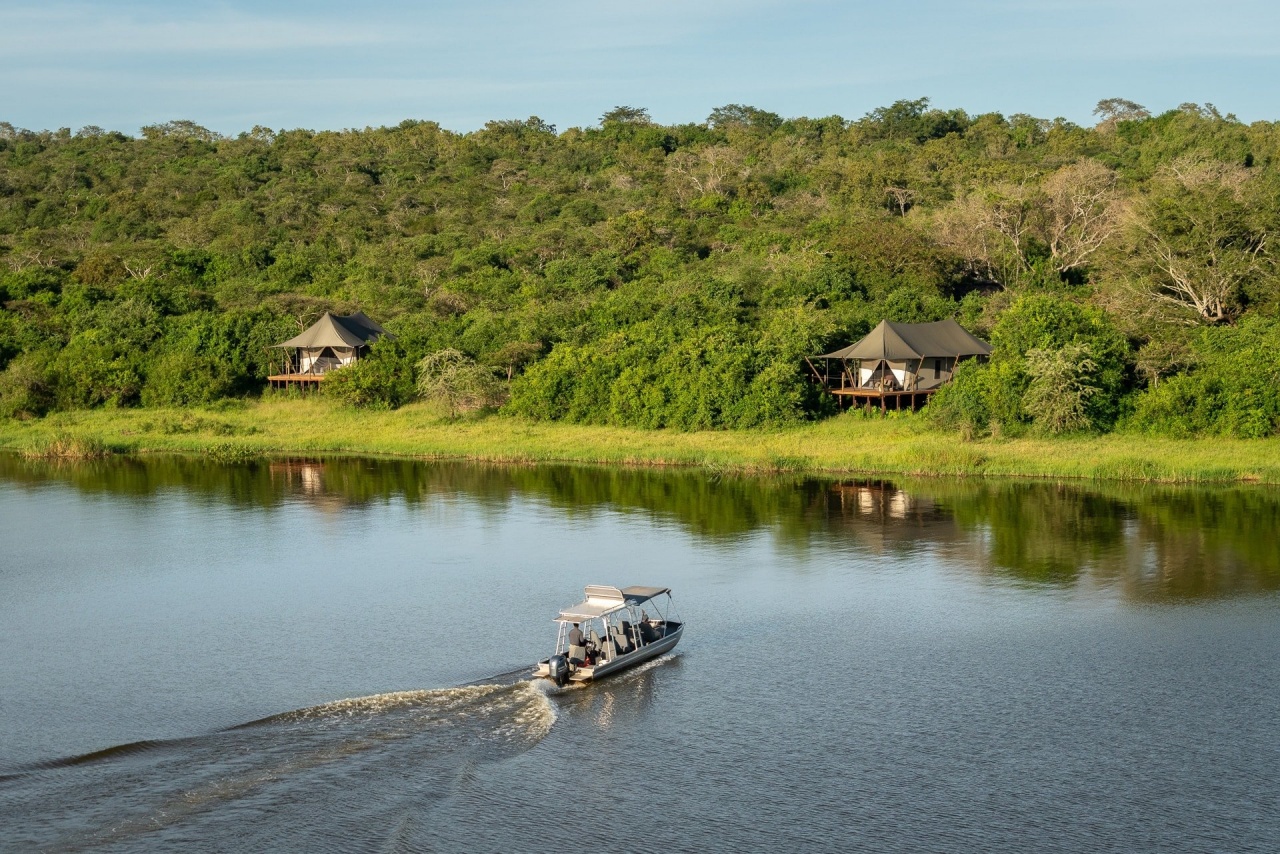
Continue to Lake Ihema for a scheduled boat excursion.
This is one of the highlights of the day.
From the boat, observe hippos, crocodiles and aquatic birds while enjoying the beautiful scenery surrounding Rwanda's important wetland ecosystem.
10:15 a.m. – Continue Exploring Akagera's Wildlife
After the boat excursion, return to the safari vehicle and continue exploring suitable wildlife-viewing routes in the southern and central sections.
Your guide adjusts the route according to wildlife activity, road conditions and the time available.
Look out for more grazing animals, elephants, buffaloes, antelopes and birds.
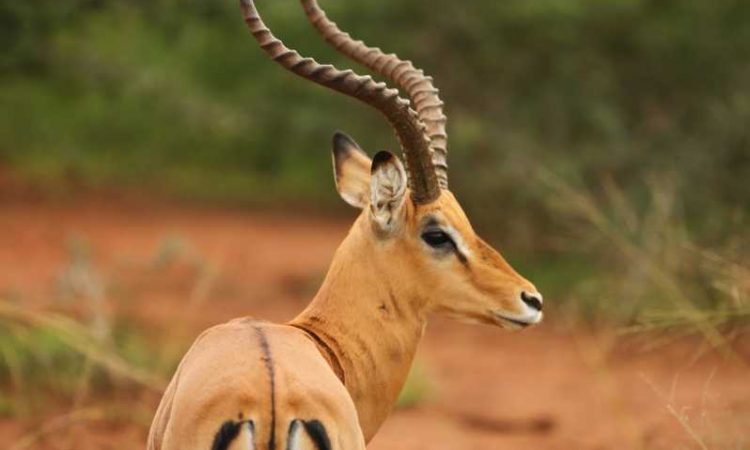
Every section of the journey offers a different perspective on Akagera's natural beauty.
12:30 p.m. – Lunch Break in the Park
Enjoy a relaxing lunch at an appropriate designated picnic area or a pre-arranged lodge facility.
Take time to rest, enjoy the natural surroundings and discuss the wildlife encounters experienced during the morning.
1:30 p.m. – Afternoon Game Drive and Photography
Continue with another wildlife-viewing session.
This is an opportunity to revisit promising habitats, photograph the scenery and observe animals that may not have appeared earlier in the day.
Depending on wildlife movements, visitors may encounter additional species and enjoy beautiful views of Akagera's lakes, hills and savannah.
4:00 p.m. – Begin Returning Towards the Southern Gate
After an exciting day, start moving towards the park exit.
Your guide ensures that the vehicle returns in accordance with park operating hours.
5:00–5:30 p.m. – Exit Akagera National Park
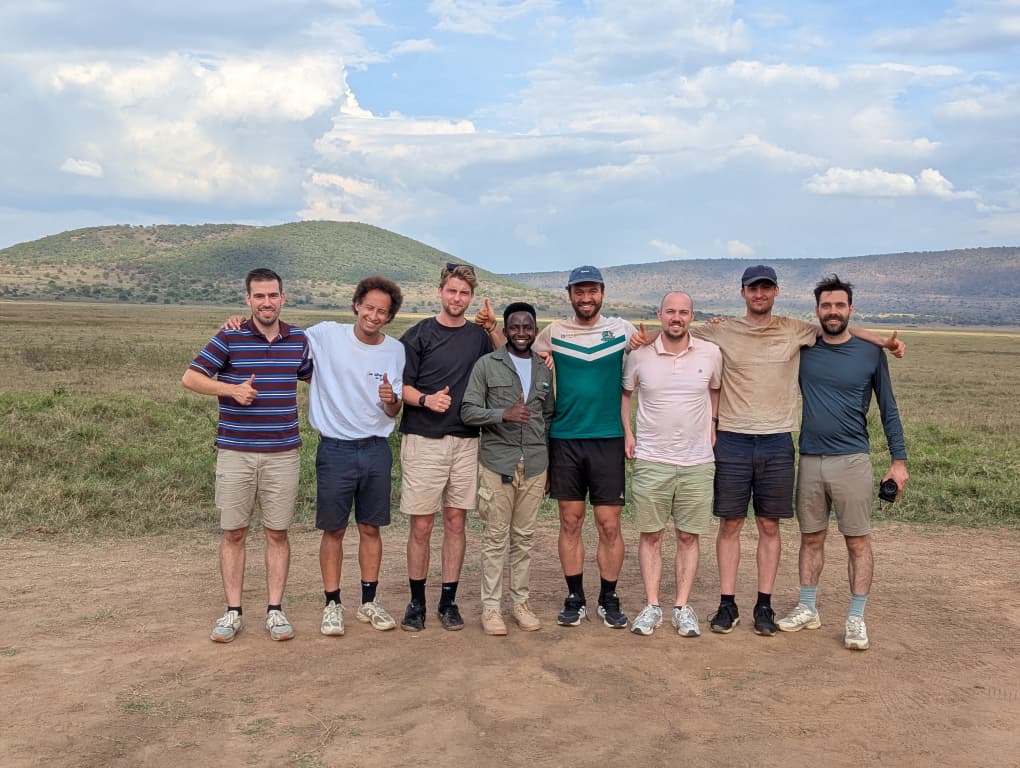
Complete the exit arrangements and begin the journey back to Kigali.
8:00–8:30 p.m. – Arrival in Kigali
Arrive in Kigali after an unforgettable day exploring Rwanda's remarkable savannah wilderness.
Itinerary note: The times are indicative and should be adjusted according to the actual departure time, boat availability, road conditions, park instructions and seasonal circumstances. The 9:00 a.m. boat excursion must be reserved in advance. A full-day game drive without a boat trip is another excellent option for travellers who prefer to spend more time exploring wildlife habitats.
Is One Day Enough to Explore Akagera?
One day is enough to enjoy a rewarding introduction to Akagera, particularly its southern section.
However, the park is extensive, and a one-day trip does not allow visitors to explore every habitat or reach all the wildlife-rich northern areas comfortably.
Travellers who want a more complete experience should consider a two-day or three-day safari.
An overnight stay also creates opportunities to enjoy additional activities such as night drives, longer game drives and a more relaxed experience of the park.
Where to Stay in Akagera National Park: Lodges and Accommodation
Accommodation is an important part of the overall safari experience.
Akagera offers different options for visitors seeking comfortable hotel-style facilities, intimate tented lodges, exclusive luxury camps or more affordable camping experiences.
Staying inside the park offers an additional advantage: visitors can spend more time enjoying the natural environment and reduce the need for repeated journeys between their accommodation and wildlife-viewing areas.
Accommodation Inside Akagera National Park
Ruzizi Tented Lodge

Located on the shores of Lake Ihema, Ruzizi Tented Lodge is an excellent choice for travellers seeking an intimate and environmentally conscious safari experience.
The lodge features comfortable en-suite safari tents surrounded by natural vegetation.
Its atmosphere is peaceful, with wooden walkways, a lakeside deck and beautiful views of the surrounding environment.
Key features include:
- Comfortable en-suite tents.
- Solar-powered facilities.
- Lakeside dining.
- Beautiful natural surroundings.
- Access to selected park activities.
It is particularly suitable for couples, nature lovers and travellers who appreciate a close connection with the environment.
Karenge Bush Camp
Karenge Bush Camp is located in the northern section of Akagera, overlooking the wildlife-rich plains.
It offers an intimate bush experience for visitors who want to stay closer to the park's northern landscapes.
Its remote setting makes it attractive to travellers seeking a quieter and more immersive safari experience.
The camp is particularly suitable for wildlife enthusiasts and photographers who want to spend more time exploring northern Akagera.
Wilderness Magashi
Wilderness Magashi is an exclusive luxury safari camp located in the northeastern part of Akagera, beside Lake Rwanyakazinga.
It provides a high-end accommodation experience with an emphasis on privacy, personalised hospitality and immersion in nature.
Its setting offers beautiful views of the lake and opportunities to experience the park's rich wildlife environment.
It is an excellent choice for travellers seeking a premium safari holiday.
SALT of Akagera

SALT of Akagera provides another comfortable and distinctive accommodation option inside the park.
It is designed to connect visitors with the wildlife, landscapes and cultural stories that make Akagera special.
Its hospitality and safari setting make it an appealing choice for travellers looking for a comfortable stay within the protected area.
Akagera Campsites
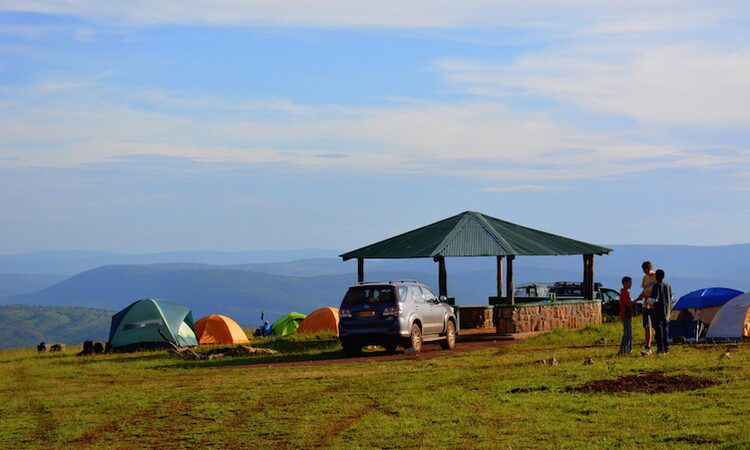
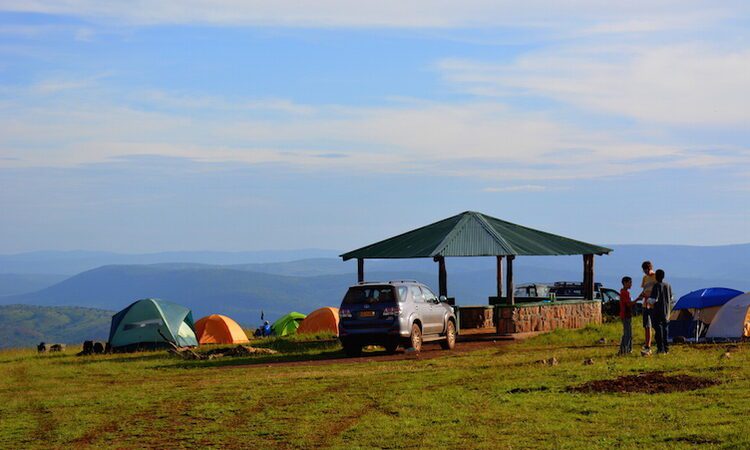
For travellers who prefer a more adventurous and affordable experience, the park also offers designated campsites.
These provide an opportunity to spend time in the natural environment while enjoying a simpler camping experience.
Visitors should confirm available facilities, reservations and camping requirements before travelling.
Accommodation Outside Akagera National Park
Some travellers prefer to stay outside the park, particularly when seeking alternative accommodation options or planning a short visit.
Several properties in the surrounding area can provide convenient access to the southern entrance.
Akagera Rhino Lodge
Located near the park's southern entrance, Akagera Rhino Lodge offers an attractive setting with views towards the surrounding landscape.
It is suitable for travellers who want a comfortable base close to the park.
Rutété Eco Lodge
Rutété Eco Lodge is another attractive option in the Rwinkwavu area.
It offers a peaceful environment, nature-inspired accommodation and convenient access to Akagera.
It is particularly appealing to visitors who appreciate a relaxed atmosphere and environmentally conscious hospitality.
Akagera Transit Lodge
This accommodation option provides a convenient base near the southern entrance.
It is suitable for travellers seeking practical accommodation before or after a day of wildlife exploration.
Choosing the Right Accommodation
The best accommodation depends on the type of safari you want.
- For an intimate lakeside safari experience, consider Ruzizi Tented Lodge.
- For a remote northern safari experience, consider Karenge Bush Camp.
- For an exclusive luxury experience, consider Wilderness Magashi.
- For a comfortable stay inside the park, consider SALT of Akagera.
- For accommodation near the southern entrance, consider Akagera Rhino Lodge or Rutété Eco Lodge.
- For a simple camping experience, explore the park's designated campsites.
At Seek Wild Africa, we help travellers select accommodation according to their budget, travel dates, preferred comfort level and safari programme.
Akagera National Park Management: Organisation, Conservation and Responsible Tourism
A major reason Akagera has become such an important safari destination is the organisation behind its conservation and tourism activities.
The park is managed through the Akagera Management Company, a partnership involving African Parks and the Rwanda Development Board.
This partnership brings together conservation expertise, government support, professional management and tourism development.
Strong Wildlife Protection Systems
Protecting wildlife requires more than establishing a national park.
It involves continuous monitoring, anti-poaching operations, habitat protection, veterinary support and collaboration among different stakeholders.
Akagera has strengthened its conservation systems through:
- Trained conservation personnel.
- Anti-poaching patrols.
- Perimeter fencing.
- Wildlife monitoring and research.
- Veterinary interventions.
- Protection of important habitats.
These efforts have contributed to the recovery of wildlife populations and improved protection of threatened species.
Professional Visitor Management
Tourism activities in Akagera are organised to support both visitor enjoyment and conservation.
Visitors are expected to respect designated routes, follow park regulations, observe speed limits and maintain appropriate distances from wildlife.
Scheduled activities such as boat excursions and guided experiences are arranged through the park's official systems.
This approach helps reduce unnecessary disturbance while ensuring that visitors enjoy a safe and organised experience.
Community Participation
The surrounding communities are important partners in Akagera's long-term success.
Tourism provides opportunities for employment, local enterprise, cultural exchange and community development.
Community guides, cultural experiences and conservation education programmes help create stronger relationships between the park and the people living around it.
This is particularly important because sustainable conservation depends on communities recognising the value of protecting natural resources.
Tourism as a Conservation Investment
When visitors pay for park entry, accommodation, guided activities and other services, they contribute to an economic system that supports wildlife protection and sustainable tourism.
Choosing a responsible safari operator and respecting park regulations are also meaningful ways to support conservation.
For visitors, this creates an opportunity to enjoy an extraordinary destination while contributing to the protection of Rwanda's natural heritage.
Essential Things to Pack for an Akagera National Park Safari
Preparing properly can make your Akagera National Park safari more comfortable and enjoyable.
The park has different habitats and weather conditions, so visitors should bring practical clothing and essential safari equipment.
Appropriate Safari Clothing
Consider bringing:
- Lightweight, breathable clothing.
- Neutral colours such as khaki, brown, beige and green.
- A light jacket for early morning game drives.
- Comfortable walking shoes.
- A hat or cap.
- Sunglasses.
- A light rain jacket during rainy periods.
Photography Equipment
If you enjoy photography, consider bringing:
- A camera with a suitable zoom lens.
- Extra camera batteries.
- Memory cards.
- Binoculars.
- A protective camera bag.
Binoculars are particularly useful for observing distant wildlife and identifying bird species.
Personal Essentials
Other useful items include:
- Sunscreen.
- Insect repellent.
- Personal medication.
- Hand sanitiser.
- Reusable drinking-water bottles.
- Personal identification documents.
- A small backpack.
Plastic-Free Travel: Protecting Akagera's Natural Environment
Responsible tourism begins with respecting the environment.
Rwanda has strong national restrictions on single-use plastic, and visitors should avoid bringing prohibited disposable plastic items into the country or protected areas.
For your Akagera National Park safari, we recommend carrying reusable drinking-water containers instead of disposable plastic water bottles.
Suitable options include:
- Stainless-steel water bottles.
- Aluminium reusable bottles.
- Durable reusable glass bottles with protective covers.
- High-quality reusable BPA-free hard-plastic bottles, where permitted.
Avoid single-use plastic water bottles and disposable plastic bags.
Also remember to:
- Carry your rubbish until you reach an appropriate disposal point.
- Never throw waste into lakes, grasslands or along park roads.
- Avoid feeding wildlife.
- Respect all park instructions.
- Keep a safe distance from animals.
- Avoid unnecessary noise.
These small actions help protect Akagera's fragile ecosystem for future generations.
Why Explore Akagera National Park with Seek Wild Africa?
A memorable safari requires more than choosing a destination.
Travellers need reliable planning, appropriate transport, knowledgeable guides, comfortable accommodation and well-coordinated activities.
At Seek Wild Africa, we understand that every visitor has different interests, expectations and travel requirements.
Personalised Safari Planning
We organise safari experiences according to your preferred travel dates, budget, interests and available time.
Whether you are planning a one-day safari from Kigali, a two-day wildlife adventure or a longer Rwanda holiday, we help develop a suitable itinerary.
Reliable Safari Transportation
We arrange suitable safari vehicles for different travel requirements.
Our transport planning focuses on comfort, accessibility, road conditions and the type of safari experience you want.
For wildlife exploration, a suitable 4x4 safari vehicle provides important advantages.
Professional Driver-Guides
A good guide can transform an ordinary game drive into a memorable educational experience.
We help travellers benefit from knowledgeable guides who can explain wildlife behaviour, identify species, interpret the landscape and provide information about Rwanda's conservation achievements.
Accommodation Reservations
We assist with selecting and arranging suitable accommodation inside or around Akagera National Park.
Whether you prefer a comfortable lodge, an intimate tented camp, a luxury safari experience or a more affordable option, we help match your accommodation with your travel plans.
Organising Additional Safari Activities
Your experience does not have to end with game drives.
Depending on availability and your interests, we can help arrange:
- Lake Ihema boat excursions.
- Guided game drives.
- Birdwatching experiences.
- Sport fishing at Lake Shakani.
- Night game drives for eligible overnight guests.
- Community cultural experiences.
- Behind-the-Scenes conservation experiences.
- Hot-air balloon experiences.
We coordinate the programme with the relevant park authorities and activity providers.
Combining Akagera with Other Rwanda Destinations
For travellers who want to discover more of Rwanda, we can create itineraries combining Akagera with other remarkable destinations.
These may include:
- Volcanoes National Park for mountain gorilla trekking and golden monkey trekking.
- Nyungwe National Park for chimpanzee trekking, canopy walks and forest experiences.
- Lake Kivu for relaxation and lakeside adventures.
- Kigali for cultural experiences, history and city exploration.
This allows visitors to experience Rwanda's extraordinary diversity within one well-organised holiday.
From the First Enquiry to the Final Drop-Off
Our support goes beyond providing an itinerary.
We help coordinate the important details that make a safari successful, including:
- Understanding your travel interests and expectations.
- Recommending a suitable safari programme.
- Arranging transport and driver-guide services.
- Coordinating accommodation reservations.
- Booking available park activities.
- Advising on packing and travel preparation.
- Organising pick-up and drop-off arrangements.
- Providing assistance throughout the agreed travel programme.
With Seek Wild Africa, your journey is carefully planned around your interests, available time and preferred experience.
Plan Your Akagera National Park Safari for 2026–2027
Akagera National Park deserves a place on the travel list of anyone looking for a meaningful African wildlife adventure.
Its history demonstrates the importance of conservation. Its wildlife reflects the success of restoration efforts. Its wetlands and savannah landscapes create extraordinary natural beauty, while its activities provide opportunities to experience the park beyond traditional game drives.
For first-time African travellers, Akagera offers an exciting introduction to the continent's wildlife.
For experienced safari enthusiasts, it provides a distinctive combination of Big Five encounters, birdwatching, aquatic wildlife, cultural experiences and conservation learning.
For travellers visiting Rwanda in 2026–2027, it is an opportunity to discover a destination where nature, resilience and responsible tourism come together.
The Serengeti and Maasai Mara will always be celebrated for their extraordinary Great Migration. Akagera, however, has its own remarkable story to tell.
It is a story of wildlife returning, ecosystems recovering, communities participating and conservation creating opportunities for future generations.
Your next African safari adventure could begin in Akagera.
Discover Akagera with Seek Wild Africa
Whether you have one day, two days or a longer holiday, Seek Wild Africa is ready to help organise your journey.
From private transportation and professional driver-guides to accommodation, park activities and complete Rwanda safari packages, we help bring every important part of your adventure together.
Explore Rwanda with Seek Wild Africa. Discover the wildlife. Experience the beauty. Become part of the conservation story.
Contact Seek Wild Africa today and start planning your Akagera National Park safari for 2026–2027.
Frequently Asked Questions About Akagera National Park Safari
1. Is Akagera National Park worth visiting in 2026–2027?
Yes. Akagera offers a combination of Big Five wildlife, beautiful savannah landscapes, lakes, wetlands, birdwatching and conservation experiences. Its accessibility from Kigali also makes it a convenient destination for short and extended safaris.
2. Can visitors see the Big Five in Akagera National Park?
Yes. Akagera is home to lions, leopards, elephants, rhinoceroses and buffaloes. However, sightings depend on wildlife movements, habitat conditions and the time spent exploring the park.
3. Can I visit Akagera National Park in one day from Kigali?
Yes. A one-day safari is possible with an early departure from Kigali. Visitors can explore the southern section, enjoy a game drive and, with advance planning, take a boat excursion on Lake Ihema.
4. What activities can I enjoy apart from game drives?
Visitors can enjoy boat excursions on Lake Ihema, sport fishing at Lake Shakani, birdwatching, selected night drives, cultural experiences, Walk the Line, Behind-the-Scenes conservation experiences and hot-air balloon safaris.
5. What is the difference between Akagera and the Serengeti?
Akagera is distinguished by its combination of savannah, protected wetlands, lakes and its remarkable conservation recovery story. The Serengeti is internationally famous for its extensive plains and the Great Wildebeest Migration.
6. What is the best time to visit Akagera National Park?
June to September is generally favourable for traditional wildlife viewing. December to February can also provide rewarding safari conditions. The rainy seasons offer greener landscapes and interesting birdwatching opportunities.
7. Are there luxury lodges inside Akagera National Park?
Yes. Visitors can consider Wilderness Magashi and other comfortable in-park properties such as Ruzizi Tented Lodge and SALT of Akagera. Karenge Bush Camp provides a more intimate bush experience.
8. Is Akagera suitable for families?
Yes. Akagera can be suitable for families interested in wildlife, nature and educational experiences. Families should confirm age requirements for particular activities and accommodation before booking.
9. What should I bring for an Akagera safari?
Bring comfortable safari clothing, a light jacket, sunscreen, insect repellent, binoculars, a camera and a reusable water bottle. Avoid single-use plastic items and follow park regulations.
10. Can I combine Akagera with gorilla trekking in Rwanda?
Absolutely. Akagera can be combined with Volcanoes National Park for gorilla trekking, golden monkey trekking and other experiences. Seek Wild Africa can help organise a multi-destination Rwanda safari.
Make your 2026–2027 African safari unforgettable. Discover Akagera National Park with Seek Wild Africa.