Discover Nyungwe Forest National Park: Rwanda's Hidden Rainforest Paradise (2026–2027)
November 09, 2026Clementine
Explore one of Africa's most extraordinary rainforests, encounter wild chimpanzees, walk above ancient trees, discover spectacular waterfalls and experience the remarkable beauty of Rwanda's natural heritage.
Imagine waking up to the sound of birds singing above a sea of green mountains, watching mist slowly disappear between ancient trees, and hearing the distant calls of wild chimpanzees deep inside one of Africa's oldest rainforests.
Located in southwestern Rwanda, Nyungwe offers an extraordinary combination of biodiversity, spectacular landscapes, wildlife encounters and outdoor adventures. From tracking endangered eastern chimpanzees to walking along a suspended bridge high above the forest canopy, every experience introduces visitors to a different side of Africa.
For travellers planning an African adventure in 2026–2027, Nyungwe deserves a place among the continent's most fascinating destinations. Its exceptional biodiversity, conservation history, well-organised tourism experiences and growing range of sustainable adventures make it much more than an ordinary national park.
Whether you are visiting Rwanda for gorilla trekking, a wildlife safari, cultural experiences or a longer African holiday, Nyungwe Forest National Park offers an experience that is difficult to find anywhere else.
Nyungwe Forest National Park: Understanding Its History and Remarkable Journey
To appreciate why Nyungwe is considered one of Africa's outstanding rainforest destinations, it is important to understand its history.
Nyungwe is not simply a beautiful forest that became a tourist attraction. It is an ecosystem that has survived decades of environmental pressure, changing land-use practices, historical challenges and conservation efforts.
Its journey demonstrates how long-term protection, scientific research, responsible tourism and community participation can help preserve an extraordinary natural environment.
From an Ancient Forest to a Protected Natural Reserve
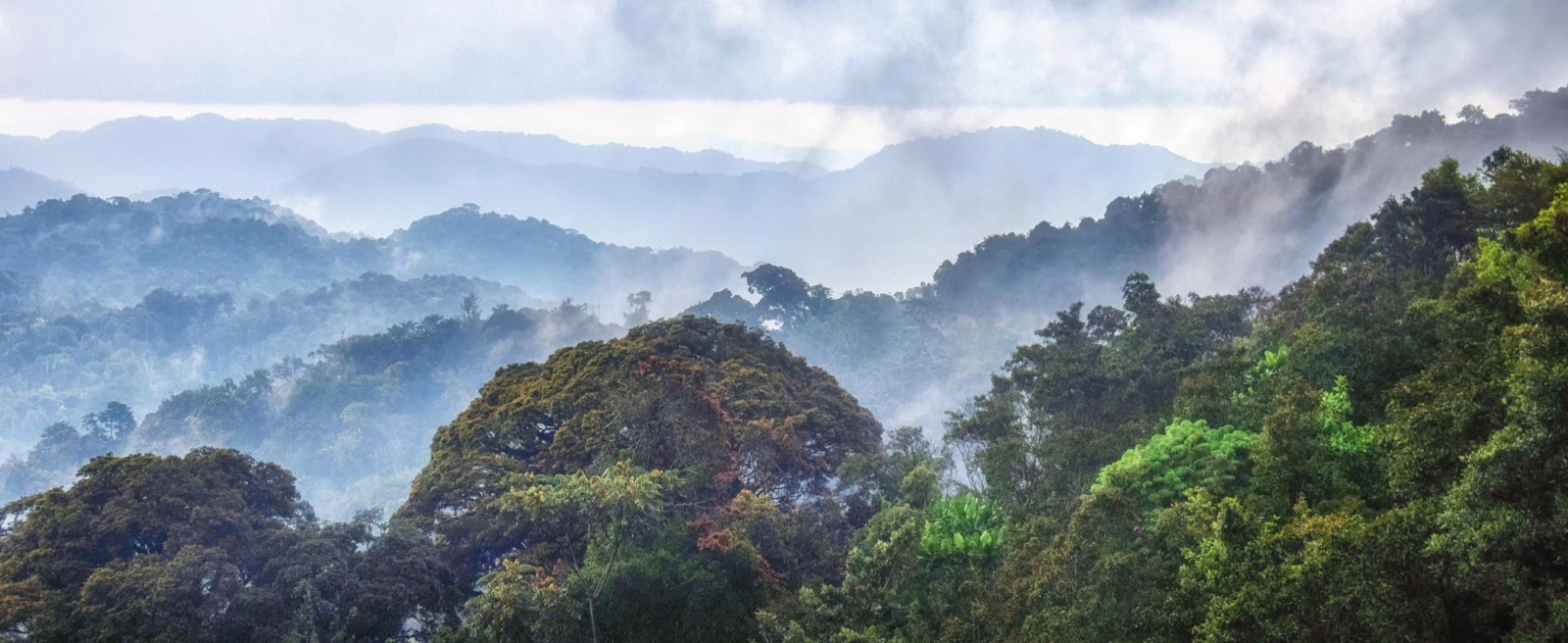
Nyungwe is among Africa's oldest surviving montane rainforests. Its ecological history extends far beyond modern tourism, providing a refuge for numerous plant and animal species over thousands of years.
Formal protection of the forest dates back to 1933, when it was designated a forest reserve. However, protection alone did not immediately eliminate the threats facing the ecosystem.
Over subsequent decades, parts of the forest experienced pressure from logging, agricultural expansion, fires, hunting and other human activities. These challenges affected wildlife populations and the integrity of the forest.
During Rwanda's difficult historical period in the 1990s, conservation and research activities also faced serious interruptions. Nevertheless, dedicated conservationists and forest protectors continued working to preserve this valuable ecosystem.
The recognition that Nyungwe required stronger protection eventually contributed to a major turning point in its history.
2005: Nyungwe Becomes a National Park
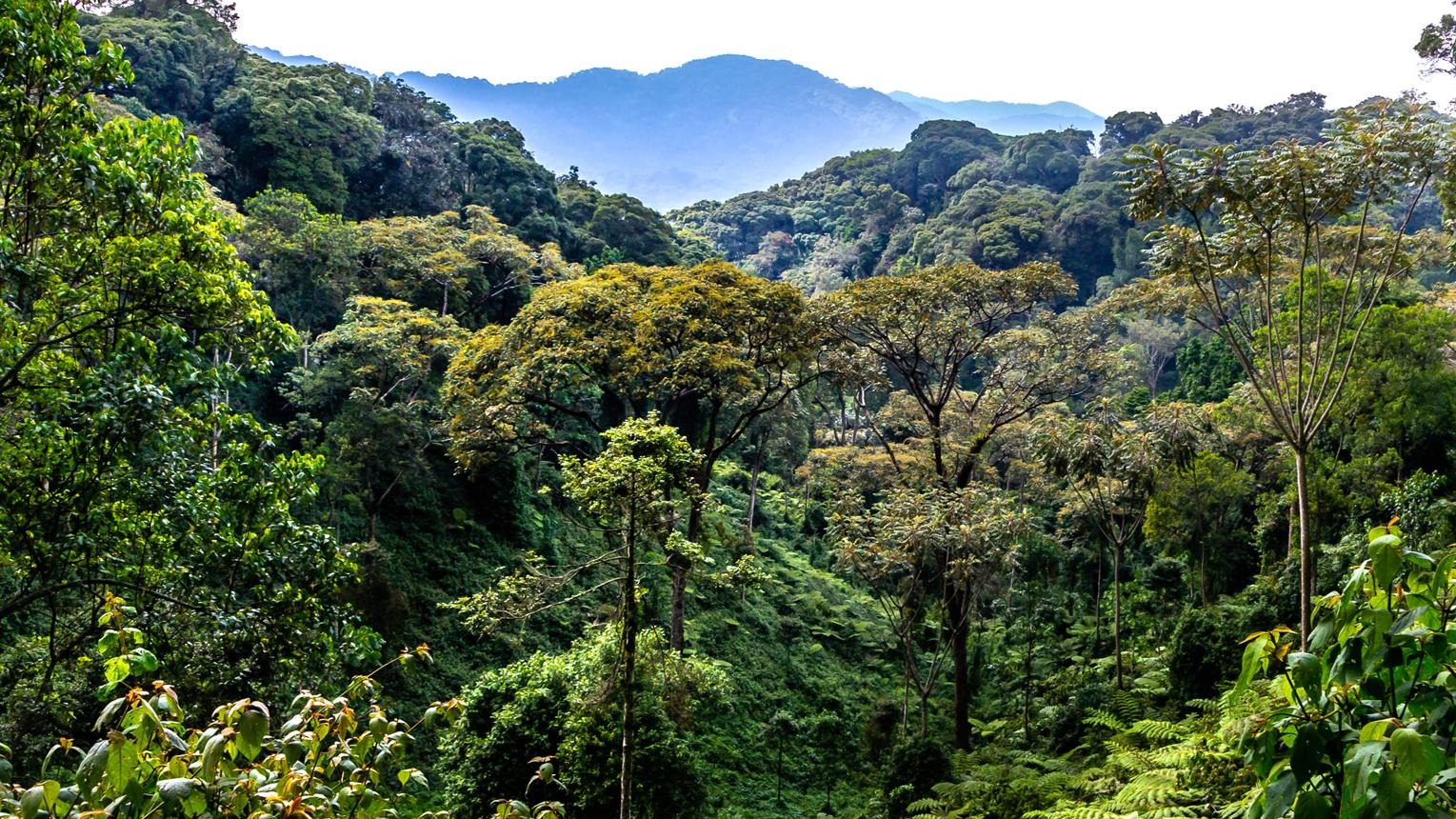
In 2005, Nyungwe was officially established as a national park, giving the forest stronger legal protection and a clearer conservation framework.
This was an important achievement for Rwanda's environmental future.
The designation helped strengthen efforts to protect endangered species, preserve natural habitats, improve research and develop responsible tourism activities.
Rather than allowing the forest to become increasingly vulnerable to human pressure, Rwanda recognised its importance as a national natural asset.
The development of tourism infrastructure, visitor facilities, hiking trails and guided wildlife experiences gradually created opportunities for visitors to appreciate the forest while contributing to its protection.
2010: Introducing the Famous Canopy Walkway
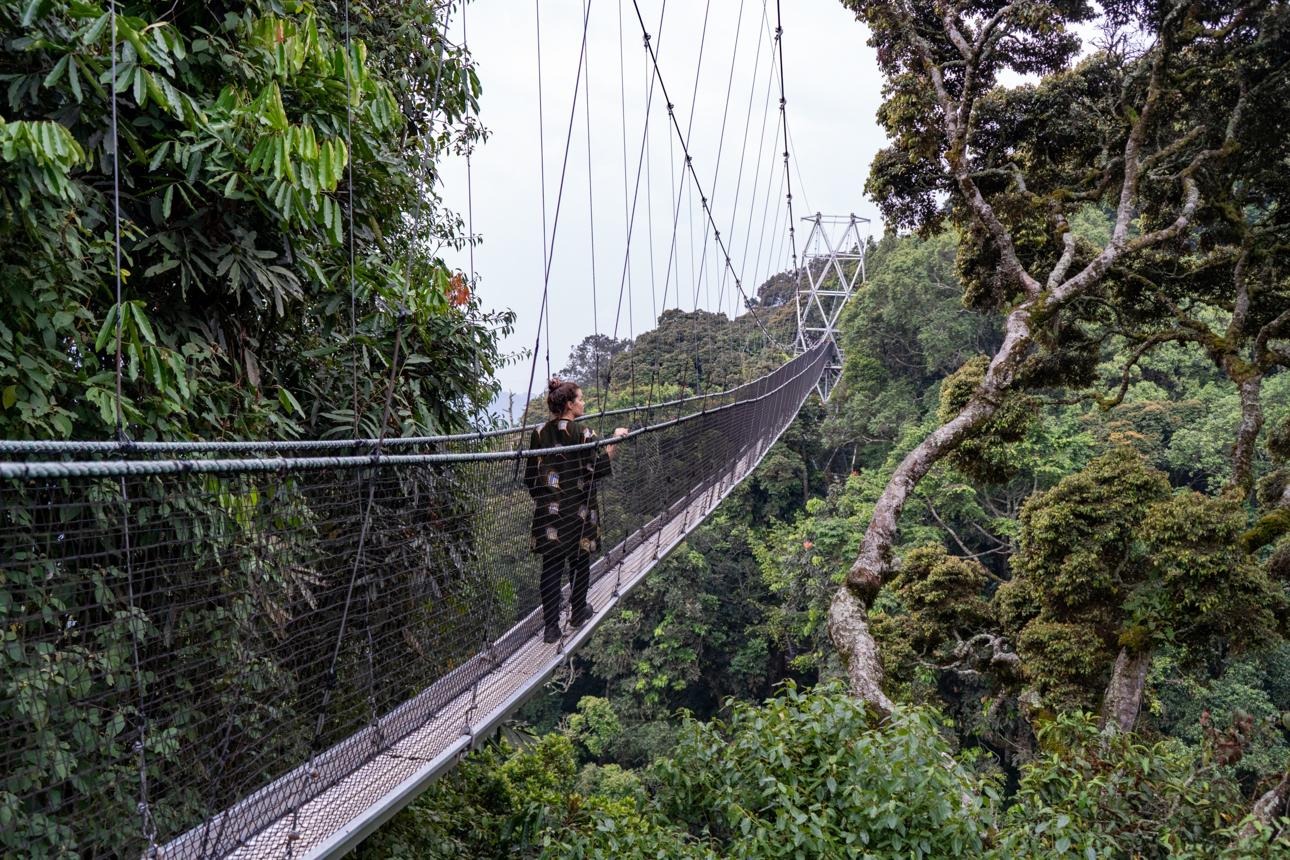
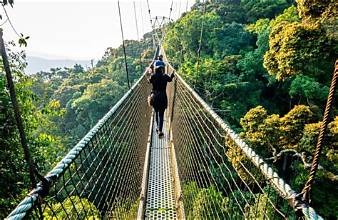
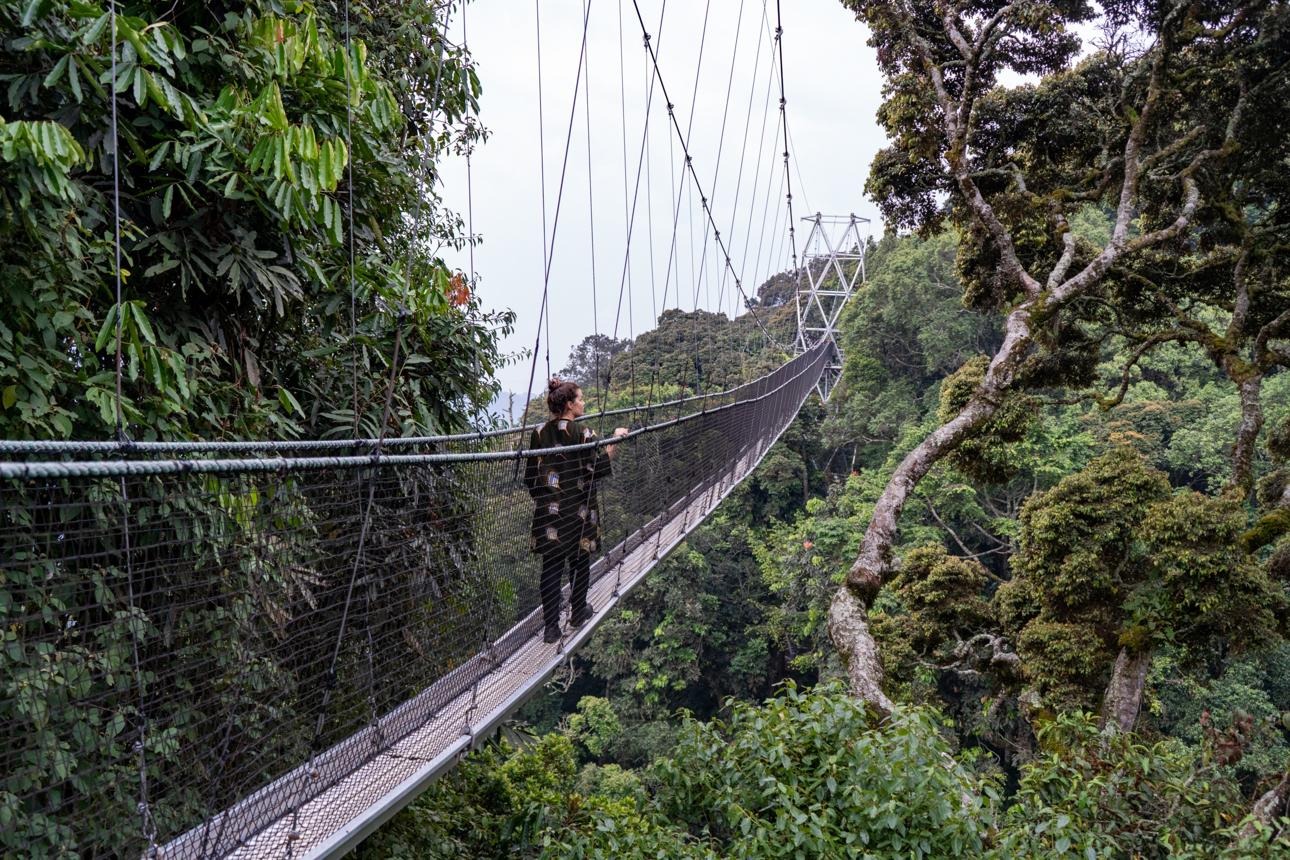
One of the most significant developments in Nyungwe's tourism history was the introduction of the canopy walkway in 2010.
This attraction transformed how visitors could experience the rainforest.
Instead of observing the forest exclusively from the ground, tourists could now walk above the trees and enjoy remarkable views of the surrounding mountains, valleys, birds and forest canopy.
The canopy walkway helped establish Nyungwe as a destination for adventure tourism and strengthened Rwanda's reputation for offering distinctive nature-based experiences.
2020–2021: A New Era of Conservation Management
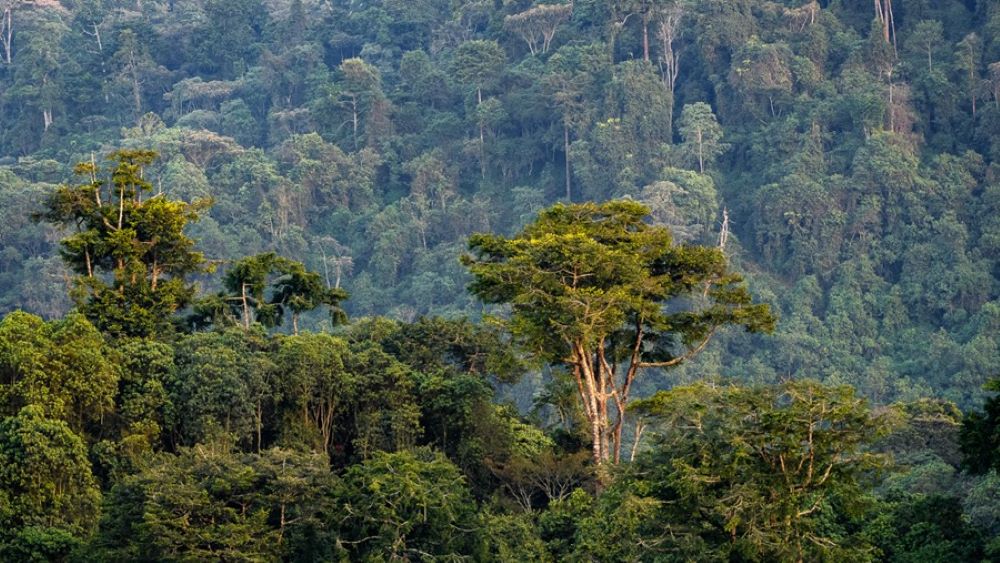
Another important milestone came in 2020, when the Government of Rwanda and African Parks entered into a 20-year management partnership for Nyungwe National Park.
African Parks subsequently began managing the park in 2021 in partnership with the Rwanda Development Board.
The partnership focuses on restoring biodiversity, strengthening conservation management, supporting neighbouring communities and developing sustainable tourism.
This approach recognises that protecting a rainforest requires more than maintaining its boundaries. It requires effective wildlife monitoring, law enforcement, ecological restoration, scientific research and meaningful cooperation with people living around the park.
2023: Nyungwe Becomes Rwanda's First UNESCO Natural World Heritage Site
On 19 September 2023, Nyungwe National Park was officially inscribed on the UNESCO World Heritage List.
This was a historic achievement for Rwanda and a major international recognition of the forest's exceptional ecological importance.
Nyungwe became the first natural World Heritage Site in Rwanda.
The recognition highlights its extraordinary biodiversity, endangered species, rare plants and importance within the Albertine Rift ecosystem.
For international travellers, this recognition adds another reason to explore Nyungwe: visitors are not simply entering a beautiful forest but discovering a globally recognised natural heritage site.
2025–2027: Expanding Adventure and Sustainable Tourism
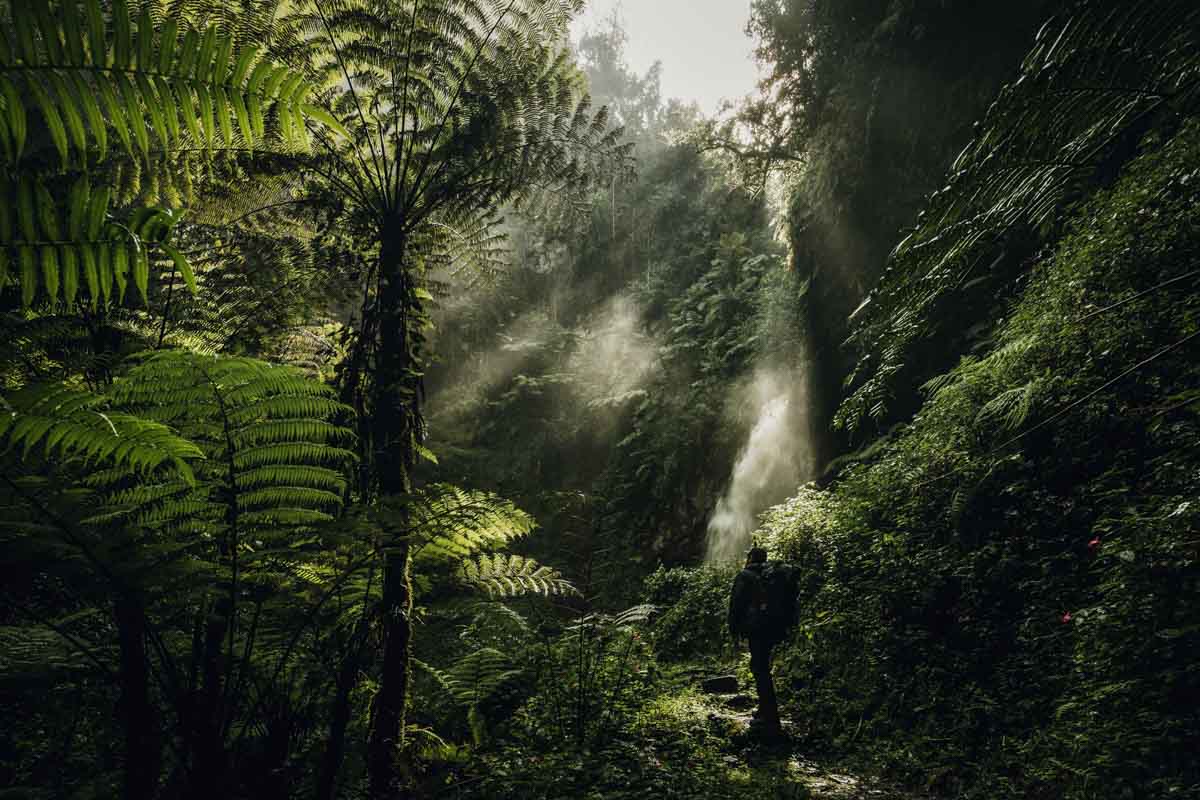
Nyungwe continues to develop its tourism experiences while maintaining its conservation priorities.
In August 2025, the park introduced three important additions: the Nyungwe Canopy Zipline, Gisakura Rope Course and Munazi Eco Lodge.
These developments created new opportunities for travellers seeking a combination of rainforest exploration, outdoor adventure and comfortable accommodation.
Looking towards 2026–2027, Nyungwe stands out as an increasingly attractive destination for visitors interested in responsible tourism, wildlife experiences and exceptional natural landscapes.
Why Nyungwe Forest National Park Is One of Africa's Best Places to Visit in 2026–2027
Africa has many internationally recognised national parks, but not every destination offers the same type of experience.
Some parks are famous for large mammals and open savannah landscapes. Others are internationally recognised for mountain gorillas, desert environments, wetlands or extraordinary birdlife.
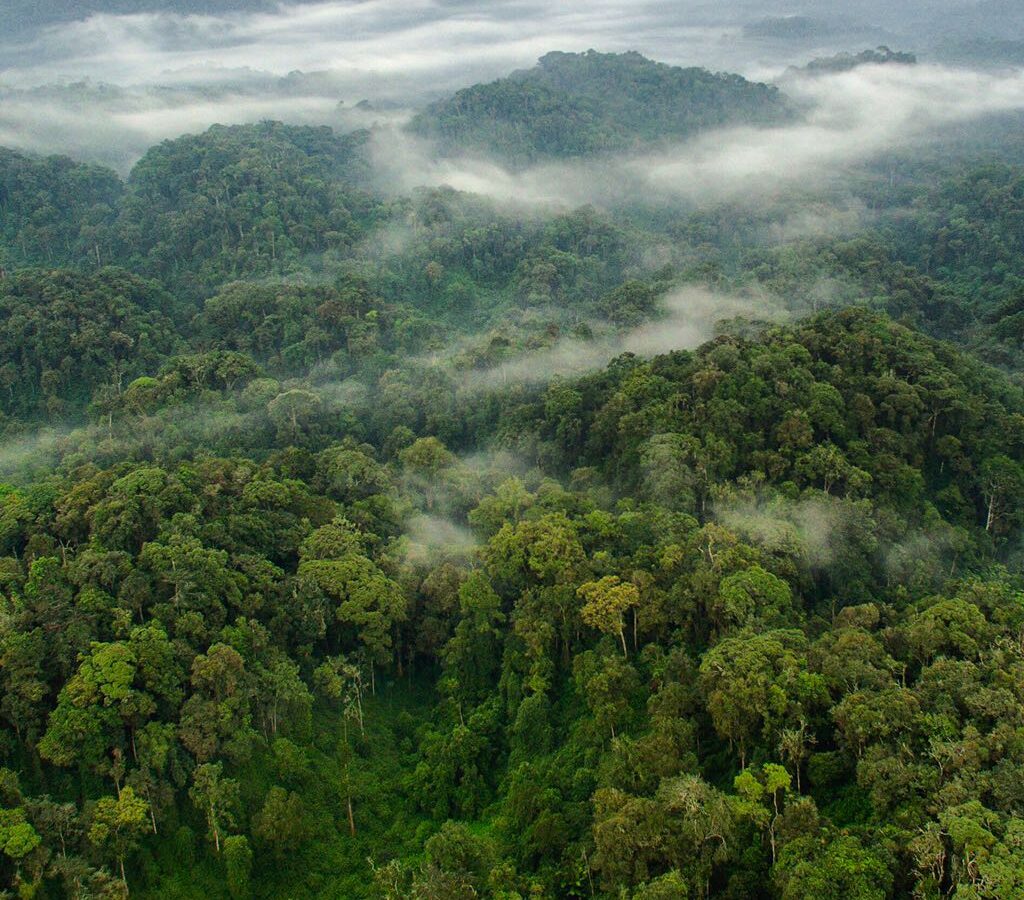
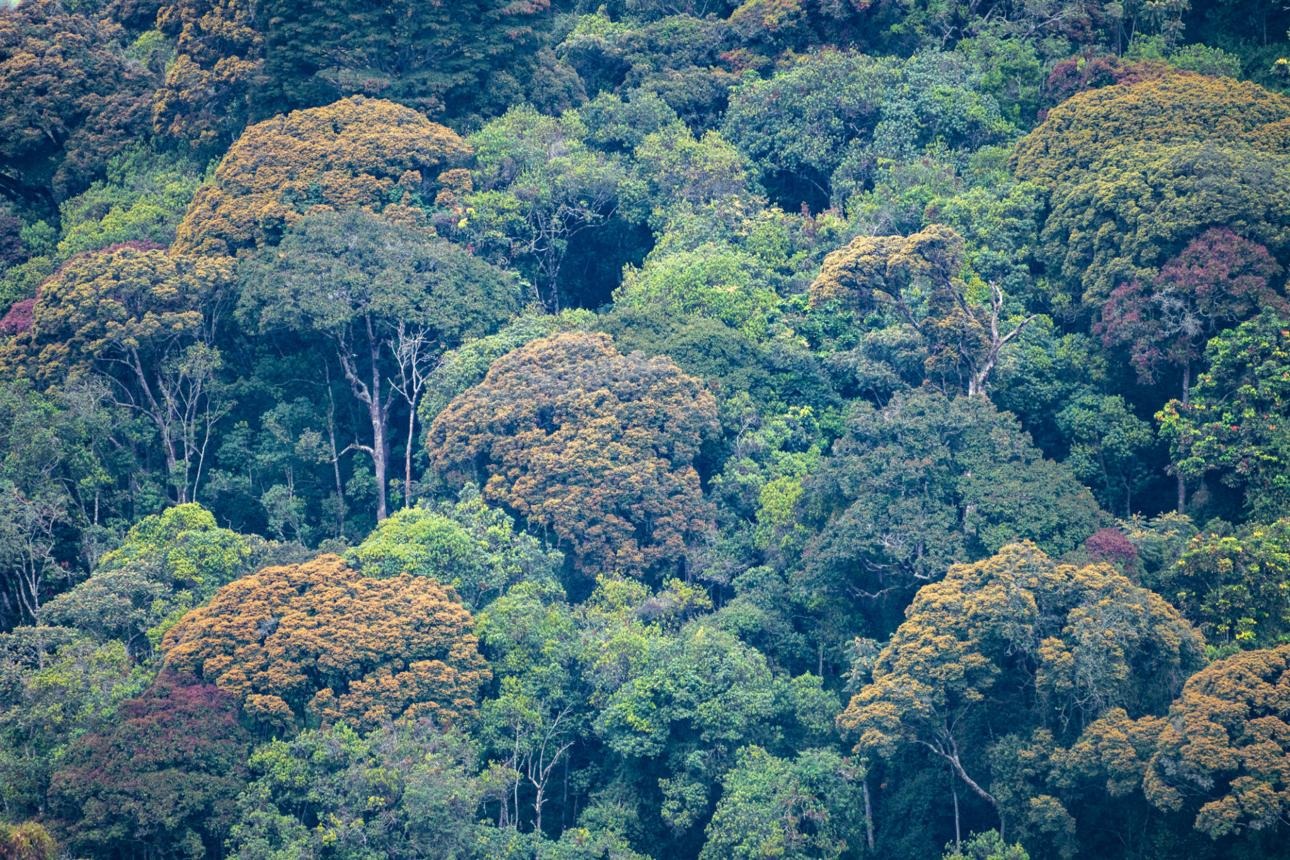
Nyungwe stands apart because it protects one of the continent's most important montane rainforest ecosystems.
An Extraordinary Concentration of Biodiversity
Nyungwe is home to exceptional biodiversity, including approximately 13 primate species.
Among its most remarkable wildlife are:
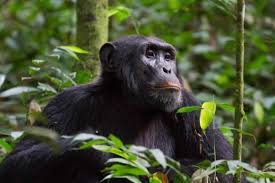
- Eastern chimpanzees.
- Angolan black-and-white colobus monkeys.
- L'Hoest's monkeys.
- Hamlyn's monkeys.
- Blue monkeys.
- Red-tailed monkeys.
- Olive baboons.
The forest also supports numerous other mammals, reptiles, amphibians, butterflies and remarkable plant species.
Its birdlife is particularly impressive, with more than 300 recorded bird species, including numerous Albertine Rift endemics.
For wildlife photographers, birdwatchers, researchers and nature enthusiasts, this diversity makes Nyungwe an exceptional destination.
A Globally Important Rainforest Ecosystem
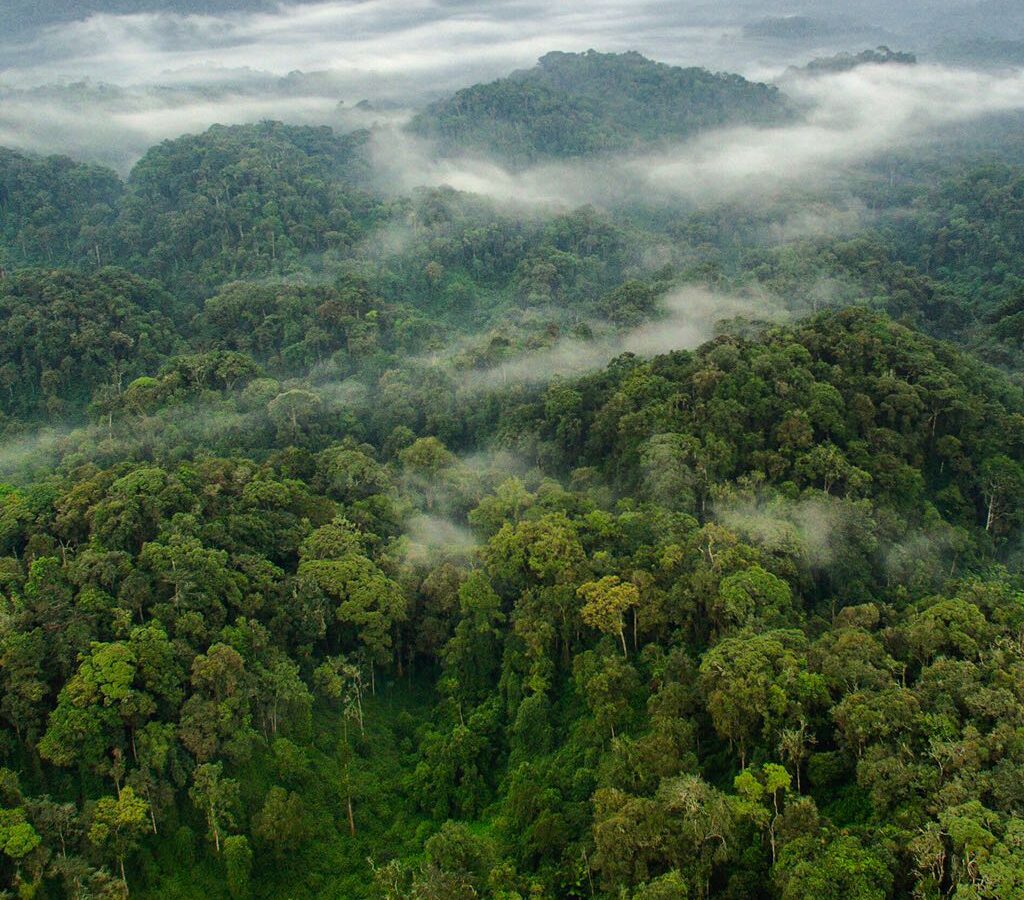
Nyungwe forms part of the Albertine Rift, one of Africa's most biologically important regions.
Its mountainous landscape contains dense rainforest, wetlands, swamps, grasslands and river systems.
These habitats provide essential ecological functions, including water regulation, carbon storage, soil protection and biodiversity conservation.
The forest is also an important water catchment area, supporting rivers and water systems that benefit communities and ecosystems beyond the park.
A Destination That Combines Wildlife and Adventure
One of Nyungwe's greatest strengths is its variety of experiences.
A visitor can begin the morning tracking chimpanzees, enjoy a guided forest walk, experience the famous canopy walkway, explore waterfalls and finish the day enjoying Rwanda's excellent coffee.
Few African destinations combine rainforest wildlife, aerial adventures, mountain hiking, birdwatching and community-based tourism in such a distinctive way.
Responsible Tourism and Conservation
Nyungwe's tourism model is closely connected to the protection of its natural resources.
Visitors explore through organised activities, guided trails and designated visitor facilities.
The park also supports community participation through local guiding, cultural experiences, employment and tourism-related economic opportunities.
This means that a well-planned visit can provide an unforgettable holiday while contributing to the long-term protection of an internationally important ecosystem.
Nyungwe vs Akagera, Serengeti and Masai Mara: Understanding the Difference
Travellers researching African safaris often compare Rwanda's national parks with famous destinations such as Tanzania's Serengeti National Park and Kenya's Masai Mara National Reserve.
These comparisons are useful, but it is important to understand that the destinations offer different wildlife experiences.
Nyungwe should not be judged by the number of lions, elephants or open-savannah game drives it offers. Its strength lies in rainforest biodiversity and specialised wildlife encounters.
Nyungwe vs Akagera National Park

Akagera and Nyungwe are both exceptional destinations in Rwanda, but their landscapes and wildlife experiences are very different.
Akagera National Park is Rwanda's savannah safari destination. Its open grasslands, lakes, woodland and wetlands support the Big Five: lions, elephants, leopards, rhinos and buffaloes.
Visitors can enjoy traditional game drives, boat safaris on Lake Ihema, birdwatching and wildlife photography.
Nyungwe Forest National Park, on the other hand, is a mountainous rainforest destination. It is particularly famous for chimpanzee trekking, colobus monkey tracking, rare primates, birdwatching, waterfalls, hiking and the canopy walkway.
The distinction is important:
- Choose Akagera for savannah wildlife, Big Five encounters and traditional game drives.
- Choose Nyungwe for chimpanzees, rainforest exploration, rare primates and adventure activities.
- Combine both parks for a more complete Rwanda safari experience.
Nyungwe vs Serengeti and Masai Mara
The Serengeti and Masai Mara are internationally famous for their extraordinary wildlife populations and the Great Migration.
During this spectacular natural event, millions of wildebeest, zebras and gazelles move through the Serengeti-Mara ecosystem in search of fresh grazing and water. Their movements attract predators and create some of Africa's most impressive wildlife spectacles.
Nyungwe offers something entirely different.
Rather than vast open plains and large migrating herds, visitors enter a complex rainforest ecosystem where wildlife encounters often require patience, skilled tracking and guided exploration.
Here, the highlight may be hearing chimpanzees calling through the forest before seeing them moving between branches, observing a large troop of colobus monkeys or discovering a rare Albertine Rift bird.
The comparison is therefore not about which park has more wildlife. It is about the type of experience each destination provides.
Serengeti and Masai Mara are outstanding for large-scale savannah wildlife spectacles. Nyungwe is exceptional for rainforest biodiversity, primate encounters and adventure-based ecotourism.
For visitors exploring East Africa, these destinations can complement one another rather than compete.
How Nyungwe National Park Is Organised and Managed for Visitors
A successful wildlife destination requires more than extraordinary scenery. It needs organisation, professional management, conservation systems and well-coordinated visitor services.
Nyungwe has developed an organised tourism structure through the partnership between the Government of Rwanda, the Rwanda Development Board and African Parks.
Professional Park Management
The park's management system combines conservation, tourism development, wildlife protection and community engagement.
Its responsibilities include:
- Protecting endangered species and their habitats.
- Monitoring wildlife populations and ecological conditions.
- Maintaining tourism facilities and designated hiking trails.
- Coordinating visitor activities and guided experiences.
- Strengthening law enforcement and preventing illegal activities.
- Working with neighbouring communities.
- Supporting research and environmental education.
Guided Activities and Visitor Centres
Nyungwe has designated visitor centres, including Uwinka and Gisakura, which help visitors organise their activities.
These facilities provide access to information, guiding services and selected visitor amenities.
Activities such as chimpanzee tracking, hiking, canopy walking and specialised wildlife experiences operate through organised arrangements.
The park also works with community freelance guides for hiking activities, creating employment opportunities while ensuring visitors benefit from local knowledge.
Responsible Wildlife Encounters
Wildlife experiences in Nyungwe are managed to reduce disturbance to animals and their natural habitats.
For example, each of the park's three semi-habituated chimpanzee communities has a maximum of eight visitors per day.
This limited group size helps create a more controlled wildlife encounter and supports responsible tourism.
Visitors should always follow their guides' instructions, maintain appropriate distances from wildlife and respect the park's conservation rules.
What Can Tourists Do in Nyungwe National Park Apart from Traditional Game Drives?
One of the most important things to understand about Nyungwe is that it is not primarily a traditional game-drive park.
Its dense vegetation and mountainous terrain make guided forest activities the main way to explore its wildlife and landscapes.
Fortunately, the park offers an impressive selection of experiences.
Chimpanzee Trekking: Meet Our Closest Wild Relatives
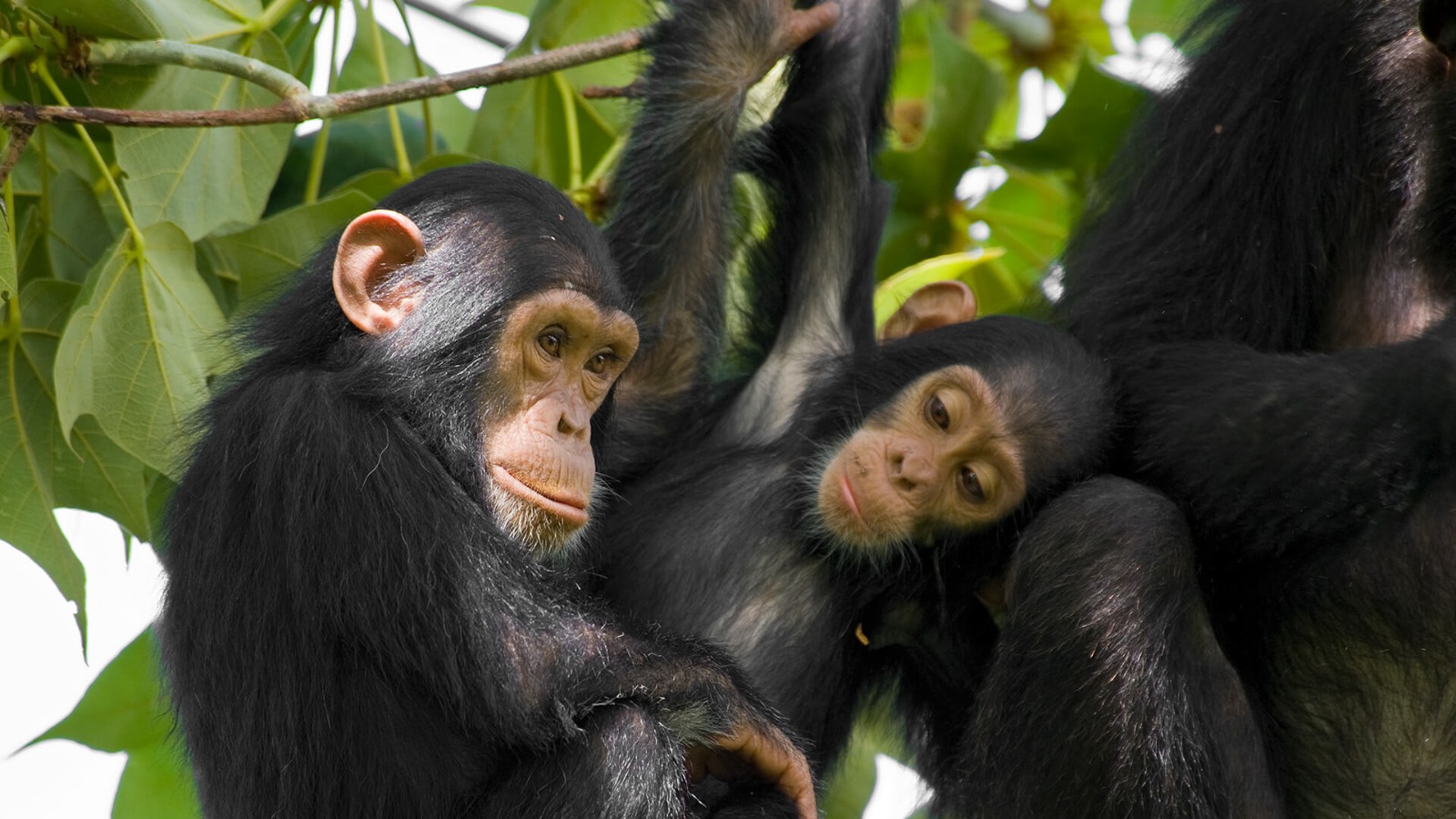
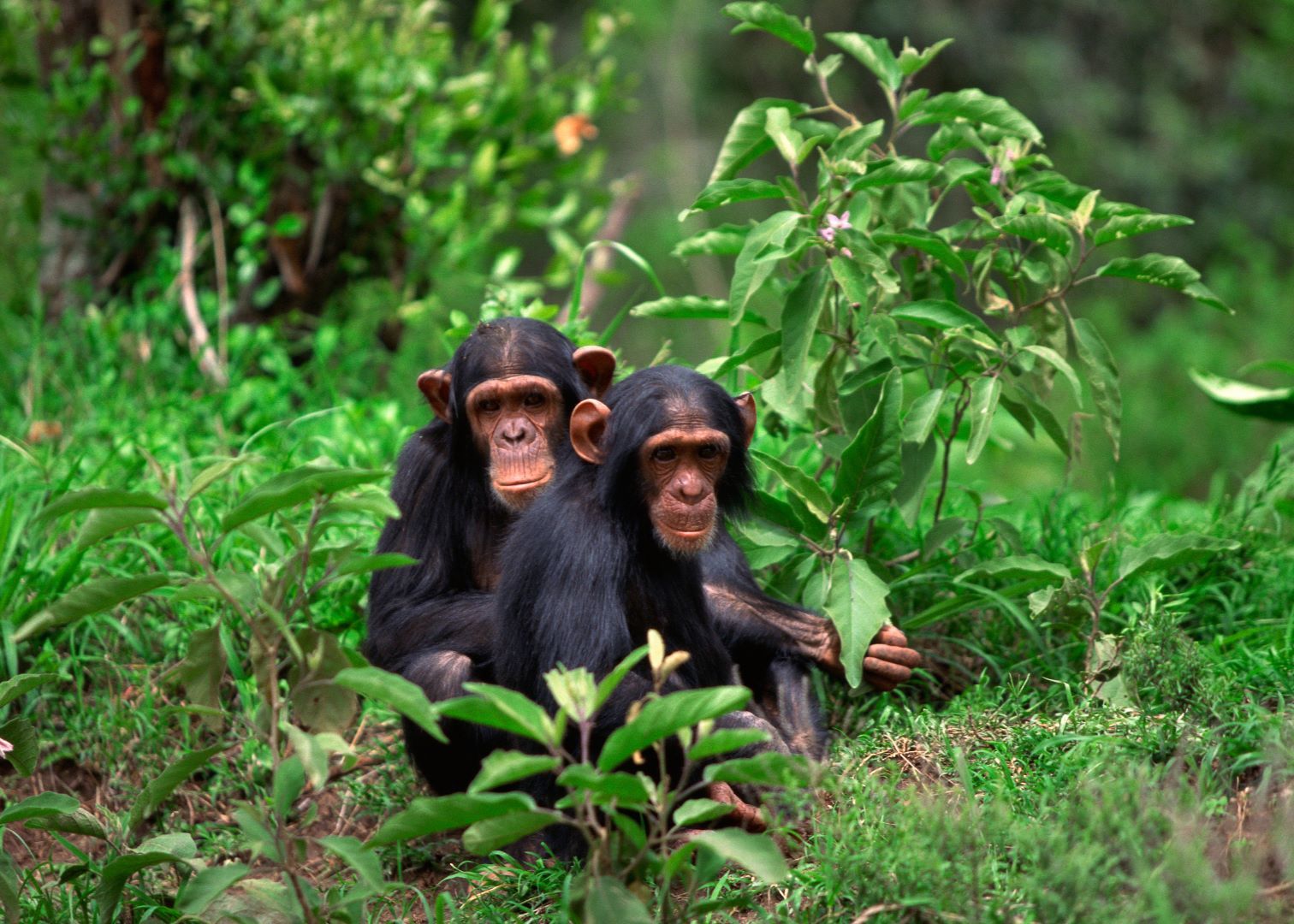
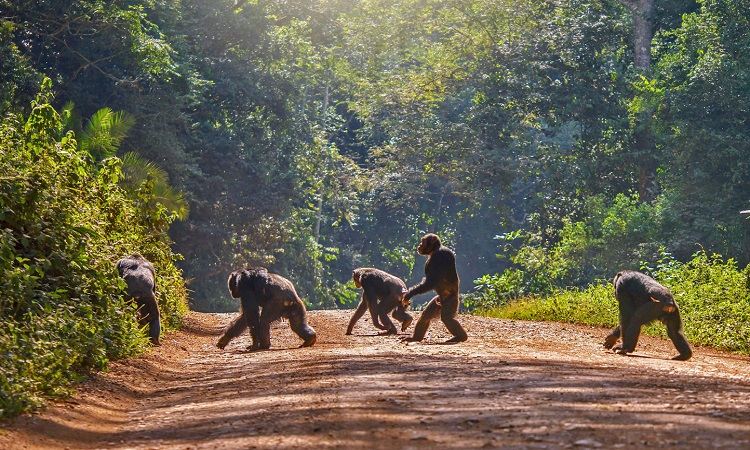
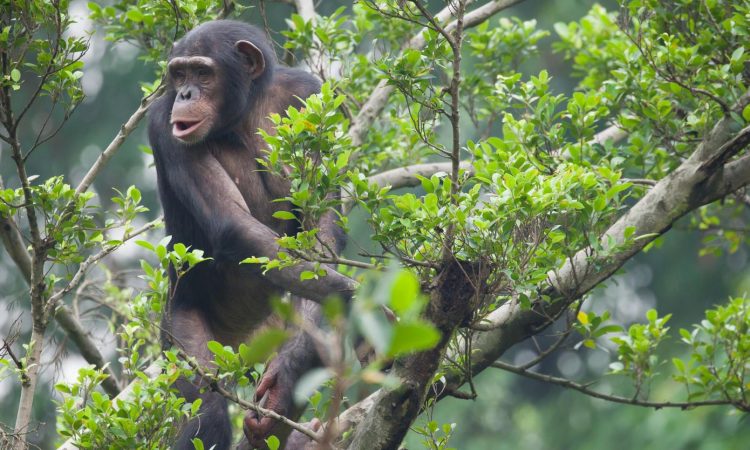
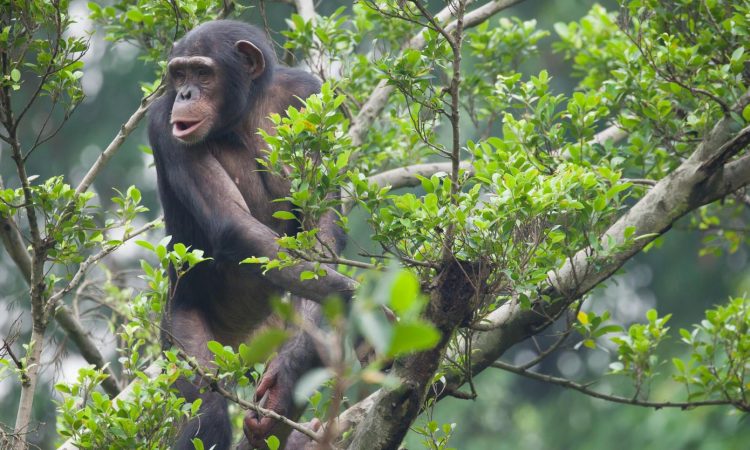
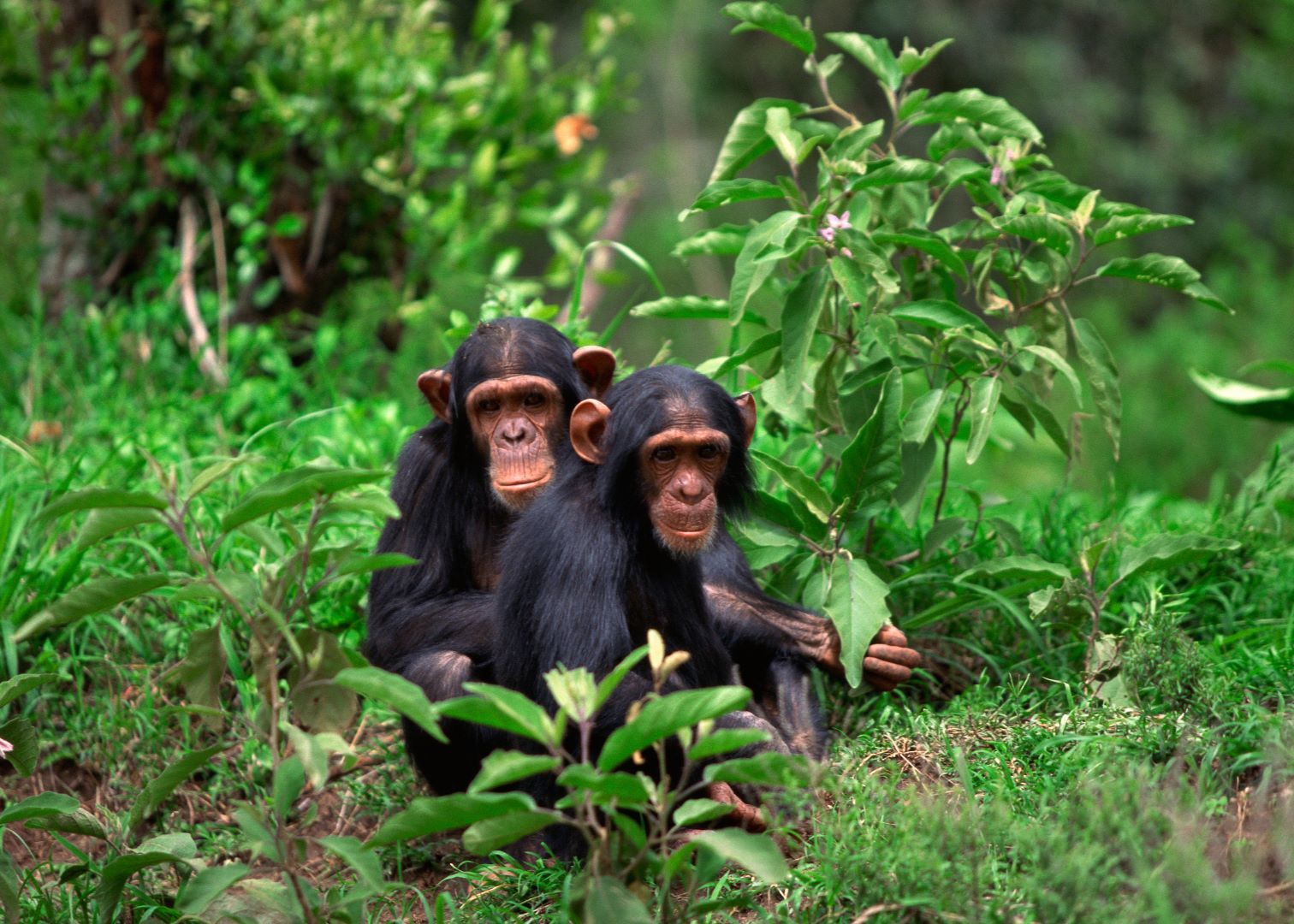
Chimpanzee trekking is among the most exciting experiences in Nyungwe Forest National Park.
The forest is home to eastern chimpanzees, an endangered subspecies that shares a remarkable biological connection with humans.
Visitors join experienced guides and trackers who help locate the chimpanzee communities.
The experience usually begins early in the morning because chimpanzees are active and may travel considerable distances through the forest.
Once the chimpanzees are located, visitors can observe their natural behaviour, including feeding, grooming, playing, vocalising and moving through the trees.
Unlike viewing animals from a vehicle, chimpanzee trekking offers a more immersive experience that takes visitors into the heart of the rainforest.
It is important to remember that chimpanzees are wild animals. Sightings are not guaranteed, and the duration of the trek depends on their movements and location.
The Nyungwe Canopy Walkway: Walk Above an Ancient Rainforest
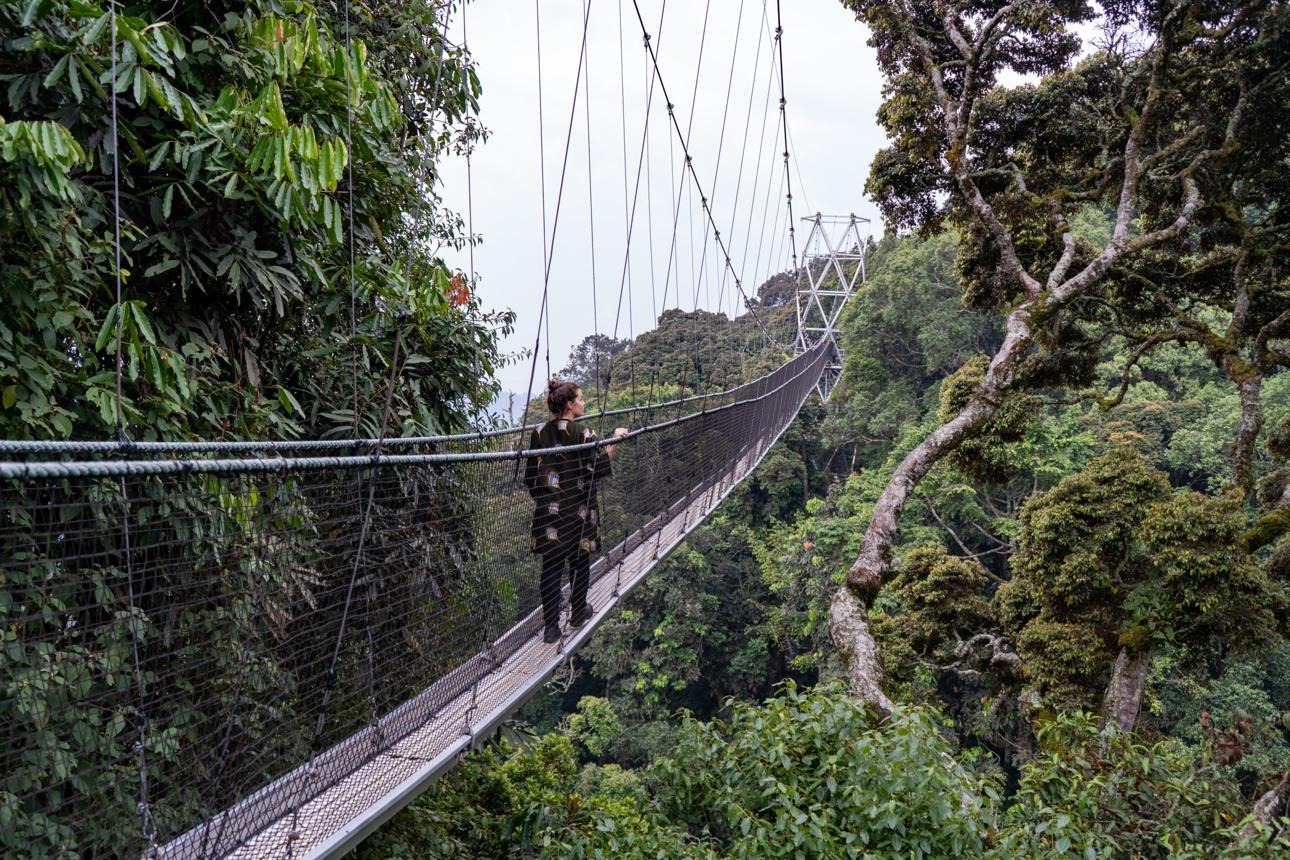
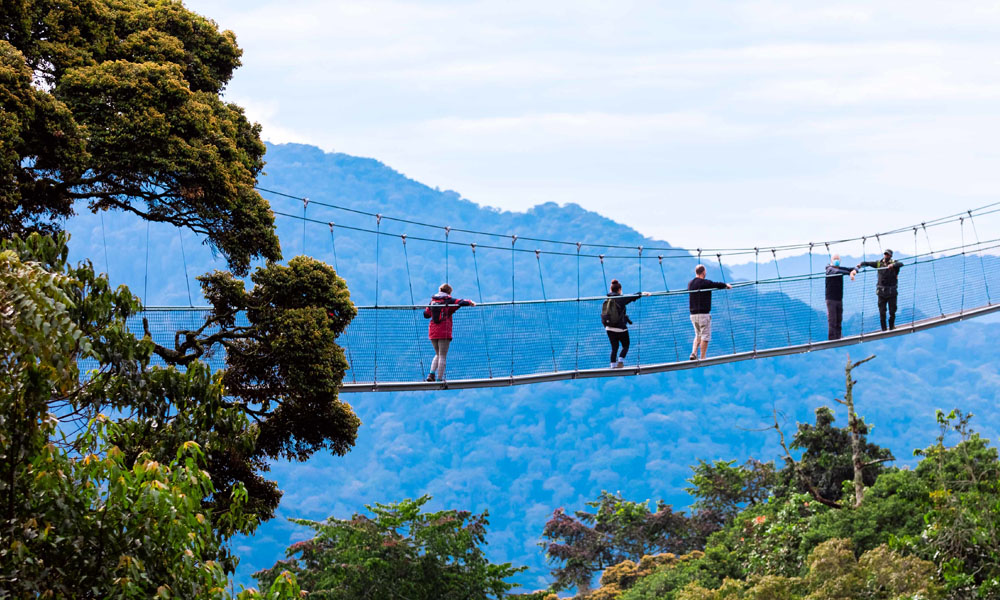
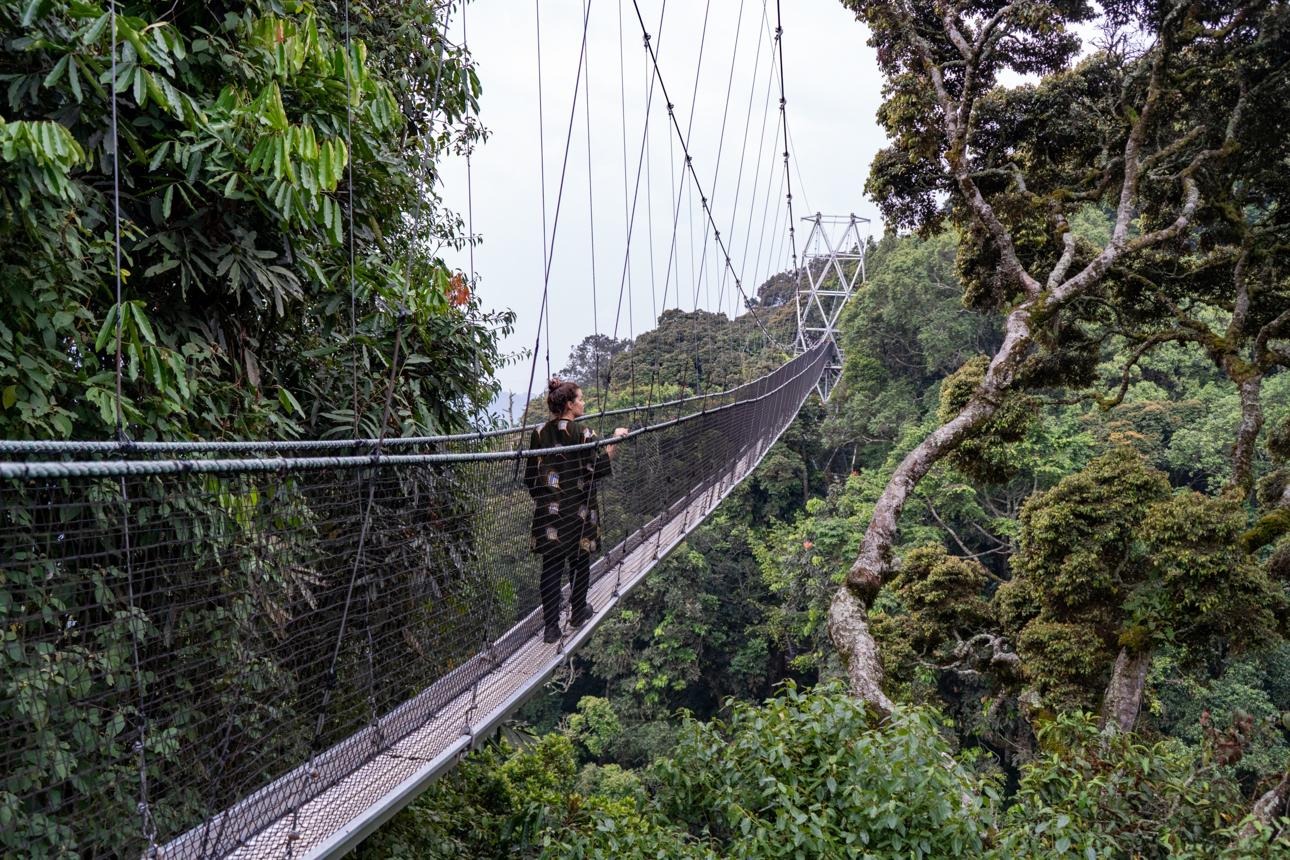
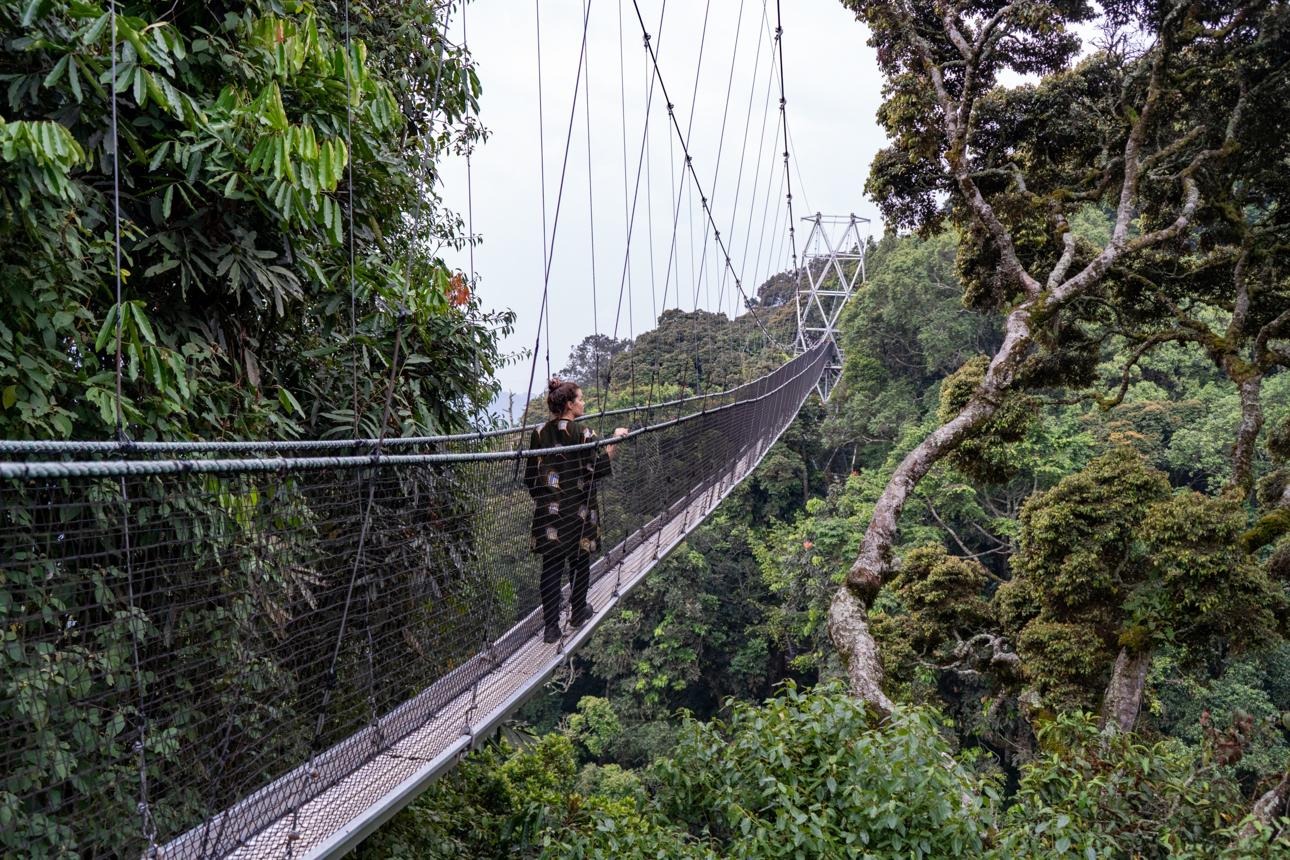
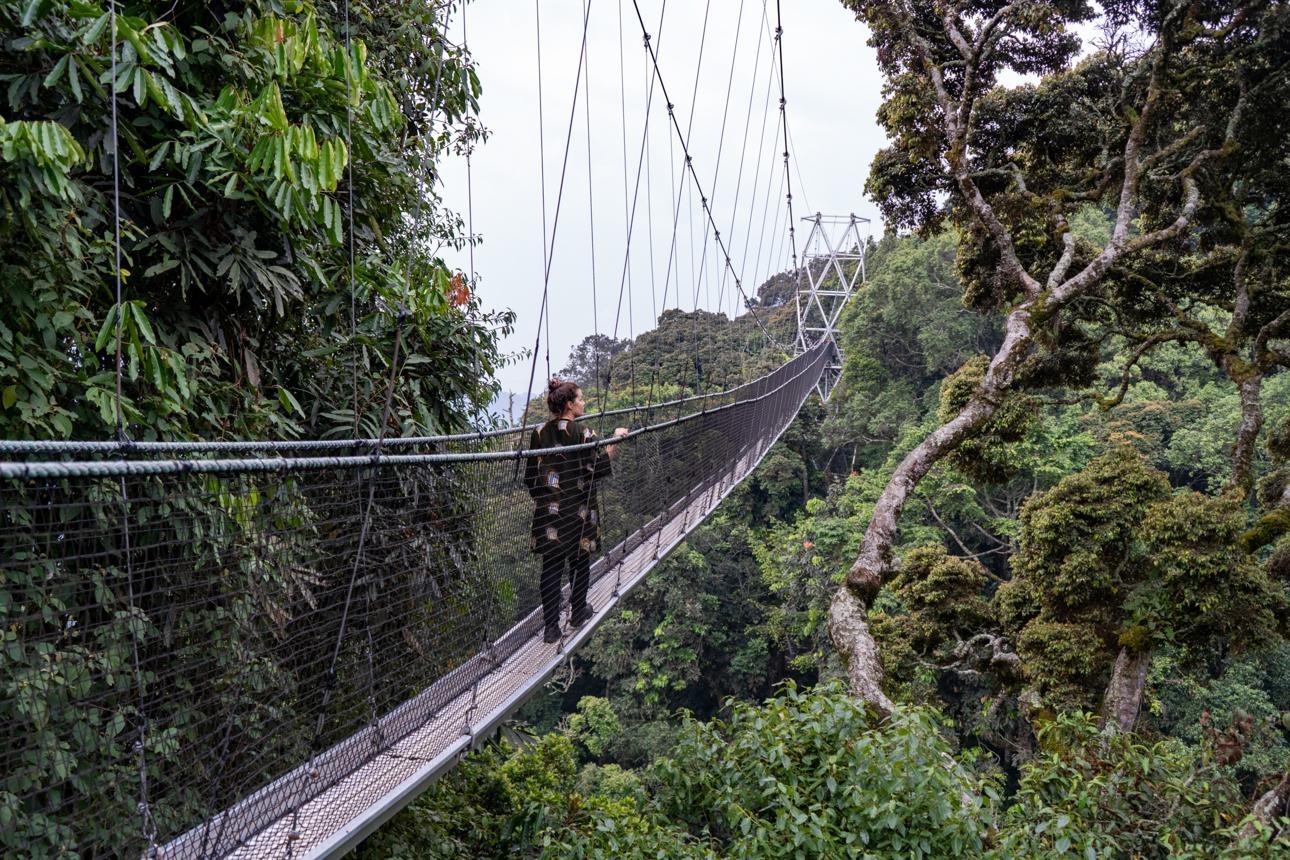
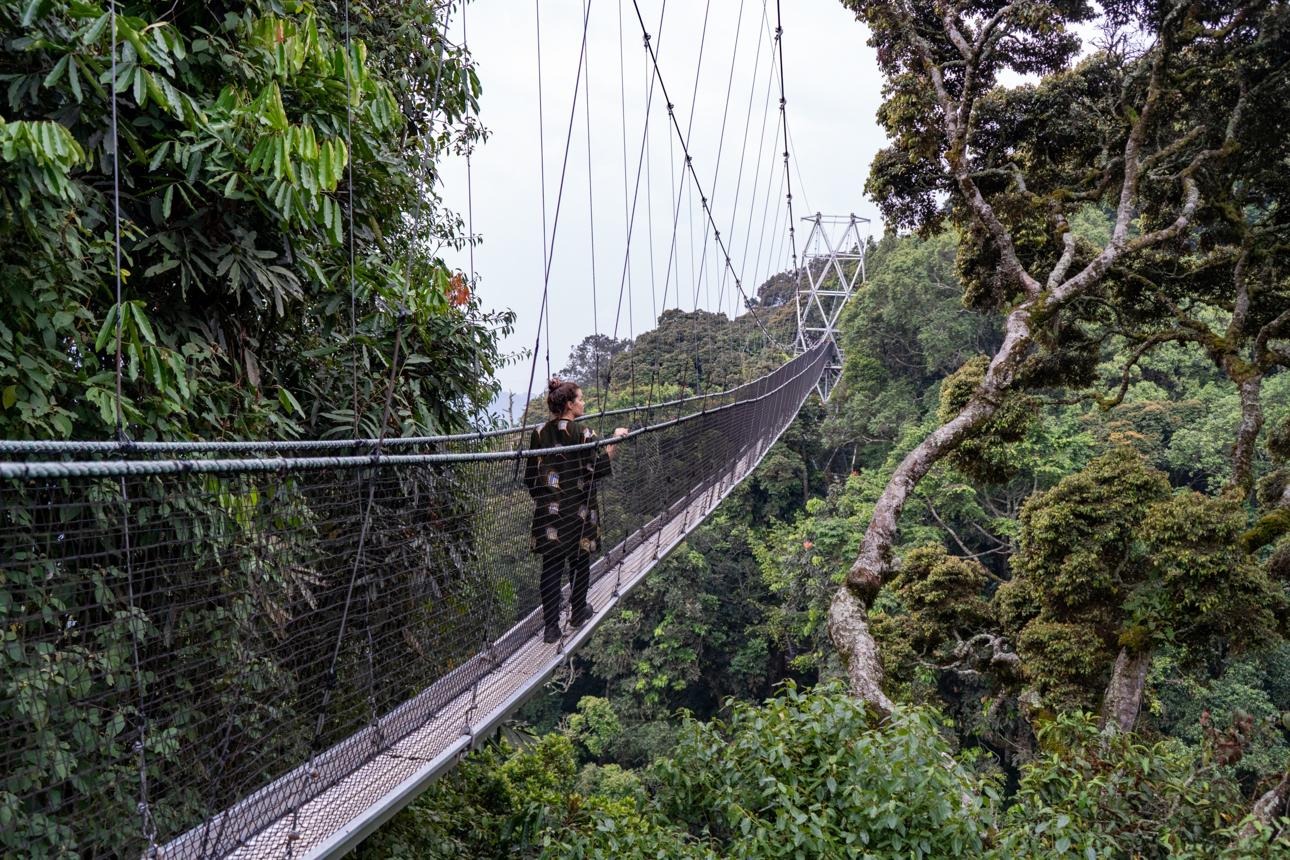
The famous canopy walkway is one of the most recognisable attractions in Rwanda.
Suspended high above the forest floor, this remarkable structure gives visitors a completely different perspective of Nyungwe.
From the walkway, visitors can enjoy panoramic views of the surrounding mountains, dense vegetation, deep valleys and the upper levels of the forest.
The experience is particularly rewarding for photographers, birdwatchers and adventure lovers.
Walking above the treetops also provides an opportunity to appreciate how complex and layered a rainforest ecosystem can be.
The guided canopy walk begins at Uwinka Visitor Centre and is an experience that should not be missed.
Nyungwe Canopy Zipline: Fly Through the Rainforest
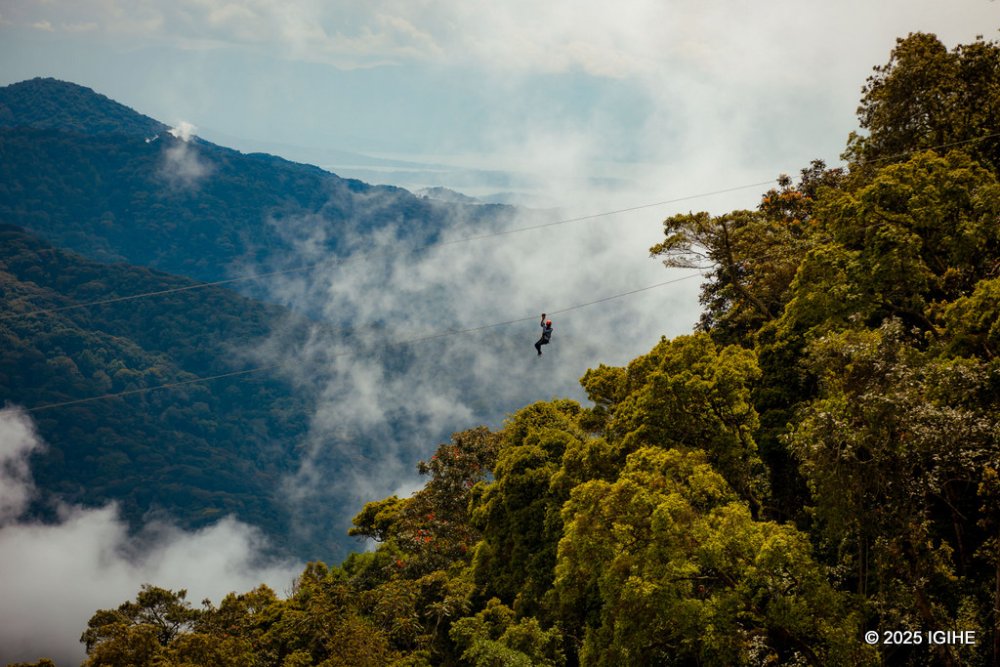
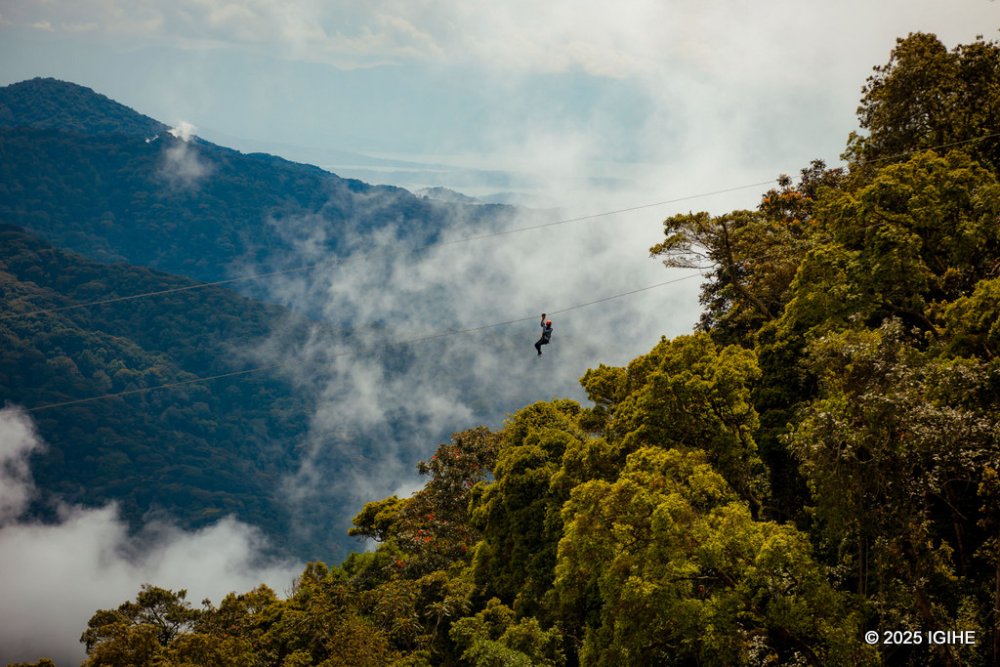
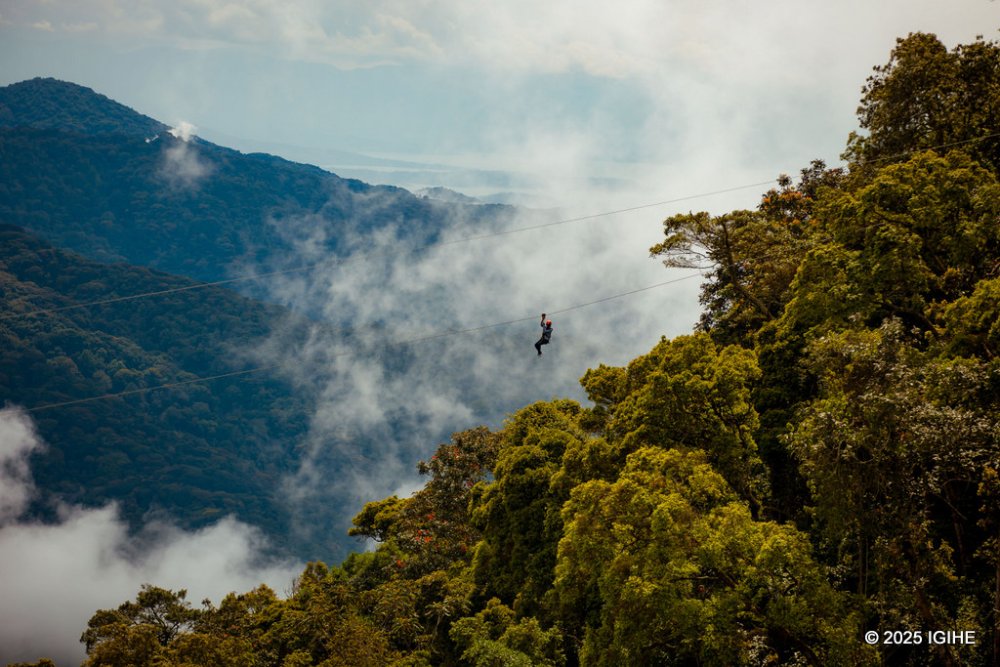
For visitors seeking a more adventurous experience, the Nyungwe Canopy Zipline introduces a thrilling way to explore the forest.
Opened in 2025, this approximately 1,935-metre zipline is divided into three sections.
Beginning at Uwinka Visitor Centre, it allows participants to travel above the rainforest and experience spectacular views from a completely different perspective.
The combination of excitement, mountain scenery and forest biodiversity makes it one of the most distinctive additions to Rwanda's adventure tourism experiences.
It is particularly attractive to travellers who want something beyond traditional wildlife viewing.
Gisakura Rope Course: Challenge Yourself in Nature
The Gisakura Rope Course is another exciting addition to Nyungwe's adventure experiences.
Visitors can test their balance, coordination and confidence through a series of suspended obstacles, including hanging tyres, nets and swinging elements.
It offers an enjoyable outdoor experience for visitors looking to combine nature exploration with physical adventure.
Participation is subject to the attraction's safety instructions and applicable requirements.
Isumo Waterfall Trail: Discover the Beauty of a Tropical Waterfall
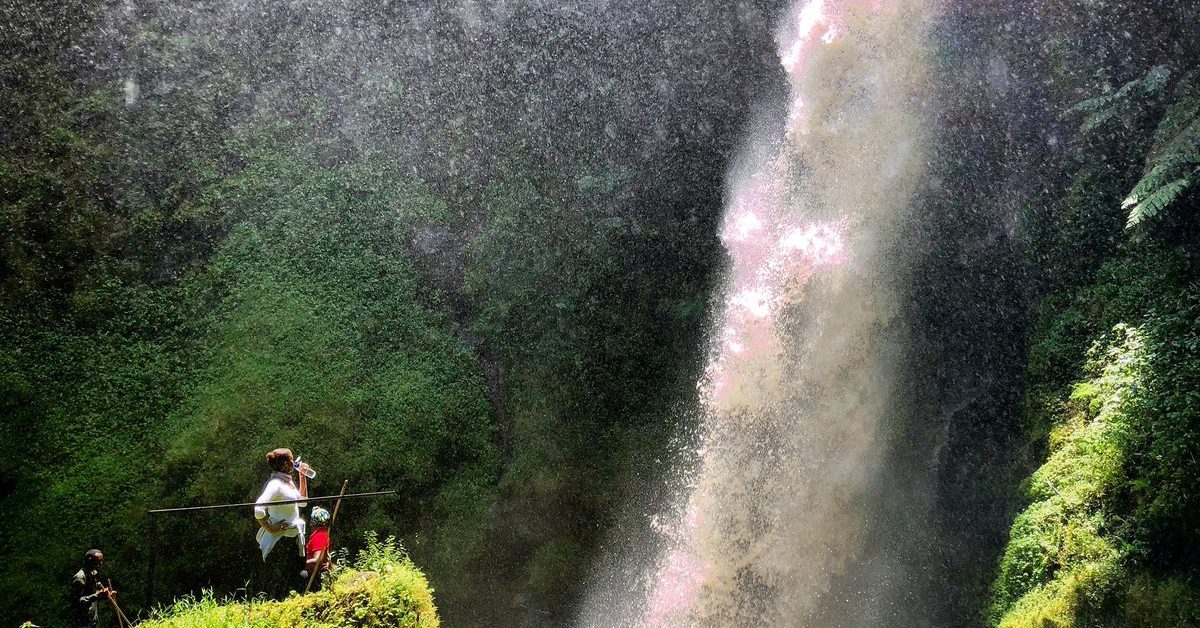
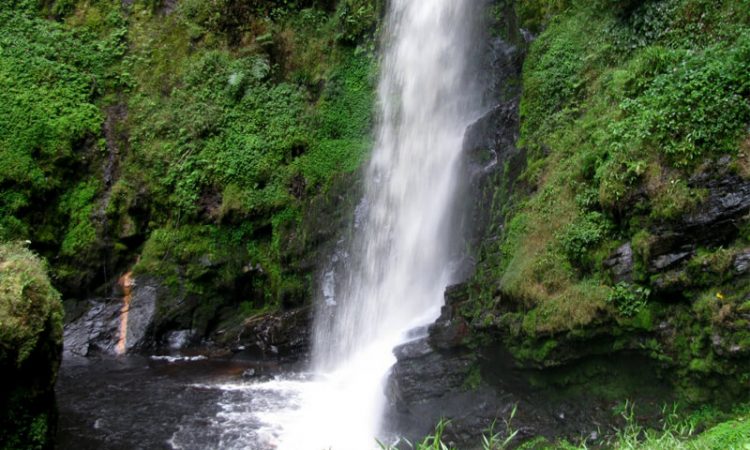
Nyungwe's waterfalls are among its most beautiful natural attractions.
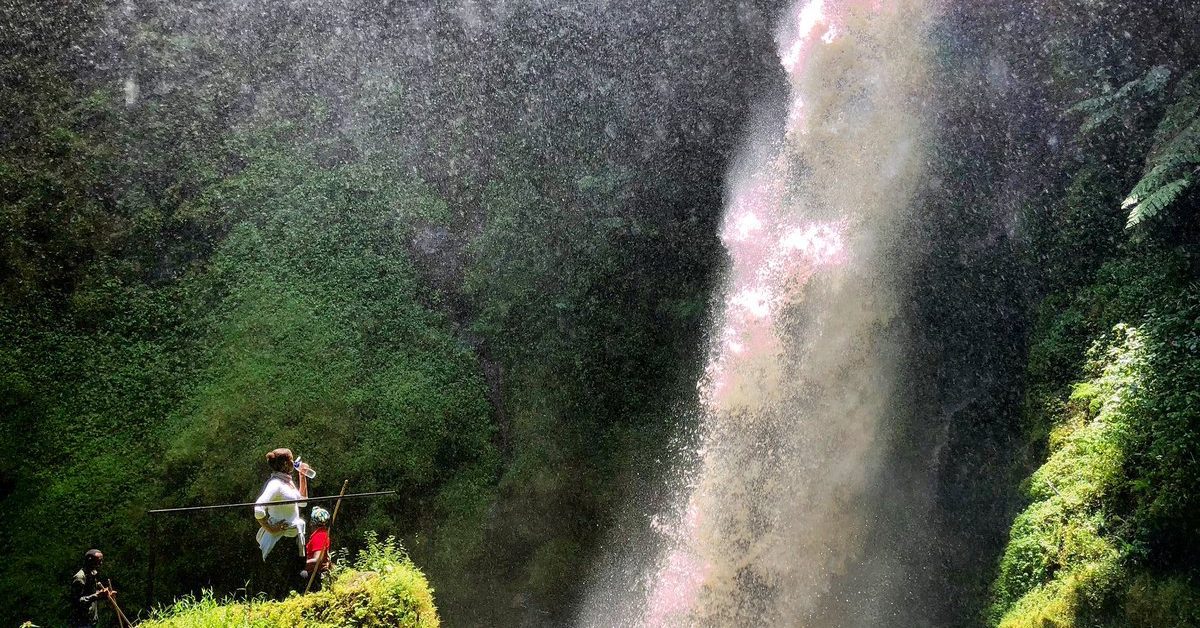
One of the most rewarding hiking experiences is the Isumo Waterfall Trail, which takes visitors through forest vegetation, tea plantations and impressive mountain scenery.
The trail leads to the spectacular Isumo waterfall, where water flows through a beautiful rainforest landscape.
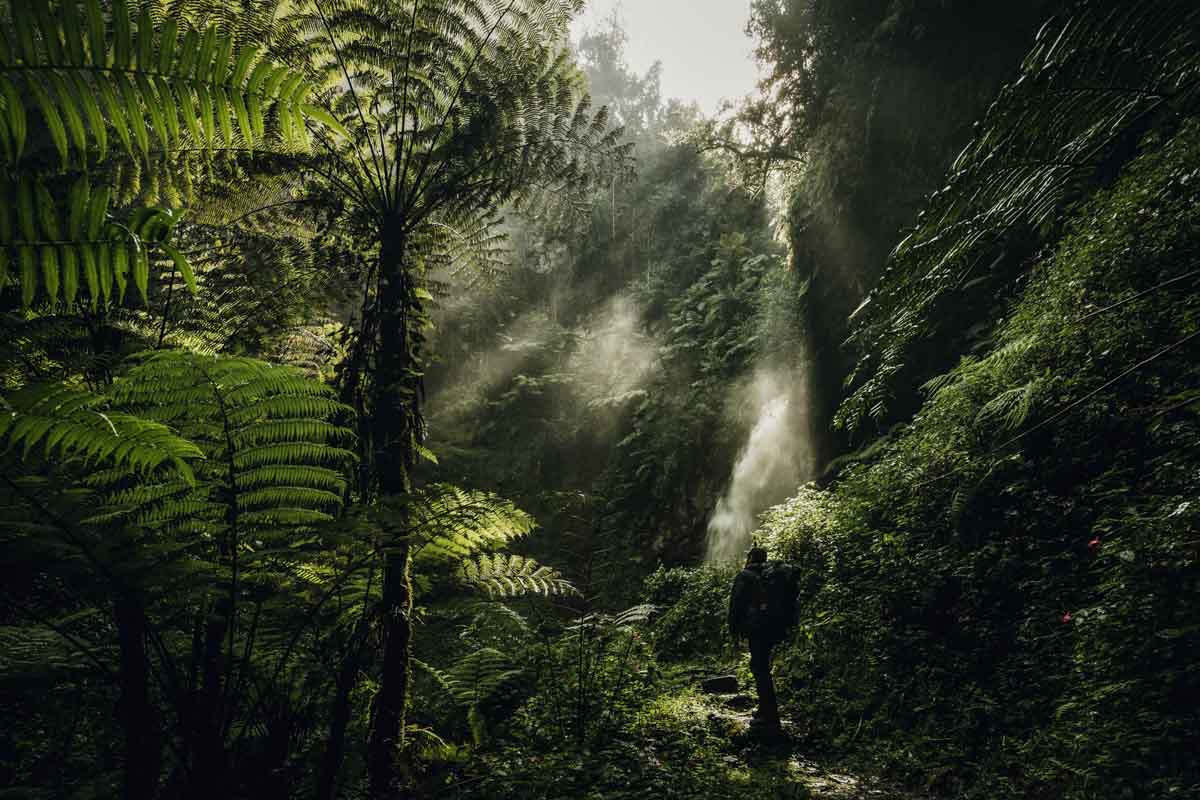
The sound of flowing water, fresh mountain air and surrounding vegetation create a peaceful atmosphere that makes the hike particularly memorable.
The experience is ideal for visitors who enjoy nature photography, moderate hiking and exploring hidden natural attractions.
Ndambarare Waterfall: Another Beautiful Forest Discovery

Another worthwhile attraction is Ndambarare Waterfall.
The trail offers an opportunity to explore the forest's natural beauty while enjoying views of surrounding vegetation and tea-growing landscapes.
Visitors interested in waterfalls should discuss trail conditions, activity duration and starting arrangements with park reception before travelling.
Colobus Monkey Tracking: Discover an Extraordinary Primate Community
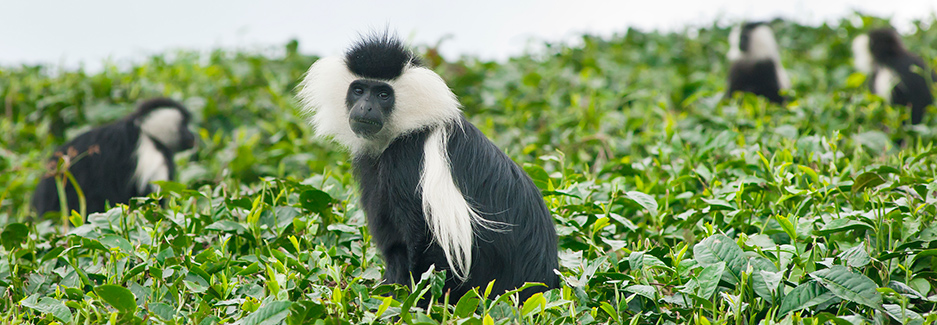
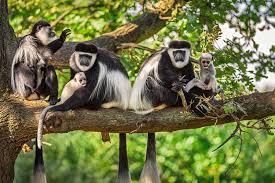
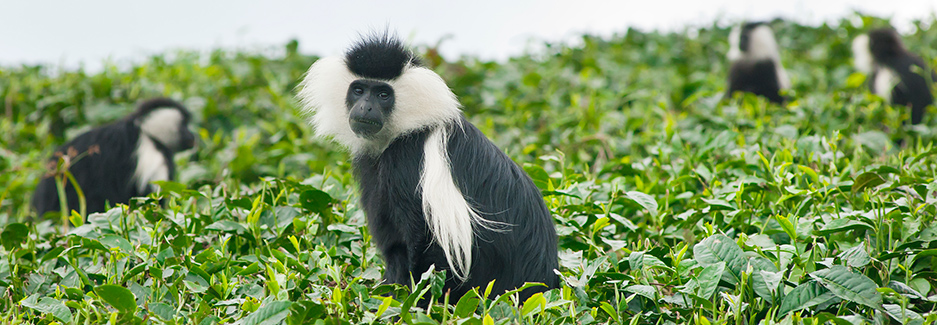
Nyungwe is famous for its Angolan black-and-white colobus monkeys.
One of its most remarkable wildlife attractions is a super troop consisting of more than 400 individuals.
Watching these monkeys move through the forest in large numbers is an unforgettable experience.
Their striking black-and-white coats, long tails and coordinated movements make them particularly interesting for wildlife photography.
Colobus monkey tracking is an excellent alternative for visitors who want to experience primate diversity beyond chimpanzees.
Birdwatching: A Paradise for Bird Lovers
Nyungwe is one of Africa's important birdwatching destinations.
With more than 300 recorded bird species, including approximately 30 Albertine Rift endemics, the forest offers excellent opportunities for bird enthusiasts.
Some notable species include:
- Great blue turaco.
- Ruwenzori turaco.
- Red-collared mountain babbler.
- Albertine owlet.
- Regal sunbird.
- Ruwenzori batis.
- Purple-breasted sunbird.
Professional bird guides help visitors identify different species by their calls, colours, behaviour and habitats.
Guided Forest Hiking: Explore Nyungwe's Hidden Landscapes
Nyungwe contains an extensive network of hiking trails, each offering a different perspective of the forest.
Popular trails include:
Igishigishigi Trail: A popular route associated with the canopy walkway experience.
Kamiranzovu Trail: Explores a spectacular high-altitude swamp and its surrounding vegetation.
Isumo Trail: Leads to the beautiful Isumo waterfall.
Umuyove Trail: Offers forest scenery and opportunities to appreciate impressive native trees.
Bigugu Trail: A challenging hike to the highest mountain in the park, offering remarkable views in suitable weather.
Irebero Trail: Provides beautiful forest and viewpoint experiences.
Visitors should select trails according to their fitness levels, available time and weather conditions.
Night Walks: Discover the Forest After Sunset
Nyungwe offers opportunities to experience its nocturnal environment through organised night walks.
After sunset, a different group of animals becomes active.
With a guide and appropriate lighting, visitors may learn about nocturnal species such as galagos, pottos and other forest wildlife.
It is an excellent opportunity to appreciate how rainforest ecosystems remain active even after daytime visitors have left.
Tea Plantation and Community Experiences
The landscapes surrounding Nyungwe are also famous for tea production.
Visitors can explore tea-growing areas and learn about the relationship between agriculture, local livelihoods and the surrounding forest environment.
Community-based experiences in villages such as Banda and Gisakura can introduce travellers to traditional crafts, pottery, blacksmithing, dance and other cultural practices.
These experiences provide a valuable opportunity to understand the communities living around the national park.
The Best Time to Visit Nyungwe Forest National Park in 2026–2027
Nyungwe can be visited throughout the year, but weather conditions can influence the quality and difficulty of outdoor activities.
Because it is a rainforest, rainfall can occur even during traditionally drier months.
June to September: The Main Dry Season
This is generally one of the most favourable periods for visiting Nyungwe.
Visitors can enjoy hiking, canopy walking, chimpanzee trekking and birdwatching, although trails can still be wet.
The relatively drier conditions may make some outdoor activities more comfortable.
December to February: Shorter Dry Season
This is another attractive period for visiting.
It is particularly suitable for travellers combining Nyungwe with other Rwanda safari destinations.
March to May and October to November: Rainier Periods
These months generally receive more rainfall.
However, the forest becomes especially lush, creating beautiful photographic conditions and a wonderful rainforest atmosphere.
Visitors should prepare for muddy trails, wet weather and possible adjustments to outdoor activities.
Our recommendation: If you want to combine chimpanzee trekking, canopy walking, hiking and waterfalls, consider travelling between June and September or December and February. However, the best dates depend on your preferred activities and current weather conditions.
A Beautiful Two-Day Chimpanzee Trekking Safari in Nyungwe from Kigali
For visitors with limited time in Rwanda, a two-day Nyungwe chimpanzee trekking safari from Kigali is an excellent way to discover the forest.
However, this itinerary requires an early start and good coordination because the road journey between Kigali and Nyungwe takes approximately five to six hours, depending on the destination, traffic and road conditions.
We recommend travelling in a comfortable 4x4 safari vehicle with a professional driver-guide.
Day One: Kigali – Scenic Journey to Nyungwe Forest National Park
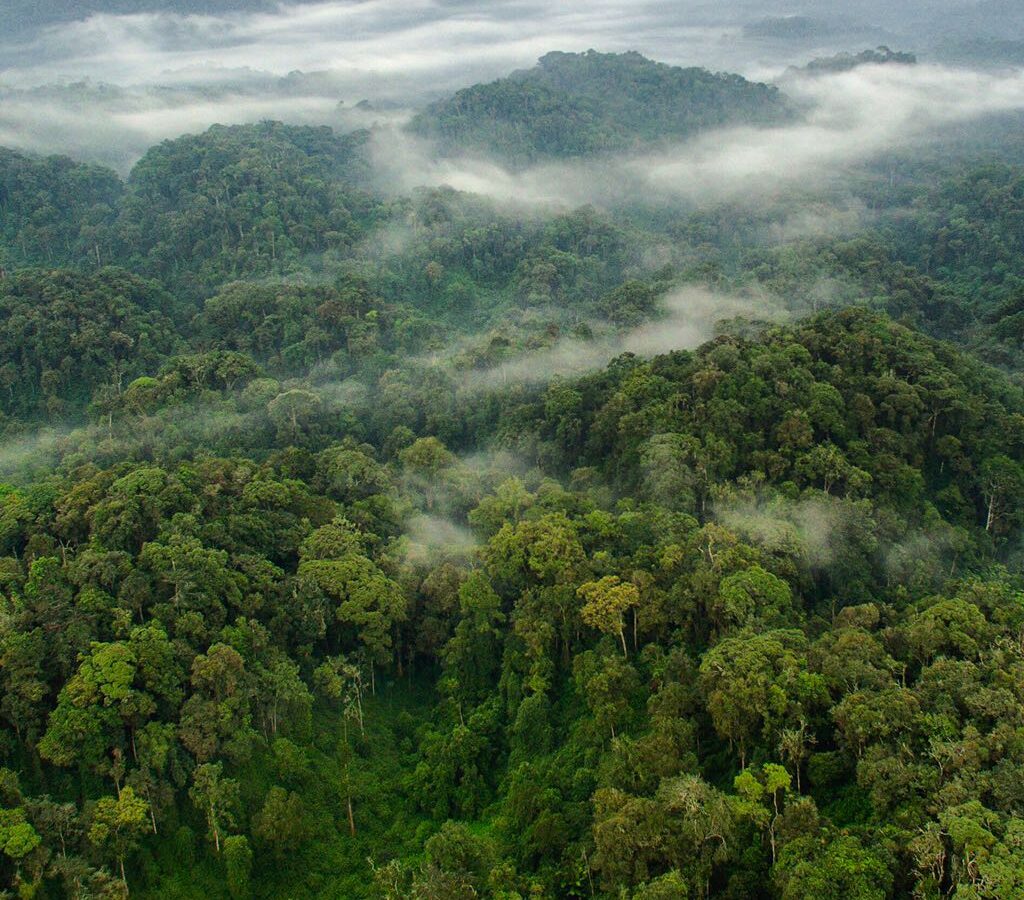
Morning: Departure from Kigali
Your adventure begins with an early morning departure from Kigali.
After breakfast, your professional driver-guide from Seek Wild Africa will meet you at your hotel or agreed pickup location.
You will travel southwest towards Nyungwe, enjoying the beautiful countryside, rolling hills, rural settlements and changing landscapes along the way.
The journey offers opportunities to discover Rwanda beyond the capital.
Midday: Scenic Stops and Lunch
Depending on your preferred route and schedule, you can enjoy a lunch break and selected scenic stops.
The journey itself is an important part of the experience, offering opportunities to photograph Rwanda's beautiful landscapes and appreciate the country's rural environment.
Afternoon: Arrival and Accommodation
Arrive in the Nyungwe area, check in at your selected lodge and enjoy time to relax.
If time and arrangements allow, you may visit a nearby tea plantation, enjoy a cup of Rwandan coffee or explore a short, suitable activity.
The most important preparation is to rest and get ready for the following morning's chimpanzee trekking experience.
Evening: Dinner and Safari Briefing
Enjoy dinner at your lodge.
Your guide will confirm the next morning's arrangements, including the tracking location, departure time and required equipment.
An early night is recommended.
Day Two: Chimpanzee Trekking – Nyungwe Forest – Return to Kigali
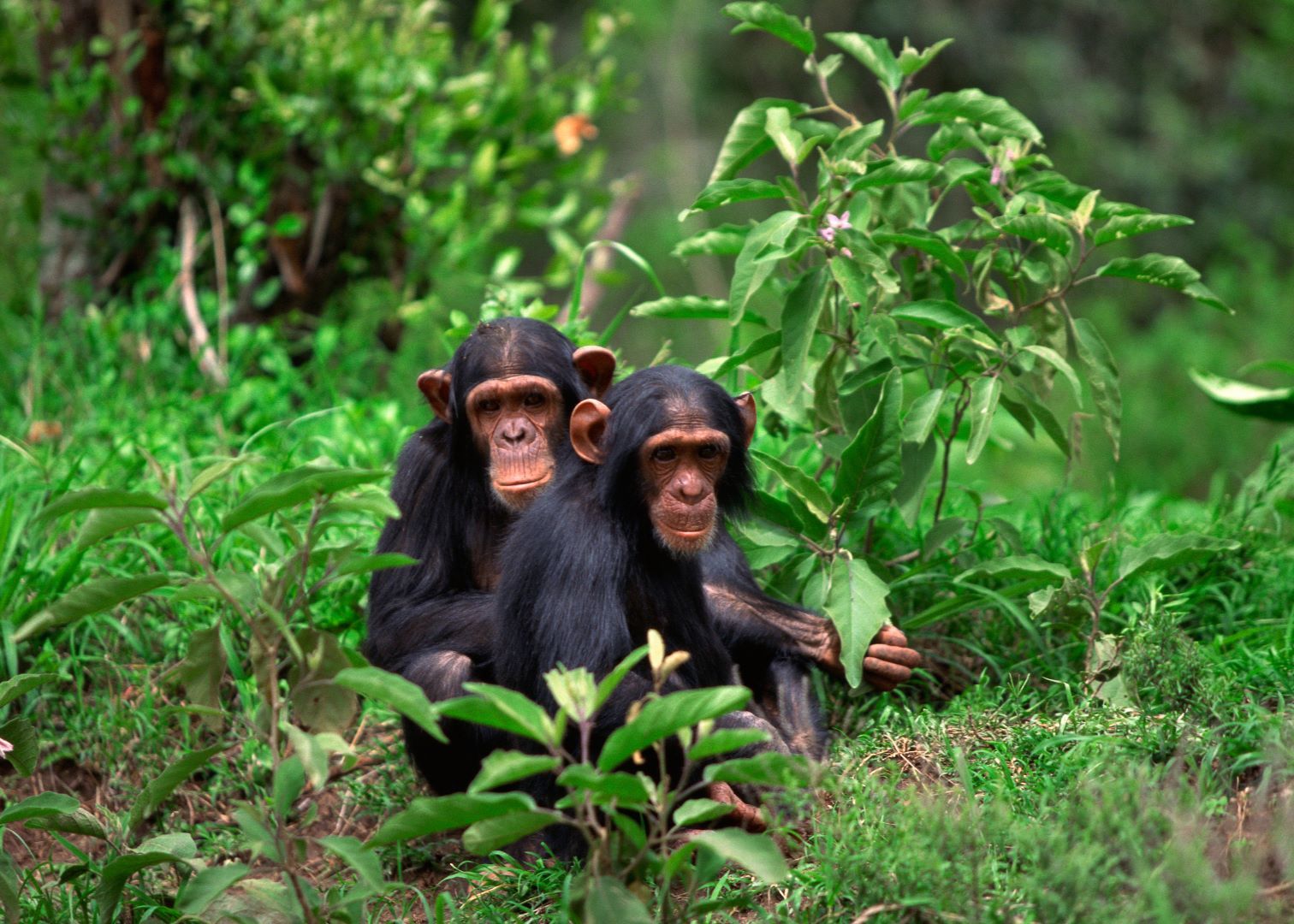
4:30 AM – Early Morning Preparation
Wake up early, enjoy breakfast and prepare for your chimpanzee trekking adventure.
Depending on your allocated chimpanzee community and meeting point, your driver-guide will coordinate the transfer to the appropriate park reception or briefing location.
Around 5:00 AM – Park Briefing and Organisation
Meet the park's professional guides and trackers.
Visitors receive important information about the activity, wildlife behaviour, forest safety and conservation rules.
The guides explain what to expect during the trek and how to behave responsibly around chimpanzees.
Morning – Chimpanzee Trekking Experience
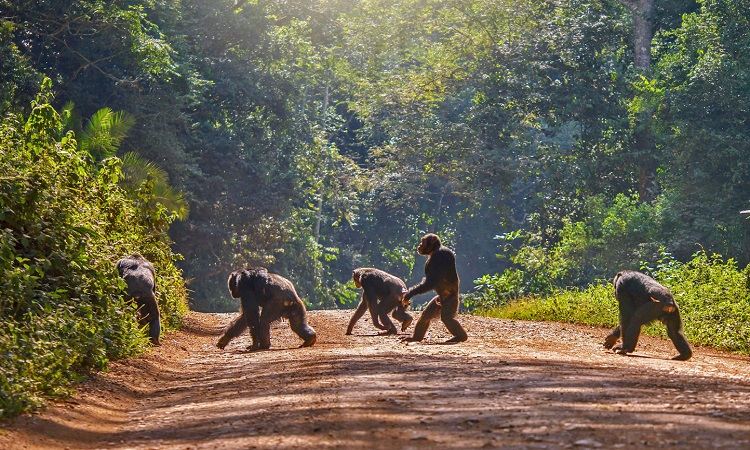
Enter the rainforest accompanied by experienced trackers and guides.
The search for chimpanzees can involve walking through thick vegetation, climbing forest slopes and following their movements through the trees.
Once the chimpanzees are located, enjoy the opportunity to observe them in their natural environment.
Watch their interactions, listen to their calls and appreciate their remarkable intelligence and social behaviour.
The duration of the trek varies, and sightings cannot be guaranteed.
Late Morning – Return and Refreshment
After the trek, return to the designated meeting area.
Enjoy refreshments and take time to appreciate the experience.
Afternoon – Scenic Return Journey to Kigali
Begin your journey back to Kigali.
Depending on the actual trekking duration, road conditions and departure time, you may arrive in Kigali in the late afternoon or evening.
Your driver-guide will ensure a comfortable return to your hotel or another agreed drop-off point.
End of Tour: An Unforgettable Rwanda Rainforest Experience
This two-day experience is particularly suitable for travellers who want to discover Nyungwe's famous chimpanzees without committing to a longer safari.
For visitors who prefer a more relaxed experience, we recommend adding an extra night to enjoy the canopy walkway, waterfalls or other forest activities.
One-Day Nyungwe Adventure: Canopy Zipline and Canopy Walkway
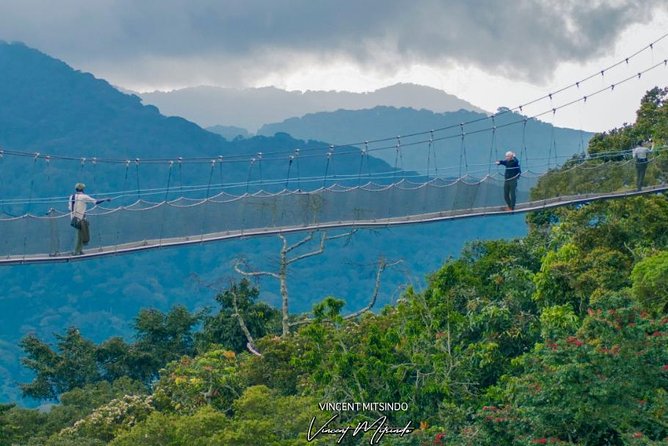
If you are already staying in the Nyungwe area, a one-day adventure combining the canopy zipline and canopy walkway is an excellent way to experience the park.
This itinerary is designed for visitors who want to enjoy two of Nyungwe's most exciting attractions within one day.
Important: This is a one-day activity itinerary within Nyungwe, not a realistic same-day return trip from Kigali. Travelling from Kigali and completing both activities plus a waterfall hike in one day would be too rushed. We recommend arriving in the area the previous evening.
7:30 AM – Breakfast and Transfer to Uwinka Visitor Centre
Enjoy breakfast at your lodge before travelling to Uwinka Visitor Centre.
Meet the relevant park staff and confirm your activity arrangements.
8:00 AM – Nyungwe Canopy Walkway Experience
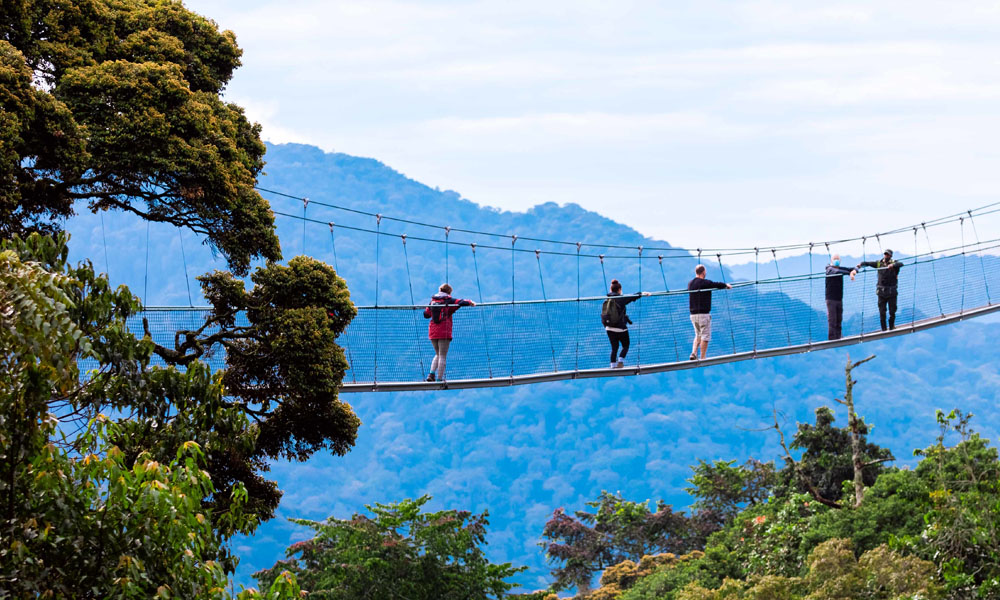
Begin your day with the famous canopy walkway.
Accompanied by a guide, walk along the suspended bridge above the rainforest and enjoy spectacular views of the trees, valleys and surrounding mountains.
Take photographs and appreciate the remarkable biodiversity of the forest.
10:30 AM – Nyungwe Canopy Zipline Adventure
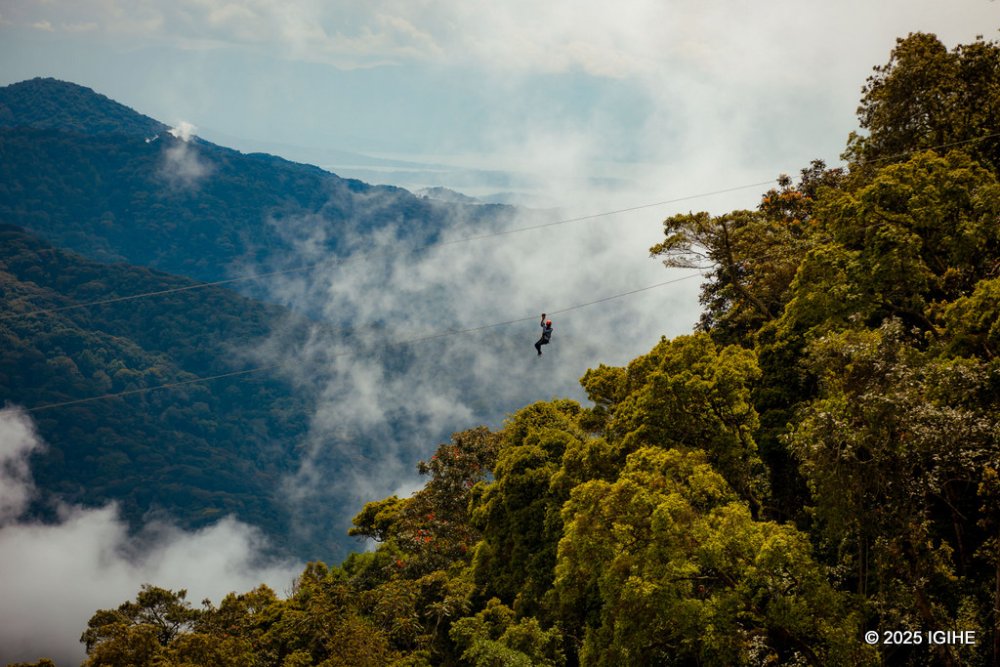
Prepare for the exciting canopy zipline experience.
This 1,935-metre attraction offers three sections through the forest canopy.
Enjoy the feeling of travelling above the rainforest while observing the surrounding landscape from an extraordinary perspective.
Follow all safety instructions provided by the activity team.
12:30 PM – Lunch and Relaxation
Enjoy lunch and refreshments at an appropriate visitor facility.
Take time to rest before continuing your adventure.
1:30 PM – Isumo or Ndambarare Waterfall Excursion
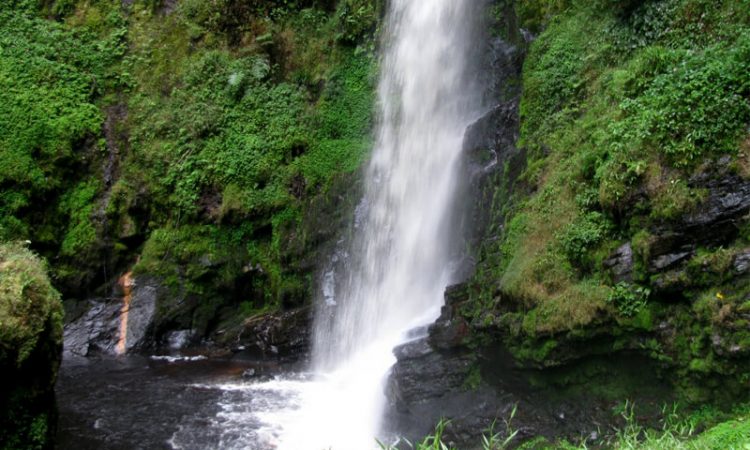
If you have sufficient time, suitable fitness and confirmed trail arrangements, continue with a guided waterfall excursion.
The Isumo Waterfall Trail is particularly rewarding, but it requires several hours of hiking.
For visitors who have already completed the zipline and canopy walk, we recommend checking whether the shorter available trail options can fit the remaining schedule.
Do not attempt to rush a long waterfall hike to fit everything into one afternoon.
4:30 PM – Return to Your Lodge
Return to your accommodation, relax and enjoy the surrounding forest environment.
Why Choose This Experience?
This itinerary is ideal for travellers who enjoy outdoor adventure, rainforest scenery, photography and activities that combine excitement with nature appreciation.
It also demonstrates that Nyungwe is much more than a chimpanzee trekking destination.
Where to Stay in Nyungwe Forest National Park: Lodges and Accommodation
Accommodation is an important part of planning a successful Nyungwe safari.
The area offers different accommodation categories, from luxury rainforest retreats to comfortable hotels, eco-lodges, guesthouses and campsites.
Your choice should depend on your budget, preferred comfort level, location and planned activities.
Luxury Accommodation
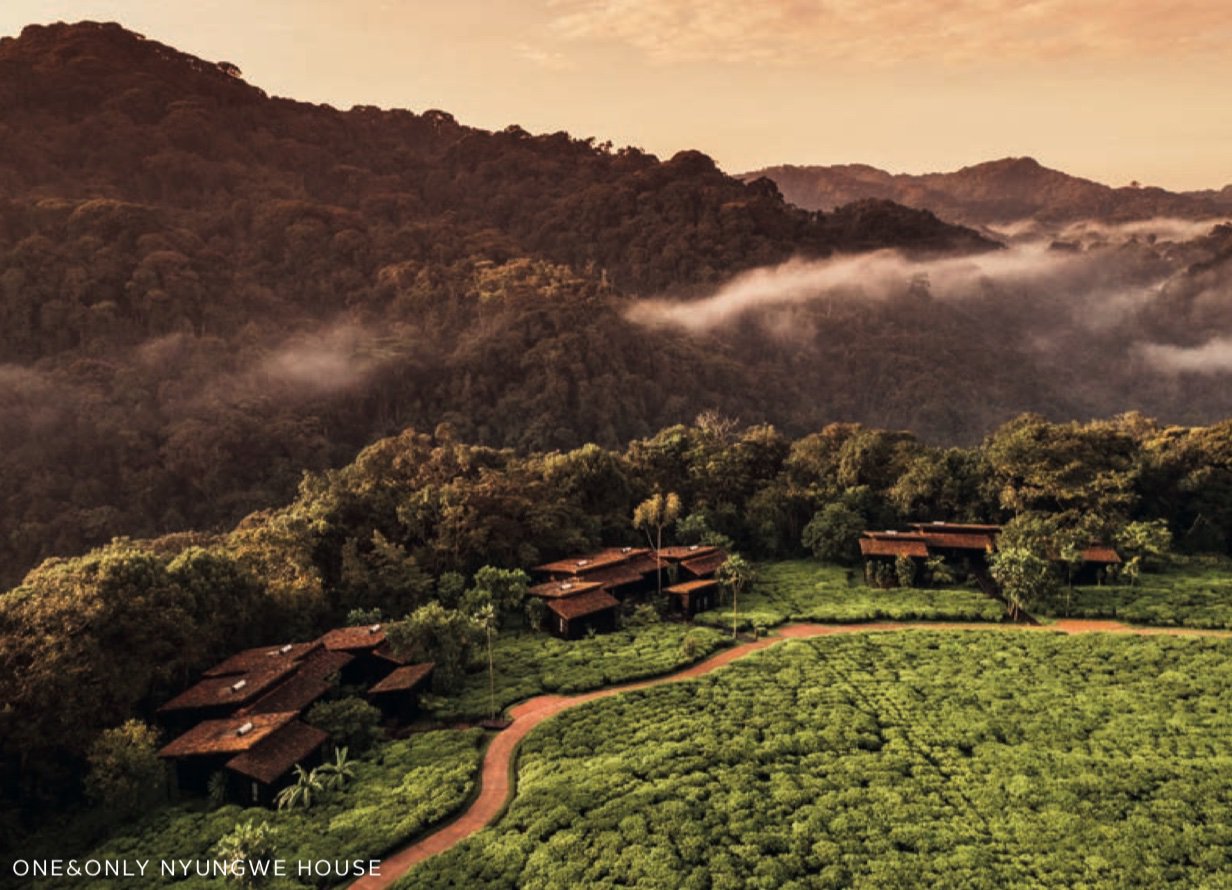
Nyungwe Tea Forest Resort (formerly One&Only Nyungwe House)
Previously known as One&Only Nyungwe House, this luxury property is now known as Nyungwe Tea Forest Resort.
It is set within a beautiful tea-growing landscape near the forest and offers a premium experience for visitors seeking high-end accommodation.
Its setting, hospitality and connection with the surrounding natural environment make it an attractive choice for luxury travellers.
It is particularly suitable for honeymooners, high-end safari clients and visitors seeking a peaceful rainforest retreat.
Eco-Friendly Accommodation
Munazi Lodge
Munazi Lodge is an eco-friendly accommodation option developed within the Nyungwe tourism area.
It features nine A-frame cottages designed to blend with the surrounding natural environment.
The lodge places emphasis on local craftsmanship, sustainability and comfortable accommodation.
It is a good option for visitors looking for an intimate experience surrounded by nature.
Mid-Range Accommodation
Nyungwe Top View Hill Hotel
This property is known for its elevated location and panoramic views of the surrounding hills and Lake Kivu in the distance.
It offers a comfortable option for visitors who want scenic accommodation without necessarily choosing a luxury resort.
It is worth considering for travellers seeking a balance between comfort, location and budget.
Budget and Community-Based Accommodation
Gisakura Guesthouse and Campsite
Gisakura offers practical accommodation options for visitors who want to stay close to the western side of the forest.
It is particularly useful for travellers interested in hiking, chimpanzee tracking arrangements and exploring the surrounding tea plantations.
Uwinka Guesthouse and Campsites
Located near Uwinka Visitor Centre, these facilities are useful for visitors planning activities around the centre of the park.
They offer a closer connection with the forest and can be convenient for travellers seeking simple accommodation.
Gisovu Guesthouse
Gisovu provides another self-catering accommodation option in the northern part of the park area, with beautiful views of the surrounding landscape.
Our accommodation recommendation: For luxury travellers, consider Nyungwe Tea Forest Resort. For an eco-friendly stay, consider Munazi Lodge. For more economical arrangements, explore the park's guesthouses and campsites.
Accommodation availability, facilities and rates should always be confirmed before booking.
How to Reach Nyungwe Forest National Park from Kigali
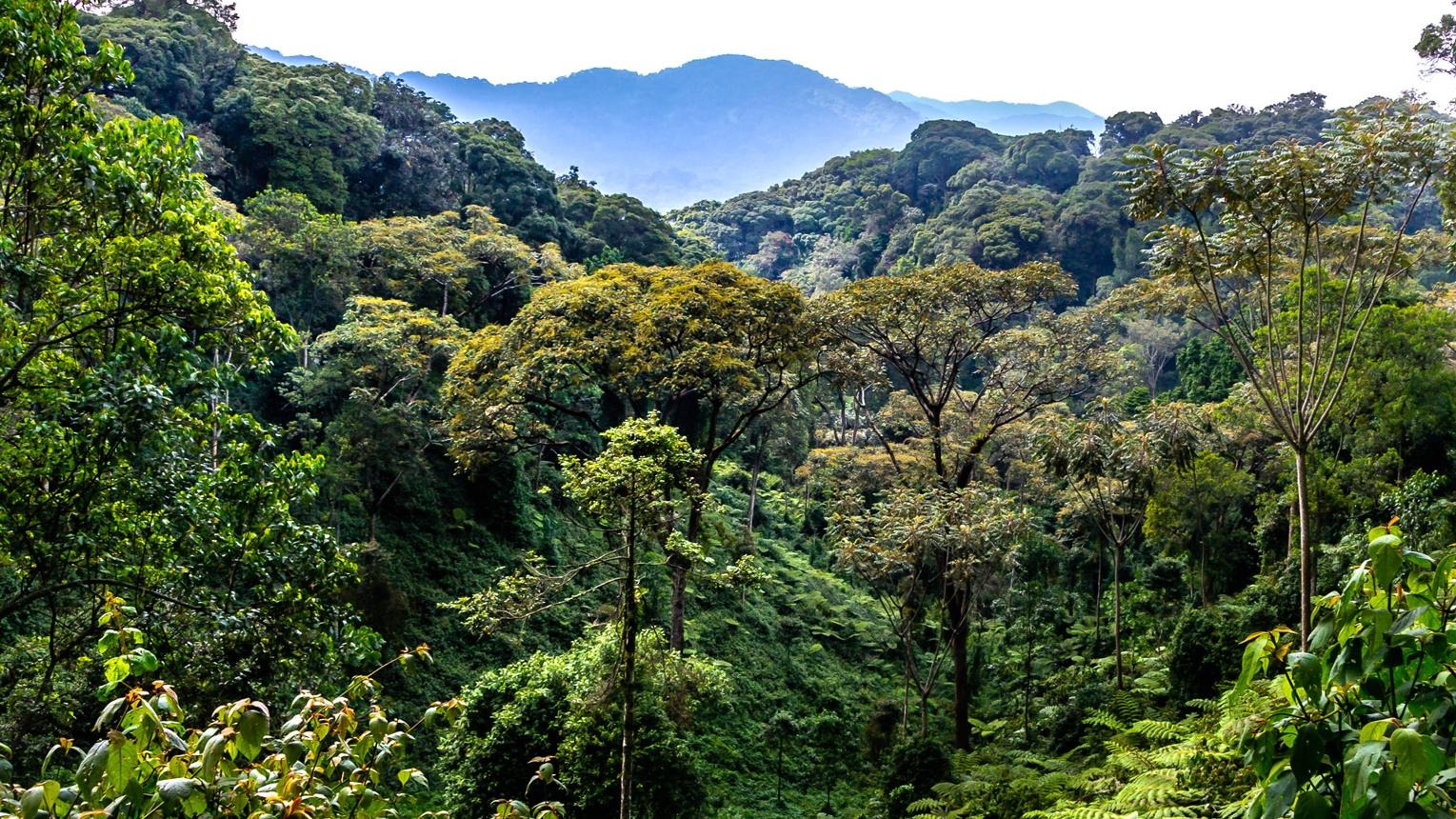
Nyungwe is located in southwestern Rwanda, and the journey from Kigali is an important part of the safari experience.
By Road
The most common way to reach Nyungwe is by road.
The journey generally takes approximately five to six hours, depending on your final destination, traffic, road conditions and stops.
A comfortable 4x4 safari vehicle is recommended, particularly for visitors combining several activities or travelling with photography equipment and luggage.
By Helicopter
Travellers seeking a premium and time-saving option may consider helicopter transfers, subject to availability, suitable landing arrangements and the accommodation provider's requirements.
This can be an attractive option for luxury travellers with limited time.
What to Pack for a Nyungwe Forest National Park Safari
Proper preparation makes a significant difference to your experience in Nyungwe.
The forest is mountainous, humid and frequently rainy. Even during the drier months, visitors should be prepared for changing weather conditions.
We recommend bringing the following:
Clothing
- Long-sleeved shirts to protect your arms.
- Lightweight, comfortable hiking trousers.
- Waterproof hiking boots with good grip.
- Extra socks.
- A warm sweater or fleece for cool mornings.
- A waterproof jacket or raincoat.
- A hat or cap.
- Comfortable clothing for the evening.
Essential Safari Equipment
- A comfortable day backpack.
- Binoculars for birdwatching and wildlife observation.
- A camera with extra batteries.
- A waterproof bag or protective camera cover.
- A flashlight or headlamp for appropriate activities.
- Sunscreen.
- Insect repellent.
- Personal medication and a small first-aid kit.
- Reusable drinking-water bottles.
Important: Respect Nyungwe's Environmental Conservation Rules
Nyungwe is a protected natural ecosystem, and visitors must help maintain its cleanliness.
Rwanda has strict restrictions on plastic bags, and travellers should respect the park's environmental regulations and instructions concerning single-use plastic.
Avoid bringing disposable plastic bags and unnecessary single-use plastic packaging into the park.
What type of water bottle should you bring?
We recommend carrying a durable, reusable water bottle, preferably made from:
- Stainless steel.
- Aluminium.
- BPA-free reusable plastic.
- Other suitable reusable, leak-proof materials.
A refillable bottle is a practical choice for hiking, chimpanzee trekking, canopy walking and other outdoor activities.
You should also carry sufficient drinking water for your planned activity and follow park guidance on refill points and waste disposal.
Never leave rubbish, food packaging or other waste along hiking trails.
Protecting Nyungwe's environment is a shared responsibility between park management, tourism operators, local communities and visitors.
Why Explore Nyungwe with Seek Wild Africa?
Discovering Nyungwe requires more than simply travelling to the park.
The experience becomes much more rewarding when transportation, accommodation, permits, activity schedules and professional guiding arrangements are properly coordinated.
At Seek Wild Africa, we help travellers discover Rwanda through carefully organised safari experiences designed around their interests, travel schedules and budgets.
Our aim is to make every journey comfortable, informative, memorable and well organised.
Tailor-Made Nyungwe Safari Packages
We prepare personalised itineraries for travellers interested in chimpanzee trekking, rainforest exploration, canopy adventures, birdwatching, waterfalls and hiking.
Whether you have one day, two days or several days available, we help identify the most suitable activities and accommodation arrangements.
Chimpanzee Trekking and Activity Arrangements
We assist with organising the relevant chimpanzee trekking arrangements, park activity bookings and other experiences according to availability and applicable park requirements.
We also help travellers understand the early-morning schedule, preparation requirements and expected trekking conditions.
Comfortable 4x4 Safari Transportation
We organise suitable safari transportation from Kigali to Nyungwe and between selected attractions.
Our travel arrangements focus on comfort, reliability and allowing visitors to enjoy Rwanda's beautiful landscapes along the way.
Accommodation Reservations
From luxury rainforest retreats to eco-lodges, hotels, guesthouses and campsites, we help travellers select accommodation that matches their preferences and budget.
Professional Driver-Guides
We coordinate professional driver-guides who help visitors navigate the journey, understand Rwanda's attractions and enjoy a well-organised travel experience.
Combining Nyungwe with Other Rwanda Safari Destinations
Nyungwe can be combined with other remarkable destinations to create a more complete Rwanda safari.
Depending on your available time, we can help organise combinations such as:
- Nyungwe and Akagera National Park for rainforest and savannah wildlife experiences.
- Nyungwe and Volcanoes National Park for chimpanzee and mountain gorilla trekking.
- Nyungwe and Lake Kivu for rainforest exploration and lakeside relaxation.
- Nyungwe, Kigali and Akagera for a more comprehensive Rwanda discovery tour.
Our Commitment to Responsible Tourism
At Seek Wild Africa, we believe that successful tourism should benefit both travellers and the destinations they visit.
We encourage responsible wildlife encounters, respect for park regulations, environmental awareness and appreciation of local communities.
Our role is to help you experience Rwanda's natural treasures while respecting the conservation work that protects them.
Plan Your Nyungwe Forest National Park Safari for 2026–2027
Nyungwe is more than a rainforest. It is a living natural heritage, a conservation success story and one of Rwanda's most remarkable tourism destinations.
Its fascinating history, exceptional biodiversity, endangered chimpanzees, remarkable colobus monkeys, beautiful waterfalls, famous canopy walkway and exciting zipline make it an outstanding destination for anyone seeking a different kind of African adventure.
While the Serengeti and Masai Mara impress visitors with the Great Migration, and Akagera offers extraordinary savannah wildlife encounters, Nyungwe invites travellers into a completely different world: an ancient rainforest filled with rare species, hidden trails and unforgettable discoveries.
Its international recognition, continued conservation efforts and expanding range of organised tourism experiences make it a destination worth discovering in 2026–2027.
Whether you are planning a two-day chimpanzee trekking safari from Kigali, a canopy zipline adventure, a waterfall hike or a longer Rwanda wildlife holiday, Nyungwe promises a remarkable experience.
Let Seek Wild Africa organise your next rainforest adventure.
We take care of the important arrangements, including itinerary planning, safari transportation, activity coordination, accommodation reservations, professional guiding and customised Rwanda safari packages.
You bring your curiosity and sense of adventure. We help organise the journey.
Frequently Asked Questions About Nyungwe Forest National Park
Is Nyungwe Forest National Park worth visiting in 2026–2027?
Yes. Nyungwe offers an exceptional combination of chimpanzee trekking, rare primates, rainforest biodiversity, canopy walking, waterfalls, ziplining and hiking. Its UNESCO World Heritage recognition further highlights its international conservation importance.
How many days do I need in Nyungwe?
Two to three days are recommended for visitors who want to enjoy chimpanzee trekking, the canopy walkway and additional forest activities. A longer stay allows more time for waterfalls, birdwatching and hiking.
Can I visit Nyungwe from Kigali in one day?
Yes, a day trip is possible, but it involves a long road journey. It is better suited to a carefully selected activity rather than attempting to combine chimpanzee trekking, the canopy walkway, ziplining and a long waterfall hike in one day.
Can I see chimpanzees in Nyungwe?
Nyungwe is one of Rwanda's main destinations for eastern chimpanzee trekking. Experienced guides and trackers help visitors locate the semi-habituated communities, although sightings cannot be guaranteed.
Is Nyungwe suitable for children?
Some activities have specific age restrictions. For example, chimpanzee tracking has a minimum age requirement of 15 years. Other attractions have their own age and safety requirements, which should be confirmed before booking.
Does Nyungwe offer traditional game drives?
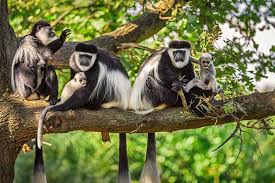
No. Nyungwe is primarily a rainforest destination rather than a savannah game-drive park. Its main activities include chimpanzee trekking, colobus monkey tracking, birdwatching, hiking and canopy adventures.
What is the famous Nyungwe canopy walkway?
It is a suspended walkway above the rainforest canopy that allows visitors to experience panoramic views of the forest. It starts from Uwinka Visitor Centre.
Is the Nyungwe zipline open to tourists?
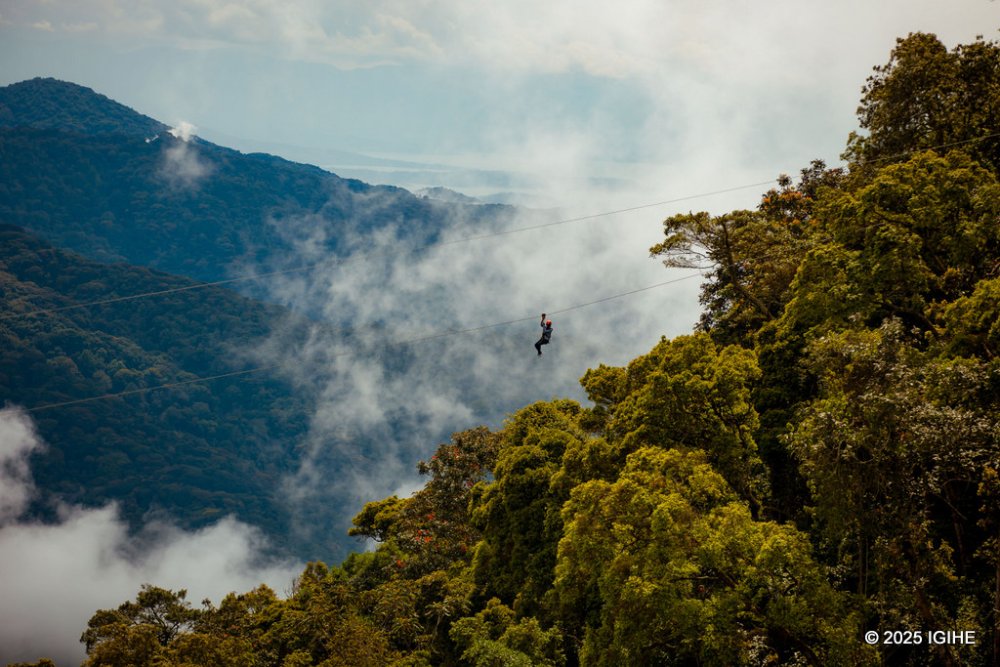
The Nyungwe Canopy Zipline was launched in August 2025. It spans approximately 1,935 metres across three sections. Visitors should confirm availability and booking arrangements before travelling.
Where should I stay when visiting Nyungwe?
Options include Nyungwe Tea Forest Resort, Munazi Lodge, Nyungwe Top View Hill Hotel, Gisakura Guesthouse, Uwinka Guesthouse and other park accommodation facilities.
What should I bring to Nyungwe?
Bring waterproof hiking boots, a raincoat, comfortable outdoor clothing, insect repellent, binoculars, a camera, personal medication and a reusable drinking-water bottle. Follow all park environmental regulations and avoid disposable plastic waste.
Can I combine Nyungwe with Akagera or Volcanoes National Park?
Absolutely. Nyungwe can be included in a multi-destination Rwanda safari combining rainforest exploration, savannah wildlife experiences and mountain gorilla trekking.
Explore Nyungwe Forest National Park with Seek Wild Africa – Discover Rwanda Beyond the Ordinary.