Hiking Rwanda's Virunga Volcanoes: A Complete Guide to Mount Bisoke, Karisimbi and Muhabura (2026–2027)
November 09, 2026Clementine
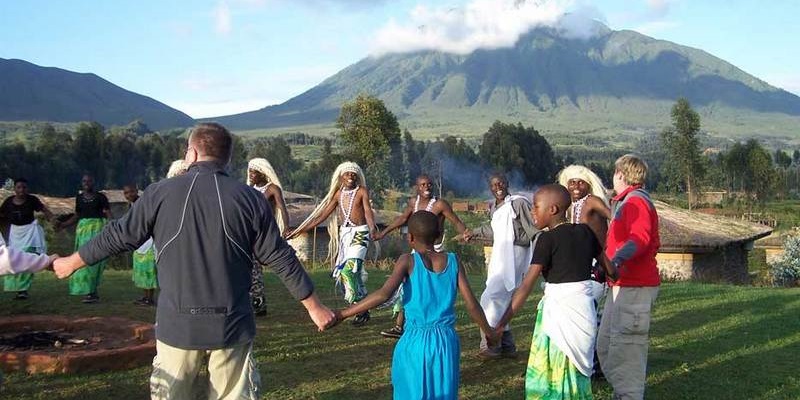
Discover Rwanda's magnificent volcanic mountains, encounter endangered mountain gorillas, explore golden monkey habitats and experience the extraordinary natural beauty of Volcanoes National Park.
Imagine standing on the slopes of an ancient volcano, surrounded by mist-covered mountains, looking across a landscape of bamboo forests, green valleys and dramatic volcanic peaks. Somewhere within these forests, endangered mountain gorillas move through their natural habitat, while golden monkeys leap between bamboo branches.
This is the extraordinary world of Rwanda's Virunga Mountains.
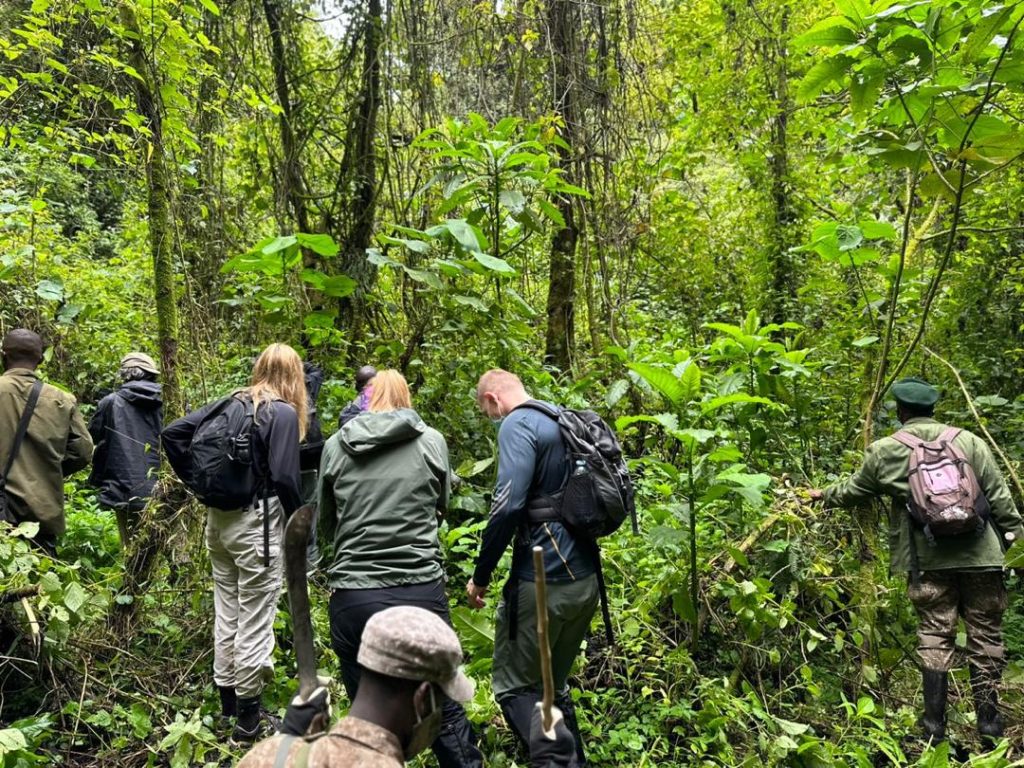
Located in northwestern Rwanda, Volcanoes National Park is one of Africa's most remarkable conservation and adventure tourism destinations. It is home to endangered mountain gorillas, golden monkeys, spectacular volcanic landscapes and some of the continent's most memorable mountain hiking experiences.
For travellers planning an African adventure in 2026–2027, Volcanoes National Park offers much more than a traditional wildlife safari. It combines challenging mountain hiking, exceptional primate encounters, conservation history, cultural experiences and remarkable natural beauty.
Three mountains particularly attract adventure travellers: Mount Bisoke, Mount Karisimbi and Mount Muhabura. Each offers a different hiking experience, ranging from a challenging day excursion to a demanding two-day high-altitude expedition.
Beyond these volcanic peaks, visitors can enjoy mountain gorilla trekking, golden monkey tracking, the Dian Fossey conservation experience, birdwatching, cultural visits and breathtaking views of Rwanda's northern countryside.
This complete guide explores the history of Volcanoes National Park, its conservation achievements, the uniqueness of its volcanic mountains, the activities visitors can enjoy, the best accommodation options and carefully designed safari itineraries from Kigali.
Understanding Volcanoes National Park: Rwanda's Extraordinary Conservation Treasure
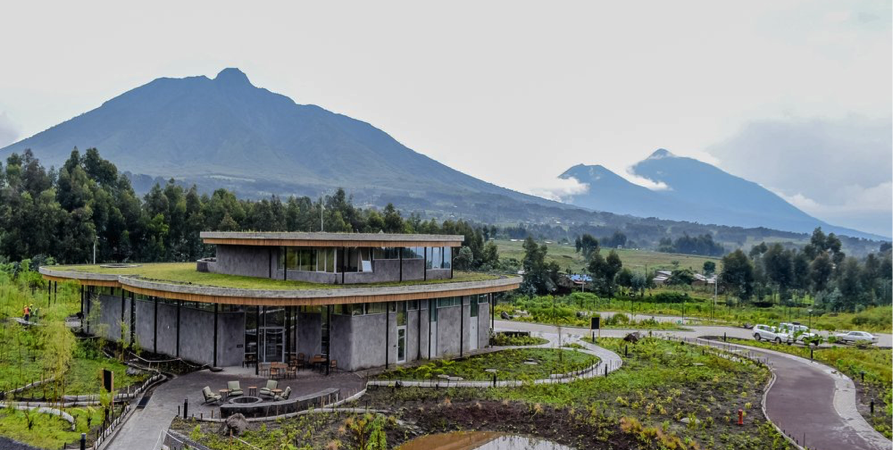
Volcanoes National Park, locally known as Parc National des Volcans, is situated in Rwanda's Northern Province, near the border with Uganda and the Democratic Republic of Congo.
The park forms part of the Virunga Conservation Area, an internationally important mountain ecosystem shared by three countries.
It protects five of the eight major Virunga volcanoes: Karisimbi, Bisoke, Muhabura, Gahinga and Sabyinyo.
The park is particularly famous for protecting endangered mountain gorillas and golden monkeys, but its importance extends far beyond these remarkable primates.
Its mountainous forests provide essential habitats for numerous plants, mammals, birds and other wildlife species.
For travellers, Volcanoes National Park offers an exceptional combination of wildlife encounters, volcanic hiking, cultural heritage and responsible tourism.
The History of Volcanoes National Park: From Early Protection to International Recognition
To understand why Volcanoes National Park deserves recognition among Africa's leading conservation destinations, it is important to explore the history behind its protection.
Its story is one of conservation ambition, scientific discovery, difficult historical periods, resilience and Rwanda's determination to protect its natural heritage.
1925: The Beginning of Mountain Gorilla Protection
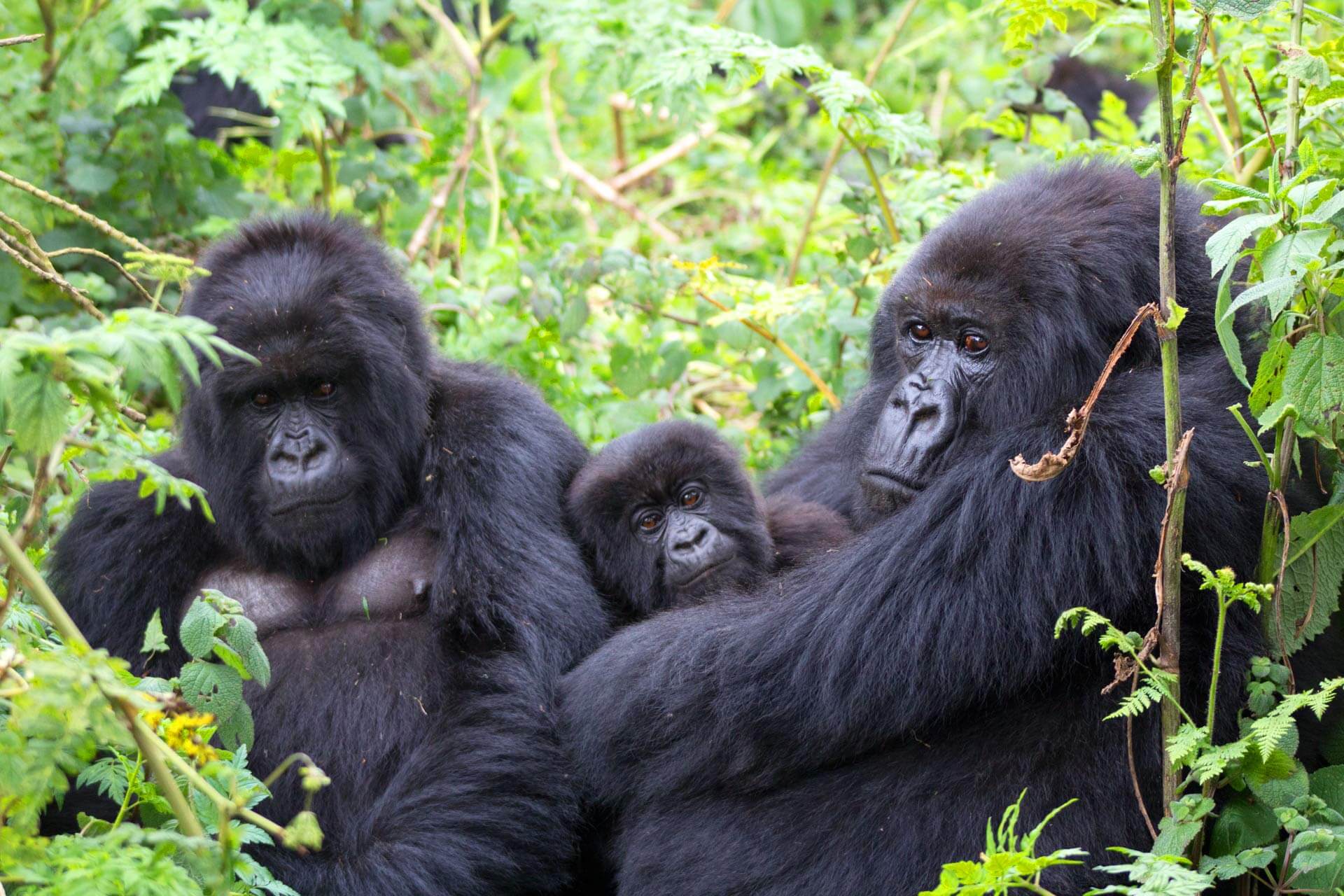
The history of Volcanoes National Park dates back to 1925, when the area was established as part of Albert National Park, recognised as Africa's first national park.
Its original purpose included protecting mountain gorillas from hunting and other human threats.
The protected area was expanded in 1929 to include a larger landscape across what are now parts of Rwanda and the Democratic Republic of Congo.
Following political changes and independence in the 1960s, the protected area was divided into separate national parks, including Rwanda's Volcanoes National Park.
This early history demonstrates that the international importance of the Virunga Mountains was recognised long before modern wildlife tourism developed.
1967: Dian Fossey and the Beginning of a Conservation Legacy
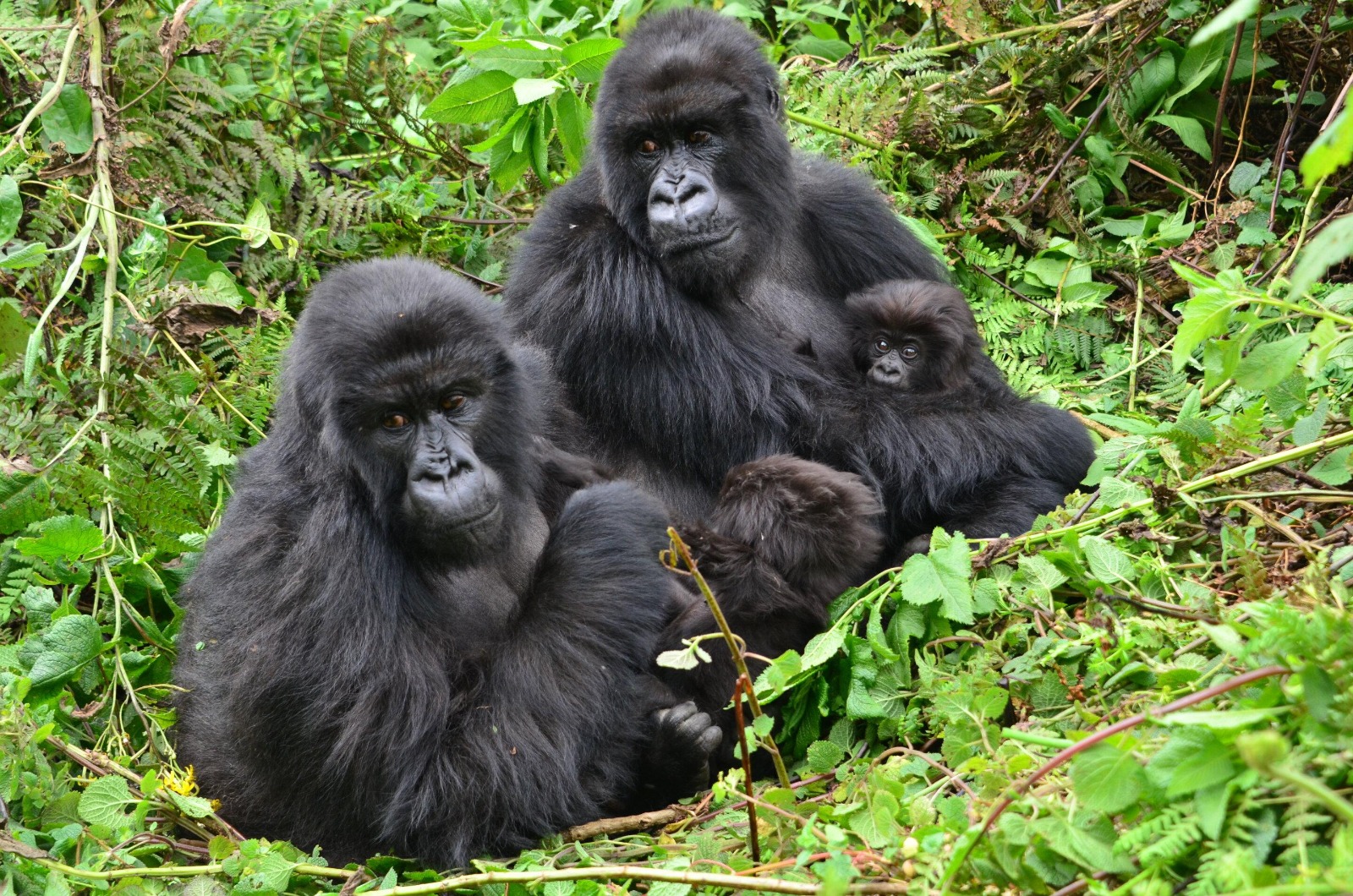
One of the most influential chapters in the history of Volcanoes National Park began in 1967 when American primatologist Dian Fossey established the Karisoke Research Centre between Mount Karisimbi and Mount Bisoke.
Her research focused on understanding mountain gorilla behaviour, studying their social structures and protecting them against poaching.
Fossey dedicated much of her life to observing gorillas in their natural environment. Her work transformed international understanding of mountain gorillas and attracted worldwide attention to their conservation.
Her legacy was introduced to an even wider audience through the book and film Gorillas in the Mist.
Although Fossey was tragically murdered in 1985, her contribution continues to influence gorilla research and conservation.
Today, visitors can undertake the Dian Fossey Hike to learn about her work and visit the historic Karisoke area and her final resting place.
1969–1980s: Conservation Challenges and the Fight for Survival
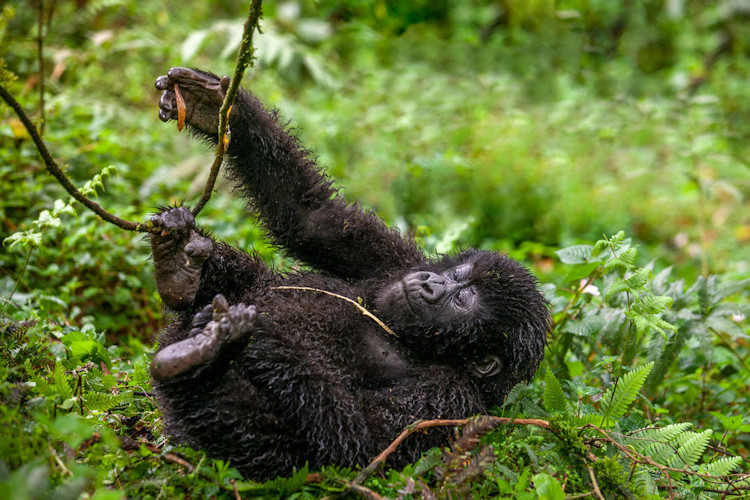
During the decades following the park's establishment, conservation faced significant challenges.
In 1969, a portion of the protected area was removed to accommodate agricultural development. This reduced the habitat available to mountain gorillas and other wildlife.
Poaching, human pressure on natural resources and habitat loss remained important conservation concerns.
The situation demonstrated that establishing a national park was not enough. Effective protection required scientific research, law enforcement, community participation and sustainable economic opportunities.
1990s: A Difficult Period and Remarkable Resilience
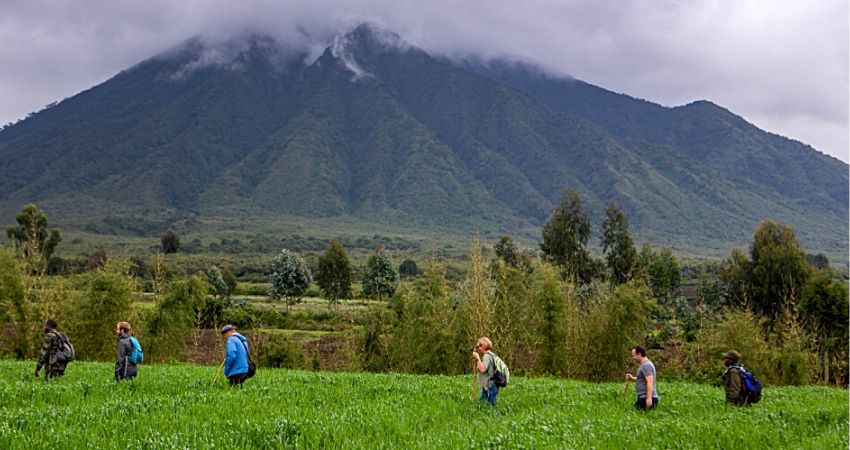
The 1990s were among the most difficult periods in Rwanda's history.
Regional instability and the 1994 Genocide against the Tutsi interrupted conservation activities, tourism operations and research in the region.
Nevertheless, the international importance of the mountain gorillas and their habitat remained recognised.
As Rwanda rebuilt its institutions and tourism industry, conservation and gorilla tourism gradually recovered.
Gorilla tracking resumed more consistently in 1999, marking an important turning point in the park's development.
2005–Today: Stronger Conservation and Community Participation
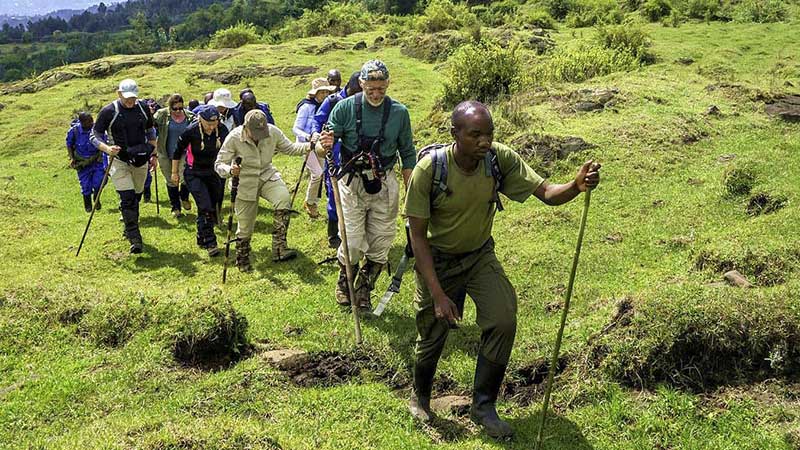
Rwanda increasingly developed a tourism model connecting wildlife conservation with community development.
The Tourism Revenue Sharing Programme was introduced in 2005 and expanded in 2017, increasing the allocation from 5% to 10% of tourism revenue generated by national parks.
The programme supports community projects around protected areas, including schools, health facilities, water infrastructure and other development initiatives.
Other conservation measures include:
- Anti-poaching patrols and wildlife monitoring.
- Veterinary interventions for injured or sick gorillas.
- Scientific research and conservation education.
- Habitat restoration and protection.
- Community conservation initiatives.
- Controlled tourism and limited visitor numbers.
The mountain gorilla population across the Virunga and Bwindi mountain gorilla populations increased from fewer than 300 individuals in the 1970s to more than 1,000 in the 2018 census.
This represents one of the world's most celebrated conservation recoveries.
Volcanoes National Park is therefore more than a beautiful destination. It demonstrates how sustained conservation, scientific research, responsible tourism and community participation can help protect endangered wildlife.
Why Volcanoes National Park Is One of Africa's Best Destinations to Visit in 2026–2027
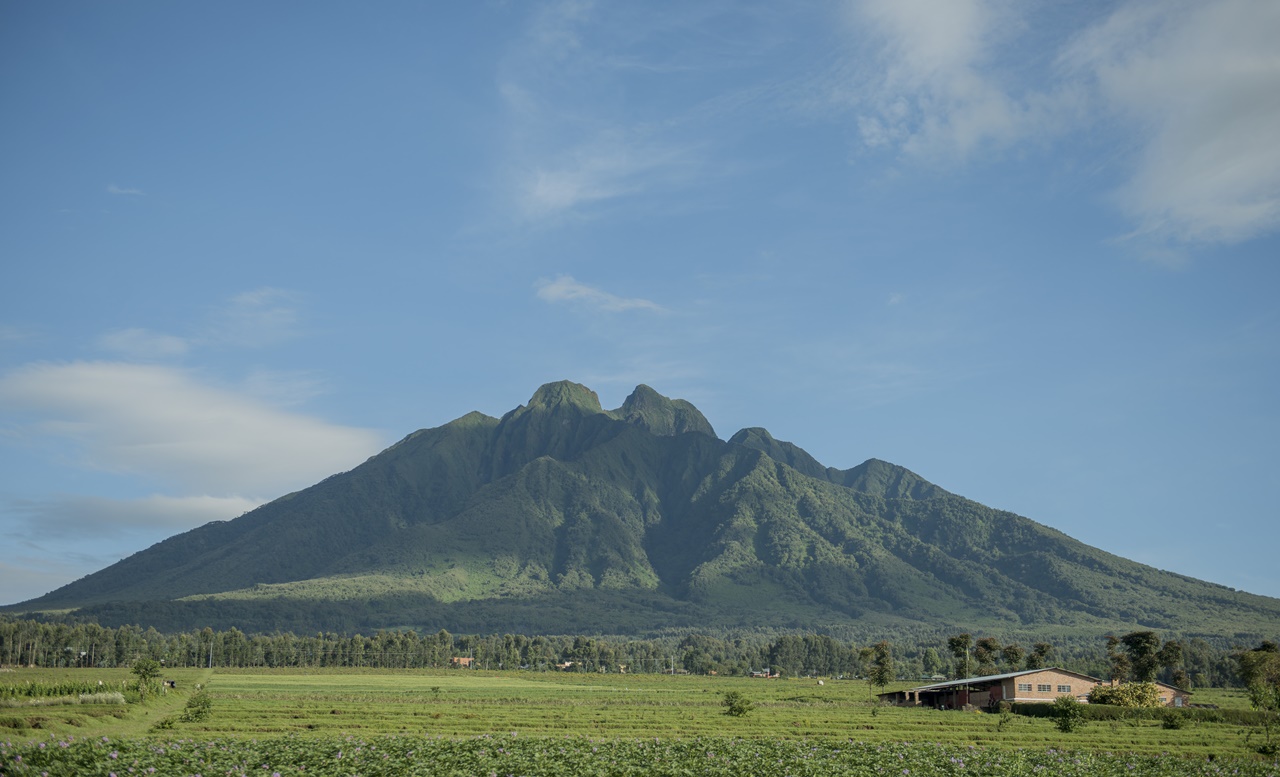
Africa has many famous national parks, but each offers a different wildlife experience.
Some are internationally recognised for their open savannah landscapes and large mammal populations, while others are famous for rainforests, wetlands, deserts and mountain ecosystems.
Volcanoes National Park stands out because it combines endangered primate encounters, extraordinary volcanic landscapes, mountain hiking and a remarkable conservation history.
Home to Endangered Mountain Gorillas
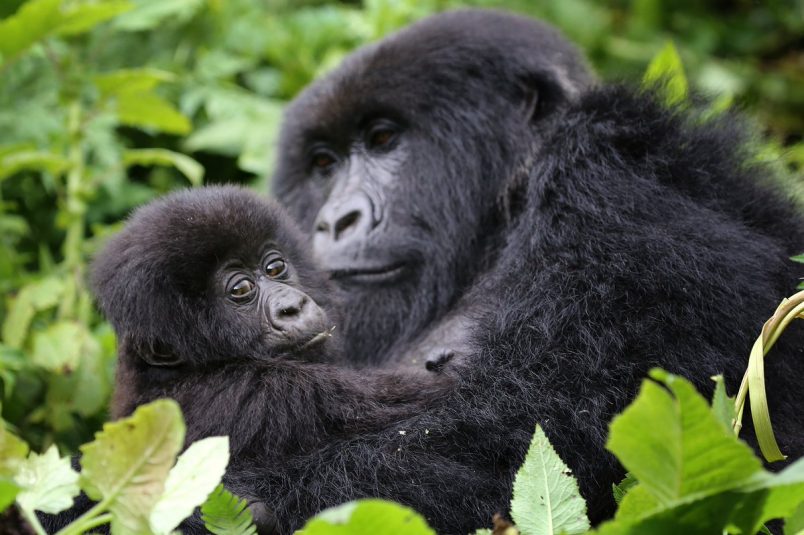
Mountain gorillas are the park's most famous residents.
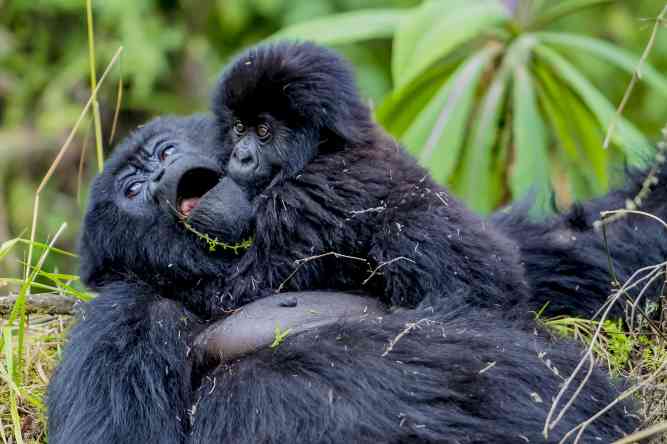
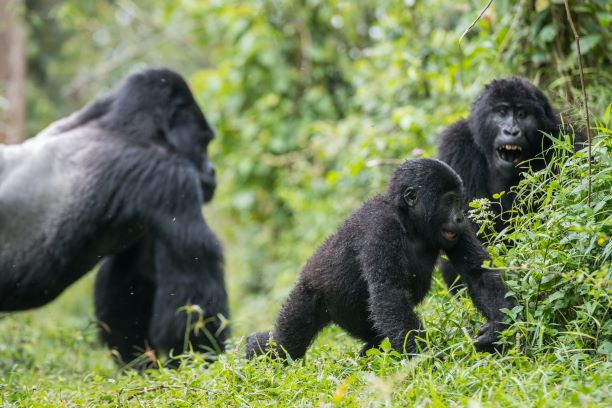
These remarkable primates live in family groups led by dominant silverbacks. Their social behaviour, intelligence, family relationships and physical characteristics make them among Africa's most fascinating wildlife species.
Gorilla trekking gives visitors an opportunity to enter their natural habitat under the supervision of experienced guides and trackers.
The experience is carefully controlled to protect the gorillas. A maximum of eight visitors is generally allowed to visit a habituated gorilla family per day, with a maximum viewing time of one hour.
Visitors must respect the recommended distance of seven metres, avoid flash photography and follow all health and safety instructions.
Seeing a mountain gorilla family in its natural environment is one of the most unforgettable wildlife encounters in Africa.
Home to Endangered Golden Monkeys
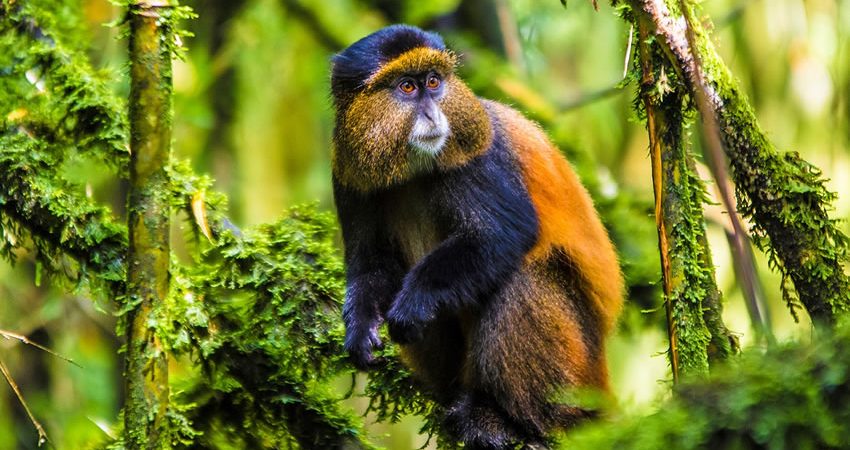
While mountain gorillas attract international attention, Volcanoes National Park is also home to endangered golden monkeys.
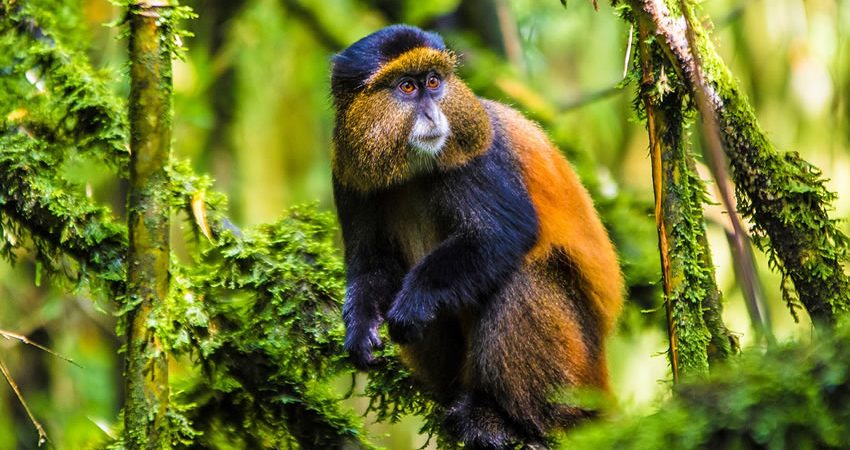
These beautiful primates are recognised by their distinctive golden-orange fur and lively behaviour.
They inhabit bamboo forests on the slopes of the Virunga Mountains and often move in large groups.
Golden monkey tracking provides a different experience from gorilla trekking.
Visitors follow guides through bamboo vegetation, observing the monkeys as they feed, jump between branches and interact with one another.
Their bright colours create excellent photographic opportunities and make the experience particularly rewarding for wildlife enthusiasts.
Extraordinary Volcanic Landscapes
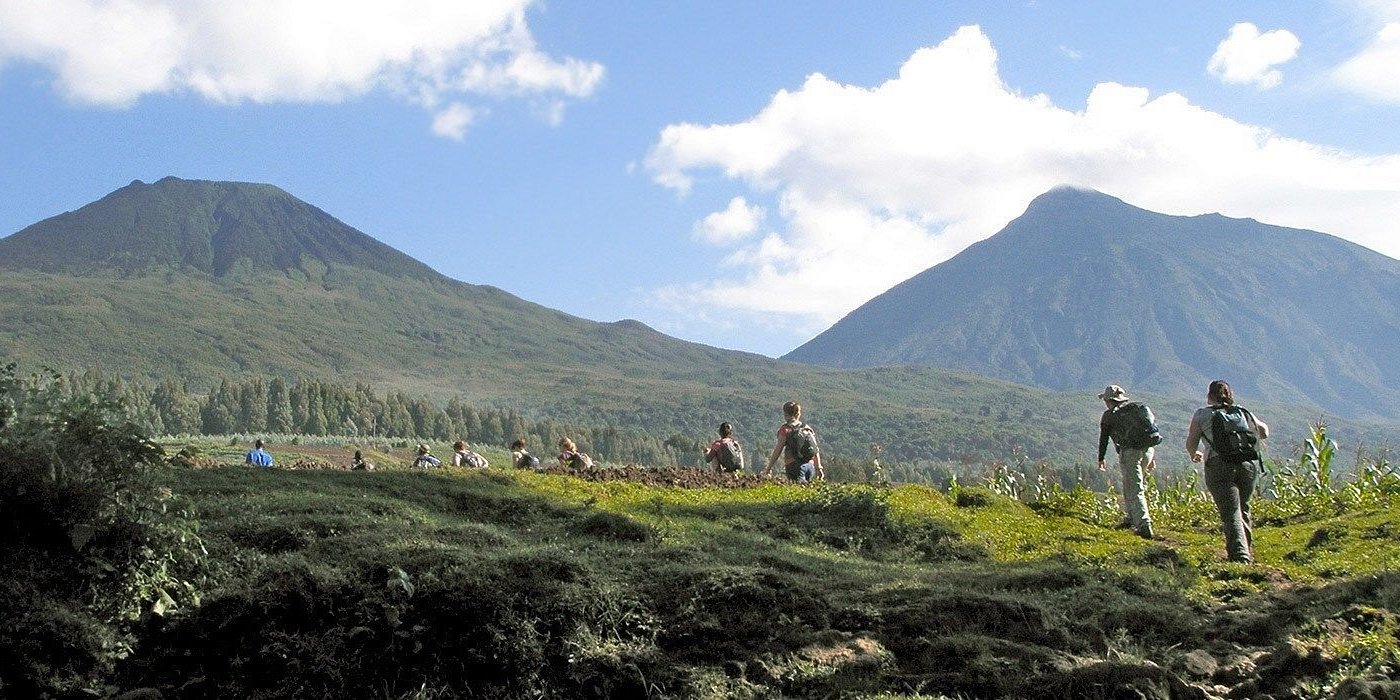
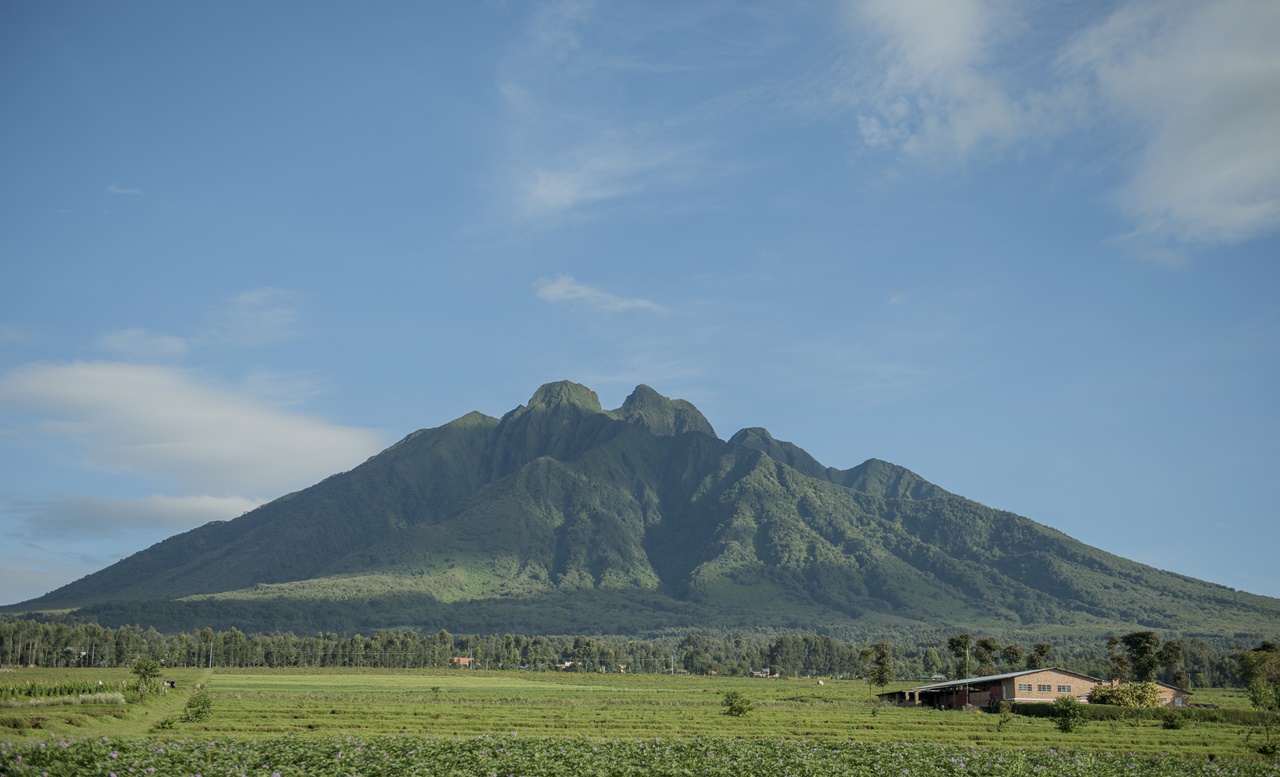
The park's volcanic mountains create some of the most impressive landscapes in East Africa.
Mount Karisimbi, Mount Bisoke and Mount Muhabura provide opportunities for challenging hikes, panoramic photography and exploration of different vegetation zones.
Visitors can experience bamboo forests, montane vegetation, mist-covered slopes, crater lakes and spectacular mountain viewpoints.
An Internationally Important Conservation Destination
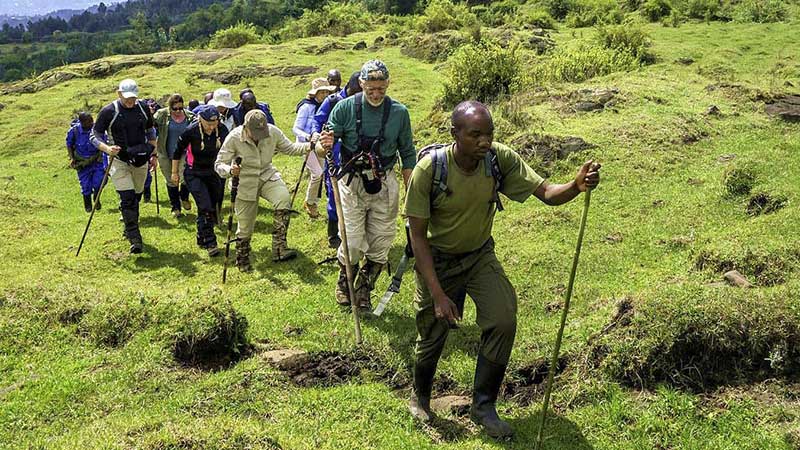
The park's conservation history, scientific research and community involvement make it an important destination for travellers interested in responsible tourism.
Visitors are not simply exploring a beautiful mountain landscape. They are experiencing a protected ecosystem that represents decades of conservation commitment.
Hiking Rwanda's Virunga Volcanoes: Mount Bisoke, Karisimbi and Muhabura
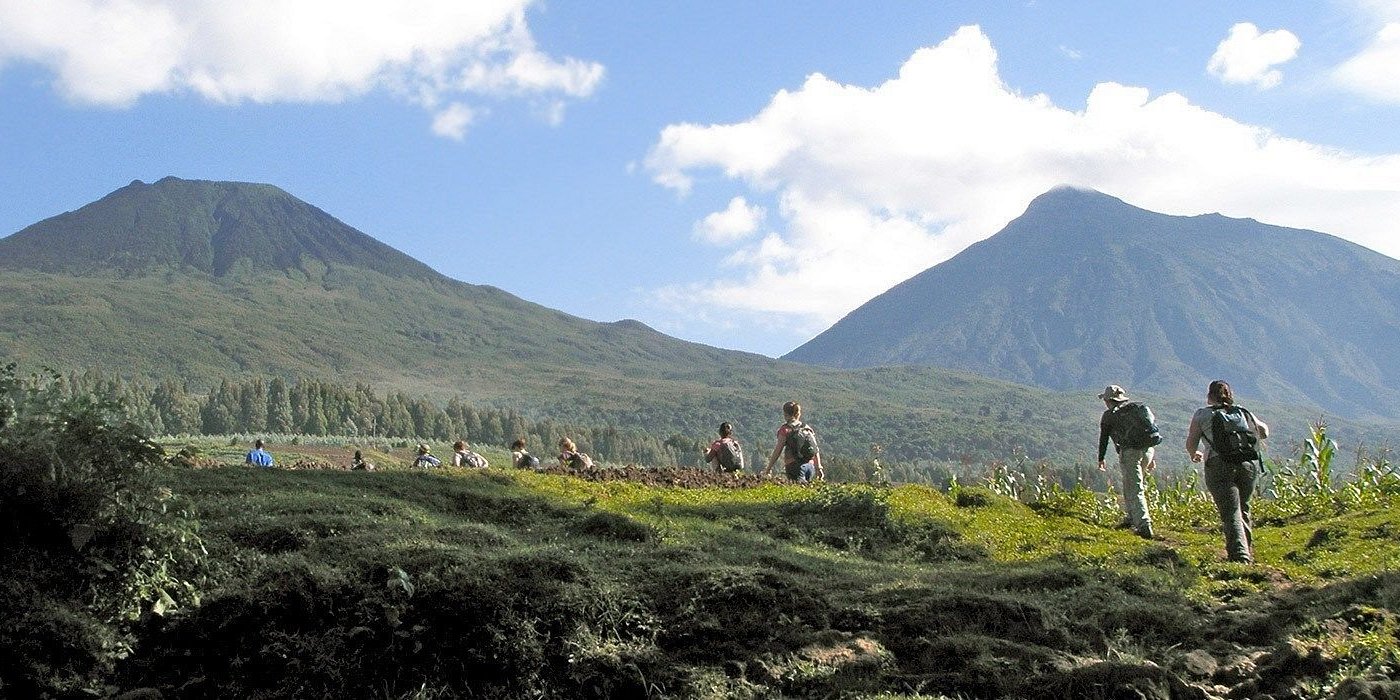
The Virunga Mountains form part of the Albertine Rift, a region of extraordinary geological and biological importance.
Rwanda protects five major volcanoes within Volcanoes National Park. Among the most attractive hiking destinations are Mount Bisoke, Mount Karisimbi and Mount Muhabura.
Each mountain offers a different experience depending on physical fitness, available time and adventure preferences.
Mount Bisoke: Hike to a Beautiful Volcanic Crater Lake
Altitude: 3,711 metres above sea level.
Typical duration: Approximately 6–7 hours for the return hike, depending on fitness, weather and trail conditions.
Mount Bisoke is one of the most popular hiking destinations in Volcanoes National Park.
Located along the Rwanda–Democratic Republic of Congo border, this extinct volcano is famous for the beautiful crater lake at its summit.
The mountain offers an exciting combination of rainforest scenery, bamboo vegetation, steep mountain slopes and extraordinary views.
What Makes Mount Bisoke Special?
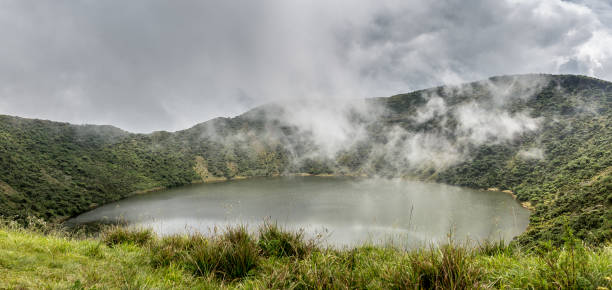
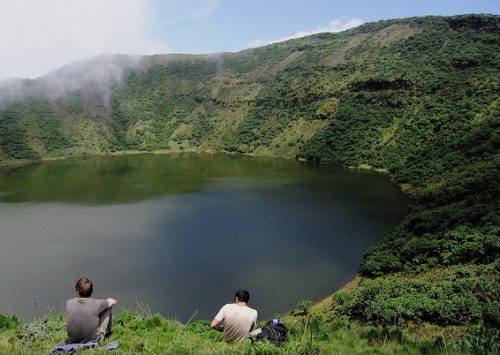
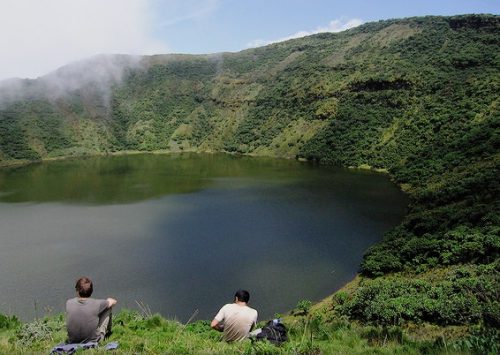
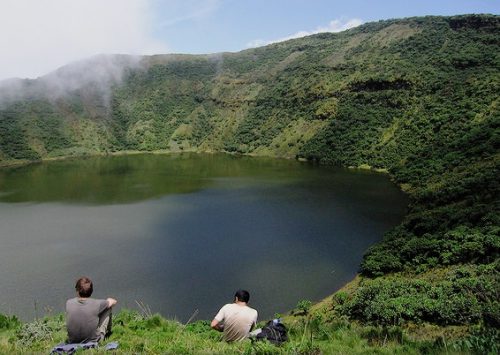
The greatest attraction of Mount Bisoke is its summit crater lake.
After climbing through forest vegetation and increasingly challenging terrain, hikers reach the summit, where they can admire the beautiful crater lake surrounded by volcanic slopes.
On clear days, the surrounding Virunga landscape creates spectacular photographic opportunities.
The experience is particularly rewarding because visitors witness several ecological zones as they climb higher.
The lower slopes contain dense vegetation, while the upper sections become more exposed and can experience cold temperatures, strong winds and mist.
What to Expect During the Mount Bisoke Hike
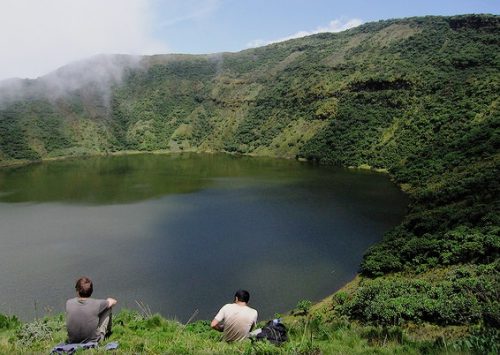
The hike generally begins with registration and a briefing at Kinigi.
Visitors are accompanied by professional park guides and can hire porters to carry their backpacks.
The trail can be muddy and slippery, particularly during rainy periods.
Although Mount Bisoke does not require technical climbing equipment, it is physically demanding.
A reasonable level of fitness, suitable footwear and proper preparation are important.
Who Should Choose Mount Bisoke?
- Adventure travellers seeking a challenging day hike.
- Visitors who enjoy volcanic landscapes.
- Photographers interested in crater lakes and mountain scenery.
- Travellers who want to experience Rwanda's high-altitude environment without committing to a two-day expedition.
Mount Karisimbi: Conquer Rwanda's Highest Volcano
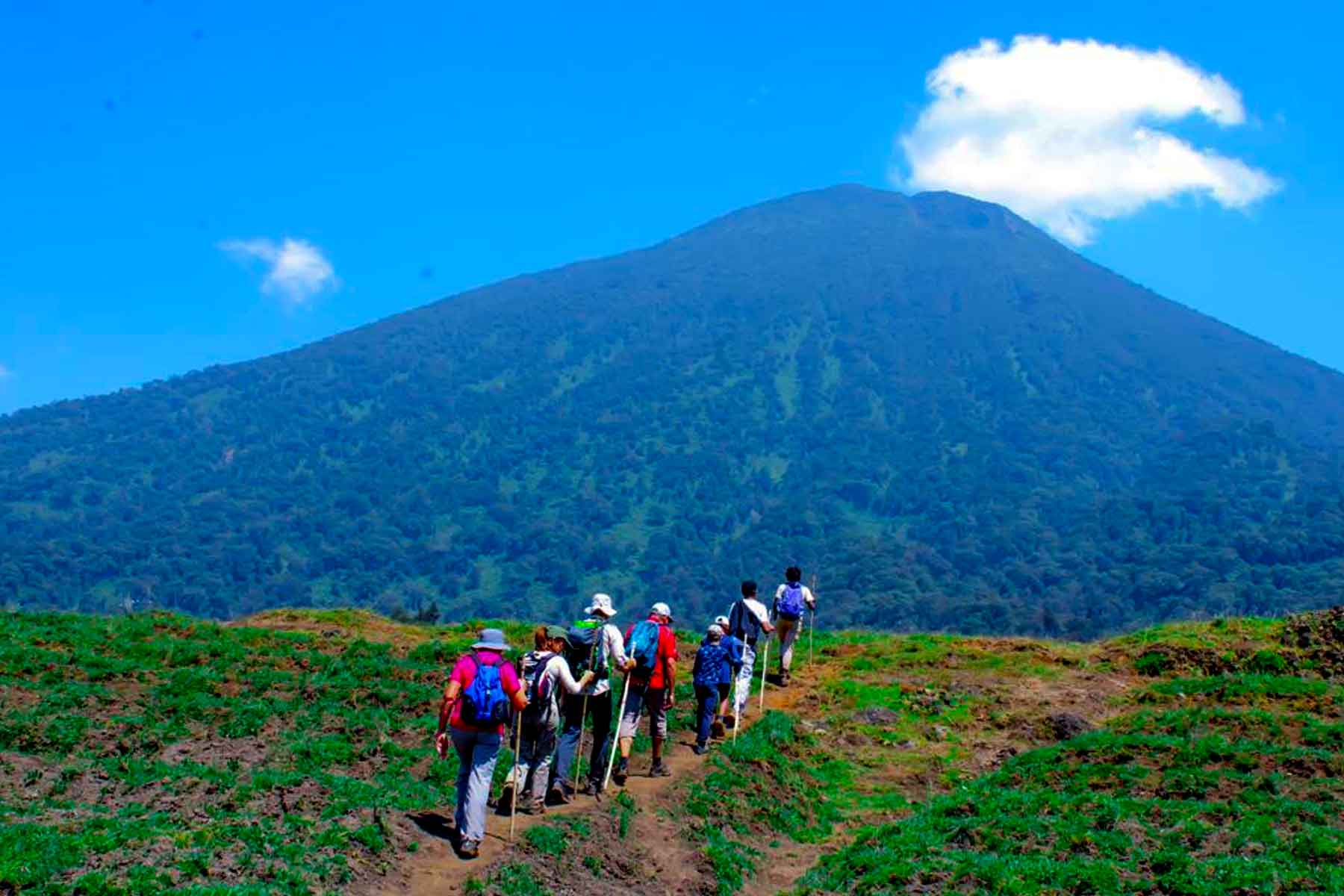
Altitude: 4,507 metres above sea level.
Typical duration: Two days, including an overnight mountain camp.
Mount Karisimbi is the highest of the eight major Virunga volcanoes and one of Africa's most remarkable high-altitude hiking destinations.
Its name comes from the Kinyarwanda word amasimbi, associated with snow, reflecting the occasional snow-like appearance of its summit.
For serious hiking enthusiasts, Karisimbi offers a completely different experience from an ordinary day excursion.
Why Mount Karisimbi Is a Special Hiking Destination
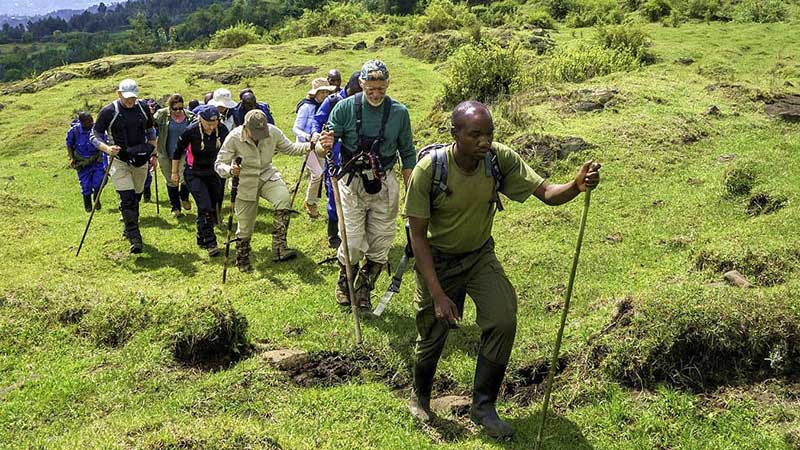
The mountain rises dramatically above the surrounding volcanic landscape.
Its higher elevations provide an opportunity to experience changing vegetation, cooler temperatures, mist-covered slopes and spectacular views across the Virunga region.
The ascent requires endurance, patience and proper physical preparation.
Unlike Mount Bisoke, Karisimbi is normally climbed over two days, allowing hikers to spend a night at a designated mountain campsite.
The Two-Day Mount Karisimbi Hiking Experience
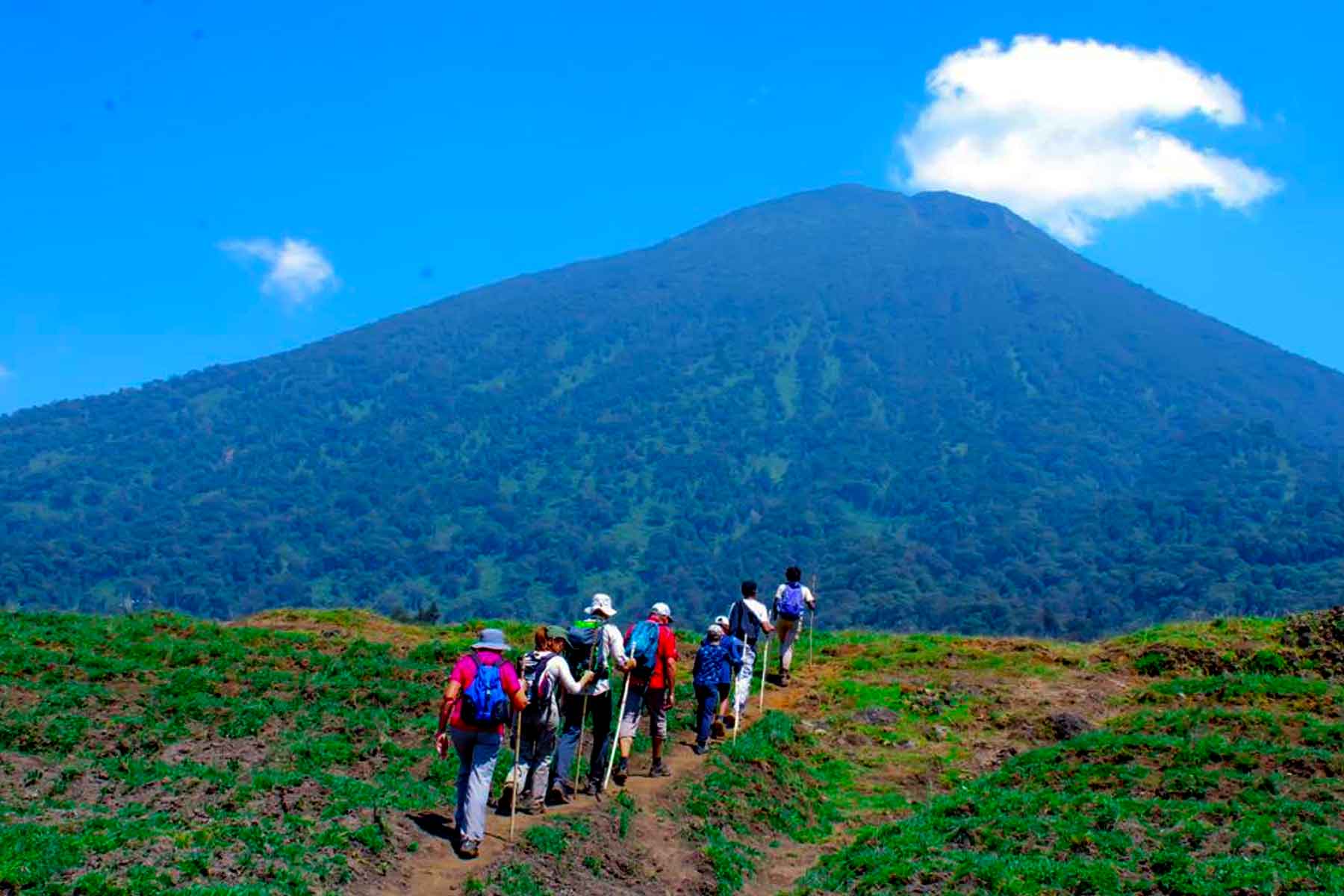
Day One: Climbing Through the Forest to the Mountain Camp
The adventure begins early at the park headquarters.
After registration, a briefing and preparation, hikers travel to the designated starting point.
The first day's ascent passes through forest vegetation and increasingly high-altitude landscapes.
As the group climbs, the scenery changes, with different plants and vegetation zones appearing along the trail.
After several hours, hikers reach the designated mountain campsite, where they spend the night.
The overnight experience is one of the most memorable aspects of Karisimbi.
Surrounded by the quiet mountain environment, visitors experience the extraordinary atmosphere of the Virunga highlands.
Day Two: Summit Attempt and Descent
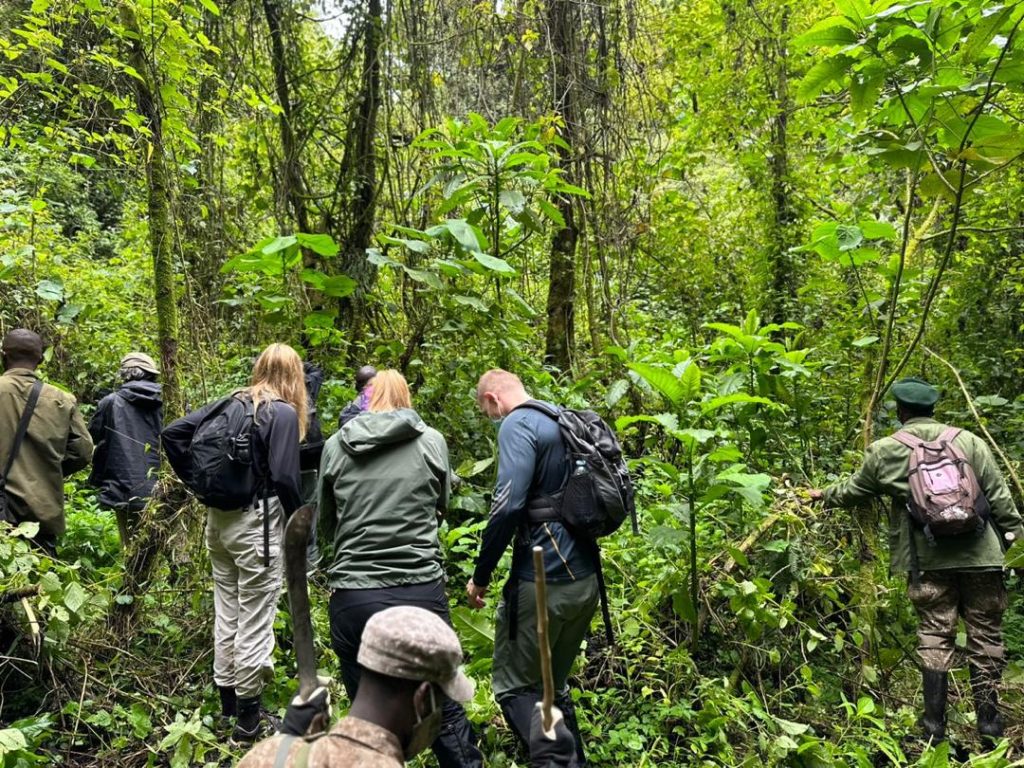
The second day begins early.
After breakfast, hikers continue towards the summit.
The higher sections can be extremely cold, windy and challenging, particularly when visibility is reduced by mist.
Reaching 4,507 metres is a remarkable achievement.
After enjoying the summit views, the group begins its descent according to the guide's instructions and prevailing conditions.
This is a demanding expedition and should only be undertaken with appropriate preparation and park-approved arrangements.
Who Should Choose Mount Karisimbi?
- Experienced hikers.
- Mountain adventure enthusiasts.
- Travellers seeking a demanding two-day expedition.
- Visitors interested in high-altitude environments and volcanic geography.
Mount Muhabura: A Steep Climb with Extraordinary Views
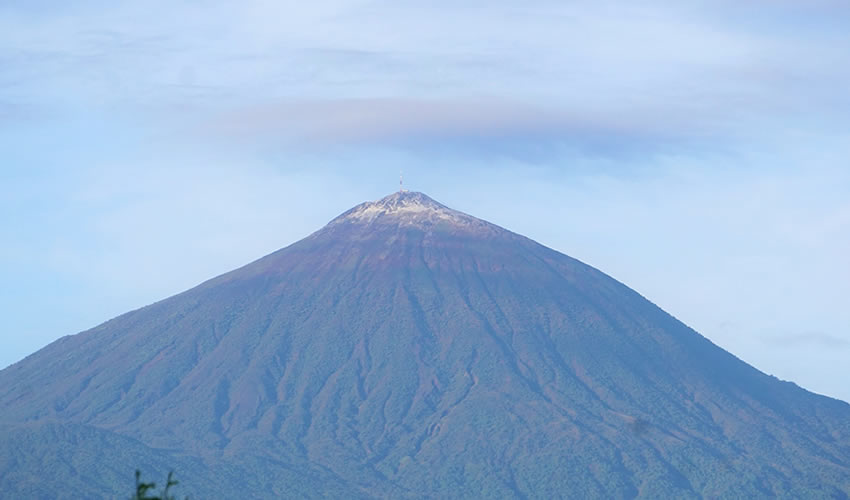
Altitude: 4,127 metres above sea level.
Typical duration: Approximately 8–10 hours for a full hiking day, subject to conditions and the group's pace.
Mount Muhabura, also known as Muhavura, is another spectacular volcano in the Virunga Mountains.
Its name is commonly translated as The Guide in Kinyarwanda.
The mountain is particularly impressive because of its steep and distinctive shape, making it visible from considerable distances across northern Rwanda and southwestern Uganda.
What Makes Mount Muhabura Unique?
Muhabura is an excellent choice for hikers seeking a demanding mountain experience.
The route involves a sustained ascent through changing vegetation and increasingly exposed high-altitude terrain.
The climb rewards determined visitors with remarkable views of the surrounding volcanic landscape.
The summit also features a crater lake.
Unlike Karisimbi, Muhabura is normally completed as a one-day hike.
However, its steepness and altitude make it a physically demanding experience.
Who Should Choose Mount Muhabura?
- Experienced and physically prepared hikers.
- Travellers who enjoy steep mountain climbs.
- Visitors interested in high-altitude panoramic views.
- Adventure enthusiasts seeking a demanding one-day expedition.
Mount Bisoke vs Mount Karisimbi vs Mount Muhabura
Feature Mount Bisoke Mount Karisimbi Mount Muhabura
Altitude 3,711 m 4,507 m 4,127 m
Typical duration 1 day 2 days 1 day
Main attraction Crater lake Highest Virunga peak Steep summit and crater lake
Difficulty Challenging Very challenging Very challenging
Best suited for Day hikers Experienced hikers Fit, experienced hikers
The best mountain depends on your fitness, available time and adventure preferences. All three require guided arrangements and should be booked in advance.
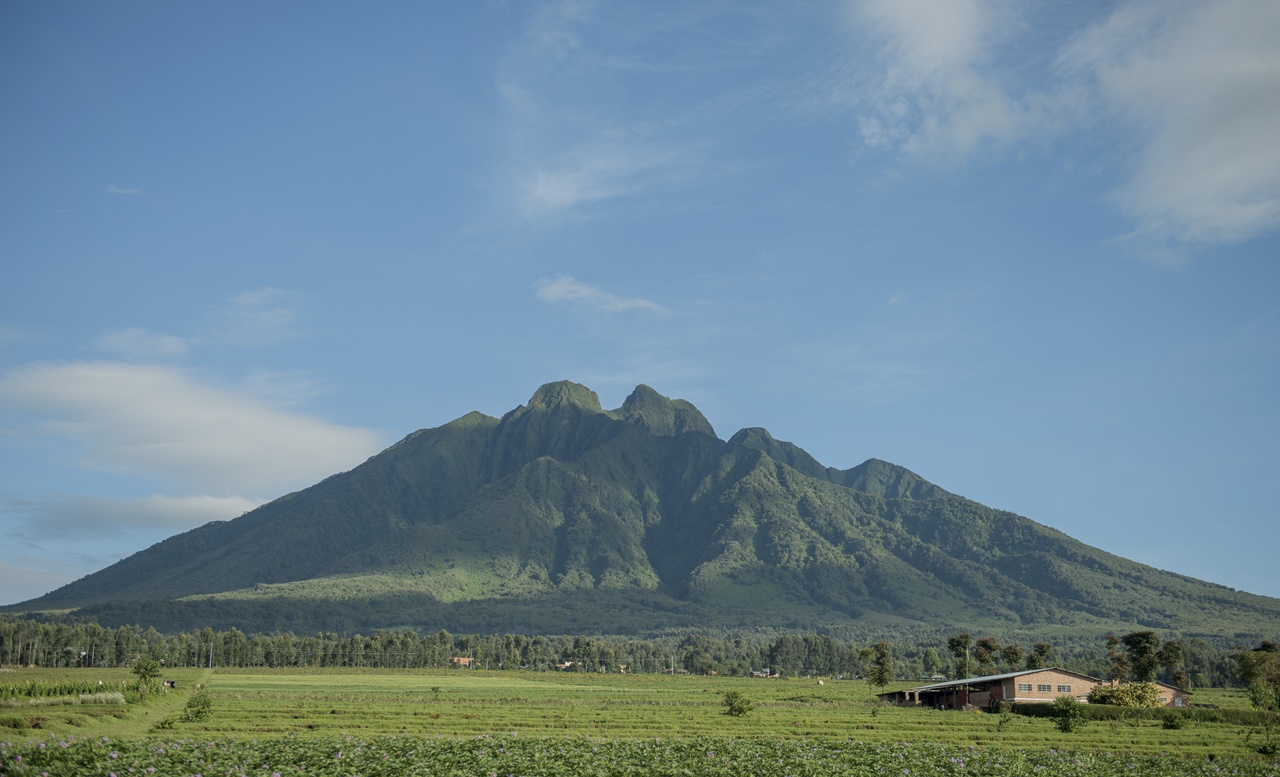
Activities to Enjoy in Volcanoes National Park Apart from Mountain Hiking
Although volcanic hiking is one of the park's greatest attractions, Volcanoes National Park offers several other unforgettable experiences.
Visitors can combine wildlife encounters, conservation education, cultural activities and scenic excursions to create a complete Rwanda adventure.
Mountain Gorilla Trekking
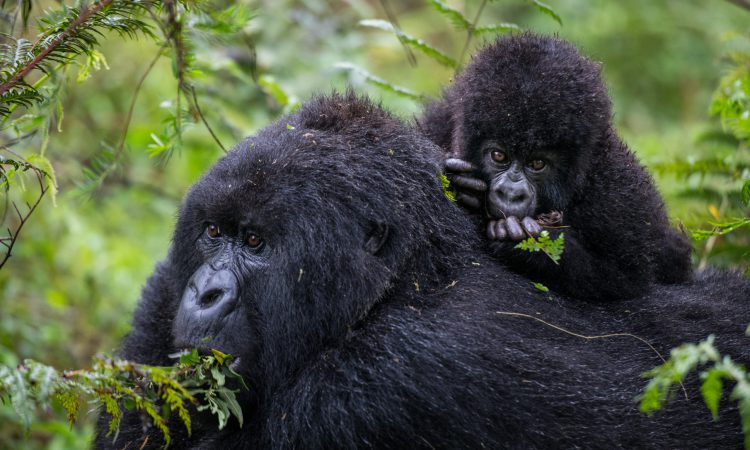
Mountain gorilla trekking is the park's most famous tourist activity.
Visitors enter the forest with experienced guides and trackers to locate a habituated gorilla family.
The experience offers an opportunity to observe the gorillas' natural behaviour, including feeding, grooming, playing and interacting with their young.
The trek can take several hours depending on the gorillas' movements and location.
Once the group finds the gorillas, visitors are allowed up to one hour with the family.
This is a highly rewarding experience for wildlife enthusiasts, photographers and anyone interested in conservation.
Golden Monkey Tracking
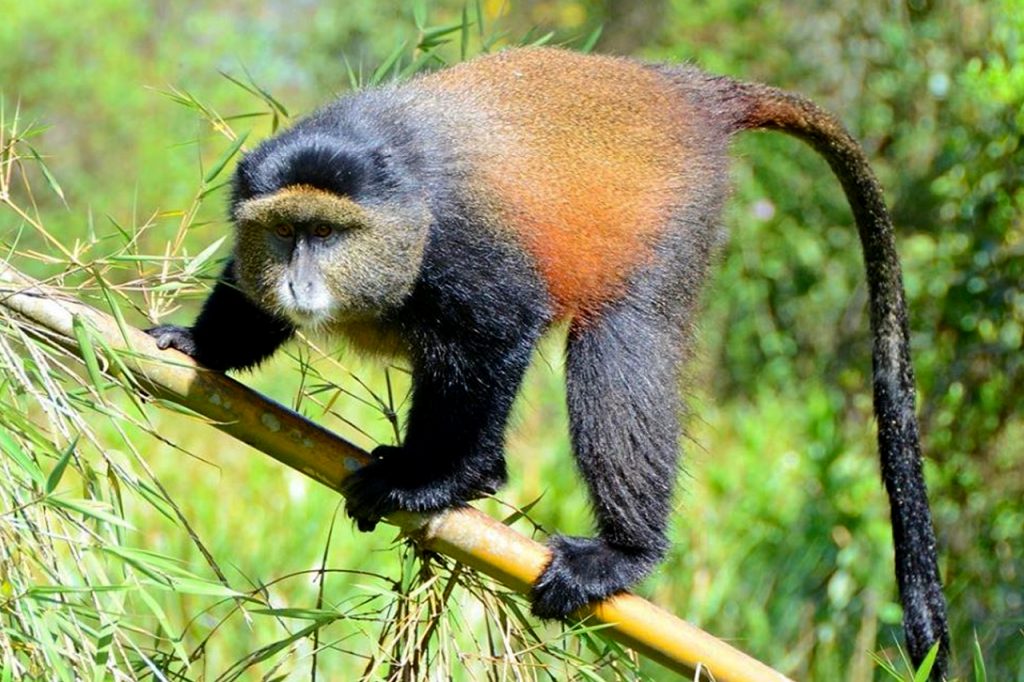
Golden monkey tracking is another important activity in the park.
The experience begins with a morning briefing at Kinigi before visitors enter the bamboo forest.
Guides lead the group towards the golden monkey habitat, where visitors can observe these lively primates feeding, jumping between branches and interacting with one another.
The experience is particularly suitable for photographers and travellers who want to discover a different endangered primate species.
Dian Fossey Hike and Karisoke Research Centre
The Dian Fossey Hike provides an opportunity to explore an important part of Rwanda's conservation history.
The trail leads towards the historic Karisoke Research Centre area, where visitors can learn about Dian Fossey's research and her contribution to mountain gorilla protection.
The experience combines hiking, history, conservation education and spectacular mountain scenery.
Birdwatching
Volcanoes National Park is also an important birdwatching destination.
Its mountain forests support numerous species, including Albertine Rift endemics.
Notable birds include Ruwenzori turaco, Ruwenzori double-collared sunbird, Archer's ground robin, dusky crimsonwing and handsome francolin.
Professional bird guides can help visitors identify species through their calls, colours and behaviour.
Visit the Twin Lakes: Burera and Ruhondo

Outside the park, travellers can explore two of northern Rwanda's most beautiful lakes: Lake Burera and Lake Ruhondo.
These lakes are surrounded by rolling hills, agricultural landscapes and dramatic views of the Virunga Mountains.
Visitors can enjoy boat excursions, photography, birdwatching, scenic viewpoints and relaxation beside the water.
The Twin Lakes are particularly attractive after a physically demanding gorilla trek or mountain hike.
Iby'Iwacu Cultural Village

A visit to Iby'Iwacu Cultural Village provides an opportunity to discover traditional Rwandan culture.
Visitors can experience traditional music, dance, storytelling, crafts and aspects of historical Rwandan life.
The experience also demonstrates how tourism can create opportunities for communities living around Volcanoes National Park.
Ellen DeGeneres Campus of the Dian Fossey Gorilla Fund
The Ellen DeGeneres Campus of the Dian Fossey Gorilla Fund offers visitors insight into gorilla research, wildlife protection, environmental education and the importance of scientific collaboration.
It provides a deeper understanding of why Volcanoes National Park is internationally recognised for conservation.
Volcanoes National Park vs Akagera, Serengeti and Masai Mara: Understanding Their Different Strengths
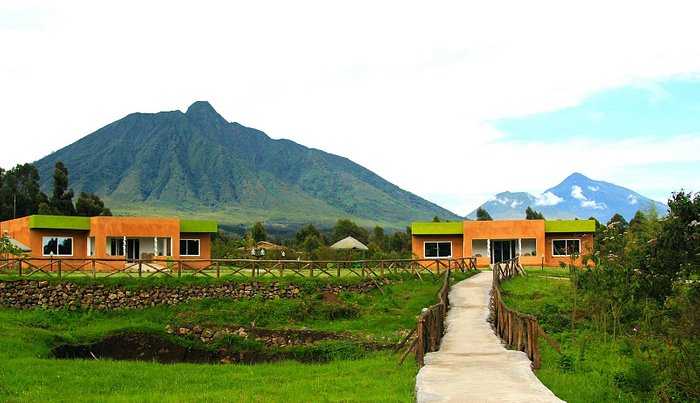
Travellers planning an African safari frequently compare Rwanda's national parks with internationally famous destinations such as Tanzania's Serengeti and Kenya's Masai Mara.
These destinations are all remarkable, but their attractions are different.
It is important to understand these differences rather than suggesting that every park offers the same wildlife experience.
Volcanoes National Park vs Akagera National Park
Akagera and Volcanoes National Park are both outstanding Rwanda destinations, but their landscapes and wildlife experiences are different.
Akagera National Park is Rwanda's principal savannah safari destination. It offers open grasslands, woodlands, lakes and wetlands that support the Big Five: lions, elephants, leopards, rhinos and buffaloes.
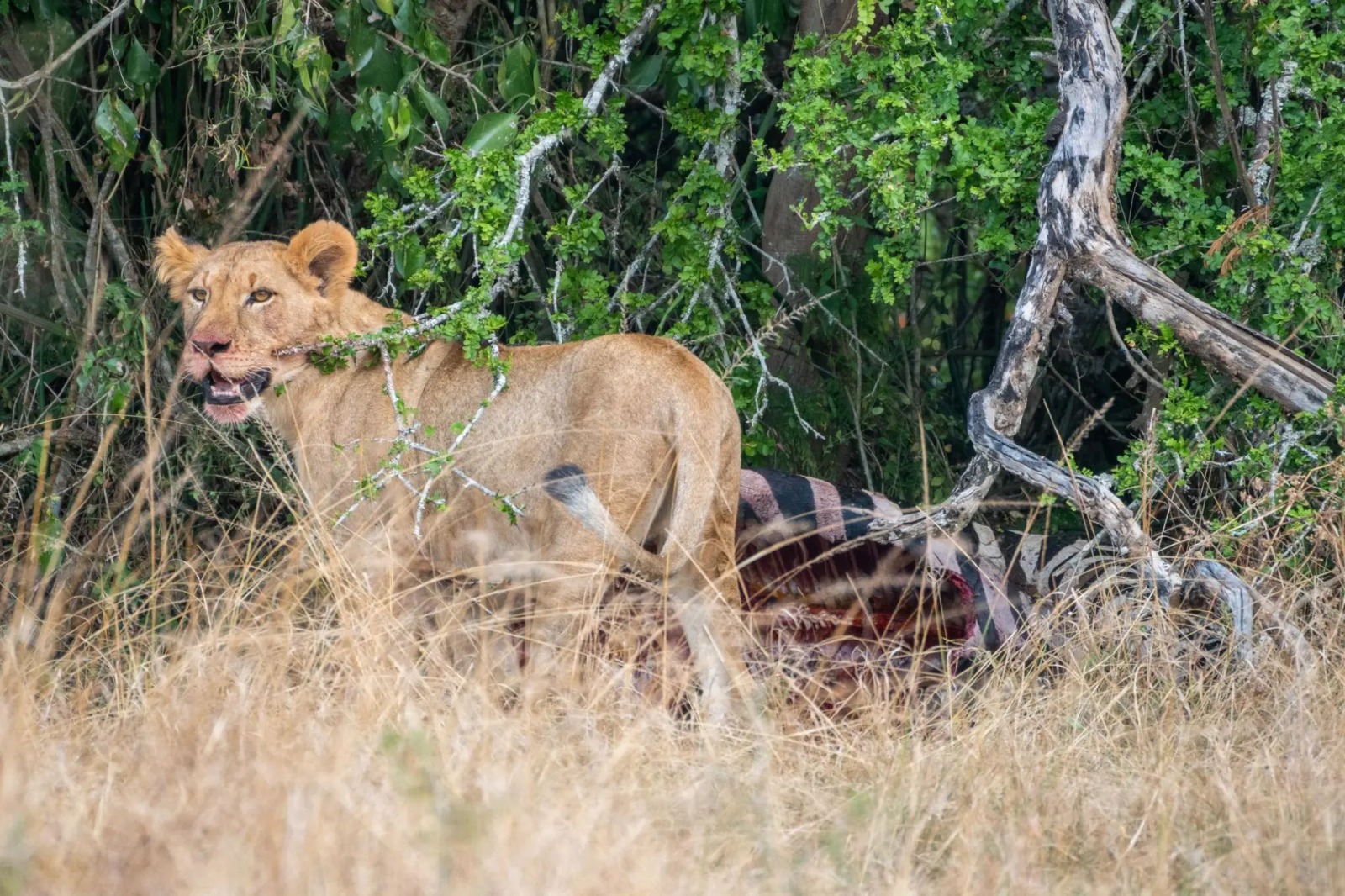
Visitors can enjoy traditional game drives, boat safaris on Lake Ihema, birdwatching and wildlife photography.
Volcanoes National Park is a mountainous rainforest destination famous for mountain gorillas, golden monkeys, volcanic hiking, birdwatching and conservation experiences.
Choose Akagera for traditional savannah wildlife and game drives.
Choose Volcanoes National Park for mountain gorillas, golden monkeys and volcanic adventures.
Combining both parks provides a more complete Rwanda safari experience.
Volcanoes National Park vs Serengeti and Masai Mara
The Serengeti and Masai Mara are internationally celebrated for the Great Migration.
Millions of wildebeest, accompanied by zebras and gazelles, move through the greater Serengeti-Mara ecosystem in search of fresh grazing and water.
The migration creates spectacular wildlife scenes, including dramatic river crossings and predator-prey interactions.
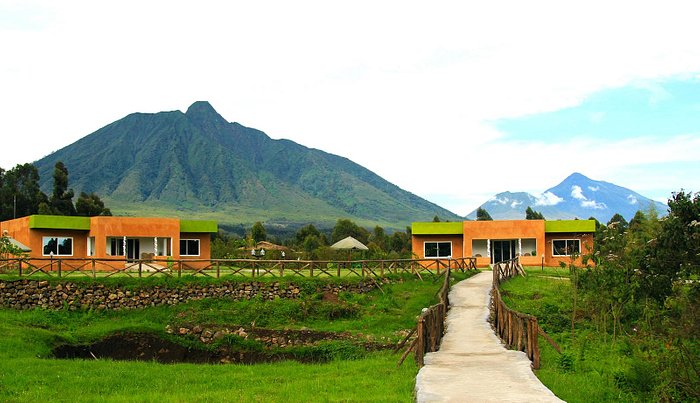
Volcanoes National Park offers a different kind of African adventure.
Instead of watching enormous herds moving across open plains, visitors enter a mountainous forest environment to discover endangered primates, rare birds and spectacular volcanic landscapes.
The park's uniqueness comes from its intimate wildlife encounters, conservation legacy and extraordinary hiking opportunities.
The Serengeti and Masai Mara are outstanding for large-scale savannah wildlife spectacles. Volcanoes National Park is outstanding for mountain gorilla conservation, primate trekking and volcanic adventures.
One destination does not need to imitate another to be among Africa's best.
Understanding the Organisation and Management of Volcanoes National Park
One reason Rwanda has developed a strong international reputation for gorilla tourism is the organisation of its protected areas.
Volcanoes National Park operates within Rwanda's national conservation and tourism framework, with the Rwanda Development Board responsible for tourism administration and park-related visitor arrangements.
The system brings together park management, conservation professionals, guides, trackers, researchers, security personnel and local communities.
Park Registration and Visitor Briefings
Most activities begin at the Kinigi park headquarters.
Visitors register, confirm their permits and receive instructions before entering designated areas.
For gorilla trekking, visitors are assigned to available habituated gorilla families according to the park's daily arrangements.
For hiking activities, park guides explain the route, safety requirements, weather conditions and expected challenges.
Professional Guides and Trackers
Guides and trackers play an essential role in the park's tourism system.
They help visitors navigate mountain trails, understand wildlife behaviour, locate primates and follow conservation regulations.
For gorilla trekking, trackers work ahead of visitor groups to monitor gorilla families and communicate their locations to the guides.
This coordination makes the experience more organised while reducing unnecessary disturbance to wildlife.
Controlled Visitor Numbers
Volcanoes National Park does not allow unlimited access to sensitive wildlife habitats.
For mountain gorilla trekking:
- A maximum of eight visitors per habituated gorilla family per day.
- A maximum viewing time of one hour.
- A recommended minimum distance of seven metres.
- No flash photography.
- Visitors with contagious illnesses must not participate.
Golden monkey tracking also has controlled visitor numbers, with a maximum of 16 visitors per group under the current booking requirements.
These measures help reduce wildlife disturbance and disease-transmission risks.
Community Participation and Conservation Benefits
Conservation cannot succeed without the participation of neighbouring communities.
Rwanda's tourism revenue-sharing programme has been an important part of this approach.
The programme allocates 10% of national park tourism revenue to community development projects.
It supports community infrastructure, employment opportunities and local economic activities.
It also creates a stronger relationship between tourism development and environmental protection.
The Best Time to Visit Volcanoes National Park for Hiking and Gorilla Trekking in 2026–2027
Volcanoes National Park can be visited throughout the year, but weather conditions influence hiking comfort, visibility and trail conditions.
Because the park is located in a mountainous rainforest environment, temperatures can change quickly, and rainfall can occur even during relatively dry months.
June to September: The Main Dry Season
This is generally one of the best periods for mountain hiking and gorilla trekking.
Advantages include:
- Relatively drier hiking trails.
- More comfortable conditions for mountain climbing.
- Good opportunities for photography when visibility is clear.
- Convenient conditions for combining different outdoor activities.
This period is particularly attractive for Mount Bisoke, Karisimbi and Muhabura expeditions.
December to February: The Short Dry Season
December to February is another favourable period.
It is particularly suitable for travellers combining gorilla trekking, golden monkey tracking and mountain adventures.
However, mountain weather remains unpredictable, and rain protection is still necessary.
March to May and October to November: Rainier Seasons
These periods generally receive more rainfall.
The forest becomes particularly lush and beautiful, but trails may be muddy, slippery and more challenging.
For experienced hikers, these conditions can make the adventure even more interesting, provided they are properly prepared.
Our recommendation: For travellers whose main priority is hiking the three volcanoes, consider June–September or December–February. For gorilla trekking, there is no need to limit your plans to the dry season because the activity operates throughout the year, subject to permit availability and park conditions.
Two-Day Gorilla Trekking Safari in Volcanoes National Park from Kigali
A two-day gorilla trekking safari from Kigali is one of the best ways to experience Rwanda's most famous wildlife attraction without spending too much time away from the capital.
It combines a scenic road journey, an unforgettable mountain gorilla encounter, golden monkey tracking and a comfortable overnight stay near the park.
This itinerary is particularly suitable for travellers who want to discover two of Rwanda's most important primate experiences.
Day One: Kigali – Musanze – Volcanoes National Park – Gorilla Trekking
4:00 AM – Departure from Kigali
Your adventure begins with an early pickup from your hotel in Kigali.
Your professional driver-guide from Seek Wild Africa will welcome you and introduce the day's arrangements.
Travel north towards Musanze in a comfortable 4x4 safari vehicle.
The journey generally takes approximately 2–2.5 hours, depending on your departure point and road conditions.
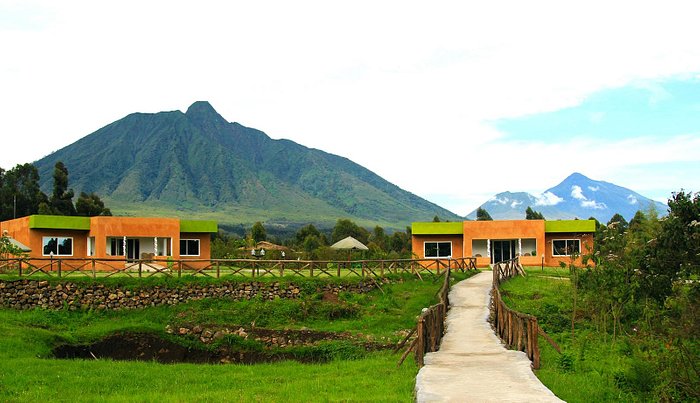
As you approach northern Rwanda, the landscape becomes increasingly mountainous, revealing beautiful views of the Virunga volcanoes.
7:00 AM – Arrival at Kinigi Park Headquarters
Arrive at the park headquarters for registration and the mandatory briefing.
Park officials explain the gorilla trekking rules, safety instructions and conservation requirements.
Visitors are allocated to available gorilla families according to the park's daily arrangements.
8:00 AM – Transfer to the Gorilla Trekking Starting Point
After the briefing, travel to your assigned starting point.
Meet your guide and trackers, prepare your hiking equipment and begin the trek.
Porters are available to assist with backpacks and provide support along the route.
Morning to Early Afternoon – Mountain Gorilla Trekking
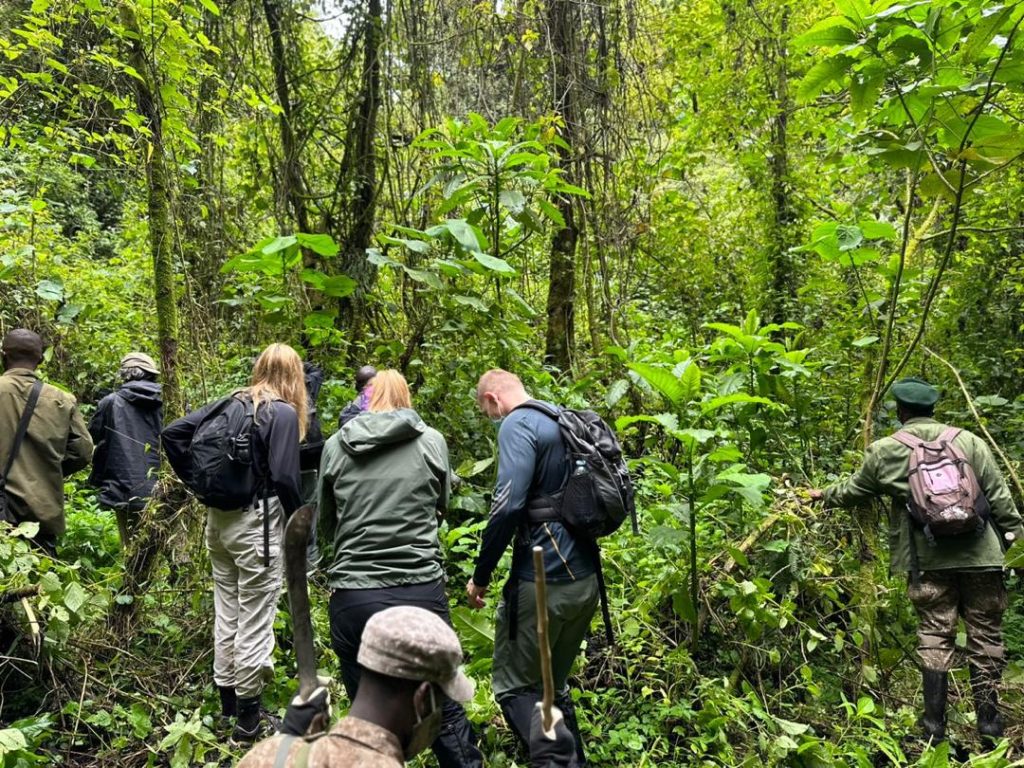
Enter the forest and follow your guide through bamboo vegetation and mountain forest.
The trek may involve steep slopes, muddy sections and uneven ground.
The duration depends on the location and movements of your assigned gorilla family.
Once the gorillas are located, enjoy up to one unforgettable hour observing them.
Watch the silverback, mothers and young gorillas as they interact naturally within their family group.
This is the highlight of the safari.
1:00 PM – Return from the Forest and Lunch
After completing the trek, return to the starting area and enjoy lunch.
Your guide can help you obtain information about your trekking experience and the conservation work taking place in the park.
3:00 PM – Transfer to Your Lodge
Travel to your selected accommodation near Volcanoes National Park.
Check in, relax and enjoy the beautiful mountain surroundings.
Evening – Dinner and Relaxation
Enjoy dinner at the lodge.
Spend the evening admiring the volcanic landscape, sharing photographs and reflecting on your unforgettable encounter with mountain gorillas.
Overnight: Selected accommodation in Kinigi or Musanze.
Day Two: Golden Monkey Tracking – Cultural Experience – Return to Kigali
6:00 AM – Breakfast at the Lodge
Enjoy breakfast and prepare for another exciting wildlife experience.
7:00 AM – Arrival at Kinigi and Golden Monkey Briefing
Report to the park headquarters for registration and briefing.
Meet the guides and receive instructions for the golden monkey tracking experience.
Morning – Golden Monkey Tracking
Enter the bamboo forest to discover the endangered golden monkeys.
These primates are particularly energetic and frequently move through the vegetation.
Watch them feed, jump between branches and interact with other members of their groups.
Their distinctive golden-orange fur creates excellent photographic opportunities.
10:30 AM – Return from the Forest
After completing the activity, return to the meeting area and enjoy refreshments.
11:30 AM – Visit Iby'Iwacu Cultural Village
Continue to a nearby cultural village for an introduction to traditional Rwandan culture.
Discover traditional dances, music, storytelling and local crafts.
This is a wonderful opportunity to appreciate the cultural heritage of communities living around Volcanoes National Park.
1:00 PM – Lunch in Musanze
Enjoy lunch before beginning your return journey.
2:00 PM – Scenic Drive Back to Kigali
Travel back to Kigali, enjoying the beautiful landscapes of northern Rwanda.
4:30–5:30 PM – Arrival in Kigali
Depending on traffic and road conditions, arrive in Kigali in the late afternoon or early evening.
Your driver-guide will drop you off at your hotel or another agreed location.
End of Tour: Two Remarkable Days of Rwanda Wildlife and Culture
This two-day safari combines two of Rwanda's most remarkable primate encounters with a cultural experience, making it an excellent choice for travellers seeking a compact but rewarding wildlife holiday.
Please note that gorilla trekking and golden monkey tracking require separate permits. Their availability and the exact schedule must be confirmed before travel.
One-Day Rwanda Gorilla Safari from Kigali: Is It Possible?
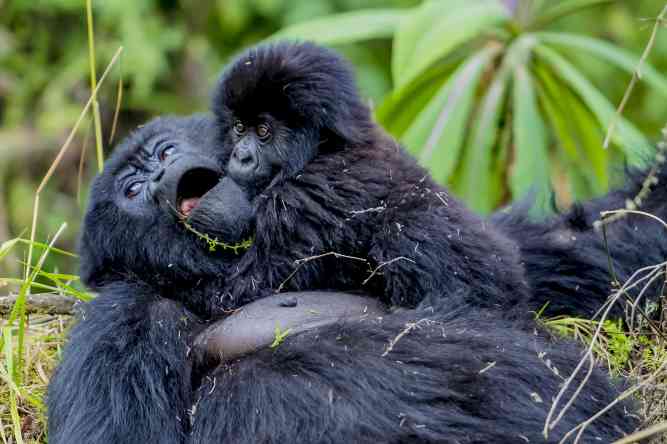
Yes. A one-day gorilla trekking safari from Kigali is possible and is particularly suitable for visitors with limited time.
However, it is a long and physically demanding day.
The drive to Volcanoes National Park takes approximately 2–2.5 hours under favourable conditions, and visitors must report to Kinigi for the morning briefing at 7:00 AM.
We recommend arranging private transportation and departing Kigali very early.
One-Day Gorilla Safari Itinerary
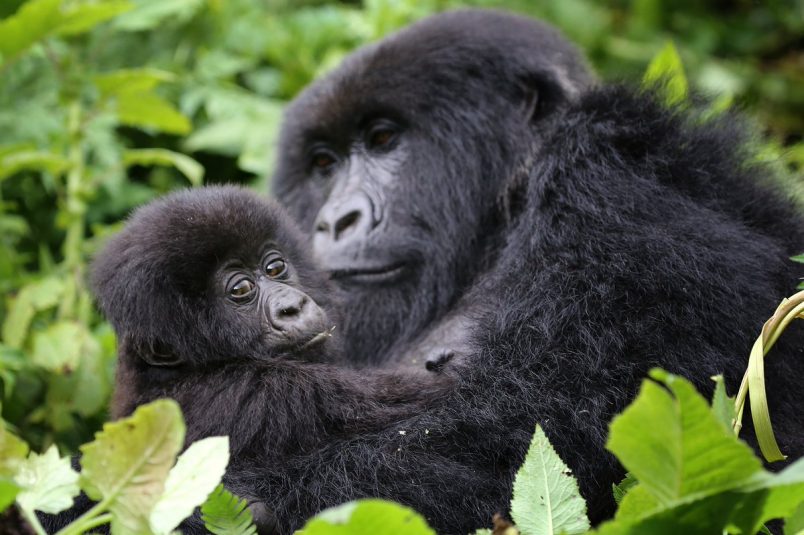
3:30–4:00 AM – Pickup from Kigali
Your Seek Wild Africa driver-guide collects you from your hotel.
Begin the journey north in a comfortable 4x4 safari vehicle.
6:30–7:00 AM – Arrival at Kinigi
Arrive at the park headquarters, complete registration and receive the official briefing.
7:30–8:00 AM – Gorilla Family Allocation and Transfer
Meet your guide and travel to the assigned trekking starting point.
8:00 AM Onwards – Gorilla Trekking
Begin the forest trek.
Follow your guide through the mountain vegetation in search of the assigned gorilla family.
The time required to locate the gorillas varies.
Late Morning or Afternoon – One Hour with Mountain Gorillas
Enjoy the remarkable opportunity to observe a gorilla family in its natural environment.
Take photographs without flash and follow all park conservation instructions.
Afternoon – Return from the Forest and Lunch
Complete the trek, return to the starting point and enjoy lunch.
2:00–3:00 PM – Return Journey to Kigali
Begin the journey back to Kigali.
5:00–7:00 PM – Arrival in Kigali
Arrive at your hotel or agreed drop-off location, depending on the day's conditions.
Is One Day Enough?
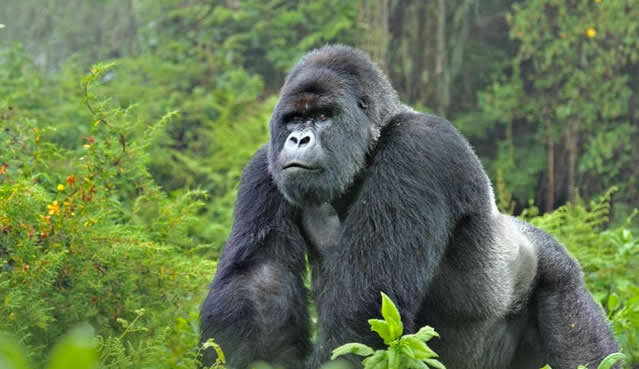
A one-day gorilla safari is excellent for travellers who have very limited time.
However, we recommend two days whenever possible.
An overnight stay near the park provides more relaxation and makes it easier to combine gorilla trekking with golden monkey tracking, cultural experiences or other activities.
A one-day gorilla trek should not be advertised as a one-day gorilla-and-golden-monkey safari. Both activities have morning schedules, so a separate morning or another day is needed to experience both properly.
Where to Stay Near Volcanoes National Park: Luxury, Mid-Range and Budget Accommodation
Accommodation is an important part of a successful Rwanda gorilla safari.
The region offers some of Africa's most impressive luxury safari lodges, alongside comfortable mid-range hotels, eco-lodges and budget guesthouses.
Most visitor accommodation is situated outside the protected park boundary, particularly around Kinigi and Musanze.
Choosing accommodation near Kinigi is particularly convenient for early-morning gorilla trekking and volcano hiking.
Luxury Lodges
Wilderness Bisate Lodge
Wilderness Bisate Lodge is one of Rwanda's most recognised luxury safari properties.
Its distinctive architecture, private forest setting and beautiful views of the surrounding volcanoes make it an attractive choice for high-end travellers.
It is particularly suitable for honeymooners, luxury safari guests and visitors seeking an exclusive experience.
Singita Kwitonda Lodge
Singita Kwitonda Lodge offers luxury accommodation inspired by the surrounding volcanic landscape.
The lodge is known for its design, high-quality hospitality, conservation focus and comfortable private suites.
It is an excellent choice for travellers seeking a premium gorilla trekking experience.
Virunga Lodge
Virunga Lodge is famous for its elevated location and spectacular views of the Virunga volcanoes and Twin Lakes.
It offers an attractive setting for visitors who appreciate mountain scenery and luxury hospitality.
Sabyinyo Silverback Lodge
Sabyinyo Silverback Lodge is another excellent luxury option.
Its location near the park makes it convenient for gorilla trekking, while its accommodation and hospitality provide a comfortable safari experience.
Mid-Range Accommodation
Five Volcanoes Boutique Hotel
Five Volcanoes Boutique Hotel offers comfortable accommodation with facilities suited to travellers seeking quality without necessarily choosing an ultra-luxury lodge.
Amarembo by Touch Down
Amarembo by Touch Down is an attractive accommodation option for visitors exploring the Volcanoes region.
Le Bambou Gorilla Lodge
Le Bambou Gorilla Lodge provides a comfortable lodge-style experience and is worth considering for travellers seeking convenient access to park activities.
Tiloreza Volcanoes Ecolodge
Tiloreza Volcanoes Ecolodge offers an eco-conscious accommodation experience in the volcanic region.
Budget and Comfortable Accommodation
Travellers looking for more economical accommodation can consider:
- Hotel Muhabura.
- La Palme Hotel.
- Kinigi Guest House.
- Garden Place Hotel.
These options can be suitable for travellers who want to manage their accommodation budget while enjoying access to the park.
Our accommodation advice: Luxury guests may prefer Bisate or Singita Kwitonda. Mid-range travellers can explore Five Volcanoes or Tiloreza. Budget-conscious visitors can consider accommodation around Musanze or Kinigi.
Before confirming a reservation, check the property's current facilities, location, meal arrangements, room category and availability.
How to Reach Volcanoes National Park from Kigali
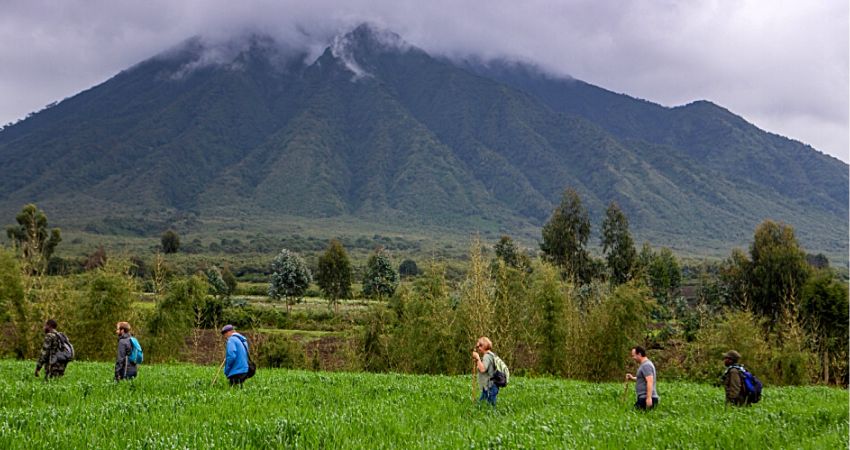
Volcanoes National Park is located in northwestern Rwanda, approximately 105–115 kilometres from Kigali, depending on your destination and route.
By Road
The most common way to reach the park is by road.
The journey generally takes approximately 2–2.5 hours from Kigali to Kinigi under favourable conditions.
A private 4x4 safari vehicle is recommended for visitors seeking comfort and flexibility.
By Private Safari Transfer
Private transportation is particularly useful for travellers planning early-morning gorilla trekking or mountain hiking.
It allows flexible pickup times, convenient luggage arrangements and scenic stops along the way.
Seek Wild Africa helps travellers coordinate suitable vehicles and professional driver-guides.
What to Pack for Volcano Hiking and Gorilla Trekking in Rwanda
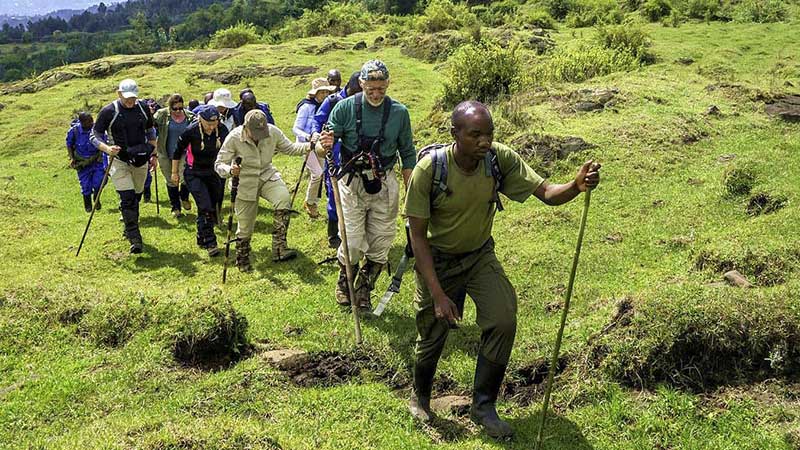
Proper preparation is essential for enjoying Volcanoes National Park, especially when your itinerary includes mountain climbing, gorilla trekking or golden monkey tracking.
The weather can change quickly, and the trails are often muddy, steep and slippery.
Essential Hiking Clothing
- Waterproof hiking boots with strong grip.
- Long hiking trousers.
- Long-sleeved shirts.
- Waterproof jacket or raincoat.
- Warm sweater or fleece.
- Waterproof hiking gloves.
- Several pairs of comfortable socks.
- Hat or cap.
- Extra clothing for after the hike.
Safari and Hiking Equipment
- A comfortable waterproof day backpack.
- Reusable drinking-water bottle.
- Camera with extra batteries.
- Binoculars.
- Walking stick or trekking poles, where permitted.
- Sunscreen.
- Insect repellent.
- Personal medication.
- Small first-aid kit.
- Headlamp for overnight mountain expeditions.
- Snacks suitable for the activity.
Important: Respect Rwanda's Plastic and Environmental Conservation Policies
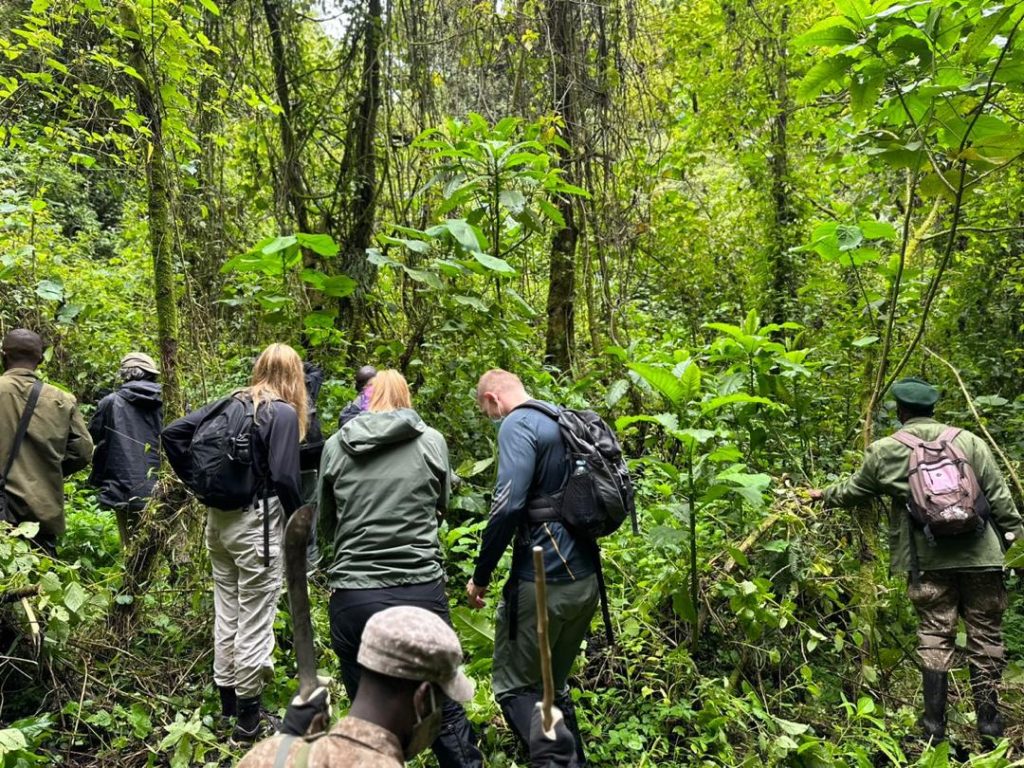
Rwanda is internationally recognised for its commitment to environmental protection and restrictions on single-use plastic.
Visitors should avoid carrying prohibited plastic bags and unnecessary disposable plastic packaging into the country and protected areas.
For hiking and safari activities, we recommend bringing a durable, reusable drinking-water bottle.
Suitable reusable bottles include:
- Stainless-steel insulated bottles.
- Aluminium reusable water bottles.
- BPA-free reusable plastic bottles.
- Durable, refillable water containers with secure lids.
A stainless-steel bottle is particularly useful because it is strong, reusable and suitable for carrying drinking water during long hikes.
Remember:
- Do not leave rubbish in the forest.
- Carry all waste back with you.
- Avoid disturbing plants and wildlife.
- Follow instructions from park guides.
- Do not feed wild animals.
- Respect all conservation regulations.
Protecting the Virunga Mountains is everyone's responsibility.
Why Choose Seek Wild Africa for Your Volcanoes National Park Adventure?
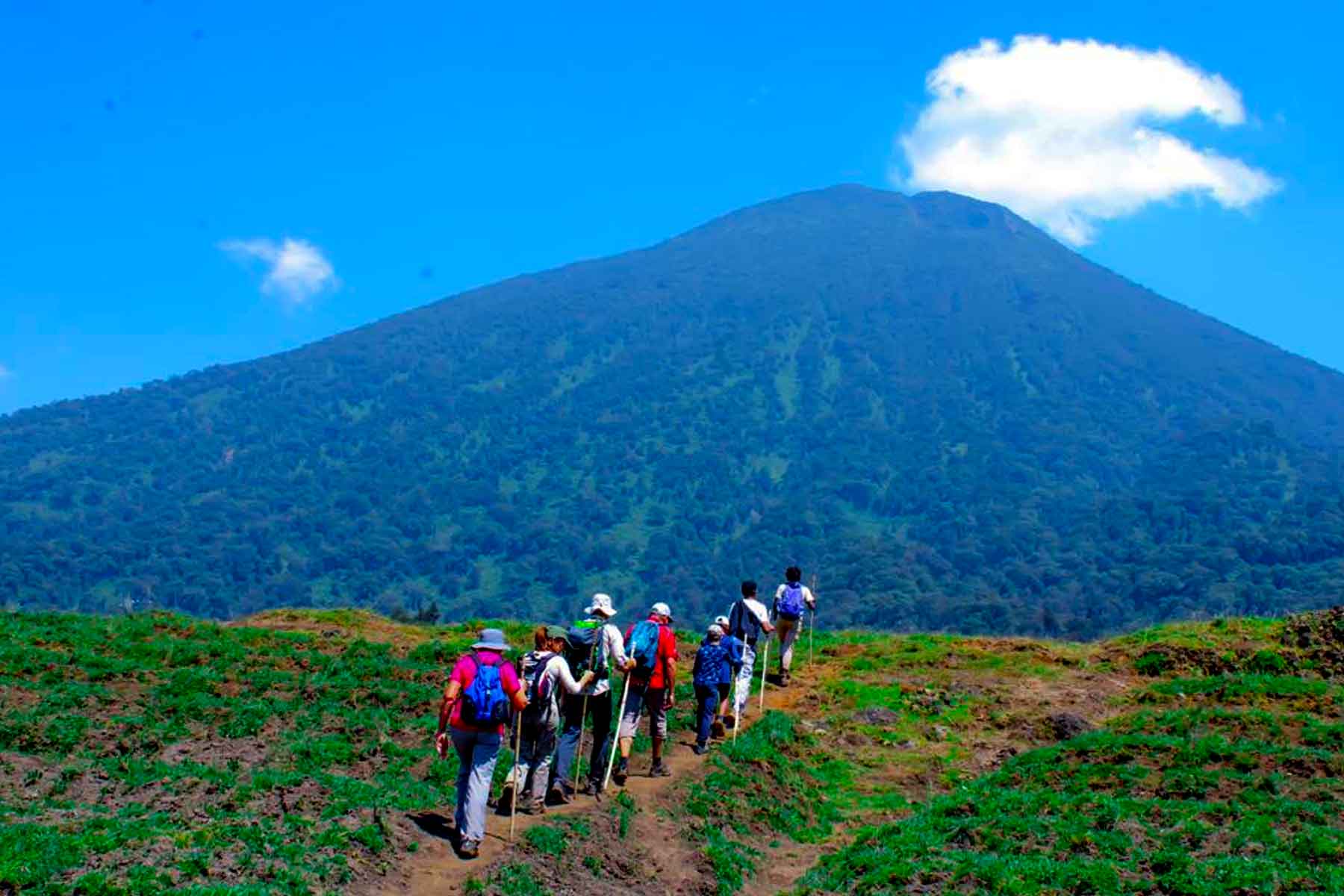
Visiting Volcanoes National Park is an extraordinary experience, but organising a successful trip requires proper preparation.
You need to consider permits, accommodation, transportation, hiking requirements, activity schedules, professional guiding and the time required to travel between attractions.
At Seek Wild Africa, we help travellers organise these arrangements so they can enjoy Rwanda with confidence, comfort and peace of mind.
Our objective is to provide well-organised, personalised and memorable safari experiences.
Tailor-Made Gorilla Trekking Safaris
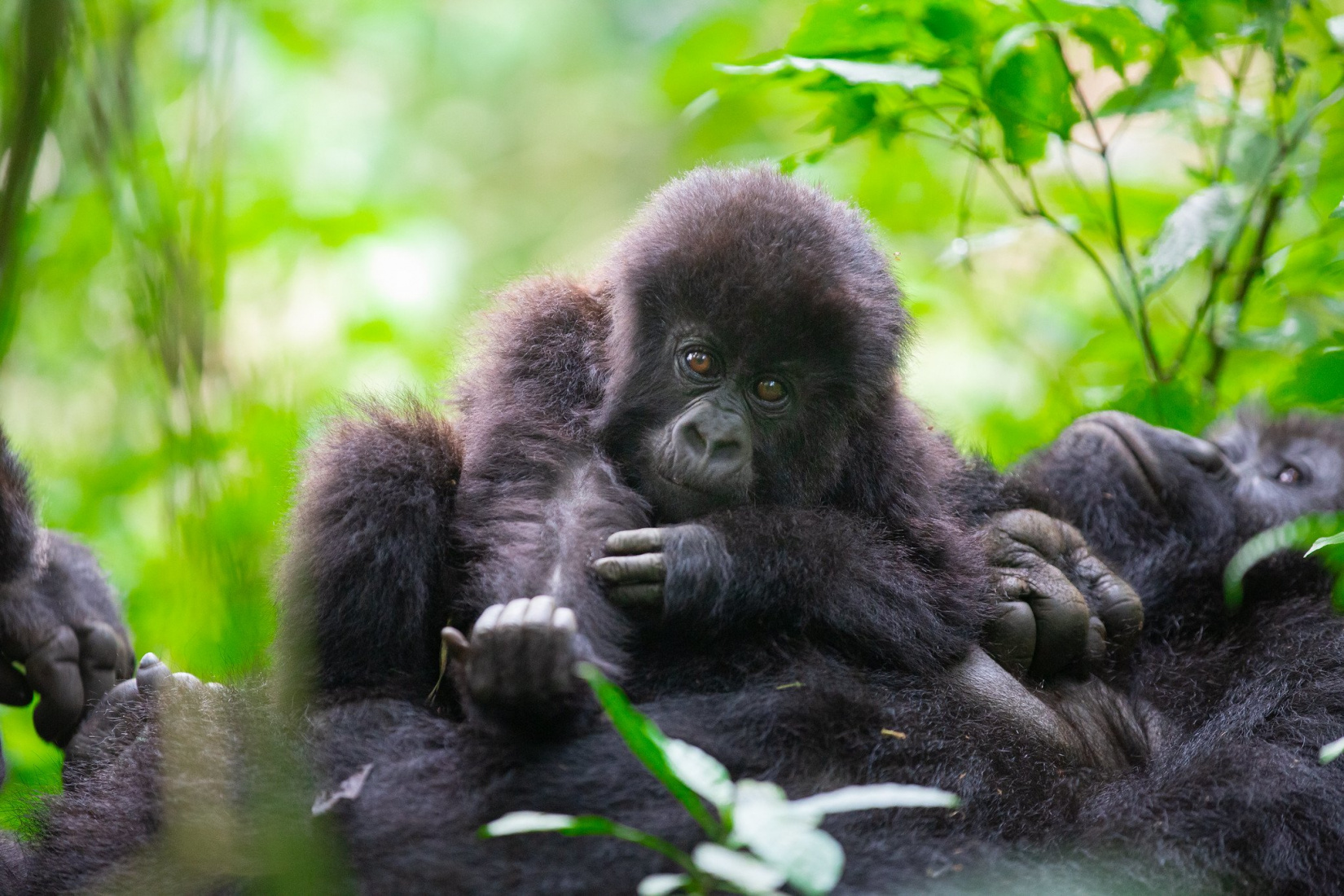
We organise personalised gorilla trekking experiences for international visitors, couples, families and adventure travellers.
Our services include assistance with:
- Gorilla permit arrangements.
- Accommodation reservations.
- Private safari transportation.
- Professional driver-guides.
- Itinerary preparation.
- Activity coordination.
Volcano Hiking Adventures
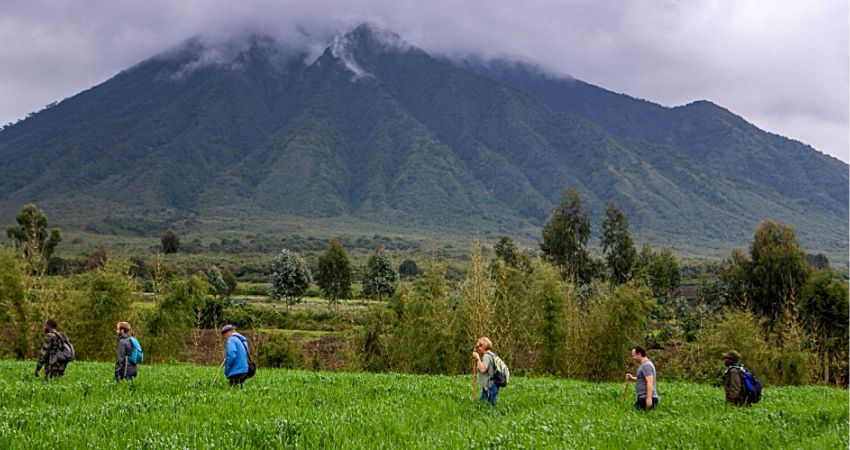
For travellers interested in climbing Rwanda's volcanic mountains, we help organise hiking itineraries based on fitness, available time and personal interests.
We can help coordinate:
- Mount Bisoke hiking.
- Mount Karisimbi two-day expeditions.
- Mount Muhabura hiking.
- Dian Fossey historical hikes.
- Additional activities around the Virunga region.
We ensure that hiking arrangements are planned around applicable park requirements and professional guiding arrangements.
Golden Monkey Tracking
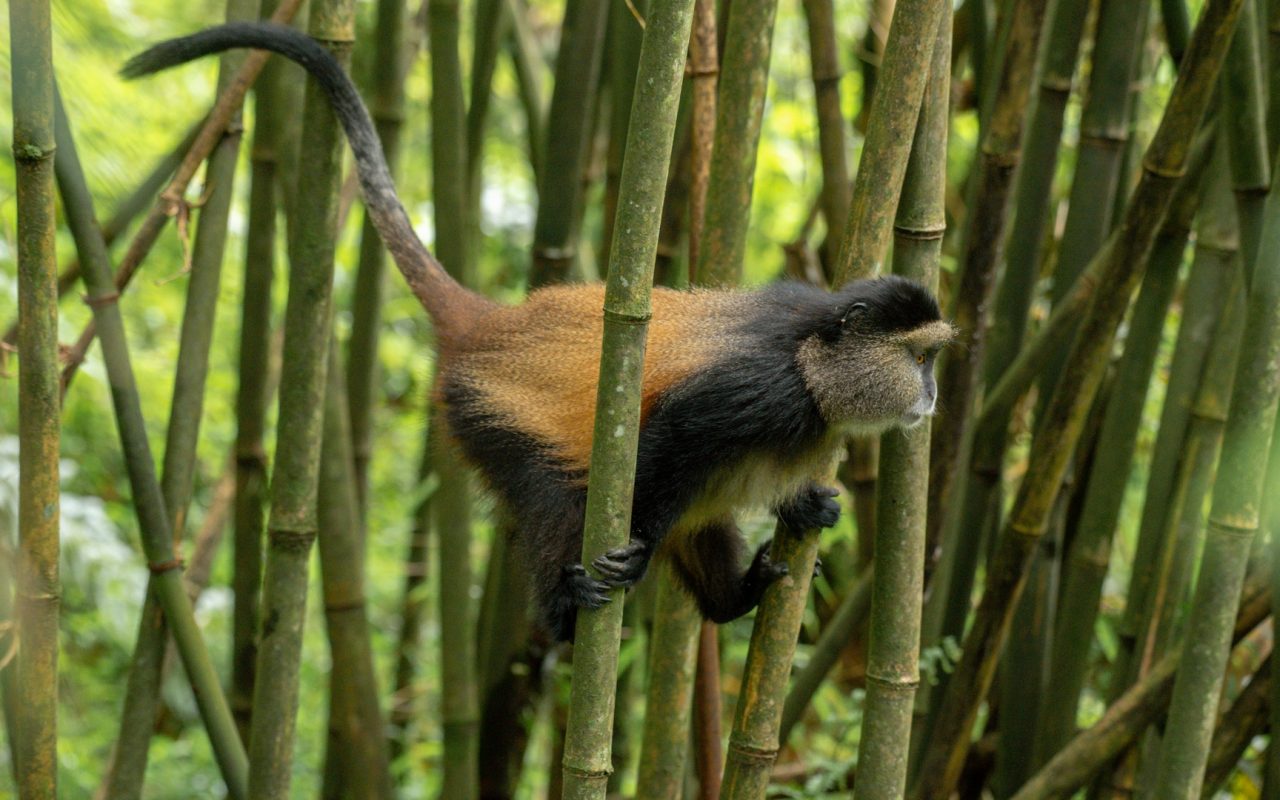
We help travellers include golden monkey tracking in their Rwanda safari packages.
This can be combined with gorilla trekking, cultural experiences and other activities around Musanze.
Comfortable Safari Transportation
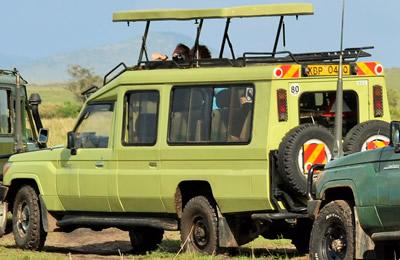
We organise suitable 4x4 safari vehicles for journeys between Kigali, Musanze, Kinigi and other destinations.
Our transportation arrangements are designed to make travelling through Rwanda comfortable and convenient.
Accommodation Reservations
Whether you prefer luxury lodges, mid-range hotels or budget accommodation, we help identify suitable properties according to your expectations and budget.
Complete Rwanda Safari Packages
We also organise multi-destination Rwanda holidays combining:
- Volcanoes National Park.
- Akagera National Park.
- Nyungwe Forest National Park.
- Lake Kivu.
- Kigali city experiences.
- Cultural and community tourism.
You can choose a short wildlife adventure or a longer holiday exploring Rwanda's natural and cultural attractions.
Our Commitment to Responsible Tourism
At Seek Wild Africa, we believe that tourism should create meaningful experiences while respecting the environment and local communities.
We encourage responsible wildlife encounters, conservation awareness, cultural appreciation and respect for park regulations.
We want every traveller to understand not only what makes Rwanda beautiful but also why protecting its natural heritage is important.
Plan Your Volcanoes National Park Adventure for 2026–2027
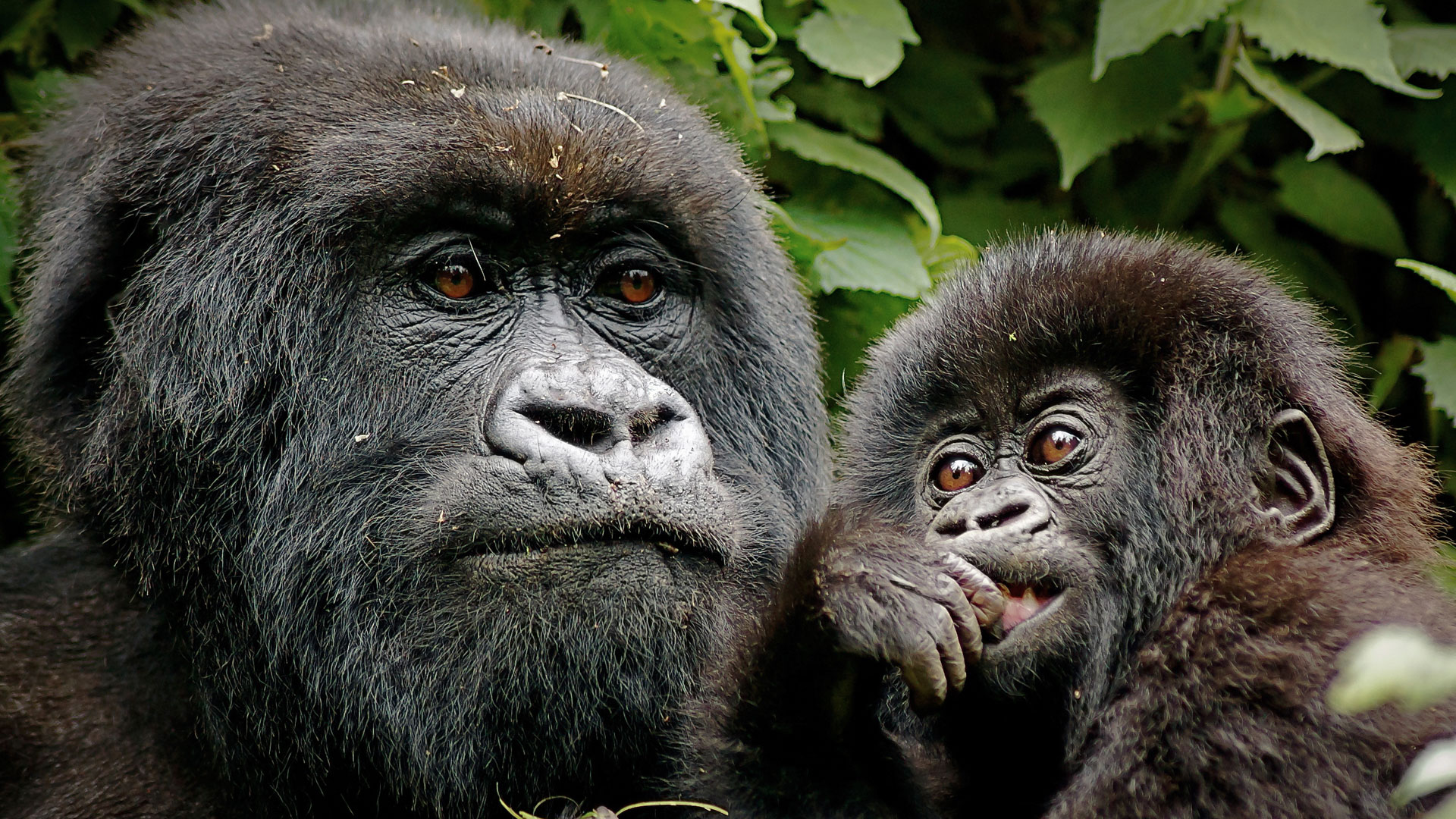
Rwanda's Volcanoes National Park is much more than a destination for seeing mountain gorillas.
It is a place where Africa's volcanic landscapes, extraordinary wildlife, conservation history and adventure tourism come together.
From climbing Mount Bisoke and reaching its spectacular crater lake to undertaking the demanding two-day expedition to Mount Karisimbi, every mountain offers a different achievement.
Mount Muhabura presents another remarkable challenge for visitors seeking steep climbs and spectacular panoramic views.
Beyond hiking, the opportunity to encounter endangered mountain gorillas and golden monkeys makes Volcanoes National Park an exceptional destination for nature lovers.
Its conservation history, the legacy of Dian Fossey, controlled tourism activities, community participation and professional park organisation demonstrate why Rwanda has become an important international destination for responsible wildlife tourism.
While the Serengeti and Masai Mara are celebrated for the Great Migration, and Akagera is famous for its savannah wildlife, Volcanoes National Park offers a different and equally remarkable African adventure.
For 2026–2027, make Rwanda's Virunga Mountains part of your African travel story.
Whether you dream of climbing a volcano, standing face-to-face with a mountain gorilla, discovering golden monkeys or exploring the cultural heritage of northern Rwanda, Seek Wild Africa is ready to help organise your journey.
Explore Rwanda with Seek Wild Africa. Your adventure begins in the heart of the Virunga Mountains.
Frequently Asked Questions About Volcano Hiking in Rwanda
Is Volcanoes National Park one of the best national parks in Africa?
Volcanoes National Park is widely recognised as one of Africa's outstanding conservation and wildlife destinations. Its endangered mountain gorillas, golden monkeys, volcanic landscapes and conservation history make it particularly unique.
Which mountains can tourists hike in Rwanda's Volcanoes National Park?
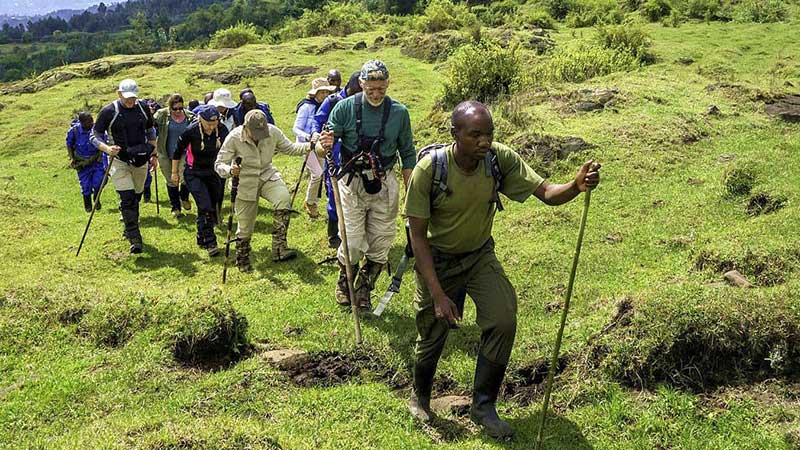
Visitors can arrange guided hikes on Mount Bisoke, Mount Karisimbi and Mount Muhabura. Other activities include the Dian Fossey historical hike and additional mountain experiences subject to park arrangements.
Which is the easiest volcano to hike in Rwanda?
Mount Bisoke is generally the most accessible of the three mountains discussed here because it can be completed in one day and is lower than Karisimbi and Muhabura. However, it is still physically demanding.
How long does it take to hike Mount Bisoke?
The Mount Bisoke hike generally takes approximately six to seven hours for the return journey, depending on weather, fitness and trail conditions.
How many days are required to hike Mount Karisimbi?
Mount Karisimbi normally requires two days, including an overnight stay at a designated mountain campsite.
Is Mount Muhabura difficult to climb?
Yes. Mount Muhabura is a demanding high-altitude hike because of its steep slopes, elevation and sustained physical effort.
Can I combine gorilla trekking and golden monkey tracking?
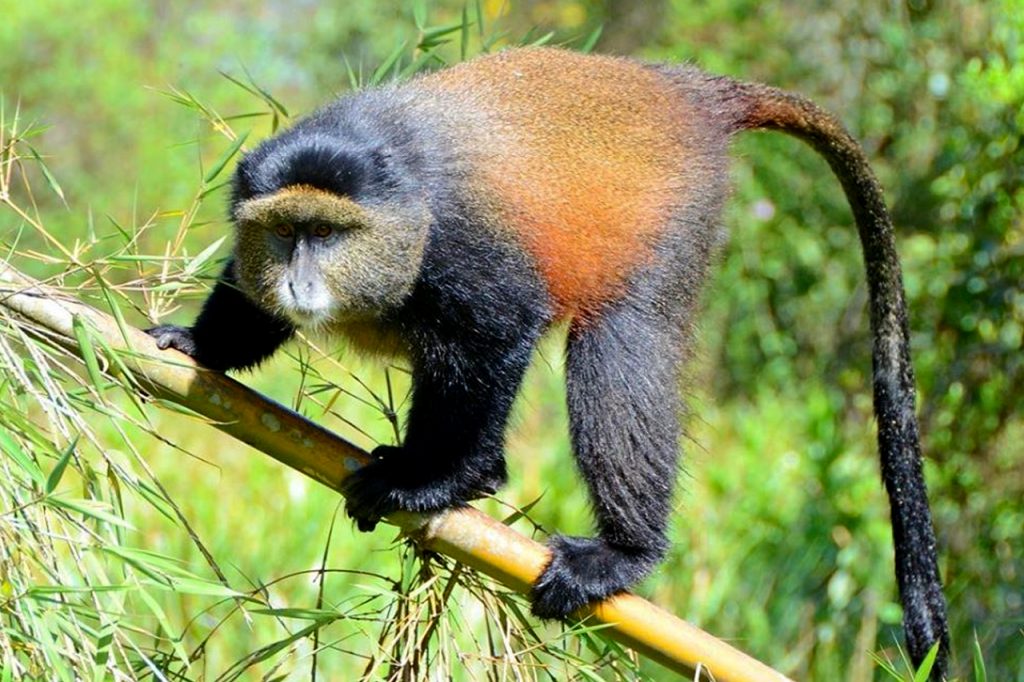
Yes. Both activities can be included in the same Rwanda safari. However, they normally require separate morning sessions and separate permits, making a two-day itinerary more suitable.
Can I do gorilla trekking from Kigali in one day?
Yes. A one-day gorilla safari from Kigali is possible with an early departure, approximately 2–2.5 hours of road travel each way and attendance at the 7:00 AM park briefing. It is a long day, so an overnight stay near the park is more comfortable.
What is the minimum age for gorilla trekking in Rwanda?
The minimum age is 15 years.
What is the minimum age for golden monkey tracking?
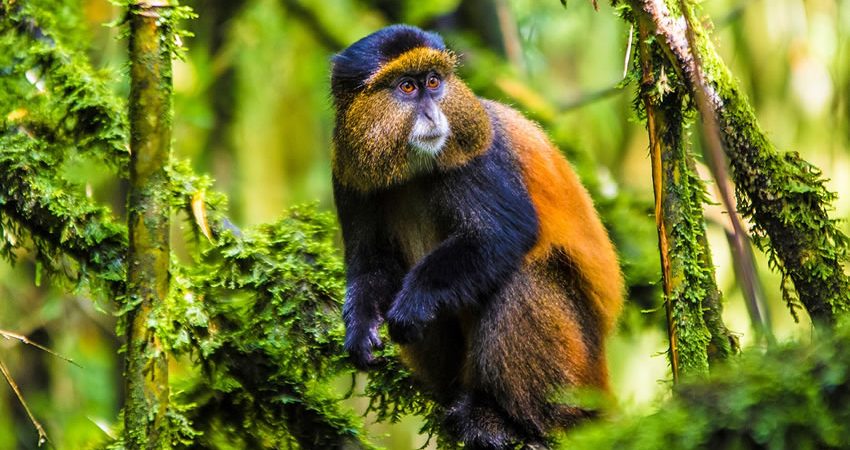
The current Rwanda Development Board booking requirements specify a minimum age of 12 years.
When is the best time to hike Rwanda's Virunga volcanoes?
Where should I stay when visiting Volcanoes National Park?
June to September and December to February are generally favourable periods because they are relatively drier. However, mountain weather is unpredictable, and visitors should always prepare for rain.
Accommodation options include Bisate Lodge, Singita Kwitonda Lodge, Virunga Lodge, Sabyinyo Silverback Lodge, Five Volcanoes Boutique Hotel, Tiloreza Volcanoes Ecolodge and several guesthouses around Musanze and Kinigi.
Does Volcanoes National Park offer traditional game drives?
No. Its main attractions are walking-based activities, including gorilla trekking, golden monkey tracking, volcano hiking, birdwatching and forest exploration. For traditional game drives, combine your visit with Akagera National Park.
Whether you dream of climbing a volcano, standing face-to-face with a mountain gorilla, discovering golden monkeys or exploring the cultural heritage of northern Rwanda, Seek Wild Africa is ready to help organise your journey.
Explore Rwanda with Seek Wild Africa. Your adventure begins in the heart of the Virunga Mountains.