Akagera National Park Safari: The Ultimate Guide to Rwanda’s Big Five Experience
September 15, 2026Clementine
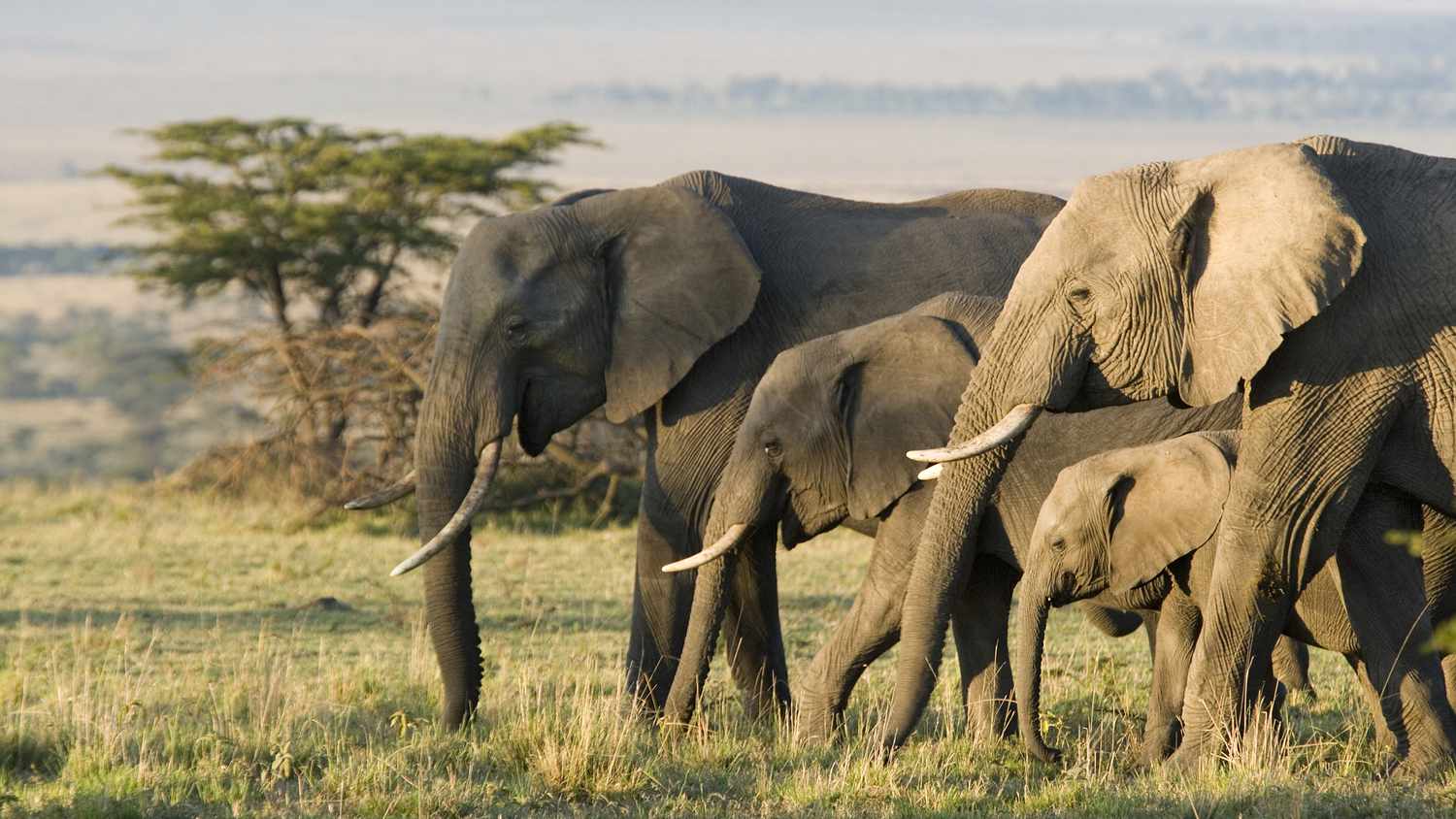
If you are searching for an African safari that combines Big Five wildlife, spectacular landscapes, lakes, wetlands, savannah and an inspiring conservation story, put Akagera National Park high on your 2026–2027 travel list.
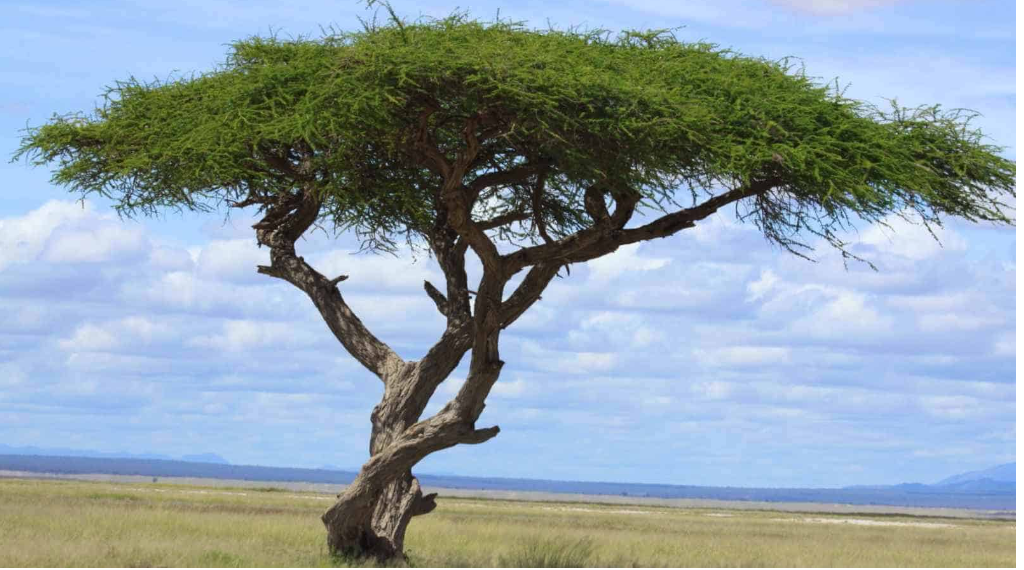
But Akagera's greatest attraction is not simply the animals visitors can see today.
Its deeper story is one of loss, resilience, restoration and renewal.
Established in 1934, Akagera has survived enormous ecological and social challenges. Following decades of pressure, including habitat loss, illegal hunting and the reduction of the park's size in the aftermath of Rwanda's 1994 genocide, wildlife populations suffered dramatically. In 2010, the Rwanda Development Board entered a long-term management partnership with African Parks, beginning a major transformation of the park.
Today, Akagera represents something particularly powerful in African conservation:
a damaged ecosystem that has been given a second life.
For travellers planning an Akagera National Park Safari in 2026–2027, this means you are not simply visiting a wildlife park—you are entering one of Rwanda's most successful conservation stories.
Why Akagera National Park Is One of Africa’s Must-Visit Safari Destinations in 2026–2027
Calling a national park one of Africa's best should be based on more than marketing.
Akagera has several qualities that make it increasingly important on the African safari map.
1. It Is Rwanda’s Big Five Safari Destination
Akagera is home to:
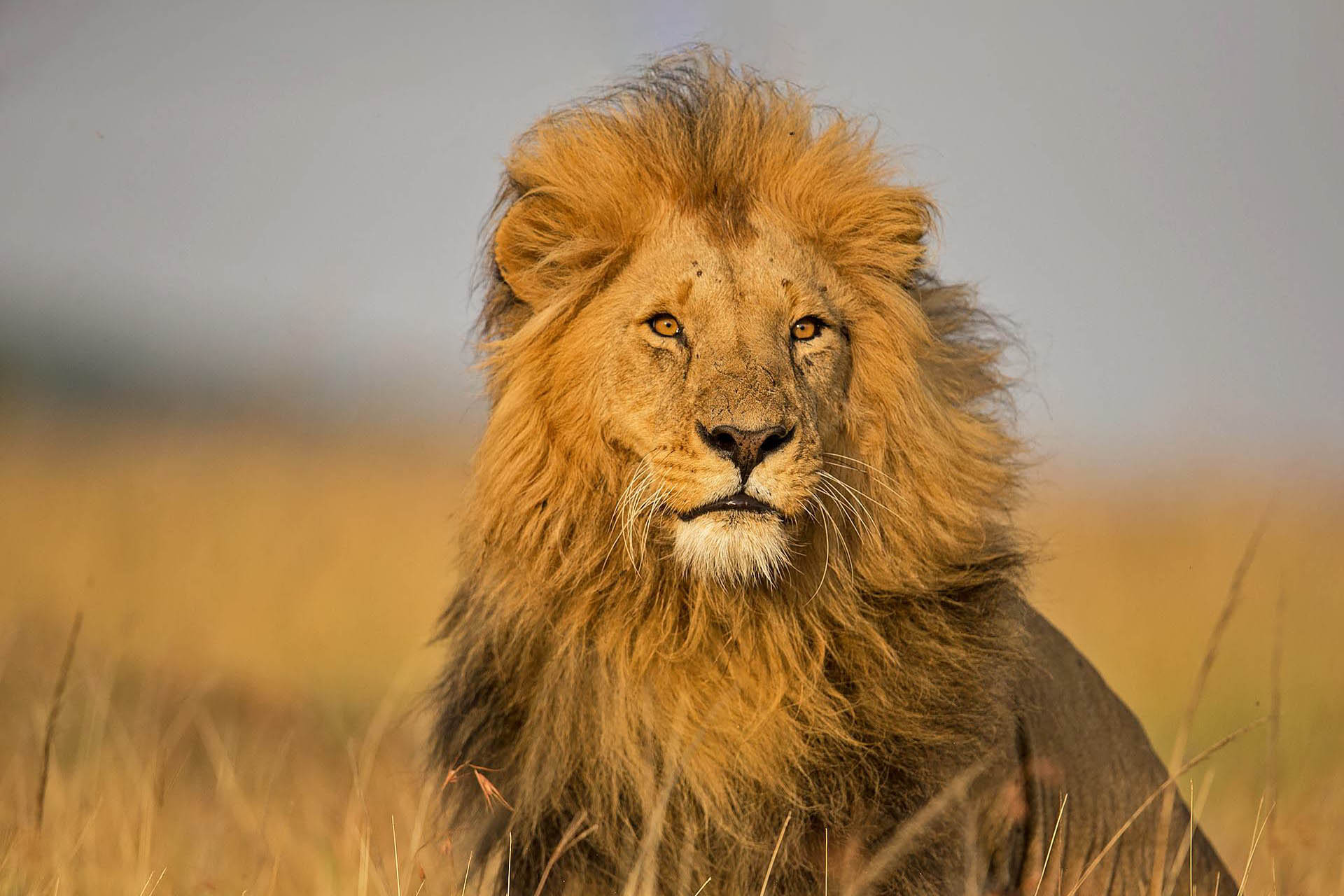
- Lion
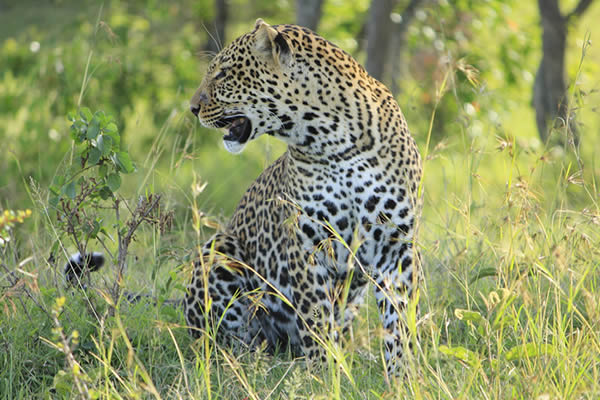
- Leopard
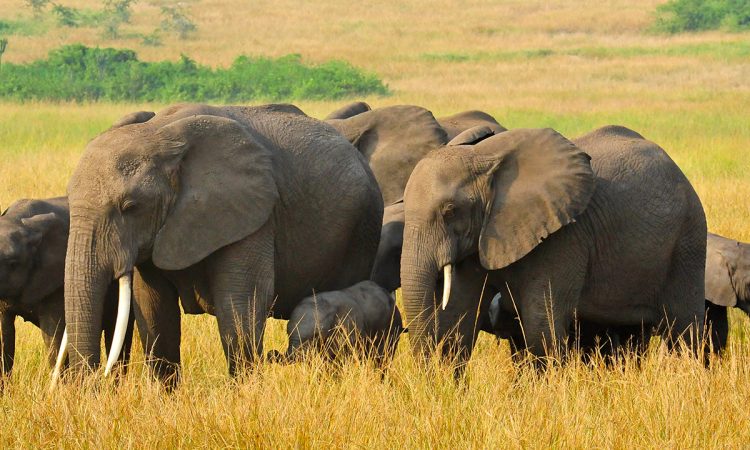
- Elephant
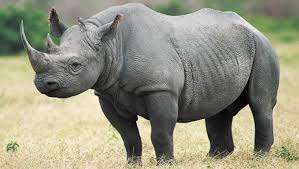
- Eastern black rhino
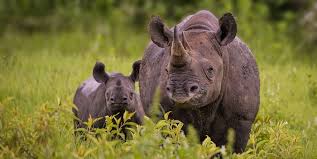
- Southern white rhino
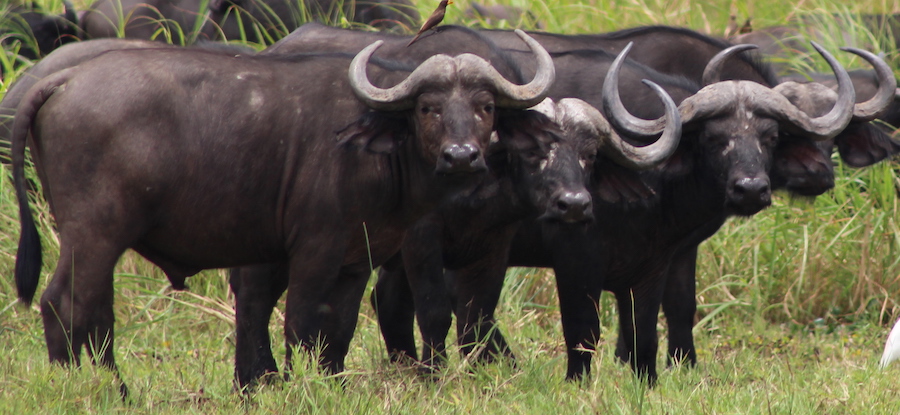
- Buffalo
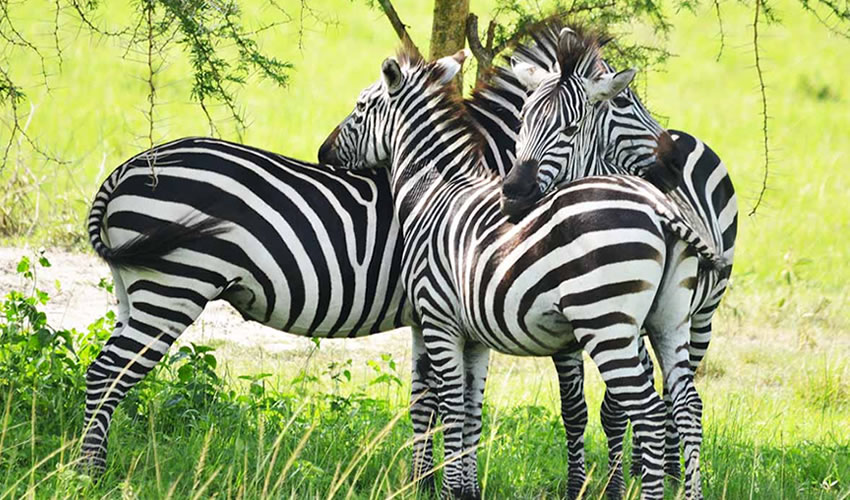
It also supports giraffes, zebras, hippos, crocodiles, antelopes, hyenas, monkeys and many other species. Almost 500 bird species have been documented in the park, making it an important destination for birdwatchers as well as traditional safari travellers.
2. It Is Central Africa’s Largest Protected Wetland
Akagera is not simply a grassland safari reserve.
Its ecosystem contains wetlands, papyrus swamps, woodland, savannah, hills and numerous lakes.
This gives the park a distinctive visual character and creates habitats for a wide variety of species.
3. It Has Recovered Remarkably
The return of major species has transformed the park.
Lions were reintroduced in 2015.
Eastern black rhinos returned in 2017, with additional animals introduced in 2019.
Thirty southern white rhinos were introduced in 2021.
Then, in June 2025, another 70 southern white rhinos arrived, marking another major step in Akagera's rewilding story.
4. Tourism Now Supports Conservation
In 2025, Akagera became the first African Parks site to cover its operating costs through its own revenue, a significant milestone for conservation sustainability. Tourism revenue supports park operations, employment and surrounding communities.
That makes every responsible safari visitor part of a much larger conservation story.
The History of Akagera National Park: From 1934 to a New Era
Akagera Was Established in 1934
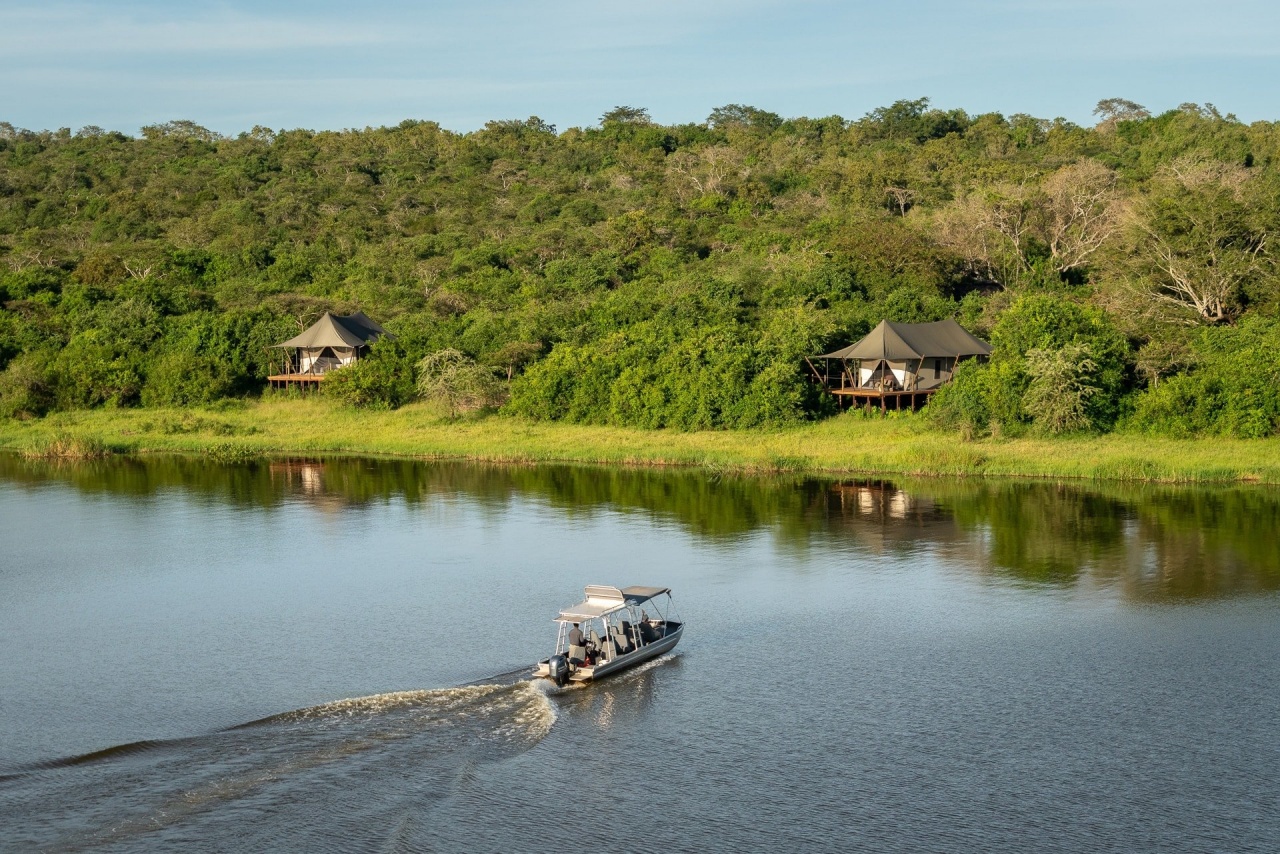
Its wetlands and lakes created an ecosystem unlike Rwanda's mountainous western and northern landscapes.
For many decades, Akagera supported populations of elephants, buffalo, zebra, giraffe, lion and numerous antelope species.
A Difficult Period
The park's history was deeply affected by Rwanda's wider social and political history.
After the 1994 genocide, returning refugees settled in areas around the park, and in 1997 the park was reduced by approximately two-thirds to accommodate resettlement.
Wildlife populations subsequently suffered from illegal hunting and human-wildlife conflict, and some major species—including lions and rhinos—disappeared from the park.
This could have been the end of Akagera's story.
It was not.
The Turning Point: Akagera’s Conservation Renaissance
The 2010 Management Partnership
In 2010, the Rwanda Development Board invited African Parks to partner in the management of Akagera.
The objective was not simply to protect animals.
It was to restore the ecosystem, strengthen law enforcement, develop tourism, improve relationships with surrounding communities and create a financially sustainable conservation model.
The results have been remarkable.
The Return of Lions
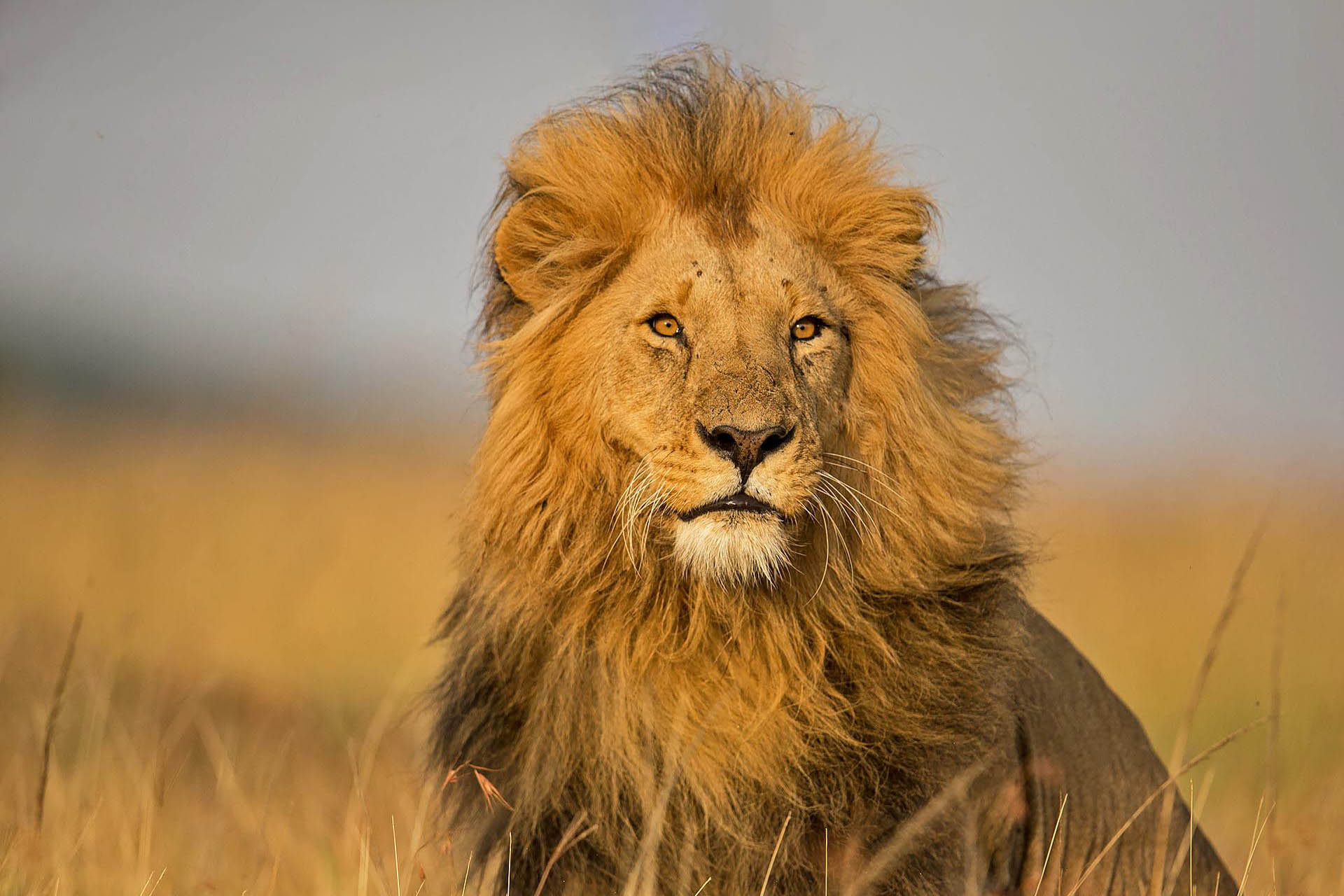
In 2015, seven lions were reintroduced.
The population successfully reproduced and has grown substantially since then.
The Return of Black Rhinos
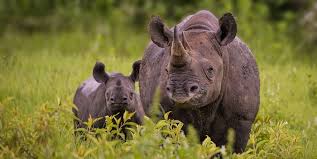
In 2017, eastern black rhinos were reintroduced after a decade-long absence from Rwanda.
Five additional rhinos followed in 2019, helping strengthen genetic diversity.
The White Rhino Arrives
Thirty southern white rhinos were introduced in 2021.
Then came another extraordinary milestone:
70 additional southern white rhinos were introduced in June 2025.
This makes Akagera's modern history one of restoration rather than decline.
How Akagera National Park Is Managed Today
A successful safari destination requires more than beautiful scenery.
It needs strong organisation.
Akagera is managed through a partnership between the Rwanda Development Board and African Parks, with the Akagera Management Company responsible for park management.
The management system includes:
Conservation Law Enforcement
Rangers patrol the park using land-based and aerial monitoring.
Akagera also has a canine anti-poaching unit.
The park reports that no high-value species—elephant, rhino or lion—has been lost to poaching since 2010 or their respective reintroductions.
Wildlife Monitoring
Animals are monitored using modern conservation techniques, including identification databases and tracking technology.
For example, an elephant identification database developed in 2025 documented more than 100 individual elephants.
Community Partnership
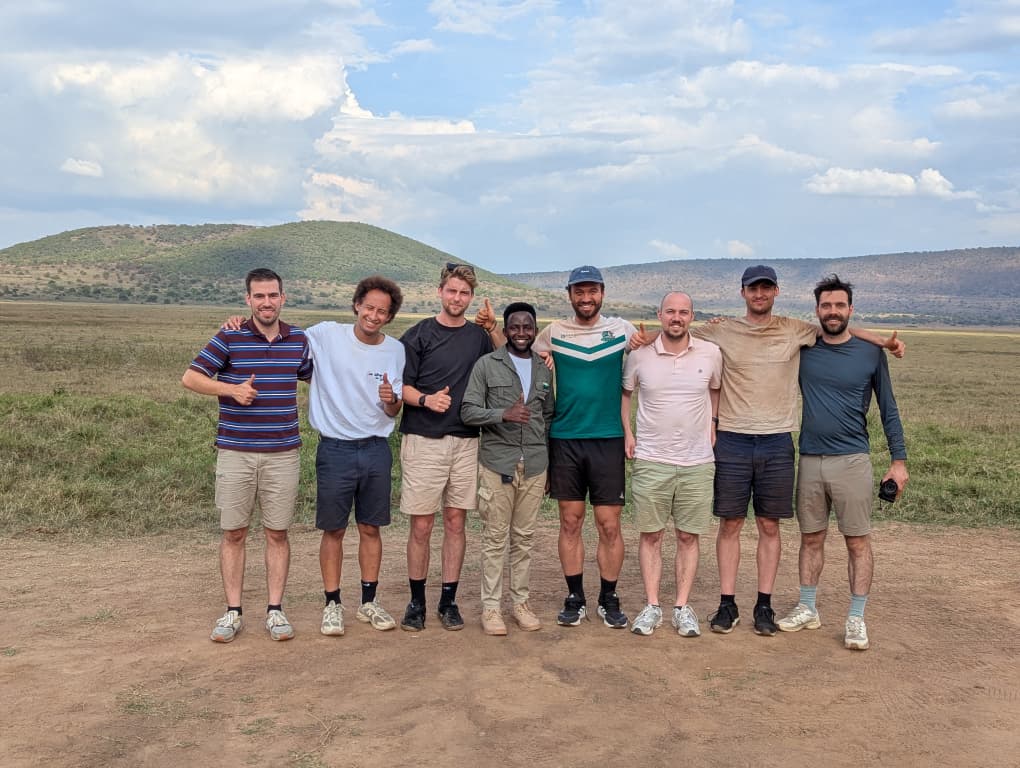
Conservation cannot succeed if communities surrounding the park do not benefit.
Akagera works with neighbouring communities on education, livelihoods, enterprise development and human-wildlife conflict mitigation.
In 2025–2026, 10% of tourism income was allocated through Rwanda's revenue-sharing programme to community projects including schools, clean-water infrastructure and other local development initiatives.
This is one of the reasons Akagera's conservation model is so important.
What Animals Can You See on an Akagera National Park Safari?
Akagera's wildlife is one of its greatest attractions.
The Big Five
Lion
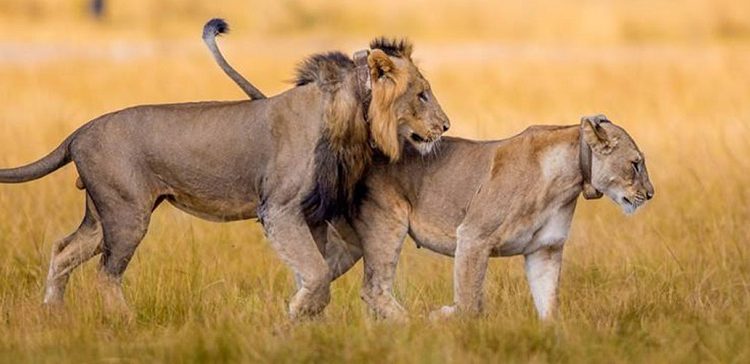
Lions returned to Akagera in 2015 and have successfully reproduced.
Today they are among the park's most sought-after predators.
Leopard
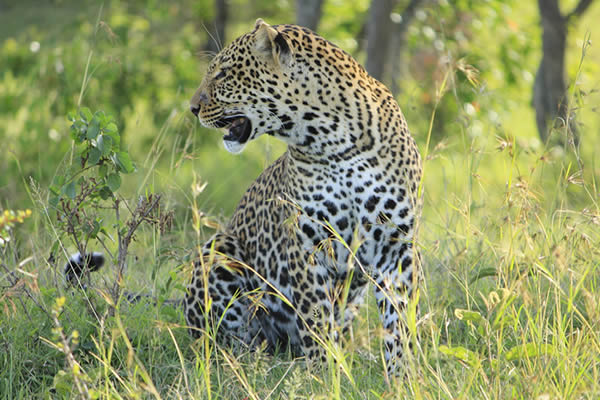
Leopards are present but more elusive than lions.
Finding one requires patience, good guiding and careful observation.
Elephant
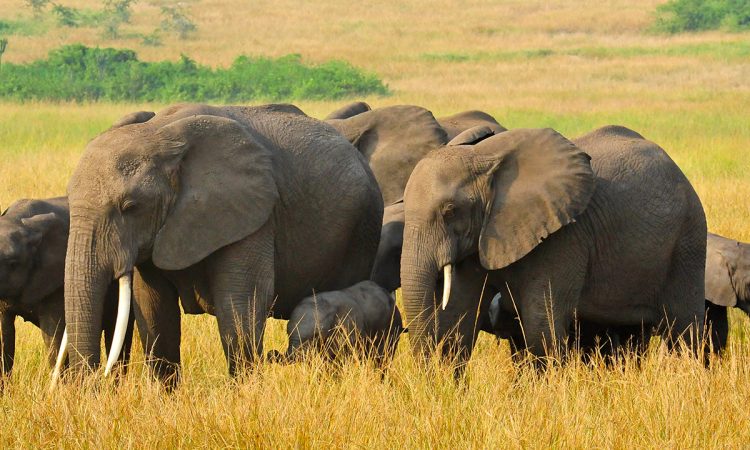
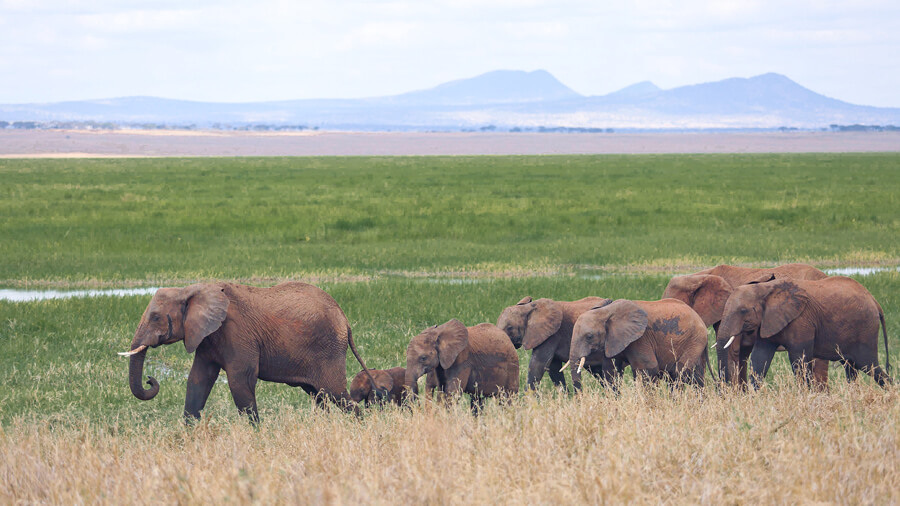
Large elephant herds move through different parts of the park, particularly areas offering suitable vegetation and water.
Rhino
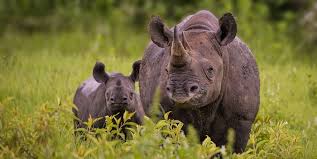
Akagera now protects both eastern black rhinos and southern white rhinos, making rhino sightings an important part of the safari experience.
Buffalo
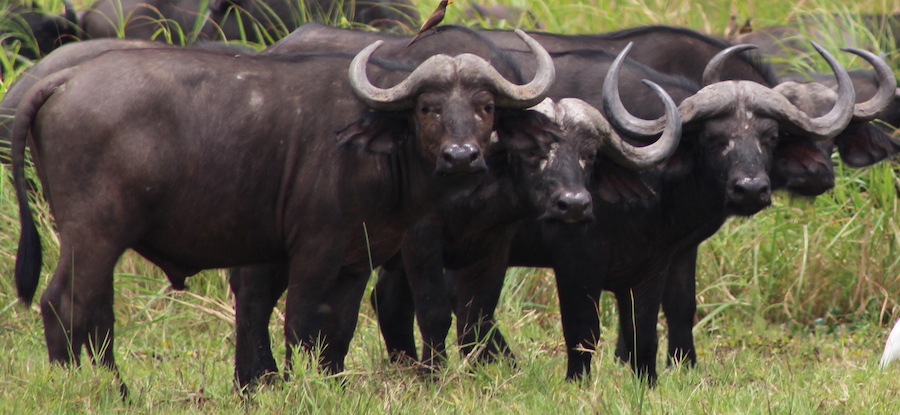
Large buffalo herds can often be encountered across the savannah plains.
Other Wildlife in Akagera National Park
The Big Five are only part of the story.
You may also encounter:
- Giraffes
- Zebras
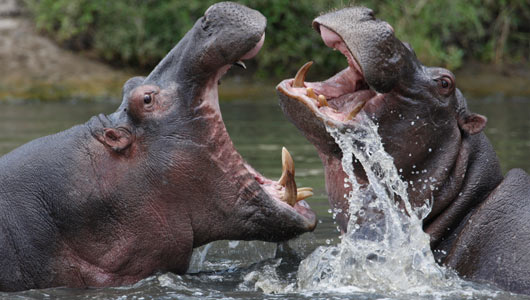
- Hippos
- Crocodiles
- Topi
- Eland
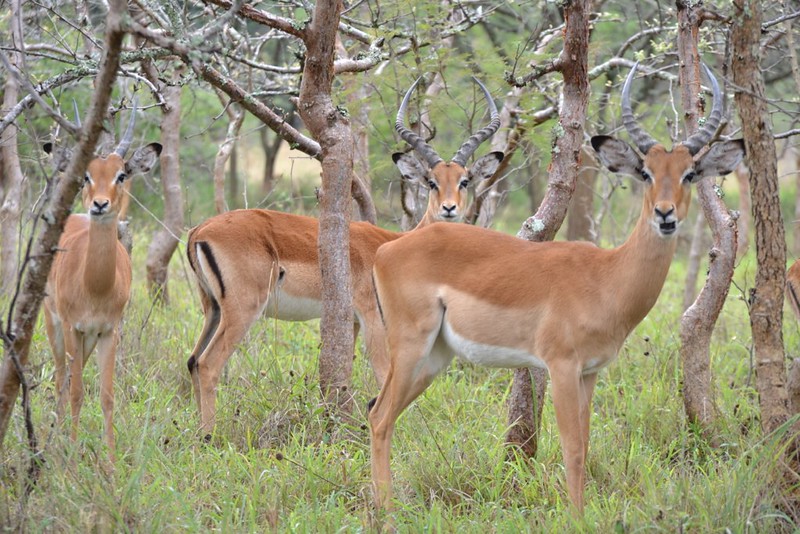
- Impala
- Waterbuck
- Warthogs
- Hyenas
- Baboons
- Monkeys
- Bushbuck
- Numerous waterbirds
- Raptors
- Wetland species
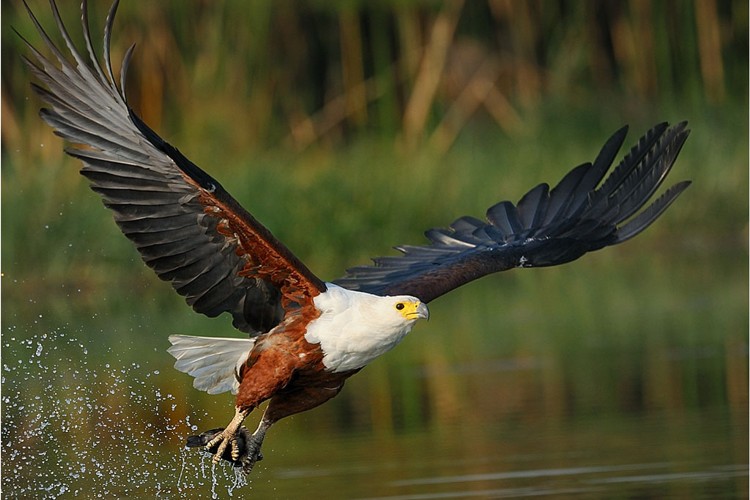
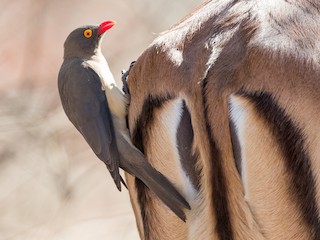
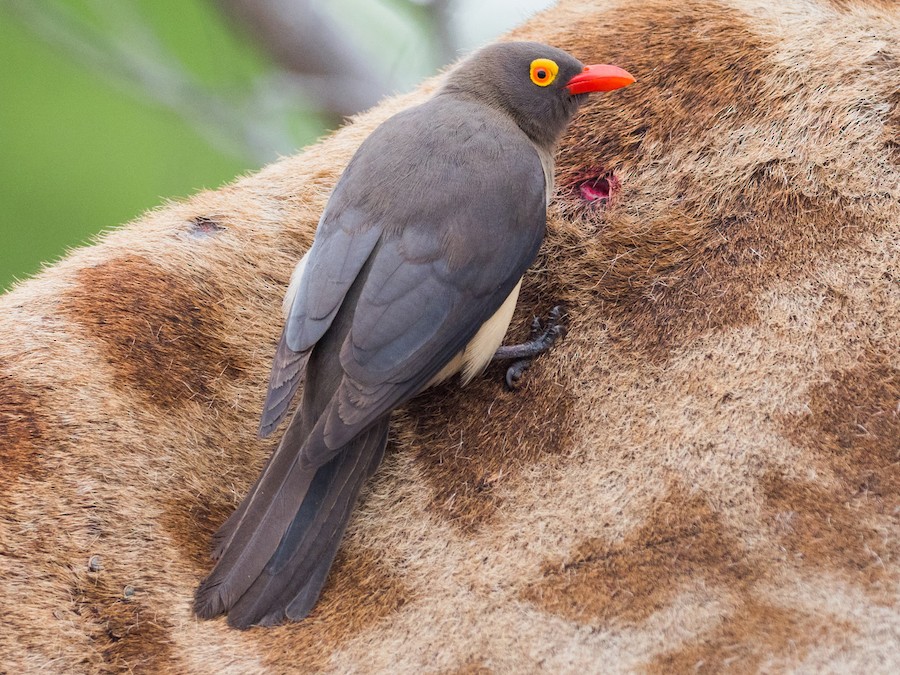
With almost 500 recorded bird species, Akagera is particularly rewarding for birdwatchers.
The famous shoebill is among the birds that make the park especially attractive to serious birding enthusiasts.
What Makes Akagera Different From the Serengeti and Masai Mara?

The Serengeti and Masai Mara are legendary.
Their Great Migration is one of the world's greatest wildlife spectacles.
Akagera does not attempt to compete with that experience.
Instead, it offers something different.
Serengeti and Masai Mara: The Great Migration
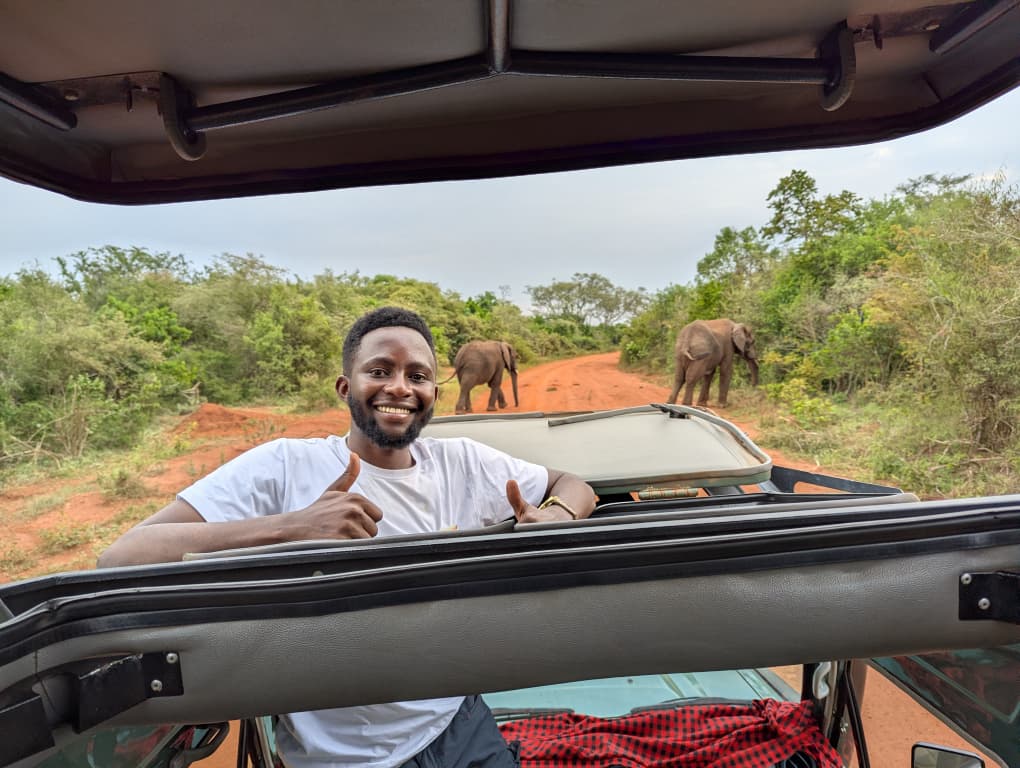
The Serengeti–Masai Mara ecosystem is famous for enormous seasonal movements of wildebeest and zebra.
The scale is extraordinary.
Thousands upon thousands of animals move across open grasslands following rainfall and fresh grazing.
Akagera: Diversity in a Compact Ecosystem
Akagera's strength is its diversity.
Within one protected area, visitors encounter:
savannah + woodland + wetlands + lakes + hills + rivers + wildlife
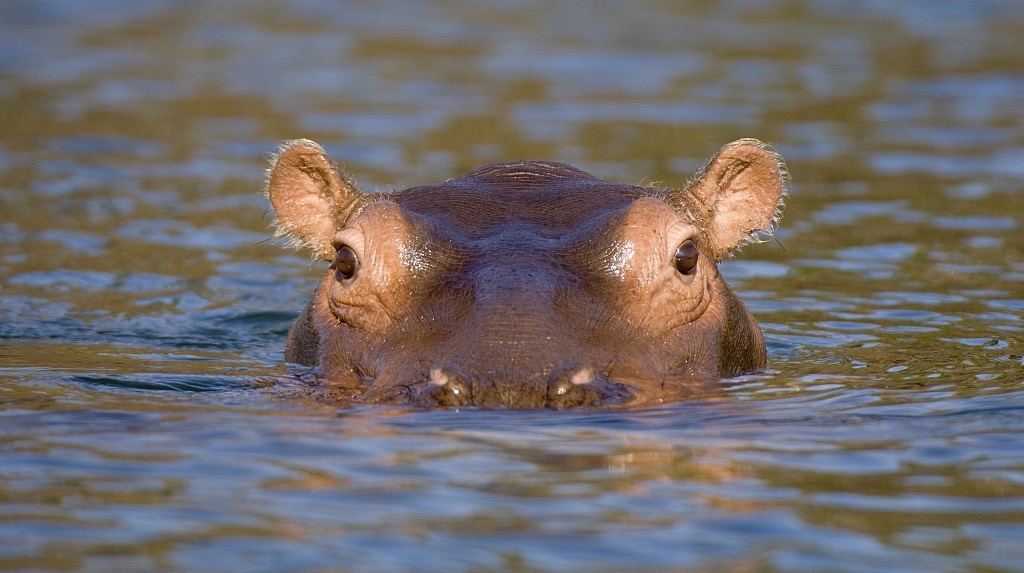
You can spend the morning searching for lions on the plains and later watch hippos and crocodiles from a boat on Lake Ihema.
That combination creates a very different safari rhythm.
Akagera Can Feel More Intimate
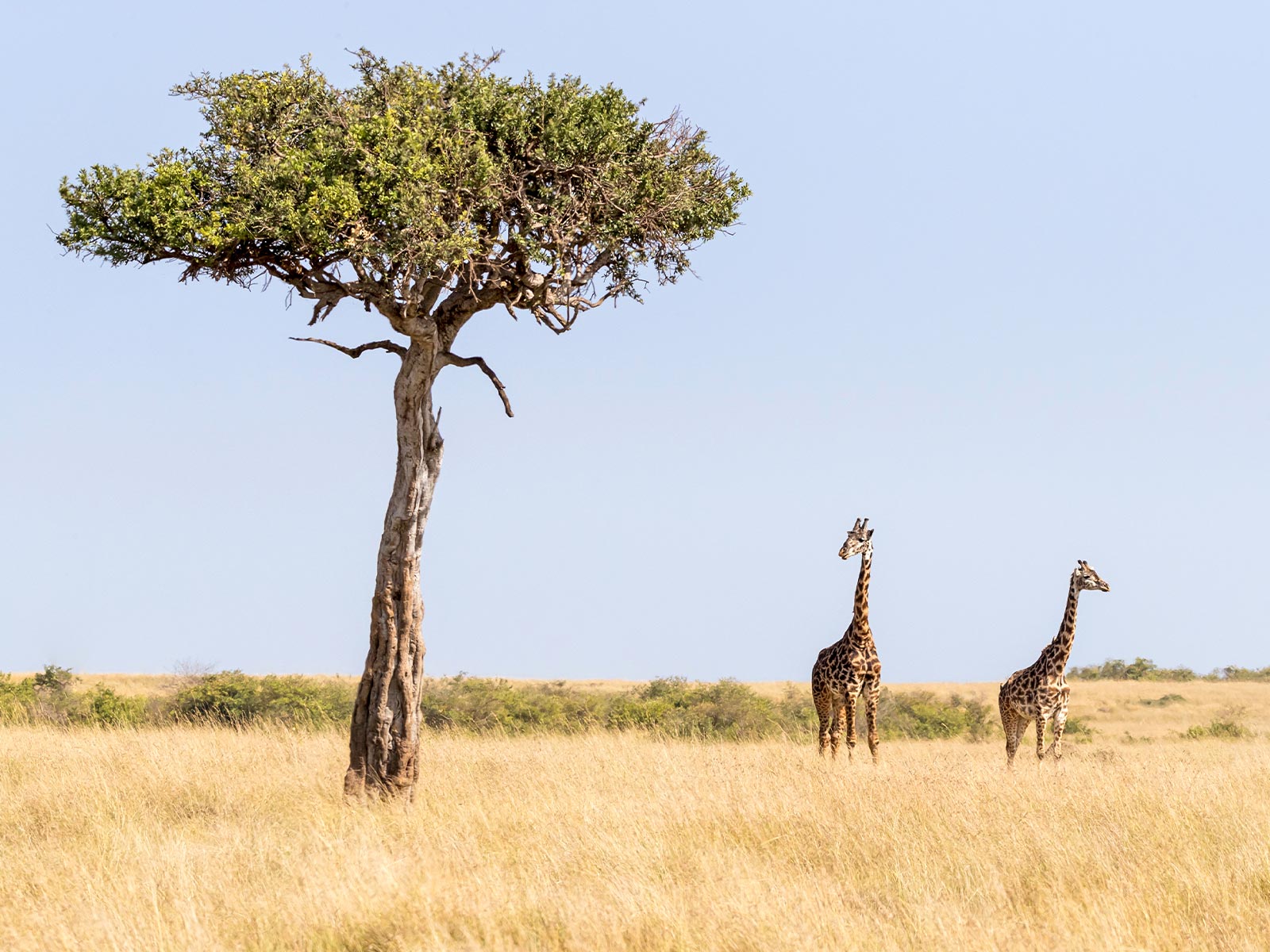
Rwanda's relatively compact size makes Akagera especially attractive to travellers with limited time.
Official Rwanda tourism information describes Akagera as a place where visitors may spend an entire day without seeing another safari vehicle, creating a strong feeling of being alone in the wilderness.
So while the Serengeti and Masai Mara offer immense scale, Akagera offers intimacy, variety and accessibility.
That is its competitive advantage.
The Best Game Drive Strategy in Akagera National Park
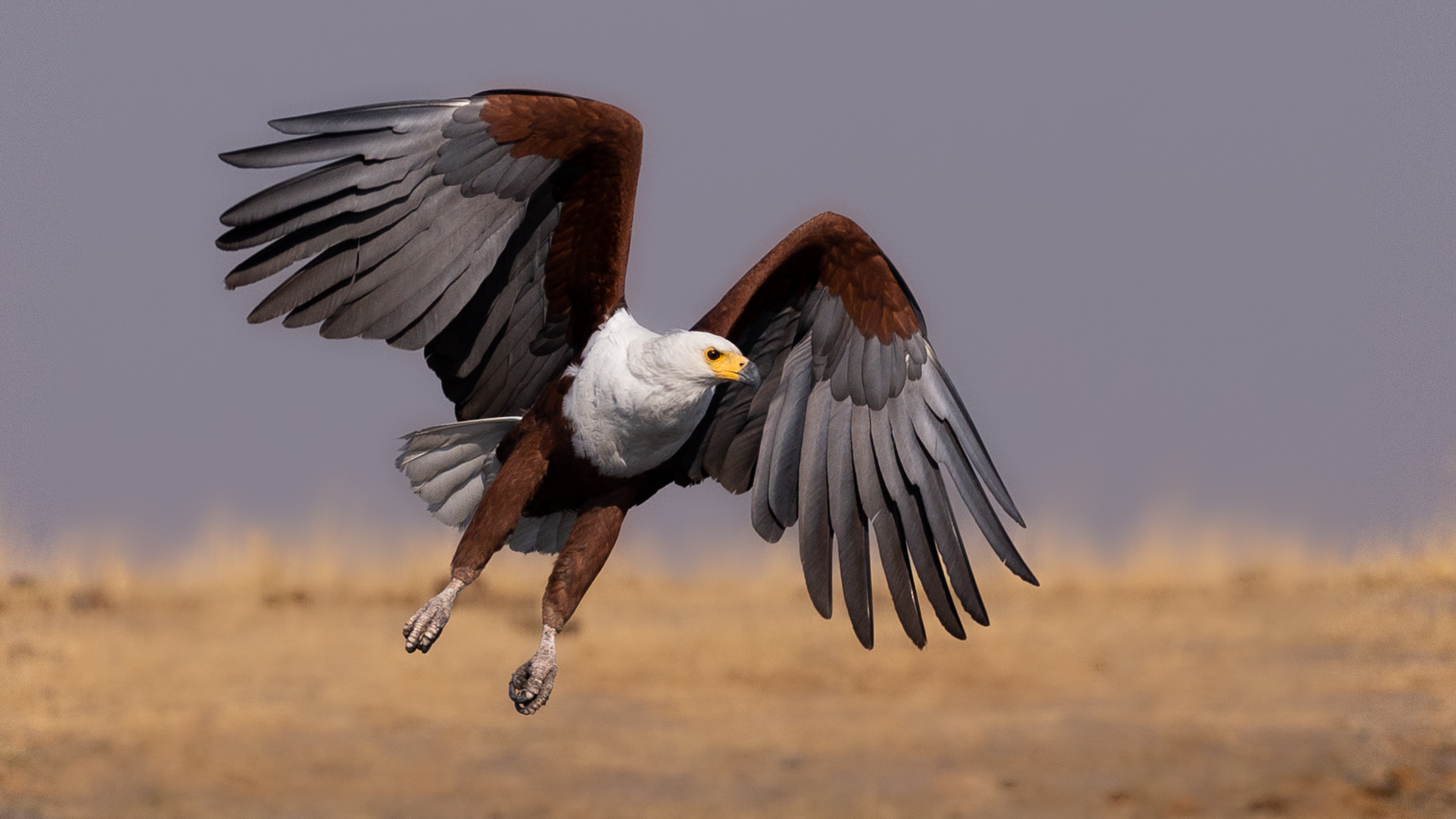
A successful Akagera safari is not simply about driving around until an animal appears.
Good timing and habitat knowledge matter.
Early-Morning Game Drive
Start early.
The cooler hours are excellent for wildlife viewing, particularly when predators may still be active and herbivores are moving across the plains.
This is one of the best periods for searching for lions, buffalo, giraffes, zebra and other wildlife.
Midday Strategy
As temperatures rise, some animals become less active.
This is a good time to take a break, have lunch or move toward a lake-based activity.
Afternoon Game Drive
As temperatures begin to fall, wildlife activity can increase again.
The changing light also creates excellent photography conditions.
Full-Day Strategy
For travellers with enough time, a full-day game drive gives your guide more flexibility to explore different habitats rather than rushing from one sighting to another.
Seek Wild Africa can plan the route around your priorities—for example, whether you are especially interested in Big Five sightings, photography, birds or landscapes.
Things to Do in Akagera National Park Apart From Game Drives
One of the biggest mistakes a first-time visitor can make is thinking that an Akagera safari means only driving through the park.
There is much more.
Lake Ihema Boat Safari
A boat trip on Lake Ihema offers a completely different perspective.
From the water, you can look for:
- Hippos
- Crocodiles
- Waterbirds
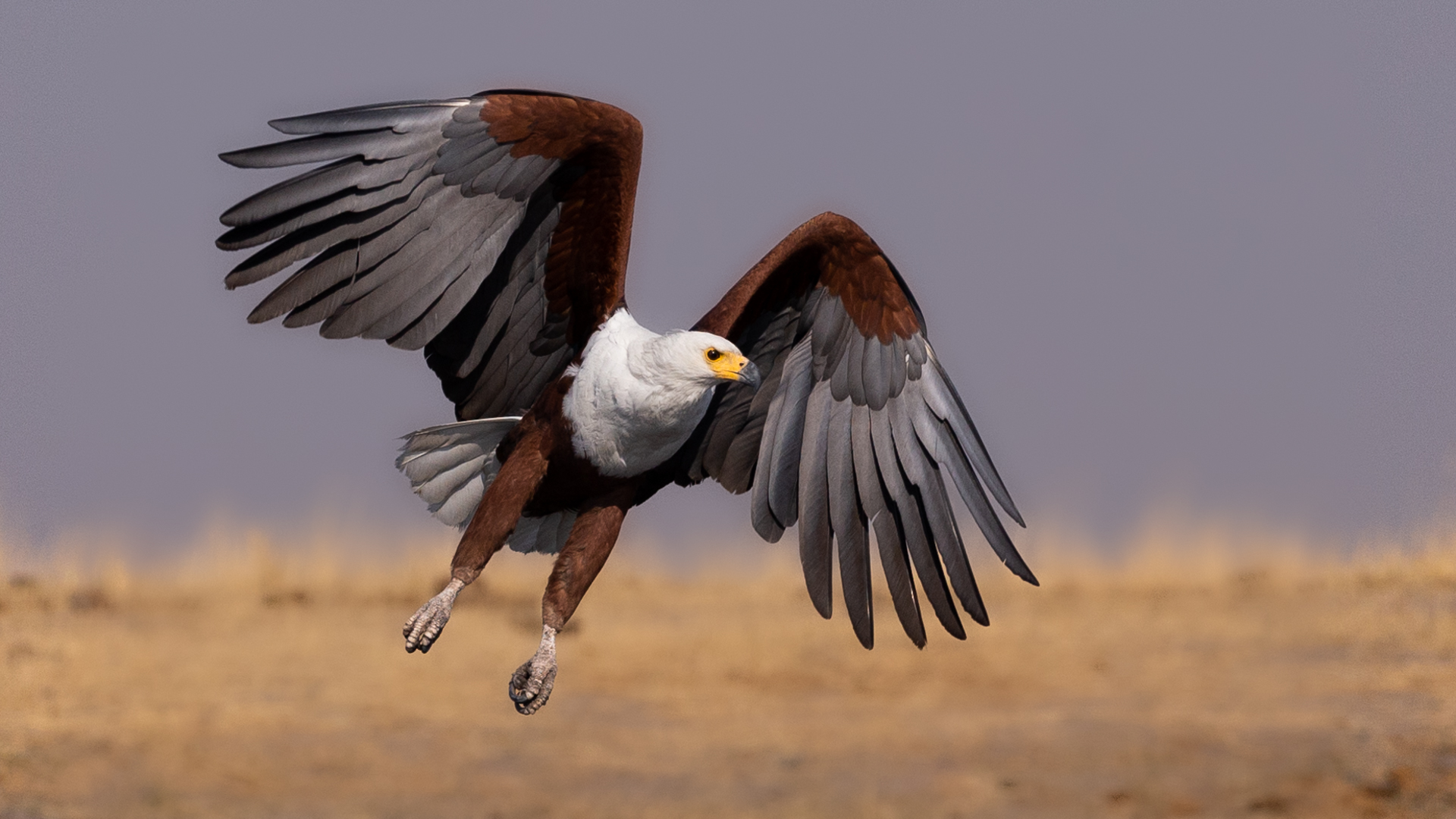
- Eagles
- Kingfishers
- Other wetland wildlife
Rwanda's official two-day Akagera experience specifically combines a game drive with a boat trip on Lake Ihema.
A sunset boat trip can be particularly beautiful.
Night Game Drive
A night drive reveals another side of Akagera.
As darkness falls, nocturnal animals become active and the atmosphere changes completely.
With a guide, visitors can search for species that are difficult to encounter during daylight.
Night drives are an important reason to spend at least one night near or inside the park rather than treating Akagera only as a day trip.
Sport Fishing
Fishing is another activity available in Akagera's lakes.
It offers travellers a slower and more peaceful experience after the intensity of a game drive.
Fishing also connects directly with the park's wider community livelihood programme.
The park's fisheries programme has become an important part of the conservation-led economy.
Behind-the-Scenes Conservation Experience
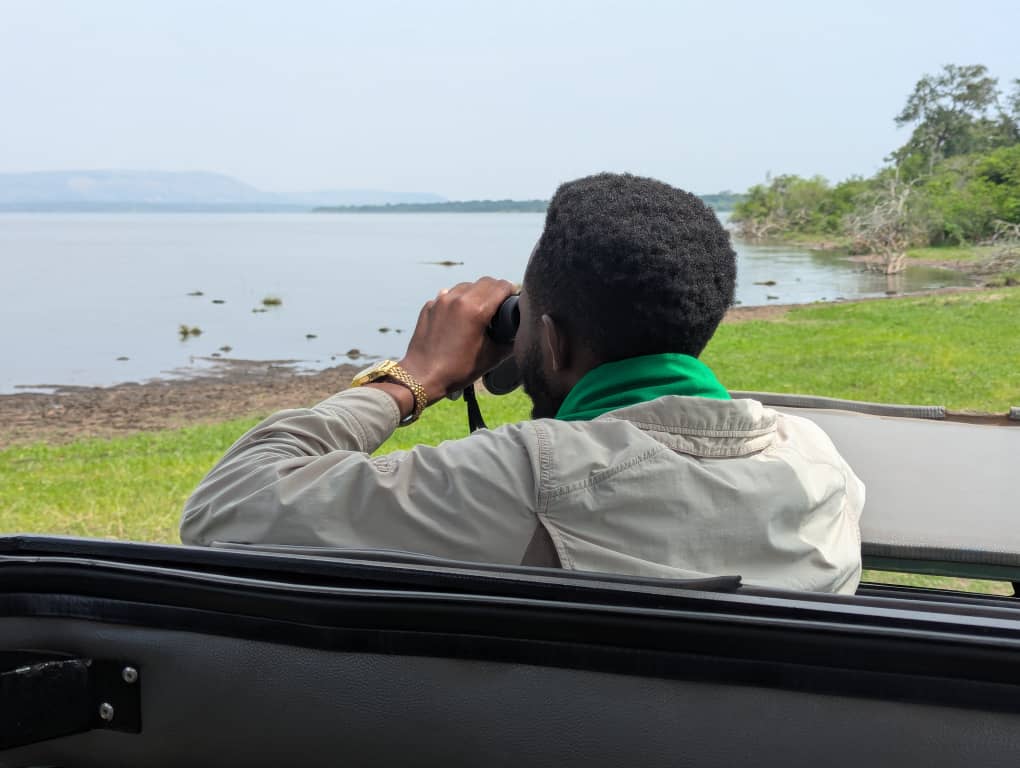
For travellers who want to understand how the park actually works, a Behind the Scenes experience can reveal the conservation work taking place beyond the safari vehicle.
Visitors can learn about:
- Wildlife monitoring
- Conservation management
- Park operations
- Community programmes
- Law enforcement
- Restoration
This can transform a normal safari into a deeper conservation experience.
Community Cultural Experiences

Akagera's conservation story is inseparable from the people living around it.
Community experiences can introduce visitors to local livelihoods, traditions and conservation relationships.
This provides a more complete understanding of why the future of the park depends on both wildlife and people.
Birdwatching
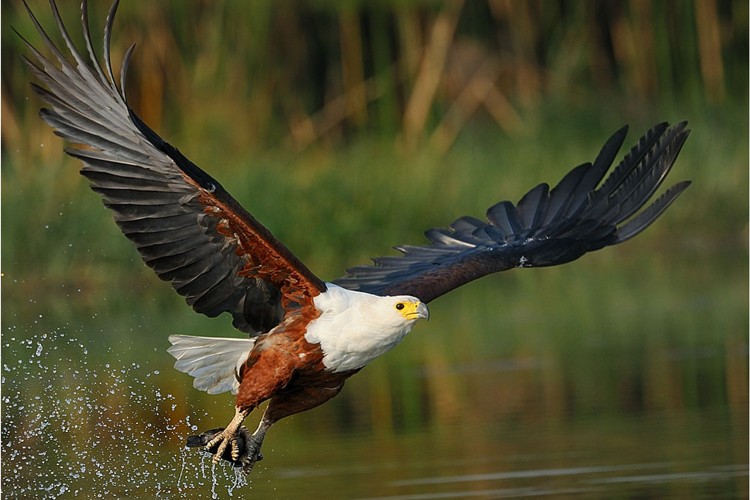
With nearly 500 recorded bird species, Akagera deserves serious attention from bird lovers.
The wetlands, lakes, savannah and woodland create different bird habitats, making birdwatching an excellent activity alongside conventional wildlife viewing.
A Beautiful 2-Day Akagera Safari From Kigali
A two-day safari is one of the best ways to experience Akagera because it gives you enough time for both wildlife viewing and a water-based experience.
Day 1: Kigali – Akagera National Park – Game Drive – Lake Ihema
Early Morning – Pick-Up in Kigali
Your Seek Wild Africa driver-guide picks you up from your hotel or agreed location.
We recommend an early departure so that you have more time inside the park.
Morning – Journey to Akagera
Drive east toward Rwanda's savannah region.
As you approach the park, the landscape gradually changes from Kigali's urban environment to rolling countryside and eventually the open landscapes of Akagera.
Late Morning – Enter Akagera
Complete park formalities and begin your safari.
Midday – Game Drive
Explore the savannah searching for buffalo, zebra, giraffe, antelope and, depending on location and conditions, predators.
Lunch
Enjoy lunch at your lodge or designated location.
Afternoon – Continue Wildlife Exploration
Continue through different habitats rather than concentrating on one area.
Late Afternoon – Lake Ihema Boat Safari
Take a boat ride on Lake Ihema.
Watch hippos emerge from the water, crocodiles resting along the shoreline and birds moving across the wetlands.
Evening – Lodge

Check into your accommodation, relax and enjoy dinner.
Overnight in or near Akagera National Park.
Day 2: Full-Day Akagera Wildlife Safari – Kigali
Early Morning
Wake early for breakfast.
Morning Game Drive
Begin your wildlife search while temperatures are cooler.
Your guide will choose routes according to recent sightings, habitat and your interests.
Wildlife Search
Look for:
Lion • Leopard • Elephant • Rhino • Buffalo • Giraffe • Zebra • Antelope
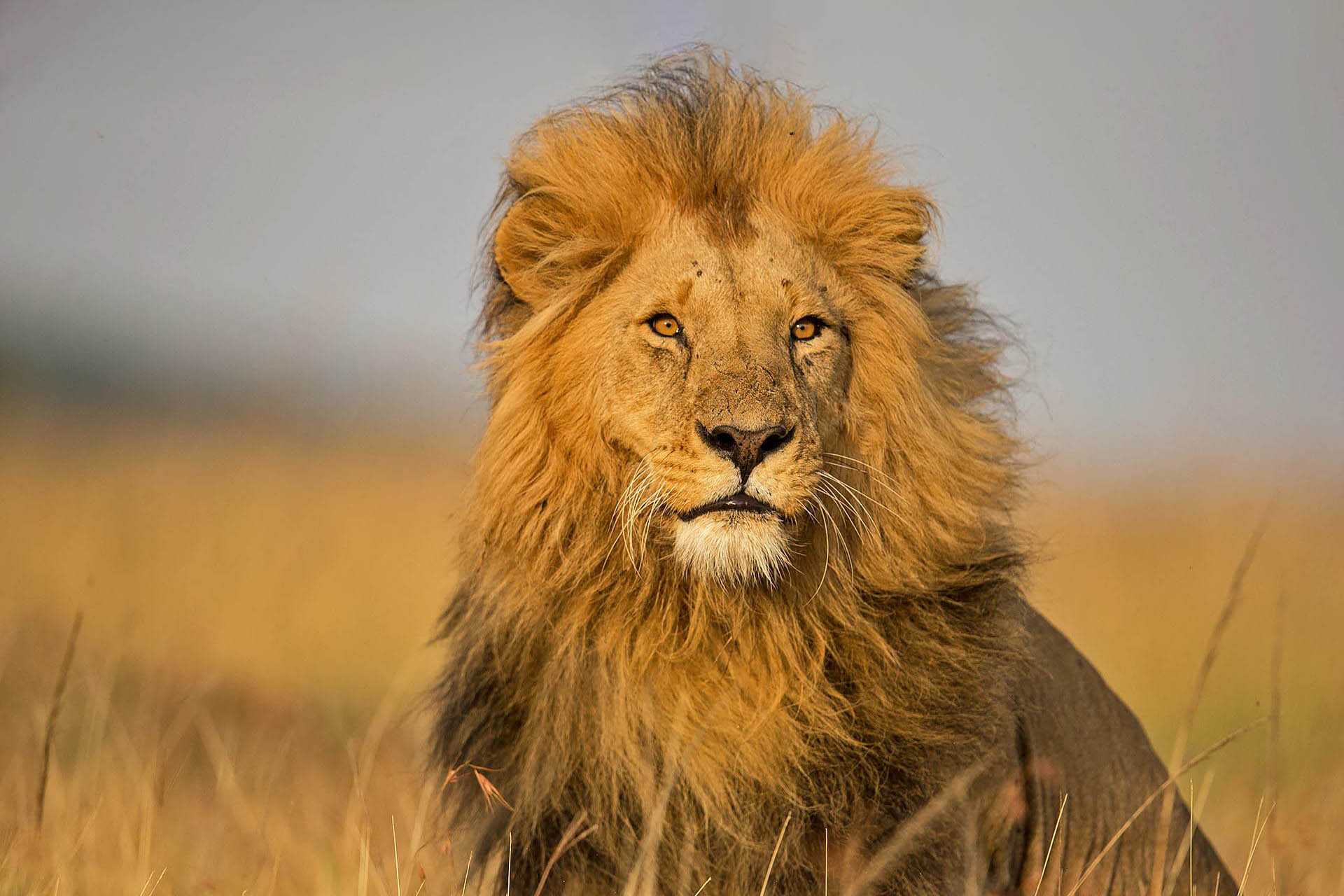
and other wildlife.
Midday
Lunch and a short rest.
Afternoon Game Drive
Continue exploring another section of the park.
This gives you the opportunity to experience landscapes that you may not have reached on the first day.
Late Afternoon
Begin the journey toward the park exit.
Evening
Drive back to Kigali.
Arrival time depends on your route and time spent inside the park.
1-Day Akagera National Park Safari From Kigali
A one-day safari is possible and is an excellent option for travellers with limited time.
However, because you are travelling from Kigali and returning the same day, the schedule must be carefully organised.
04:30–05:00 – Departure From Kigali
Your Seek Wild Africa driver-guide picks you up early.
07:00–08:00 – Arrive at Akagera
Enter the park and begin your game drive.
Morning – Intensive Wildlife Search
Explore the most productive habitats according to current conditions and recent wildlife sightings.
Look for:
- Lions
- Elephants
- Buffalo
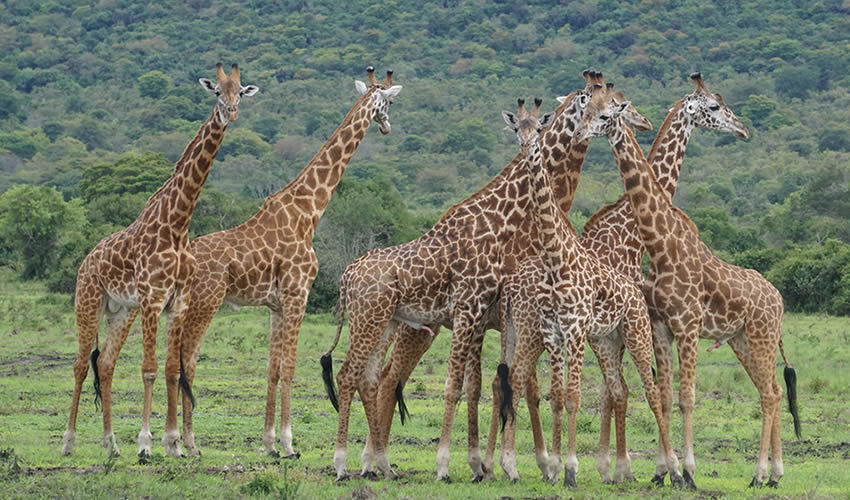
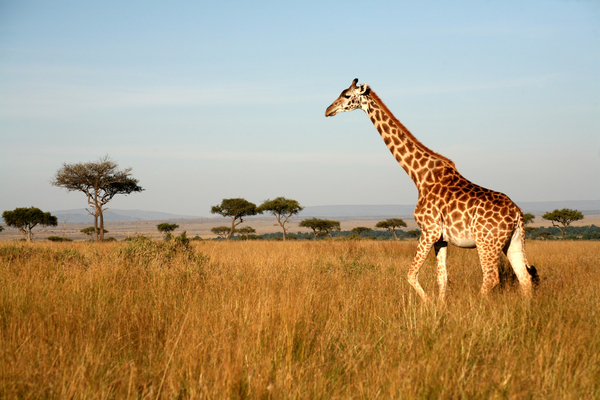
- Giraffes
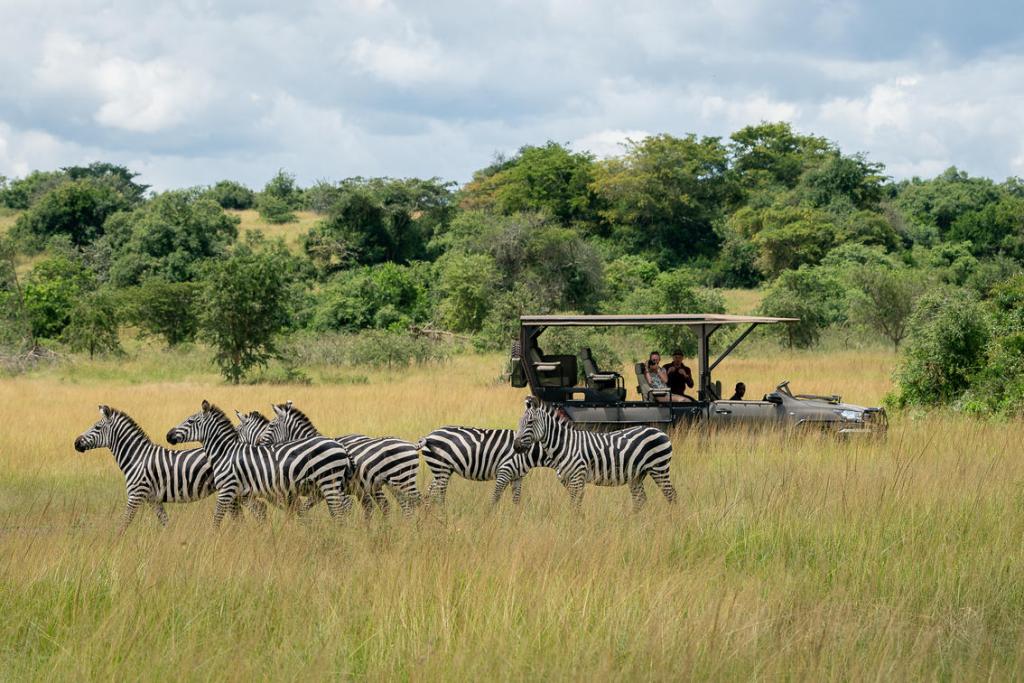
- Zebras
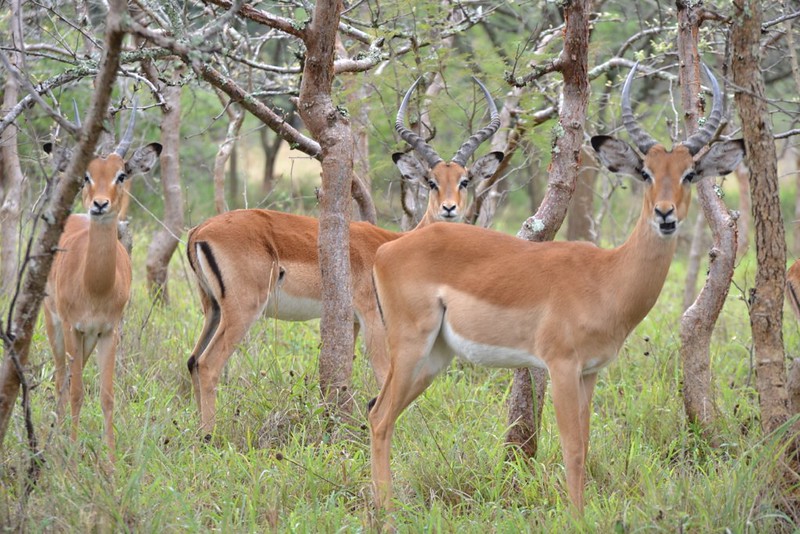
- Antelopes
- Rhinos
- Other wildlife
Midday – Lunch Break
Stop for lunch and rest.
Early Afternoon – Continue Safari
Continue exploring the park before beginning your return journey.
Afternoon – Exit Akagera
Leave the park and begin the drive toward Kigali.
Evening – Return to Kigali
Arrive in Kigali after a full day of wildlife and landscape exploration.
Inside the Park
Ruzizi Tented Lodge
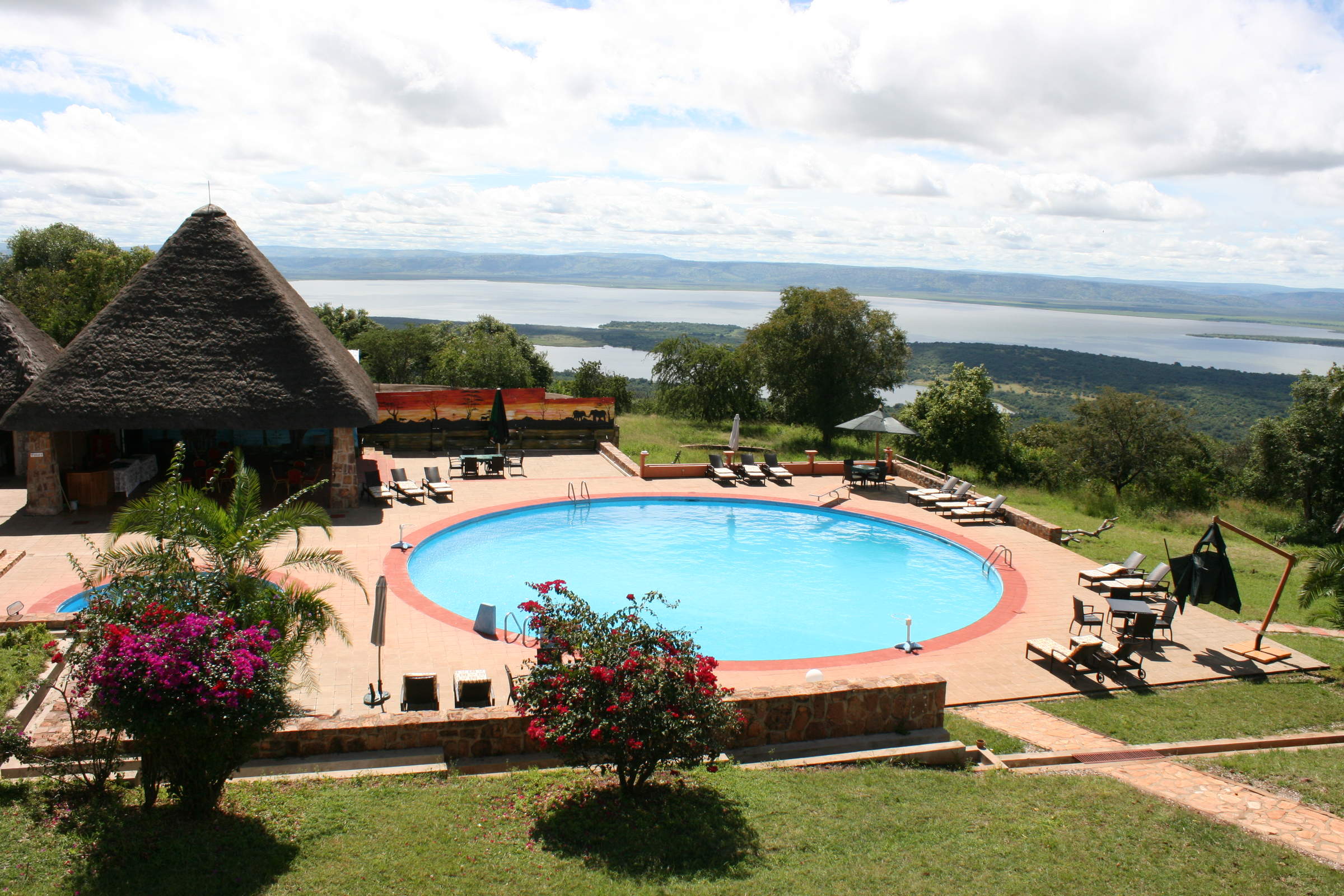
Ruzizi is positioned overlooking Lake Ihema and offers an intimate safari atmosphere.
It is particularly attractive for travellers who want to stay close to the park's wildlife and enjoy lakeside surroundings.
Magashi Akagera

Magashi is a luxury safari camp located near Lake Rwanyakazinga.
It is designed for travellers seeking a high-end wilderness experience, with strong opportunities for wildlife viewing and guided safari activities.
The camp also has a strong sustainability focus and operates as a single-use-plastic-free property.
When Is the Best Time to Visit Akagera National Park?
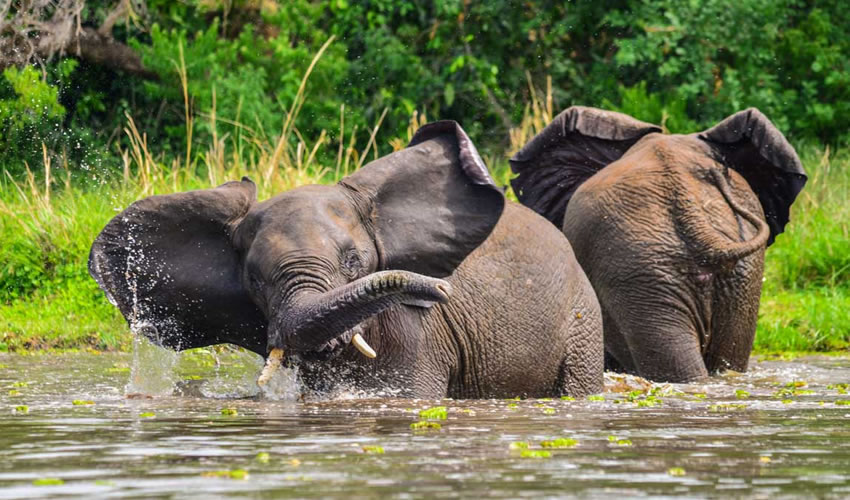
Akagera can be visited throughout the year.
The most suitable period depends on what you want from your safari.
Travellers seeking wildlife viewing should consider seasonal conditions, while birdwatchers may have different priorities.
Rather than choosing dates only according to general travel advice, Seek Wild Africa can help you plan according to:
- Your available travel dates
- Wildlife interests
- Photography goals
- Accommodation preference
- Budget
- Number of safari days
- Whether you want a boat safari
- Whether you want a night drive
What Makes an Akagera Safari Different?
There is a special feeling to travelling through Akagera.
You are not entering an enormous ecosystem where you may need several days simply to understand its scale.
Instead, Akagera gives you an extraordinary concentration of landscapes and experiences.
One moment you may be watching a giraffe against a distant hillside.
Minutes later, you may be crossing open savannah with zebra and buffalo.
Later, you can sit quietly beside Lake Ihema while hippos surface and birds move across the water.
Then, if you stay overnight, you can experience the wilderness again after sunset.
This variety is one of the reasons Akagera National Park Safari deserves a place among Africa's outstanding wildlife experiences.
What to Bring on Your Akagera National Park Safari
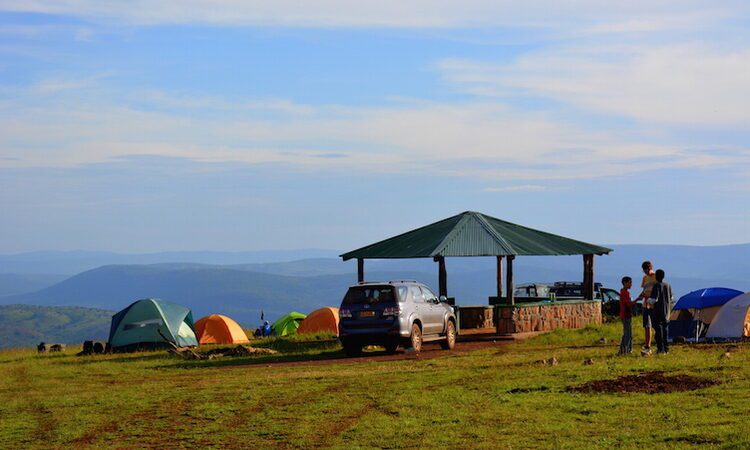
A well-prepared traveller enjoys the safari more.
Bring:
- Lightweight neutral-coloured clothing
- Comfortable walking shoes
- A warm layer for early mornings
- Hat or cap
- Sunglasses
- Sunscreen
- Insect repellent
- Binoculars
- Camera
- Extra camera batteries
- Power bank
- Small day backpack
- Personal medication
- Waterproof jacket during wetter periods
- Reusable drinking-water bottle
Bring a Reusable Bottle—Not a Plastic Bag
Rwanda has had a national ban on plastic bags since 2008, and visitors are advised not to bring plastic bags into the country because they may be confiscated at entry points.
For your safari, choose a durable reusable bottle such as:
- Stainless-steel bottle
- Aluminium bottle
- Durable reusable BPA-free bottle
Avoid unnecessary single-use plastic packaging.
Responsible travel helps protect the same environment you have travelled so far to experience.
How Seek Wild Africa Helps You Experience Akagera
At Seek Wild Africa, we understand that planning an African safari can be complicated.
Our role is to make the journey simple, well organised and memorable.
We can organise:
- Akagera National Park Safaris
- One-day Akagera safaris from Kigali
- Two-day Akagera safari packages
- Big Five wildlife experiences
- Private game drives
- Boat safaris on Lake Ihema
- Night game drives
- Fishing experiences
- Community experiences
- Conservation experiences
- Accommodation inside and near the park
- Airport transfers
- Private transportation
- Professional driver-guides
- Kigali tours
- Rwanda-wide safari itineraries
- Gorilla trekking packages
- Golden monkey trekking
- Nyungwe chimpanzee experiences
- Multi-destination Rwanda holidays
- Custom private safari itineraries
We also help travellers decide how to use their time wisely.
If you have only one day, we create an efficient 1-Day Akagera Safari from Kigali.
If you have two days, we can combine wildlife viewing with a Lake Ihema boat safari and comfortable accommodation.
If you have more time, we can connect Akagera with Volcanoes National Park, Nyungwe National Park, Kigali and Lake Kivu to create a complete Rwanda adventure.
Akagera National Park Safari: Why You Should Visit in 2026–2027
Akagera is not famous because it has always been perfect.
It is compelling because of what it has overcome.
Established in 1934, reduced dramatically in the aftermath of Rwanda's history, affected by poaching and the loss of major wildlife, Akagera could easily have become a shadow of its former self.
Instead, it has experienced a remarkable conservation revival.
Lions returned.
Black rhinos returned.
White rhinos returned.
Elephants survived.
Buffalo populations thrive.
Giraffes and zebras roam the savannah.
Wetlands remain productive.
Bird diversity continues to attract specialists.
And in 2025, another 70 southern white rhinos arrived as part of the continuing restoration story.
At the same time, tourism has become an important source of conservation finance and community development.
That is the real reason Akagera deserves your attention.
You are not simply visiting a safari park that survived its past. You are visiting a landscape that is actively rebuilding its future.
Final Thoughts: The Akagera Experience
The Serengeti has its Great Migration.
The Masai Mara has its legendary plains and migration crossings.
Akagera has its own identity.
It is the place where Rwanda's savannah wildlife, wetlands, lakes and conservation success story come together.
It offers the Big Five without requiring travellers to spend a week crossing an enormous ecosystem.
It combines game drives with boat safaris, night experiences, fishing, birdwatching and conservation activities.
And perhaps most importantly, the park demonstrates what can happen when conservation, tourism, government, professional park management and surrounding communities work toward the same future.
For travellers planning 2026–2027 Rwanda safari holidays, an Akagera National Park Safari is therefore more than a wildlife excursion.
It is an opportunity to see Rwanda's conservation transformation with your own eyes.
Explore Akagera with Seek Wild Africa and let us organise every part of your journey—from your Kigali pick-up and park entry to game drives, boat experiences, accommodation and your return to Kigali.
Your Rwanda safari. Our expertise. An experience you will remember.