Akagera National Park Safari: Explore and Discover Where the Big Five Roam Free in Rwanda
September 21, 2026Clementine


Discover the wild beauty of Rwanda on an unforgettable Akagera National Park safari, where golden savannahs, rolling hills, shimmering lakes, and remarkable wildlife create one of East Africa’s most rewarding safari experiences.
Located in eastern Rwanda, Akagera National Park is home to the African Big Five: lions, leopards, elephants, rhinoceroses, and buffaloes. It is also a landscape of giraffes, zebras, antelopes, hippos, crocodiles, and hundreds of bird species.
But Akagera is more than a place to see wild animals. It is a remarkable conservation story—a national park that endured severe challenges, recovered through dedicated conservation efforts, and became a destination where travellers can experience Rwanda’s wildlife heritage.
Whether you are planning a one-day Akagera safari from Kigali, a two-day wildlife adventure, or a longer Rwanda safari combining several national parks, Akagera offers an exciting opportunity to explore the wild side of Rwanda.
With Seek Wild Africa, your Akagera safari can be organized around your schedule, interests, and travel style, from wildlife-focused game drives to boat safaris and overnight stays in the heart of the park.
Discover Akagera National Park, Rwanda’s Big Five Safari Destination

Akagera National Park is Rwanda’s largest national park and its only savannah-protected area. Its diverse landscape includes open grasslands, rolling hills, acacia woodlands, papyrus swamps, rivers, and lakes. Approximately one-third of the park’s landscape is water, creating habitats for an impressive variety of wildlife.
For travellers searching for an Akagera National Park safari in Rwanda, this diversity means that a single journey can include several different experiences: watching elephants cross the plains, searching for lions in the grasslands, observing hippos from a boat, and discovering colourful birds around the wetlands.
Akagera is particularly attractive to visitors who want a wildlife safari without travelling far from Kigali. The park is approximately 2–3 hours by road from the capital, depending on the entrance, road conditions, and destination within the park.
Why Visit Akagera National Park in 2026–2027?
Akagera offers a distinctive combination of wildlife, scenery, conservation, and accessibility.
- The Big Five: Search for lions, leopards, elephants, buffaloes, and rhinos.
- Diverse landscapes: Explore savannah plains, woodland, wetlands, and lakes.
- Wildlife beyond the Big Five: Look for giraffes, zebras, antelopes, hippos, crocodiles, and numerous bird species.
- A conservation success story: Discover how wildlife has returned through long-term management and reintroduction programmes.
- Activities beyond game drives: Experience boat safaris, birdwatching, night drives, fishing, and community activities.
- Flexible safari options: Choose a day trip from Kigali or stay overnight for a more immersive experience.
Akagera is not simply a destination where visitors tick animals off a list. It is a place to experience how wildlife, landscapes, communities, and conservation work together.
The History of Akagera National Park — A Story of Resilience and Conservation
To understand why an Akagera National Park safari is so meaningful today, it helps to understand the park’s history.
From a Protected Wilderness to a Conservation Challenge
Akagera was established in 1934 as a protected area, originally covering a much larger landscape than it does today. Over the decades, the park experienced major pressures, including land loss, human settlement, poaching, and declining wildlife populations.
Following Rwanda’s 1990s conflict and its aftermath, land pressure and resettlement further affected the park. A substantial portion of its former territory was removed from the protected area, and wildlife populations suffered.
The park’s recovery required more than simply protecting the remaining land. It required stronger management, community engagement, wildlife monitoring, and long-term investment.
2010 — A New Chapter in Akagera’s Conservation Story
In 2010, the Rwanda Development Board entered a management partnership with African Parks to support the restoration and long-term management of Akagera National Park.
The partnership strengthened park operations, law enforcement, wildlife monitoring, tourism management, and community engagement. It helped establish the foundation for the park’s gradual recovery.
The Return of Lions and Rhinos


One of the most important milestones in Akagera’s recovery was the return of species that had disappeared from the park.
- 2015 — Lions returned: Seven lions were reintroduced from South Africa, restoring a major predator to Rwanda’s savannah ecosystem.
- 2017 — Eastern black rhinos returned: Their reintroduction marked an important step in restoring the Big Five.
- 2019 — Further rhino reinforcement: Additional eastern black rhinos were brought to strengthen the population.
2021 — Southern white rhinos arrived: Their introduction further expanded the park’s rhino conservation programme.
Today, Akagera is home to all five members of the African Big Five. This recovery is a powerful part of the visitor experience: a safari here offers not only wildlife viewing but also an opportunity to learn about conservation in action.
Conservation That Continues Beyond Wildlife Reintroductions

Conservation in Akagera involves daily work to protect animals and maintain the ecosystem.
This includes:
- Anti-poaching patrols and wildlife protection.
- Monitoring animal populations and movements.
- Maintaining the park’s boundary fence to reduce human-wildlife conflict.
- Working with surrounding communities.
- Supporting tourism that contributes to the park’s long-term sustainability.
Akagera’s conservation model demonstrates that a protected area needs effective management and cooperation with nearby communities—not just a boundary on a map.
For visitors, this creates an opportunity to experience Rwanda’s wildlife while learning about the people and work helping to protect it.
What Makes Akagera National Park Unique Compared with the Serengeti and Masai Mara?
Africa has several famous safari destinations, including Serengeti National Park and Maasai Mara National Reserve. These parks are internationally known for their vast ecosystems and the Great Migration, when enormous herds of wildebeest and other herbivores move across the Serengeti–Mara landscape.
Akagera offers a different kind of safari. Its appeal is not based on competing with the Great Migration. Instead, it provides a distinctive wildlife experience shaped by Rwanda’s landscape, conservation history, and convenient access.
Akagera’s Distinctive Wildlife and Landscape
Akagera’s special character comes from the way its habitats fit together. Visitors can travel from open grassland into woodland and wetlands, then explore lakes where hippos, crocodiles, and waterbirds thrive.
This variety gives the park a different rhythm from the vast open plains associated with the Great Migration. Instead of focusing on one major wildlife spectacle, travellers can enjoy a combination of animal encounters, changing scenery, and different safari activities.
A Big Five Safari Close to Kigali
Akagera is especially suitable for travellers who want a wildlife safari as part of a shorter Rwanda holiday.
It can be combined with:
- Gorilla trekking in Volcanoes National Park.
- Chimpanzee trekking and forest activities in Nyungwe National Park.
- Kigali city tours and cultural experiences.
- A relaxing stay around Lake Kivu.
This makes Akagera a practical addition to a wider Rwanda itinerary, whether visitors have one day available or are planning a longer safari.
Wildlife in Akagera National Park — What Animals Can You See?

An Akagera National Park safari is an opportunity to observe wildlife in its natural habitat. Sightings are never guaranteed, because animals move freely through the park, but its varied ecosystems support a remarkable range of species.
The African Big Five in Akagera
Lions
Lions were reintroduced to Akagera in 2015. They are among the park’s most sought-after animals, and visitors may encounter them resting in the shade or moving through grassland. Early morning game drives can provide useful opportunities to search for them.

Leopards
Leopards are elusive and often difficult to spot because they are solitary, well-camouflaged, and frequently active in low light. Their presence adds excitement to a safari, but sightings require patience and luck.

African Elephants
Elephants are among Akagera’s most memorable animals. Watch for them feeding, moving through woodland, or gathering near water. Always maintain a respectful distance and follow your guide’s instructions.

African Buffaloes
Buffaloes may be seen in herds across grasslands and other suitable habitats. Their size and social behaviour make them fascinating subjects for wildlife photography.

Rhinoceroses
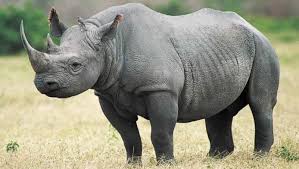
Akagera is home to eastern black rhinos and southern white rhinos. Rhinos are protected animals, and sightings depend on their movements and the conditions of the day. Their presence is a major part of the park’s conservation story.
Akagera’s Big Five populations have been supported by wildlife reintroductions and conservation management.
Other Animals to Look for During an Akagera Safari


Beyond the Big Five, Akagera offers a wealth of wildlife encounters.
- Giraffes: Tall, graceful animals often seen browsing on trees or walking across open landscapes.
- Zebras: Their striking black-and-white stripes stand out against the golden grasslands.
- Hippos: Commonly observed in lakes and waterways, especially during boat excursions.
- Nile crocodiles: Often seen resting along the edges of lakes and rivers.
- Antelopes: Species such as impala, waterbuck, topi, and other grazing animals contribute to the park’s rich wildlife.
- Warthogs and monkeys: These add variety to wildlife sightings along the safari route.
Birdlife: Akagera supports hundreds of bird species, making it a rewarding destination for birdwatchers and photographers.
Birdwatching in Akagera National Park

Akagera’s wetlands, lakes, and papyrus swamps create excellent habitats for birdlife. Visitors may see fish eagles, herons, kingfishers, and other waterbirds. Birdwatchers can also look for species associated with papyrus wetlands, including the papyrus gonolek.
The park’s bird diversity makes it a rewarding destination even for travellers whose main interest is not large mammals.
Game Drives in Akagera National Park — How to Explore the Park

A game drive is the central experience of an Akagera National Park safari. It allows visitors to explore the park’s different habitats while searching for wildlife with an experienced guide or using their own suitable vehicle.
Akagera is a self-drive park, and visitors can explore during its normal opening hours, generally 6:00 AM to 6:00 PM. A 4x4 vehicle is recommended, particularly during the rainy season.
Understanding Akagera’s Southern and Northern Sectors


The southern sector
The southern part of Akagera includes lakes, woodland, and a variety of habitats. It is a convenient area for day visitors travelling from Kigali and offers access to Lake Ihema boat excursions.
Visitors may encounter elephants, hippos, crocodiles, buffaloes, and various antelope species. The southern sector is also a useful introduction to the park’s scenery and wildlife.
The northern sector
The northern part includes expansive plains and wildlife-rich grassland habitats. It is an important area to explore when searching for large mammals and predators.
For visitors whose main goal is to explore more of Akagera’s savannah and search for the Big Five, travelling farther north can add valuable wildlife-viewing opportunities. However, sightings depend on animal movements, weather, and road conditions.
What Is the Best Game Drive Strategy in Akagera?

1. Begin early in the morning
Early departures offer cooler conditions and a chance to observe wildlife when animals are active. Predators may still be moving, while herbivores begin feeding.

2. Use an experienced guide
A knowledgeable guide can help interpret tracks, identify animals, select suitable routes, and explain wildlife behaviour. This is especially useful when searching for elusive animals such as leopards.

3. Plan your route around your time
A day visitor should consider travel time and the distance to the northern plains. An overnight visitor has more flexibility to explore different areas over multiple days.

4. Be patient and observant
Watch the landscape carefully. Animal tracks, bird alarm calls, movement in tall grass, and gatherings of herbivores may help guide your search.
Important: No safari operator can guarantee sightings of every Big Five animal. The best approach is to allow enough time, remain flexible, and enjoy the wildlife encounters that naturally occur.
Things to Do in Akagera National Park Apart from Game Drives


One of Akagera’s distinctive features is that visitors can experience the park in several ways beyond travelling through the savannah by vehicle.
The park offers boat excursions, fishing, night drives, hot-air balloon experiences, conservation-focused activities, and community cultural experiences. Availability, departure times, and booking requirements vary, so activities should be arranged in advance.
Boat Safari on Lake Ihema

A boat safari on Lake Ihema provides a completely different perspective from a traditional game drive.
As the boat moves across the lake, visitors can observe hippos in the water, crocodiles resting along the banks, and waterbirds around the papyrus vegetation. The experience is also an opportunity to appreciate Akagera’s wetland ecosystem.
Scheduled boat excursions are offered at several times throughout the day, including morning, afternoon, and sunset departures.
Why include it in your safari? A boat excursion adds variety to your wildlife experience and provides excellent opportunities for landscape photography and birdwatching.
Night Drives — Discover Akagera After Sunset

When the sun sets, a different side of Akagera becomes active.
A guided night drive gives visitors an opportunity to search for nocturnal wildlife, including hyenas, bush babies, mongooses, and other animals that are harder to observe during daylight. With a guide and suitable lighting, visitors can explore the park after dark while learning about animal behaviour.
Night drives are intended for overnight visitors and are subject to operational arrangements.
Hot-Air Balloon Safari — See Akagera from Above

For travellers looking for a special safari experience, a hot-air balloon flight offers an aerial view of Akagera’s landscape.
From above, visitors can appreciate the patterns of lakes, grasslands, wetlands, and woodland that make the park distinctive. Wildlife may be visible from the air, although sightings depend on conditions.
This experience is particularly attractive to photographers, couples, and travellers celebrating a special occasion. Confirm availability, flight arrangements, and weather conditions before booking.
Fishing at Lake Shakani

Fishing at Lake Shakani offers a quieter activity for visitors who want to enjoy Akagera’s aquatic environment.
The park lists fishing among its visitor activities, with opportunities to spend time by the lake and enjoy the natural surroundings. Fishing arrangements and any applicable rules should be confirmed before the visit.
Behind-the-Scenes Conservation Experiences

Akagera’s conservation work is an important part of its identity. Visitors can arrange a behind-the-scenes experience to learn about park operations and meet people involved in conservation.
Depending on the arrangement, this may include learning about wildlife protection, park management, and the daily work that supports the park’s long-term sustainability.
This experience is particularly suitable for educational groups, conservation enthusiasts, and travellers who want to understand more than what they see during a game drive.
Community Cultural Experiences Near Akagera

A visit to communities around Akagera can add a cultural dimension to your safari.
Experiences offered through community guides may include visits to dairy farms, honey cooperatives, or local banana-beer producers. These activities help visitors learn about local livelihoods and traditions while supporting community-based tourism.
One-Day Akagera National Park Safari from Kigali

A one-day Akagera safari from Kigali is possible for travellers with limited time. It offers a taste of Rwanda’s savannah wildlife without requiring an overnight stay.
However, a day trip is a relatively short visit to a large and diverse park. It is important to plan the route carefully and avoid trying to fit every activity into one day.
One-Day Akagera Safari Itinerary
1 Day · Kigali to Akagera and return

5:00 AM – Depart from Kigali
Meet your professional driver-guide and begin the journey to Akagera. An early departure allows more time for wildlife viewing.
7:30 AM – Arrive at the park
Complete entry arrangements and begin your safari. Exact arrival time depends on your hotel location, road conditions, and park entry procedures.
8:00 AM – 12:00 PM – Morning game drive
Explore suitable wildlife-viewing routes and search for elephants, giraffes, zebras, buffaloes, antelopes, and other animals. Your guide can adapt the route according to sightings and time.
12:00 PM – Lunch break
Enjoy a packed lunch or an arranged meal at an appropriate location, following park regulations.
1:00 PM – 3:00 PM – Continue wildlife exploration
Enjoy additional wildlife viewing and scenic stops. A boat safari may be possible if its schedule and your route allow it, but it should be confirmed before the trip.
3:00 PM – 6:00 PM – Return toward Kigali
Leave sufficient time to exit the park and travel back to Kigali. The return time may vary depending on the route and road conditions.
Travel note
A one-day safari is best planned around a focused game drive. Reaching the northern plains and returning to Kigali on the same day can make the schedule demanding. The exact route should be confirmed with the operator and park.
Who Should Choose a One-Day Akagera Safari?
A one-day safari is suitable for:
- Travellers staying in Kigali who have only one free day.
- Visitors on a business trip who want to experience Rwanda’s wildlife.
- Families or couples seeking a short wildlife excursion.
- Travellers combining a brief Akagera visit with other Rwanda experiences.
For those who want a more relaxed pace, a two-day Akagera safari is a more immersive option.
Two-Day Akagera National Park Safari from Kigali — The Ultimate Wildlife Experience

A two-day Akagera safari from Kigali gives visitors more time to explore the park, enjoy a wider range of landscapes, and experience an overnight stay surrounded by nature.
Instead of rushing back to Kigali after a game drive, travellers can enjoy a second day of wildlife viewing and potentially add a boat excursion or other activities.
Two-Day Akagera Safari Itinerary
2 Days · 1 Night · Kigali departure
Day 1 — Kigali, Savannah Wildlife and an Overnight Stay
6:00 AM – Depart from Kigali
Your Seek Wild Africa driver-guide collects you from your hotel or agreed meeting point. Travel east toward Akagera, enjoying views of Rwanda’s countryside along the way.
8:30 AM – Enter Akagera National Park
Complete entry procedures and begin your wildlife adventure. Your guide introduces the park’s habitats, wildlife, and conservation story.
9:00 AM – 12:30 PM – Morning game drive
Explore wildlife-viewing areas, searching for elephants, giraffes, zebras, buffaloes, antelopes, and predators. The route can be adapted according to wildlife sightings.
12:30 PM – Lunch and relaxation
Enjoy lunch at your arranged lodge or another permitted location. Take time to rest before the afternoon activities.
2:00 PM – 4:00 PM – Afternoon wildlife exploration
Continue exploring the park’s landscapes. Depending on your accommodation and schedule, include a Lake Ihema boat excursion or additional game viewing.
4:30 PM – Check in at your lodge
Settle into your accommodation, enjoy the scenery, and relax after the day’s adventure.
Evening – Dinner and optional night drive
Enjoy dinner at your lodge. Overnight guests may be able to arrange a guided night drive, subject to availability and departure arrangements.

Day 2 — Morning Safari and Return to Kigali
6:00 AM – Early morning game drive
Start the day with another wildlife exploration. The cooler morning hours provide an opportunity to search for animals before the day becomes warmer.
9:00 AM – Breakfast and lodge check-out
Return to your accommodation for breakfast and prepare for the next part of your journey.
10:00 AM – Additional wildlife viewing or boat safari
Depending on the lodge location and confirmed activity schedule, enjoy a final game drive or a boat excursion on Lake Ihema.
12:00 PM – Lunch
Enjoy lunch before leaving the park.
1:00 PM – Depart for Kigali
Travel back to Kigali with time to enjoy the countryside and reflect on your safari experience.
Approximately 4:00–5:00 PM – Arrive in Kigali
Arrival time depends on the lodge, route, road conditions, and any stops along the way.
Important itinerary note
This is a suggested itinerary, not a fixed park schedule. Actual departure times, wildlife routes, boat trips, meals, and accommodation depend on the chosen lodge, confirmed activities, and park operating arrangements.
Why Spend a Night in Akagera?
An overnight stay gives visitors more time to enjoy the park without the pressure of returning to Kigali immediately.
It also creates opportunities to:
- Explore wildlife at different times of day.
- Enjoy the peaceful atmosphere of the savannah after sunset.
- Join an available night drive.
- Experience a boat safari at a suitable departure time.
- Relax at a lodge or campsite surrounded by nature.
For travellers who want more than a brief introduction to Rwanda’s wildlife, two days provide a richer and more flexible experience.
Where to Stay in Akagera National Park — Lodges and Camps


Choosing the right accommodation is an important part of planning an Akagera National Park safari. Visitors can choose from comfortable lodges, luxury safari camps, tented accommodation, and campsites.
Some properties are inside the park, while others are located outside its boundaries. The right option depends on your budget, preferred comfort level, itinerary, and interest in activities such as night drives.
Accommodation Inside Akagera National Park

Ruzizi Tented Lodge
Comfortable eco-lodge
Located beside Lake Ihema, Ruzizi offers en-suite tented accommodation, a natural setting, and a peaceful atmosphere. The lodge provides full-board stays and access to activities such as boat excursions and guided experiences.
Suitable for couples, families, and travellers seeking a nature-focused stay with comfort.

Wilderness Magashi
Luxury safari camp
Located in the northern part of Akagera, Magashi offers an exclusive wilderness setting with luxury accommodation and wildlife-focused experiences. It is an option for visitors seeking a premium safari stay.
Suitable for luxury travellers, couples, and visitors wanting an immersive safari experience.

Karenge Bush Camp
Seasonal bush camp
Located in the northern sector, Karenge provides a more intimate bush experience in a scenic wildlife area. It is suited to travellers who want to stay closer to the northern plains. Confirm seasonal operating dates and available facilities when booking.

Akagera Campsites
Camping
The park has several campsites, including Muyumbu, Shakani, Mutumba, and Mihindi. Facilities and equipment availability differ by campsite, so visitors should confirm what is provided and what they must bring.
Suitable for adventurous travellers, campers, and visitors seeking a closer connection with nature.
Accommodation Outside Akagera National Park

Mantis Akagera Game Lodge
Comfortable lodge
Located near the park’s southern entrance area, Mantis Akagera Game Lodge offers a comfortable base for exploring Akagera. It is an option for travellers who prefer lodge-style accommodation and access to the southern part of the park.
Other accommodation options may be available in nearby towns and communities. When choosing an outside lodge, consider the distance to the park gate, your planned departure time, and whether transport is included.
Accommodation tip: If you are planning a two-day safari, choose your lodge before finalizing the game-drive route. Staying in the north can reduce travel time to northern wildlife areas, while southern accommodation is convenient for Lake Ihema and access from Kigali.
Best Time to Visit Akagera National Park in 2026–2027

Akagera can be visited throughout the year, but seasonal conditions affect the landscape, roads, and wildlife-viewing experience.
Dry Season
During drier periods, grass may be shorter, and some animals may gather around water sources. These conditions can make wildlife easier to observe in certain areas.
Dry-season travel can also be convenient for visitors planning longer game drives, although weather and road conditions should always be checked.
Rainy Season
During rainy periods, Akagera’s landscape can become greener and more scenic. The wetlands and vegetation provide excellent opportunities for photography and birdwatching.
However, some roads may become more challenging, and a 4x4 vehicle is particularly useful.
The best time for your safari depends on whether you prioritize wildlife viewing, photography, birdwatching, scenery, or a particular travel schedule.
What to Pack for an Akagera National Park Safari

Packing appropriately can make your Akagera safari more comfortable and enjoyable.
Safari packing checklist
Lightweight, neutral-coloured clothing
Comfortable walking shoes
Hat or cap and sunglasses
Sunscreen and insect repellent
Binoculars for wildlife and birdwatching
Camera, extra batteries, and memory cards
Personal medication and basic essentials
Reusable water bottle
Light jacket for early mornings
Small day bag
Reset checklist
Plastic-Free Travel — Bring a Reusable Water Bottle
Akagera has conservation rules concerning waste and plastic pollution. Visitors should avoid bringing single-use plastic bottles and disposable plastic items into the park.
Choose a reusable water bottle, such as:
- A stainless-steel water bottle.
- A durable, reusable BPA-free bottle.
- A refillable insulated bottle.
Bring enough drinking water for your planned journey and confirm refill arrangements with your safari operator or accommodation.
Following park regulations and carrying your waste out appropriately helps protect Akagera’s wildlife and natural environment.
Explore Akagera National Park with Seek Wild Africa


At Seek Wild Africa, we help travellers experience Rwanda through carefully organized wildlife safaris, cultural experiences, and multi-destination journeys.
Our goal is to make your Akagera National Park safari enjoyable, well-planned, and suited to your travel needs.
How Seek Wild Africa Helps You Plan Your Akagera Safari
1. Safari planning around your schedule
Whether you have one day, two days, or more, we help organize an itinerary that considers your available time, interests, and preferred pace.
2. Transport from Kigali
We can arrange safari transport and a professional driver-guide to help you travel from Kigali to Akagera and explore the park according to your itinerary.
3. Wildlife-focused game drives
We help plan game drives around your interests, whether you want to search for the Big Five, photograph wildlife, explore different habitats, or enjoy a relaxed safari.
4. Accommodation arrangements
We help travellers select and arrange suitable accommodation according to their preferred comfort level, budget, and planned activities.
5. Additional experiences
Where available, we can help arrange boat excursions, cultural experiences, and other activities to complement your wildlife safari.
6. Multi-destination Rwanda safaris
Akagera can be combined with gorilla trekking in Volcanoes National Park, chimpanzee trekking in Nyungwe, Kigali city tours, and relaxation around Lake Kivu.
Choose Your Akagera Safari Experience

One-Day Akagera Safari from Kigali
A short wildlife adventure for travellers with limited time, featuring a planned game drive and opportunities to discover Rwanda’s savannah wildlife.

Two-Day Akagera National Park Safari
An overnight wildlife experience with more time for game drives, scenic exploration, and selected additional activities.

Rwanda Wildlife and Gorilla Safari
Combine Akagera’s Big Five safari with mountain gorilla trekking and other destinations for a wider exploration of Rwanda.
Frequently Asked Questions About Akagera National Park Safari
Is Akagera National Park worth visiting in 2026–2027?
Akagera offers a distinctive combination of Big Five wildlife, savannah scenery, lakes, wetlands, and conservation experiences. It is also convenient to combine with Kigali and other Rwanda destinations.
Can I visit Akagera National Park in one day from Kigali?
Yes. A one-day safari is possible, especially for visitors with limited time. The itinerary should be planned carefully because travel time and park distances limit how much you can explore.
Can I see all the Big Five in Akagera?
Akagera is home to lions, leopards, elephants, buffaloes, and rhinos. However, wildlife sightings are never guaranteed, and some animals, particularly leopards and rhinos, can be difficult to spot.
What can I do in Akagera apart from game drives?
Activities include boat excursions on Lake Ihema, birdwatching, night drives for overnight guests, fishing, hot-air balloon experiences, conservation activities, and community cultural experiences. Availability varies.
Is it better to stay inside or outside Akagera National Park?
Staying inside the park can provide easier access to wildlife areas and certain activities, including night drives. Outside accommodation can also be convenient, depending on your budget, location, and planned itinerary.
What should I bring for an Akagera safari?
Bring comfortable clothing, a hat, sunscreen, binoculars, a camera, personal essentials, and a reusable water bottle. Follow park rules on plastic and waste.
Plan Your Akagera National Park Safari with Seek Wild Africa

Akagera National Park is a remarkable part of Rwanda’s natural heritage. Its recovery from years of conservation challenges, the return of the Big Five, its beautiful landscapes, and its range of safari activities make it a memorable destination for wildlife enthusiasts and first-time visitors to Africa.
Whether you dream of watching elephants move across the savannah, searching for lions on an early morning game drive, cruising across Lake Ihema, or spending a night surrounded by nature, Akagera offers a meaningful way to discover Rwanda’s wild side.
Seek Wild Africa is here to help you organize your journey—from transport and accommodation to game drives, activity arrangements, and customized Rwanda safari itineraries.
Explore Akagera with us and discover the wildlife, landscapes, and conservation story that make Rwanda a special safari destination.
Explore Rwanda with Seek Wild Africa.