Rwanda Gorilla Trekking and Cultural Experiences: What to Do Beyond the Trek In 2027
September 30, 2026Clementine
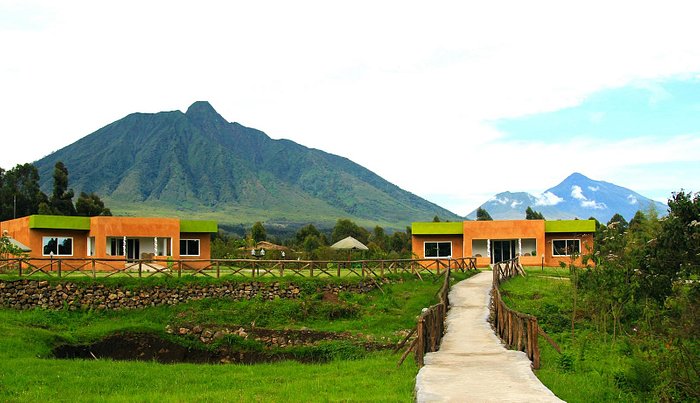
Rwanda Gorilla Trekking and Cultural Experiences | Volcanoes National Park | Rwanda Safari 2026–2027
Imagine travelling from Kigali through Rwanda's beautiful hills toward the Virunga Mountains. In the morning, you trek through misty bamboo forest searching for a mountain gorilla family. Later, you meet local people, discover Rwandan traditions, hear stories about the region, explore volcanic landscapes and learn how conservation has transformed the lives of both wildlife and surrounding communities.
This is the deeper meaning of Rwanda gorilla trekking and cultural experiences.
Volcanoes National Park is famous throughout the world for mountain gorillas, but the destination offers far more than a single trekking experience. Visitors can combine gorilla trekking with golden monkey trekking, volcano hiking, Dian Fossey's conservation history, cultural experiences, village visits, Musanze Caves, Buhanga Eco-Park and other activities.
The result is a journey that connects wildlife, people, culture, history and conservation.
For travellers planning a Rwanda safari in 2026–2027, this combination makes Volcanoes National Park one of Africa's most distinctive wildlife and cultural destinations.
Why Rwanda Gorilla Trekking and Cultural Experiences Are So Special
Rwanda is sometimes described simply as a "gorilla destination."
That description is too small.
Yes, mountain gorillas are the main attraction of Volcanoes National Park.
But the experience is much bigger.
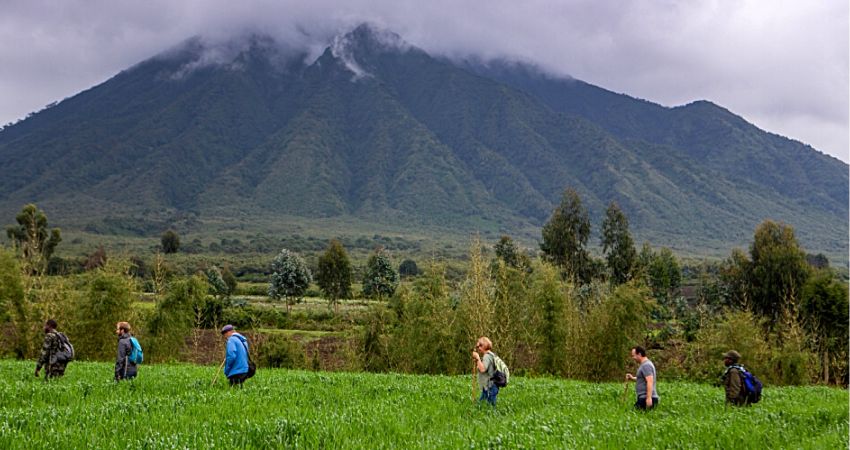
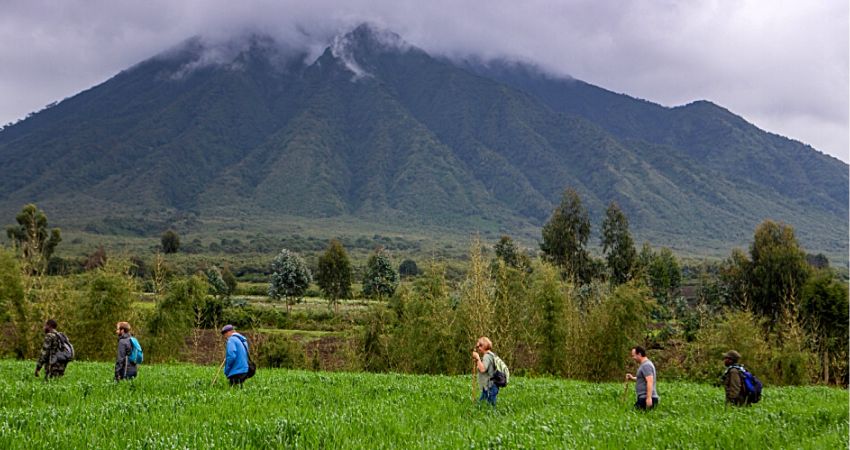
You are travelling into the Virunga Mountains, a dramatic volcanic landscape containing montane forest, bamboo forest, grassland, swamp and heath.
The park is home to mountain gorillas and golden monkeys, while the surrounding Musanze region offers opportunities to discover Rwandan culture, local livelihoods, traditions and history.
This combination creates something different from a conventional African safari.
A traditional safari might focus mainly on wildlife viewed from a vehicle.
A Rwanda gorilla journey can involve:
Walking + wildlife + mountains + culture + conservation + community + history.
That is why Rwanda gorilla trekking and cultural experiences should be considered together rather than as two separate activities.
Volcanoes National Park: A Destination Built Around Conservation
A History That Goes Back More Than a Century
The conservation story of Volcanoes National Park is one of the reasons the destination is so important.
The protected area originated in 1925, when the Albert National Park was established in the Virunga region to protect mountain gorillas and their habitat.
Over the decades, however, the forest experienced serious pressure.
Agriculture and other land-use demands reduced parts of the original protected area.
In 1969, a significant portion of the park was removed for agricultural development.
The future of the remaining forest became increasingly important.
Conservation organizations and Rwandan authorities eventually placed greater emphasis on protecting the forest and developing carefully managed gorilla tourism.
That decision helped create the conservation and tourism system visitors experience today.
Dian Fossey and the Mountain Gorilla Conservation Story
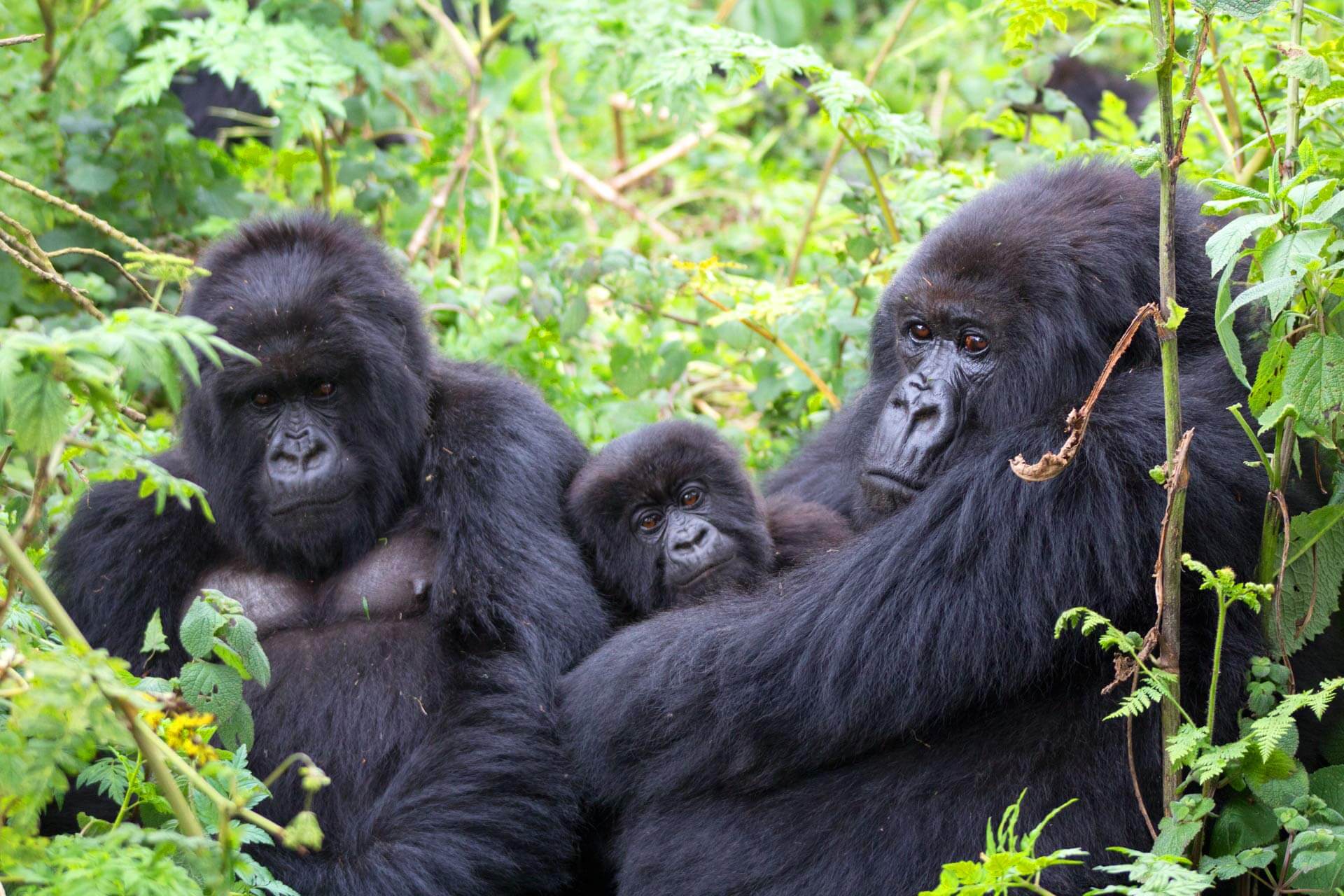
Karisoke Research Centre
No discussion of Volcanoes National Park is complete without mentioning Dian Fossey.
In 1967, Fossey established the Karisoke Research Centre between Mount Bisoke and Mount Karisimbi.
She spent approximately 18 years studying and protecting mountain gorillas.
Her research transformed international understanding of gorilla behaviour and helped draw worldwide attention to the threats facing the species.
Her story later became internationally famous through Gorillas in the Mist.
Today, travellers can visit the area associated with her work and learn about the history of mountain gorilla research and conservation.
This is one of the reasons a Rwanda gorilla safari can become deeply educational.
You are not simply seeing an animal.
You are seeing an animal whose survival is connected to decades of research, protection and conservation.
From Crisis to Conservation Resilience
The history of Volcanoes National Park also includes difficult periods.
The park experienced insecurity during the early 1990s and tourism was disrupted during the 1994 genocide against the Tutsi and subsequent instability.
Gorilla tourism eventually resumed permanently in 1999.
The ability of conservation and tourism to recover from these disruptions is an important part of Rwanda's wider conservation story.
Today, the park operates through a highly organized system involving:
- Park authorities
- Rangers
- Gorilla trackers
- Guides
- Researchers
- Veterinary specialists
- Porters
- Tourism operators
- Local communities
The organization is particularly important because mountain gorilla tourism cannot operate like mass wildlife tourism.
How Gorilla Trekking Is Carefully Organized
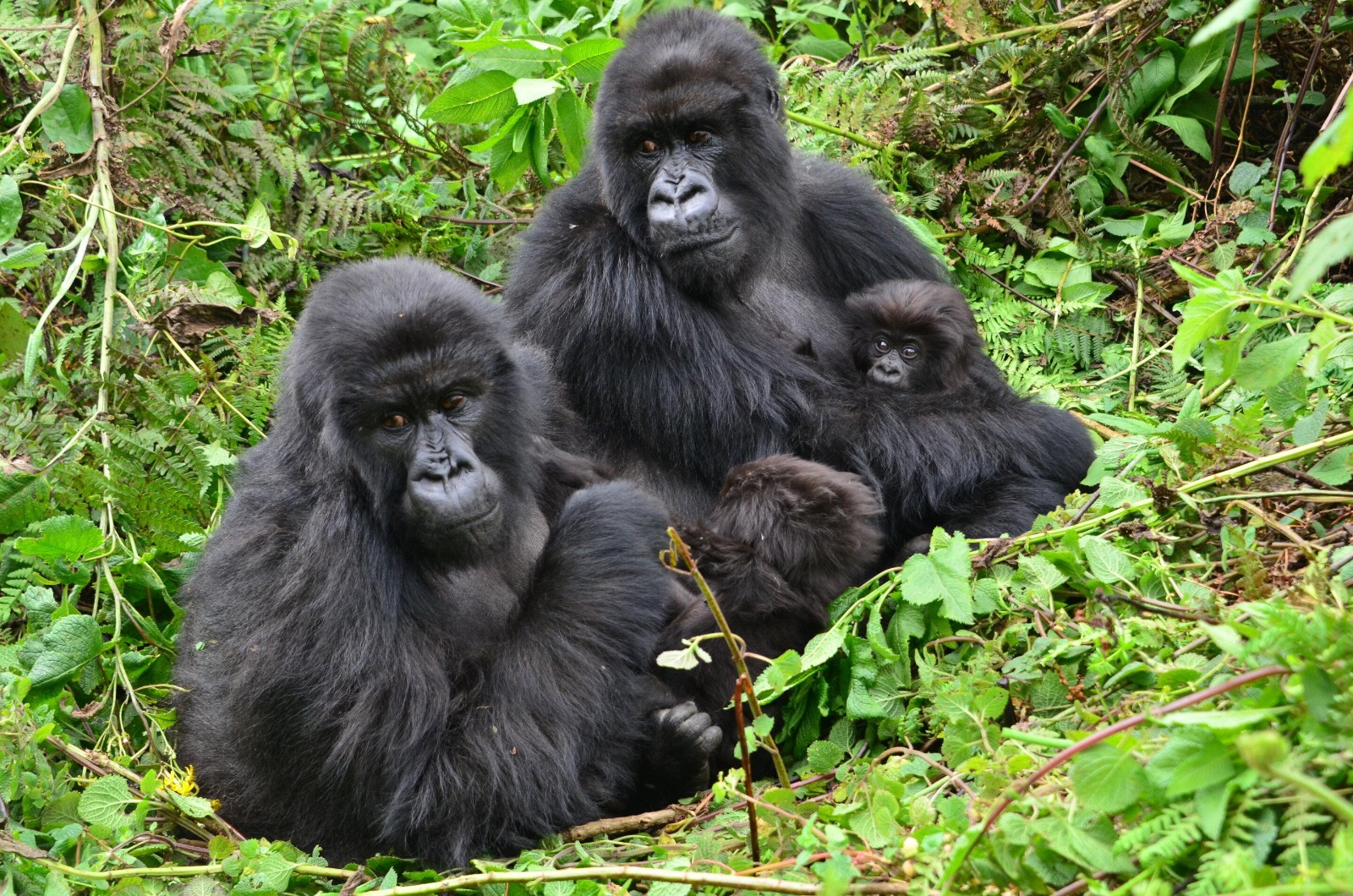
Small Groups
Gorilla families are monitored continuously.
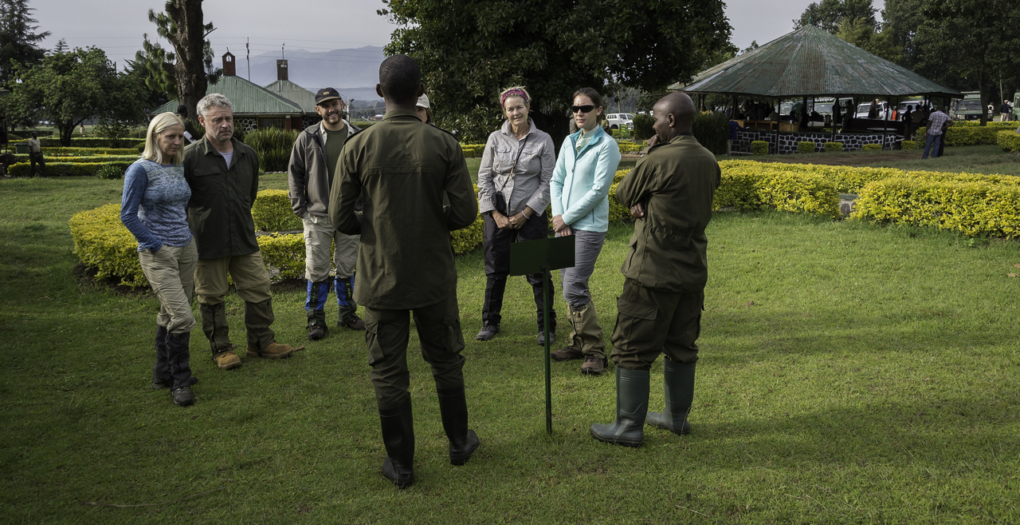
Visitors gather at the Volcanoes National Park headquarters in Kinigi at 7:00 a.m. for briefing and allocation.
Current official visitor guidance states that eight tracking permits are issued per gorilla troop per day, with each group spending a maximum of one hour with a gorilla family.
This helps limit pressure on the animals.
Gorilla Family Allocation
Visitors do not simply choose whichever gorilla family they want on the morning of the trek.
Allocation is organized according to factors including fitness levels and the location of the groups.
This means the experience is carefully managed before you even enter the forest.
Trackers and Guides
Trackers work to locate the gorilla families and communicate information to the guide team.
The guide then leads visitors through the forest.
This system means tourists are not wandering through the habitat searching randomly for gorillas.
They are participating in a professionally managed conservation experience.
What Is the Gorilla Trekking Experience Really Like?
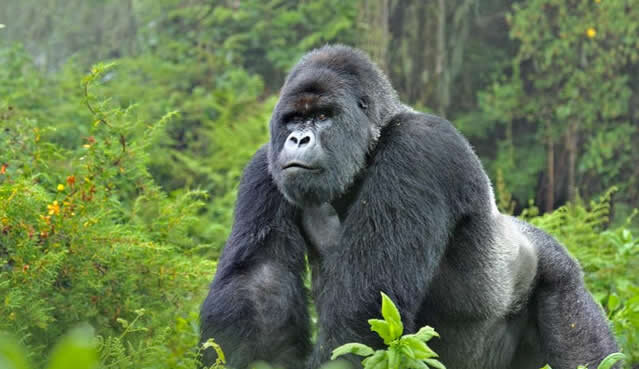
The Journey Begins Before You See the Gorillas
- You wake early.
- The mountains may be covered by clouds.
- The air is cool.
- You travel toward Kinigi.
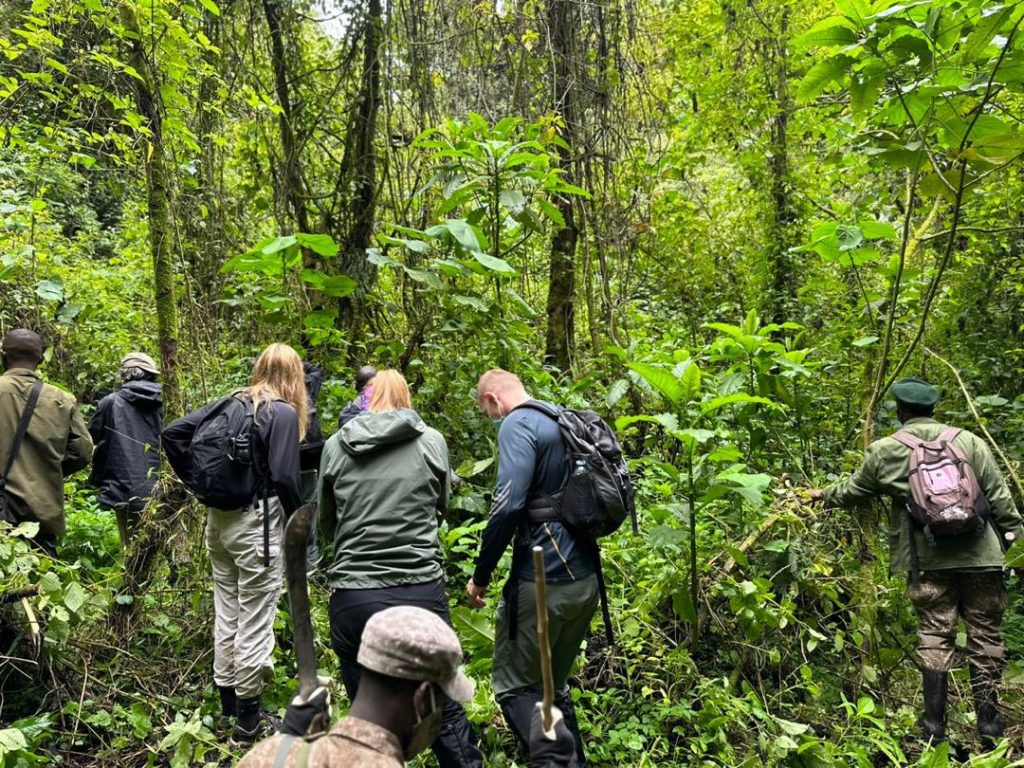
- Then you begin walking.
- At first, the trail may appear easy.
- Then the vegetation becomes thicker.
- The ground becomes muddy.
- The slope becomes steeper.
- You hear birds.
- You hear insects.
- You may hear the distant sounds of the forest.
- Your tracker searches for signs of the gorilla family.
Then the guide quietly tells you:
"They are close."
The excitement changes immediately.
You move slowly.
Branches move.
And suddenly, a gorilla appears.
Meeting a Mountain Gorilla
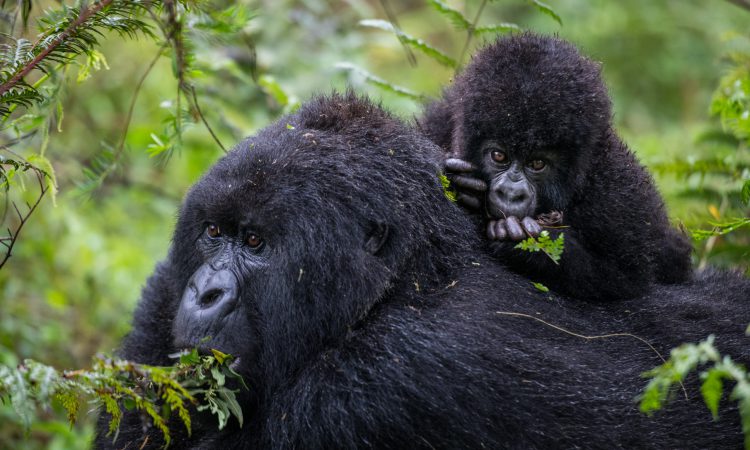
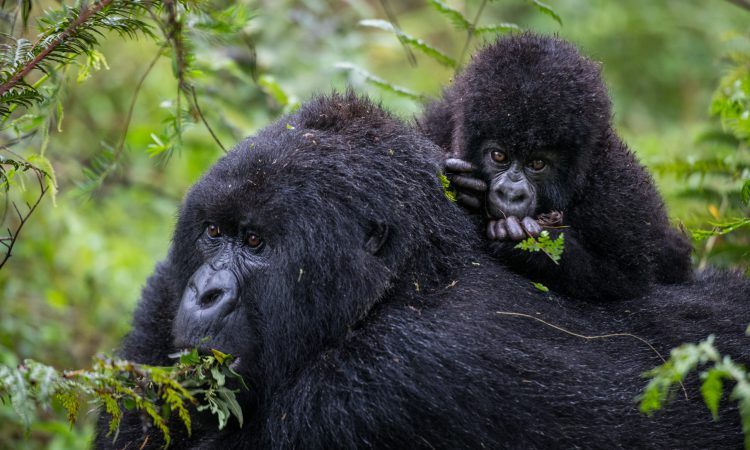
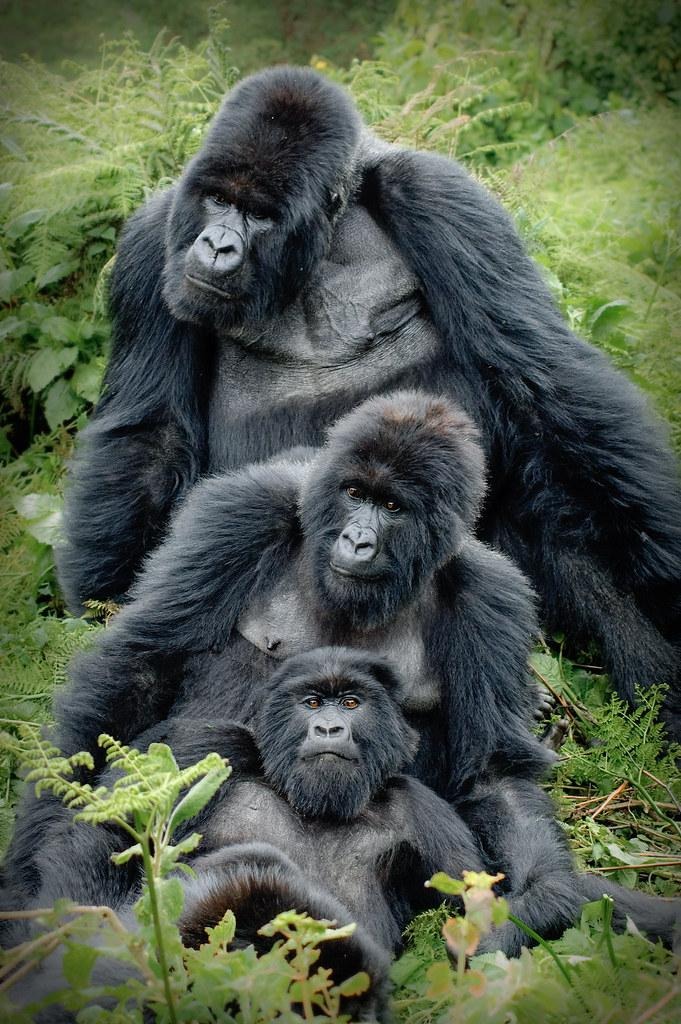
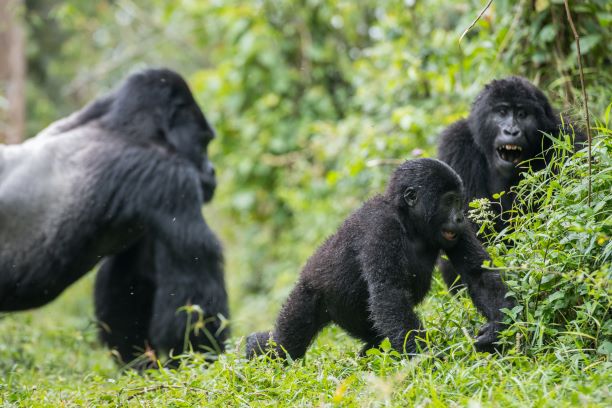
A silverback may be sitting quietly in the vegetation.
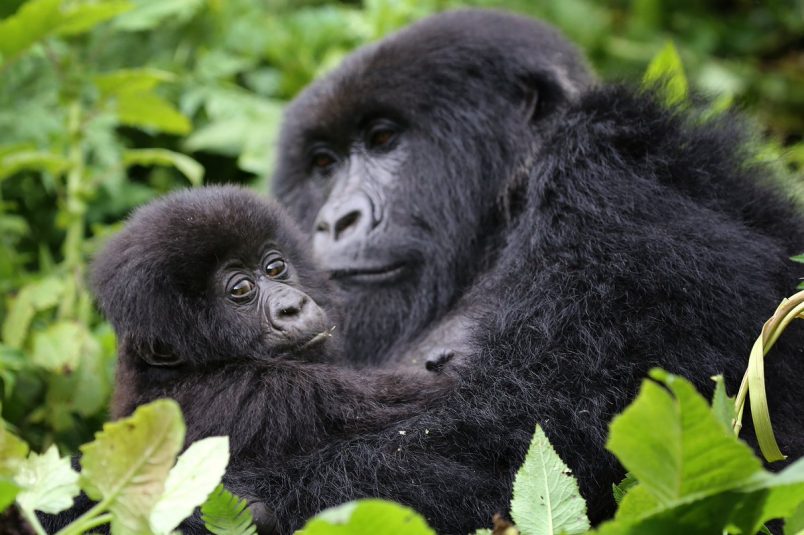
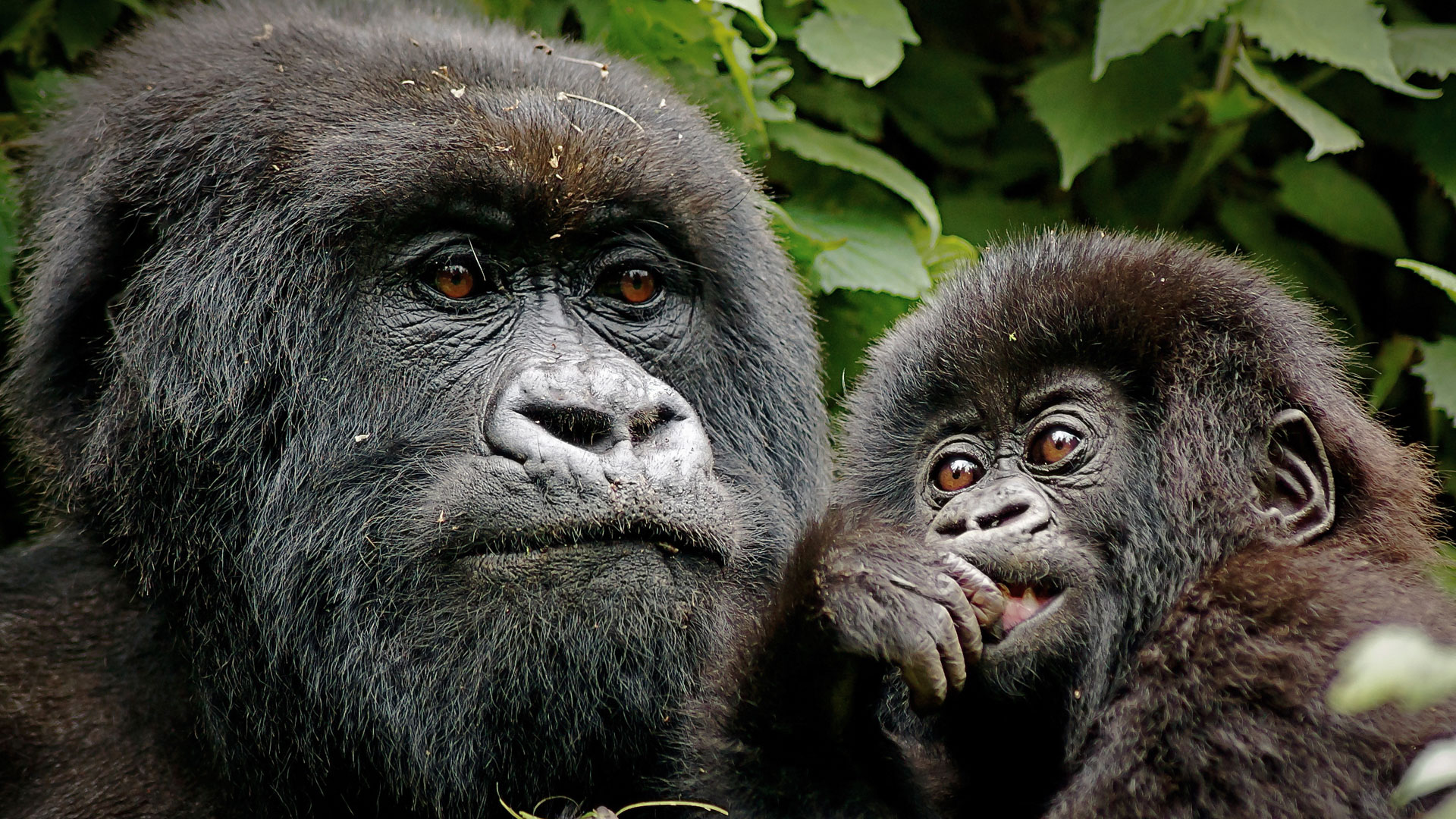
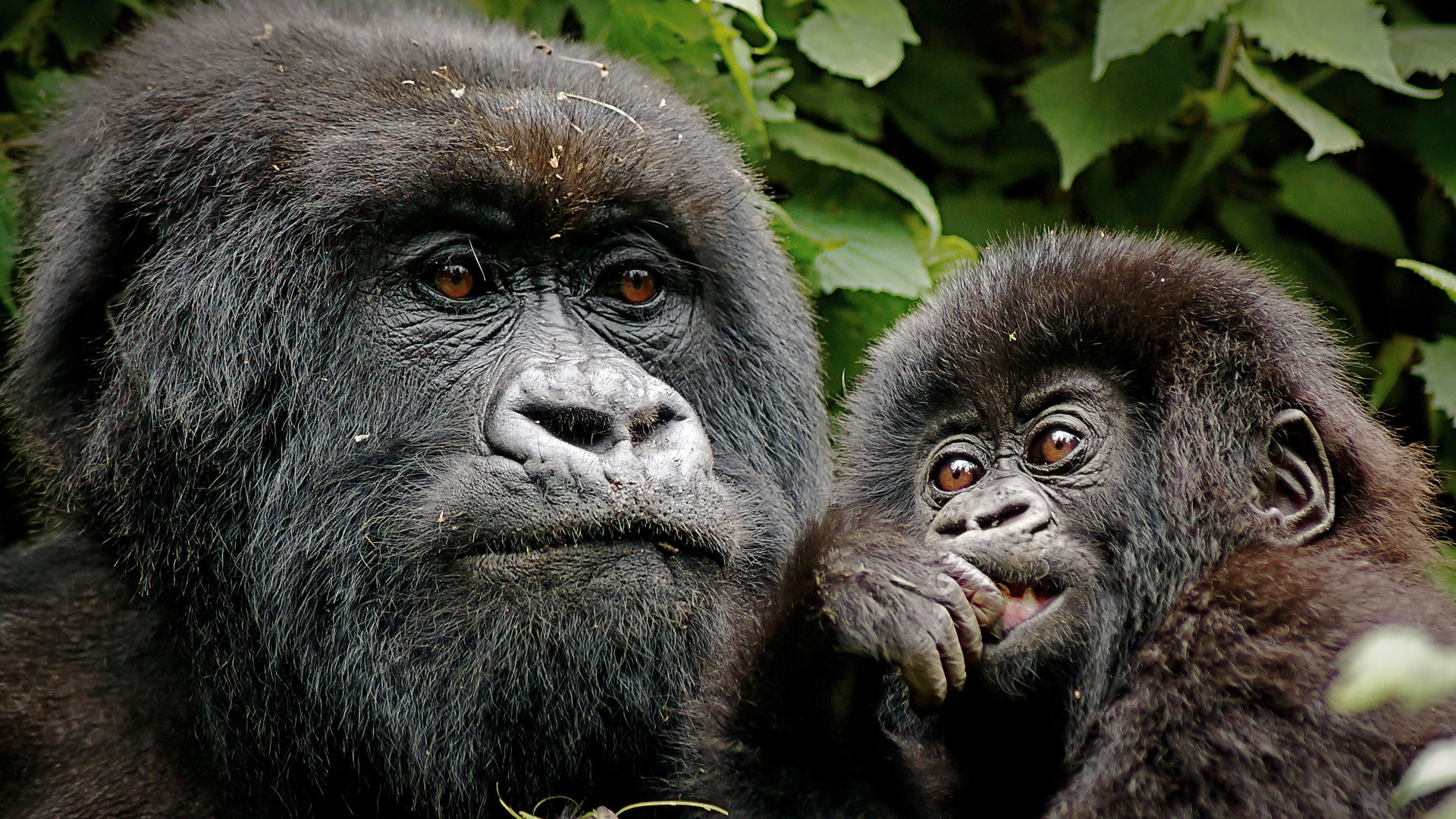
A mother may be caring for her infant.
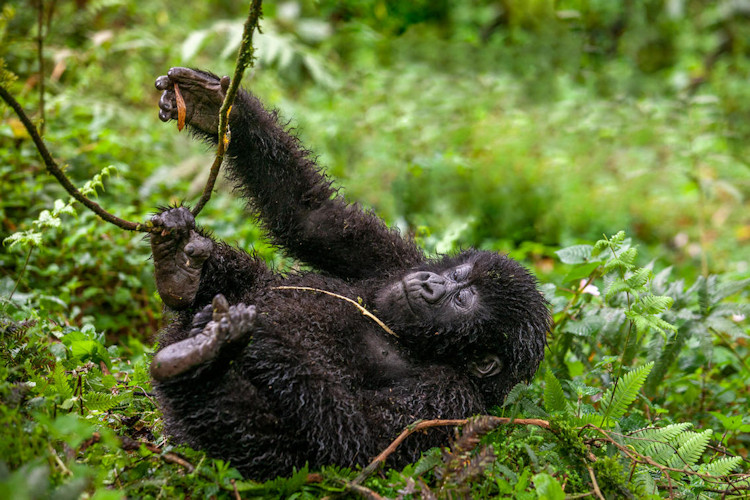
Young gorillas may be playing nearby.
Another gorilla may be feeding.
For a short period, the forest becomes your classroom.
You are watching a family rather than a staged wildlife performance.
The encounter is carefully controlled.
Visitors follow the instructions of their guides and maintain the required distance.
The experience is deliberately limited because the wellbeing of the gorillas comes first.
That limitation is part of what makes the encounter so special.
Rwanda Gorilla Trekking and Cultural Experiences: What Comes After the Trek?
This is where your Rwanda adventure becomes much more interesting.
Instead of returning to Kigali immediately after seeing the gorillas, consider staying in the Volcanoes region for another night or two.
You can combine your trek with several experiences.
1. Golden Monkey Trekking
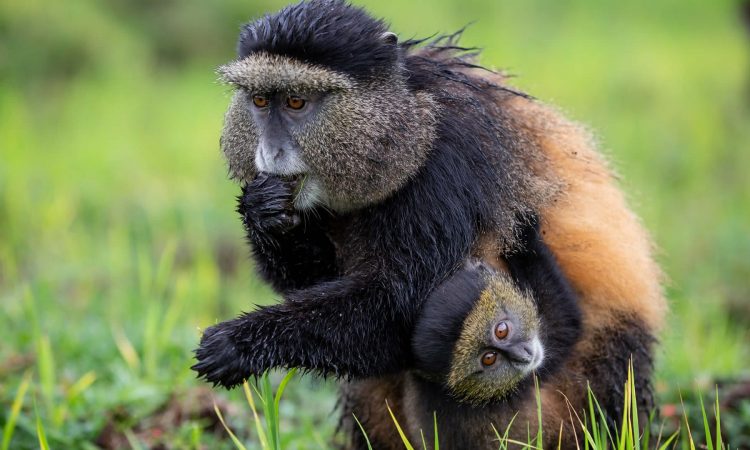
Meet Rwanda's Other Famous Primates
Golden monkey trekking is one of the best ways to extend your Volcanoes National Park experience.
Golden monkeys are smaller, faster and more energetic than mountain gorillas.
Their bright golden-orange colouring makes them particularly attractive to photographers.
You may find yourself moving through bamboo forest while trying to follow their quick movements.
Unlike the calm and powerful presence of a silverback, golden monkeys can keep you constantly moving.
This creates a completely different wildlife experience.
Why Combine Gorillas and Golden Monkeys?
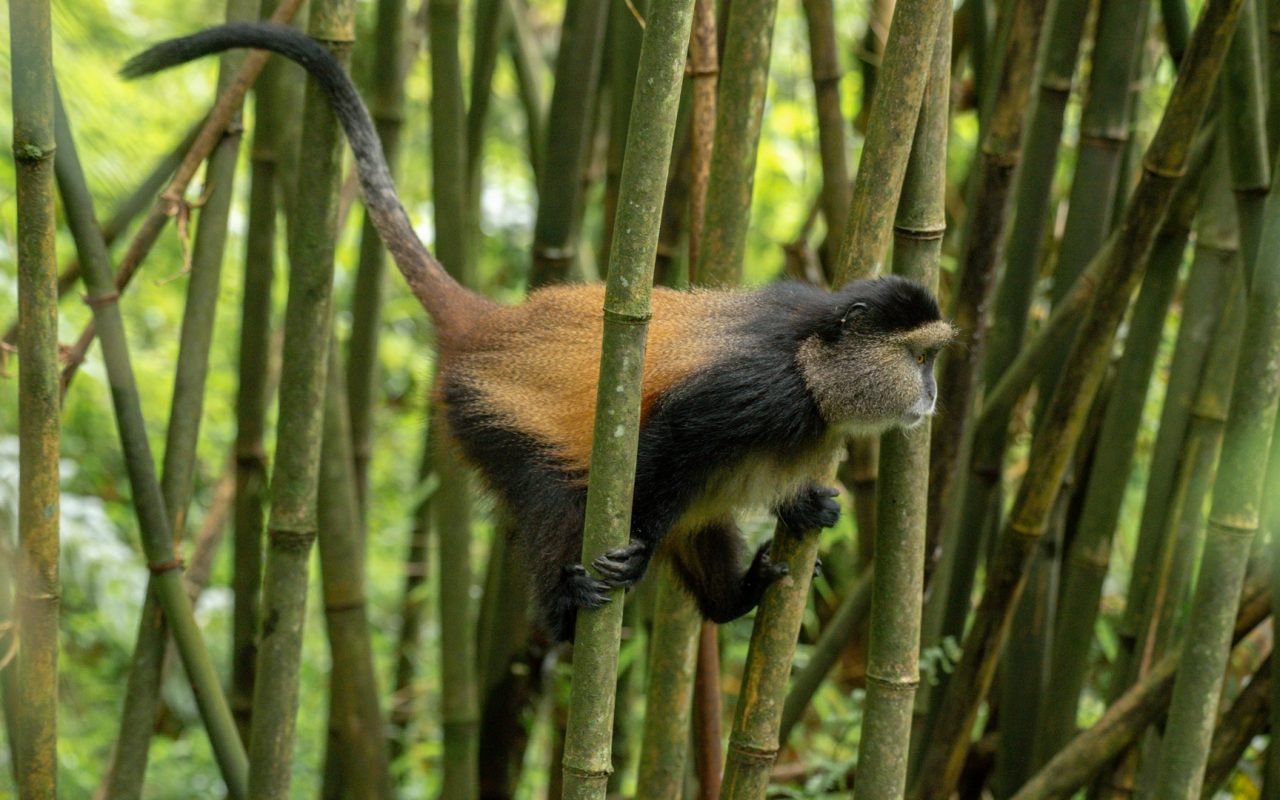
Because the two experiences complement one another.
Gorilla trekking:
Slow, intimate, powerful and focused on a gorilla family.
Golden monkey trekking:
Energetic, fast-moving and focused on a rare primate living in bamboo forest.
Combining both allows travellers to experience more of the biodiversity of the Virunga ecosystem.
2. Experience Rwanda's Volcanoes
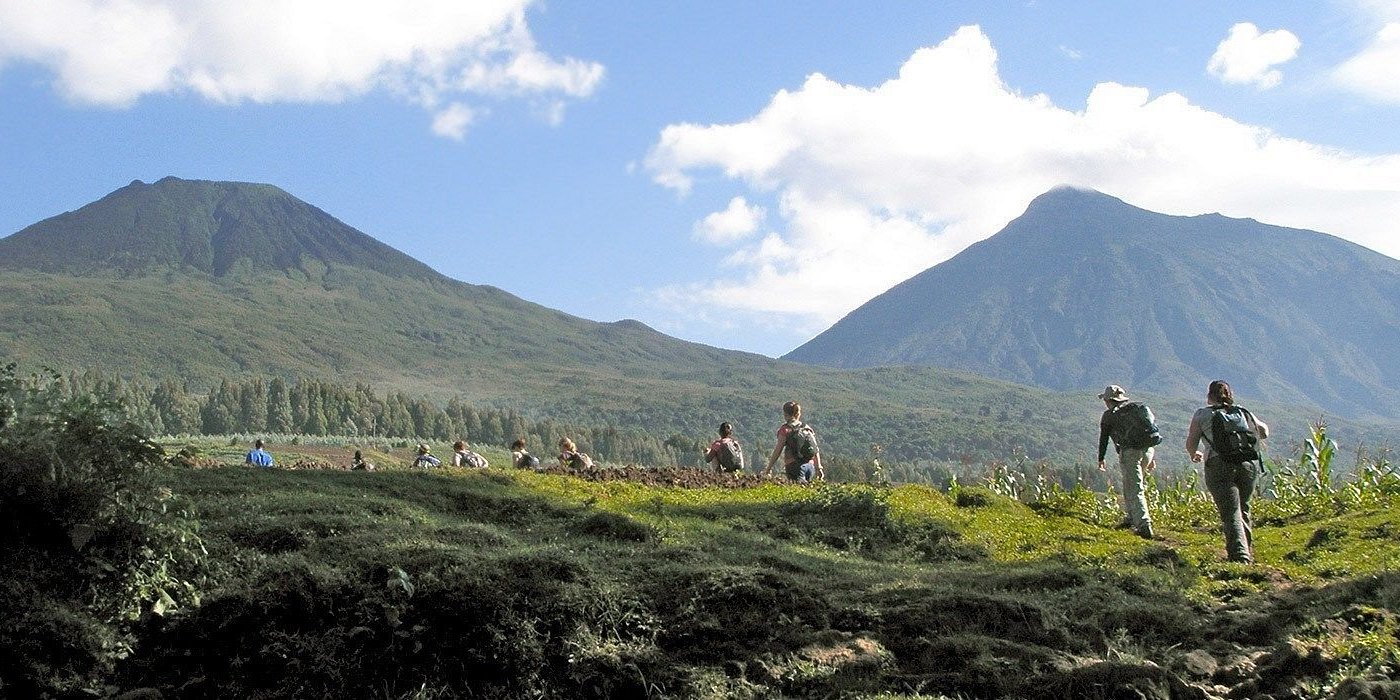
Volcanoes National Park takes its name from the dramatic volcanoes of the Virunga Massif.
Among the major peaks are:
Mount Karisimbi
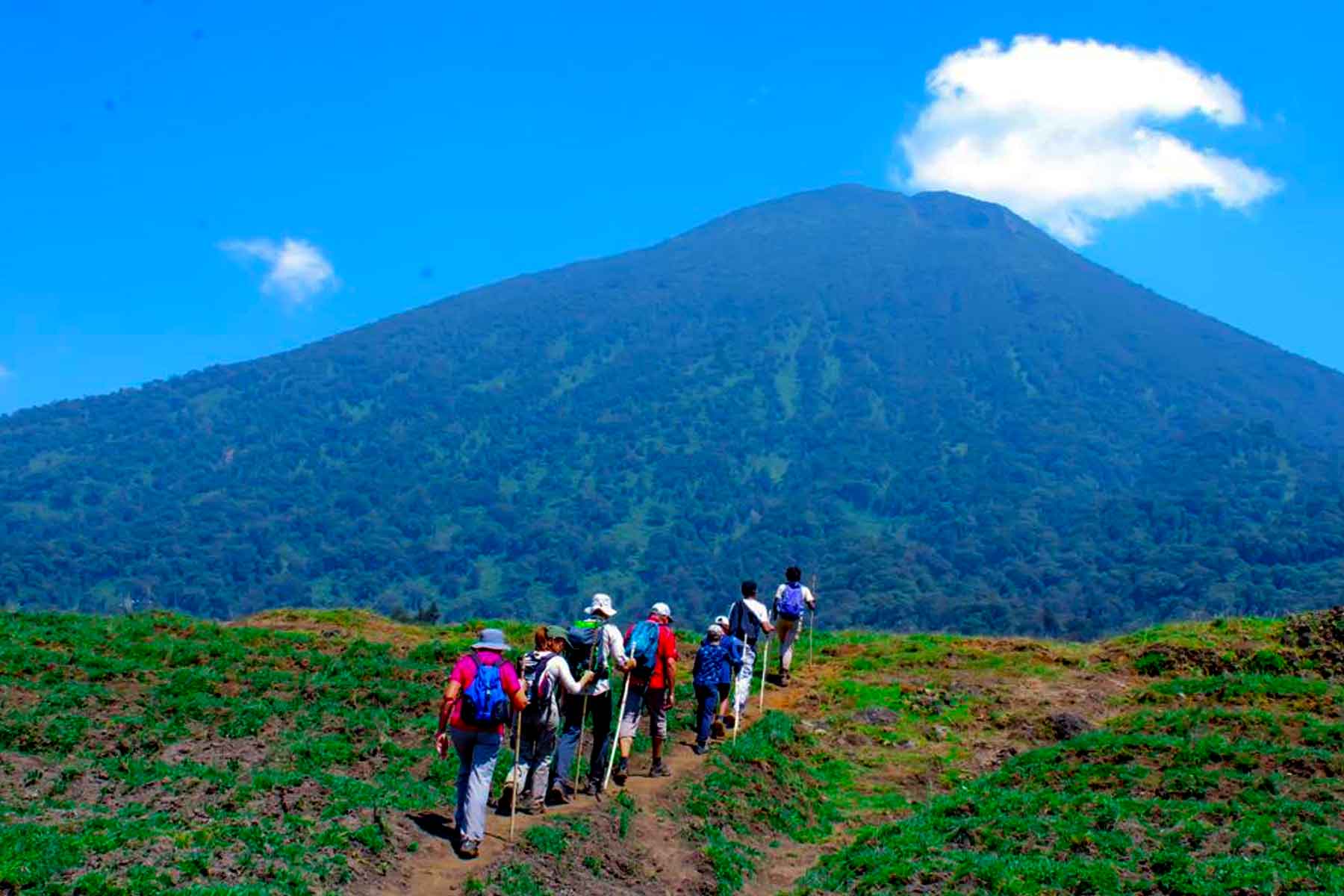
Mount Bisoke
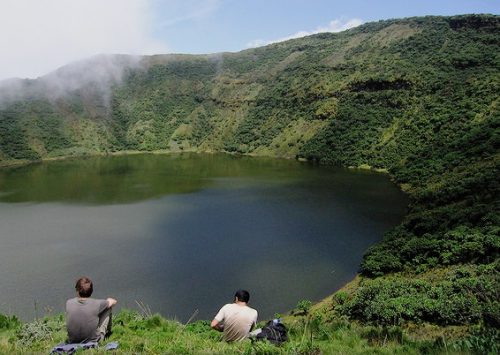
Mount Muhabura

Mount Gahinga
Mount Sabyinyo
Mount Karisimbi reaches approximately 4,507 metres and is the highest of Rwanda's Virunga volcanoes.
This means your trip does not have to be limited to wildlife.
You can also experience Rwanda as a mountain destination.
3. Mount Bisoke Hiking
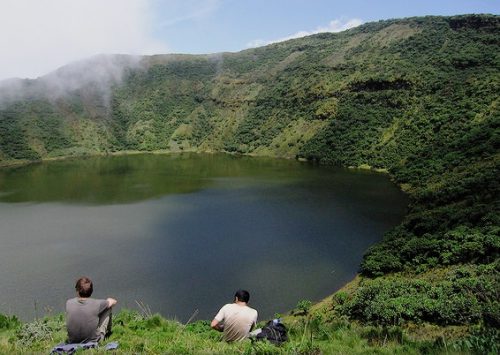
Mount Bisoke is particularly attractive to travellers who want to combine wildlife with adventure.
The mountain is famous for its crater lake.
As you climb higher, the surrounding landscape changes.
The forest becomes quieter.
The air becomes cooler.
The views become wider.
For active travellers, a Bisoke hike can transform a gorilla safari into a mountain adventure.
4. Mount Sabyinyo
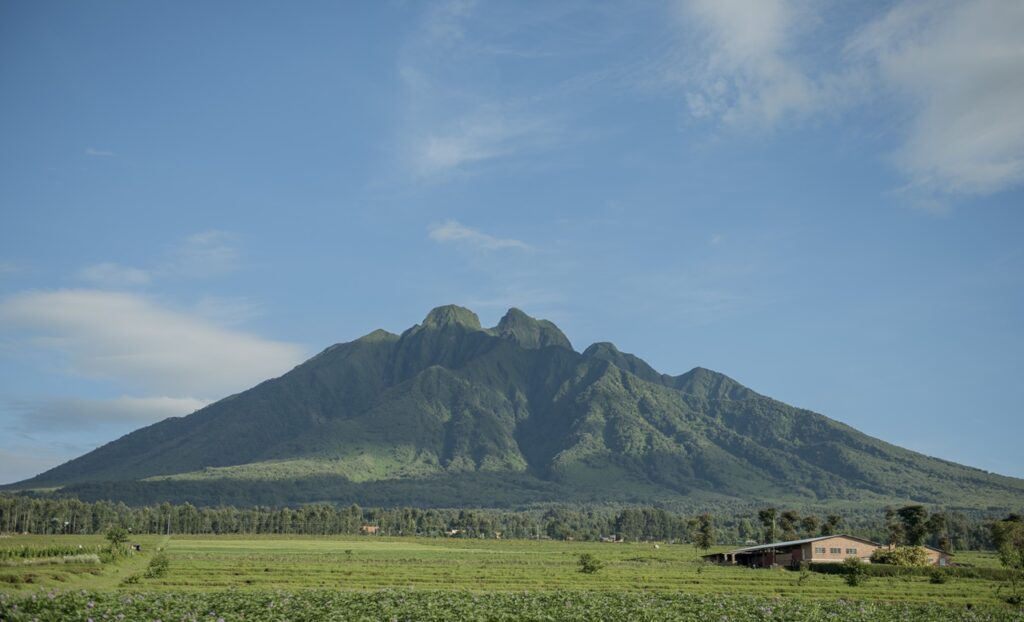
Mount Sabyinyo provides another remarkable hiking experience.
Its jagged summit resembles old teeth, giving rise to the local comparison behind its name.
The mountain stands at approximately 3,645 metres and forms part of the border region shared by Rwanda, Uganda and the Democratic Republic of Congo.
From higher sections of the trail, hikers can enjoy spectacular views across the surrounding Virunga landscape.
5. Mount Muhabura
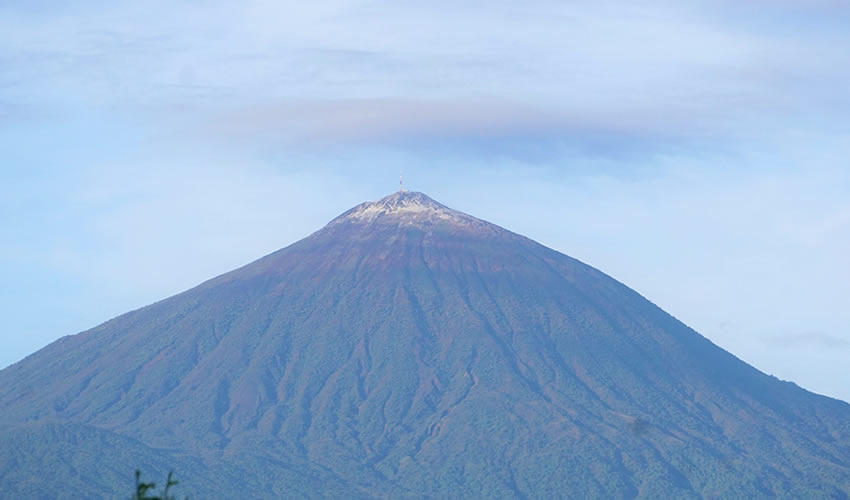
For travellers seeking a more demanding hike, Mount Muhabura is another option.
Rising to approximately 4,127 metres, it offers a serious high-altitude challenge.
It is not simply a sightseeing walk.
Travellers should be physically prepared and properly equipped.
6. Dian Fossey Conservation Experience
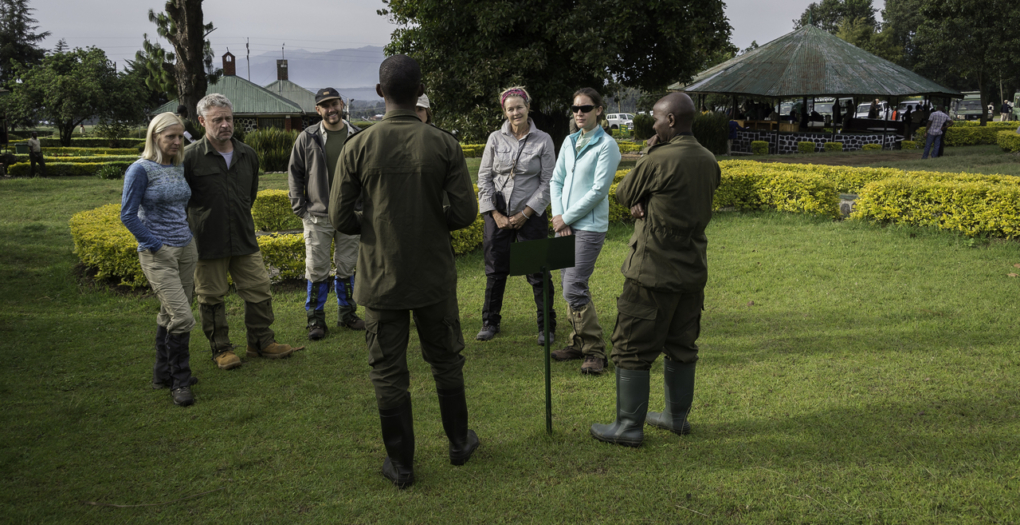
If you want your trip to have a deeper historical meaning, consider the Dian Fossey experience.
The hike takes you into the landscape associated with the famous primatologist and the Karisoke Research Centre.
You can learn about:
- Gorilla research
- Anti-poaching efforts
- Conservation history
- Dian Fossey's work
- The development of gorilla tourism
- The continuing protection of mountain gorillas
For many travellers, this becomes one of the most meaningful activities beyond the actual gorilla trek.
7. Buhanga Eco-Park

Rwanda's culture and nature are closely connected.
Buhanga Eco-Park is an ancient forest associated with Rwandan folklore and traditional stories.
Visiting such places helps travellers understand that the landscape around Volcanoes is not simply a wildlife habitat.
It is also part of Rwanda's cultural heritage.
8. Musanze Caves
The Musanze Caves provide another completely different experience.
Created by ancient volcanic activity, the caves offer travellers an opportunity to explore the geological side of the region.
After spending a morning looking for gorillas, exploring underground volcanic formations creates a fascinating contrast.
9. Village and Community Experiences
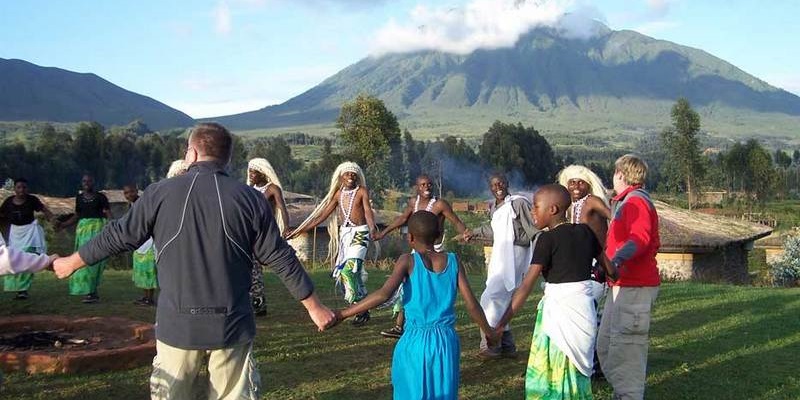
This is one of the most important parts of Rwanda gorilla trekking and cultural experiences.
A good cultural experience should not simply be a performance created for tourists.
It should give visitors an opportunity to learn about local life.
Depending on the experience arranged, travellers may encounter:
- Traditional food
- Local crafts
- Music
- Dance
- Farming activities
- Storytelling
- Traditional skills
- Community projects
- Local markets
The purpose is not simply entertainment.
It is connection.
You begin to understand the people living around the landscape you have travelled so far to see.
10. Traditional Rwandan Food
Food is one of the easiest ways to experience another culture.
Travellers can use their time in the Volcanoes region to discover traditional Rwandan dishes and locally sourced ingredients.
Depending on the location and experience, you may encounter foods based around:
- Bananas
- Sweet potatoes
- Cassava
- Beans
- Maize
- Vegetables
- Meat
- Milk and other local products
A cultural meal can therefore become part of your safari story rather than simply something you eat between activities.
11. Traditional Dance and Music
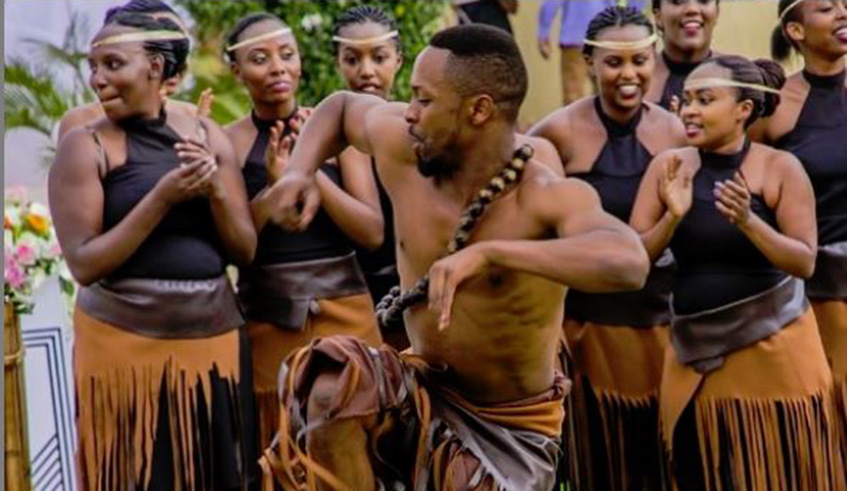
Music and dance are important elements of Rwandan cultural expression.
A cultural performance can introduce visitors to traditional rhythms, songs, costumes and storytelling.
The experience becomes even more meaningful when combined with a visit to local communities.
Instead of simply photographing Rwanda, you begin to experience it.
Kwita Izina: Where Conservation and Culture Meet
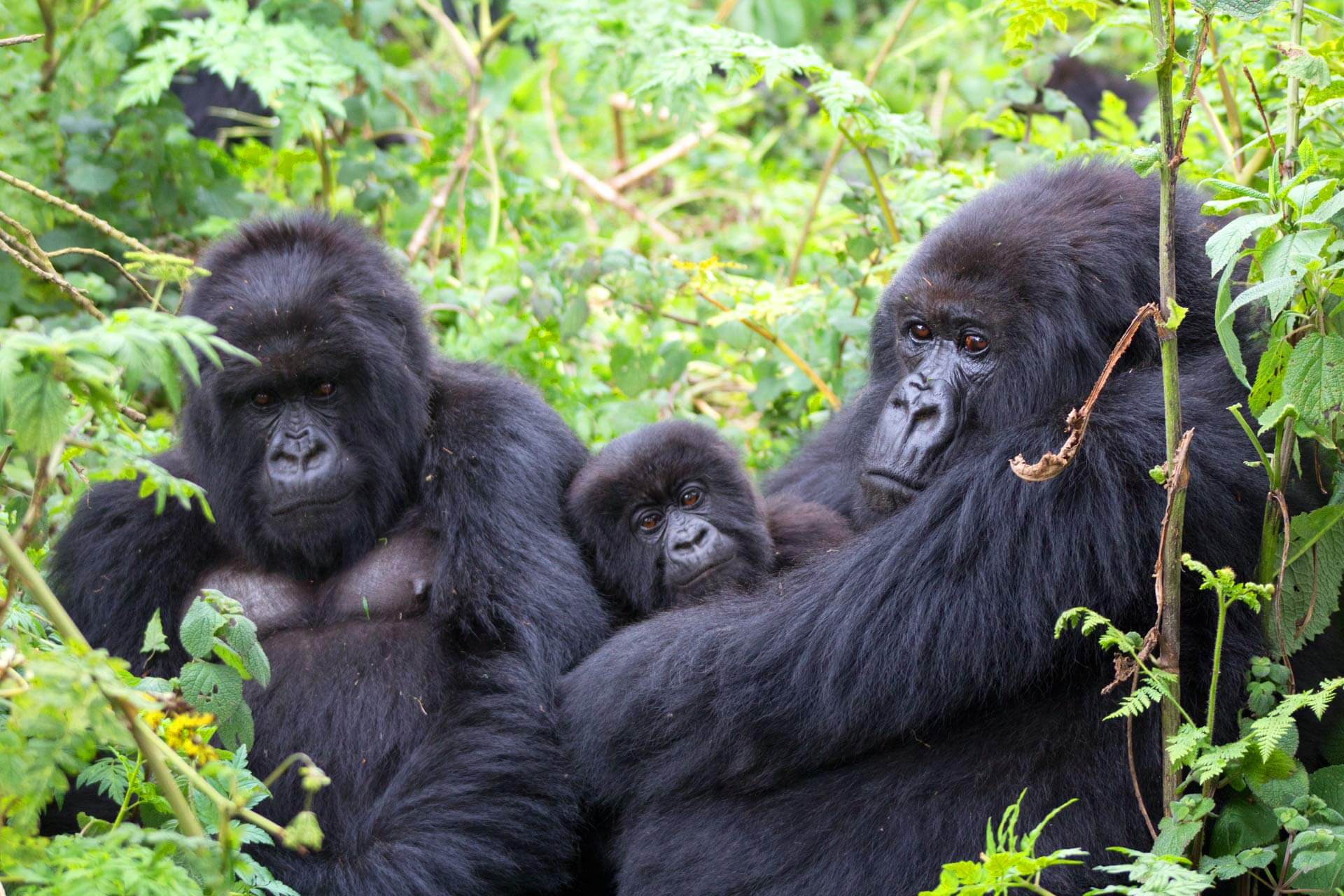
One of Rwanda's most distinctive conservation celebrations is Kwita Izina, the annual gorilla naming ceremony.
The event brings together conservationists, communities, government representatives, tourism stakeholders and international visitors.
The naming ceremony is more than a celebration.
It highlights Rwanda's commitment to mountain gorilla conservation.
The event also includes cultural activities and opportunities to learn about conservation work.
For travellers visiting around the event, it can add a particularly memorable cultural dimension to their Rwanda gorilla trekking and cultural experiences.
How Tourism Supports Communities Around Volcanoes National Park
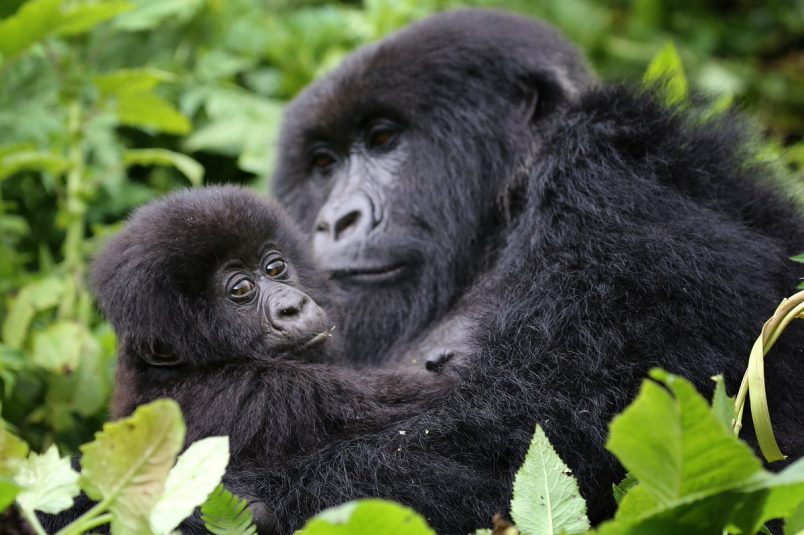
A major reason cultural tourism matters is that conservation cannot exist separately from surrounding communities.
Rwanda's Tourism Revenue Sharing Programme directs 10% of national park tourism revenues toward communities surrounding protected areas.
Over the past 20 years, more than RWF 23 billion has been invested through the programme in nearly 1,300 community projects.
These projects have supported areas such as:
- Education
- Healthcare
- Water
- Livelihoods
- Community development
In 2026, Rwanda also launched a Smart Green Village project in Kinigi as part of the wider Volcanoes Community Resilience Project.
The long-term programme aims to expand Volcanoes National Park, establish buffer zones and improve livelihoods around the park.
This demonstrates how Rwanda's conservation strategy is increasingly connecting wildlife protection with community development.
Why Volcanoes National Park Is Different From Serengeti and Masai Mara
The Great Migration Is Extraordinary — But Rwanda Offers Another Story
The Serengeti and Masai Mara are internationally famous for their enormous savannah landscapes and the Great Migration.
That experience is unique.
Millions of wildebeest, zebra and other herbivores move through the ecosystem in response to seasonal conditions.
Rwanda does not attempt to compete with this experience.
Instead, Volcanoes National Park offers something fundamentally different.
Serengeti and Masai Mara
Their major strengths include:
- Vast savannah
- Large herbivore herds
- Predator sightings
- Lions
- Cheetahs
- Leopards
- Vehicle-based game drives
- Great Migration
Volcanoes National Park
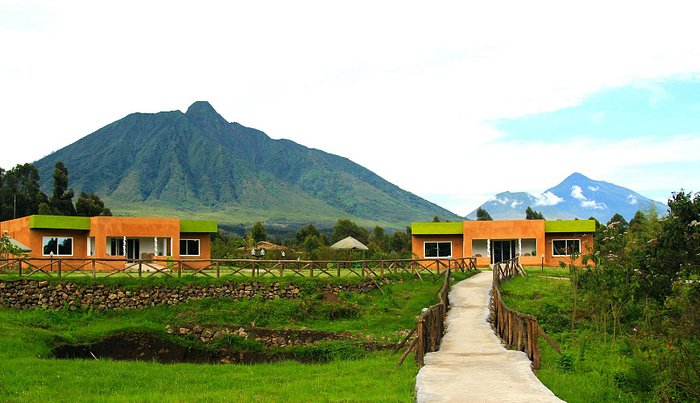
Its distinctive experiences include:
- Mountain gorilla trekking
- Golden monkey trekking
- Volcano hiking
- Bamboo forest
- Montane rainforest
- Dian Fossey history
- Cultural experiences
- Community tourism
- Conservation education
The two destinations should therefore not be treated as identical competitors.
They tell different African wildlife stories.
What Makes Akagera Different From the Serengeti and Masai Mara?
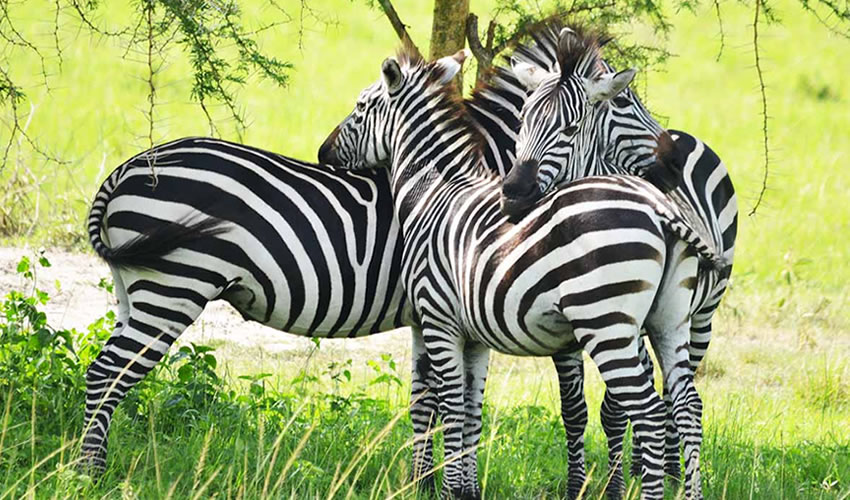
Akagera is Rwanda's savannah safari destination.
It offers a completely different landscape from Volcanoes.
Akagera contains:
- Savannah plains
- Lakes
- Wetlands
- Woodlands
- Rolling hills
- Wildlife-rich habitats
The park supports lion, leopard, elephant, rhino and buffalo alongside zebra, giraffe, antelope and a remarkable variety of bird species.
Its importance is also connected to its conservation recovery.
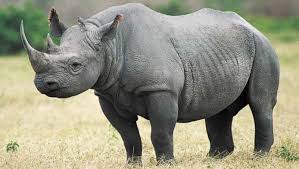
African Parks has documented the return of lions, eastern black rhinos and southern white rhinos to Akagera after periods of severe wildlife decline.
Therefore, Akagera's story is not about reproducing the Great Migration.
Its story is about restoration, Big Five wildlife and the recovery of a Rwandan savannah ecosystem.
Akagera Game Drive Strategy
A successful Akagera safari requires more than simply driving around.
Start Early
Early morning is often an excellent time for wildlife viewing because temperatures are cooler and many animals are active.
Work With the Habitat
Akagera contains several different habitats.
Your guide can adjust the route according to wildlife activity, habitat and recent sightings.
Search Around Water
Lakes and wetlands are particularly important wildlife areas.
They can attract animals and provide excellent opportunities for observing hippos, crocodiles and waterbirds.
Use Local Guide Knowledge
Experienced guides know the park's roads, habitats and seasonal wildlife patterns.
Their knowledge can be particularly valuable when searching for predators or rhinos.
Add a Boat Safari
A boat trip on Lake Ihema provides a completely different perspective.
Instead of observing wildlife from a 4x4, you are on the water.
Hippos, crocodiles and birds become the focus.
A Perfect Combination: Gorillas + Culture + Akagera
One of the strongest ways to experience Rwanda is to combine destinations.
Volcanoes National Park
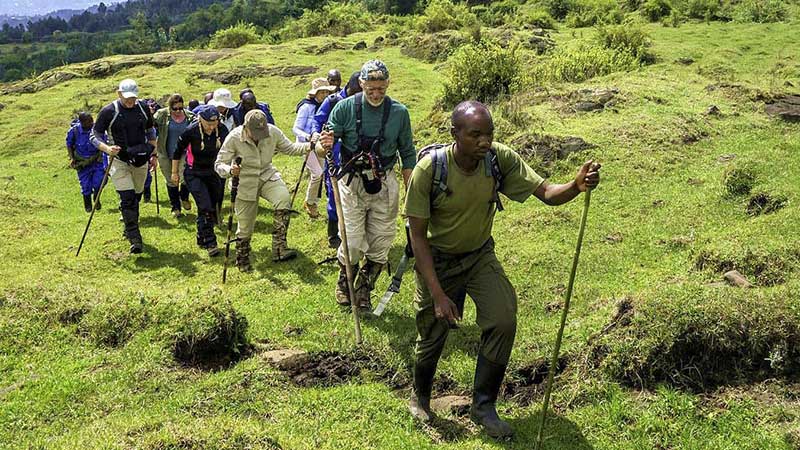
Gorillas + Golden Monkeys + Volcanoes + Culture + Conservation
Akagera National Park
Big Five + Game Drives + Boat Safari + Savannah
Nyungwe National Park
Chimpanzees + Ancient Rainforest + Canopy Walk + Forest Adventures
This creates a much richer Rwanda safari.
You do not simply see one animal.
You experience different ecosystems.
You move from mountains to savannah.
From gorillas to lions.
From bamboo forest to wetlands.
From wildlife to culture.
One-Day Rwanda Gorilla Safari From Kigali
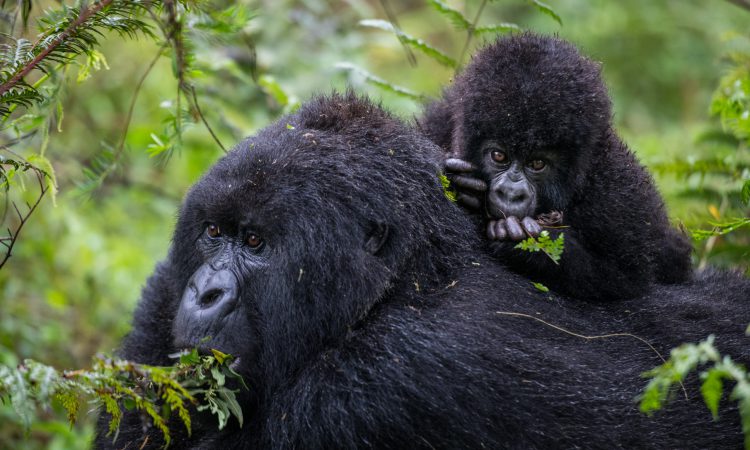
A one-day gorilla safari from Kigali is possible, but it requires very careful planning.
Visitors need to reach the park headquarters for the morning briefing, so an early departure is essential.
4:00–4:30 a.m. — Pick-Up in Kigali
Your Seek Wild Africa driver-guide collects you from your hotel.
4:30–6:45 a.m. — Drive to Volcanoes National Park
Travel north toward Musanze and Kinigi.
The road takes you through Rwanda's famous green hills.
7:00 a.m. — Registration and Briefing
Arrive at the park headquarters.
Meet the guide team and receive your gorilla family allocation.
Morning — Gorilla Trekking
Enter the forest.
Follow trackers through bamboo and montane vegetation.
Gorilla Encounter
Spend the regulated viewing period with your assigned gorilla family.
Observe responsibly.
Take photographs.
Listen to your guide.
Enjoy the experience.
Afternoon — Lunch
Return from the forest and have lunch.
Afternoon — Return to Kigali
Begin the journey back to Kigali.
Evening — Arrival in Kigali
Your one-day Rwanda gorilla trekking and cultural experience comes to an end.
Is One Day Recommended?
It is possible, particularly for travellers with limited time.
However, travellers who can stay overnight near Volcanoes National Park will generally have more time to relax and can add a cultural or golden monkey experience.
Two-Day Rwanda Gorilla Trekking and Cultural Experience From Kigali
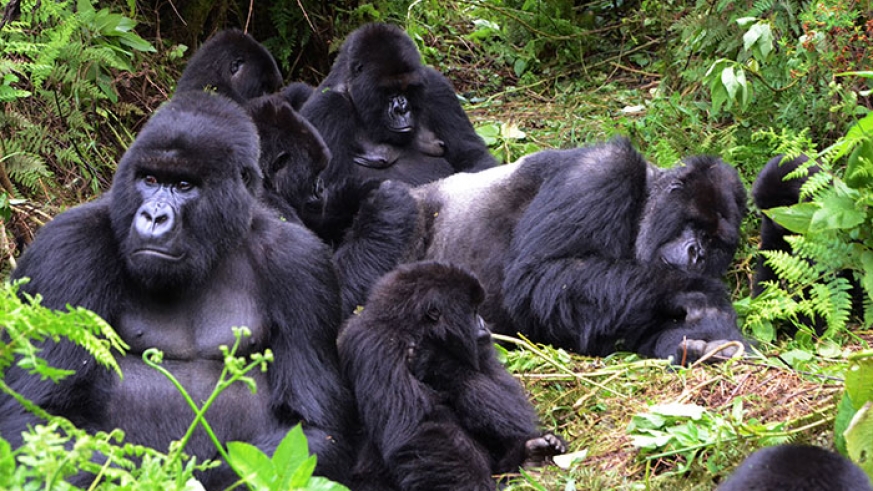
For travellers who want more than a rushed gorilla experience, two days provide a better opportunity to explore the region.
DAY 1 — Kigali to Volcanoes National Park
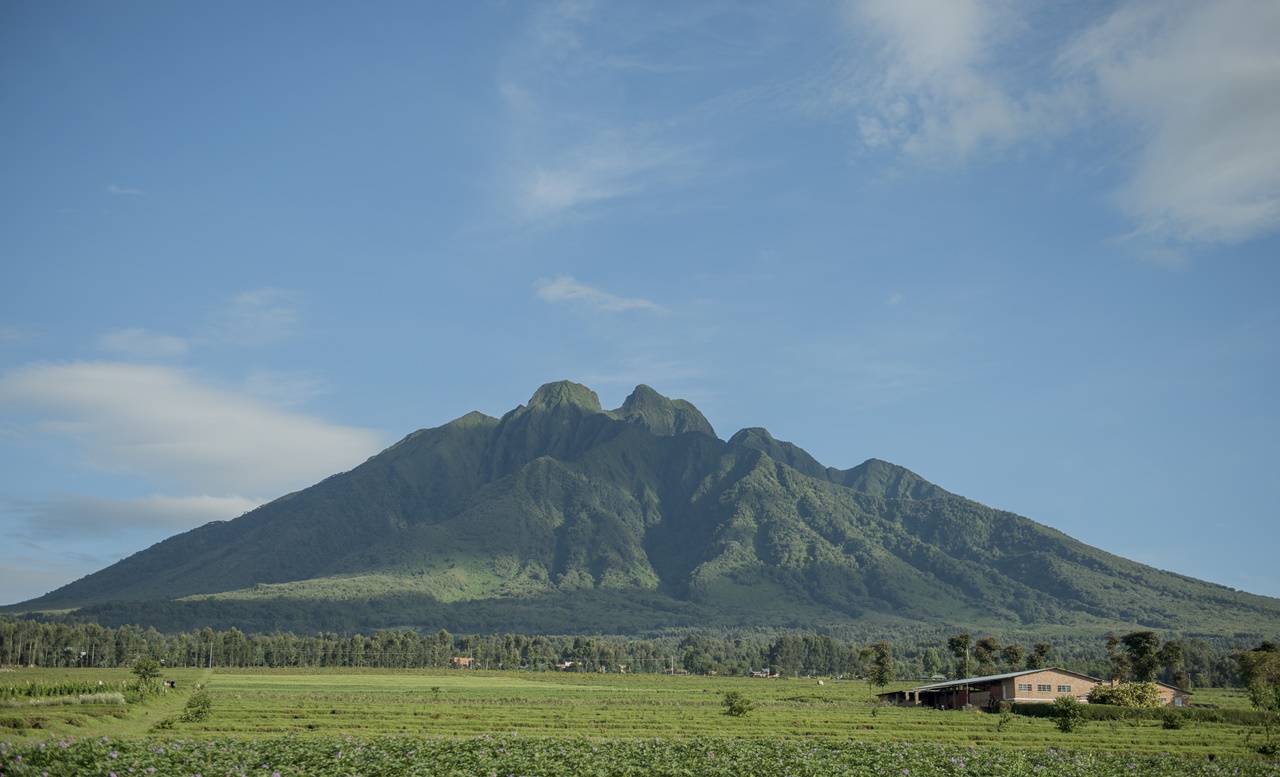
Morning — Depart Kigali
Your Seek Wild Africa driver-guide meets you at your hotel.
Travel north through Rwanda's countryside.
Midday — Musanze
Arrive in the Musanze region.
Have lunch.
Afternoon — Cultural and Nature Experience
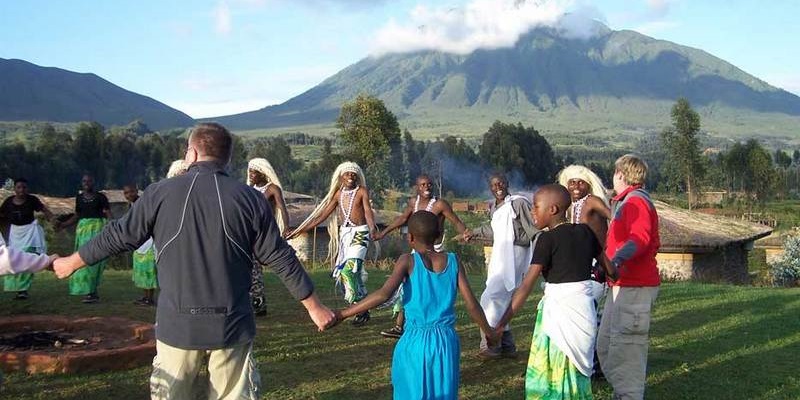
Depending on your interests and timing, choose one experience such as:
- Cultural village experience
- Buhanga Eco-Park
- Musanze Caves
- Dian Fossey-related experience
- Scenic exploration
- Golden monkey trekking, if scheduled appropriately
Evening — Lodge Check-In
Arrive at your lodge.
Enjoy dinner.
Prepare your trekking equipment.
Rest for the next morning.
DAY 2 — Gorilla Trekking and Return to Kigali
Early Morning — Breakfast
Have an early breakfast.
Prepare your daypack.
7:00 a.m. — Kinigi Headquarters
Report for briefing and allocation.
Morning — Gorilla Trekking
Enter Volcanoes National Park with your guide and trackers.
Gorilla Encounter
Meet your assigned gorilla family.
Spend your regulated viewing period observing the animals.
Afternoon — Lunch
Return from the forest and have lunch.
Afternoon — Depart for Kigali
Begin the journey back to Kigali.
Evening — Arrival in Kigali
End your two-day Rwanda gorilla trekking and cultural experience.
Three Days: The Ideal Gorilla and Cultural Experience
If you have three days, the experience can become even more complete.
Day 1
Kigali → Volcanoes National Park
- Scenic drive
- Cultural experience
- Musanze
- Lodge
Day 2
Gorilla Trekking
- Early briefing
- Gorilla trekking
- Conservation experience
- Relax at lodge
Day 3
Golden Monkey Trekking → Kigali
- Golden monkey trek
- Lunch
- Return to Kigali
This three-day structure allows you to experience both of the region's most famous primates without rushing.
Where to Stay During Your Rwanda Gorilla Safari
Accommodation is an important part of your overall experience.
Luxury Lodges
Travellers seeking high-end accommodation can choose from properties in the Volcanoes region such as:
Bisate
Singita Kwitonda
Sabyinyo Silverback Lodge

- Virunga Lodge
These properties offer different luxury experiences, from mountain views and sophisticated lodge design to personalized hospitality.
Mid-Range and Comfortable Accommodation
Travellers seeking comfortable accommodation at a different price level can consider properties such as:
- Five Volcanoes Boutique Hotel
- Tiloreza Volcanoes Ecolodge
- Other hotels and lodges around Musanze and Kinigi
Why Stay Near Kinigi?
Location matters.
Gorilla trekking begins early.
Staying close to the park headquarters means you can wake up, have breakfast and reach the briefing point without a long morning drive.
For a two-day safari, this can make the entire experience more relaxed.
What to Bring for Rwanda Gorilla Trekking and Cultural Experiences
Mountain weather can change quickly.
Prepare carefully.
Clothing
Bring:
- Long trousers
- Long-sleeved shirt
- Waterproof jacket
- Warm fleece
- Hiking boots
- Thick socks
- Gaiters
- Hat
- Light gloves
- Comfortable trekking clothes
Your Daypack
Carry:
- Reusable water bottle
- Small backpack
- Camera
- Extra batteries
- Power bank
- Sunscreen
- Insect repellent
- Personal medication
- Light snacks
- Waterproof protection for electronics
Rwanda's Plastic Policy: Bring a Reusable Bottle
Rwanda has had a national ban on plastic bags since 2008.
Visitors are advised not to bring plastic bags into the country.
Single-use plastics are also restricted, and travellers are encouraged to use non-plastic alternatives.
For your safari, bring a durable reusable bottle such as:
Stainless-Steel Bottle
Excellent for repeated use and long safari days.
Reusable Hard-Plastic Bottle
A durable reusable bottle is preferable to disposable single-use bottles.
Insulated Bottle
Useful for keeping water cool during warm travel days.
Reusable Hydration Bladder
Useful for longer hikes and mountain trekking.
The important rule is:
Pack responsibly and avoid disposable plastic.
Protect the environment you have travelled so far to experience.
When Is the Best Time for Rwanda Gorilla Trekking and Cultural Experiences?
Gorilla trekking can be undertaken throughout the year.
The mountain environment can, however, be wet and conditions can change.
For that reason, your planning should consider:
- Weather
- Trekking difficulty
- Accommodation availability
- Permit availability
- Your preferred cultural activities
- Hiking interests
If your priority is gorilla trekking, secure the permit first and then build the rest of your itinerary around the confirmed date.
How Seek Wild Africa Prepares Your Rwanda Gorilla Experience
A successful Rwanda safari involves much more than booking a gorilla permit.
At Seek Wild Africa, we help travellers organize the complete journey.
Gorilla Trekking
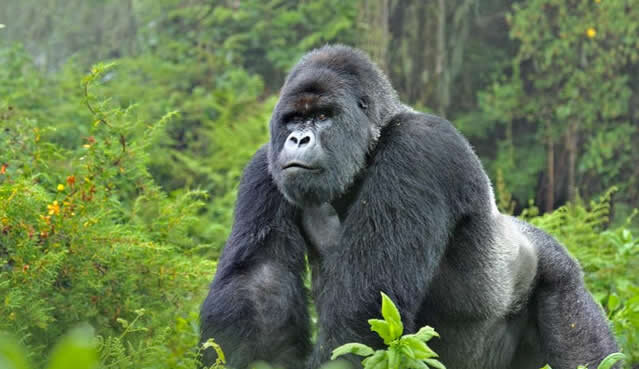
We help organize gorilla trekking experiences in Volcanoes National Park according to permit availability.
Golden Monkey Trekking
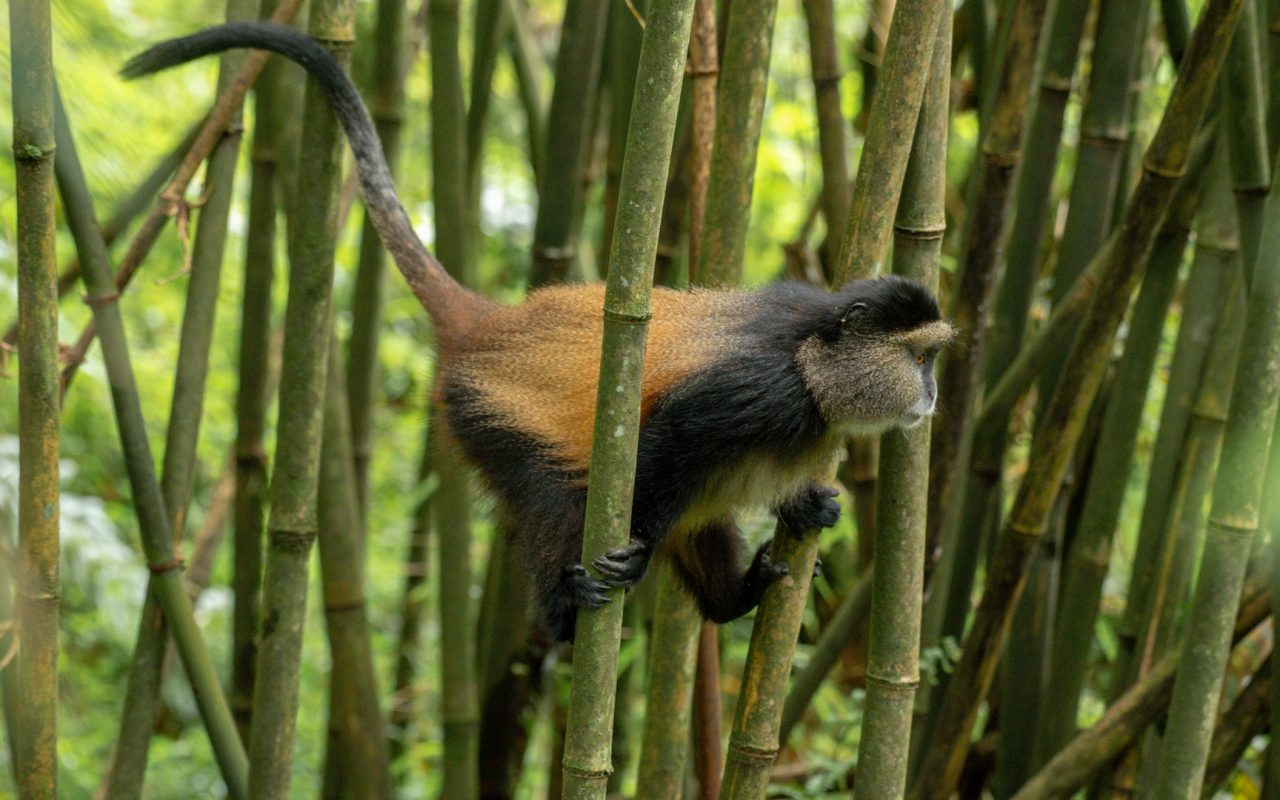
We can add golden monkey trekking to your Volcanoes itinerary.
Cultural Experiences
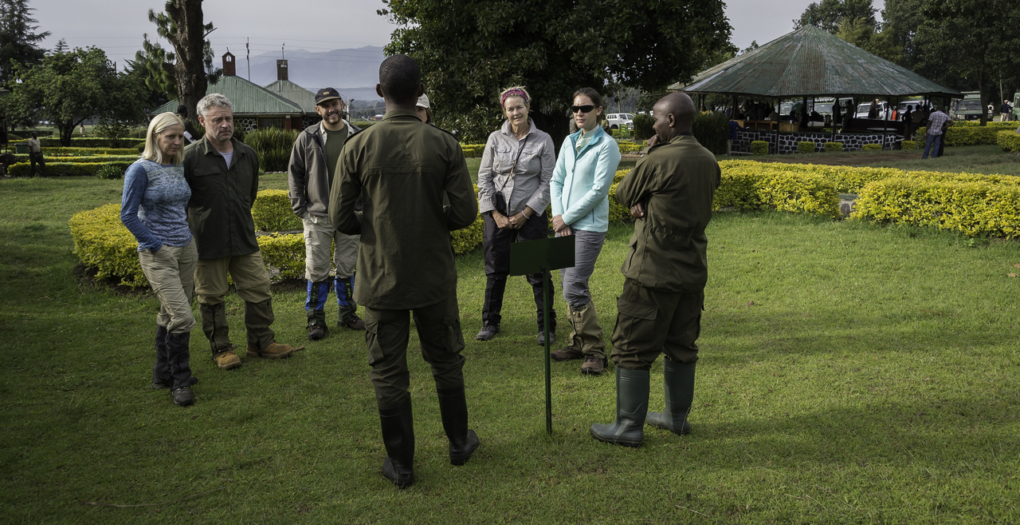
We help travellers discover opportunities to experience Rwanda beyond wildlife, including community and cultural activities.
Volcano Hiking
For active travellers, we can organize suitable hiking experiences around the Virunga volcanoes.
Accommodation
We help travellers select accommodation based on:
- Budget
- Comfort
- Location
- Number of nights
- Safari style
Transportation
We organize transportation between:
- Kigali
- Volcanoes National Park
- Akagera National Park
- Nyungwe National Park
- Lake Kivu
- Other destinations
Professional Driver-Guides
Our safari arrangements can include professional driver-guides who help make your journey comfortable and organized.
Complete Rwanda Safari Packages
We can combine:
Gorillas + Golden Monkeys + Akagera Big Five + Nyungwe Chimpanzees + Kigali + Lake Kivu + Cultural Experiences
This allows travellers to experience Rwanda as a complete destination rather than visiting one attraction and immediately leaving.
Why Travel Beyond the Gorilla Trek?
Because the gorilla is only one part of Rwanda.
The forest tells a story of conservation.
The volcanoes tell a geological story.
The villages tell a cultural story.
The people tell a human story.
Akagera tells a story of wildlife restoration.
Nyungwe tells a story of ancient rainforest.
Kigali tells a story of modern Rwanda.
When these experiences are combined, your safari becomes much more meaningful.
Rwanda Gorilla Trekking and Cultural Experiences: The Bigger Conservation Story
Rwanda's conservation model increasingly connects wildlife protection with community development.
The Tourism Revenue Sharing Programme directs 10% of national park tourism revenues toward surrounding communities.
The country's recent Volcanoes Community Resilience Project also aims to expand protected habitat while supporting livelihoods and strengthening community resilience.
This approach recognizes an important principle:
Wildlife cannot be protected in isolation from the people living around it.
The future of mountain gorillas depends not only on rangers and scientists inside the forest.
It also depends on the communities outside the forest.
Frequently Asked Questions About Rwanda Gorilla Trekking and Cultural Experiences
What can I do in Rwanda after gorilla trekking?
You can experience golden monkey trekking, volcano hiking, Dian Fossey-related activities, cultural experiences, Buhanga Eco-Park, Musanze Caves and community-based experiences.
Can I combine gorilla trekking and golden monkey trekking?
Yes. They can be combined in a multi-day Volcanoes National Park itinerary.
Can I combine gorillas with cultural experiences?
Yes. Cultural activities can be incorporated before or after the gorilla trek depending on your schedule.
Can I do a one-day gorilla safari from Kigali?
Yes, but it requires an early departure from Kigali because the morning park briefing begins early.
Is Volcanoes National Park a game-drive destination?
Not primarily.
The main experiences are gorilla trekking, golden monkey trekking, hiking and conservation-related activities.
Where should I go for a Big Five safari in Rwanda?
Akagera National Park is Rwanda's main savannah and Big Five destination.
Can I combine Akagera and Volcanoes?
Yes. Combining the two creates a very different and diverse Rwanda safari: gorillas and mountains in Volcanoes, followed by savannah wildlife and game drives in Akagera.
What should I bring for gorilla trekking?
Bring sturdy hiking boots, long trousers, waterproof clothing, warm layers, a reusable water bottle, a small backpack, sunscreen, insect repellent, personal medication and camera equipment.
Can I bring plastic bags to Rwanda?
Rwanda has banned plastic bags since 2008. Visitors should avoid bringing plastic bags and should use reusable and environmentally responsible alternatives.
Final Thoughts: Rwanda Is More Than a Gorilla Trek
A mountain gorilla encounter may be the moment that brings you to Rwanda.
But it does not have to be the moment your journey ends.
After walking through the forest and meeting a gorilla family, you can continue exploring.
- Meet golden monkeys.
- Climb a volcano.
- Walk in the footsteps of Dian Fossey.
- Listen to traditional music.
- Taste Rwandan food.
- Meet local communities.
- Explore Musanze.
- Learn about conservation.
- Travel east to Akagera.
- Watch elephants, lions, rhinos and buffalo on a game drive.
Then travel south to Nyungwe to experience chimpanzees and ancient rainforest.
This is the real potential of Rwanda gorilla trekking and cultural experiences.
It is a journey where wildlife is connected with people.
Where tourism is connected with conservation.
Where mountains are connected with culture.
And where a single gorilla trek can become the beginning of an unforgettable exploration of Rwanda.
Explore Rwanda With Seek Wild Africa
At Seek Wild Africa, we do not simply help travellers reach the gorillas.
We help organize the journey around them.
From gorilla permits and trekking to golden monkeys, cultural experiences, volcano hiking, accommodation, transportation, professional driver-guides, Akagera game drives, boat safaris, Nyungwe chimpanzee trekking, Kigali tours and complete Rwanda safari packages, we help bring the different pieces of your trip together.
Whether you have one day, two days, three days or more, we can help create an itinerary that matches your time, interests and travel style.
Come for the gorillas.
Stay for the culture.
Discover the mountains.
Meet the people.
Experience the conservation story.