Why Volcanoes National Park Is One of Africa’s Best Places to Visit in 2026–2027
October 19, 2026Clementine
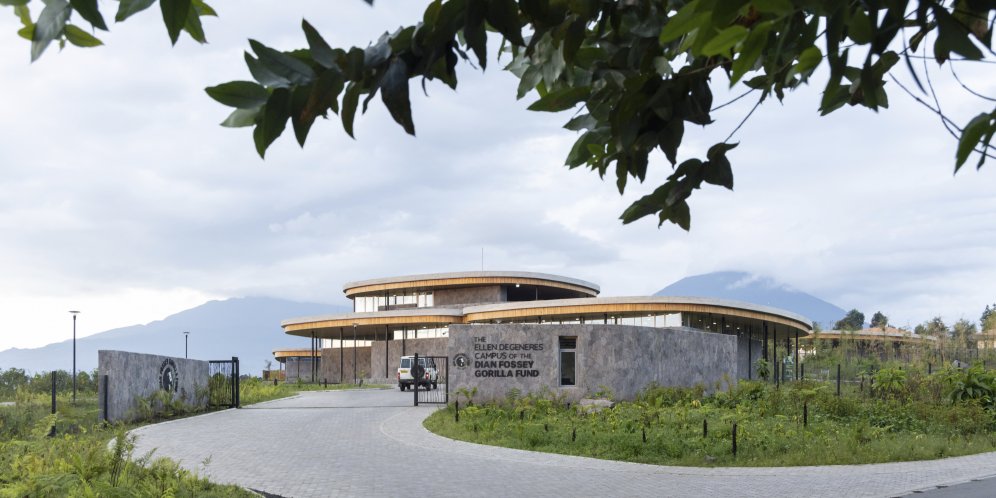
Discover why Volcanoes National Park is one of Africa’s most remarkable destinations for mountain gorilla trekking, wildlife conservation, golden monkey tracking, and volcanic adventures. Find the best months to visit, understand Rwanda’s safari seasons, explore where to stay, and plan an unforgettable one-day or two-day gorilla safari from Kigali with Seek Wild Africa
Why Volcanoes National Park Is One of Africa’s Best Places to Visit in 2026–2027
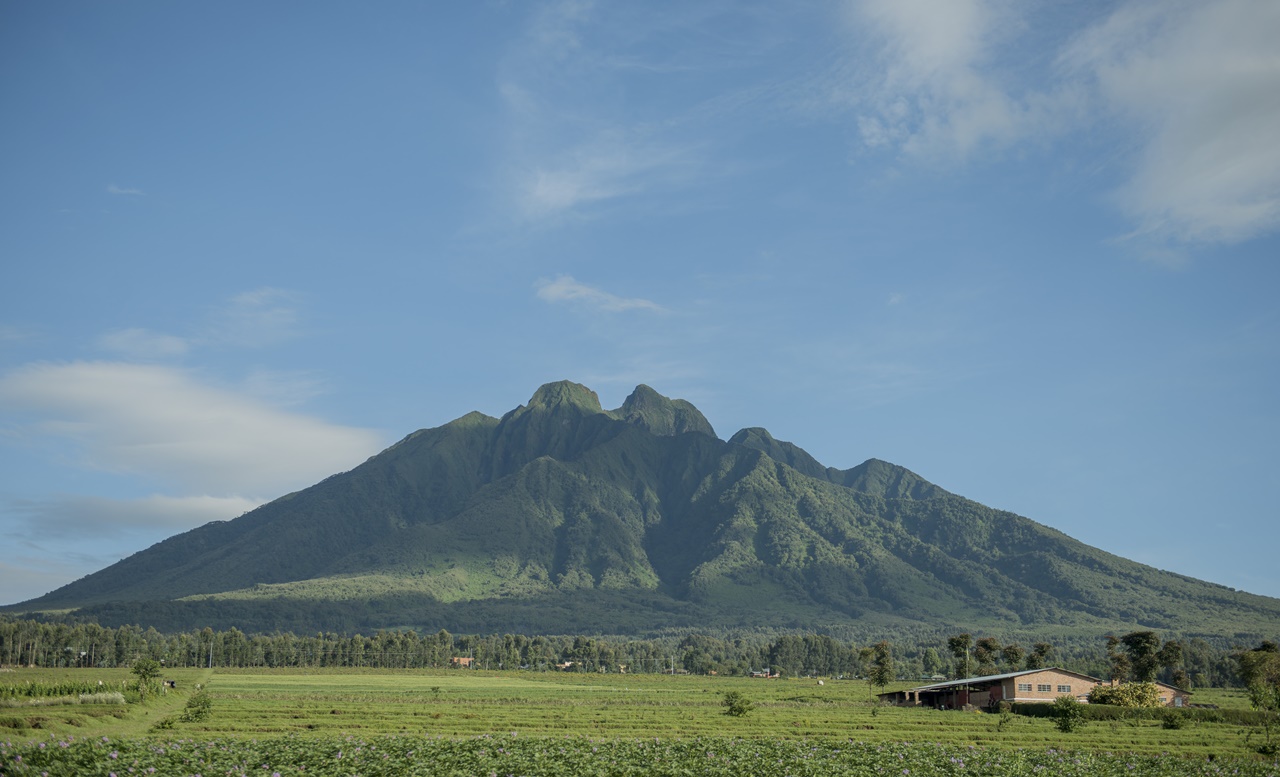
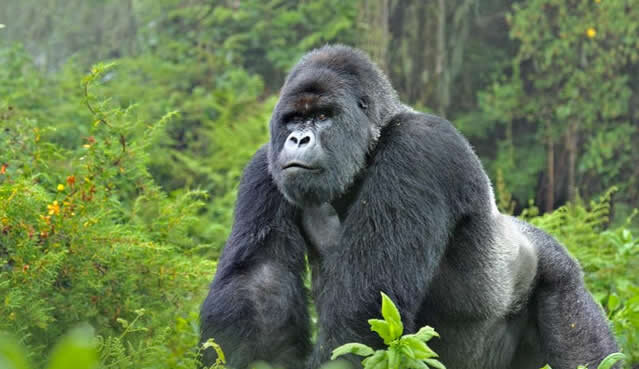
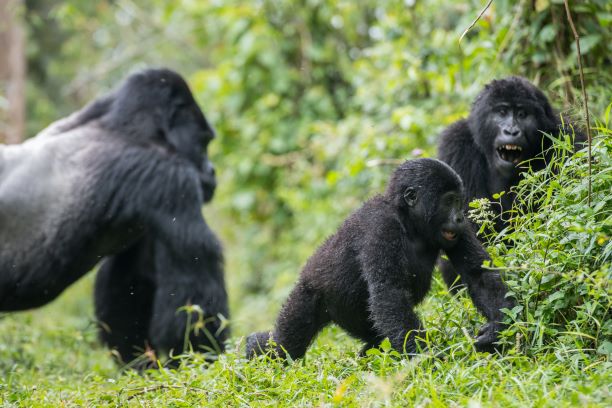
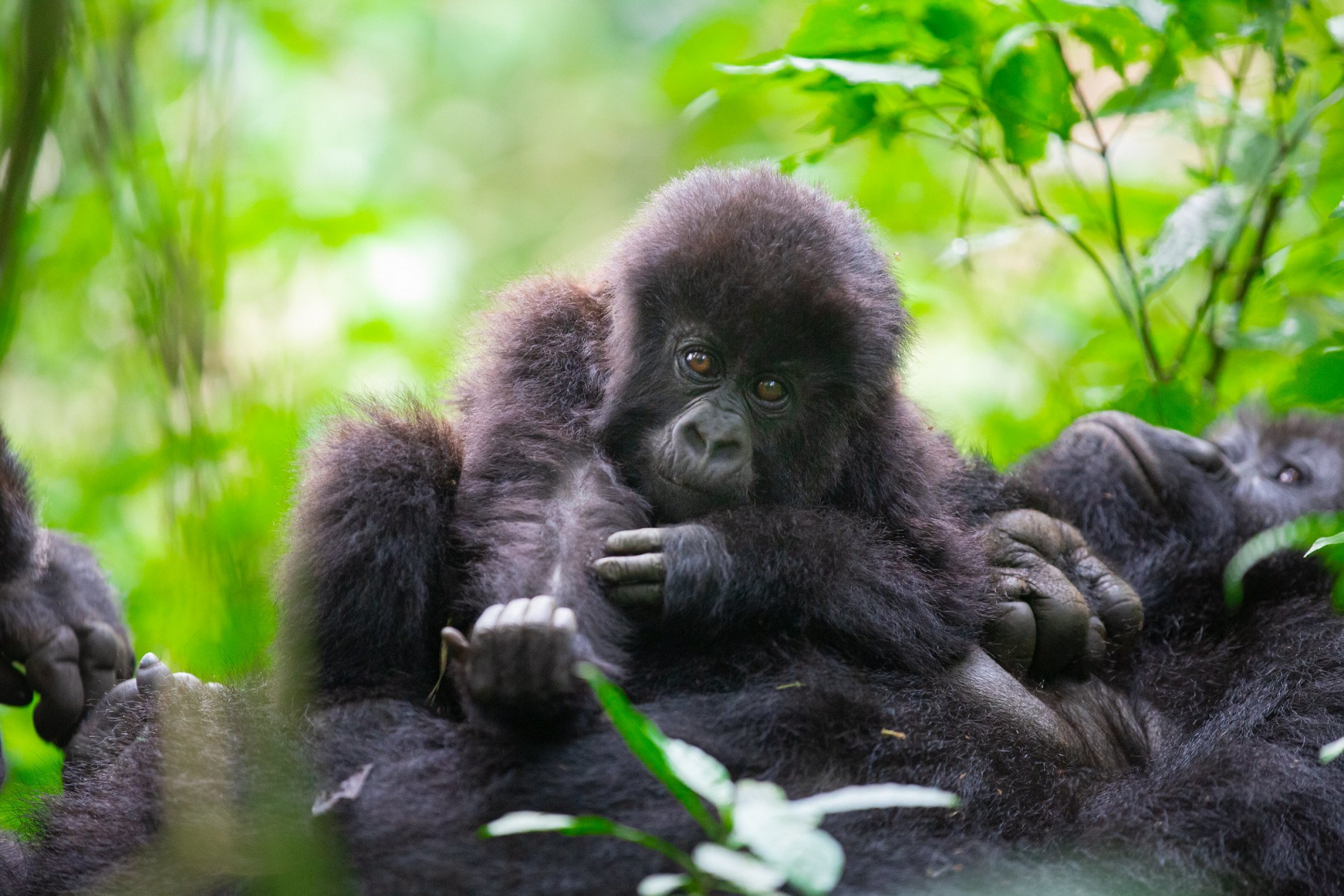
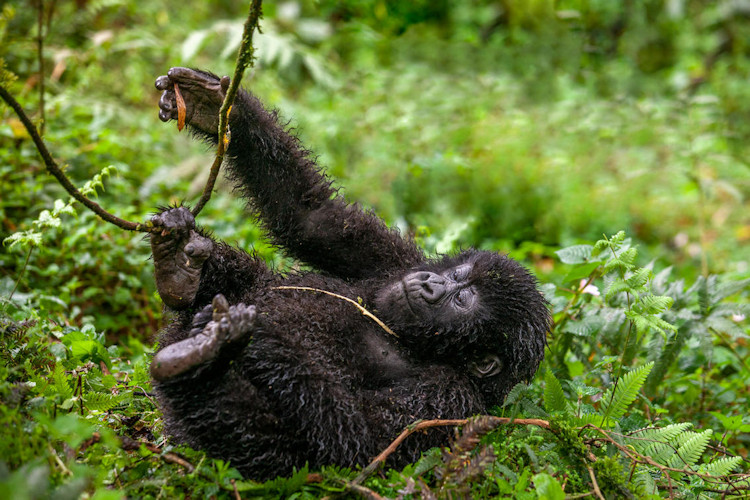
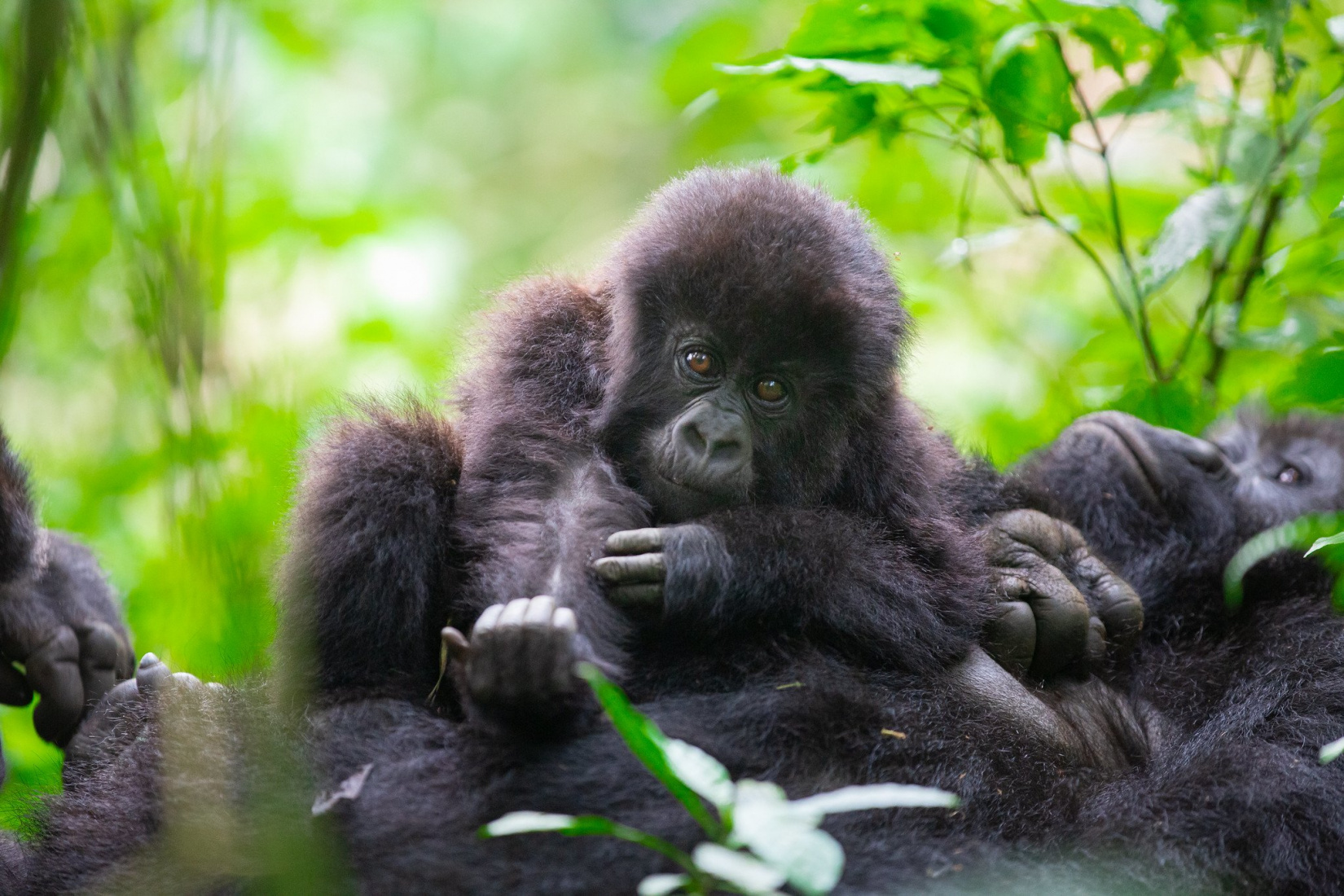
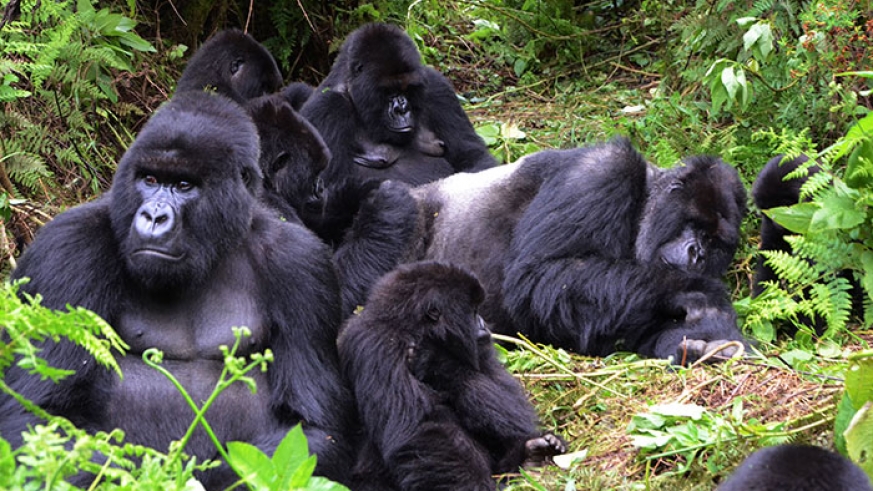
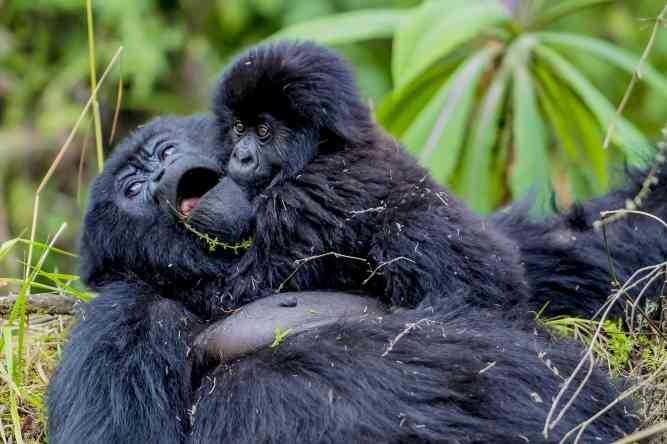
Imagine standing beneath the mist-covered Virunga Mountains, listening to the sounds of a tropical rainforest as your guide leads you through thick vegetation. Suddenly, you encounter a mountain gorilla family. A silverback rests nearby while young gorillas play, climb, and interact with their family members. For one extraordinary hour, you witness a rare part of the natural world that cannot be recreated in a zoo or wildlife documentary.
This is the experience that makes Volcanoes National Park one of Africa’s most distinctive wildlife destinations.
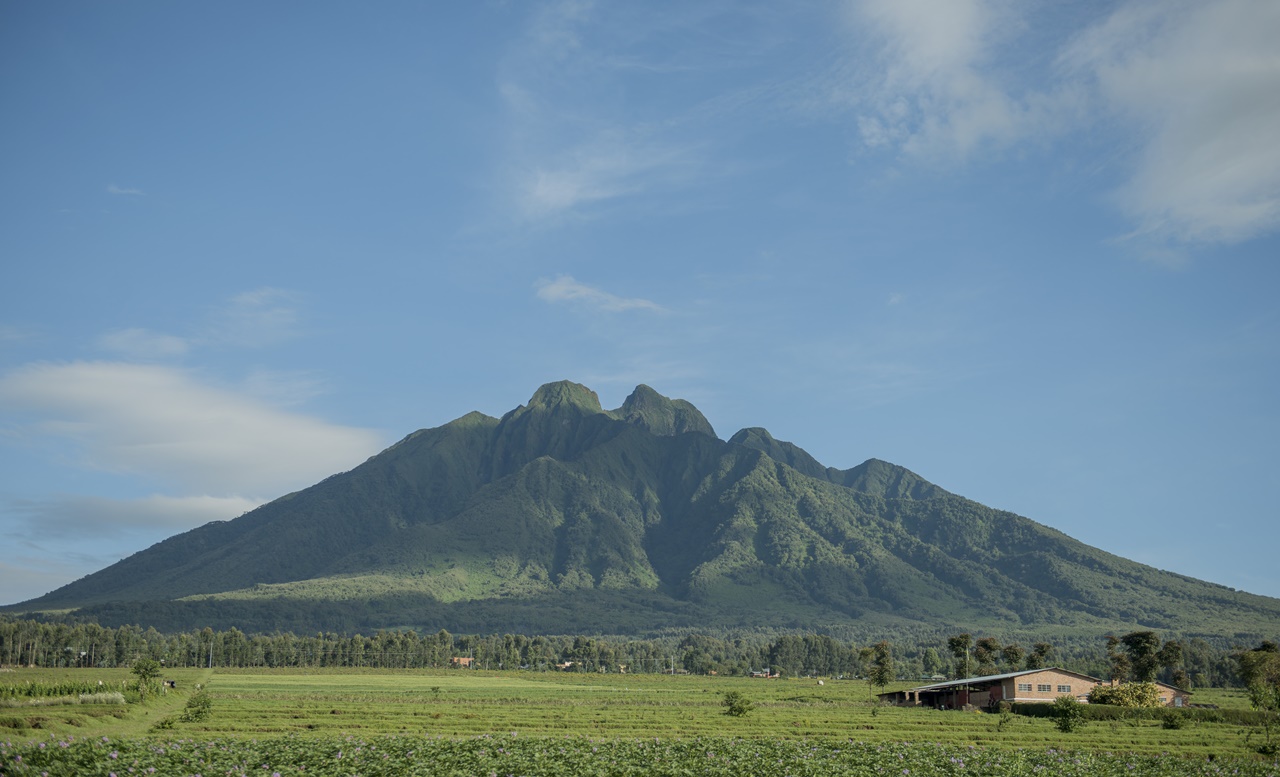
Located in northwestern Rwanda, the park protects approximately 160 square kilometres of mountainous rainforest and bamboo forest within the Virunga Massif. Its landscape is dominated by five volcanic mountains: Karisimbi, Bisoke, Muhabura, Gahinga, and Sabyinyo. These mountains create a dramatic setting for mountain gorillas, golden monkeys, forest birds, and adventurous hiking experiences.
However, the park's importance extends far beyond its scenery. Its conservation history, wildlife protection programmes, organised trekking system, and relationship with surrounding communities make it a compelling destination for responsible travellers.
According to Visit Rwanda’s official destination guide, the park protects an exceptional montane ecosystem where endangered mountain gorillas and rare golden monkeys live among forests, grasslands, swamps, and volcanic slopes.
For travellers planning an African safari in 2026–2027, Volcanoes National Park offers a combination of wildlife encounters, adventure, conservation education, and cultural discovery that deserves a place on any serious Rwanda travel itinerary.
The History of Volcanoes National Park: A Century of Conservation and Resilience
To understand why Volcanoes National Park deserves international recognition, it is important to look beyond its present-day popularity and examine the journey that brought it here.
1925: The Beginning of a Historic Conservation Mission
The park’s history dates to 1925, when a protected area was established in the Virunga region to safeguard mountain gorillas and their habitat. It formed part of what became the larger Albert National Park, one of Africa’s earliest national parks.
At that time, mountain gorillas faced serious threats from hunting, habitat loss, and human encroachment. Establishing a protected area represented an important early step towards conserving a species whose survival was increasingly uncertain.
Over time, political changes and the creation of national boundaries divided the original protected landscape. Rwanda’s section became Volcanoes National Park, while neighbouring protected areas developed in Uganda and the Democratic Republic of the Congo.
The conservation challenge remained substantial: protecting gorillas required more than drawing boundaries around a forest. It demanded scientific research, patrols, long-term monitoring, responsible tourism, and cooperation with communities living near the park.
1967–1985: Dian Fossey and the International Conservation Movement
One of the most influential chapters in the park’s history began in 1967, when American primatologist Dian Fossey established the Karisoke Research Centre between Mount Karisimbi and Mount Bisoke.
Fossey devoted her life to studying mountain gorilla behaviour and opposing poaching. Her work helped the world understand these animals as intelligent, social, and vulnerable members of the natural world rather than simply rare wildlife to observe.
Her research, conservation campaigns, and the international attention generated by the book and film Gorillas in the Mist helped bring mountain gorilla protection into the global spotlight.
Fossey was murdered in 1985, but her legacy continues through gorilla research, conservation education, and the continued protection of mountain gorillas.
Visitors can learn about this history through a guided hike to the Dian Fossey research site and gravesite, subject to the relevant arrangements and conditions.
Conflict, Recovery, and the Strength to Rebuild
The park’s conservation journey was not uninterrupted. Political instability and the 1994 Genocide against the Tutsi disrupted tourism and conservation activities. Gorilla tracking subsequently resumed permanently in 1999 after earlier periods of reopening and closure.
The park’s recovery illustrates an important part of Rwanda’s broader resilience: rebuilding institutions, restoring visitor confidence, strengthening wildlife protection, and creating opportunities for communities through responsible tourism.
Today, Volcanoes National Park is internationally recognised for mountain gorilla trekking and forms part of a wider conservation landscape shared across the Virunga region.
Conservation Today: Protecting Gorillas and Supporting Communities
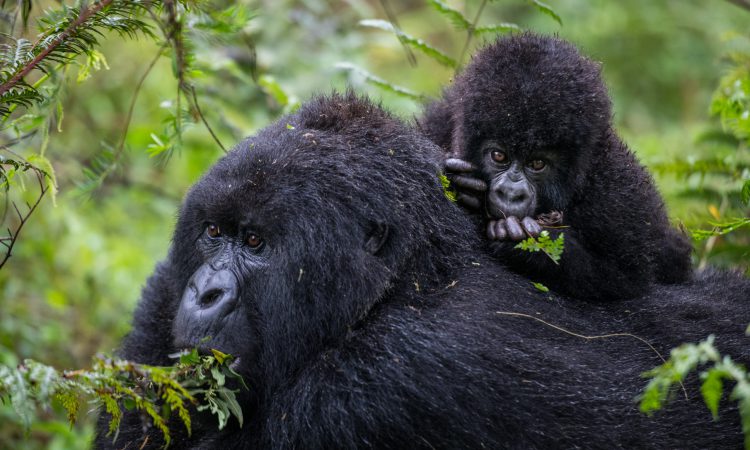
Modern conservation involves a combination of protected habitats, trained park staff, veterinary intervention when required, research, monitoring, and carefully managed tourism.
Gorilla permits help finance conservation and community development. Rwanda also operates a tourism revenue-sharing programme that directs a portion of national park tourism revenue towards communities around protected areas.
These investments can support community infrastructure and livelihoods, helping local residents benefit from the protection of the natural environment.
The annual Kwita Izina gorilla naming ceremony further celebrates conservation achievements and recognises the people and organisations contributing to mountain gorilla protection.
Why does this history matter to visitors? Your safari is not simply a holiday. Through responsible participation in gorilla tourism, you contribute to an economic system that places significant value on keeping endangered wildlife and its habitat alive.
For official background, see Rwanda Development Board’s explanation of gorilla permit tariffs and conservation revenue.
Best Time for Gorilla Trekking in Rwanda: Understanding the Seasons
The best time for gorilla trekking in Rwanda depends on your priorities. Some travellers prefer firmer trails and relatively predictable weather, while others value quieter travel periods, greener scenery, or greater flexibility with accommodation.
The good news is that gorilla trekking in Volcanoes National Park takes place throughout the year, subject to permit availability and park operating conditions.
Rwanda has two principal drier periods and two wetter periods. Understanding the differences helps you select the most suitable dates for your 2026–2027 safari.
June to September: The Best Overall Season for Gorilla Trekking
For most visitors, June to September is the preferred period for gorilla trekking in Rwanda.
Rainfall is generally lower, and forest trails tend to be firmer than during the wetter months. These conditions can make walking on steep, muddy volcanic slopes more manageable.
This season is particularly suitable for:
- First-time gorilla trekkers who prefer relatively favourable hiking conditions.
- Photographers hoping to enjoy good natural light when weather and visibility cooperate.
- Couples, families with eligible teenagers, and small groups planning a special safari.
- Travellers combining gorilla trekking with golden monkey tracking or volcano hiking.
July and August are especially popular, so accommodation and permits should be arranged early.
Nevertheless, the park is a high-altitude rainforest. Rain can fall even during the drier months, and the difficulty of a trek depends partly on the location and movement of the assigned gorilla family.
December to February: Another Excellent Time to Visit
The shorter dry season offers another strong opportunity for a Rwanda gorilla safari.
Trails are often more manageable than during the long rains, while the surrounding countryside remains green and scenic. This period is attractive to travellers planning Christmas holidays, New Year escapes, or an early-year African adventure.
December holiday dates can be particularly busy. Booking ahead remains essential.
For travellers considering a two-day gorilla trekking tour from Kigali, this season can provide an excellent balance of wildlife experiences, mountain scenery, and time for additional activities.
March to May: The Long Rainy Season
March to May generally brings heavier rainfall, with April often particularly wet.
The forest becomes lush, but trails may be muddy, slippery, and physically demanding. Waterproof clothing, sturdy hiking boots, and gaiters become especially useful.
However, the rainy season should not automatically be dismissed.
It can suit flexible travellers who are comfortable hiking in wet conditions and appreciate the dramatic atmosphere of misty forests and green volcanic slopes. Birdwatchers and nature enthusiasts may also enjoy the richness of the landscape.
Gorilla trekking remains possible, but weather and trail conditions should be discussed with your tour operator before departure.
October to November: Short Rains and Green Landscapes
The shorter rainy season can offer beautiful forest scenery and opportunities for travellers who are flexible about weather.
Expect occasional or substantial rain, muddy paths, and changing visibility. A good waterproof jacket and appropriate footwear remain essential.
This period may also offer more flexibility in some accommodation categories, depending on the property and travel dates. Never assume a discount is automatic: confirm actual prices and any permit promotions with the relevant providers.
Rwanda Safari Seasons at a Glance
Period Typical conditions Best suited to
- June–September Generally drier, firmer trails First-time trekkers and travellers prioritising
hiking conditionsDecember–February
Shorter dry season, generally favourable Holiday safaris and combined primate experiences
March–May Wetter, greener, muddier Flexible adventurers and nature enthusiasts- October–November Short rains, changing conditions Travellers comfortable with unpredictable weather
Our recommendation: If your main priority is comfortable trekking conditions, consider July, August, or January. If your travel dates are fixed, do not abandon your plans simply because they fall during a rainy month. Instead, prepare appropriately and build flexibility into your itinerary.
Gorilla Trekking Weather: What to Expect on the Mountain Slopes
Volcanoes National Park lies at high altitude, with the park’s lower areas beginning at approximately 2,400 metres above sea level. The elevation, dense vegetation, and mountainous terrain influence local weather conditions.
A sunny morning in Kigali does not guarantee dry trails in the forest.
Morning Conditions
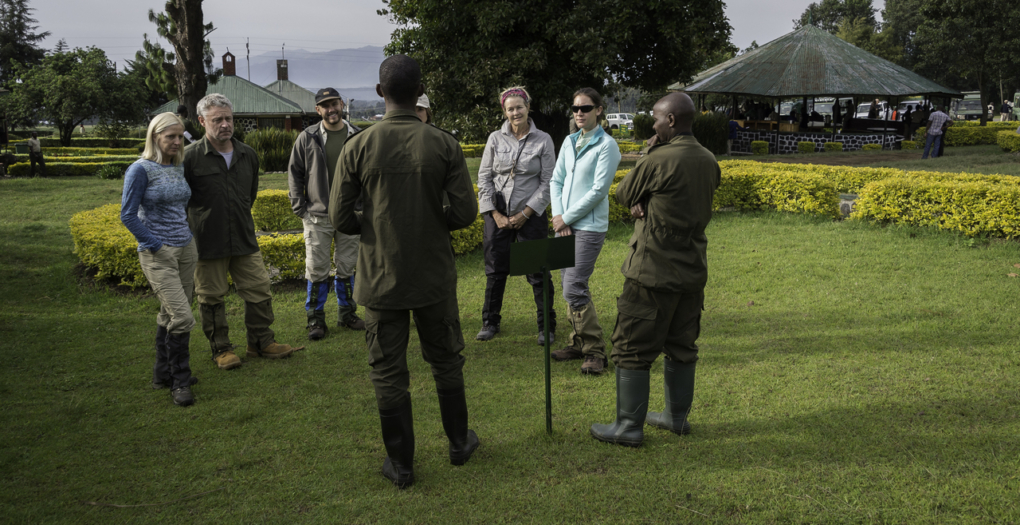
Gorilla trekking registration and briefing at the park headquarters in Kinigi generally begin at 7:00 a.m. Mornings can be cool, particularly at higher elevations, so wear layers that can be adjusted as you warm up.
Afternoon Conditions
Conditions can change rapidly. Cloud, mist, and rain may develop during a trek, while steep paths and dense vegetation can slow progress.
Some treks finish relatively early; others require several hours of walking. There is no guaranteed trekking duration because gorilla families move naturally through their habitat.
How Weather Influences the Experience
Drier weather often improves trail conditions, but it does not guarantee a short trek or a particular gorilla encounter. During rainy periods, vegetation may be especially lush, but mud and slippery slopes can increase physical difficulty.
Your fitness, footwear, guide instructions, and the gorilla family's location all influence your experience.
What Makes Volcanoes National Park Different from Other African Safari Parks?
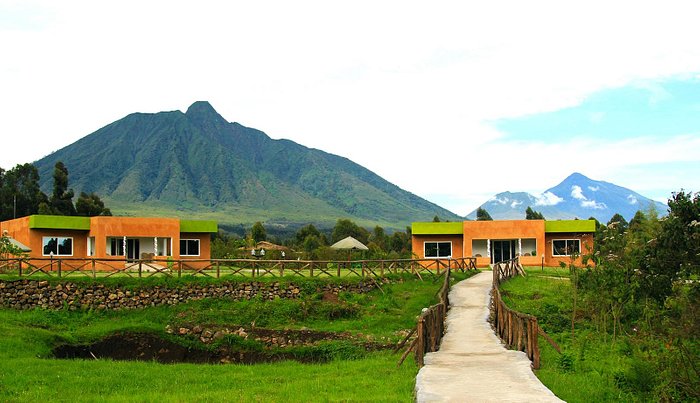
Africa has extraordinary wildlife destinations, from the Serengeti and Maasai Mara to the Okavango Delta and Kruger National Park. These destinations offer exceptional experiences, especially for travellers interested in savannah wildlife and large-scale game drives.
Volcanoes National Park offers something different.
1. Mountain Gorillas in Their Natural Habitat
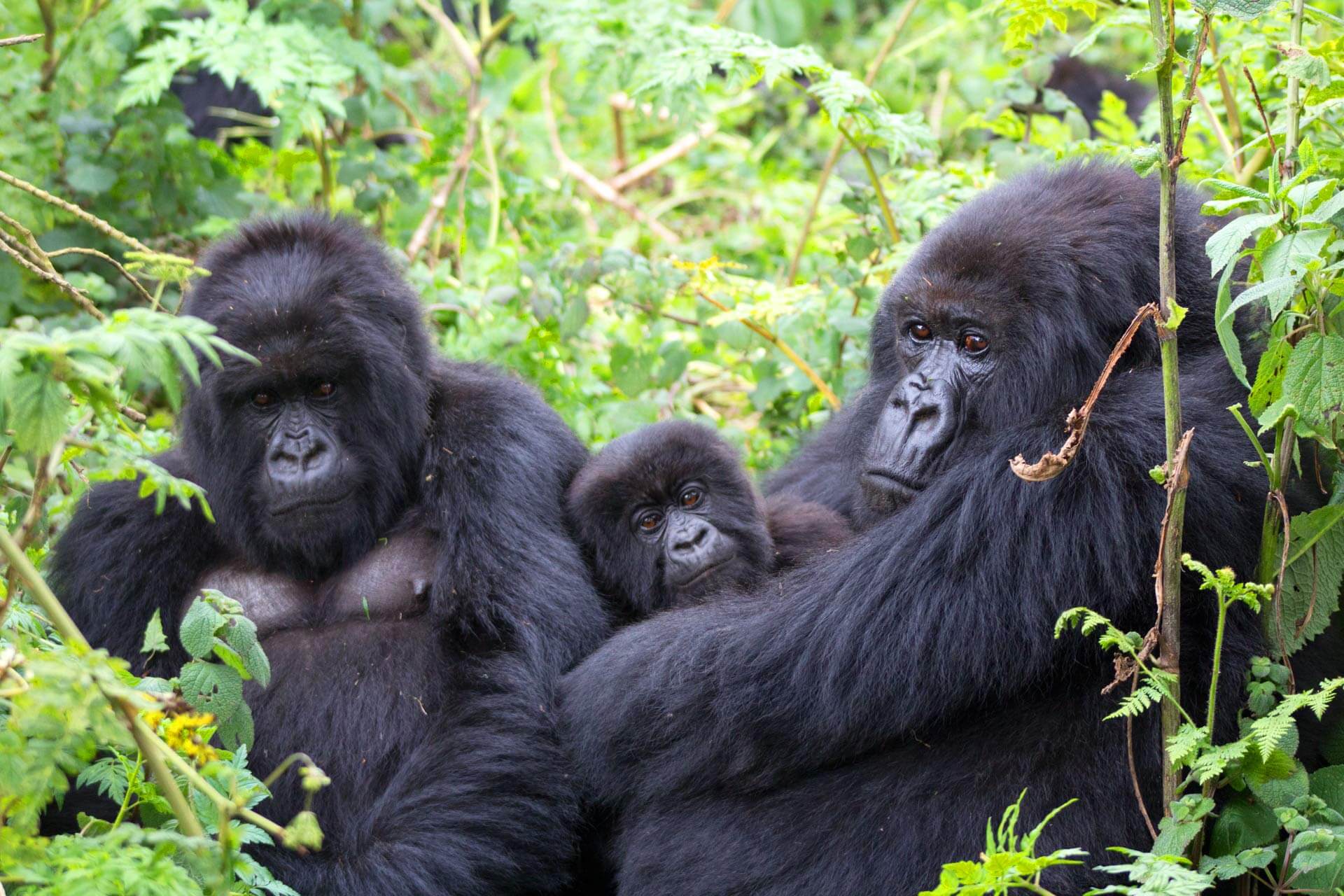
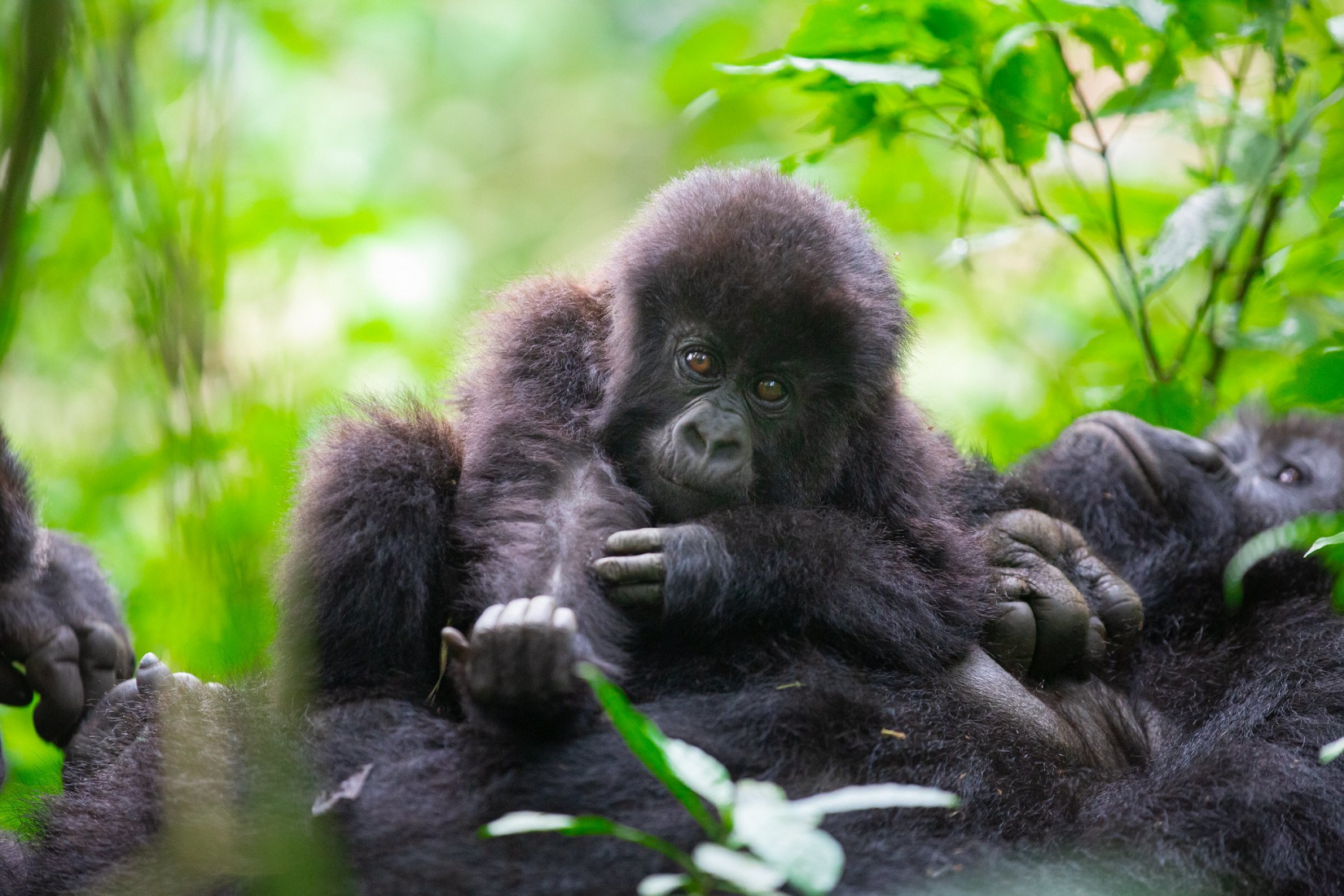
Few wildlife encounters are as personal as observing a habituated mountain gorilla family in the forest.
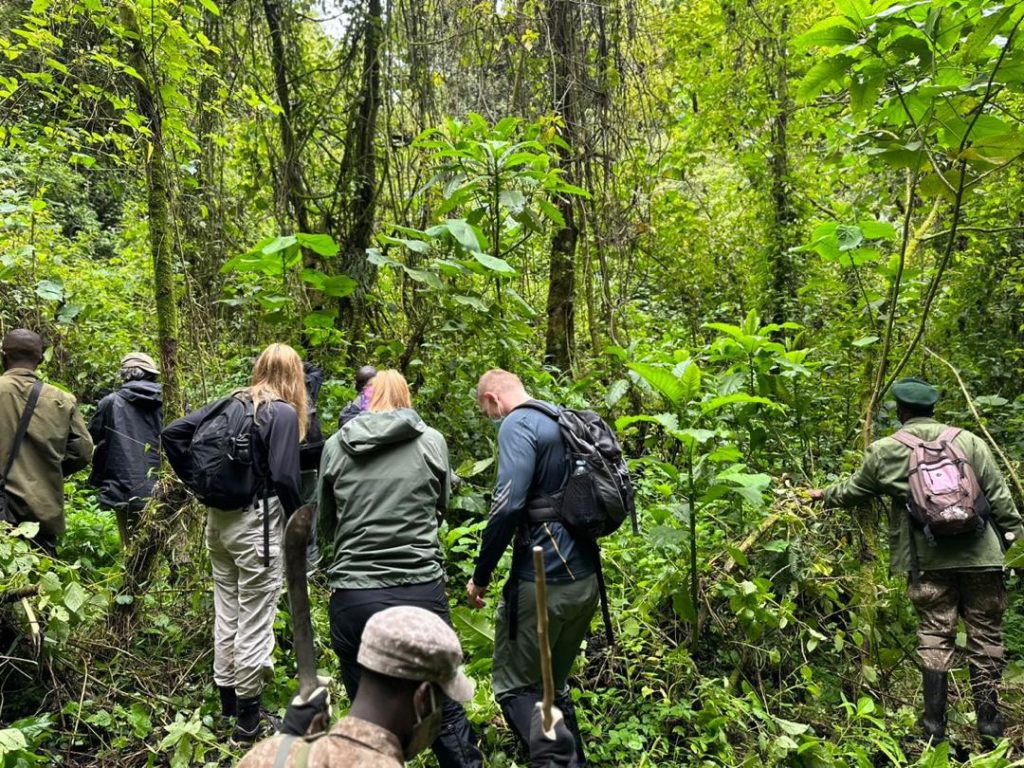
Rather than watching animals from a safari vehicle across open grassland, visitors walk through the forest with trained guides and trackers. The encounter reveals the gorillas' family relationships, feeding habits, body language, and individual personalities.
Visitors generally spend a maximum of one hour with the gorillas once the group has located them, under the applicable rules.
2. A Dramatic Volcanic Landscape
The park's volcanic peaks, misty ridges, bamboo forest, and montane vegetation create a striking environment.
The five principal volcanoes in Rwanda's section of the Virunga Massif provide opportunities for hiking, scenic photography, and nature exploration beyond gorilla trekking.
3. Rare Golden Monkeys
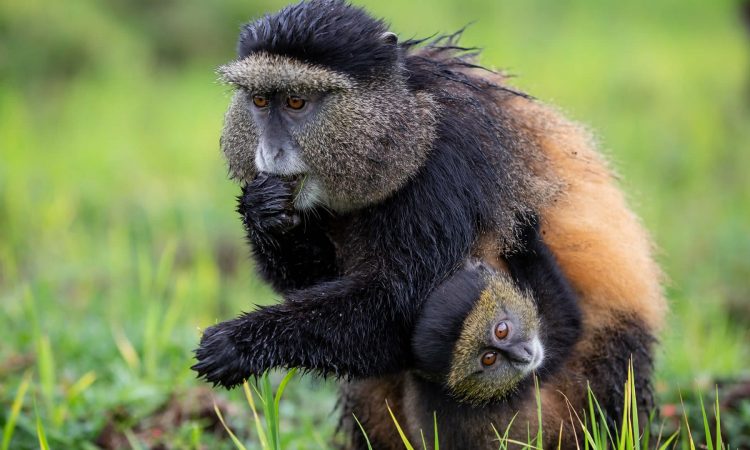
Golden monkeys are another major attraction. These lively primates inhabit the bamboo forests of the Virunga region and offer a different wildlife experience from gorilla trekking.
Their social behaviour and movements through the vegetation make golden monkey tracking particularly enjoyable for wildlife photographers and primate enthusiasts.
4. A Conservation Story You Can Experience
Volcanoes National Park connects wildlife encounters with a broader history of research, protection, and community participation.
For travellers who want their safari to have meaning beyond photography, the park offers a valuable opportunity to understand how responsible tourism can contribute to wildlife conservation.
5. A Well-Defined Visitor Experience
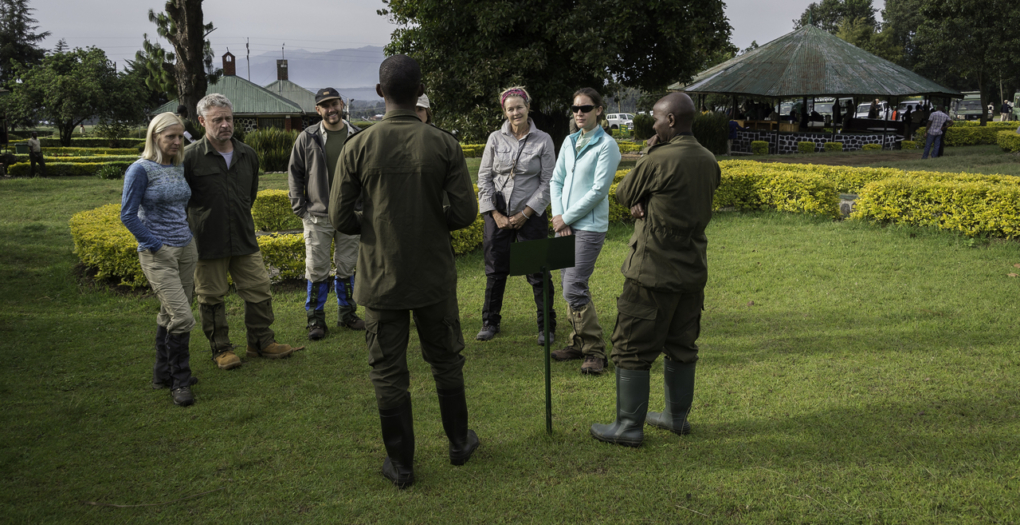
Gorilla trekking follows a structured system involving permits, registration, briefing, guide allocation, trackers, and strict wildlife-viewing rules.
The system helps manage visitor access and protect vulnerable gorillas while giving travellers an organised way to explore the forest.
For visitors, good preparation and a knowledgeable tour operator can make the experience significantly smoother.
What to Do in Volcanoes National Park Apart from Gorilla Trekking
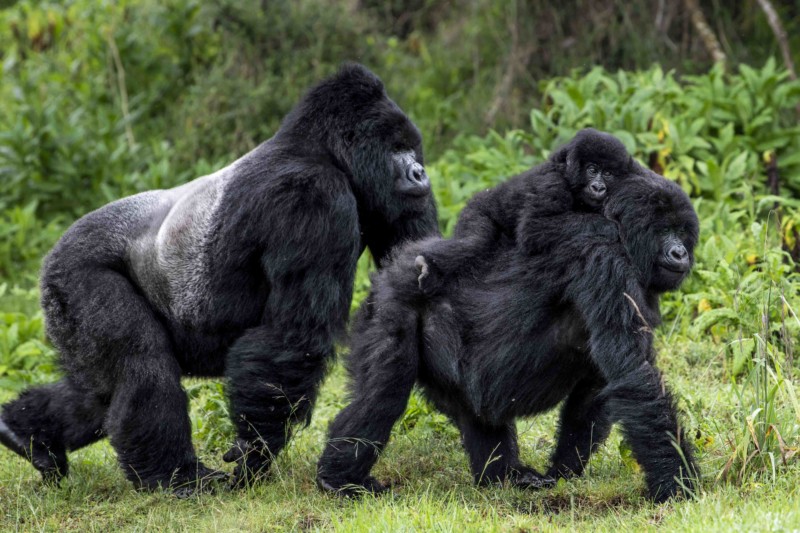
Volcanoes National Park is much more than a single-activity destination. Depending on your interests, fitness, and available time, you can combine gorilla trekking with primate tracking, mountain hiking, conservation history, and cultural experiences.
Golden Monkey Tracking
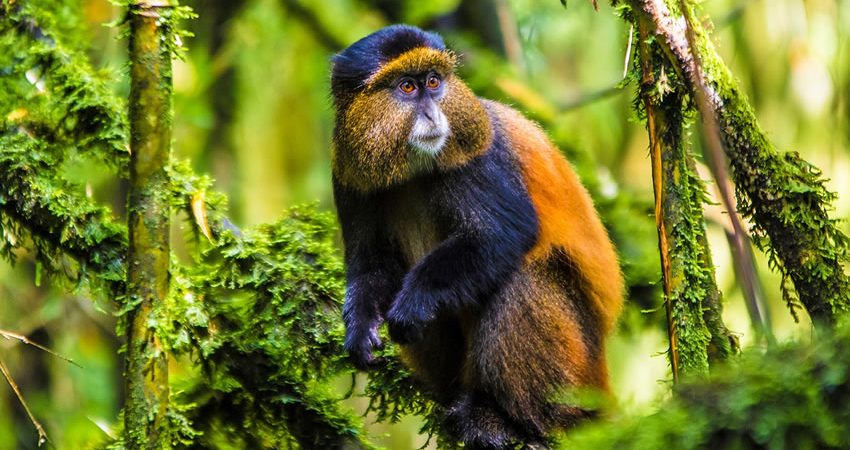
Golden monkey tracking is one of the best activities to add to a Rwanda safari.
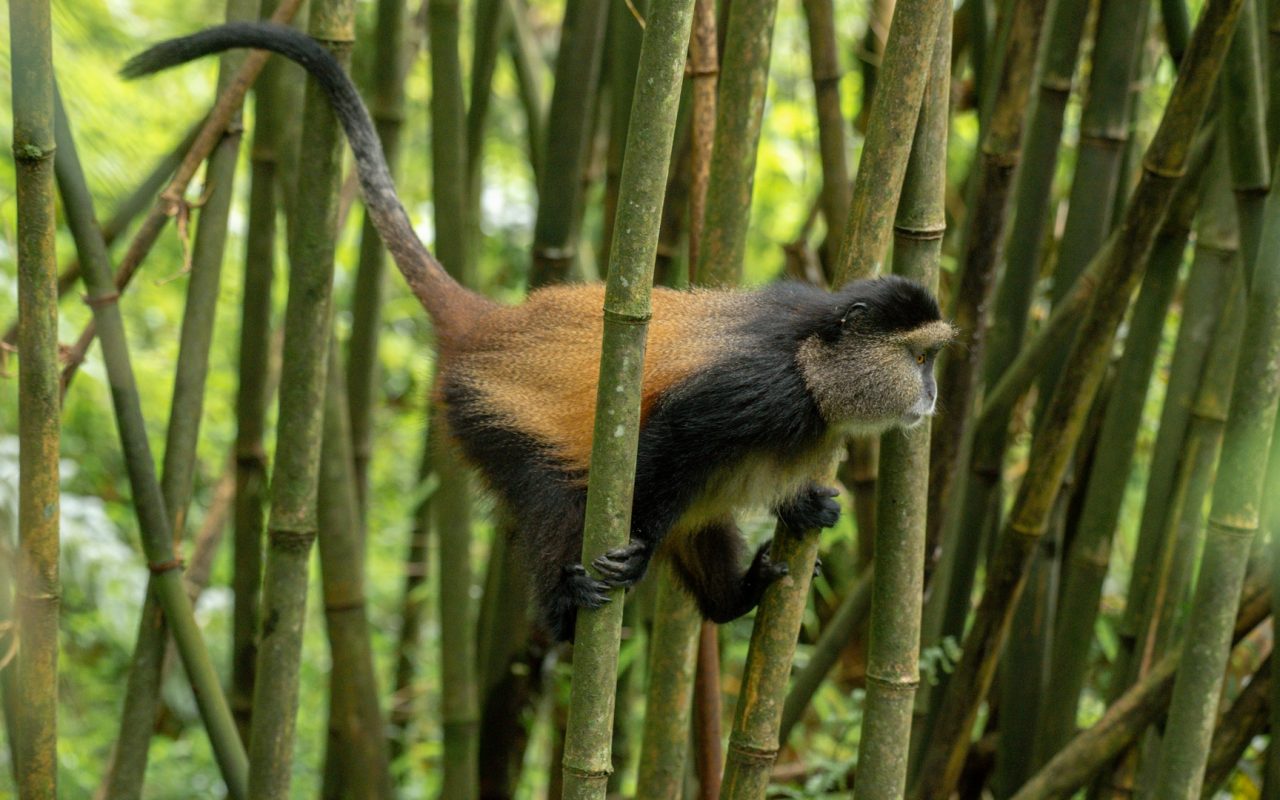
The endangered golden monkey is known for its distinctive golden-orange markings and lively social behaviour. Tracking usually takes visitors through bamboo forest, where the monkeys move, feed, and interact.
Golden monkey tracking is particularly suitable for travellers who want a second primate experience after gorilla trekking.
It is a separate activity with its own booking arrangements, and availability should be confirmed in advance.
Hiking Mount Bisoke
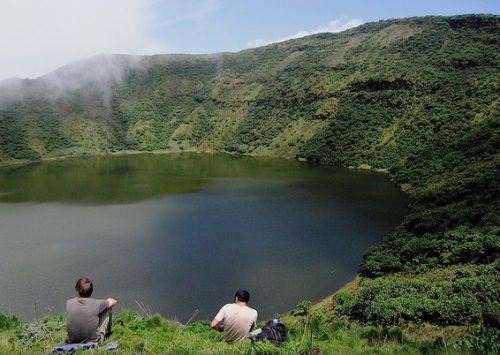
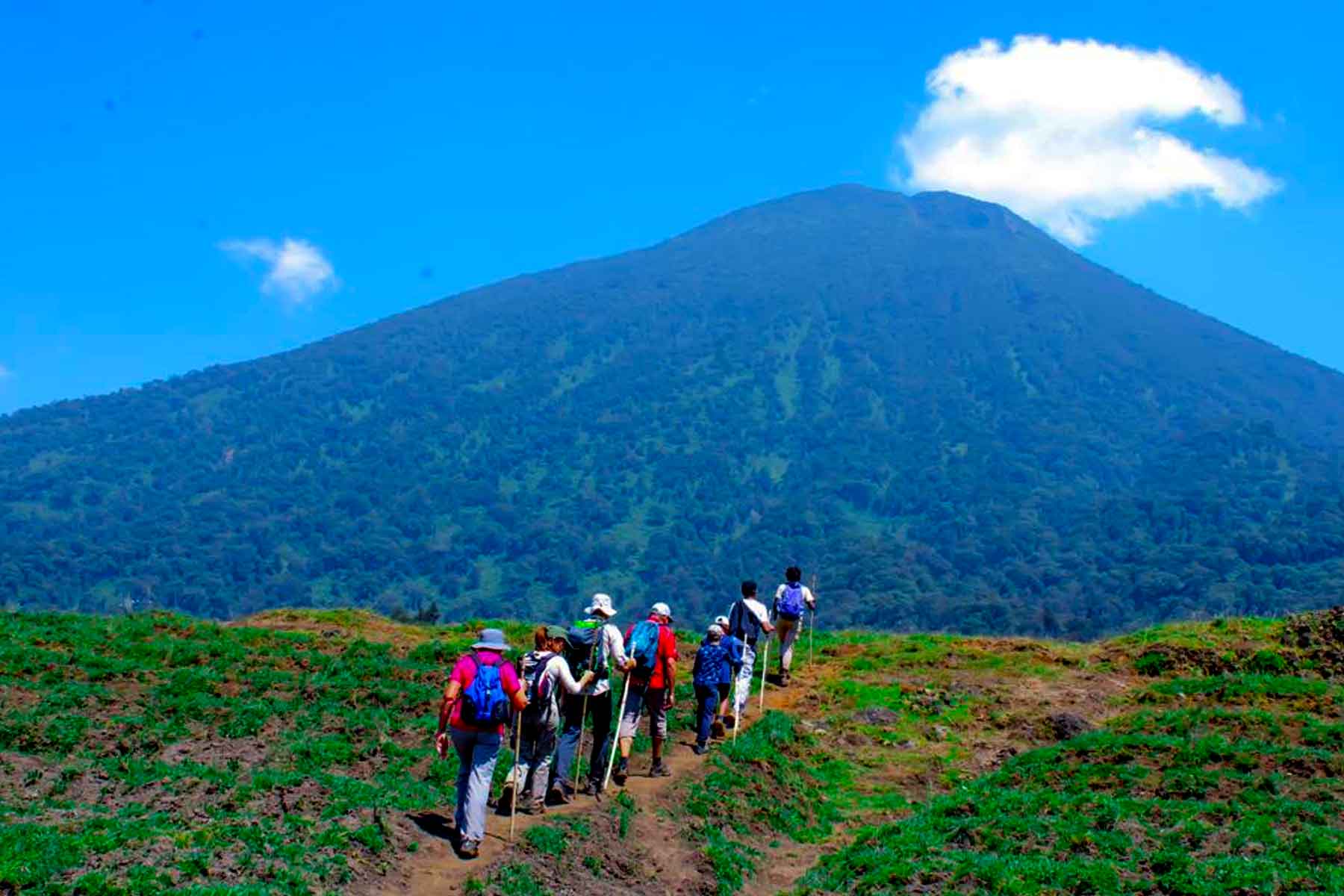
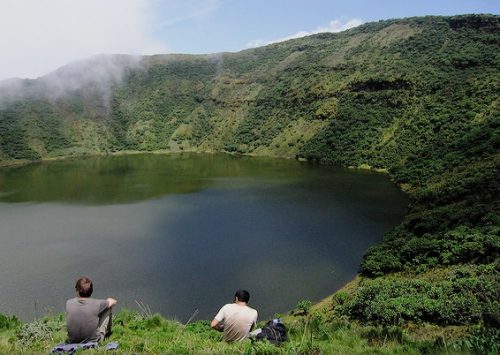
Mount Bisoke is famous for its volcanic crater lake. The hike is demanding because of the elevation gain, terrain, and potentially muddy conditions, but it rewards prepared hikers with dramatic mountain scenery.
Allow a full day for the excursion and follow the official guidance on fitness, equipment, and departure arrangements.
Hiking Mount Karisimbi
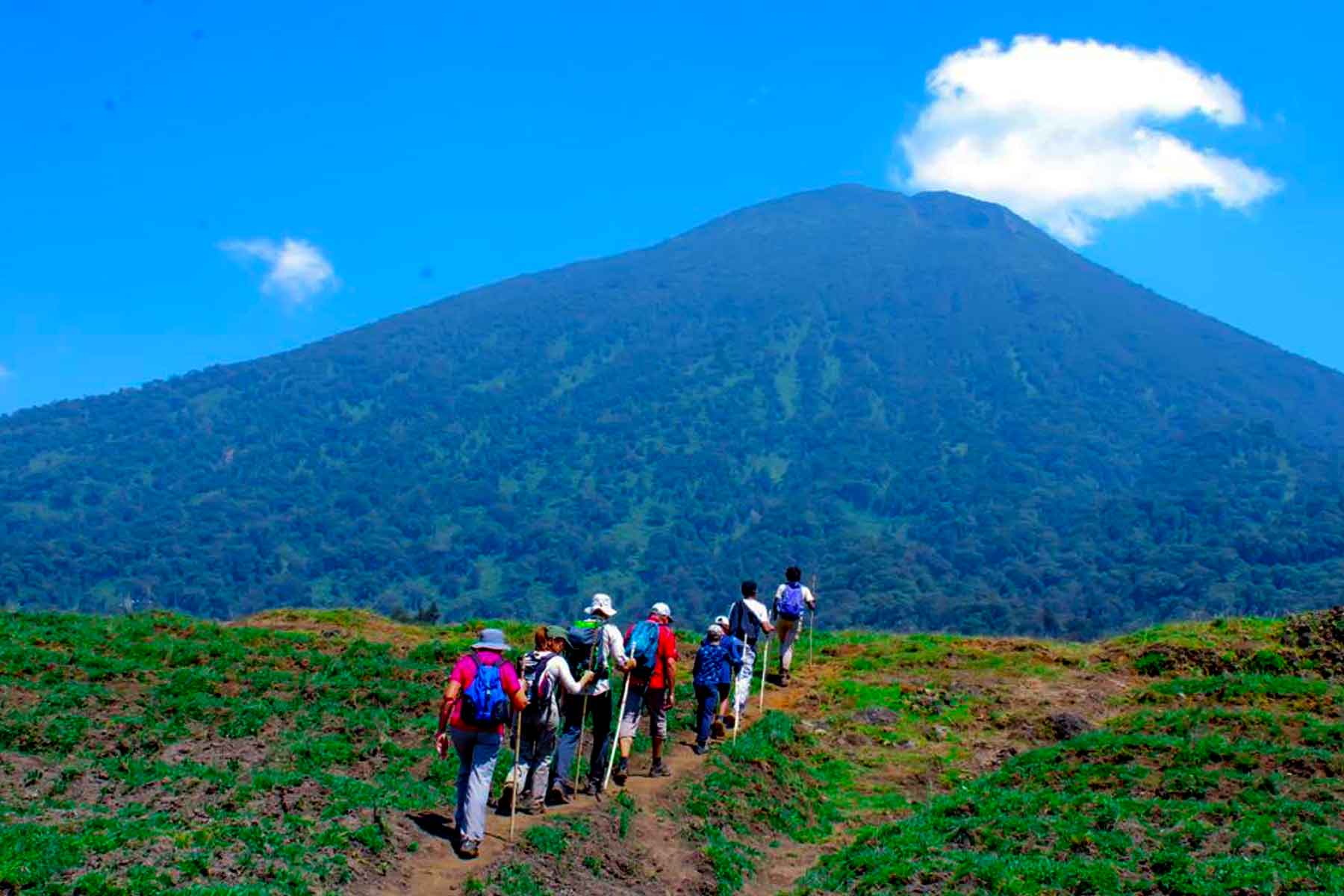
At approximately 4,507 metres, Mount Karisimbi is the highest volcano in Rwanda.
The climb is a demanding, generally two-day expedition that involves camping and careful preparation. It is best suited to travellers seeking a substantial mountain adventure rather than a casual nature walk.
Mount Muhabura, Mount Gahinga, and Mount Sabyinyo
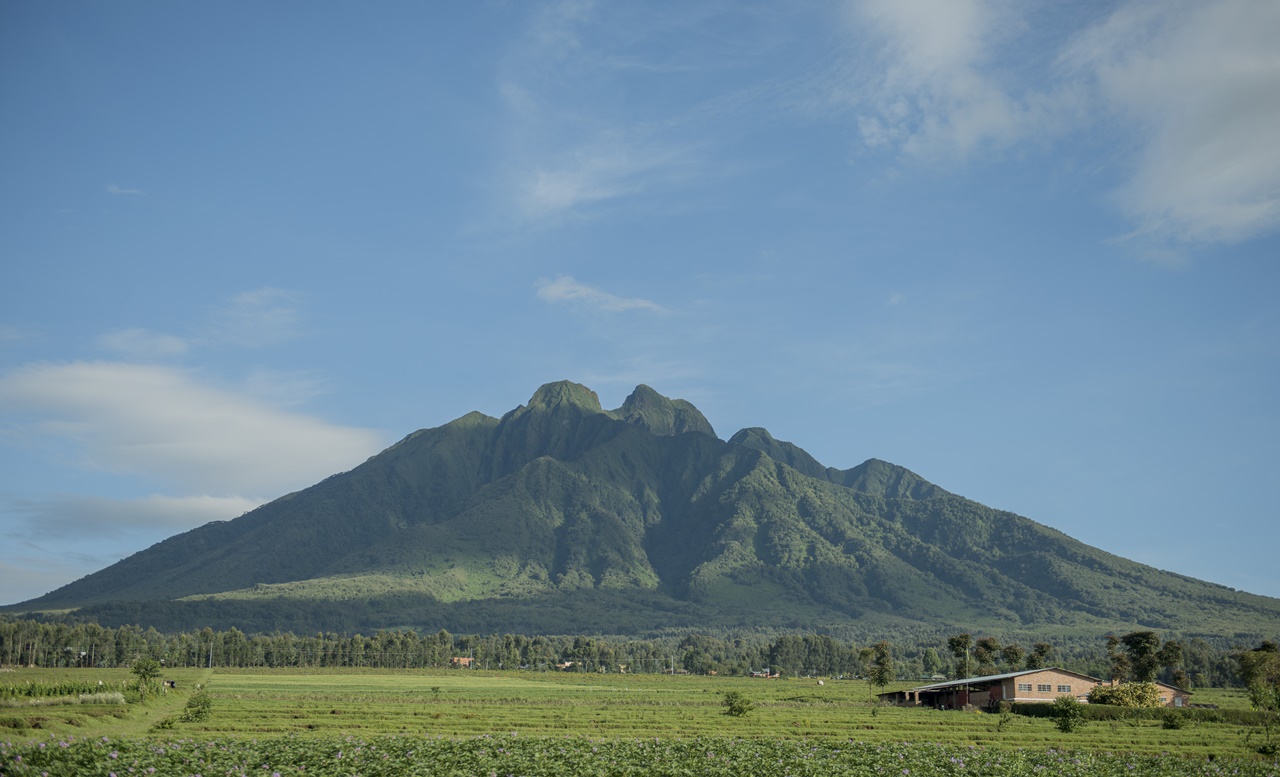
These mountains form part of the wider Virunga volcanic landscape. Hiking options and cross-border arrangements vary, so confirm which routes are available from Rwanda and what permits, guides, or other requirements apply.
The right route depends on your fitness, available time, and the specific activity offered by the park.
Dian Fossey Tomb and Karisoke Research Site
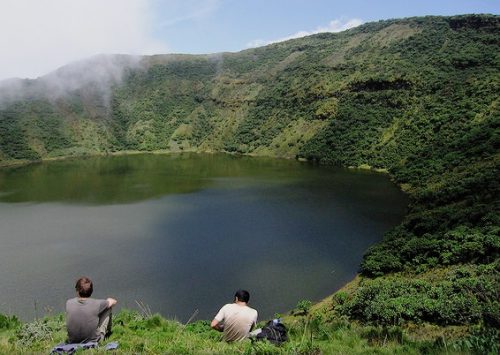
This hike provides a deeper understanding of the history of gorilla research and conservation.
Visitors can learn about Dian Fossey's work and the challenges that shaped the modern protection of mountain gorillas.
It is a meaningful activity for travellers interested in wildlife science, conservation history, and the people who dedicated their lives to protecting endangered species.
Birdwatching and Guided Nature Experiences
The park's varied habitats support a rich birdlife. Guided walks and birdwatching can add another dimension to a safari, particularly for photographers and nature lovers.
Ask about the available routes and the best options for your travel dates.
Cultural Experiences Around Musanze
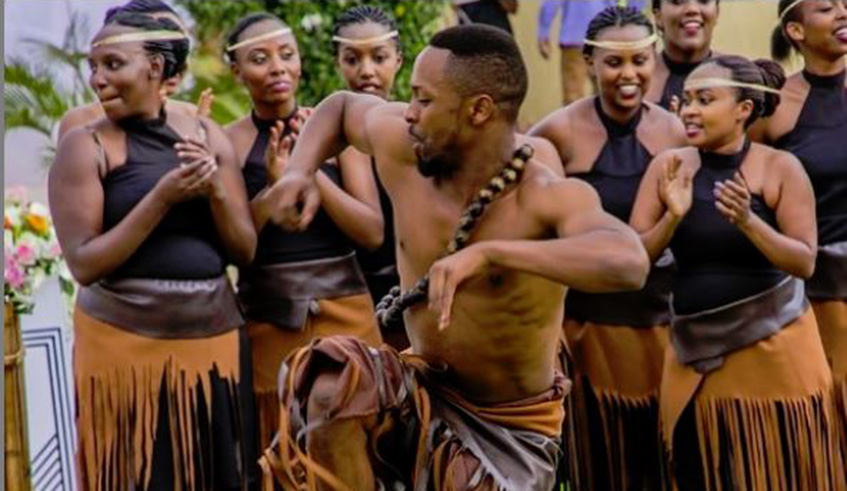
The communities surrounding Volcanoes National Park offer opportunities to learn about local traditions, everyday life, food, crafts, and the relationship between tourism and conservation.
A well-planned cultural visit can complement a gorilla trek by introducing travellers to the people and communities who share the region with the protected landscape.
Nearby Attractions: Musanze Caves and the Twin Lakes
Musanze Caves offer geological and historical interest, while Lakes Burera and Ruhondo provide beautiful views of Rwanda's volcanic highlands.
These attractions are in the wider Musanze region rather than all being activities inside the national park itself. They can be incorporated into a broader itinerary according to time and accessibility.
How Organised Is Gorilla Trekking in Rwanda?
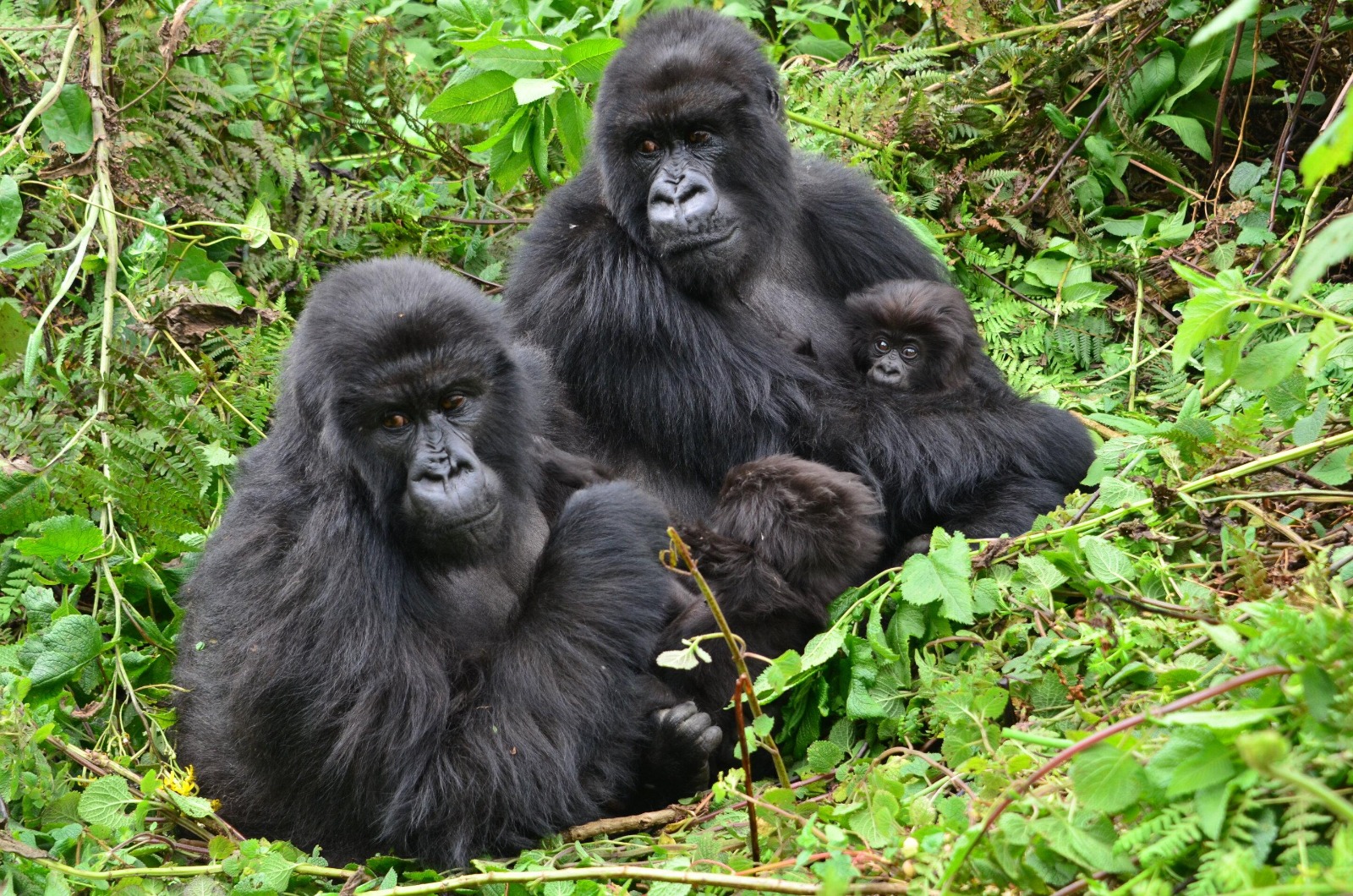
The organisation of gorilla trekking is one of the important strengths of the visitor experience.
The Rwanda Development Board manages the official permit system and national park tourism arrangements. Visitors gather at the Kinigi headquarters for registration and briefing before being assigned to a gorilla group according to the operational arrangements for that day.
step 1: Book Your Gorilla Permit
Permits are limited, and availability varies by date. For international visitors, the standard gorilla trekking permit is listed at US$1,500 per person, subject to the official tariff and eligibility rules applicable at the time of booking.
Always check the official Rwanda Development Board booking portal for current rates, eligibility, availability, and any applicable promotional conditions.
The minimum age for gorilla tracking is 15 years.
Step 2: Attend the Morning Briefing
Visitors generally report to the Kinigi visitor registration centre at 7:00 a.m.
During the briefing, guides explain the trekking process, wildlife etiquette, health precautions, and how visitors should behave in the forest.
Step 3: Receive Your Gorilla Group Assignment
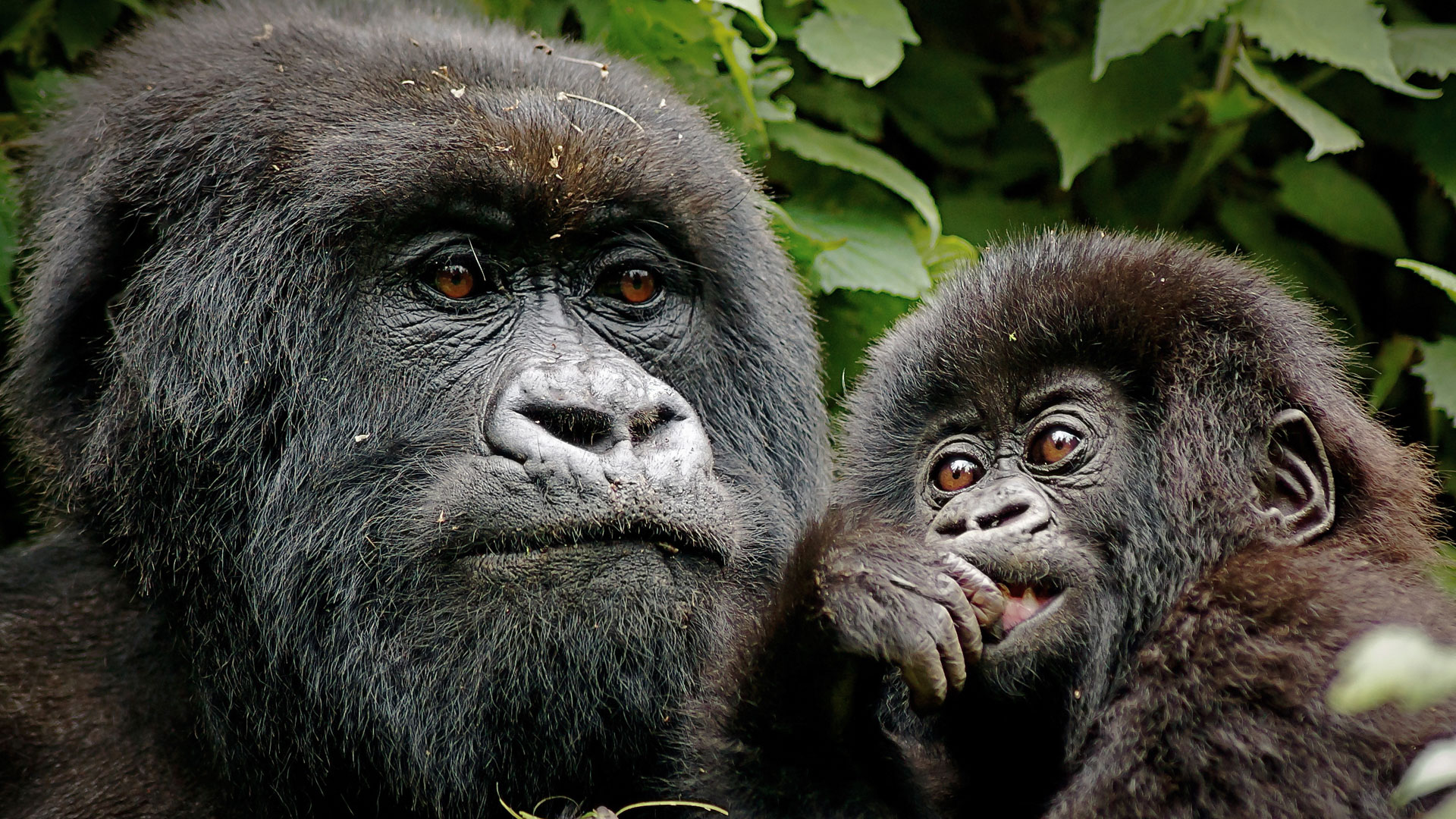
Park staff allocate visitors to the available gorilla groups according to the day's arrangements.
The physical challenge can differ considerably between treks. Some groups may be easier to reach than others, but a specific trekking difficulty or duration cannot be guaranteed in advance.
Step 4: Trek with Guides and Trackers
Guides lead the group through the forest, supported by the tracking system used to locate the gorillas.
The experience may involve uneven ground, steep slopes, bamboo forest, dense vegetation, and mud. Appropriate clothing and footwear are essential.
Step 5: Observe the Gorillas Responsibly
Gorilla viewing is generally limited to one hour once the group is located.
Visitors must maintain the prescribed distance, follow guide instructions, keep noise low, avoid littering, and observe all health and wildlife-protection rules. If you have a contagious illness, you may be refused entry to protect the gorillas.
This combination of controlled access, professional guidance, and conservation rules helps safeguard the animals while providing visitors with a remarkable wildlife encounter.
Where to Stay: Lodges Near Volcanoes National Park
Choosing the right accommodation is an important part of planning a successful gorilla safari.
The main options range from high-end luxury lodges to comfortable mid-range properties and simpler guesthouses. Your best choice depends on your budget, preferred comfort level, meal arrangements, and distance from the park headquarters.
Luxury Accommodation
Wilderness Bisate Lodge
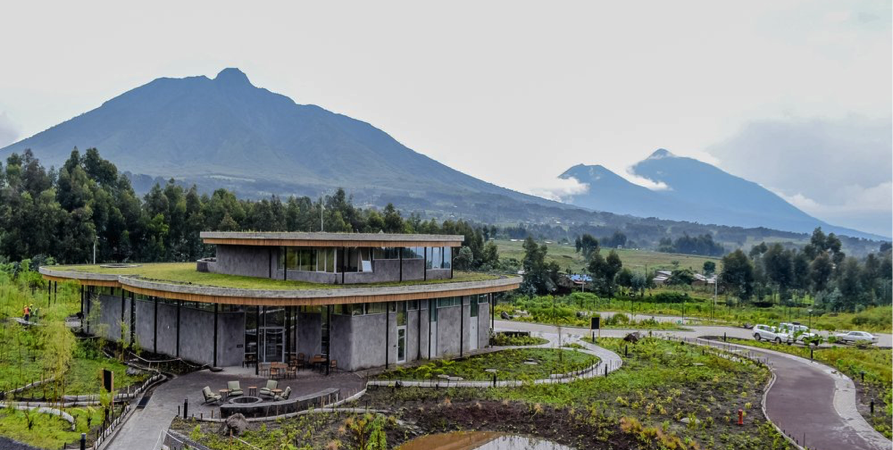
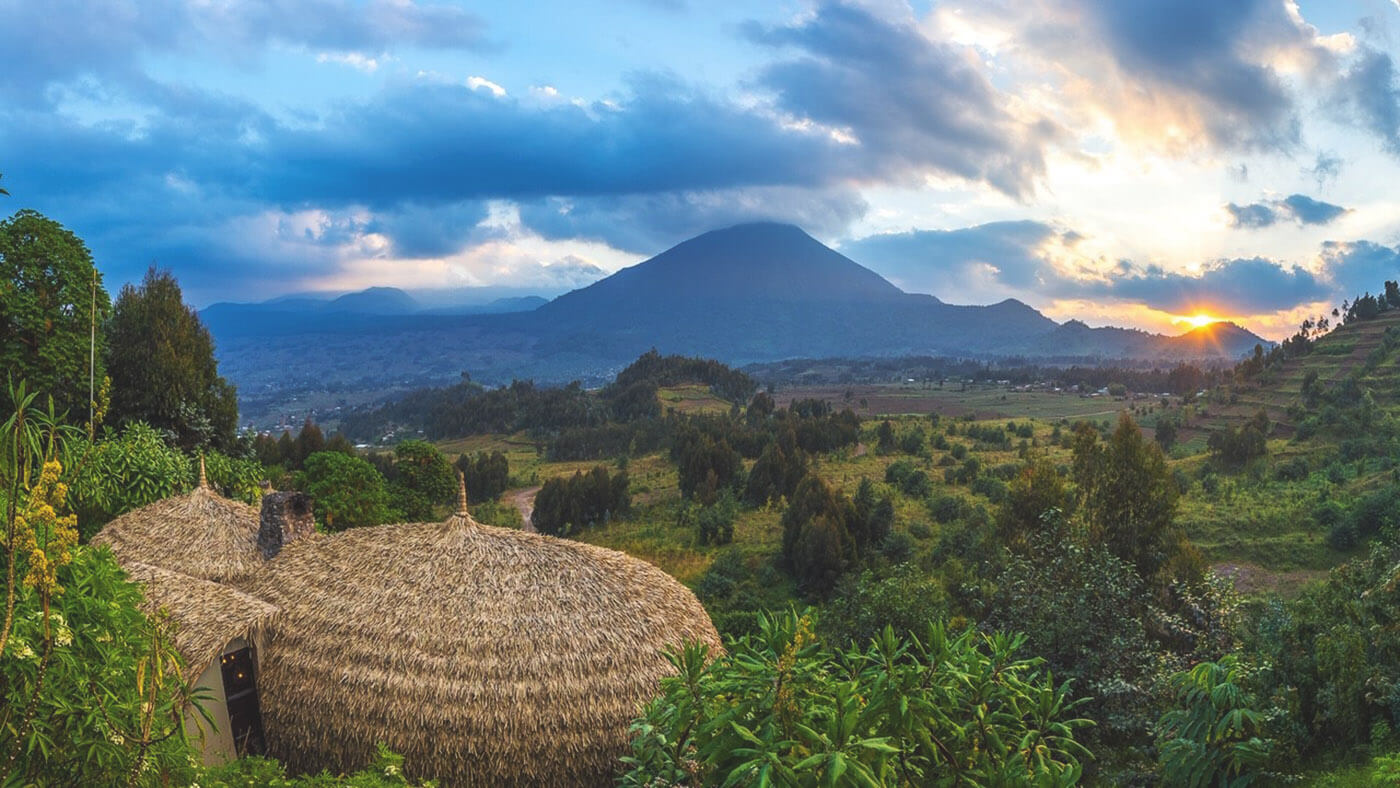
A high-end forest lodge known for its distinctive architecture, views of the Virunga volcanoes, personalised hospitality, and conservation-focused experiences. It is well suited to travellers seeking a premium safari.
One&Only Gorilla's Nest
A luxury lodge near the park, offering upscale accommodation, dining, and a forest-inspired setting. It suits travellers looking for a high-comfort experience.
Sabyinyo Silverback Lodge
A well-known luxury option with cottage-style accommodation and views of the surrounding volcanic landscape. Its location makes it an attractive base for gorilla trekking.
Luxury properties generally offer more extensive facilities and personalised services, but rates can be substantial. Confirm what is included and whether gorilla permits and transfers are charged separately.
Mid-Range Accommodation
Five Volcanoes Boutique Hotel
A comfortable boutique-style option for travellers who want a more intimate setting and convenient access to the Musanze region.
Mountain Gorilla View Lodge
A popular option for visitors looking for a comfortable lodge experience near the park.
Da Vinci Gorilla Lodge
A practical choice in the Kinigi area for travellers seeking comfortable accommodation close to the gorilla trekking departure point.
Mid-range properties can be a good balance between comfort and cost. Compare room types, meal plans, heating, hot water, transfer arrangements, and the actual drive time to Kinigi.
Budget Accommodation
Kinigi Guest House
A practical choice for travellers who prioritise proximity to the park headquarters and straightforward accommodation.
Hotel Muhabura
A long-established hotel in Musanze town, suitable for travellers who prefer staying in town and accessing local services.
La Palme Hotel
An option in the Musanze area for travellers looking for a more accessible hotel base.
Budget accommodation can reduce overall trip costs, but standards and facilities vary. Confirm the exact room category, bathroom arrangements, meals, and transport before booking.
Should You Stay Near Kinigi or in Musanze?
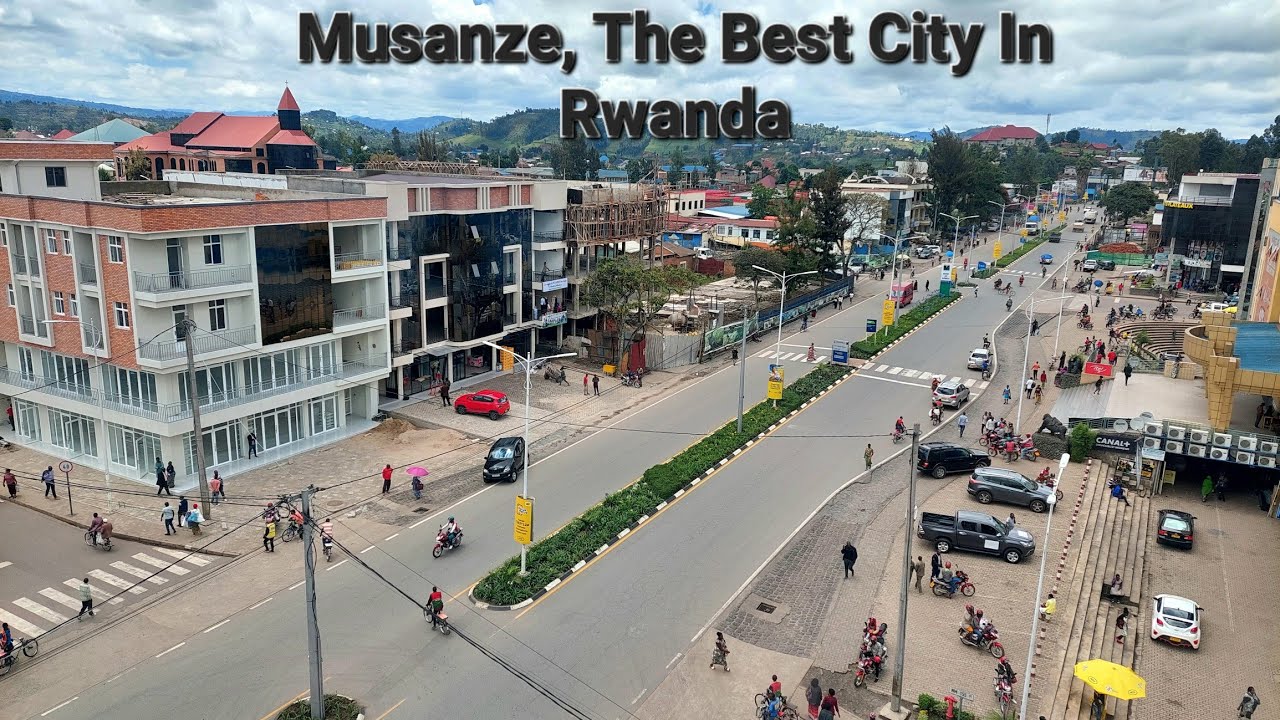
Staying close to Kinigi is especially convenient for early-morning gorilla trekking because it reduces transfer time before the briefing.
Musanze town offers a wider range of restaurants, shops, and services. It can suit travellers who want a town-based stay or are combining the park with other regional activities.
For a one-day gorilla safari from Kigali, staying overnight near the park is usually more comfortable than making the entire journey in one day.
Accommodation availability and prices vary by season, so Seek Wild Africa can help you select an option that matches your preferred standard and travel budget.
One-Day Rwanda Gorilla Safari from Kigali: Is It Possible?
Yes. A one-day gorilla safari from Kigali is possible when a suitable permit is available and the itinerary is carefully arranged.
However, it is a long and demanding day. The road journey from Kigali to the Musanze/Kinigi area generally takes around 2.5–3 hours each way, depending on traffic, weather, and the exact starting point. The trek itself may take several hours, with no guaranteed finish time.
For travellers with limited time, the following itinerary provides a realistic planning framework.
One-Day Gorilla Trekking Itinerary from Kigali
04:00–04:30 | Early departure from Kigali
Your Seek Wild Africa driver-guide collects you from your hotel or agreed meeting point. Begin the journey north towards Musanze, enjoying the changing scenery of Rwanda's hills and countryside.
06:45–07:00 | Arrive at Kinigi
Arrive in time for the official registration and morning briefing. Exact arrival timing should be coordinated with the permit and park instructions.
07:00–08:00 | Registration and briefing
Meet the park staff, receive the necessary instructions, and prepare for your assigned gorilla trek.
08:00 onwards | Gorilla trekking in Volcanoes National Park
Begin the guided walk into the forest. The trek may involve bamboo vegetation, steep volcanic slopes, and uneven trails. Your guide and trackers lead the search for the assigned gorilla family.
Gorilla encounter | Up to one hour
Once the gorillas are located, enjoy the permitted viewing period while observing the required distance and conservation rules. Watch family interactions, feeding behaviour, and the silverback's role within the group.
Late morning or afternoon | Return from the forest
The finishing time depends on the gorilla family's location and the pace of the trek. Take time to rest and enjoy a packed meal or other pre-arranged lunch.
Afternoon to evening | Return to Kigali
Travel back to Kigali, arriving later in the day depending on the trek duration and road conditions.
Important: This itinerary is intended for travellers who must return to Kigali the same day. It is not the most relaxed option, and it does not leave dependable time for golden monkey tracking or a volcano hike. For a more comfortable experience, we recommend staying overnight near Volcanoes National Park.
Two-Day Gorilla Trekking Tour in Volcanoes National Park from Kigali
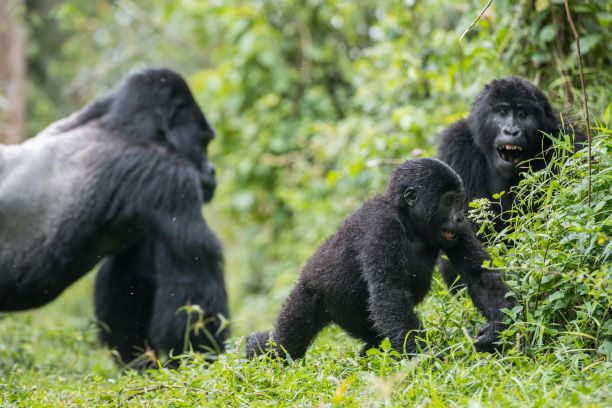
For many travellers, a two-day safari is the better option because it combines the main gorilla encounter with an additional activity while reducing the pressure of completing the entire experience in a single day.
The itinerary below combines mountain gorilla trekking with golden monkey tracking, subject to permit availability and the park's schedule.
Day 1: Kigali to Volcanoes National Park – Golden Monkey Tracking
07:00 | Pick-up from Kigali
Your Seek Wild Africa driver-guide collects you from your hotel and begins the journey towards Musanze. Enjoy the green countryside, rolling hills, and views of the northern volcanic landscape.
09:30–10:00 | Arrive in the Musanze region
The precise arrival time depends on your departure point and road conditions. Continue with the arrangements required for your booked activity.
Morning or scheduled tracking period | Golden monkey tracking
Join the designated guided excursion to search for golden monkeys in the bamboo forest. Observe their movements, feeding habits, and social behaviour while learning about the species and its habitat.
The timing must be confirmed against the official activity schedule. If the tracking session begins earlier, the departure from Kigali should be adjusted accordingly.
Afternoon | Cultural or scenic exploration
Depending on timing and availability, visit a local cultural attraction or enjoy the scenery around Musanze. Options may include a community experience or a visit to the twin lakes in the wider region.
Avoid adding too many activities, particularly if you have an early gorilla trek the following morning.
Evening | Check in at your lodge
Settle into your selected accommodation near Kinigi or Musanze. Enjoy dinner, review the next day's arrangements, and prepare your trekking clothes and equipment.
Overnight: Selected lodge or hotel near Volcanoes National Park.
Day 2: Mountain Gorilla Trekking – Return to Kigali
06:00–06:30 | Breakfast and preparation
Enjoy an early breakfast, dress in suitable hiking clothing, and prepare your water, rain protection, and other essentials.
07:00 | Kinigi registration and briefing
Report to the visitor registration centre and follow the official instructions for the gorilla trekking activity.
Morning onwards | Guided mountain gorilla trekking
Enter the forest with your guide and trackers. The walk may involve steep, muddy, or uneven ground as you search for the assigned gorilla family.
Gorilla encounter | Up to one hour
Observe the gorillas from the required distance. Photography is possible when conditions allow, but the priority is always the animals' safety and the rules provided by your guide.
Late morning or afternoon | Return to the starting point
After the trek, rest and enjoy your pre-arranged meal. Your exact return time will depend on the length of the forest walk.
Afternoon | Drive back to Kigali
Travel south towards Kigali, with the opportunity to enjoy Rwanda's landscapes along the way.
Evening | Arrival in Kigali
Arrive at your hotel or agreed drop-off point. If you are catching an international flight, avoid scheduling departure too tightly around the expected return time.
Why Choose the Two-Day Option?
This itinerary allows you to enjoy two of Rwanda's most important primate experiences without attempting to fit everything into one exhausting day.
It also provides time to appreciate the volcanic landscape, stay near the park, and prepare properly for the gorilla trek.
The golden monkey activity and gorilla trek require separate arrangements, and their timing must be confirmed before travel. If your priority is hiking Mount Bisoke or visiting the Dian Fossey site instead, Seek Wild Africa can tailor the second activity to your interests and fitness level.
What Is the Cost of Gorilla Trekking in Rwanda in 2026–2027?
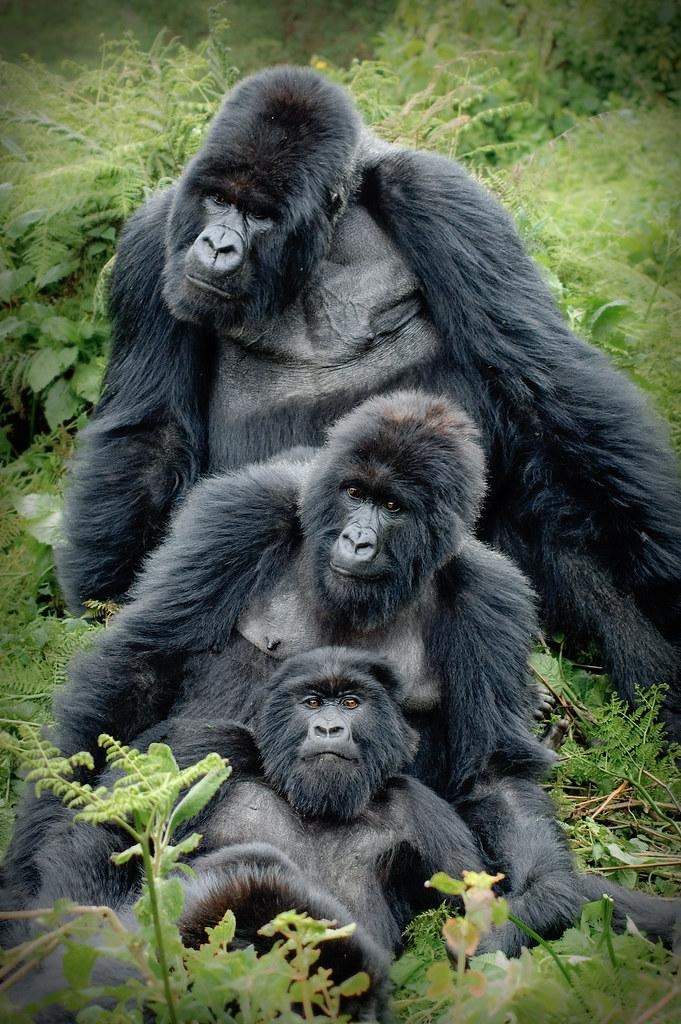
The cost of a Rwanda gorilla safari depends on your permit category, accommodation, transport, meals, and the number of travellers.
For international visitors, the standard gorilla trekking permit is listed at US$1,500 per person. Other eligible visitor categories may qualify for different rates, subject to official conditions and any applicable promotional periods.
Your total trip budget may include:
- Gorilla trekking permit.
- Golden monkey tracking permit, if included.
- Private transport and driver-guide.
- Accommodation and meals.
- Airport transfers.
- Optional hikes, cultural visits, and other excursions.
- Personal expenses, tips, and travel insurance.
The permit does not automatically cover every part of the safari. Confirm which services are included in the quotation and whether the accommodation rate includes meals.
For current rates and permit conditions, use the official Rwanda Development Board booking portal.
Seek Wild Africa can prepare a quotation based on your travel dates, group size, preferred accommodation standard, and desired activities.
What to Pack for Gorilla Trekking in Rwanda
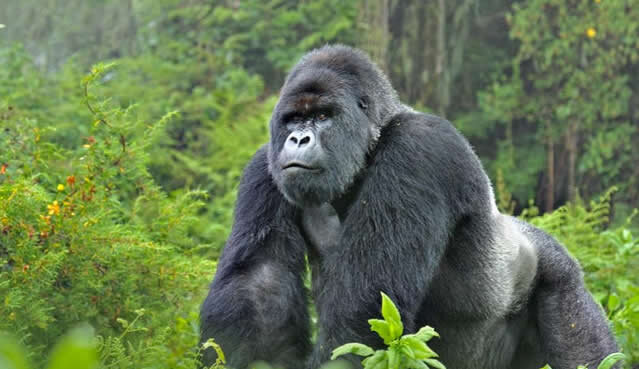
Packing correctly can make a significant difference to your comfort, particularly during wet weather.
Essential Clothing
- Long-sleeved shirts and long hiking trousers.
- A lightweight waterproof jacket and rain trousers.
- Sturdy, waterproof hiking boots with good grip.
- Gaiters to help protect your lower legs from mud and vegetation.
- Gardening-style gloves to protect your hands when holding vegetation for balance, where appropriate.
- Warm layers for cool mornings and higher elevations.
- Extra socks and a change of clothing for after the trek.
Useful Equipment
- A reusable, refillable water bottle.
- A small daypack.
- Sunscreen and insect repellent.
- Camera or phone with sufficient battery power.
- Binoculars for birdwatching.
- Personal medication and a small personal first-aid kit.
- Cash for personal expenses and tips where appropriate.
Plastic-Free Travel and Conservation Responsibilities
Rwanda has strict environmental policies, including a longstanding ban on plastic bags and restrictions on single-use plastics. Visitors should avoid disposable plastic packaging and follow the current instructions of their airline, accommodation, and park authorities.
Bring a durable, reusable water bottle made from stainless steel or another sturdy, reusable material suitable for carrying drinking water. A reusable hard-sided bottle is also practical where permitted. Refill it before the trek and follow your guide's instructions about drinking and carrying water.
Avoid disposable plastic water bottles, plastic bags, and unnecessary single-use packaging. Do not leave rubbish anywhere in the forest, and carry all waste back with you.
These simple practices help protect the habitat and support Rwanda's wider commitment to responsible tourism.
How Seek Wild Africa Helps You Plan a Successful Rwanda Gorilla Safari
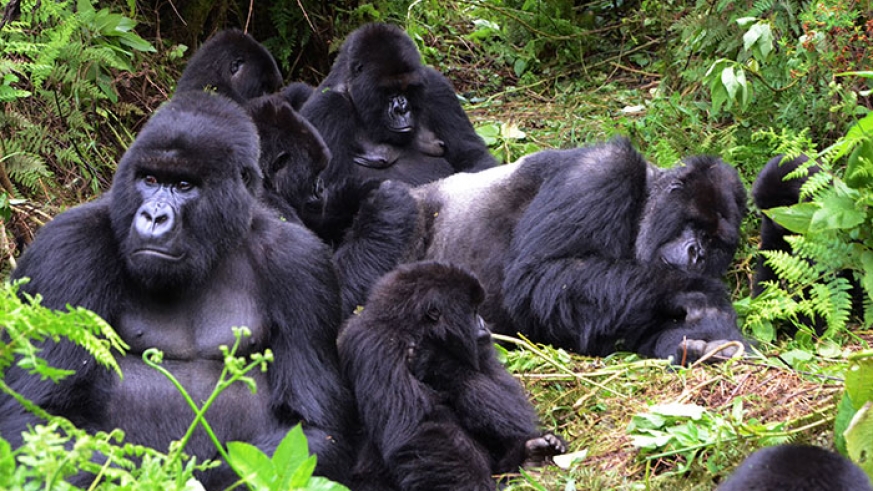
A memorable gorilla trekking experience begins long before you enter the forest. Choosing the right dates, confirming permits, selecting suitable accommodation, arranging transport, and allowing enough time for each activity all matter.
Seek Wild Africa helps travellers turn these details into a well-organised itinerary.
Gorilla Permit Planning and Booking Support
We help you plan around the official permit process, check the relevant arrangements, and coordinate the timing of your trip. Permits are subject to official availability and confirmation.
Private Transport and Professional Driver-Guides
We arrange transport between Kigali, Musanze, Kinigi, and other destinations included in your itinerary. Your driver-guide helps coordinate transfers and provides useful information about Rwanda's landscapes and travel logistics.
Accommodation Selection
We help you compare luxury, mid-range, and budget accommodation according to your preferred comfort level, location, and budget.
Tailor-Made Safari Itineraries
Whether you have one day, two days, or a longer holiday, we can help organise a suitable combination of activities.
Your itinerary may include:
- Mountain gorilla trekking in Volcanoes National Park.
- Golden monkey tracking.
- Volcano hiking and other approved nature excursions.
- Dian Fossey conservation-history experiences.
- Cultural visits and scenic excursions around Musanze.
- Akagera National Park wildlife safaris.
- Nyungwe National Park chimpanzee trekking and forest experiences.
- Kigali city tours and wider Rwanda travel arrangements.
Practical Advice Before Departure
We help travellers understand what to pack, how early to leave Kigali, what the trekking experience involves, and why weather flexibility matters.
We also coordinate accommodation, meals, activity timing, and return transfers to create a more comfortable travel experience.
Our aim is to help you experience Rwanda with confidence while respecting the wildlife, the environment, and the communities that make the destination special.
Frequently Asked Questions About the Best Time for Gorilla Trekking in Rwanda
What is the best time for gorilla trekking in Rwanda?
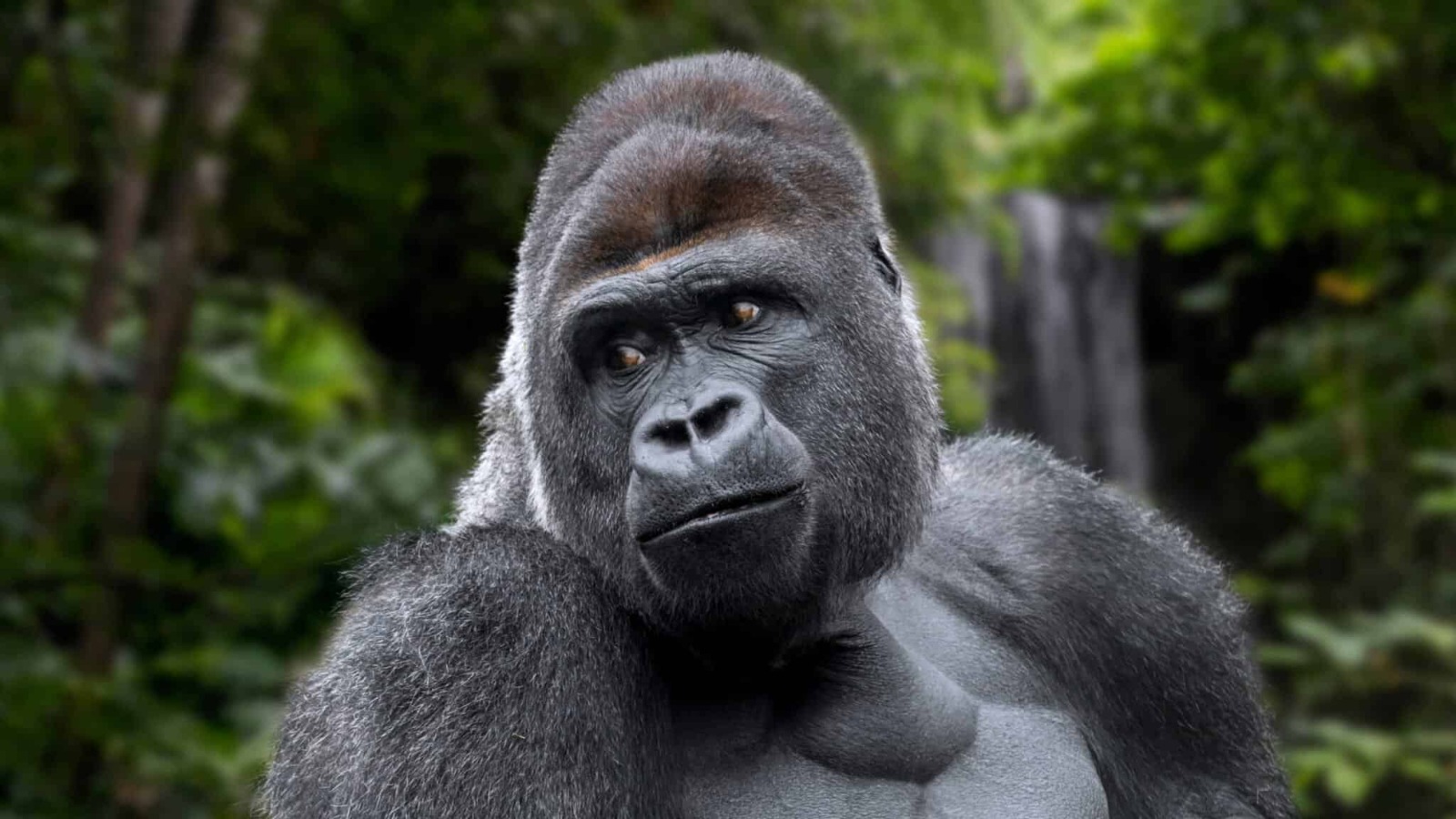
June to September is generally the preferred period because trails tend to be drier and easier to navigate. December to February is another good option. Gorilla trekking can take place year-round, subject to official operating conditions and permit availability.
Is gorilla trekking possible during the rainy season?
Yes. Gorilla trekking can be possible during the rainy months, although muddy trails, slippery slopes, and changing weather can make the walk more challenging. Waterproof clothing, sturdy boots, and a suitable level of fitness are important.
How long does gorilla trekking take?
The total trek may take several hours, depending on the gorilla family's location and trail conditions. Once the gorillas are located, visitors generally have a maximum of one hour with the family.
Can I do gorilla trekking in Rwanda in one day from Kigali?
Yes, it is possible with an available permit and careful planning. However, the early start, road transfers, and unpredictable trekking duration make it a long day. An overnight stay near the park is usually more comfortable.
Can I combine gorilla trekking and golden monkey tracking?
Yes. Many travellers combine the activities on a multi-day itinerary. They require separate arrangements, and their scheduling depends on permit availability and the official activity timetable.
Is there a game drive in Volcanoes National Park?
Volcanoes National Park is primarily a forest-trekking and hiking destination rather than a conventional savannah game-drive park. For classic game drives and savannah wildlife, consider adding Akagera National Park to your Rwanda itinerary.
How much is a gorilla trekking permit in Rwanda?
The standard permit for international visitors is listed at US$1,500 per person. Rates for eligible residents and citizens, and any promotional conditions, must be checked against the official rules applicable to your travel dates.
What accommodation is available near Volcanoes National Park?
Travellers can choose from luxury lodges, mid-range hotels, boutique properties, and budget guesthouses. Kinigi is convenient for early registration, while Musanze offers more town-based services and accommodation choices.
What should I bring for gorilla trekking?
Bring waterproof hiking boots, long trousers, a rain jacket, gloves, drinking water in a reusable bottle, and a small daypack. Avoid plastic bags and unnecessary single-use plastics, and take all waste out of the forest.
Plan Your 2026–2027 Rwanda Gorilla Safari with Seek Wild Africa
The best time for gorilla trekking in Rwanda is not defined by weather alone. It is also about choosing the right itinerary, understanding the park's conservation story, preparing for the mountain environment, and making time to appreciate the extraordinary wildlife that makes Volcanoes National Park so special.
From its beginnings as a protected area in 1925 to its present role in mountain gorilla conservation, Volcanoes National Park represents a remarkable journey of resilience and wildlife protection.
Whether you choose a one-day gorilla safari from Kigali or a two-day adventure combining gorilla trekking and golden monkeys, Rwanda offers an opportunity to experience Africa in a deeply personal way.
Let Seek Wild Africa organise your journey from start to finish.
We can help coordinate permits, accommodation, private transport, professional driver-guides, primate experiences, volcano hikes, cultural excursions, and wider Rwanda safari packages.
Explore Rwanda with Seek Wild Africa
Contact our team to discuss your preferred dates, accommodation standard, and safari activities. We will help you plan a practical itinerary designed around your interests and available time.
Your Rwanda adventure begins with the right plan. Let us help you make it unforgettable.