Akagera National Park Safari: Complete Guide to Rwanda’s Big Five in 2026–2027
October 09, 2026Clementine
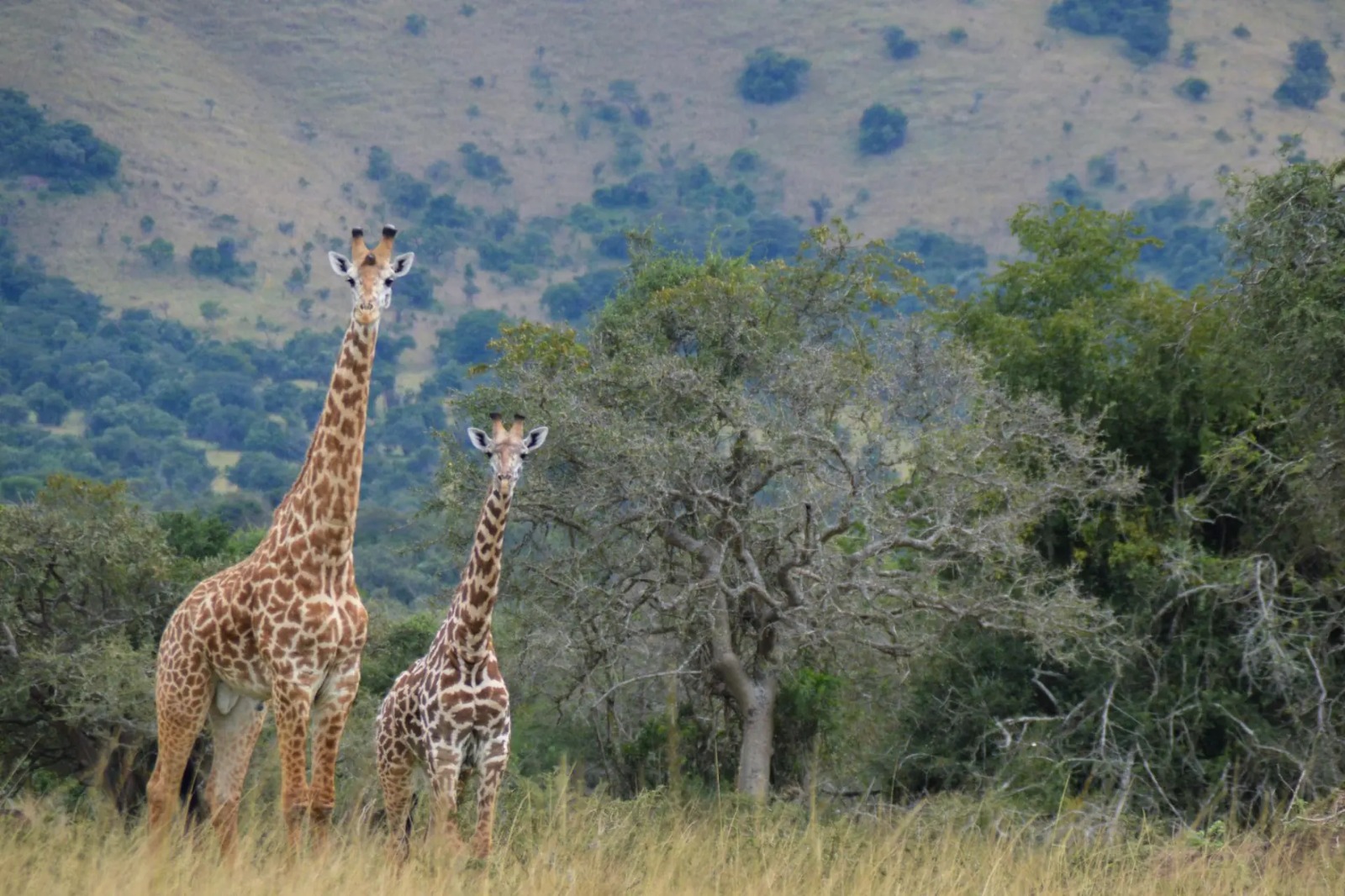
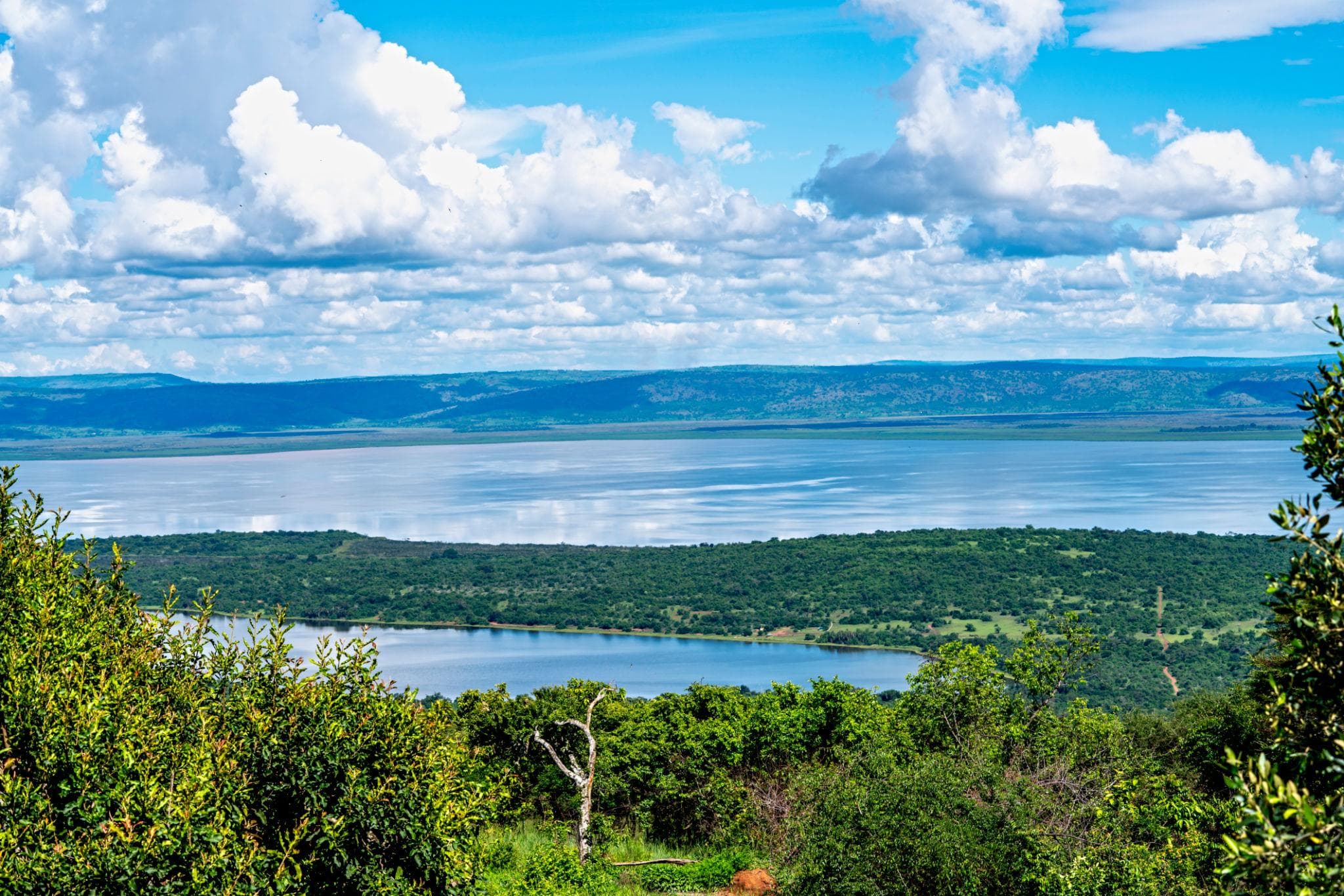
Imagine beginning your morning in Rwanda as the first rays of sunlight spread across golden savannah plains. A herd of elephants moves slowly through the woodland, giraffes browse on acacia trees, zebras graze in the open grasslands, and a distant lion searches for a quiet place to rest. Nearby, Lake Ihema reflects the morning sky while African fish eagles call above its wetlands.
Welcome to Akagera National Park, Rwanda’s remarkable savannah wilderness and the only national park in the country where visitors can search for all five members of Africa’s Big Five: lions, leopards, elephants, rhinoceroses, and buffaloes.
For travellers planning an African adventure in 2026–2027, an Akagera National Park safari offers an extraordinary combination of wildlife encounters, diverse landscapes, birdwatching, boat excursions, comfortable accommodation, and conservation experiences. Located in eastern Rwanda along the Tanzanian border, the park provides a different perspective on Rwanda, a country widely recognised for its mountain gorillas, green hills, and remarkable conservation achievements.
However, what makes Akagera truly special goes beyond its wildlife. The park has experienced enormous challenges throughout its history, including habitat loss, poaching, and declining animal populations. Through improved management, wildlife reintroductions, habitat protection, and community engagement, Akagera has become an important example of conservation recovery in Africa.

This transformation gives every visit a deeper meaning. Travellers are not simply entering a beautiful national park; they are discovering a landscape where long-term conservation efforts have helped restore wildlife and strengthen the future of Rwanda’s natural heritage.
Whether you have one day in Kigali, are planning a family holiday, or want to combine a savannah safari with gorilla trekking and chimpanzee trekking, this complete guide explains why Akagera deserves a place on your Rwanda itinerary in 2026–2027.
Why Akagera National Park Is One of Africa’s Remarkable Safari Destinations
Africa is home to many extraordinary wildlife destinations, including Tanzania’s Serengeti National Park and Kenya’s Masai Mara National Reserve. These destinations are famous for their large wildlife populations, spectacular predator encounters, and the Great Migration.
Akagera offers a different but equally meaningful safari experience. Its distinction lies in the combination of Rwanda’s Big Five, beautiful lakes and wetlands, varied savannah habitats, conservation achievements, and convenient access from Kigali.
A Big Five safari in Rwanda
The Big Five originally referred to five large mammals considered particularly challenging to hunt on foot. Today, the term is widely used in wildlife tourism, where seeing these animals in their natural habitats is an unforgettable experience.
Akagera is home to all five:
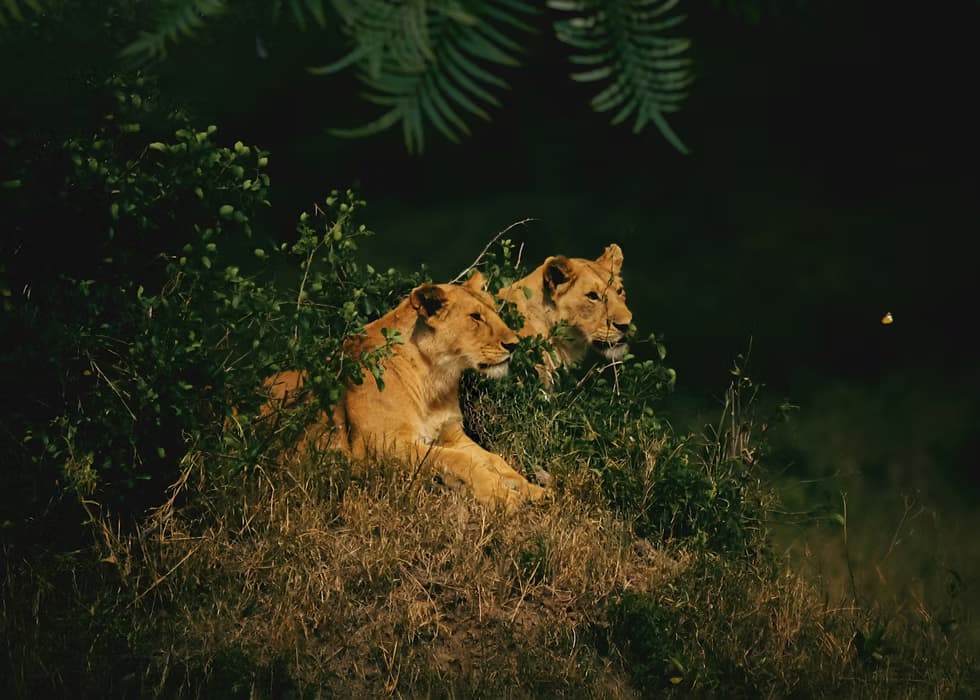
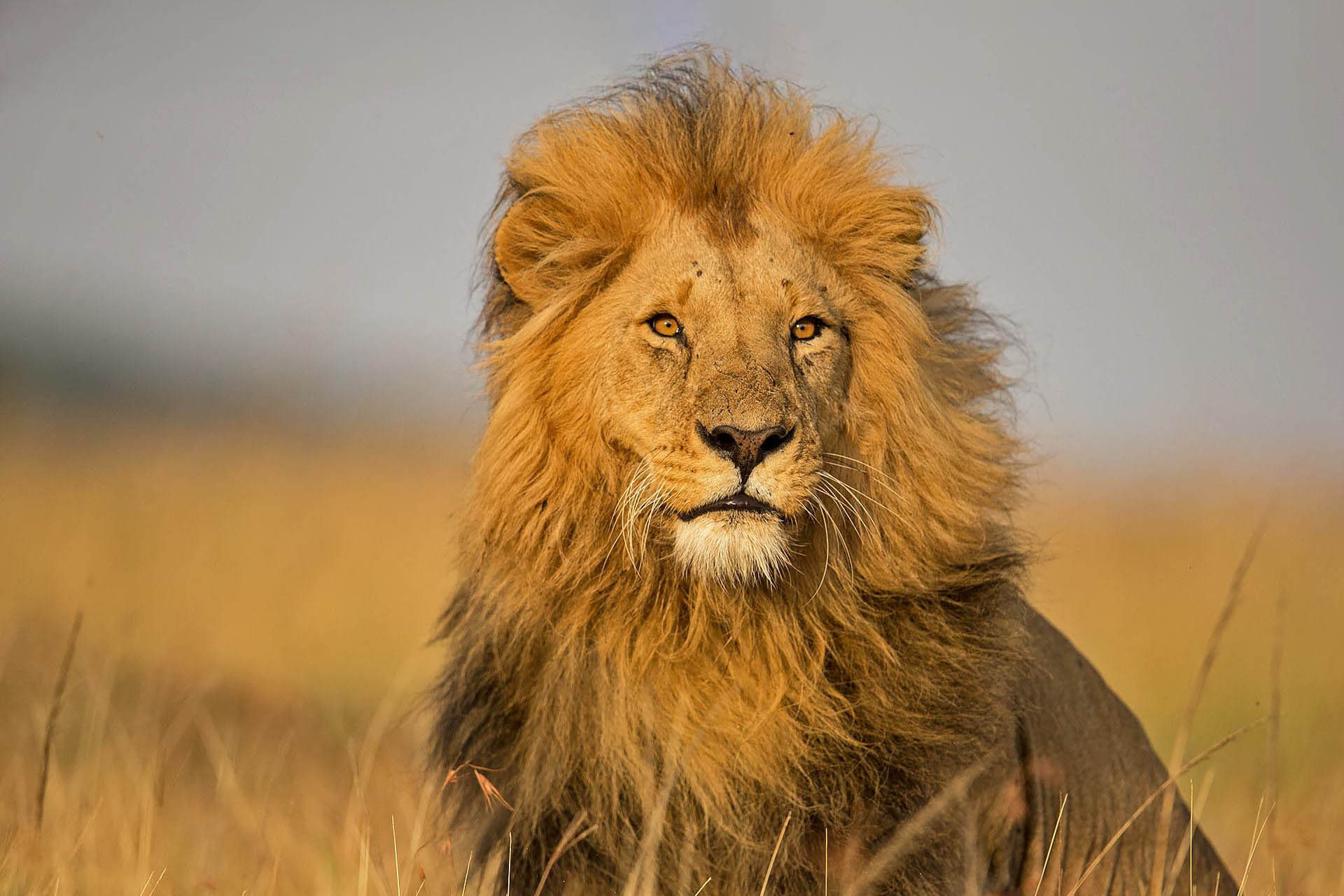
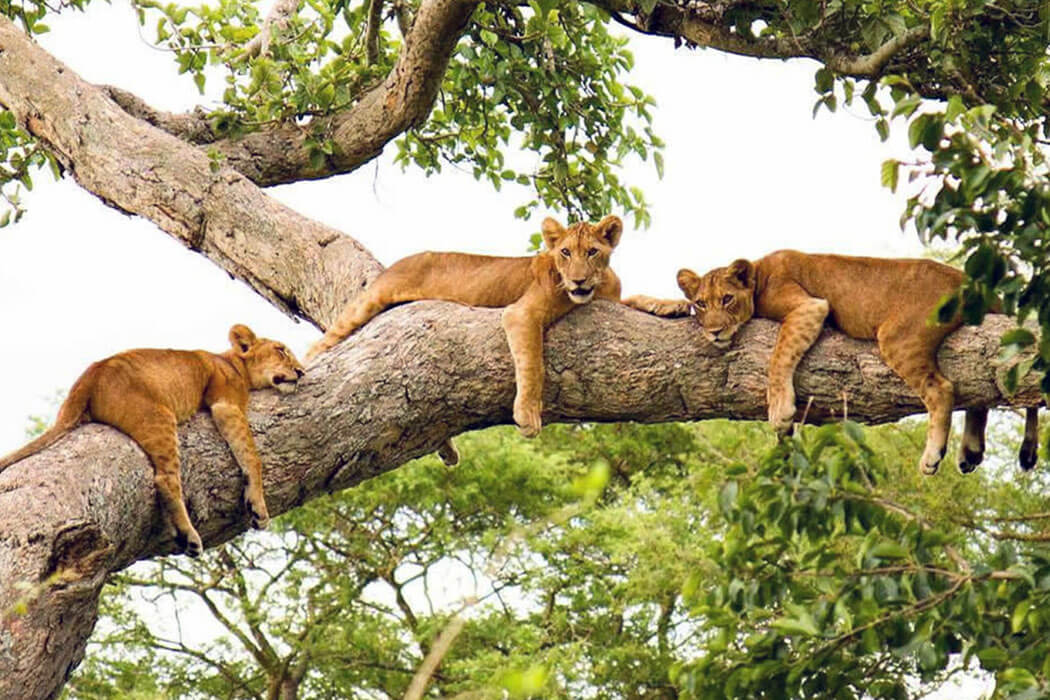
- Lions: Reintroduced in 2015, lions represent one of the park’s most important wildlife recovery milestones.
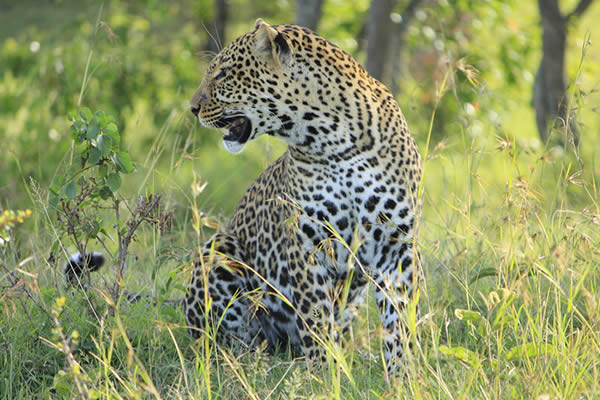
- Leopards: These elusive predators inhabit suitable woodland and other habitats, although their camouflage and solitary behaviour make sightings unpredictable.
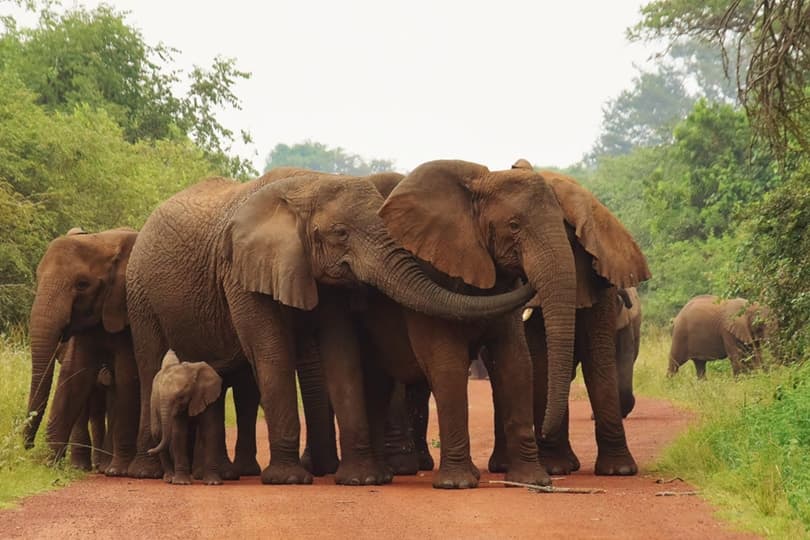
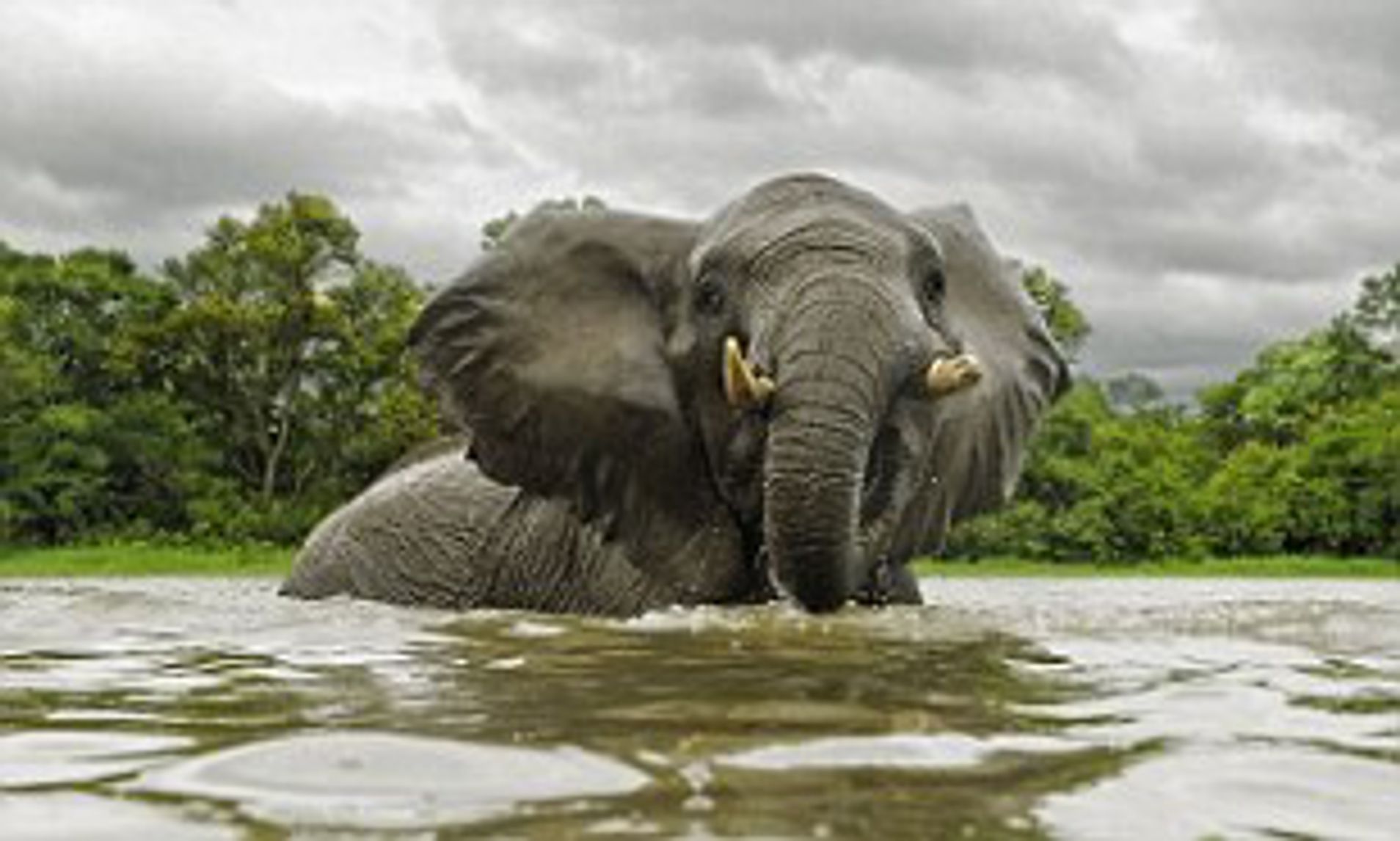
- African elephants: These magnificent animals move through woodland, grassland, and other parts of the park.
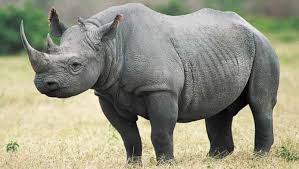
- Rhinoceroses: Akagera protects eastern black rhinos and southern white rhinos, making their conservation a significant part of Rwanda’s wildlife story.
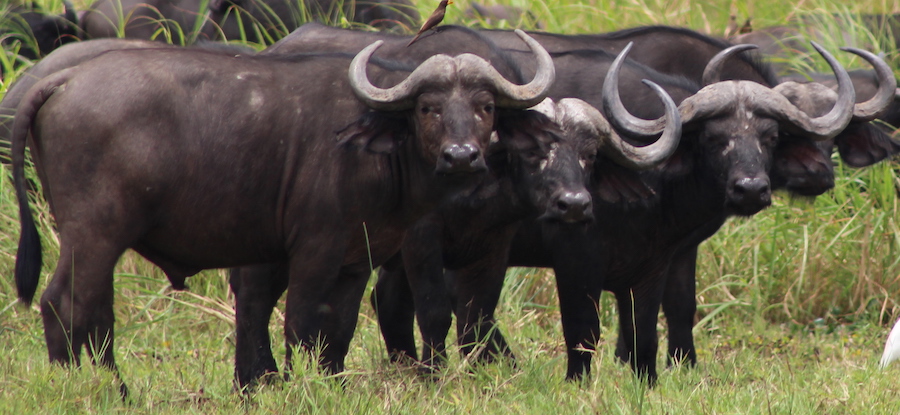
- African buffaloes: Powerful herds can be encountered grazing in open areas and around suitable water sources.
Seeing every member of the Big Five is not guaranteed, especially during a single-day safari. Nevertheless, the opportunity to search for all five within Rwanda makes Akagera a compelling destination for wildlife enthusiasts.
A landscape of remarkable diversity
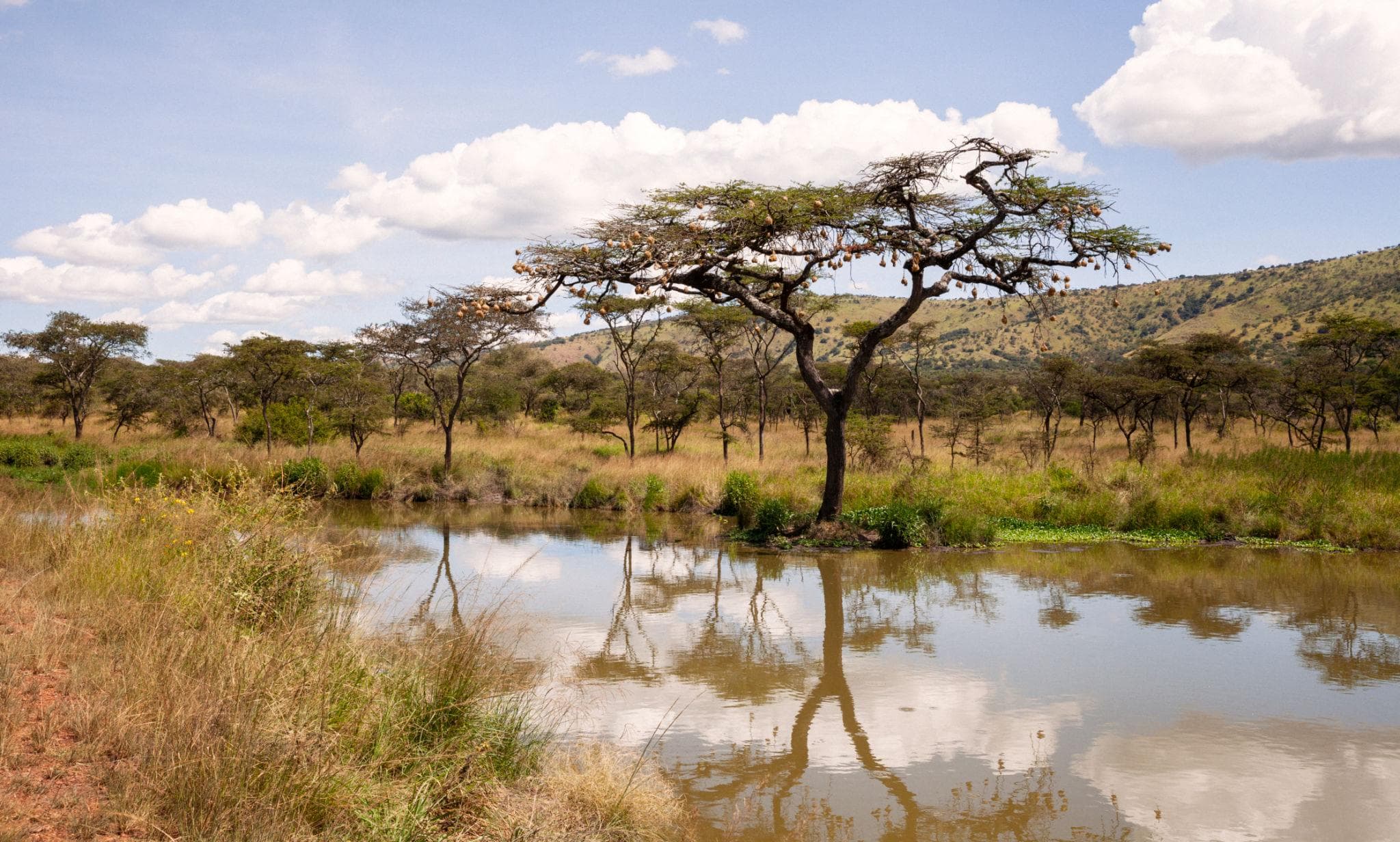
Akagera is not simply an endless grassland. Its ecosystem includes open savannah, rolling hills, woodland, lakes, rivers, and extensive papyrus wetlands.
These different habitats support a wide range of mammals and birds, creating a safari experience that changes as you travel through the park.
One moment, you may be observing zebras and antelopes on an open plain. Later, you might encounter elephants near woodland, watch hippos in a lake, or photograph waterbirds along a wetland shoreline.
This variety makes an Akagera National Park safari attractive to wildlife photographers, birdwatchers, families, and travellers who appreciate both wildlife and scenery.
An accessible African wilderness

Akagera lies approximately 110 kilometres from Kigali, depending on the route and starting point. This accessibility allows visitors to experience a genuine savannah safari without travelling to another country or undertaking a long internal flight.
A well-planned one-day excursion is possible, while a two-day or longer itinerary provides more time to explore the park and enjoy additional activities.
For travellers combining several destinations in Rwanda, Akagera is an excellent complement to the mountain forests of Volcanoes National Park and Nyungwe National Park.
The History of Akagera National Park: A Journey of Resilience and Conservation
To understand why Akagera is such an important destination in 2026–2027, visitors need to look beyond its present-day wildlife and discover the history behind its recovery.
From its establishment to a period of great challenges
Akagera National Park was established in 1934 to protect Rwanda’s wildlife and natural habitats. Historically, the park covered more than 2,500 square kilometres of savannah, woodland, wetlands, and lakes.
Over time, however, the protected area experienced considerable pressure. Following the 1994 Genocide against the Tutsi, the return and resettlement of refugees contributed to substantial changes in land use. Parts of the park were allocated for human settlement and agriculture, reducing its size to approximately 1,122 square kilometres.
Poaching, habitat pressure, and the loss of wildlife further threatened the park’s ecological integrity.
These challenges could have permanently diminished Akagera’s importance as a wildlife destination. Instead, the park entered a new chapter of recovery.
2010: A new approach to park management
In 2010, the Rwanda Development Board established a management partnership with African Parks, introducing a coordinated approach to protecting wildlife, restoring habitats, strengthening security, and developing sustainable tourism.
The partnership helped establish a more integrated management model in which wildlife conservation and tourism development support the long-term protection of the park.
Ranger operations, monitoring, infrastructure, and community engagement became important components of this renewed approach.
2015: The return of lions
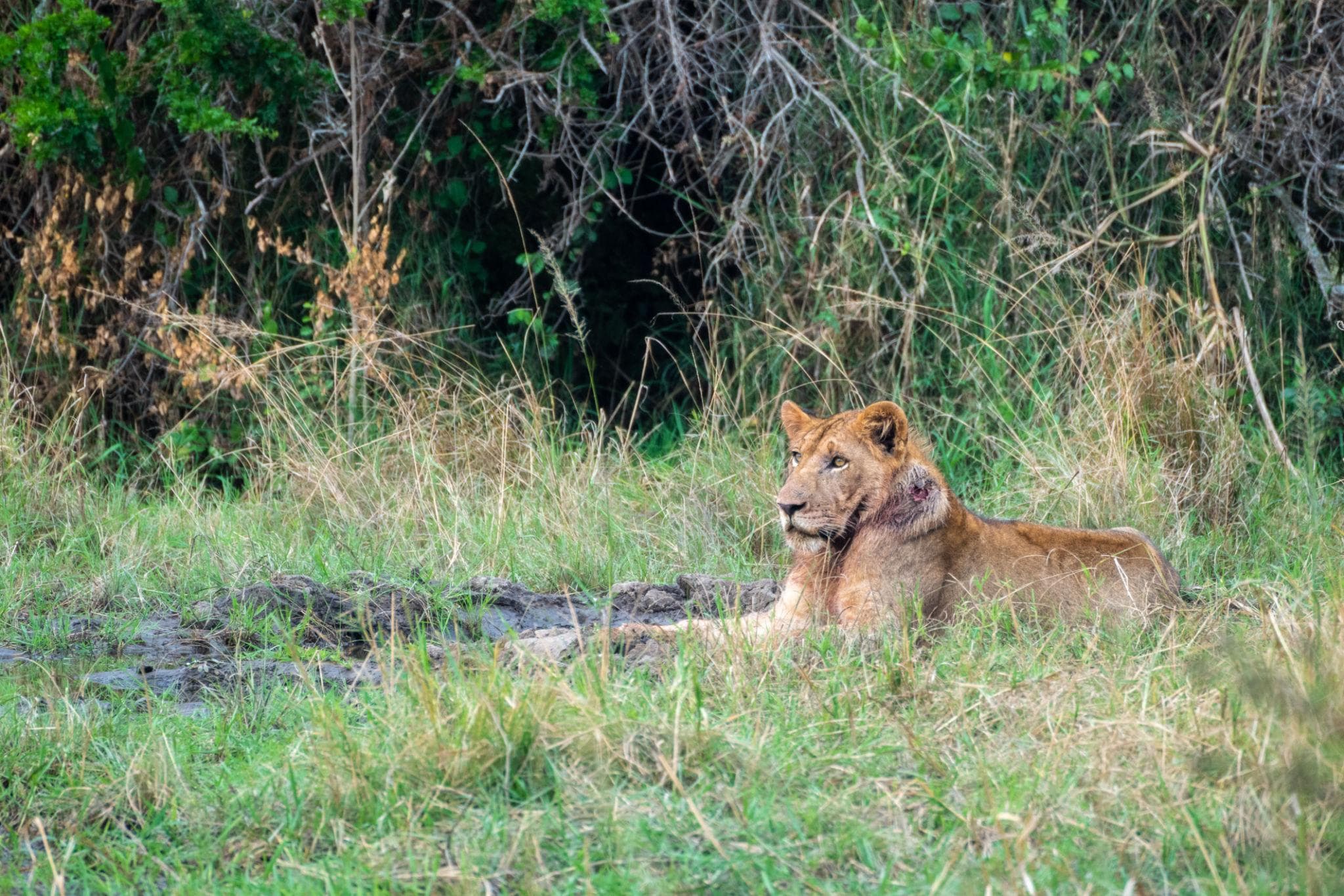
One of the most significant milestones occurred in 2015, when seven lions were reintroduced to Akagera from South Africa.
Lions had disappeared from Rwanda’s wildlife landscape after years of pressure and persecution. Their return represented a major step towards restoring the park’s predator population and rebuilding its ecological balance.
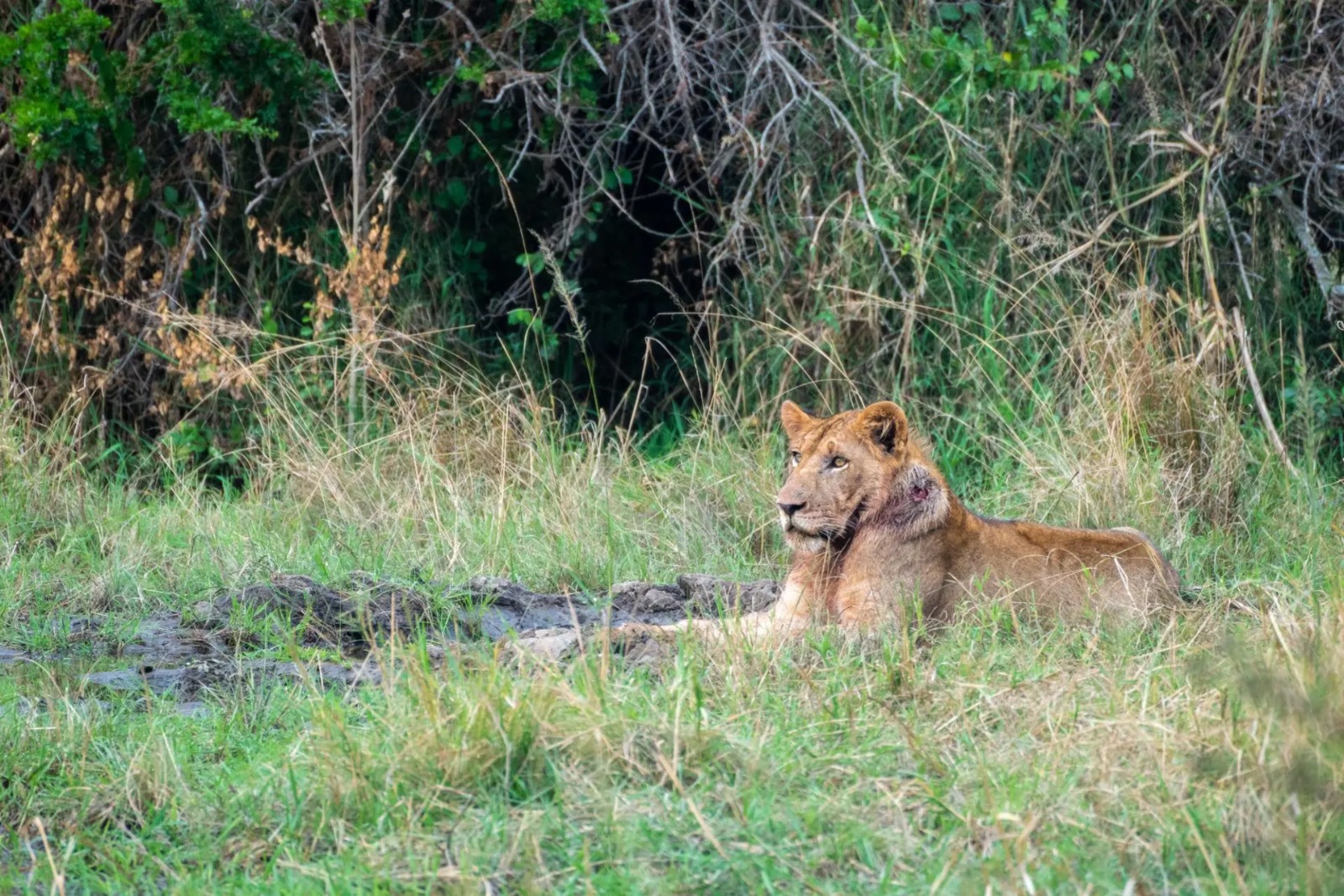
Today, the possibility of encountering lions adds considerable excitement to an Akagera game drive. More importantly, their presence demonstrates the role that sustained conservation and careful wildlife management can play in restoring a species.
2017–2021: Strengthening rhino conservation
In 2017, 18 eastern black rhinos were translocated to Akagera, followed by five more in 2019.
In 2021, 30 southern white rhinos were brought to the park from South Africa. These arrivals strengthened Akagera’s role in rhino conservation and helped establish the presence of both black and white rhinos within Rwanda.
Rhino conservation requires much more than reintroducing animals. It depends on habitat protection, monitoring, veterinary support where needed, and effective measures against poaching.
2025–2027: Continuing the conservation journey
In June 2025, Akagera received a further 70 southern white rhinos through the Rhino Rewild Initiative, representing another major milestone in its conservation history.
By 2026–2027, Akagera’s story continues to demonstrate the importance of long-term management, wildlife protection, and collaboration between conservation institutions and communities.
Its recovery is not a claim that every challenge has disappeared. Rather, it shows that a protected ecosystem can make substantial progress when conservation remains a sustained priority.
For travellers, this history creates a powerful reason to visit. Every wildlife encounter becomes part of a wider story about resilience, restoration, and the importance of protecting Africa’s natural heritage.
Akagera vs Serengeti and Masai Mara: What Makes It Different?
The Serengeti and Masai Mara are celebrated worldwide for the Great Migration, when vast herds of wildebeest and other grazing animals move across the wider Serengeti–Mara ecosystem in search of fresh grazing and water.
The scale of this natural movement, together with the predators that follow the herds, makes these destinations extraordinary.
Akagera should not be judged by whether it can reproduce the Great Migration. Its strength is that it offers a different experience within Africa’s rich safari landscape.
Visitors combining a Big Five safari with other Rwanda experiences
Travellers prioritising extensive savannah exploration and, where seasonal conditions align, the Great Migration
Why choose Akagera in 2026–2027?
First, it offers the opportunity to search for all five members of the Big Five in Rwanda.
Second, its lakes and wetlands create excellent opportunities for birdwatching and boat-based wildlife viewing, providing an experience beyond traditional game drives.
Third, its conservation history gives visitors an opportunity to learn about wildlife recovery and the importance of protected areas.
Finally, Akagera fits naturally into a Rwanda holiday. Travellers can combine a savannah safari with mountain gorilla trekking, chimpanzee trekking, cultural visits, and time in Kigali.
The best choice depends on your interests. The Serengeti and Masai Mara are exceptional for their own reasons, especially the Great Migration. Akagera stands out for its accessibility, habitat diversity, Big Five wildlife, and conservation story.
Wildlife in Akagera National Park: What Animals Can You See?
Wildlife is the heart of an Akagera National Park safari. The park supports numerous mammal species and a rich bird community, with sightings depending on the season, habitat, weather, and route.
The Big Five
Lions are among the most exciting animals to search for, especially during morning and late-afternoon game drives. Leopards are more elusive, often relying on camouflage and secluded habitats.
Elephants may be observed feeding, moving through woodland, or gathering near water. Rhinoceroses are particularly significant because their presence reflects years of conservation investment. Buffaloes can be seen grazing in groups across suitable grassland habitats.
Experienced guides help visitors interpret tracks, identify promising habitats, and understand animal behaviour. However, no ethical safari operator can guarantee a particular sighting.
Other mammals of Akagera
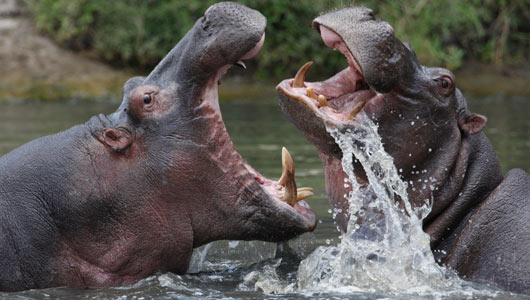
The wildlife experience extends well beyond the Big Five. Depending on the route, visitors may encounter:
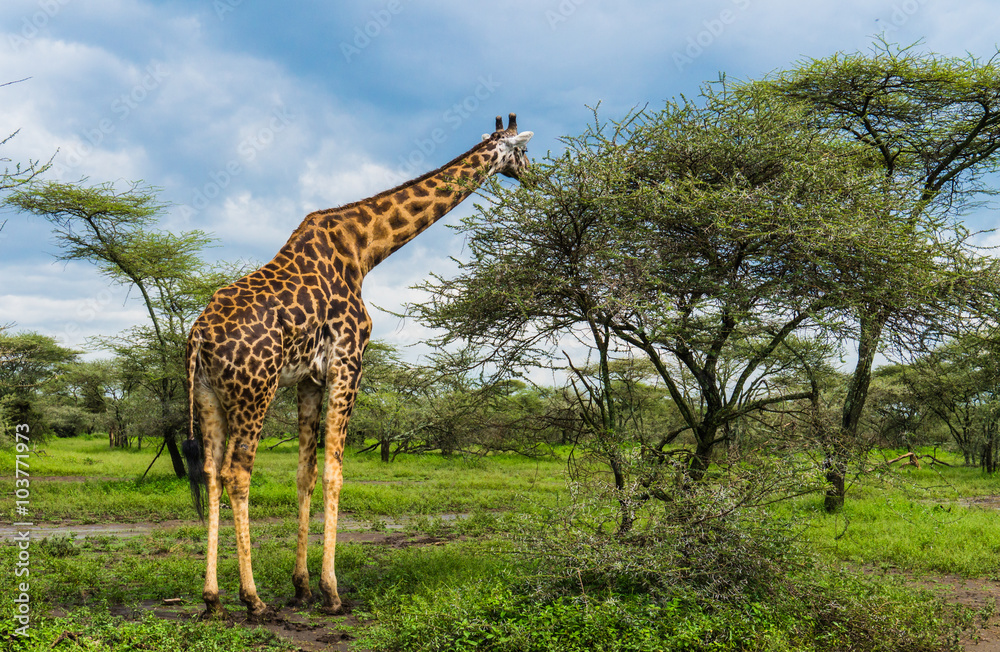
- Masai giraffes, browsing on trees and moving across open grasslands.
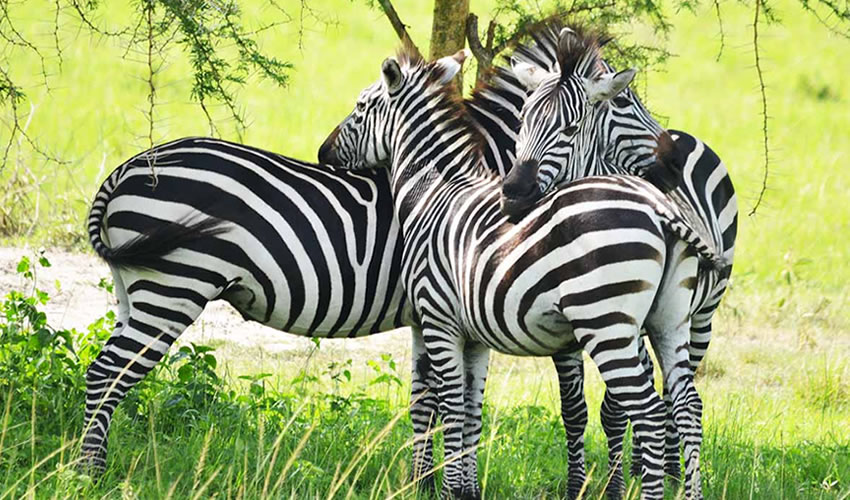
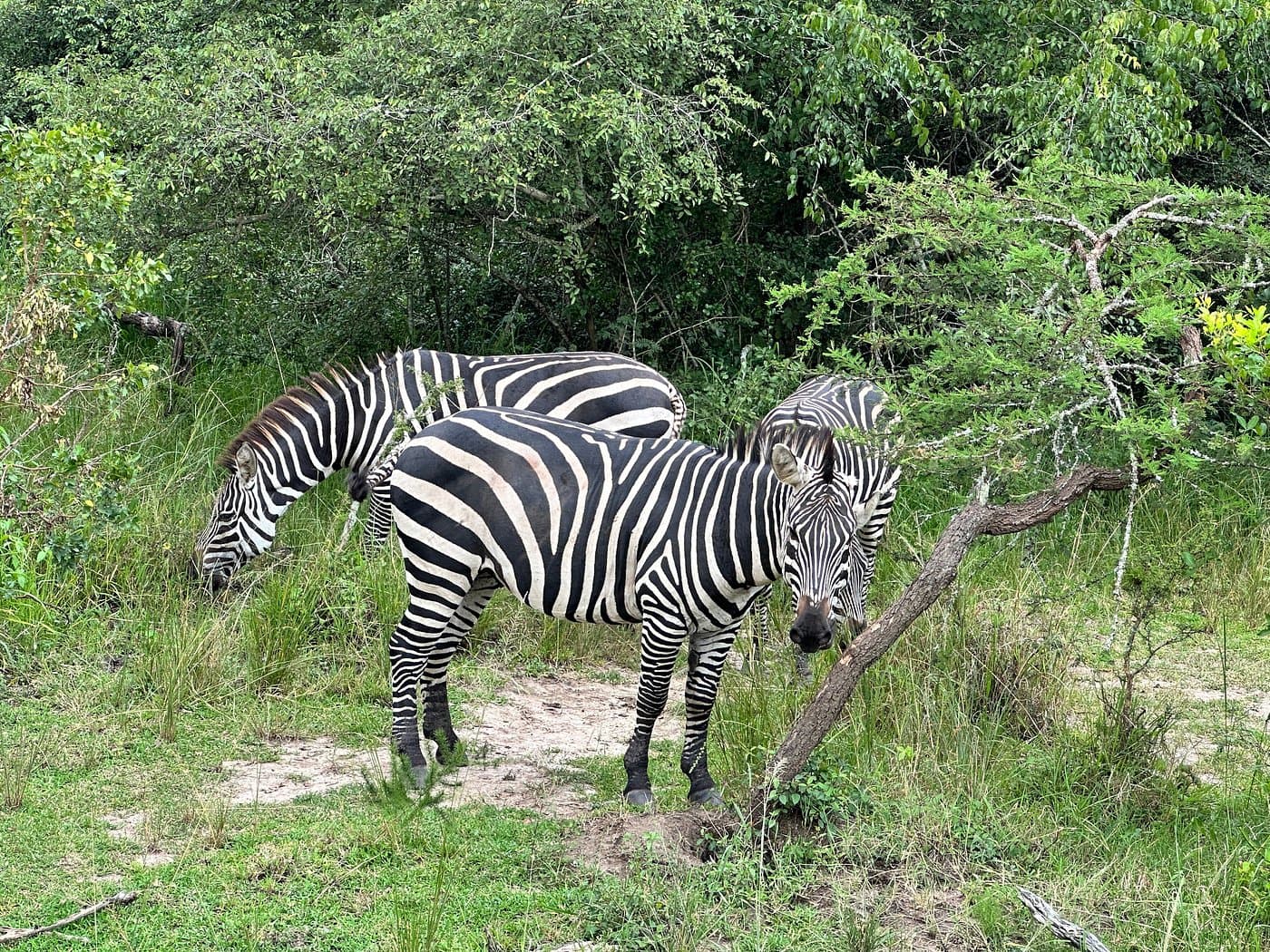
- Plains zebras, often seen grazing in groups.
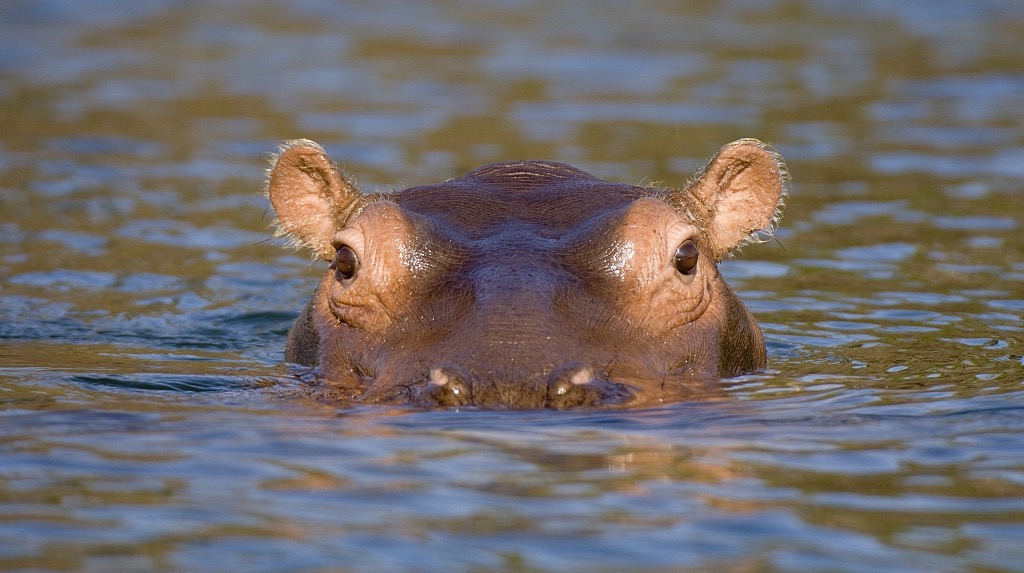
- Hippopotamuses, particularly around lakes and waterways.
- Nile crocodiles, sometimes visible along the shores.
- Impalas and topis, which are among the antelopes that contribute to the park’s grassland ecosystem.
- Waterbucks, associated with habitats near water.
- Warthogs, frequently seen feeding or moving through open areas.
- Baboons and monkeys, depending on the habitat being explored.
Each sighting adds to the experience, from observing the movements of a large herd to noticing the smaller details of animal behaviour.
Birdwatching in Akagera
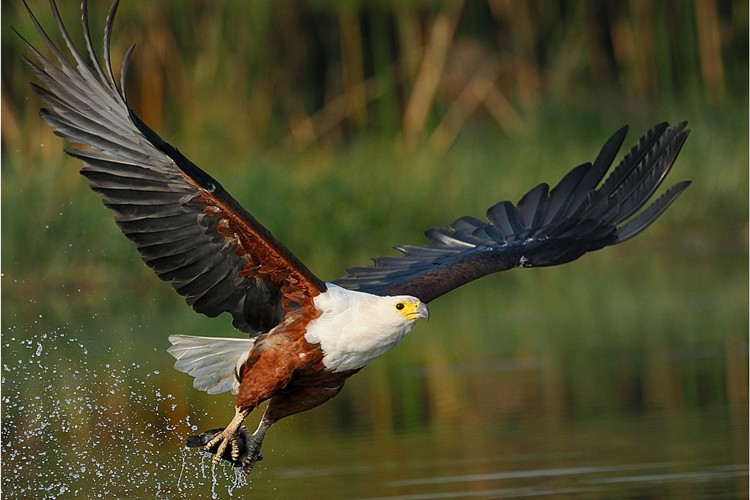
Akagera is also an important destination for birdwatchers, with more than 500 bird species reported in conservation sources.
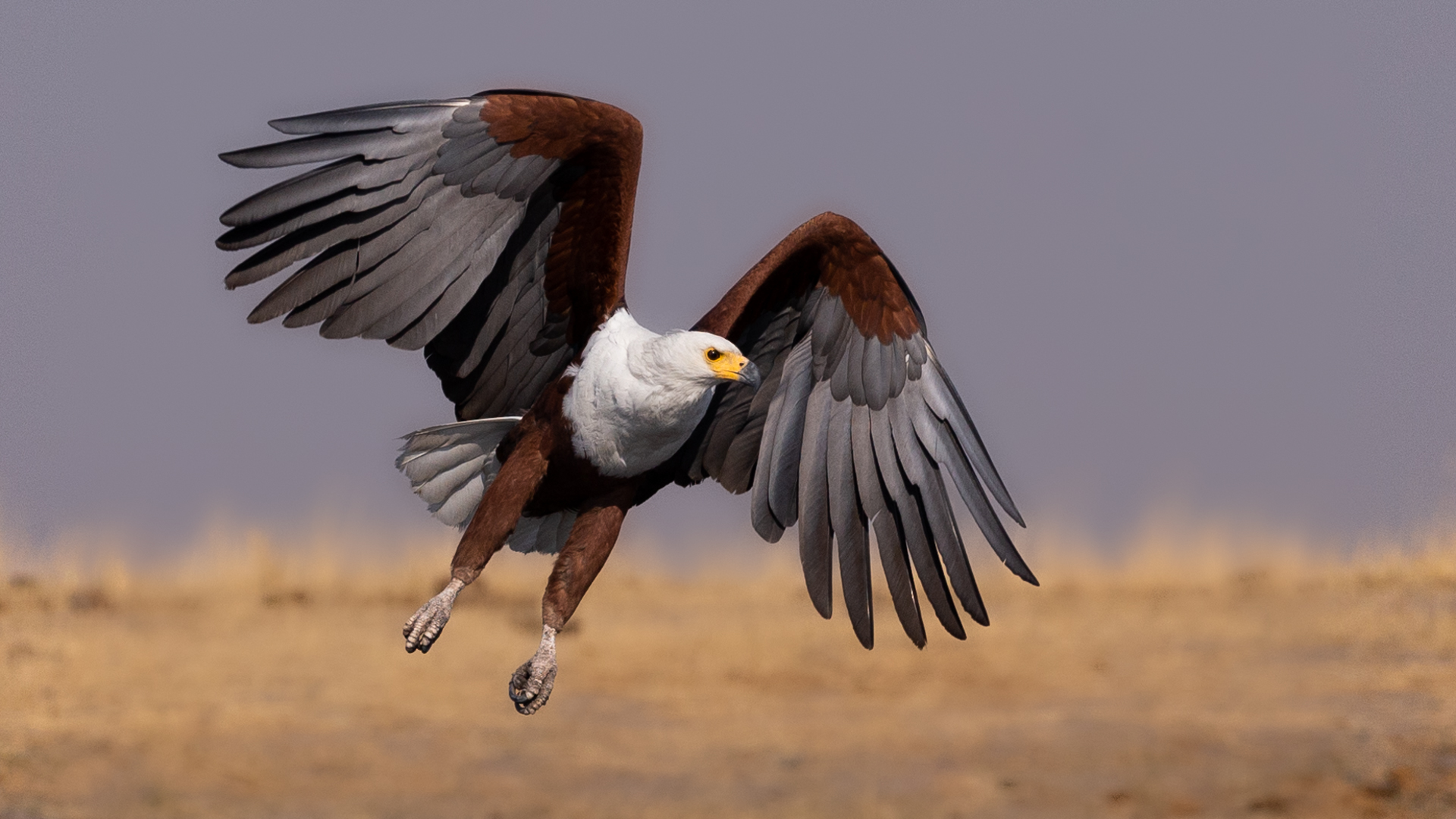
Its lakes, papyrus wetlands, woodlands, and savannah habitats support a wide variety of birds, including African fish eagles, herons, kingfishers, and numerous waterbirds.
For dedicated birdwatchers, a specialist guide can help identify less conspicuous species and explain how birds depend on different habitats.
Things to Do in Akagera National Park Beyond Game Drives

Although game drives are the most popular activity, Akagera offers several other ways to explore its landscape and wildlife.
Boat safari on Lake Ihema
A boat excursion on Lake Ihema provides a different perspective on Akagera. Visitors may observe hippos, crocodiles, and waterbirds while enjoying views across the lake and surrounding wetlands.
The experience is particularly appealing to photographers and travellers who want a more relaxed wildlife activity alongside their game drives.
Boat departures operate according to the current schedule, so advance confirmation is recommended.
Guided night drives
For travellers staying overnight, a guided night drive can reveal a different side of the park.
Nocturnal animals may become active after sunset, and the atmosphere of the savannah changes as darkness falls. With a trained guide, visitors can search for wildlife that is difficult to observe during the day.
Availability and arrangements should be confirmed when booking, as night drives are generally intended for overnight visitors.
Conservation and community experiences
Selected experiences may introduce visitors to aspects of park management, wildlife protection, or community life near Akagera.
Depending on availability, travellers may learn about local livelihoods, visit community enterprises, or discover how tourism contributes to conservation-related employment and income.
These experiences help visitors understand that a successful safari destination depends not only on its wildlife but also on responsible management and the participation of neighbouring communities.
Fishing and birdwatching
Fishing may be available at designated locations such as Lake Shakani, subject to current park rules and arrangements.
Birdwatching can also be organised as a dedicated activity, with particular attention to wetland species, woodland birds, and savannah habitats.
These activities should be booked or confirmed in advance to ensure they fit the itinerary.
Game Drive Strategy: How to Maximise Your Akagera Safari
A successful game drive is about more than travelling long distances. Timing, patience, habitat selection, and an understanding of animal behaviour all contribute to a rewarding experience.
Start early in the morning
An early start allows visitors to explore during the cooler hours, when many animals may be active. Morning light is also excellent for wildlife photography.
Your guide can help select routes according to the available time, recent sightings, and the animals you hope to encounter.
Explore different habitats
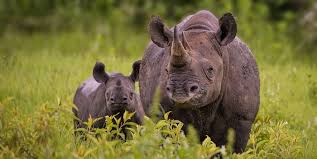
Akagera’s landscapes support different wildlife communities. Open grasslands may be productive for grazing animals, while woodland and areas near water offer opportunities to search for other species.
A well-planned route balances exploration with enough time to stop, observe, and photograph wildlife safely.
Adapt to the conditions
As temperatures rise, some animals may rest in shaded areas. Later in the day, activity may increase again.
Rather than rushing through the park, allow your guide to adjust the route according to the conditions and the time available.
Choose the right vehicle and guide
A suitable safari vehicle and a knowledgeable guide can improve comfort and help visitors understand what they see.
Seek Wild Africa helps travellers coordinate transport and guiding arrangements according to the selected package, travel schedule, and personal preferences.
Visitors should always remain inside the vehicle unless authorised otherwise, keep a safe distance from animals, avoid feeding wildlife, and follow park instructions.
One-Day Akagera National Park Safari from Kigali: A Beautiful Itinerary
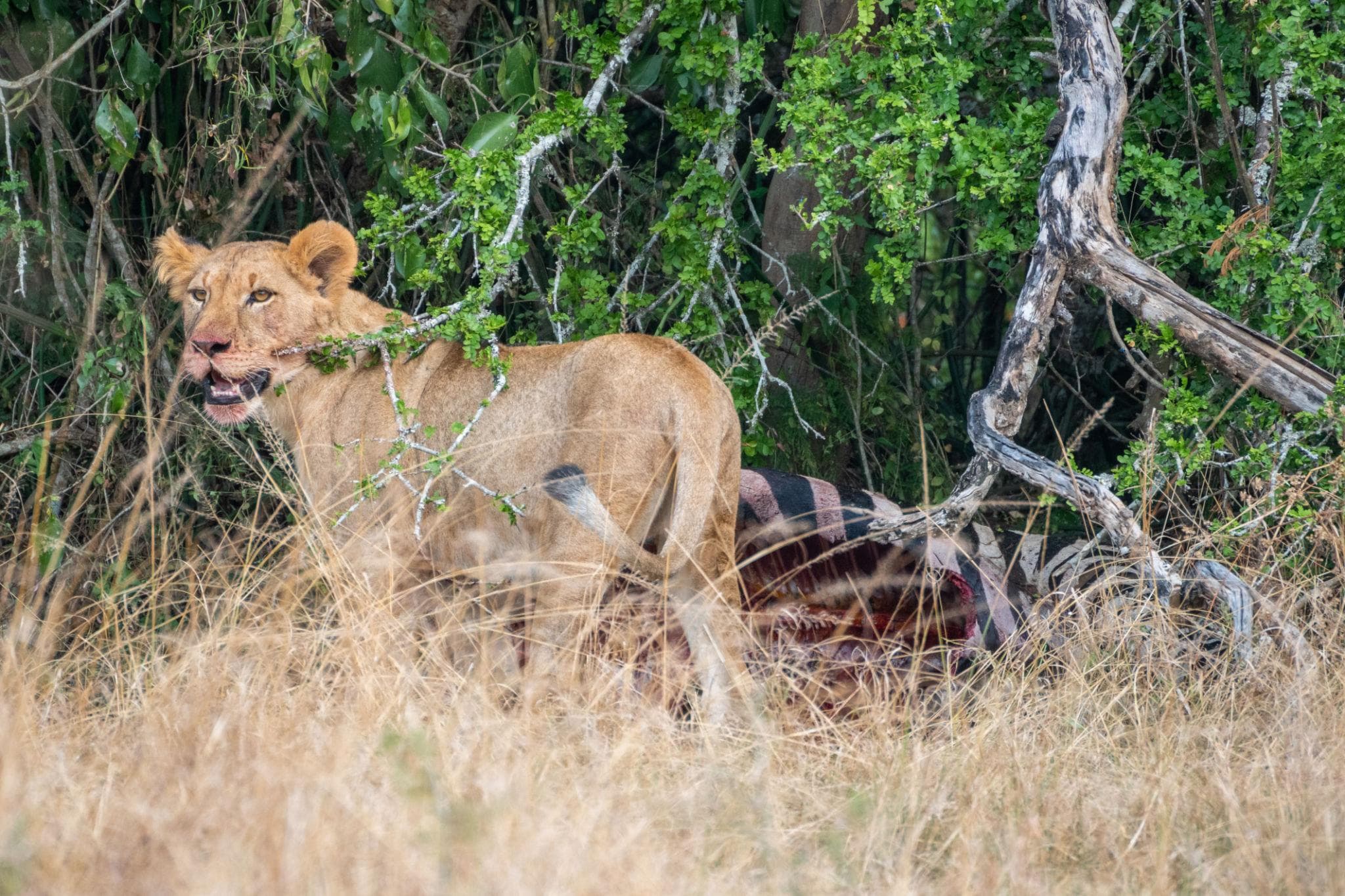
Can you visit Akagera National Park in one day from Kigali? Yes. A one-day safari is possible for travellers who have limited time in Rwanda and want to experience its savannah wildlife.
However, it requires an early departure and realistic planning. The aim should be to enjoy a focused game drive rather than trying to fit every park activity into a single day.
Suggested one-day itinerary
4:30–5:00 AM — Pick-up in Kigali
Your professional driver-guide meets you at your hotel or agreed pick-up point. After a short briefing, begin the journey towards Akagera.
5:00–7:30 AM — Drive to the park
Travel through Rwanda’s countryside towards the southern entrance. The exact journey time depends on your starting point, road conditions, and traffic.
7:30–8:00 AM — Arrival and entry arrangements
Complete the necessary entry procedures and confirm the day’s route. Actual entry times depend on the park’s current operating arrangements.
8:00–10:30 AM — Morning game drive
Begin exploring suitable wildlife habitats. Look for elephants, giraffes, zebras, buffaloes, antelopes, and other animals. With favourable conditions, you may also encounter predators or rhinoceroses.
10:30 AM–12:00 PM — Continue wildlife exploration
Continue through suitable areas, allowing time to observe animals and take photographs. Your guide can adapt the route according to recent sightings and the remaining time.
12:00–1:00 PM — Lunch break
Enjoy a pre-arranged lunch or packed meal at a permitted location.
1:00–2:30 PM — Afternoon safari
Continue exploring the park and observing its varied landscapes and wildlife. The route should remain focused on the areas practical to cover within the day.
2:30–3:00 PM — Prepare to leave the park
Begin returning towards the designated exit, allowing sufficient time for park procedures and the journey back to Kigali.
3:00–5:30 PM — Return journey
Travel back through the countryside, with the arrival time depending on road conditions and the departure time from the park.
5:30–6:30 PM — Drop-off in Kigali
Arrive at your hotel or agreed location, concluding your one-day Akagera National Park safari.
This is a suggested itinerary, not a guaranteed timetable. Departure and arrival times should be adjusted to current park hours, entry arrangements, road conditions, and the selected route.
Is one day enough?
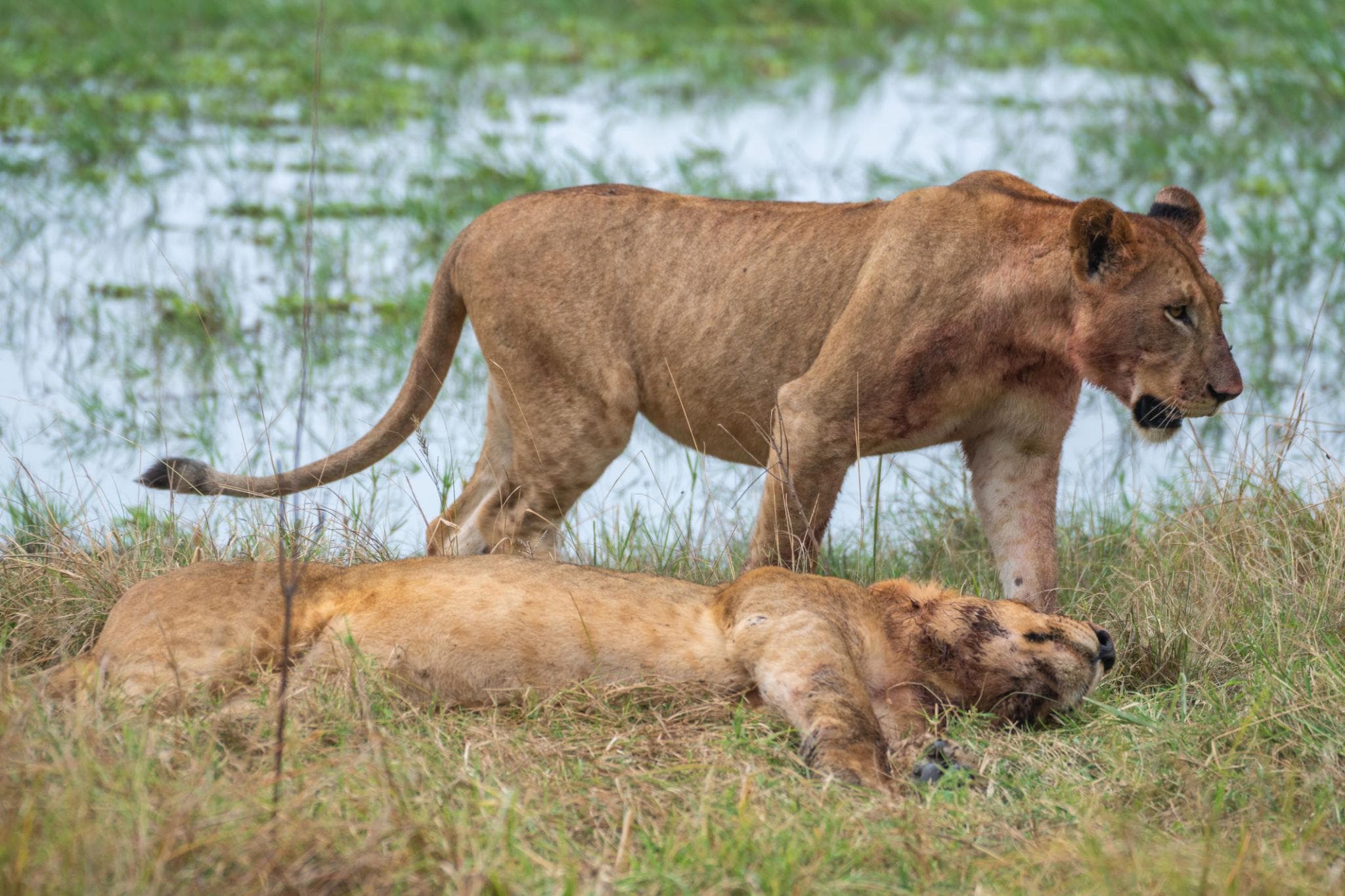
A one-day safari can provide a rewarding introduction to Akagera, especially for travellers with a busy schedule.
However, it is generally not enough to explore the entire park, enjoy every activity, and search extensively for all the Big Five. If you want a more relaxed experience, a boat excursion, or greater flexibility in choosing routes, consider staying overnight.
Two-Day Akagera Safari: Explore More of Rwanda’s Wildlife
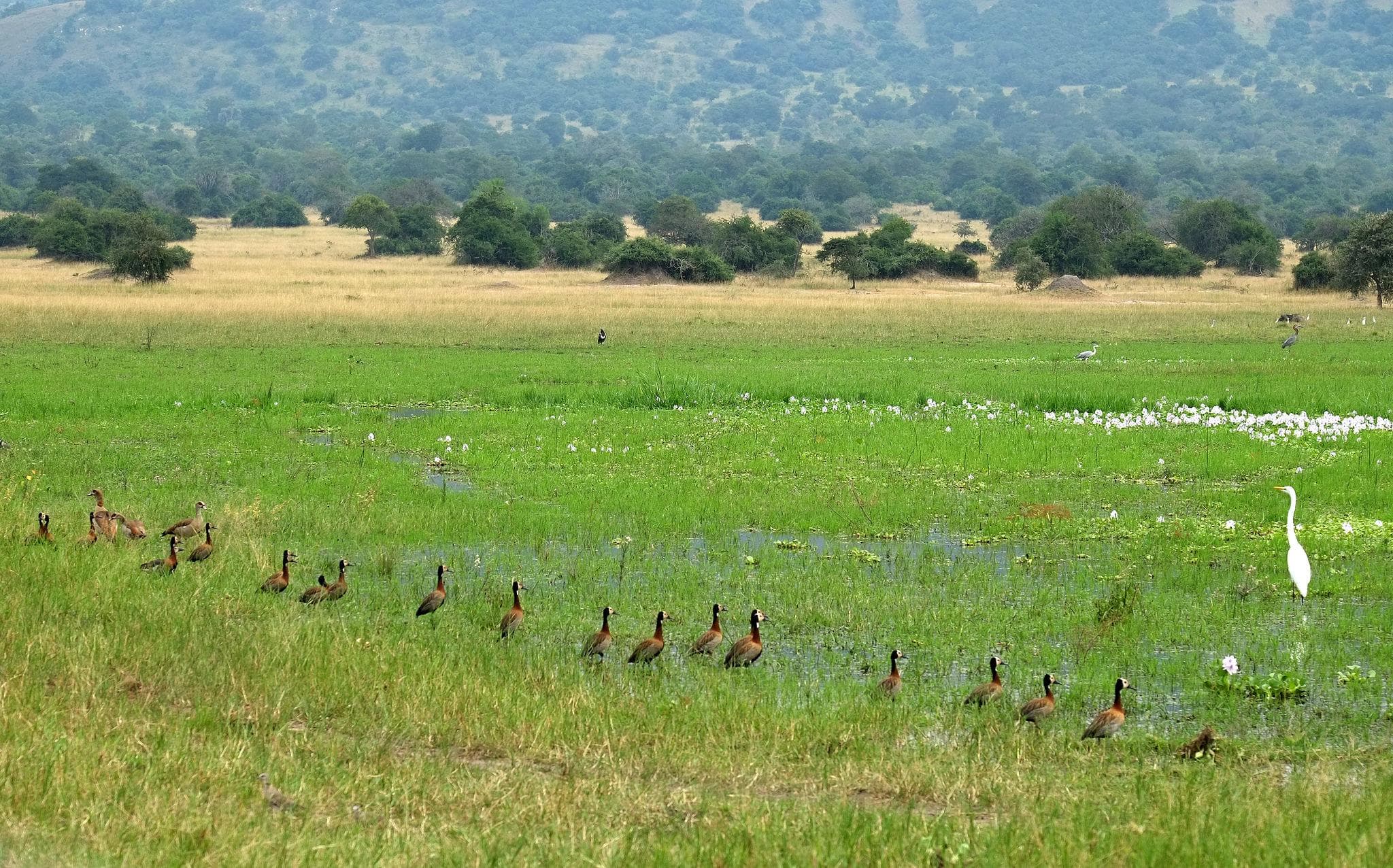
A two-day itinerary gives visitors more time to experience the park without rushing back to Kigali on the same day.
Day 1: Kigali to Akagera
Depart Kigali in the morning and travel to the park. After completing entry arrangements, enjoy a game drive through suitable habitats, stopping to observe wildlife and take photographs. After lunch, continue exploring before checking into your selected lodge or camp.
If arranged in advance and available, an evening activity can add another dimension to the experience.
Day 2: Morning wildlife and return to Kigali
Begin with an early wildlife experience where available, followed by breakfast. Depending on your accommodation, activity schedules, and travel plans, you may include a boat safari or another game drive before departing for Kigali.
A two-day safari is particularly attractive for couples, families, photographers, and visitors who want to combine game drives with additional activities.
Seek Wild Africa offers a 2-Day Akagera National Park Safari with a Boat Cruise and Big Five Wildlife Adventure.
Where to Stay in Akagera National Park
Accommodation plays an important role in determining the comfort, pace, and overall atmosphere of your safari. Akagera offers options ranging from comfortable eco-lodges to premium tented camps and simpler campsites.
Ruzizi Tented Lodge
Situated beside Lake Ihema, Ruzizi Tented Lodge offers an intimate eco-lodge atmosphere, en-suite tented accommodation, dining facilities, and a setting that blends with the surrounding environment.
It is an appealing choice for travellers who value comfort, nature, and access to selected park activities.
Karenge Bush Camp
Karenge Bush Camp is located in the northern part of the park and offers a more remote wilderness setting.
Its location suits visitors who want to spend more time exploring Akagera’s northern landscapes. Because it is farther from the southern entrance, it is generally better suited to a multi-day itinerary.
Wilderness Magashi
Magashi Camp is a premium tented camp in the northeastern part of Akagera, beside Lake Rwanyakazinga.
It is designed for travellers seeking high-end hospitality, a quieter safari atmosphere, and opportunities to experience the surrounding wildlife habitats.
SALT of Akagera
SALT of Akagera is another accommodation option for travellers planning a stay around the park. Confirm its latest location information, facilities, rates, and availability when booking.
Campsites and accommodation outside the park
Designated campsites can provide a simpler outdoor experience for travellers who enjoy camping. Facilities differ between sites, so check what is provided before arrival.
Accommodation outside the park may also be suitable for visitors with particular budget or comfort preferences. However, the distance to the chosen entrance should be considered carefully because additional driving can reduce the time available for wildlife viewing.
For current accommodation details, visit the official Akagera National Park website.
Best Time to Visit Akagera National Park in 2026–2027
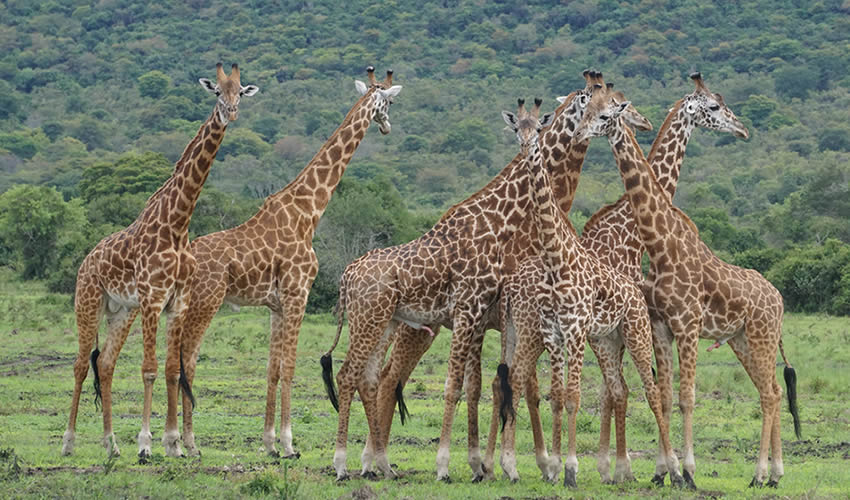
Akagera is a year-round destination, but weather conditions can influence road access, vegetation, visibility, and the overall safari experience.
Drier periods
During drier periods, some roads may be easier to navigate, and thinner vegetation in certain areas may improve visibility. These conditions can be attractive for wildlife photography and game drives.
Rainier periods
The rainy seasons bring greener landscapes and can provide rewarding birdwatching opportunities. However, some roads may become more challenging, and visitors should allow flexibility in their plans.
Choosing your travel dates
Consider your main interests, the areas you want to visit, accommodation availability, and the activities you wish to include.
There is no guarantee that a particular month will produce specific animal sightings. A well-planned itinerary and realistic expectations are more important than assuming wildlife will always be easy to find.
Seek Wild Africa can help you select suitable travel dates and organise the itinerary around your available time.
Conservation and Responsible Tourism in Akagera

Akagera’s conservation story is one of the strongest reasons to include the park in a Rwanda wildlife safari.
Wildlife protection depends on more than reintroducing animals. It requires ongoing monitoring, ranger patrols, habitat management, community engagement, and responsible tourism.
Protecting wildlife
Park management and conservation teams work to protect animals, monitor populations, and reduce threats such as poaching. These efforts help maintain the ecological health of the park.
Supporting neighbouring communities
Tourism can create employment and business opportunities through guiding, accommodation, transport, local enterprises, and community-led experiences.
When managed responsibly, these economic benefits can strengthen the relationship between neighbouring communities and the protected area.
Travelling responsibly
Visitors also have a role to play. Following park regulations, keeping a safe distance from animals, respecting local communities, and avoiding litter all contribute to a more responsible safari.
By choosing a well-organised safari, travellers can enjoy the park while respecting the natural environment that makes it special.
What to Pack for an Akagera National Park Safari
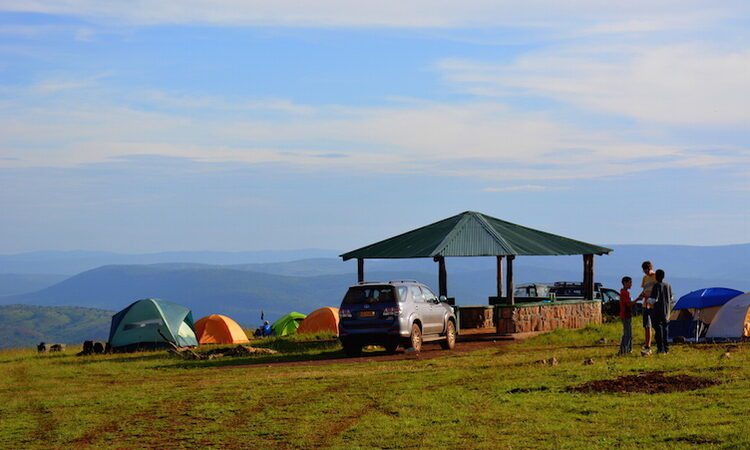
Packing appropriately helps make your journey more comfortable, particularly when leaving Kigali early and spending several hours outdoors.
Bring lightweight, neutral-coloured clothing, a light jacket for the early morning, comfortable shoes, a hat, sunglasses, sunscreen, insect repellent, binoculars, and a camera or smartphone with sufficient battery power.
Carry any personal medication you require and use a small daypack to keep your essentials organised.
Avoid prohibited single-use plastics
Rwanda has strict environmental rules concerning plastic carry bags and single-use plastic items, and Akagera applies visitor restrictions intended to reduce plastic pollution.
Before departure, check the latest park guidance and avoid prohibited items such as disposable plastic bags and single-use plastic drink bottles.
Bring a reusable water bottle made from stainless steel, aluminium, or durable reusable material. An insulated stainless-steel bottle can help keep water cool during a long game drive. Confirm refill arrangements with your operator or accommodation, and bring enough drinking water for the journey.
Reusable containers and appropriate food packaging also help reduce waste. Do not assume that every plastic item is permitted simply because it is reusable; follow the current regulations provided by the park.
Responsible packing helps protect Akagera’s lakes, wetlands, wildlife, and beautiful landscapes.
How Seek Wild Africa Helps You Organise Your Akagera Safari
Planning a successful safari involves more than choosing a destination. Transport, park entry arrangements, accommodation, activity schedules, and realistic travel times all need to work together.
At Seek Wild Africa, we help travellers organise Akagera National Park safari experiences according to their interests, available time, group size, and preferred comfort level.
We can help arrange a one-day safari from Kigali for visitors with limited time, or a longer itinerary for travellers who want to explore the park at a more relaxed pace.
Our planning support can include transport coordination, professional driver-guide arrangements where included in the selected package, accommodation selection, and the coordination of available activities such as game drives and boat excursions.
We also help travellers prepare for the practical details of their visit, including what to pack, when to depart, how to organise their time, and why responsible wildlife viewing matters.
For visitors exploring more of Rwanda, Akagera can be combined with other destinations, including Volcanoes National Park for mountain gorilla trekking, Nyungwe National Park for chimpanzee trekking, and Kigali for cultural experiences.
To explore an organised option, visit our 2-Day Akagera National Park Safari: Boat Cruise and Big Five Wildlife Adventure.
You can also contact Seek Wild Africa to discuss a safari that fits your dates, budget, and preferred experiences.
Discover the Remarkable Story of Akagera National Park
Akagera National Park deserves recognition among Africa’s remarkable safari destinations because it combines wildlife diversity, beautiful landscapes, conservation achievements, and convenient access from Kigali.
Its Big Five offer the excitement of a classic African safari, while its lakes and wetlands create opportunities for boat excursions, birdwatching, and a deeper appreciation of the natural environment.
Its history adds another dimension. From habitat loss and declining wildlife populations to the return of lions and major rhino reintroductions, Akagera demonstrates the importance of long-term conservation and effective management.
Unlike the Serengeti and Masai Mara, whose international reputation is strongly associated with the Great Migration, Akagera offers a distinctive Rwandan experience: a recovering savannah ecosystem where wildlife, wetlands, and conservation come together.
Whether you choose a one-day excursion from Kigali or a multi-day safari with an overnight stay, Akagera provides an opportunity to discover a different side of Rwanda in 2026–2027.
Let Seek Wild Africa help you plan your next adventure. From itinerary planning and transport coordination to accommodation and available safari activities, we help bring the details together so you can focus on the experience.
Explore Rwanda with Seek Wild Africa and discover the extraordinary wilderness of Akagera National Park.