Kigali Rwanda Travel Guide: Best Things to Do for First-Time Visitors in 2026–2027
October 09, 2026Clementine
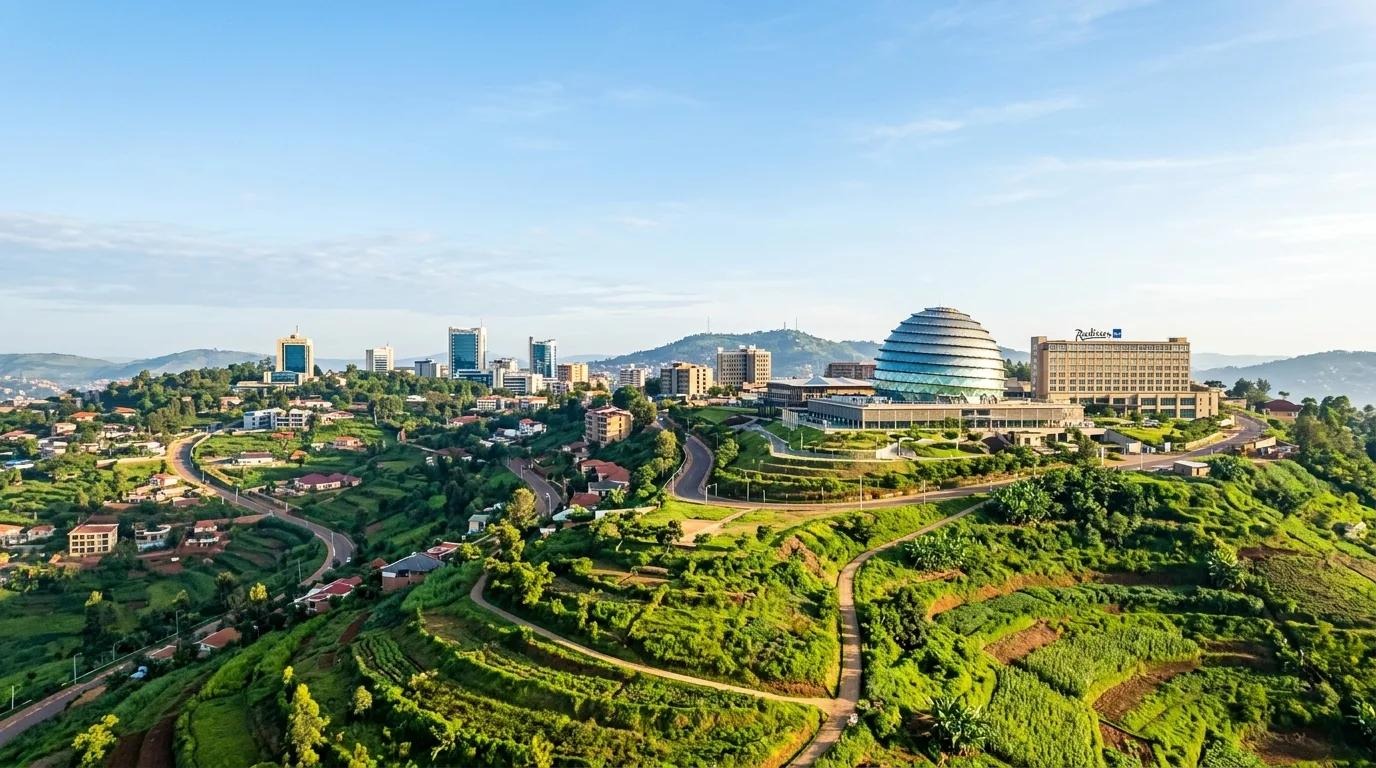
Imagine arriving in a city where green hills rise above modern buildings, colourful markets introduce you to local life, and a short journey can take you from museums and historical landmarks to mist-covered mountains, tropical rainforests and open savannahs filled with wildlife.
Welcome to Kigali, the capital of Rwanda.
For first-time visitors, Kigali Rwanda travel is much more than a city break. It is the beginning of a journey into a country known for its remarkable recovery, commitment to conservation, welcoming atmosphere and extraordinary variety of experiences within a relatively small geographical area.
A visitor can spend a morning learning about Rwanda’s history, enjoy a traditional Rwandan meal at lunchtime, explore local art in the afternoon and plan a mountain gorilla trekking adventure for the following day. Travellers with more time can continue to Akagera National Park for a Big Five safari, Nyungwe National Park for chimpanzee trekking, or the shores of Lake Kivu for relaxation and scenic exploration.
Although Kigali is not a national park, it is one of the most valuable starting points for discovering Rwanda's natural and cultural attractions.
This guide explores the best things to do in Kigali in 2026–2027, how to plan a memorable Kigali city tour, which destinations to visit beyond the capital, where to stay, and how Seek Wild Africa can organise a seamless Rwandan adventure.
Why Choose Kigali and Rwanda for Your African Journey in 2026–2027?

Africa offers extraordinary travel experiences, from the Great Migration across the Serengeti and Maasai Mara to the deserts of Namibia and the beaches of the Indian Ocean. Rwanda offers a different but equally compelling combination: intimate wildlife encounters, accessible cultural experiences, mountainous landscapes and a powerful story of national resilience.
1. A country whose history inspires the future
Rwanda's modern identity cannot be understood without recognising the 1994 Genocide against the Tutsi. The tragedy devastated families and communities, but the decades that followed have also witnessed extensive efforts towards justice, reconciliation, rebuilding and national development.
A visit to Kigali provides an opportunity to learn about this history respectfully and to understand why remembrance remains important to Rwandans.
Today, visitors encounter a country that continues to invest in education, tourism, infrastructure, conservation and community development. Its story is not simply one of suffering; it is also one of human dignity, determination and the ongoing work of rebuilding.
2. Exceptional wildlife experiences within a compact destination
One of Rwanda's greatest advantages is the variety of experiences available within a relatively short trip.
- Kigali: History, art, local cuisine, markets and contemporary urban life.
- Volcanoes National Park: Mountain gorilla trekking, golden monkeys and volcanic scenery.
- Akagera National Park: Savannah landscapes, wildlife viewing, Big Five safaris and boat excursions.
- Nyungwe National Park: Chimpanzee trekking, forest hiking, birdwatching and the canopy walkway.
- Lake Kivu: Lakeside relaxation, scenic drives, kayaking and boat trips.
- Huye and Nyanza: Cultural heritage, museums and opportunities to explore Rwanda's historical traditions.
This variety makes Rwanda especially attractive to travellers who want to combine wildlife, culture and history rather than dedicate their entire holiday to a single type of safari.
3. Conservation that visitors can experience firsthand
Rwanda's conservation story is particularly visible in its national parks.
Akagera's recovery includes the return of lions in 2015 and black rhinos in 2017, helping restore the park's Big Five wildlife offering. Volcanoes National Park protects endangered mountain gorillas, while Nyungwe safeguards an exceptional montane rainforest ecosystem and its primates.
These are not just beautiful places to photograph. They are protected landscapes where wildlife management, responsible tourism and community involvement are important to long-term conservation.
For visitors, the reward is a deeper understanding of how conservation can protect natural heritage while supporting tourism and surrounding communities.
The History of Kigali: From a Difficult Past to a City of Renewal

Kigali's development reflects Rwanda's changing history. Established as a colonial administrative centre in the early twentieth century, it became the capital when Rwanda gained independence in 1962.
The city suffered greatly during the 1994 Genocide against the Tutsi. In the years that followed, Kigali became a major centre for rebuilding institutions, restoring communities and developing new opportunities.
Today, the city is an important hub for business, government, conferences, arts and tourism. Its hills, neighbourhoods, markets, restaurants and public spaces offer visitors a chance to see everyday life alongside the country's broader development.
Kigali's appeal is not that its past has disappeared. Rather, its historical landmarks help visitors understand the relationship between remembrance, resilience and the future.
Kigali's organisation and visitor experience
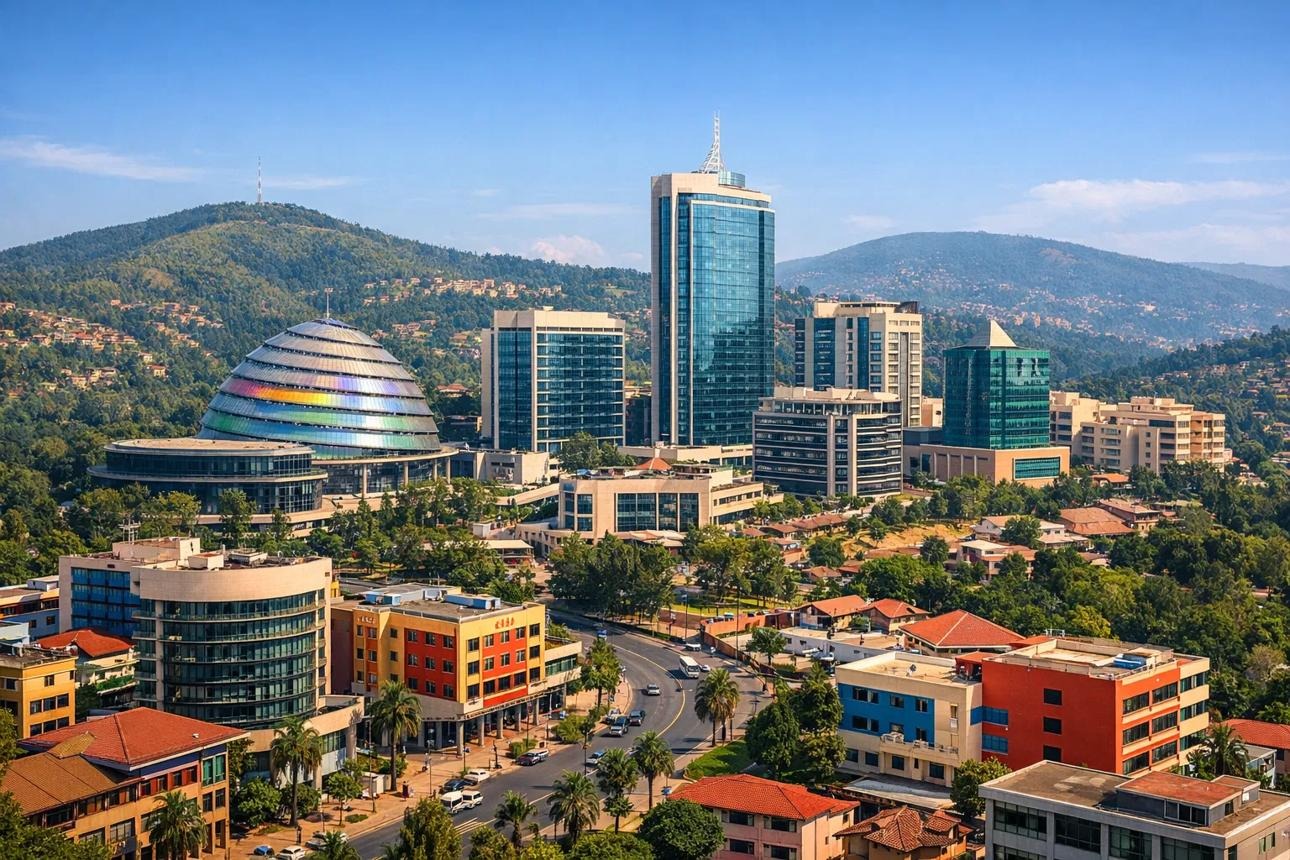
Many first-time visitors appreciate Kigali for its relatively orderly urban environment, established hospitality sector and access to transport and tour services. The city has hotels across different price categories, restaurants serving Rwandan and international cuisine, and tour operators who can arrange guided excursions.
A well-planned Kigali city tour should combine several dimensions of the destination:
- Historical learning through memorials and museums.
- Cultural discovery through art, crafts and local food.
- Urban exploration through selected neighbourhoods and viewpoints.
- Practical preparation for onward journeys to Rwanda's national parks.
Visitors should still plan transport, allow time for traffic, confirm opening hours and book popular activities in advance. An organised city tour makes it easier to understand the context behind each place rather than simply passing through it.
Best Things to Do in Kigali for First-Time Visitors
The following experiences form the foundation of a rewarding Kigali Rwanda travel itinerary.
Visit the Kigali Genocide Memorial

The Kigali Genocide Memorial in Gisozi is one of the most significant historical places to visit in Rwanda. It serves as the final resting place of approximately 250,000 victims of the Genocide against the Tutsi and provides educational exhibitions about the genocide, its historical context and Rwanda's journey towards justice and reconciliation.
For international visitors, this experience helps explain the depth of Rwanda's national transformation and why remembrance and the prevention of future atrocities remain important.
What visitors can experience:
- Educational exhibitions about Rwanda's history and the genocide.
- Memorial gardens and a place for reflection.
- Historical information about the consequences of hatred and violence.
- Opportunities to learn about justice, reconciliation and rebuilding.
Practical advice: Allow around two hours or more, depending on your interest and whether you choose a guided visit. Dress respectfully, maintain a quiet and considerate manner, and check the memorial's official visitor information before travelling. Advance booking is recommended, especially for organised groups.
This is an important part of a Kigali city tour, not merely another sightseeing stop.
Explore the Kandt House Museum

The Kandt House Museum introduces visitors to aspects of Rwanda's early colonial-era history and the development of Kigali. It provides useful context for understanding the historical forces that shaped the city and the country.
For first-time visitors, it offers a different perspective from the Genocide Memorial: while the memorial focuses on the genocide and its consequences, the Kandt House Museum helps explore earlier historical periods.
Consider including it in a city tour that focuses on Rwanda's changing political, social and urban history. Check current exhibitions, opening hours and admission arrangements with Rwanda's national museums before your visit.
Discover Rwandan creativity at the Rwanda Art Museum

Art provides another way to understand Rwanda beyond historical landmarks and wildlife.
The Rwanda Art Museum, located at the former presidential palace site in Kanombe, introduces visitors to artistic expression and changing cultural perspectives. Depending on current exhibitions, visitors may encounter paintings, sculpture and other forms of visual creativity.
A visit is especially worthwhile for travellers interested in contemporary African art, photography and the ways artists interpret identity, culture and society.
Travel tip: Pair an art museum visit with a local restaurant or a stop at a craft shop to create a more balanced cultural afternoon.
Walk through Kimironko Market

Kimironko Market offers a lively introduction to everyday commerce in Kigali. Colourful fabrics, fresh produce, household goods and local products create a busy atmosphere that differs from the city's modern commercial centres.
Visitors can:
- Browse colourful fabrics and locally made products.
- Discover seasonal fruits and familiar Rwandan ingredients.
- Practise respectful interaction with local traders.
- Purchase souvenirs and small gifts.
Ask permission before photographing people, agree on prices before buying where appropriate, and keep your belongings secure in busy areas.
A local guide can help visitors navigate the market, understand what they are seeing and communicate more easily with vendors.
Taste traditional Rwandan food

Food is an essential part of a Kigali travel experience. Traditional dishes often feature beans, cassava, sweet potatoes, plantains, vegetables and locally produced ingredients.
First-time visitors can look for:
- Isombe: Cassava leaves cooked with seasonings and other ingredients.
- Ibishyimbo: Beans prepared in a variety of traditional styles.
- Matoke: Plantains cooked as part of a meal.
- Brochettes: Grilled skewers commonly found in restaurants and local eateries.
- Ugali: A firm staple made from flour, often served with vegetables or sauces.
Menus and recipes vary by restaurant and region, so ask about ingredients and preparation if you have dietary requirements.
A food stop during a Kigali city tour adds a personal dimension to the trip and helps visitors appreciate Rwanda's hospitality.
Enjoy Kigali's hills, viewpoints and neighbourhoods

Kigali's rolling landscape is one of its defining features. Roads rise and descend between hills, revealing different views of the city, residential neighbourhoods and distant green slopes.
A guided drive can include selected viewpoints, modern city landmarks and neighbourhoods where visitors see everyday urban life. The exact route depends on traffic, available time and the places that interest the traveller most.
This is also an opportunity to understand Kigali as a living city rather than a collection of monuments.
Explore local crafts and Made in Rwanda products

Rwandan crafts make meaningful souvenirs because they reflect local design traditions and contemporary creativity.
Look for woven baskets, handmade accessories, paintings, textiles and Imigongo art, which is recognised for its distinctive geometric patterns.
Buying directly from local artisans or reputable craft shops can help support creative businesses and preserve traditional skills.
Why it belongs in your itinerary: It adds a cultural and community dimension to Kigali travel and offers a thoughtful alternative to wildlife-only sightseeing.
Kigali City Tour: A Beautiful One-Day Itinerary
A single day is enough to discover several of Kigali's most important attractions if the route is planned carefully. The following itinerary balances historical learning, local culture, food and modern city life.

9:00 AM – Kigali Genocide Memorial
Begin with a meaningful visit to the memorial's exhibitions and gardens. Learn about the Genocide against the Tutsi, the importance of remembrance and Rwanda's efforts towards reconciliation.
Suggested duration: 2 hours

11:15 AM – Historical museum visit
Explore the Kandt House Museum if opening hours and your route permit. Discover another layer of Rwanda's history before continuing into the city's cultural life.
Suggested duration: 45–60 minutes

12:30 PM – Traditional Rwandan lunch
Enjoy a meal featuring local dishes, with time to ask your guide about Rwandan food and customs.
Suggested duration: 1 hour

1:45 PM – Kimironko Market
Browse textiles, crafts and local products. Discover how residents shop and interact in one of Kigali's well-known markets.
Suggested duration: 60–75 minutes

3:15 PM – City drive and viewpoint
Explore selected neighbourhoods and viewpoints, with optional time for local art or shopping if traffic allows.
Suggested duration: 1–1.5 hours
Timing is indicative. A respectful visit to the Genocide Memorial should not be rushed, and the route may need adjustment for traffic, museum hours and individual interests.
One-Day Cultural Tour from Kigali: Huye and Nyanza
Rwanda's cultural heritage extends well beyond the capital. Travellers who want to understand the country's royal traditions, historical institutions and regional identity can take a full-day journey south from Kigali to Nyanza and Huye.
This is a long day on the road, so it is best suited to visitors who enjoy an early start and focused sightseeing. If you prefer leisurely museum visits, consider spending one night in the south.

Itinerary: Kigali – Nyanza – Huye – Kigali

6:30 AM – Depart Kigali
Meet your professional driver-guide and travel south through Rwanda's rolling countryside. Enjoy the changing scenery of green hills, cultivated fields and rural settlements.

9:00 AM – King's Palace Museum, Nyanza
Discover Rwanda's royal heritage at the reconstructed traditional palace. Learn about the monarchy, royal customs, traditional architecture and the importance of cattle in Rwandan cultural life.
Depending on current arrangements, the visit may also introduce you to the traditional long-horned Inyambo cattle.

11:30 AM – Travel to Huye
Continue to Huye, a town known for its academic and cultural character.

12:15 PM – Ethnographic Museum
Visit the Ethnographic Museum, one of Rwanda's key cultural institutions. Explore collections that help explain traditional life, craftsmanship, social customs and the country's cultural heritage.
Allow time for lunch and confirm museum admission arrangements.

2:30 PM – Begin the return journey
Depending on time and road conditions, enjoy selected countryside stops before heading back to Kigali.

Early evening – Arrive in Kigali
Return to your hotel or chosen drop-off point. The exact arrival time depends on traffic, visit duration and road conditions.
The King's Palace Museum in Nyanza and the Ethnographic Museum in Huye are valuable stops for travellers who want to understand Rwanda through its own cultural heritage.
Seek Wild Africa's recommendation: Arrange a private vehicle, an experienced driver-guide, advance confirmation of museum opening hours and a realistic schedule. This helps you enjoy the experience without spending the entire day rushing between attractions.
Rwanda's National Parks: What Makes the Country Unique?
Kigali is the gateway, but the wider country is where travellers discover Rwanda's extraordinary ecological variety. Unlike destinations built primarily around large herds crossing open plains, Rwanda combines mountain gorillas, golden monkeys, chimpanzees, forest birds, savannah wildlife and lakeside landscapes.
The country's parks should not be judged only by whether they offer the same experience as the Serengeti or Maasai Mara. Their appeal lies in different ecosystems and different ways of encountering African wildlife.
Volcanoes National Park: Mountain gorillas and golden monkeys

Volcanoes National Park in northwestern Rwanda protects part of the Virunga mountain ecosystem and is internationally known for mountain gorilla trekking.
For many travellers, meeting a mountain gorilla family in its natural habitat is the defining experience of a Rwanda holiday. Guided treks pass through montane forest and bamboo vegetation, with the exact route and trekking difficulty varying according to the gorilla group's location.
The park is also home to golden monkeys, striking primates recognised by their golden-orange colouring. Golden monkey trekking offers a different forest experience and can complement a gorilla trek.
What makes Volcanoes National Park special?
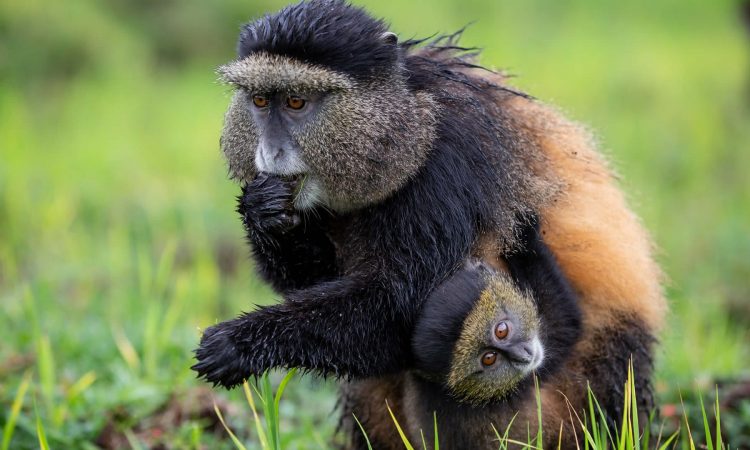
- Opportunities to observe endangered mountain gorillas under regulated trekking arrangements.
- Golden monkey tracking.
- Dramatic volcanic scenery and lush mountain vegetation.
- Guided hikes, including routes associated with Mount Bisoke and Mount Karisimbi, subject to applicable permits and conditions.
- Conservation experiences connected to the protection of mountain gorillas and their habitat.
Gorilla and golden monkey activities have different permit arrangements, eligibility requirements and physical demands. Confirm current rules and availability before booking.
Akagera National Park: Rwanda's Big Five safari destination
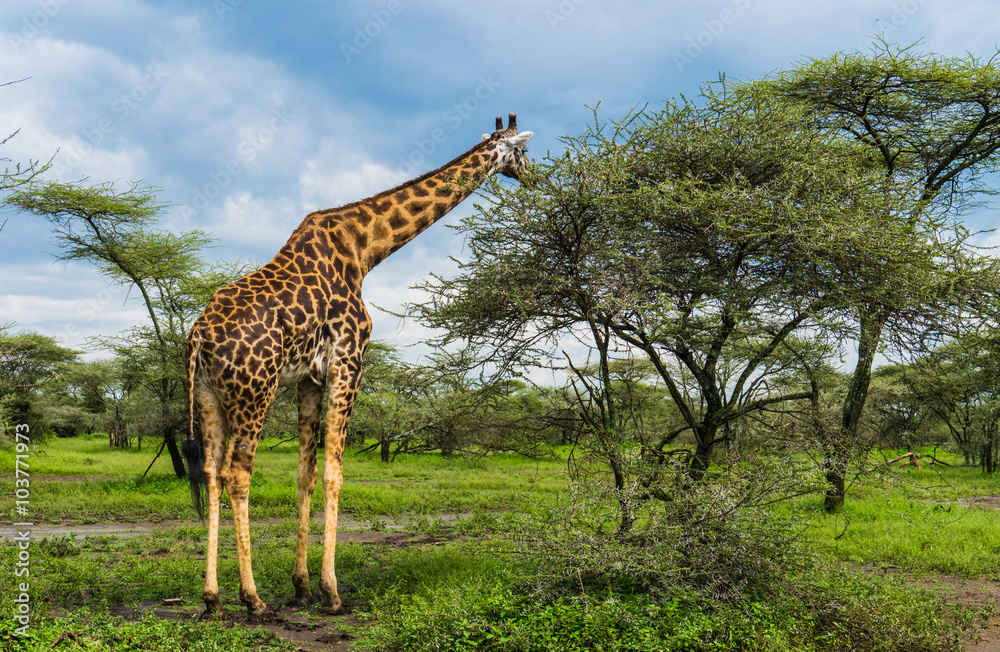
Akagera National Park, in eastern Rwanda, provides the country's classic savannah safari experience. Its landscape includes grasslands, woodland, wetlands and lakes, making it a very different destination from the mountain forests in the north.
The park is home to the Big Five: lions, leopards, elephants, rhinoceroses and buffaloes. Sightings are never guaranteed, but the variety of habitats makes game drives rewarding for wildlife enthusiasts, birdwatchers and photographers.
Akagera is also an important example of conservation recovery. The return of lions in 2015 and black rhinos in 2017 helped restore its Big Five status.
How to plan a successful Akagera game drive
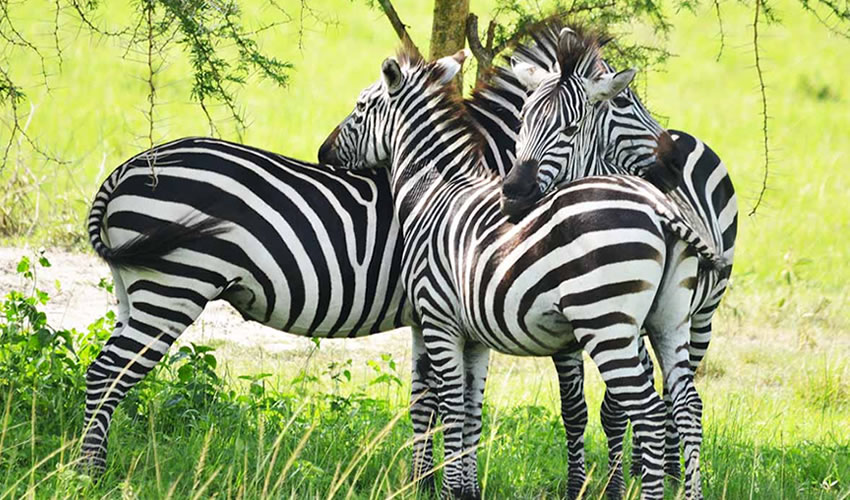
A successful game drive is not simply about driving as far as possible. It requires patience, good timing, careful observation and respect for park regulations.
1. Start early where possible. Morning drives can provide rewarding wildlife-viewing opportunities before the day becomes hot. Animal activity varies with season and conditions.
2. Use the right vehicle and route. A suitable safari vehicle and a knowledgeable guide can improve comfort, navigation and wildlife interpretation. Confirm road conditions and the areas accessible to your chosen vehicle.
3. Spend time observing. Look beyond the most obvious animals. Birds, tracks, grazing antelopes, habitat changes and animal behaviour can make a drive interesting even when large predators are not visible.
4. Choose sectors strategically. Akagera's northern and southern areas offer different landscapes and logistics. A short visit may focus on the southern sector, while a longer safari allows more exploration.
5. Add a boat safari. A Lake Ihema excursion can offer views of hippos, crocodiles and waterbirds from a different perspective. Check the available departure times and book in advance where necessary.
6. Keep realistic expectations. Wildlife moves freely, and sightings depend on luck, weather, season and animal behaviour. A responsible guide never promises that every visitor will see every member of the Big Five.
Akagera's official visitor information confirms that day trips are possible, while guided game drives and boat trips can be arranged subject to availability.
Nyungwe National Park: Chimpanzees and ancient rainforest

Nyungwe National Park protects an extraordinary montane rainforest in southwestern Rwanda. Its appeal lies in biodiversity, forest scenery and the chance to experience a different side of African wildlife.
Chimpanzee trekking is one of its best-known activities. Visitors may also enjoy guided forest walks, birdwatching, waterfalls and the canopy walkway, which offers an elevated perspective across the rainforest.
The park is known for its diverse primate community and exceptional birdlife, including species associated with the Albertine Rift.
For first-time visitors, Nyungwe offers an opportunity to slow down and appreciate the forest itself, rather than concentrating only on large mammals.
Recommended experiences:
- Guided chimpanzee trekking.
- The Nyungwe Canopy Walkway.
- Waterfall and forest hikes.
- Birdwatching with an experienced guide.
- Scenic drives through the surrounding tea-growing landscape.
Chimpanzee trekking requires an early start and depends on park arrangements. If you want to combine it with the canopy walkway, allow sufficient time or plan an overnight stay nearby.
Lake Kivu: Relaxation after adventure
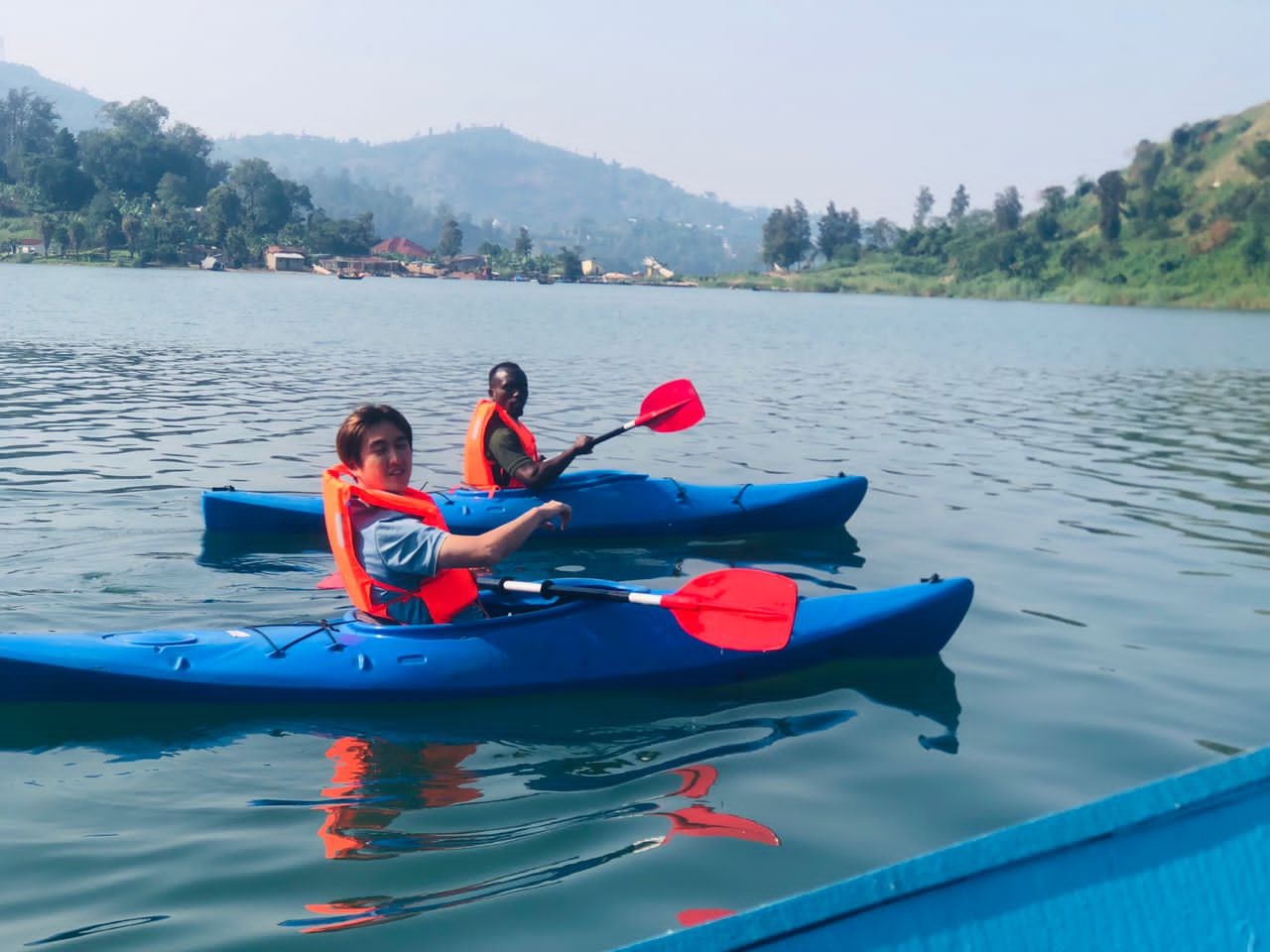
After a demanding mountain trek or a long day on safari, Lake Kivu offers a different rhythm. Its shoreline features scenic views, small towns, beaches, islands and opportunities for boating and kayaking.
Travellers can include Rubavu, Karongi or other lakeside areas in a longer Rwanda itinerary. The best stop depends on the route, available time and accommodation preferences.
Lake Kivu is ideal for couples, families and travellers who want to balance adventure with rest.
Why Rwanda Is Different from the Great Migration Destinations
The Great Migration is one of Africa's most spectacular natural events. The seasonal movement of wildebeest and other herbivores across the Serengeti and Maasai Mara attracts travellers from around the world.
Rwanda offers a different kind of wildlife experience. Rather than focusing primarily on large migrating herds across vast grasslands, it brings together intimate primate encounters, dramatic mountains, ancient forests and a dedicated savannah safari destination.
Experience Rwanda's distinctive appeal
Mountain gorillas Guided encounters with endangered mountain gorillas in a forested mountain habitat
Golden monkey A specialised primate-tracking experience in the Virunga region
Big Five safari Savannah game drives and lake-based wildlife viewing in Akagera
Chimpanzees Guided tracking in the rainforest of Nyungwe
Cultural heritage Royal history, museums, local traditions and contemporary Rwandan life
Conservation Opportunities to learn about habitat protection and wildlife recovery
These destinations are not interchangeable, and one is not automatically better than the other. The right choice depends on what you want to experience.
If your priority is the Great Migration, the Serengeti and Maasai Mara are natural choices. If you want gorilla trekking, chimpanzee encounters, a compact combination of wildlife and culture, and time in a country with a powerful conservation story, Rwanda deserves serious consideration.
For travellers with enough time, combining Rwanda with another East African destination can provide a particularly rich journey.
One-Day Rwanda Gorilla Safari from Kigali: A Once-in-a-Lifetime Experience
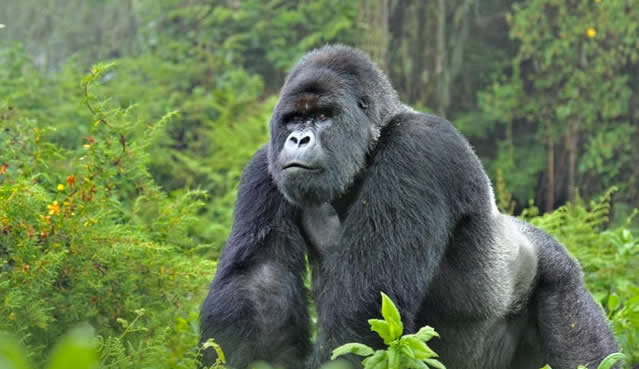
For travellers with limited time, a one-day gorilla trekking tour from Kigali can make it possible to experience one of Africa's most extraordinary wildlife encounters without spending the night near the park.
However, it is an early-start, full-day excursion. Gorilla trekking takes place in Volcanoes National Park near Musanze, and the duration of the trek depends on the gorilla group's location and the terrain.
Detailed itinerary: Kigali to Volcanoes National Park and back

4:00–4:30 AM – Pick-up in Kigali
Your driver-guide collects you from your hotel or agreed meeting point. After a brief introduction and a check of the day's arrangements, begin the drive north towards Musanze and Volcanoes National Park.

Around 7:00 AM – Arrive for the trekking briefing
Meet the park team, complete the required checks and receive instructions on gorilla behaviour, safety and conservation. Exact reporting requirements should be confirmed with your operator and park authorities.

Morning – Begin mountain gorilla trekking
Accompanied by authorised guides and trackers, walk through the mountain forest in search of your assigned gorilla family. The trek may be relatively short or physically demanding, depending on where the gorillas are found.

Gorilla encounter – Observe and photograph responsibly
When the gorillas are located, follow the guides' instructions and enjoy the authorised viewing period. Observe their behaviour, family interactions and movement through the forest without disturbing them.
Early afternoon – Lunch and return preparations
After the trek, enjoy lunch and take time to rest. If time and conditions permit, a brief local stop may be possible, but the main priority is a safe return to Kigali.
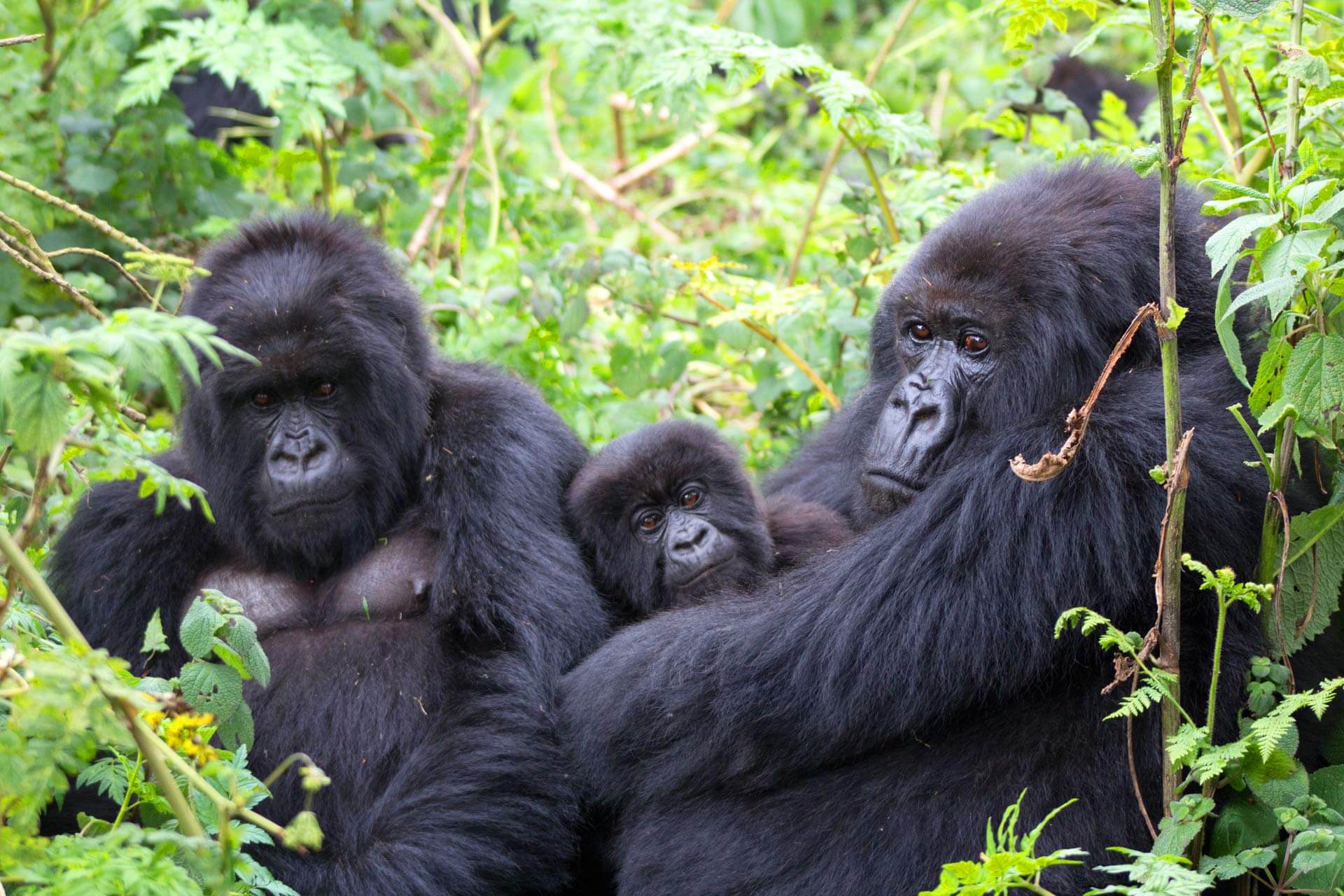
Afternoon to evening – Return to Kigali
Travel back to the capital and arrive at your hotel, subject to trekking duration, road conditions and traffic.
Important: The times are planning estimates, not guaranteed appointment times. Gorilla trekking can last several hours. A one-day trip is possible, but an overnight stay near Volcanoes National Park is more comfortable for travellers who prefer a less demanding schedule.
What does a well-organised gorilla safari include?
When comparing Rwanda gorilla trekking packages, check whether the following are included:
- A valid gorilla trekking permit arranged through the authorised booking process.
- Private transport between Kigali and Volcanoes National Park.
- A professional driver-guide.
- Accommodation, if choosing a multi-day package.
- Meals and drinking water as specified in the itinerary.
- Assistance with timing, required documents and trekking preparations.
Do not assume that every package includes a permit, meals or accommodation. Request a written list of inclusions and exclusions before paying.
Gorilla trekking and golden monkey trekking: Which should you choose?

Mountain gorilla trekking
Best for travellers seeking a memorable encounter with an endangered great ape and its family group in a mountain forest.
Plan around the permit, fitness requirements and trek duration.

Golden monkey trekking
Best for travellers interested in lively primate behaviour, bamboo forest and a different wildlife photography experience.
A separate activity with its own permit and eligibility conditions.
If your schedule allows, consider a two-day Volcanoes National Park itinerary: gorilla trekking on the first day and golden monkey trekking on the second, subject to permit availability. This gives you more time to appreciate the area without attempting two major activities in a single day.
Where to Stay in Kigali and Near Rwanda's National Parks
Accommodation is an important part of the Rwanda travel experience. The best choice depends on your budget, preferred comfort level, activities and how early you need to reach a park.
The following examples illustrate different types of stays. Confirm current rates, availability, meal plans and facilities directly with the property before booking.
Accommodation in Kigali

Kigali Serena Hotel
A full-service hotel option for travellers seeking established hospitality facilities, a swimming pool, dining and convenient access to central Kigali.
Suitable for: Business travellers, couples and visitors who prefer upscale hotel services.

Heaven Boutique Hotel
A boutique-style stay with dining and a relaxed atmosphere. It is an option for travellers looking for a more intimate setting.
Suitable for: Couples, leisure travellers and guests interested in a boutique experience.

The Retreat by Heaven
A luxury boutique property offering a wellness-oriented setting and higher-end facilities.
Suitable for: Luxury travellers, honeymooners and guests seeking a premium city stay.
These Kigali properties are listed among the city's accommodation options in Rwanda's official tourism directory.
Where to stay near Volcanoes National Park

Five Volcanoes Boutique Hotel
A comfortable boutique option near the gorilla trekking area, suitable for travellers who want a convenient base before an early start.

Bisate Lodge
A high-end lodge known for its distinctive architecture, natural setting and luxury safari experience.

Sabyinyo Silverback Lodge
An upscale lodge option near the park, offering cottage accommodation and mountain scenery.
These properties represent different levels of accommodation, from boutique comfort to luxury. Their locations and facilities make them worth comparing when planning gorilla trekking.
Where to stay in Akagera National Park

Ruzizi Tented Lodge
An eco-conscious tented lodge overlooking Lake Ihema, ideal for travellers who want to stay close to nature and enjoy a quieter safari atmosphere.

Magashi Camp
A luxury safari-camp option for visitors seeking a more immersive wildlife experience in the park's northern area.
Akagera's accommodation options allow travellers to choose between an eco-lodge atmosphere and more exclusive safari accommodation. Staying overnight can provide more flexibility for morning and afternoon wildlife activities.
Where to stay near Nyungwe National Park

One&Only Nyungwe House
A luxury option set among tea-growing landscapes near the rainforest, suitable for guests looking for a premium nature-focused stay.

Nyungwe Top View Hill Hotel
A more straightforward hotel option with views across the surrounding countryside and tea plantations.
Nyungwe accommodation ranges from luxury forest retreats to simpler options. Choose a location that works with your planned chimpanzee trekking start time and other activities.
How Seek Wild Africa Helps You Experience Rwanda
A memorable trip requires more than a list of destinations. It needs the right route, realistic timing, suitable accommodation and reliable arrangements for each activity.
Seek Wild Africa helps travellers turn their Rwanda travel ideas into organised, personalised journeys. Whether you want to spend a single day exploring Kigali or combine several national parks into a longer holiday, the itinerary can be tailored to your interests, available time and budget.
What we can organise for you
- Kigali city tours: Historical landmarks, museums, local markets, cultural experiences and selected city viewpoints.
- Cultural tours: Visits to Nyanza, Huye and other destinations that reveal Rwanda's heritage.
- Gorilla trekking packages: Transport, itinerary planning, accommodation arrangements and assistance with permit coordination, subject to availability and the applicable booking process.
- Golden monkey trekking: Help planning a visit to Volcanoes National Park and coordinating the required activity arrangements.
- Akagera safaris: Game drives, wildlife viewing, boat safari arrangements and overnight stays.
- Nyungwe adventures: Chimpanzee trekking, canopy walkway visits, guided forest activities and suitable accommodation.
- Multi-day Rwanda tours: Combinations of Kigali, Volcanoes National Park, Akagera, Nyungwe, Lake Kivu and cultural destinations.
- Transport and driver-guide services: Private transport and itinerary support for individuals, couples, families and groups.
- Accommodation planning: Recommendations matched to your travel style, preferred comfort level and route.
Travel preparation: Guidance on timing, appropriate clothing, park requirements and practical arrangements.

How we prepare your Rwanda journey
1. Understand your travel goals
We establish your travel dates, group size, interests, budget and preferred accommodation style.
2. Design a practical itinerary
We arrange destinations in a sensible order, account for driving times and activity schedules, and recommend when an overnight stay is more appropriate than a rushed day trip.
3. Coordinate bookings and arrangements
We help organise transport, accommodation and requested activities, with permits and other reservations subject to official availability and confirmation.
4. Support you throughout your trip
We provide practical preparation guidance and itinerary information so you know where to go, what to bring and what to expect.
Our goal is to help you spend less time worrying about logistics and more time enjoying Rwanda's wildlife, people, history and landscapes.
Best Time to Visit Kigali and Rwanda in 2026–2027
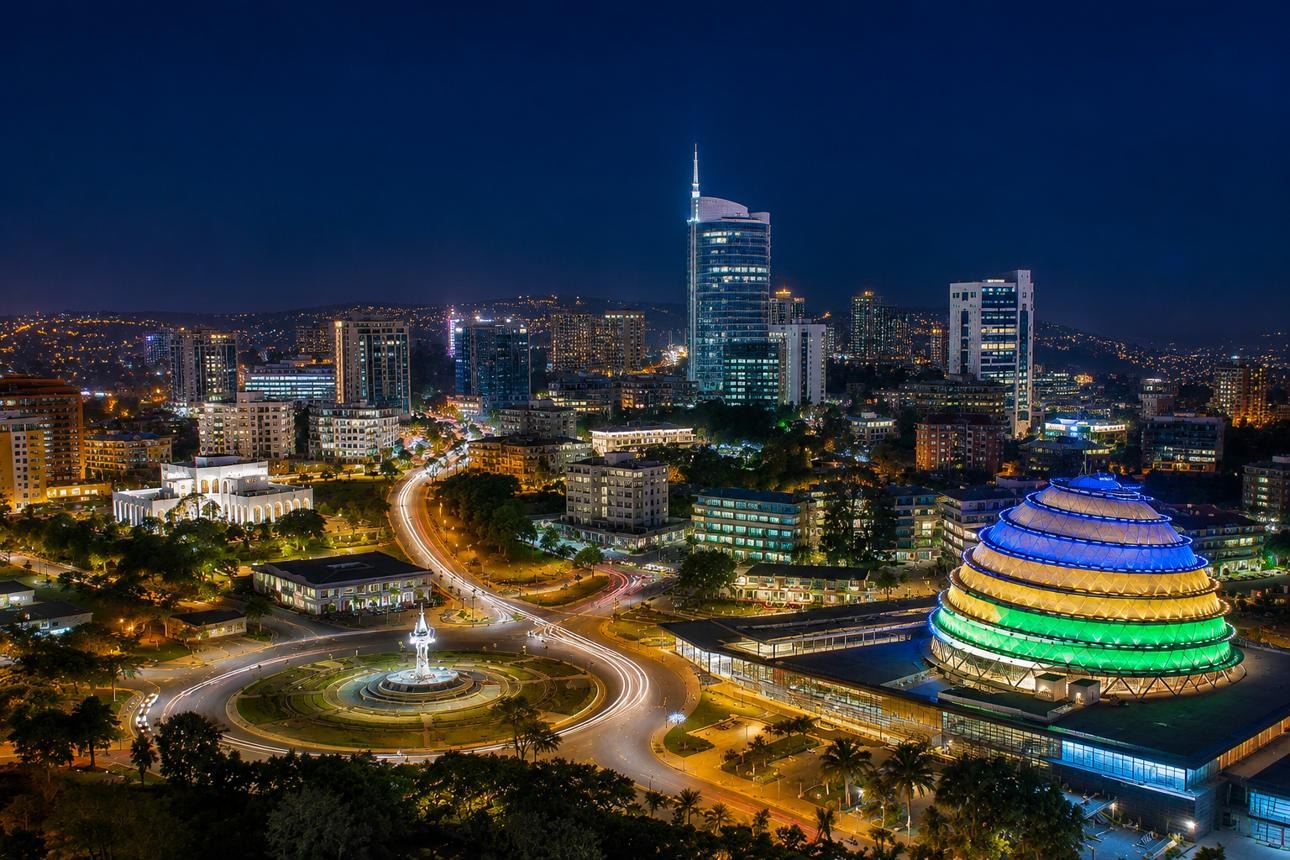
Kigali can be visited throughout the year, but the best time for a wider Rwanda safari depends on the activities you want to enjoy.
Travel period
What to expect:
June–September
Generally drier conditions, often favourable for gorilla trekking, hiking and wildlife viewing
December–February
Another relatively dry period, popular for combining city visits and outdoor activities
March–May
Longer rainy season; lush scenery, with potentially muddier trekking trails
October–November
Shorter rainy season, with green landscapes and possible rain affecting outdoor plans
These are broad seasonal patterns, not guarantees of weather. Rwanda's mountainous terrain means conditions can change considerably between Kigali, Volcanoes National Park, Nyungwe and Akagera.
For gorilla trekking, book permits well ahead where possible, especially for popular travel dates. For Akagera, consider the combination of wildlife interests, weather and the time available for exploring the park.
Our advice: Do not choose travel dates based on weather alone. Think about the experiences you want most, the accommodation you prefer and whether you want a relaxed itinerary or a tightly planned adventure.
What to Pack for Your Kigali Visit and Rwanda Safari

Essential items to bring
- Reusable water bottle: Choose a durable, refillable stainless-steel bottle or a reusable BPA-free bottle. A leakproof design is useful on forest trails and during game drives.
- Comfortable walking shoes: Waterproof hiking boots with good grip are recommended for gorilla and chimpanzee trekking.
- Lightweight rain jacket: Mountain weather can change quickly, even during generally drier months.
- Long trousers and long-sleeved clothing: Useful for trekking through vegetation and protecting your skin.
- Sun protection: Bring a hat, sunglasses and sunscreen, particularly for open landscapes and game drives.
- Binoculars: Helpful for birdwatching and observing distant wildlife in Akagera.
- Camera or smartphone: Bring sufficient storage and battery power, while following park rules on photography.
- Small daypack: Carry water, snacks where permitted, personal essentials and an extra layer of clothing.
- Insect repellent and personal medication: Pack according to your needs and your healthcare professional's advice.
- Passport and booking documents: Keep your identification and relevant permits or booking confirmations accessible.
Rwanda's plastic restrictions and responsible travel
Rwanda is well known for its restrictions on plastic bags and its wider efforts to reduce plastic pollution. Single-use plastic regulations also apply to specified products, and travellers should check the current rules before departure.
For your trip, bring a reusable water bottle rather than relying on disposable plastic bottles. A sturdy stainless-steel bottle is an excellent choice, particularly for repeated use on safari.
Follow the instructions of your tour operator, accommodation and park authorities about refilling water, waste disposal and any restrictions that apply to specific products. Do not leave litter behind, feed wildlife, remove natural objects or approach animals outside authorised guidelines.
Responsible travel is not just about following rules. It helps protect the places that make Rwanda special for future generations.
How can Seek Wild Africa help plan my visit?
Seek Wild Africa can help design a personalised itinerary, coordinate transport and accommodation, arrange requested activities and assist with permit planning, subject to availability and applicable booking requirements.
Plan Your Rwanda Adventure with Seek Wild Africa

Kigali is an excellent place to begin discovering Rwanda, but its greatest appeal is the way it connects visitors with a country of extraordinary contrasts.
You can learn about the nation's history and resilience, discover Rwandan art and food, trek through misty mountains in search of endangered gorillas, observe golden monkeys, explore ancient rainforests, watch wildlife in Akagera and relax beside Lake Kivu.
What makes Rwanda special is not that it duplicates the Great Migration destinations. It offers its own remarkable combination of primate encounters, savannah wildlife, cultural heritage, conservation and a compelling national story.
Whether you have one day in Kigali or a full week to explore the country, thoughtful planning can transform your visit into a meaningful and memorable African journey.
Seek Wild Africa is ready to help you organise your experience, from Kigali city tours and cultural excursions to gorilla trekking, golden monkey trekking, Akagera safaris, Nyungwe adventures, accommodation and private transport.