Best Time for Chimpanzee Trekking in Nyungwe National Park, Rwanda: The Complete 2026–2027 Travel Guide
October 12, 2026Clementine
Why Nyungwe National Park Belongs on Your African Travel List for 2026–2027
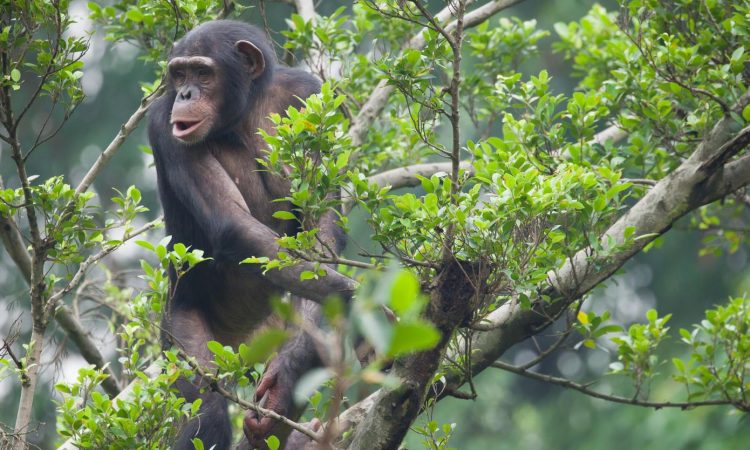
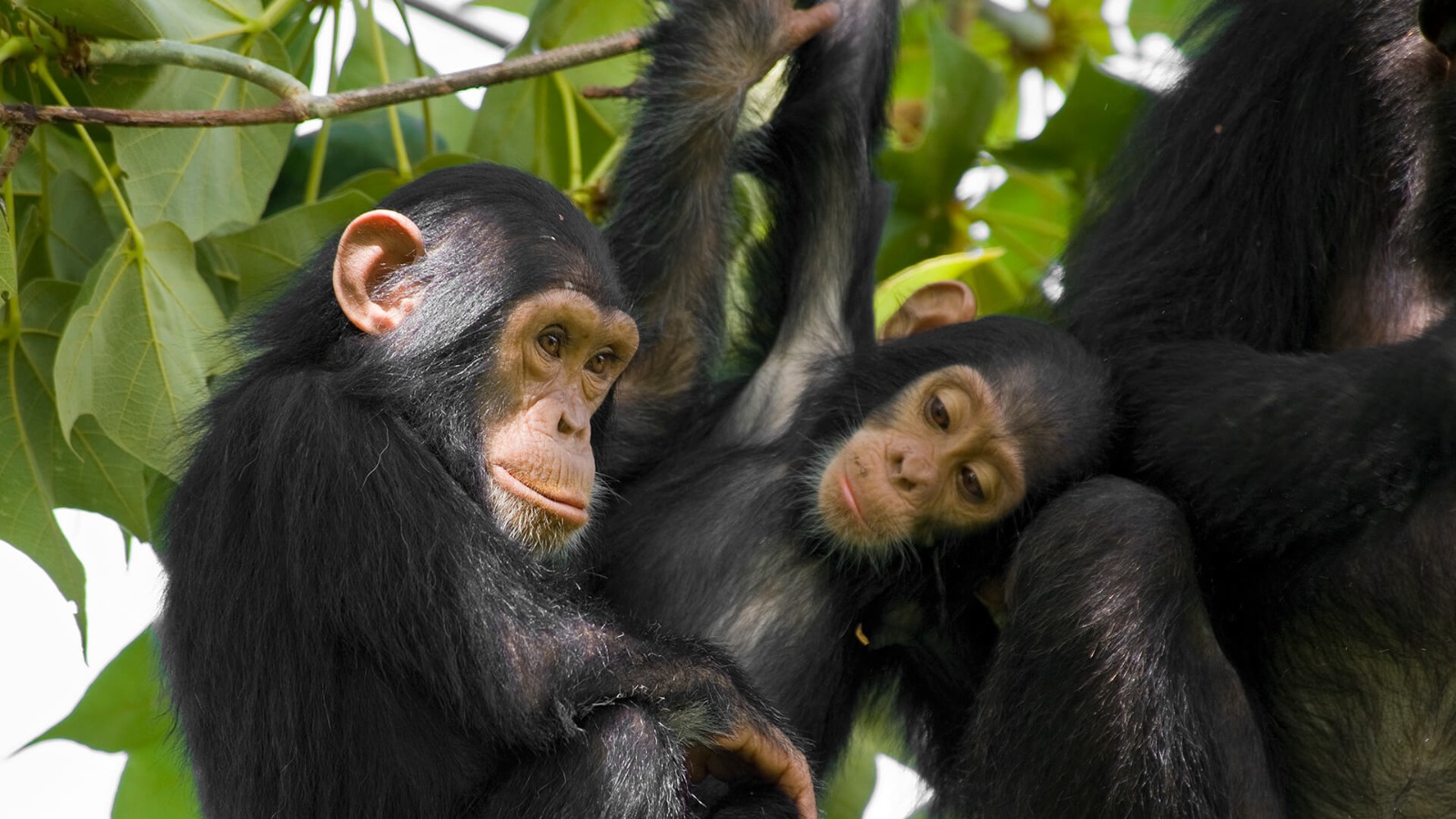
Imagine walking beneath towering trees in one of Africa’s extraordinary montane rainforests. Mist drifts between green mountain ridges, colourful birds call from hidden branches, and the forest floor comes alive with insects, ferns, orchids, and ancient trees. Suddenly, your guide signals that chimpanzees have been located. You look into the canopy and see a wild chimpanzee moving rapidly between branches, calling to other members of its community.
This is the excitement of chimpanzee trekking in Nyungwe National Park, Rwanda—an experience that combines wildlife discovery, adventure, conservation, and the remarkable beauty of the African rainforest.
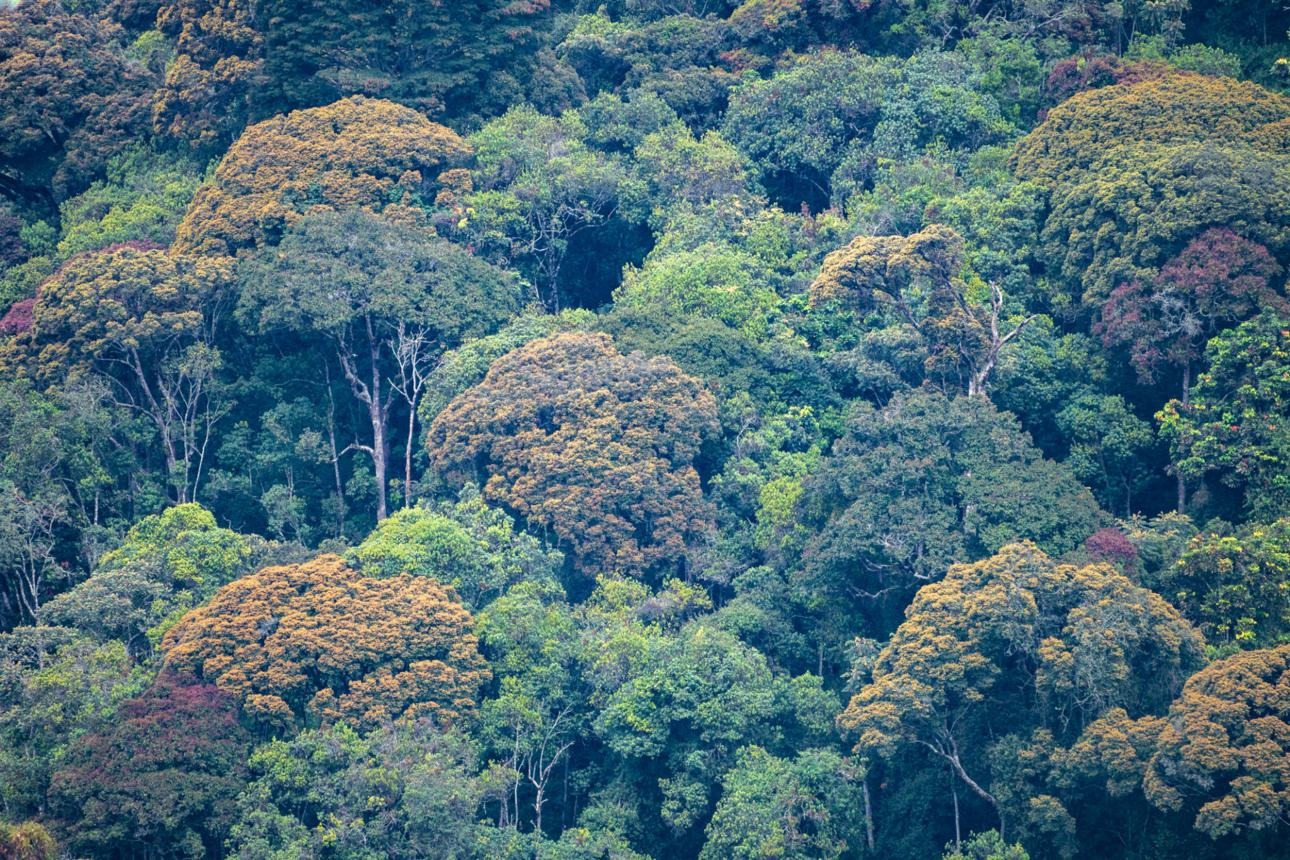
For travellers planning an African safari in 2026–2027, Nyungwe offers an experience that differs significantly from the open savannah landscapes associated with the Great Migration in Tanzania’s Serengeti National Park and Kenya’s Maasai Mara National Reserve. Instead of focusing primarily on large herds moving across grasslands, Nyungwe invites visitors into a living rainforest filled with primates, endemic birds, rare plants, waterfalls, and remarkable ecological diversity.
Nyungwe National Park is also a destination with an important conservation story. Protected as a forest reserve since 1933 and designated a national park in 2005, it became a UNESCO World Heritage Site in 2023. Today, it represents one of the most significant areas of montane rainforest conservation in the Albertine Rift region.
At Seek Wild Africa, we believe that the best safari is not simply about visiting a famous destination. It is about understanding what makes that destination special, choosing the right time to visit, planning activities realistically, and travelling in a way that respects nature and local communities.
This guide explains the best time for chimpanzee trekking, how Nyungwe has developed over time, what makes the park unique, what you can do beyond chimpanzee tracking, where to stay, and how to plan an unforgettable Nyungwe adventure from Kigali.
Understanding Nyungwe National Park: Rwanda’s Extraordinary Rainforest
Where Is Nyungwe National Park Located?
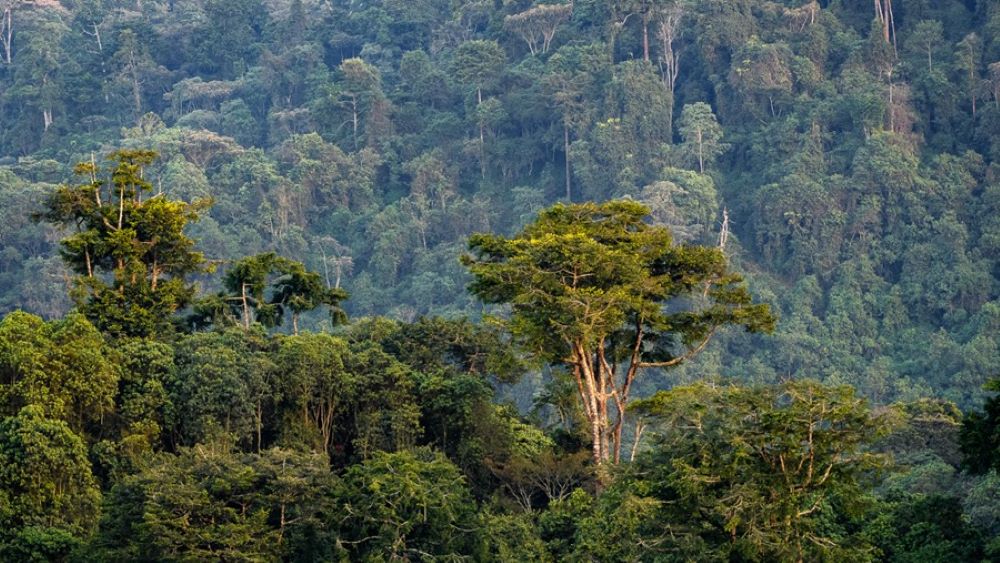
Nyungwe National Park lies in southwestern Rwanda, within the biodiverse Albertine Rift region of East-Central Africa. It protects a vast landscape of montane rainforest, wetlands, peat bogs, grasslands, and high-altitude habitats.
The park is approximately 225 kilometres from Kigali by road, although the actual journey depends on the chosen route, traffic, weather, and stops. The drive commonly takes around six to seven hours. This distance is important when planning a chimpanzee trekking tour because the activity usually begins early in the morning.
Unlike a typical savannah safari, where wildlife can sometimes be spotted from a vehicle along open tracks, Nyungwe requires visitors to explore a dense forest environment. Many of its attractions are reached on foot, accompanied by authorised guides.
The landscape changes as you travel from Kigali. Rolling hills give way to agricultural areas, tea plantations, forested mountains, and increasingly cool highland air. The journey itself becomes part of the experience.
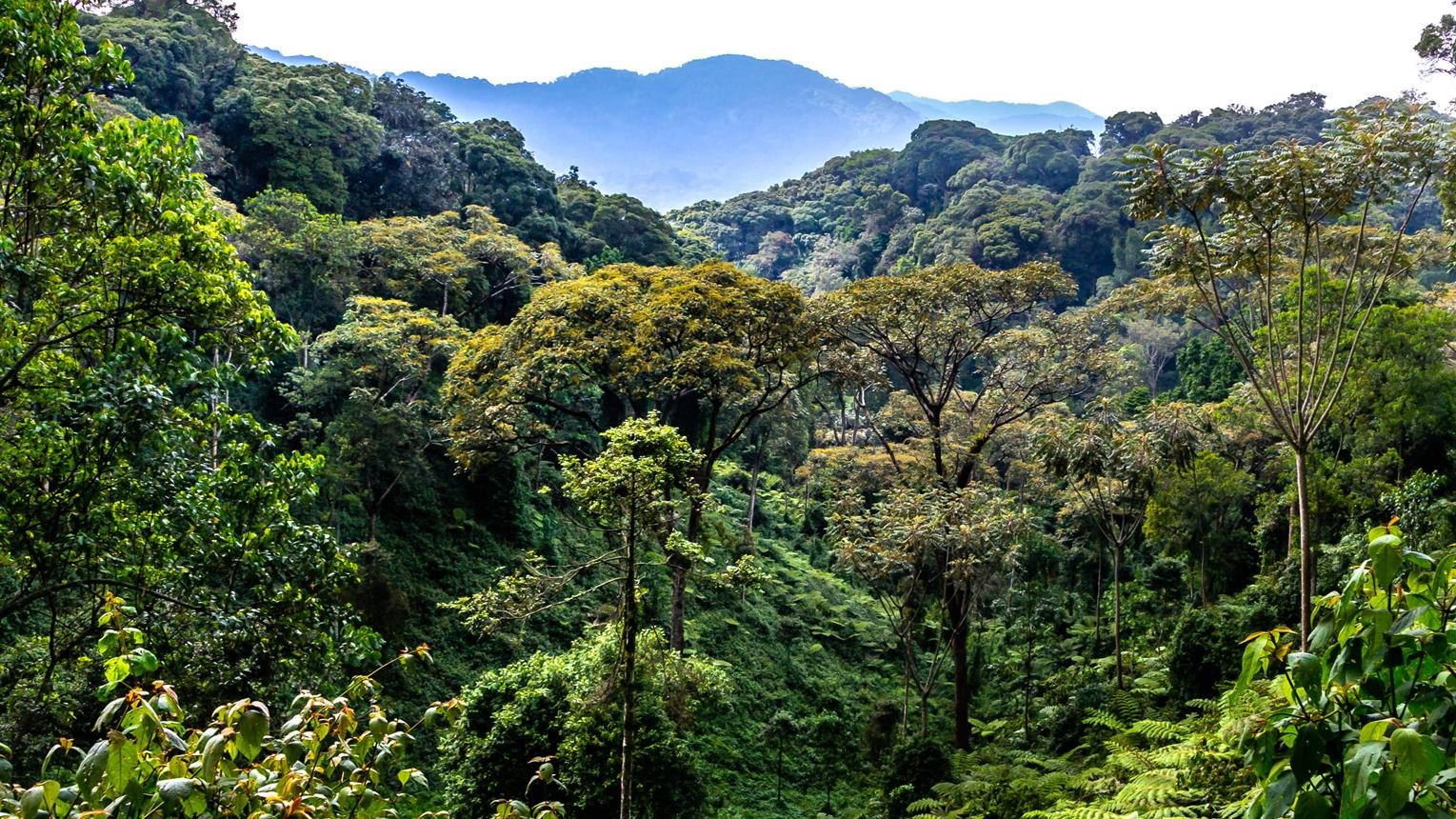
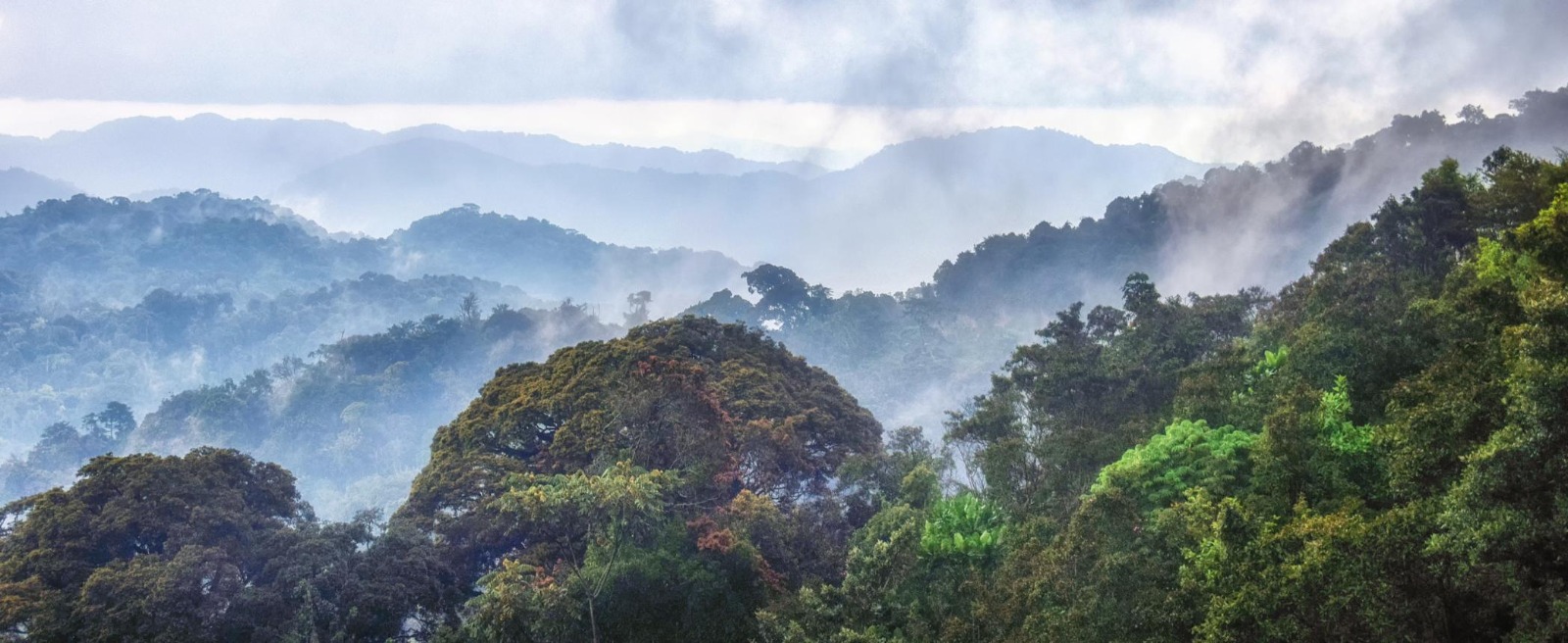
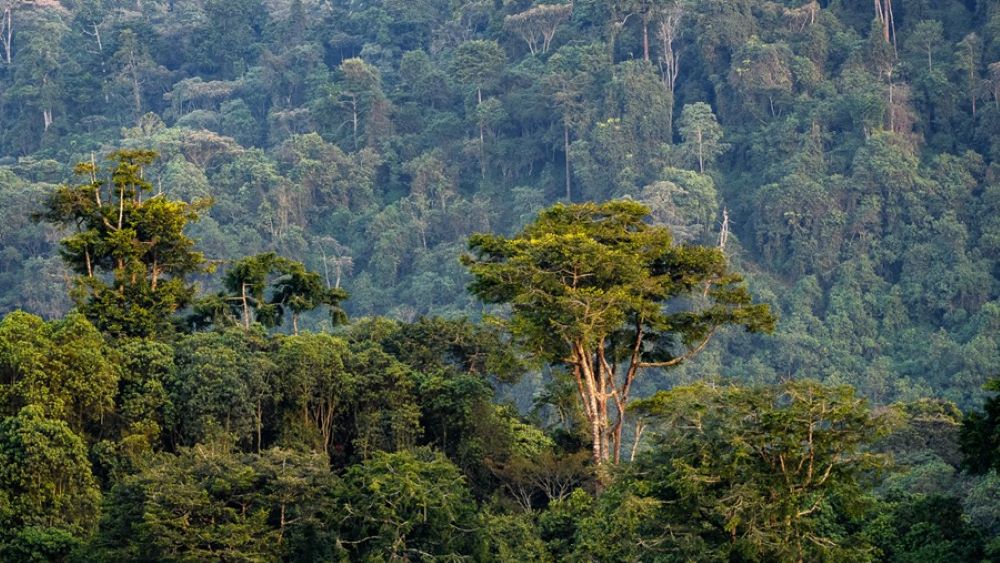
Suggested image placement: A panoramic photograph of Nyungwe’s forest-covered mountains and misty valleys.
A Forest of Exceptional Biodiversity
Nyungwe is internationally important because of its remarkable concentration of plant and animal life. UNESCO recognises the park as one of the most biologically significant montane forests in Africa.
The forest supports chimpanzees, several other primate species, hundreds of bird species, orchids, butterflies, and a wide variety of other plants and animals. Its habitats range from dense rainforest to wetlands and high-altitude vegetation, creating different ecological environments within one protected landscape.
Among the park’s notable wildlife attractions are:
- Eastern chimpanzees.
- Angolan black-and-white colobus monkeys.
- L’Hoest’s monkeys.
- Blue monkeys and other primates.
- Albertine Rift bird species.
- Forest butterflies, orchids, and other remarkable plant life.
Wildlife sightings are never guaranteed. Forest animals can be difficult to locate because they move through dense vegetation and naturally change their locations throughout the day. Nevertheless, the possibility of discovering wildlife in its natural environment is part of what makes Nyungwe so rewarding.
The History, Resilience, and Conservation of Nyungwe National Park
From Forest Reserve to National Park
Nyungwe’s protection dates back to 1933, when it was formally established as a forest reserve. It received national park status in 2005, strengthening its role as a protected area for biodiversity, ecological research, tourism, and environmental conservation.
This development reflects a wider recognition that forests are not simply collections of trees. They support wildlife, regulate water systems, protect soils, store carbon, and sustain ecological processes that extend far beyond park boundaries.
Nyungwe’s forests and wetlands are especially important because they form part of the Albertine Rift, a region known for exceptional biodiversity and numerous species found nowhere else in the world.
Conservation Progress and Stronger Park Management
A major development came in 2020, when African Parks entered a long-term management partnership with the Government of Rwanda and the Rwanda Development Board for Nyungwe National Park. The partnership supports biodiversity conservation, park management, community engagement, and sustainable tourism.
This approach recognises that a successful national park needs more than protected boundaries. It requires monitoring, trained personnel, effective management, responsible visitor activities, and cooperation with neighbouring communities.
Conservation work includes addressing threats such as illegal activities, encroachment, and pressure on natural habitats. Continued monitoring helps managers understand the condition of wildlife populations and the forest ecosystem.
UNESCO World Heritage Recognition in 2023
Nyungwe National Park was inscribed on the UNESCO World Heritage List in 2023 because of its outstanding biodiversity and international importance for conservation.
This recognition reinforces Nyungwe’s position as more than a destination for adventure tourism. It is also a globally significant natural heritage site that Rwanda and the international conservation community have a responsibility to protect.
The park’s achievement is particularly meaningful because protecting a rainforest requires long-term commitment. Visitors benefit from its beauty, but responsible tourism must also help maintain the ecological integrity that makes the destination special.
How Tourism Can Support Conservation
Tourism can create economic opportunities for guides, hospitality businesses, transport providers, and surrounding communities. When responsibly managed, it can also strengthen public appreciation for the forest and help fund its long-term protection.
Nyungwe’s official visitor information explains that proceeds from park activities and accommodation contribute to the park’s long-term sustainability, conservation, and neighbouring communities.
For travellers, this means a visit can be more meaningful than a holiday photograph. By following park regulations, using authorised guides, respecting wildlife, and choosing responsible operators, visitors can contribute to a tourism model that values the forest as a living ecosystem.
Best Time for Chimpanzee Trekking in Nyungwe National Park
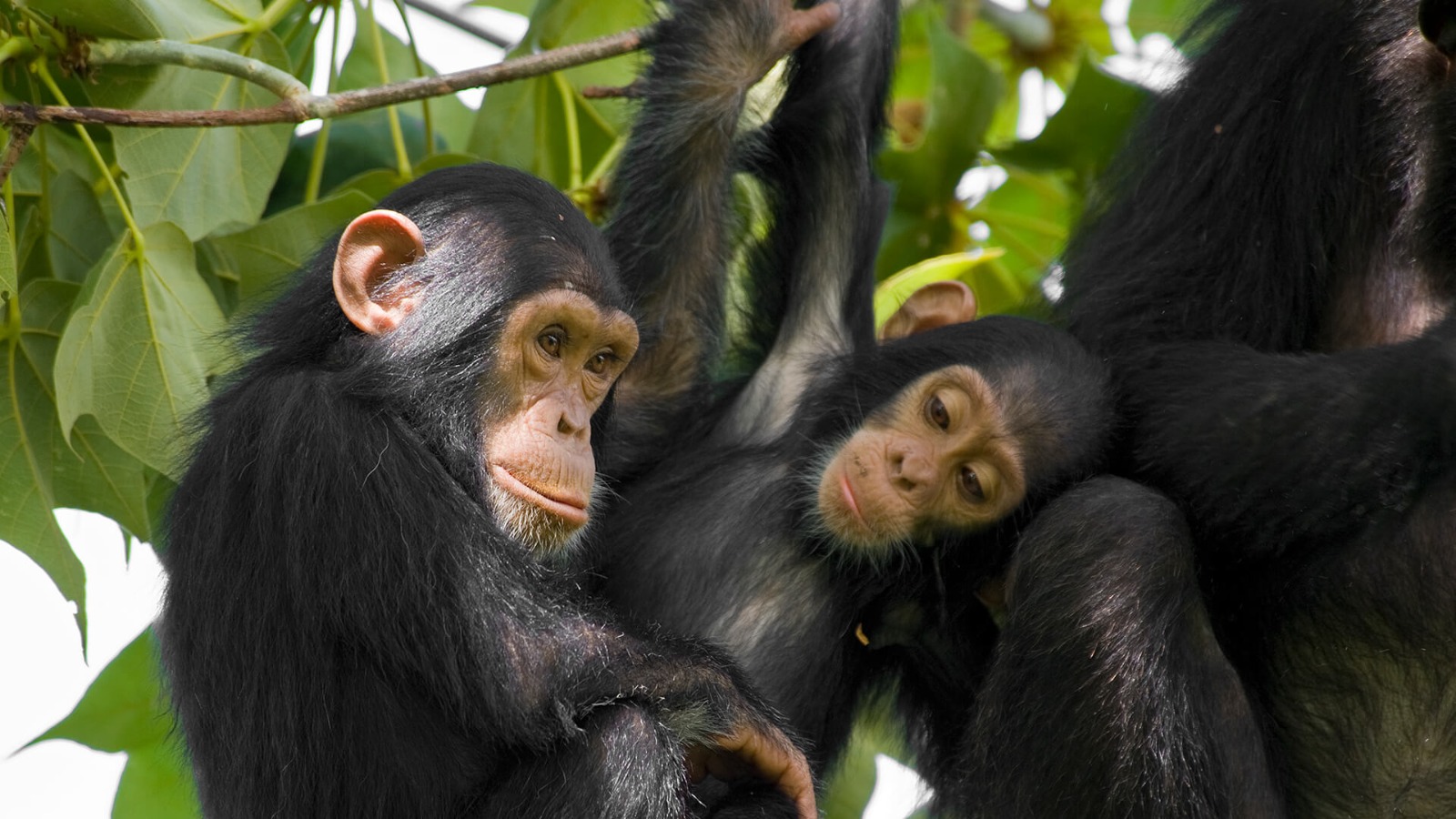
One of the most important questions for anyone planning a Rwanda safari is: When is the best time for chimpanzee trekking in Nyungwe National Park?
The answer depends on your priorities. You may want to maximise your chances of a rewarding chimpanzee encounter, enjoy easier hiking conditions, photograph the forest, or combine trekking with the canopy walkway and waterfalls.
Nyungwe is a rainforest, so rainfall can occur throughout the year. There is no month when the weather or wildlife behaviour can be guaranteed.
October to February: A Strong Period to Consider for Chimpanzee Trekking
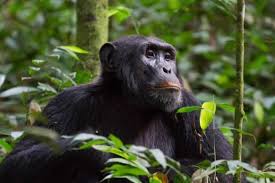
October to February can be a useful period to consider when planning chimpanzee trekking, particularly if you want to combine wildlife tracking with other forest activities.
Rainfall varies during these months, and some days may be wet while others offer clearer conditions. Food availability and chimpanzee movement can influence how far trackers need to walk, so the experience differs from one day to another.
For many visitors, this period offers an attractive balance between wildlife exploration, photography, and a broader rainforest itinerary. However, it should not be treated as a guarantee of easier trekking or more frequent sightings.
March to May: The Wetter Season
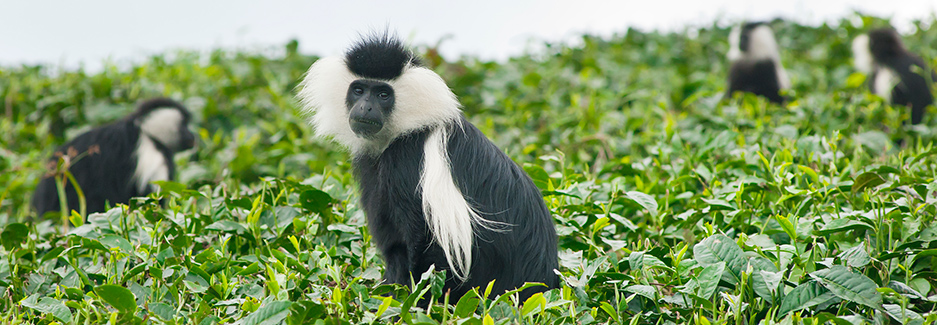
March to May is generally a wetter period in Nyungwe. Trails may become muddy, slippery, and more physically demanding, particularly on steep sections.
Rain can create beautiful photographic conditions, with fresh vegetation, misty forest valleys, flowing streams, and waterfalls. It can also make walking more challenging and increase the importance of waterproof clothing and suitable footwear.
Travellers who enjoy lush scenery and do not mind wet conditions may still find this period rewarding. The key is to prepare properly and allow flexibility in the itinerary.
June to September: A Popular Period for Hiking and Forest Exploration

June to September is generally a drier period, although Nyungwe can still experience rain.
These months are often attractive for travellers who want to combine chimpanzee tracking with hiking, canopy walking, birdwatching, and photography. Trails may be less muddy during suitable weather conditions, although steep terrain and wet patches remain possible.
Because the forest is mountainous, conditions can change quickly. A dry morning in one area does not guarantee dry conditions across the park.
Which Season Should You Choose?
Our recommendation: For the best overall experience, choose your travel dates according to your main activity, fitness level, and preferred weather conditions. Chimpanzee trekking is offered throughout the year, subject to availability and park arrangements. No season guarantees a sighting, and the park's current guidance should be checked before booking.
Why Early Starts Matter for Chimpanzee Tracking Rwanda
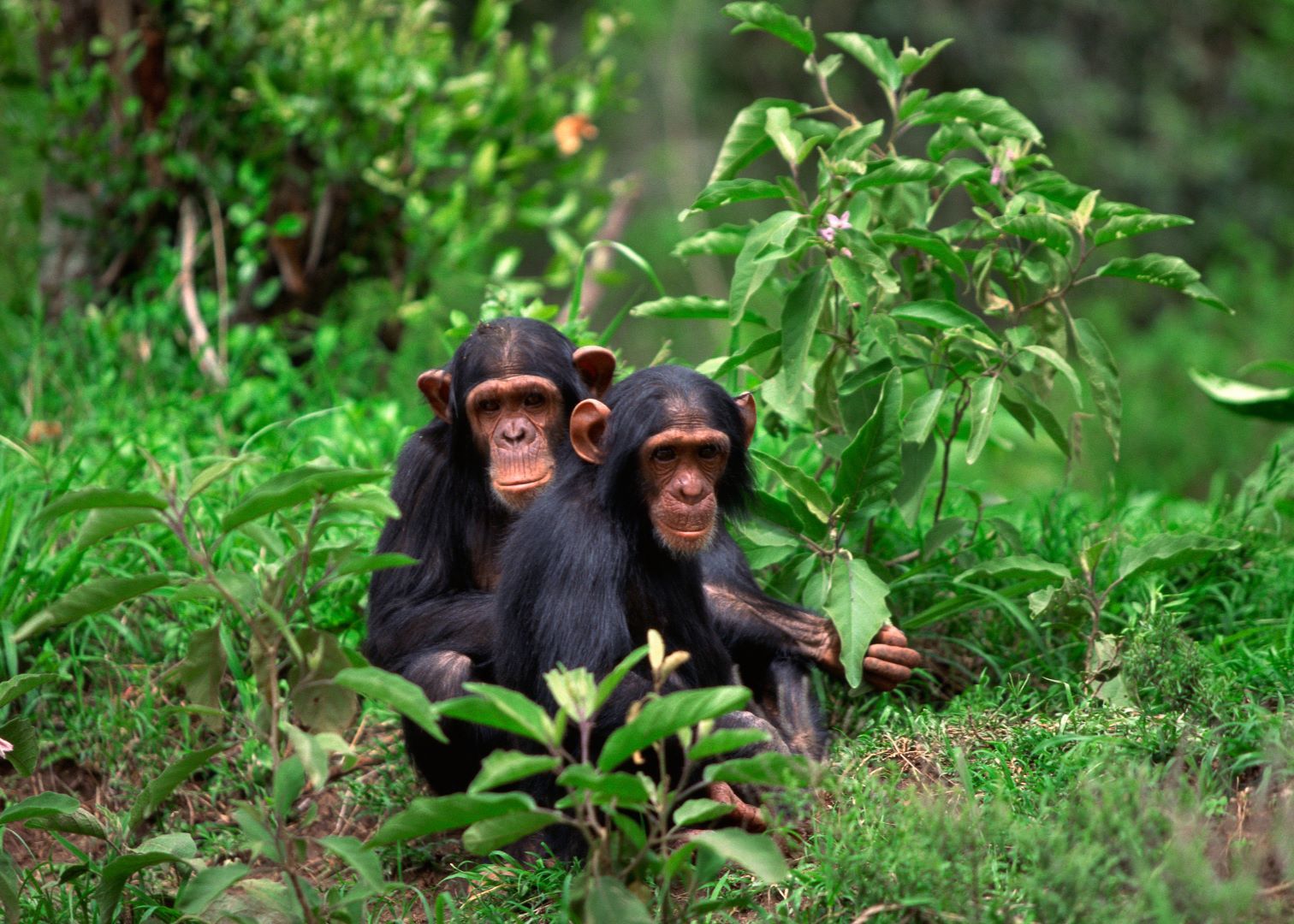
Chimpanzee tracking usually begins early in the morning, when visitors meet the park team and receive instructions before heading into the forest.
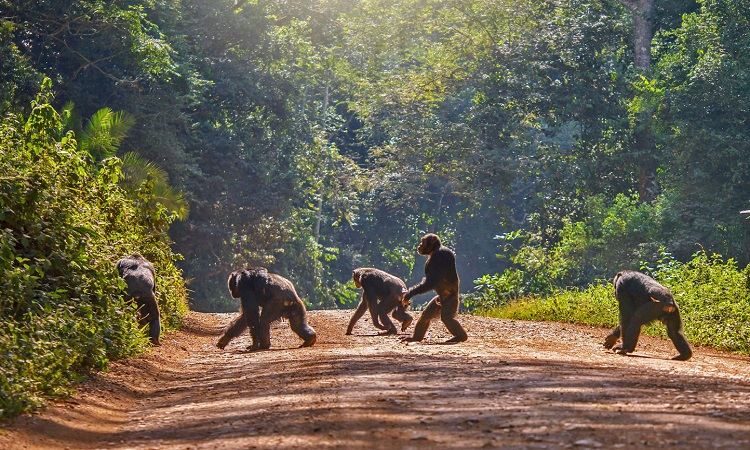
Trackers use their knowledge of chimpanzee movements, calls, feeding areas, and nesting patterns to help locate the animals. Once the chimpanzees are found, visitors can observe them under the applicable park rules.
The walking time varies. Some groups may locate chimpanzees relatively quickly, while others may travel farther over steep and uneven ground.
For this reason, travellers should avoid planning an exhausting long-distance drive immediately before an early trek. Staying near the park the night before is one of the most practical ways to begin the experience rested and prepared.
What Makes Nyungwe Different from Serengeti and Maasai Mara?
The Serengeti and Maasai Mara are internationally famous for their open savannah landscapes and the Great Migration, during which enormous herds of wildebeest and other animals move across the ecosystem in search of grazing and water.
Nyungwe offers a different kind of African wildlife experience. Its strength is not the spectacle of migrating herds across open plains, but the extraordinary biodiversity of an ancient montane rainforest.
Three Different Safari Experiences
Serengeti National Park, Tanzania: Known for expansive grasslands, major predator populations, large herbivore herds, and the Great Migration.
Maasai Mara National Reserve, Kenya: Famous for open savannah wildlife viewing, seasonal migration movements, predators, and traditional safari landscapes.
Nyungwe National Park, Rwanda: Known for chimpanzee tracking, a rich primate community, rare forest birds, mountain rainforest, canopy walking, waterfalls, and hiking.
Nyungwe is therefore not a replacement for the Serengeti or Maasai Mara. It complements them by offering a different habitat, different wildlife encounters, and a different style of adventure.
A traveller visiting the Serengeti may spend hours observing wildlife from a safari vehicle. In Nyungwe, the experience may involve walking through the forest with a guide, listening for chimpanzee calls, examining tracks, identifying birds, and learning about the ecological relationships that sustain the rainforest.
For travellers planning a wider East African journey, combining Nyungwe with a savannah safari can provide a more varied understanding of Africa’s natural environments.
Top Things to Do in Nyungwe National Park Beyond Chimpanzee Trekking
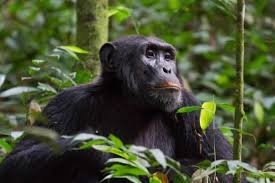
Chimpanzee tracking is one of Nyungwe’s most famous attractions, but it is only one part of the park’s tourism experience. The forest offers adventure, birdwatching, scenic walks, waterfalls, cultural experiences, and opportunities to appreciate Rwanda’s natural heritage.
Walk Above the Forest on the Nyungwe Canopy Walkway
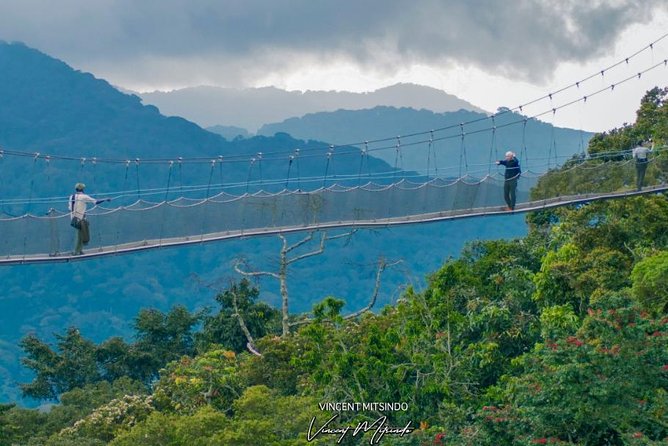
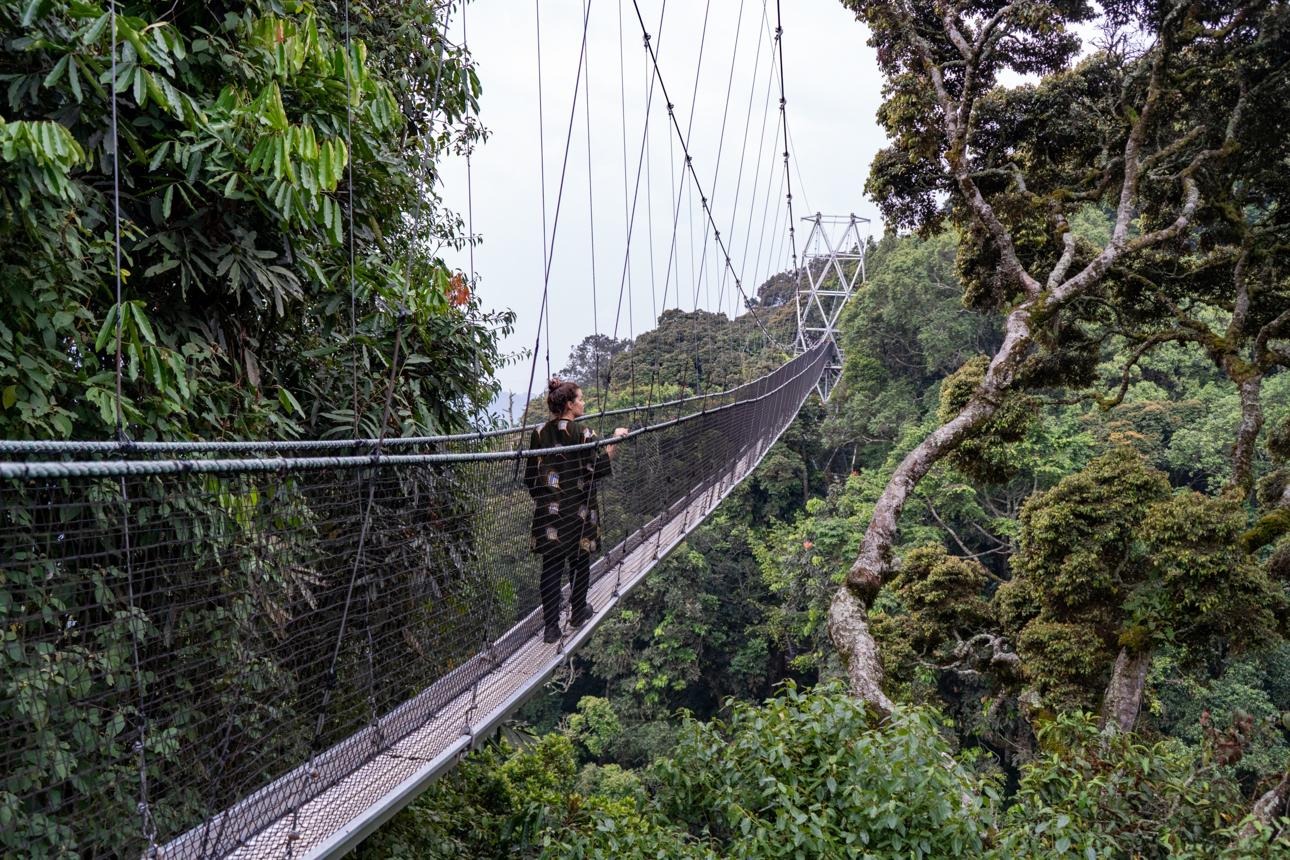
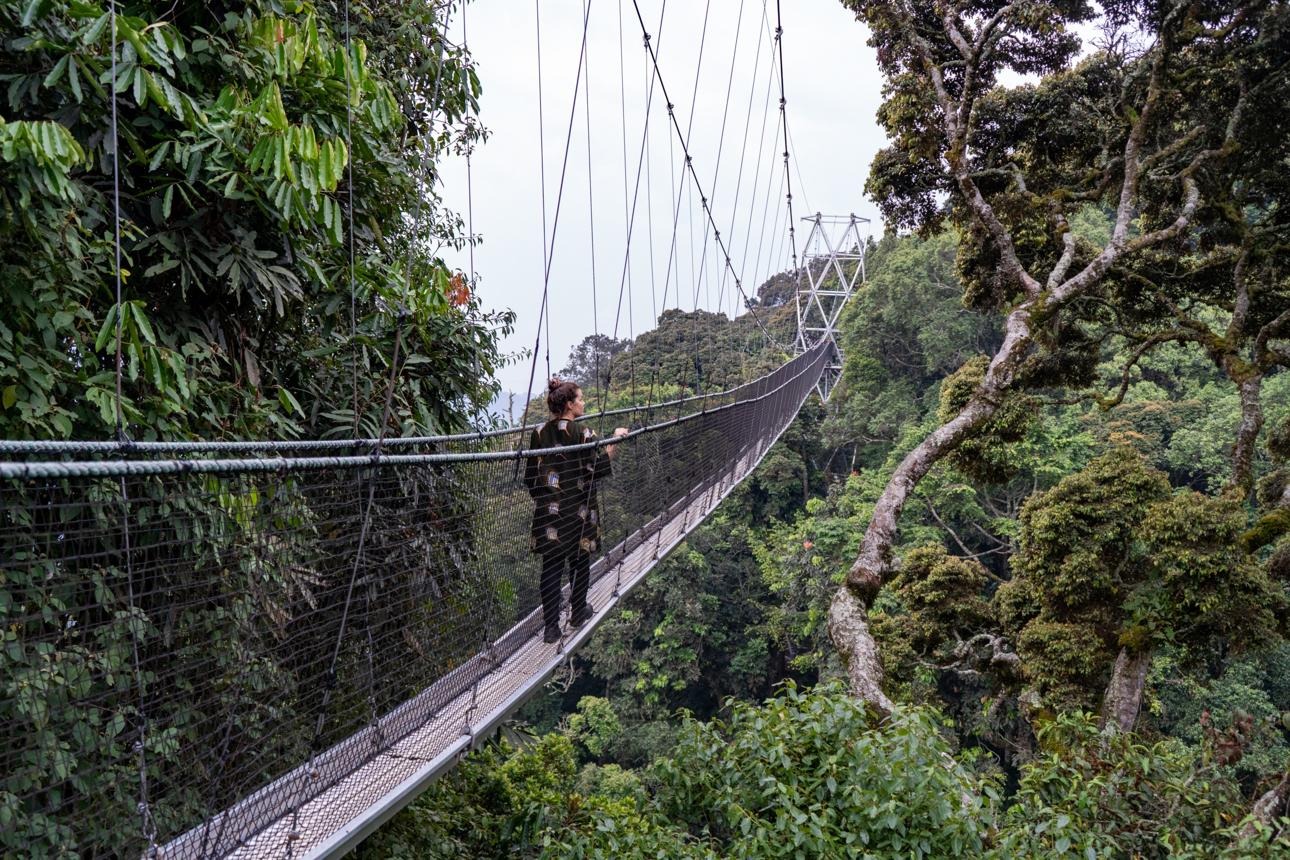
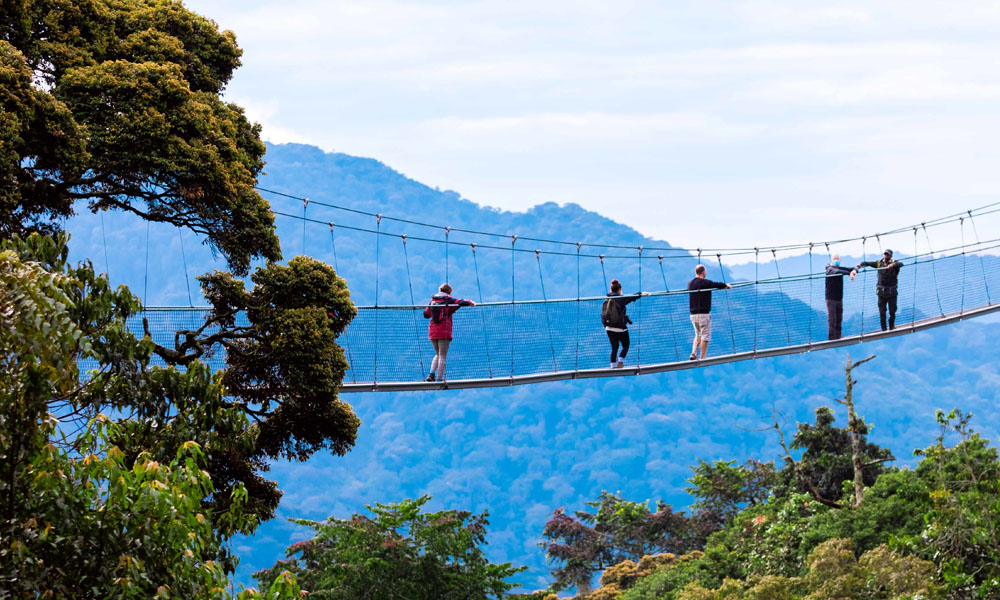
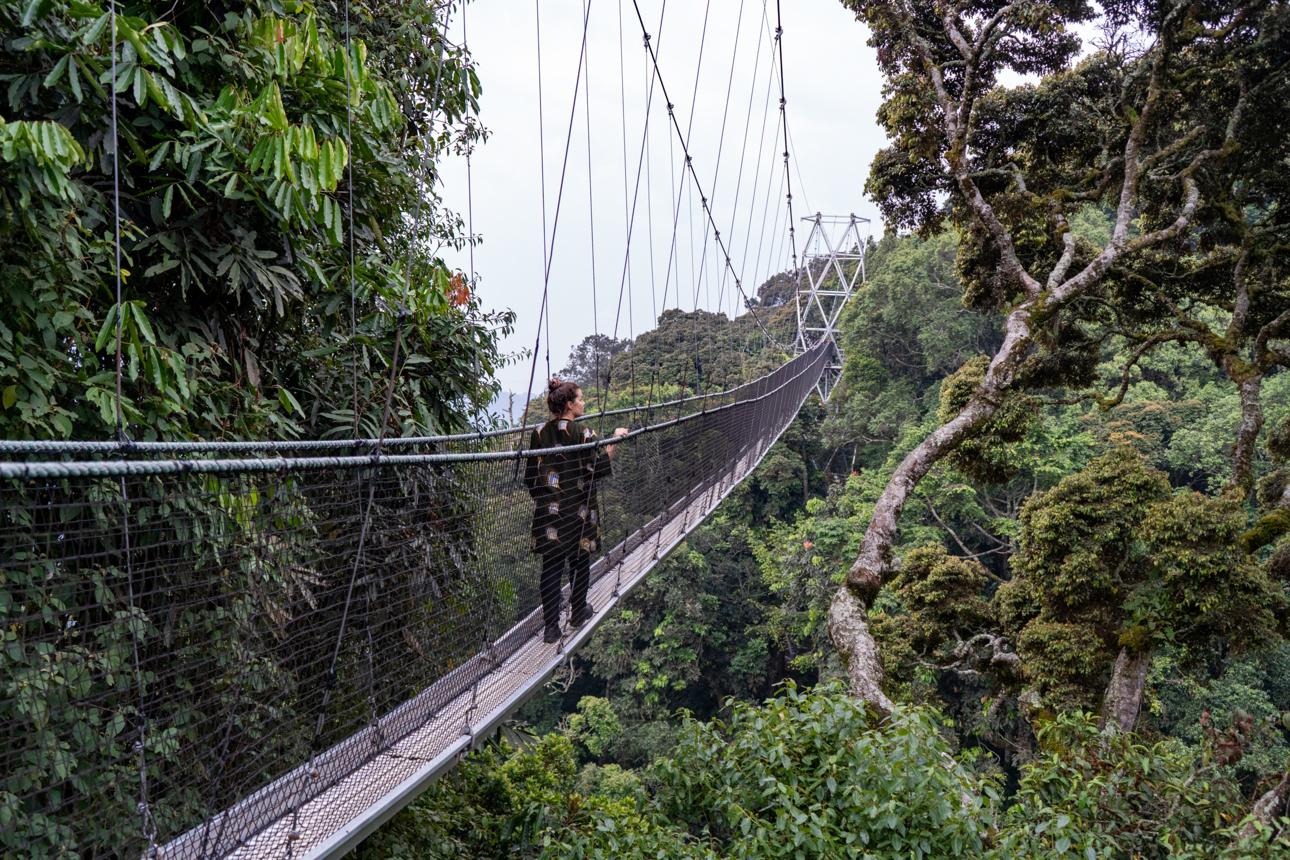
The Nyungwe Canopy Walkway is one of the park’s most distinctive attractions. Suspended above the forest floor, the walkway offers an elevated perspective over the treetops, deep valleys, and surrounding mountain forest.
As you cross the walkway, the landscape appears from a new angle. Instead of looking up at the canopy from a trail, you move through an elevated environment where birds and other forest life may be visible around the treetops.
The experience is particularly rewarding for photographers and nature lovers who want to understand the vertical structure of a rainforest.
The canopy walk starts from the Uwinka Visitor Centre and involves walking to and from the walkway. Visitors should follow the assigned schedule and guide instructions, and anyone uncomfortable with heights should consider their comfort before booking.
Best for: First-time visitors, photographers, nature lovers, and travellers seeking a memorable activity beyond chimpanzee trekking.
Suggested image placement: Travellers crossing the suspended walkway above Nyungwe’s green forest canopy.
Experience the Nyungwe Zipline Adventure
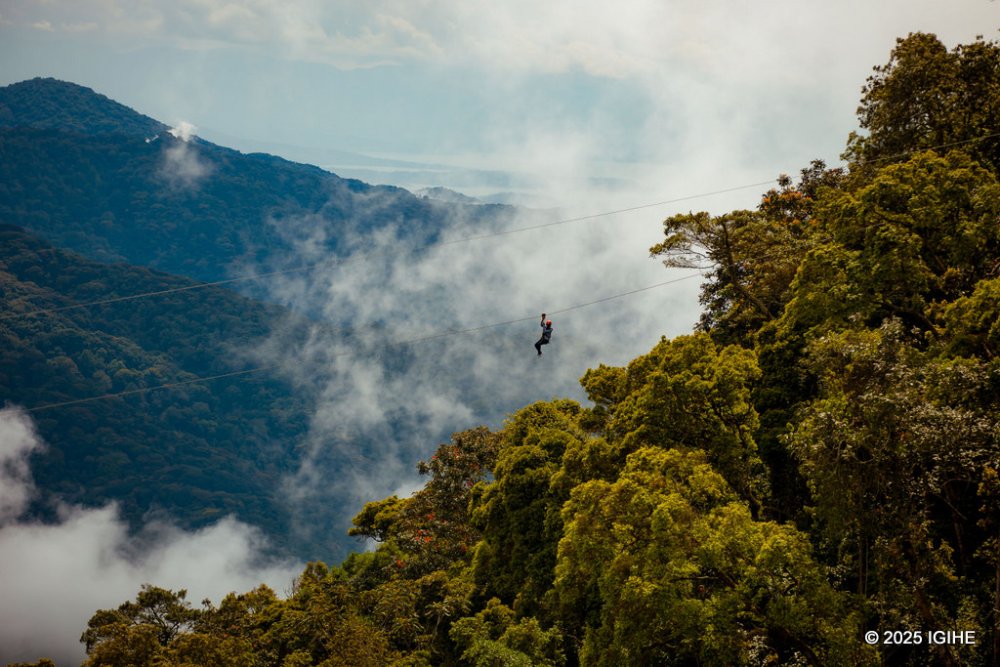
For visitors seeking an adrenaline-filled activity, Nyungwe’s zipline offers an exciting way to experience the forest landscape.
The official Nyungwe tourism information describes a 1,935-metre zipline divided into three sections. The experience provides a different perspective of the surrounding greenery and adds adventure to a nature-focused itinerary.
Before booking, check the current age, health, weight, weather, and safety requirements, as well as the operating schedule. Availability may be affected by weather or operational conditions.
The zipline can be especially appealing to families with eligible participants, groups of friends, and travellers who want to balance wildlife experiences with outdoor adventure.
Discover Nyungwe’s Waterfalls
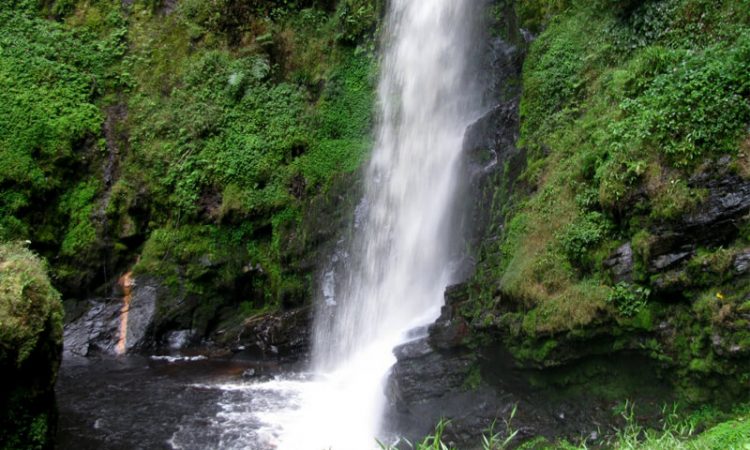
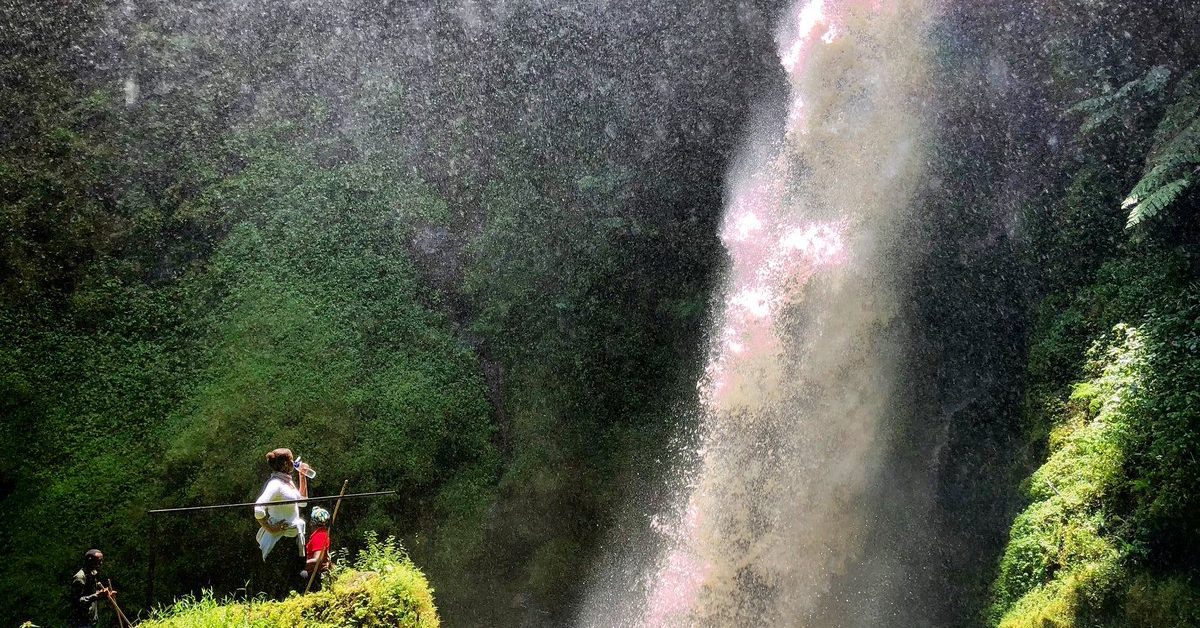
Nyungwe’s waterfalls reward visitors who are willing to explore beyond the main attractions. Forest trails lead through thick vegetation, tea-growing landscapes, streams, and viewpoints to some of the park’s most beautiful natural features.
Isumo Waterfall Trail
The Isumo Waterfall Trail is a rewarding option for travellers who enjoy a longer forest walk. The route passes through scenic landscapes and tea-growing areas before reaching the waterfall environment.
Allow several hours for the hike and confirm the route, guide arrangements, and current trail conditions with park staff.
Kamiranzovu Swamp and Waterfall
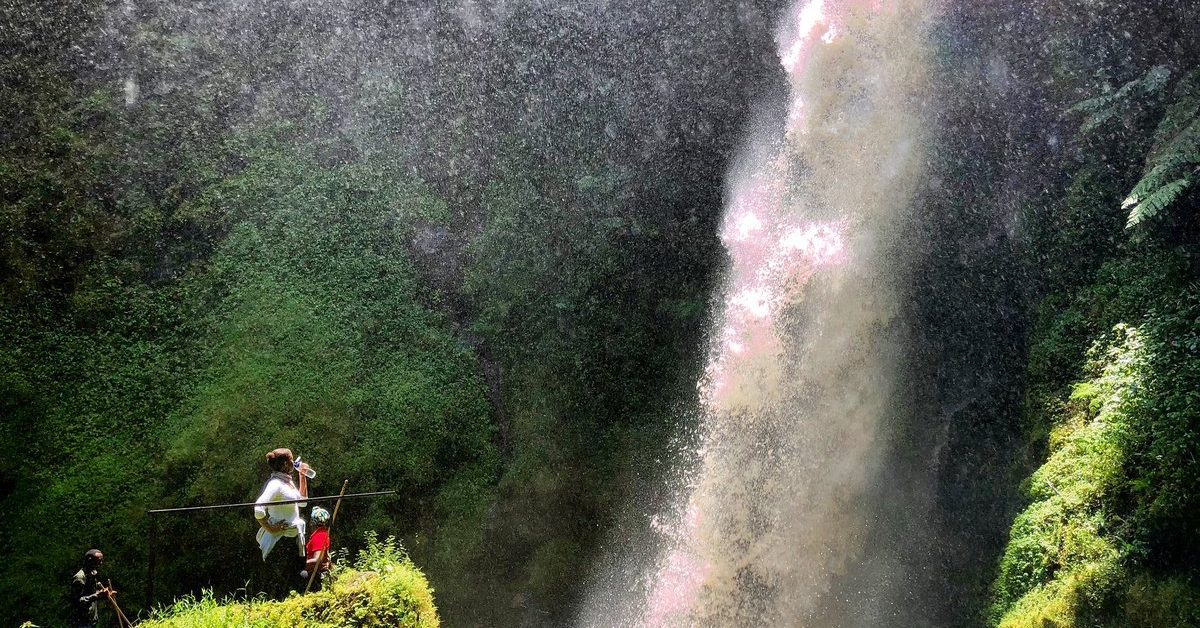
The Kamiranzovu area combines wetland scenery, forest vegetation, and waterways. The trail offers a chance to appreciate how Nyungwe’s high-altitude wetlands contribute to the broader ecosystem.
The terrain can be demanding, so visitors should assess the hike according to their fitness and the prevailing conditions.
Ndambarare Waterfall
Ndambarare is another waterfall attraction that can be incorporated into a forest adventure. The surrounding trail provides opportunities to appreciate the diversity of the landscape, observe birds, and enjoy the atmosphere of the rainforest.
Important planning advice: Waterfall hikes can take several hours and may not fit comfortably into a day already filled with chimpanzee trekking and the canopy walkway. Choose the trail that best matches your schedule and fitness level rather than attempting every activity in one visit.
Go Birdwatching in Nyungwe National Park
Nyungwe is one of Africa’s important bird-conservation areas. UNESCO records 317 bird species for the property, while current park visitor information reports a higher total of 322 species.
The forest is particularly attractive to birders interested in Albertine Rift species. A specialist guide can help identify birds by their calls, plumage, habitat, and behaviour.
Birdwatching is also an excellent activity for travellers who appreciate nature but prefer a quieter pace than strenuous hiking.
Track Angolan Black-and-White Colobus Monkeys
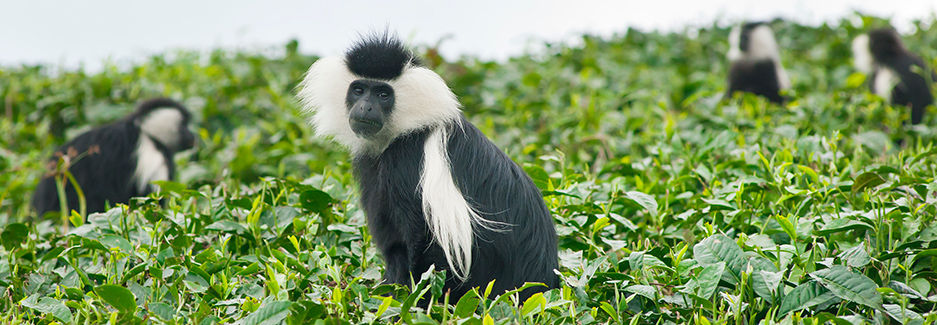
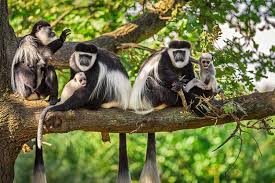
Chimpanzees are not the only primates that make Nyungwe special. The park is also known for its Angolan black-and-white colobus monkeys.
These striking primates have contrasting black and white fur and may be seen moving through the forest canopy in groups. Nyungwe’s official tourism information highlights opportunities to track large colobus groups with the assistance of park guides.
As with chimpanzee trekking, sightings depend on wildlife movements and current conditions.
Explore Nyungwe’s Hiking Trails
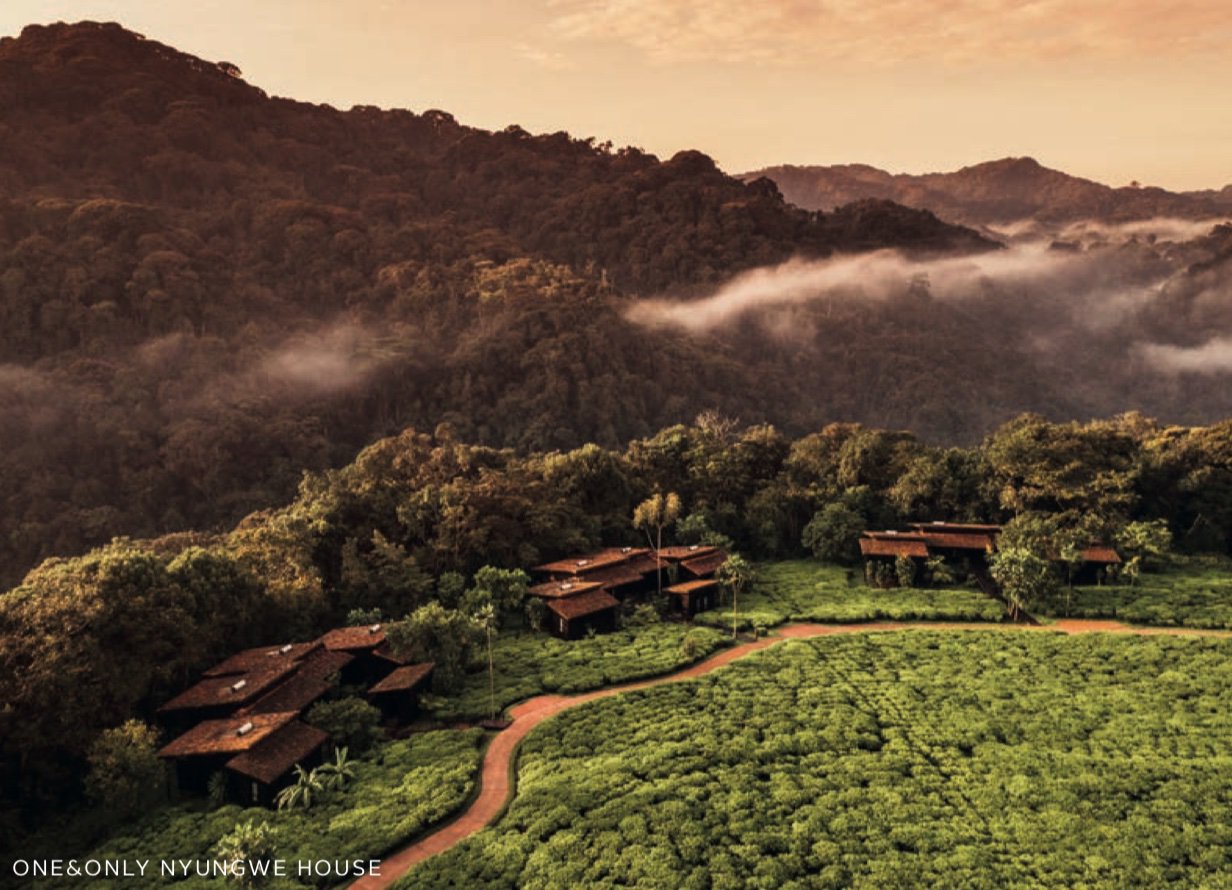
Nyungwe offers a network of trails that range from relatively short nature walks to demanding hikes through mountainous forest.
Some routes focus on waterfalls and wetlands; others provide scenic viewpoints, birdwatching opportunities, or deeper exploration of the forest ecosystem.
Before choosing a route, consider its distance, elevation changes, estimated duration, and difficulty. A trail that appears short on a map may still be challenging because of steep terrain, mud, humidity, and altitude.
Discover Tea Plantations and Local Community Experiences
The landscapes around Nyungwe include tea-growing areas and communities whose livelihoods are connected to the wider region.
Visitors may be able to arrange tea experiences, learn about local production, discover traditional crafts, or enjoy cultural activities in nearby communities. Availability and schedules should be confirmed in advance.
These experiences help travellers appreciate that Nyungwe is not an isolated attraction. It exists within a wider social and economic landscape, where responsible tourism can support local opportunities.
Enjoy Forest Photography and Nature Observation
Even without seeing a chimpanzee, Nyungwe can be rewarding for photographers and nature lovers.
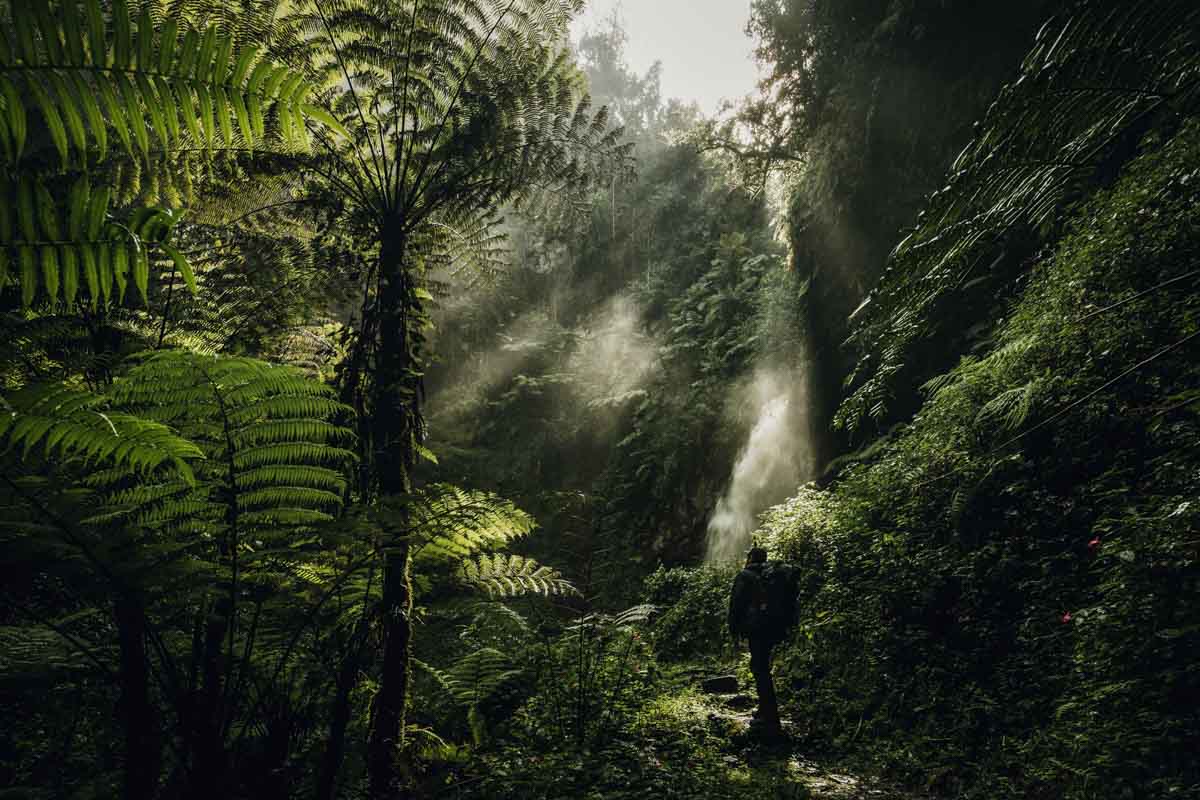
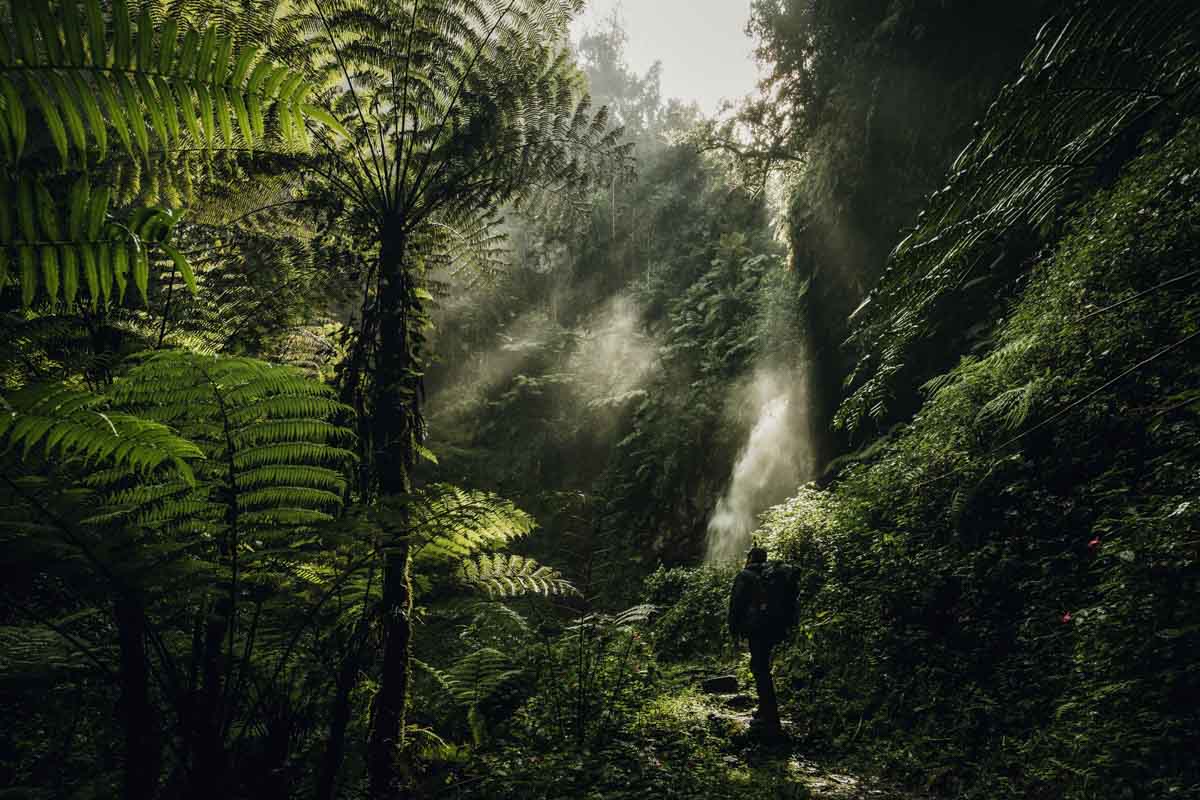
Look for giant tree ferns, moss-covered branches, orchids, butterflies, forest birds, misty mountain views, and streams moving through the vegetation.
The best approach is to slow down and allow the guide to interpret the environment. Nyungwe is not simply a place to collect photographs of wildlife; it is a place to understand the extraordinary complexity of a rainforest.
How to Plan a Successful Chimpanzee Trekking Experience

Chimpanzee tracking requires preparation because it takes place in a natural environment where wildlife movements and weather cannot be controlled.
Understand the Tracking Process
Visitors normally meet the park team early in the morning for registration, briefing, and arrangements for the tracking activity. The group then enters the forest with authorised personnel.
Trackers help locate the chimpanzees, while guides explain the environment and visitor rules. Once the animals are found, visitors must maintain the required distance and follow the instructions provided.
The length and difficulty of the trek depend on where the chimpanzees are located and how they move during the day.
Choose the Right Clothing and Footwear
Wear long trousers, a long-sleeved top, and sturdy hiking boots with good grip. Carry a waterproof jacket, as rain can arrive unexpectedly.
Gloves can be useful when navigating vegetation, and walking poles may help on steep or slippery sections if permitted and appropriate for the activity.
Respect the Chimpanzees
Chimpanzees are wild animals, not performers. Visitors should remain quiet, avoid sudden movements, never feed them, and follow all instructions regarding distance and photography.
Responsible behaviour reduces disturbance and helps protect both wildlife and visitors.
A Two-Day Chimpanzee Trekking Tour in Nyungwe National Park from Kigali

For travellers with limited time, a two-day tour can combine the scenic journey from Kigali with a chimpanzee trekking experience and selected forest attractions.
Because the drive from Kigali can take approximately six to seven hours, the itinerary should be planned carefully. A two-day tour is possible, but it requires an early departure on the first day and a realistic understanding of the time needed for the return journey.
Day 1: Kigali to Nyungwe National Park — Scenic Journey and Forest Discovery
Early morning: Depart Kigali
Meet your driver-guide and leave Kigali early. Travel through Rwanda’s beautiful countryside, with opportunities to appreciate the rolling hills, rural settlements, and changing landscapes along the way.
Depending on the chosen route and timing, you may arrange a meal or short stop en route.
Midday to afternoon: Arrive in the Nyungwe area
Check in at your accommodation or arrange a visit to an activity that fits the available time. Depending on your arrival time, weather, and booking availability, you may choose a short guided walk, a scenic viewpoint, or a visit to a tea-growing area.
Do not attempt a long waterfall hike if it would make you late for the accommodation check-in or interfere with the next morning’s early start.
Late afternoon: Prepare for chimpanzee trekking
Confirm your tracking arrangements, pack your day bag, prepare suitable clothing, and follow the park’s instructions about meeting time and location.
Evening: Dinner and overnight stay
Enjoy dinner and rest at your selected accommodation. An overnight stay near the park is particularly valuable because it reduces the pressure of travelling from Kigali before an early-morning activity.
Suggested image placement: A lodge surrounded by Nyungwe’s green mountain landscape.
Day 2: Chimpanzee Tracking, Forest Experience, and Return to Kigali
Early morning: Breakfast and transfer to the designated reception point
Have breakfast according to your accommodation’s arrangements and arrive at the required location on time for the chimpanzee trekking briefing.
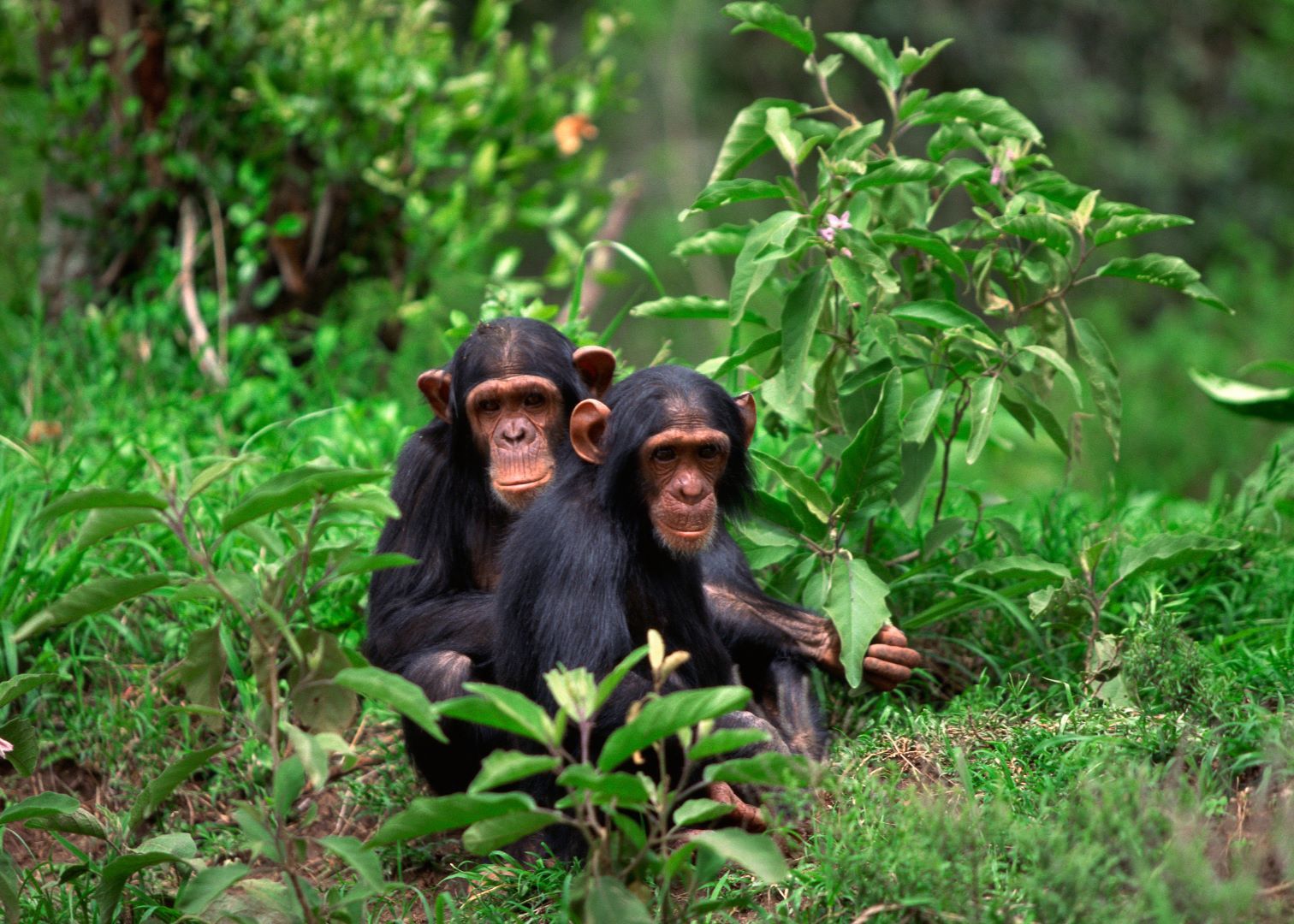
Morning: Chimpanzee tracking in Nyungwe National Park
Join the park team and follow the authorised tracking process into the rainforest.
As you walk, pay attention to the sounds of the forest, the movement of birds, the vegetation, and the information shared by your guide. The encounter with chimpanzees is the central highlight, but the wider forest experience is equally important.
Tracking duration varies, so keep your schedule flexible.
Late morning: Return from the forest and take refreshments
After the activity, return to the reception area and take time to rest. Depending on your exit time, you may have a short opportunity to appreciate the surrounding scenery or visit a nearby point of interest.
Midday to afternoon: Begin the return journey to Kigali
Start the drive back to Kigali, allowing sufficient time for road conditions, traffic, and comfort stops. Arrival time will depend on when the trek finishes and the journey conditions.
Important: This is a fast-paced itinerary. A longer stay is preferable if you want to combine chimpanzee trekking with the canopy walkway, zipline, and a waterfall hike. For the two-day option, activity availability should be confirmed before travel, and the schedule should not assume that every attraction can be completed.
One-Day Nyungwe Zipline and Canopy Walk Itinerary
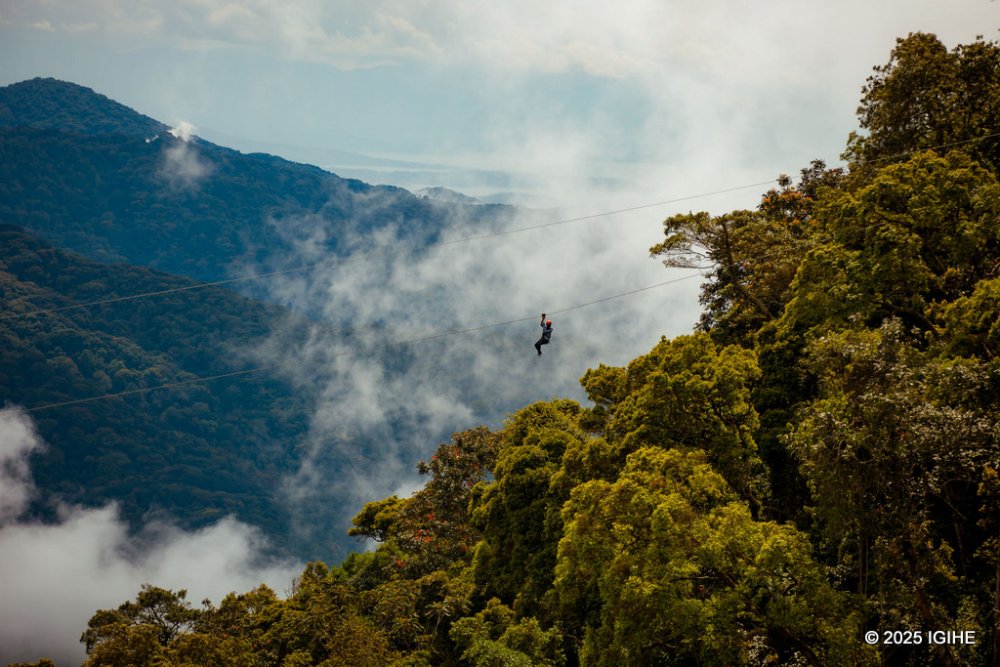
If your priority is adventure rather than chimpanzee tracking, a full day in Nyungwe can be organised around the canopy walkway, zipline, and a shorter forest experience.
This itinerary is designed for visitors already staying near Nyungwe. It is not recommended as a same-day return excursion from Kigali because the road journey alone can take approximately six to seven hours each way.
7:30 AM – Breakfast and Transfer to the Activity Area
Enjoy breakfast at your accommodation and travel to the relevant park reception or activity meeting point. Confirm your scheduled activity times in advance.
8:30 AM – Canopy Walkway Experience
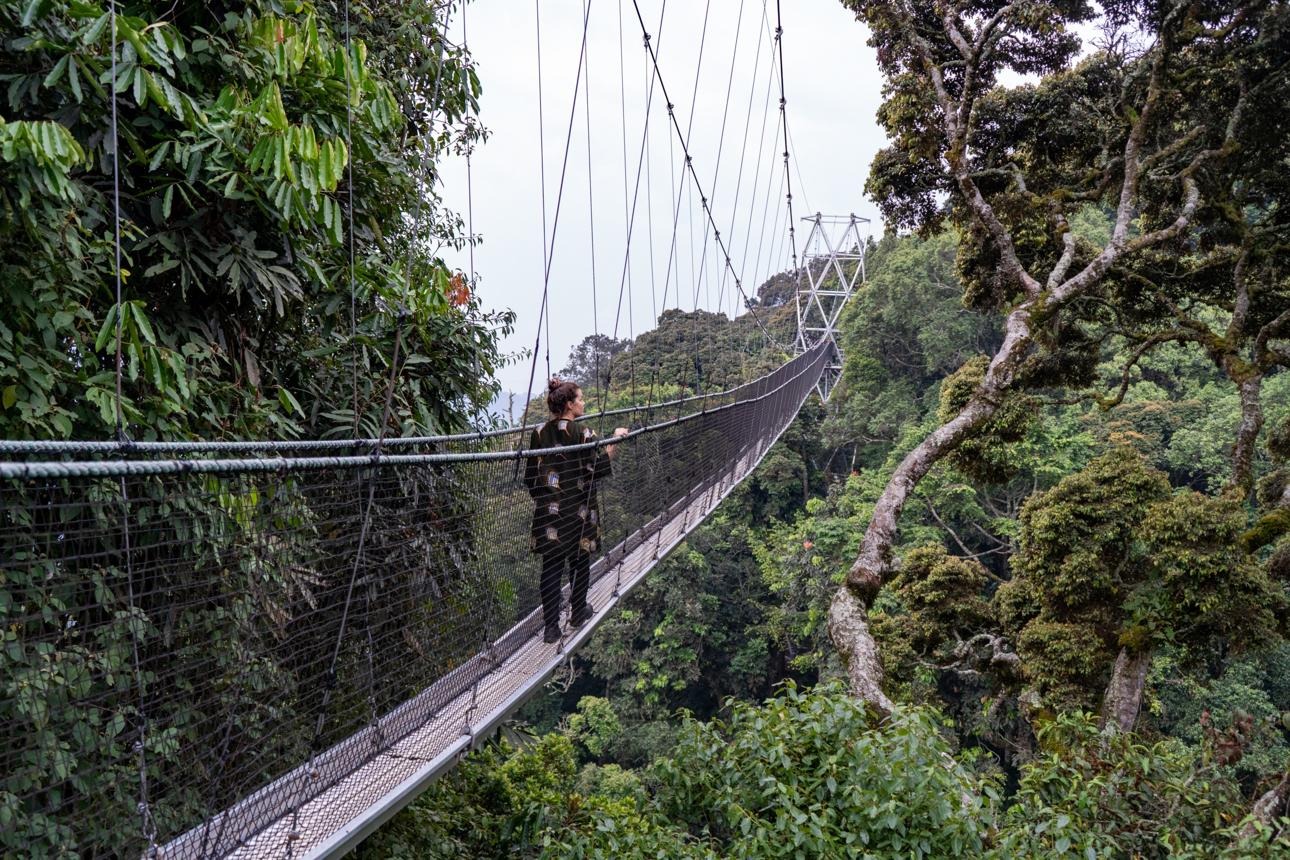
Begin with the canopy walkway, following the park’s instructions and guide arrangements.
Enjoy elevated views of the forest, mountain valleys, and surrounding canopy. Allow time for the walk to and from the starting point, photography, and the briefing.
11:00 AM – Refreshment Break
Take a break, drink water, and enjoy a snack. Use this time to prepare for the next activity.
11:30 AM – Nyungwe Zipline Adventure
Experience the zipline, subject to the confirmed schedule, weather, and safety requirements.
The activity offers an exciting perspective on the forest and provides a memorable contrast to the slower pace of the canopy walk.
1:00 PM – Lunch
Enjoy lunch at your accommodation or a suitable nearby establishment.
2:00 PM – Short Guided Nature Walk or Scenic Forest Stop
If time and conditions permit, arrange a shorter guided walk or visit a viewpoint. Choose a route that fits your fitness level and the time available.
A long waterfall trail should be booked as a separate activity or substituted for the shorter afternoon experience.
4:00 PM – Return to Your Accommodation
Return to your accommodation, relax, and enjoy the surrounding scenery.
This itinerary combines adventure with time to appreciate the forest without overloading the day. Actual start times and activity durations should be confirmed with the park when booking.
Where to Stay in and Around Nyungwe National Park
Accommodation is an important part of planning a successful chimpanzee trekking tour. Staying near the relevant reception point helps reduce travel pressure before early activities.
Nyungwe offers a range of options, from park-operated accommodation and campsites to premium lodges and guesthouses in the surrounding region.
One&Only Nyungwe House — Luxury Forest Retreat
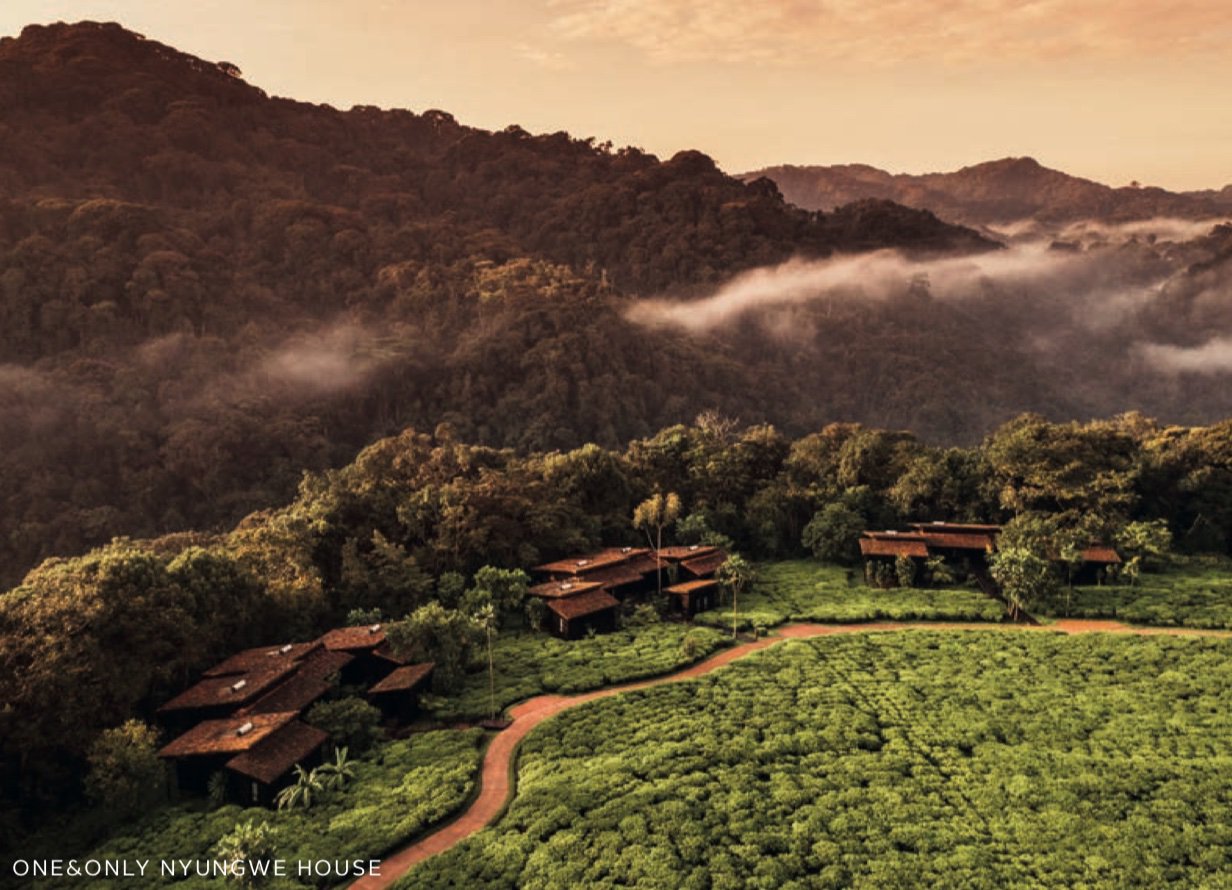
One&Only Nyungwe House is a premium luxury option located within a tea-estate landscape near the forest. It is designed for travellers seeking high-end hospitality, a strong connection to the surrounding environment, and a comfortable base for exploring the region.
Best for: Luxury travellers, special occasions, and visitors seeking an upscale rainforest stay.
Confirm the latest rates, inclusions, transfer arrangements, and activity logistics directly with the property or your tour organiser.
Munazi Lodge — A Lodge Option Near Nyungwe
Munazi Lodge is listed through Nyungwe’s official tourism platform as an accommodation option for visitors exploring the area.
Best for: Travellers looking for a lodge-based stay while combining forest activities with relaxation.
Check the current room categories, facilities, meal options, location, and availability before booking.
Park-Operated Accommodation and Campsites
Nyungwe’s official tourism platform also lists accommodation options including Uwinka and Gisakura facilities, campsites, and the Gisovu Guesthouse.
These options can be practical for visitors who want to stay close to designated activity areas. Standards, room types, and amenities differ, so it is important to check what is currently available rather than assuming every facility offers the same level of comfort.
Other Accommodation Outside the Park
Travellers may also explore accommodation in the wider Nyungwe region, including eco-oriented stays and guesthouses around the forest and nearby communities.
Kitabi Eco Centre, for example, is promoted as an eco-focused option near the forest region and offers accommodation and camping-related experiences.
When selecting accommodation, compare:
- Distance to the activity meeting point.
- Room comfort and bathroom facilities.
- Availability of early breakfast.
- Meals and dietary requirements.
- Electricity, heating or blankets, and hot-water arrangements.
- Transport access and road conditions.
- Cancellation and booking policies.
For chimpanzee trekking, the most luxurious property is not necessarily the most convenient. The best choice is the accommodation that matches your budget, preferred comfort level, and the location of your confirmed activity.
Can You Visit Nyungwe National Park in One Day from Kigali?
A day trip from Kigali is technically possible for selected activities, but it is a demanding option.
The road journey can take approximately six to seven hours each way. That means a same-day excursion can involve many hours in the vehicle before and after the activity.
For chimpanzee trekking, a same-day trip is particularly challenging because the tracking activity normally requires an early start. The distance creates a risk of an exhausting schedule and leaves little flexibility for delays.
For a more comfortable experience, we recommend:
- One day in Nyungwe: Best when you have already spent the previous night nearby and want to focus on one or two activities.
- Two days from Kigali: A possible short itinerary centred on chimpanzee tracking, with a carefully planned first day and an early start on the second.
- Three days or longer: Better for combining chimpanzee trekking, the canopy walkway, ziplining, waterfalls, hiking, and time to relax.
Travellers who have only one day available should discuss the activity, departure time, and feasibility with their tour organiser before committing to a booking.
What to Pack for Chimpanzee Trekking in Nyungwe National Park
Preparing properly helps you enjoy the forest while reducing unnecessary environmental impact.
Essential Safari Clothing and Equipment
- Sturdy hiking boots with good grip.
- Long trousers and a long-sleeved shirt.
- A lightweight waterproof jacket or raincoat.
- A small daypack.
- A reusable water bottle.
- Drinking water and permitted snacks.
- A hat and suitable sun protection.
- Insect repellent, where appropriate.
- A camera or phone with sufficient battery power.
- Binoculars for birdwatching.
- Personal medication and basic first-aid essentials.
- A small towel or spare clothing if conditions are wet.
Walking poles and gloves may be useful on some trails, but check activity-specific guidance before using equipment.
Conservation Matters: Avoid Single-Use Plastics
Rwanda has strong environmental measures aimed at reducing plastic pollution, and visitors should follow all park-specific rules on waste and prohibited items.
Do not assume that disposable plastic bottles, bags, or packaging will be accepted at every park facility. Check current instructions before departure and avoid bringing unnecessary single-use plastics.
Bring a durable, reusable water bottle made from stainless steel, hard-wearing reusable plastic that complies with park rules, or another suitable food-safe material. A refillable bottle with a secure lid is practical for hiking and helps reduce waste.
Carry a reusable bag for personal items and take all permitted rubbish back to designated disposal points. Never leave wrappers, bottles, tissues, or other waste along trails.
Conservation begins with small decisions. By following park rules and minimising waste, visitors help protect the rainforest they have come to enjoy.
Why Plan Your Nyungwe Safari with Seek Wild Africa?
A rewarding safari depends on more than selecting a destination. It requires careful coordination of transport, accommodation, activity bookings, timing, and the practical details that make a journey comfortable.
At Seek Wild Africa, we help travellers organise Rwanda experiences according to their interests, travel dates, available time, and budget.
What We Can Help Organise
Chimpanzee trekking tours: We can help plan a Nyungwe itinerary around the confirmed tracking arrangements and the early start required for the activity.
Private transport from Kigali: We can organise suitable transport for the journey to Nyungwe, with realistic driving times and planned stops.
Accommodation arrangements: We can help identify suitable accommodation options based on your preferred comfort level, budget, and activity location.
Canopy walkway and zipline experiences: We can help incorporate these activities into a broader itinerary, subject to availability and park requirements.
Waterfall hikes and forest exploration: We can help select activities that match your schedule and physical ability, while allowing sufficient time for each experience.
Combined Rwanda safaris: If you have more time, we can help plan a wider trip that combines Nyungwe with other destinations in Rwanda, according to your interests.
Travel planning and practical guidance: We can help you understand what to pack, how to prepare for the weather, why early starts matter, and how to travel responsibly in a protected area.
All activities, permits, accommodation, and transport arrangements remain subject to availability, the relevant providers’ terms, and current park regulations. We recommend confirming key bookings well before your travel dates, particularly for popular periods.
Let Us Help You Explore Rwanda
Whether you are planning a short chimpanzee trekking tour from Kigali, a two-day Nyungwe adventure, or a longer Rwanda safari, Seek Wild Africa can help you build an itinerary around the experiences that matter most to you.
Explore Rwanda with Seek Wild Africa.
Frequently Asked Questions About Chimpanzee Trekking in Nyungwe National Park
What is the best time for chimpanzee trekking in Nyungwe National Park?

Chimpanzee trekking is available throughout the year, subject to activity availability. October to February can be a useful period to consider for a combined rainforest itinerary, while June to September is generally attractive for hiking. Rainfall and chimpanzee movements vary, so no month guarantees an easier trek or a sighting.
How many days do I need in Nyungwe National Park?
Two days can work for a short trip focused on chimpanzee tracking, but three days or more are better if you want to combine trekking with the canopy walkway, zipline, waterfalls, and hiking.
Can I visit Nyungwe National Park from Kigali in one day?
A one-day visit is demanding because the road journey can take around six to seven hours each way. For chimpanzee trekking, an overnight stay near the park is strongly recommended to make the early start more manageable.
What can I do in Nyungwe apart from chimpanzee trekking?
Visitors can enjoy the canopy walkway, zipline, waterfall hikes, guided forest walks, birdwatching, colobus monkey tracking, and selected community-based experiences around the park.
Is chimpanzee trekking physically difficult?
It can be demanding. The terrain is mountainous, and the trek may involve steep slopes, mud, and uneven ground. The difficulty and duration depend on where the chimpanzees are located. Visitors should wear suitable footwear and choose activities appropriate to their fitness level.
Where should I stay for chimpanzee trekking in Nyungwe?
Options include One&Only Nyungwe House, Munazi Lodge, and park-operated accommodation or campsites, alongside other stays in the surrounding region. The best choice depends on your budget, preferred comfort, and the location of your confirmed activity.
What should I bring for chimpanzee trekking?
Bring hiking boots, long clothing, waterproof protection, a reusable water bottle, drinking water, a small daypack, and any personal medication you need. Follow the park's current rules about food, waste, equipment, and prohibited plastics.
Start planning your chimpanzee trekking adventure with Seek Wild Africa and discover the extraordinary beauty of Rwanda’s rainforest.
Explore Rwanda with Seek Wild Africa.