Best Time to Visit Akagera National Park in 2026–2027: Seasons, Wildlife and Complete Safari Guide
October 15, 2026Clementine
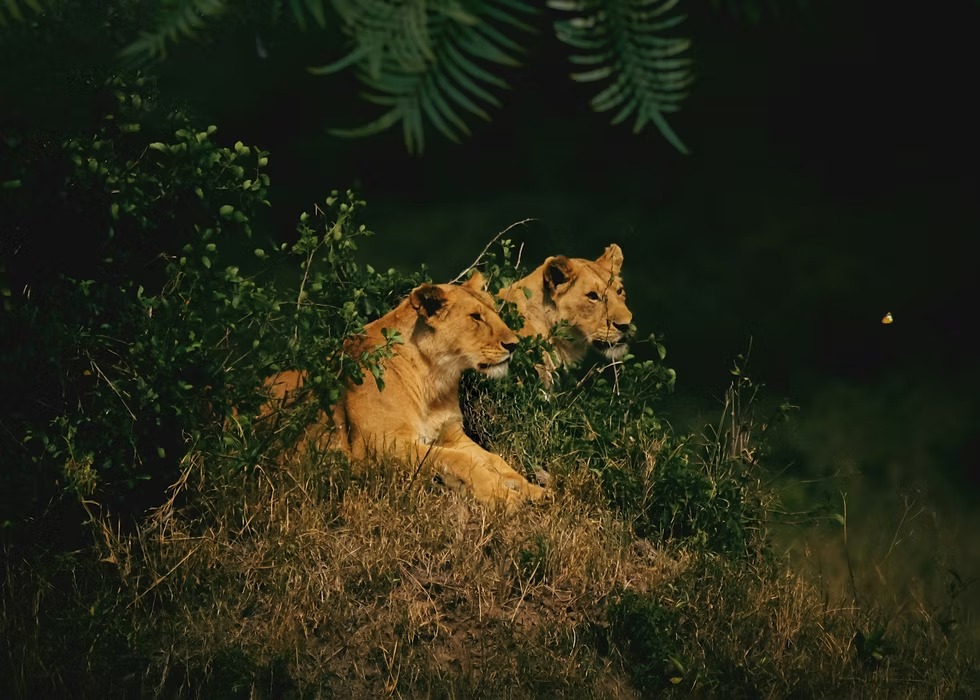
When planning a safari in Rwanda, one of the most important questions is: When is the best time to visit Akagera National Park?
Located in eastern Rwanda along the border with Tanzania, Akagera National Park is the country’s leading savannah safari destination. Its diverse landscapes include open grasslands, rolling hills, woodland, wetlands and a network of lakes that support an impressive variety of wildlife.
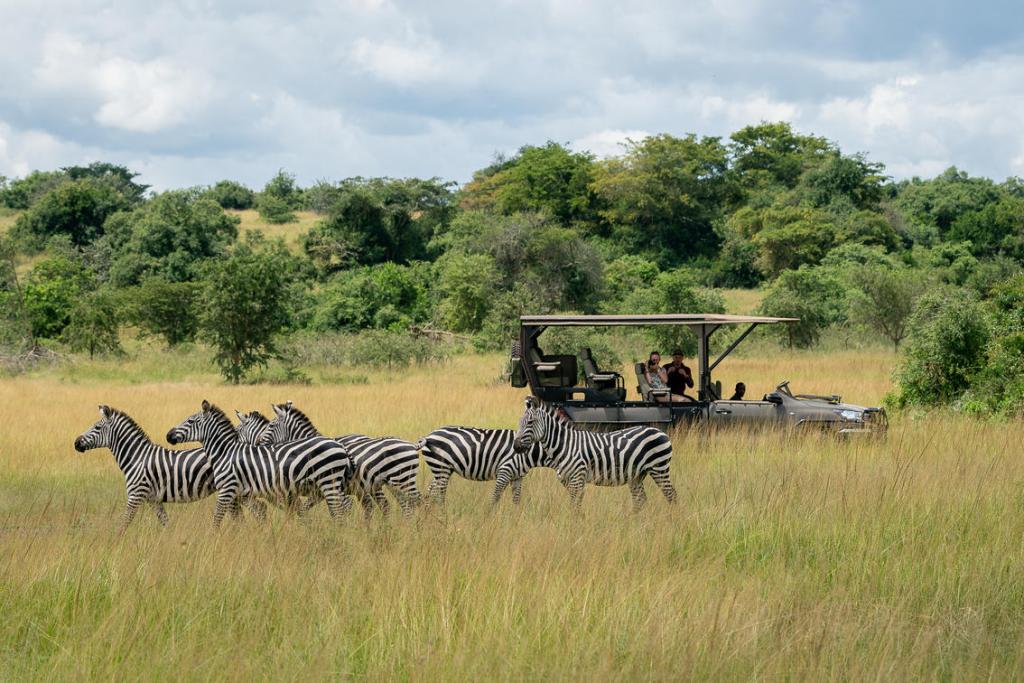
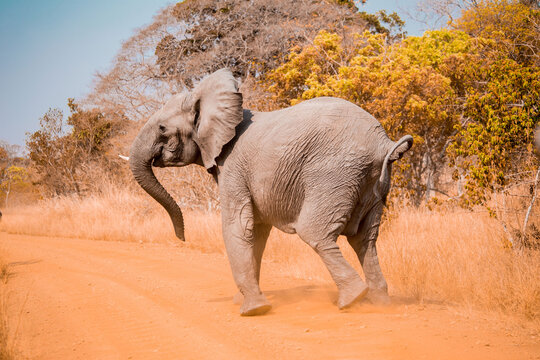
Unlike Rwanda’s famous mountain gorilla destination, Volcanoes National Park, Akagera offers a classic African safari experience. Travellers can search for lions, elephants, leopards, buffaloes and rhinoceroses while enjoying scenic game drives, birdwatching and boat excursions on Lake Ihema.
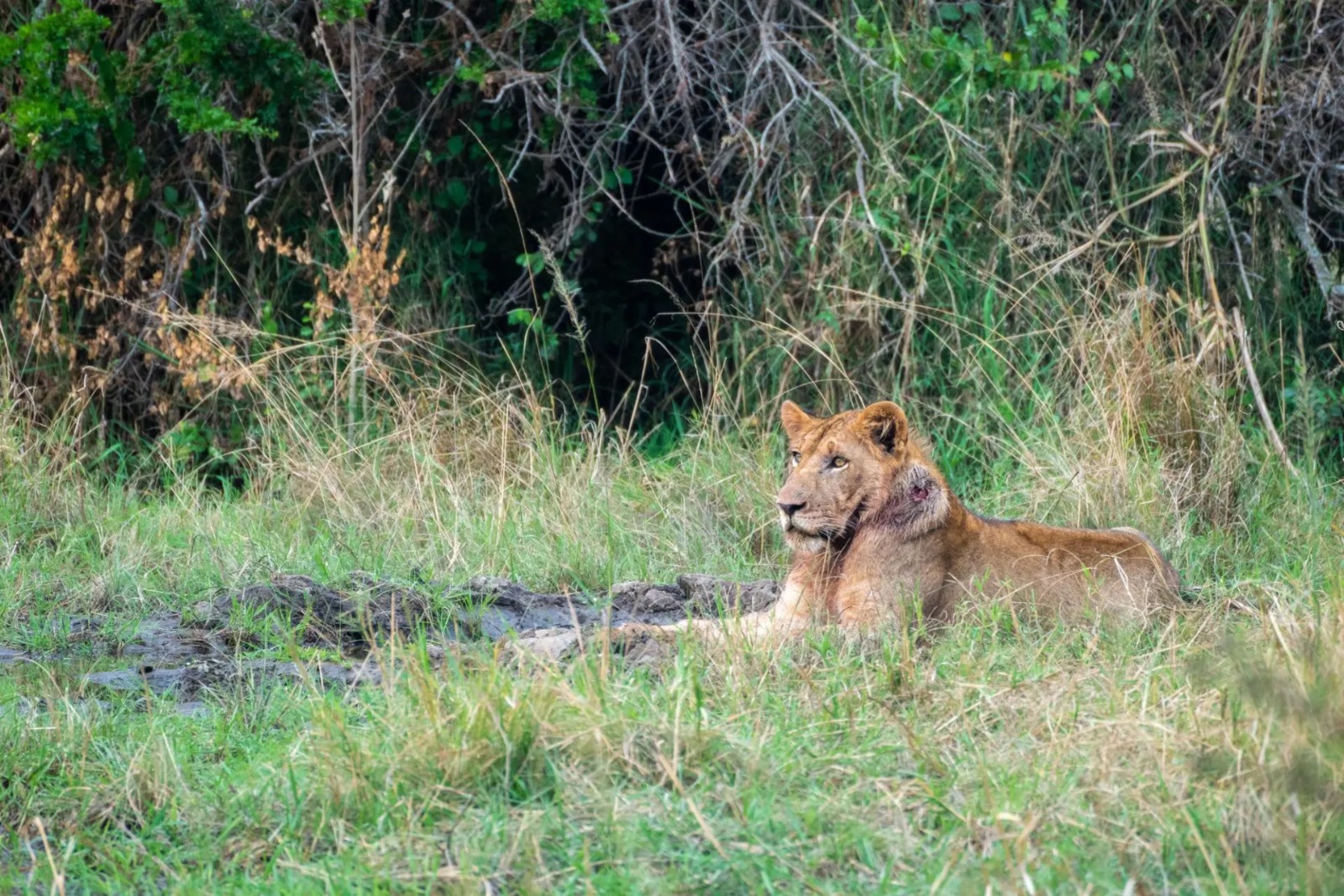
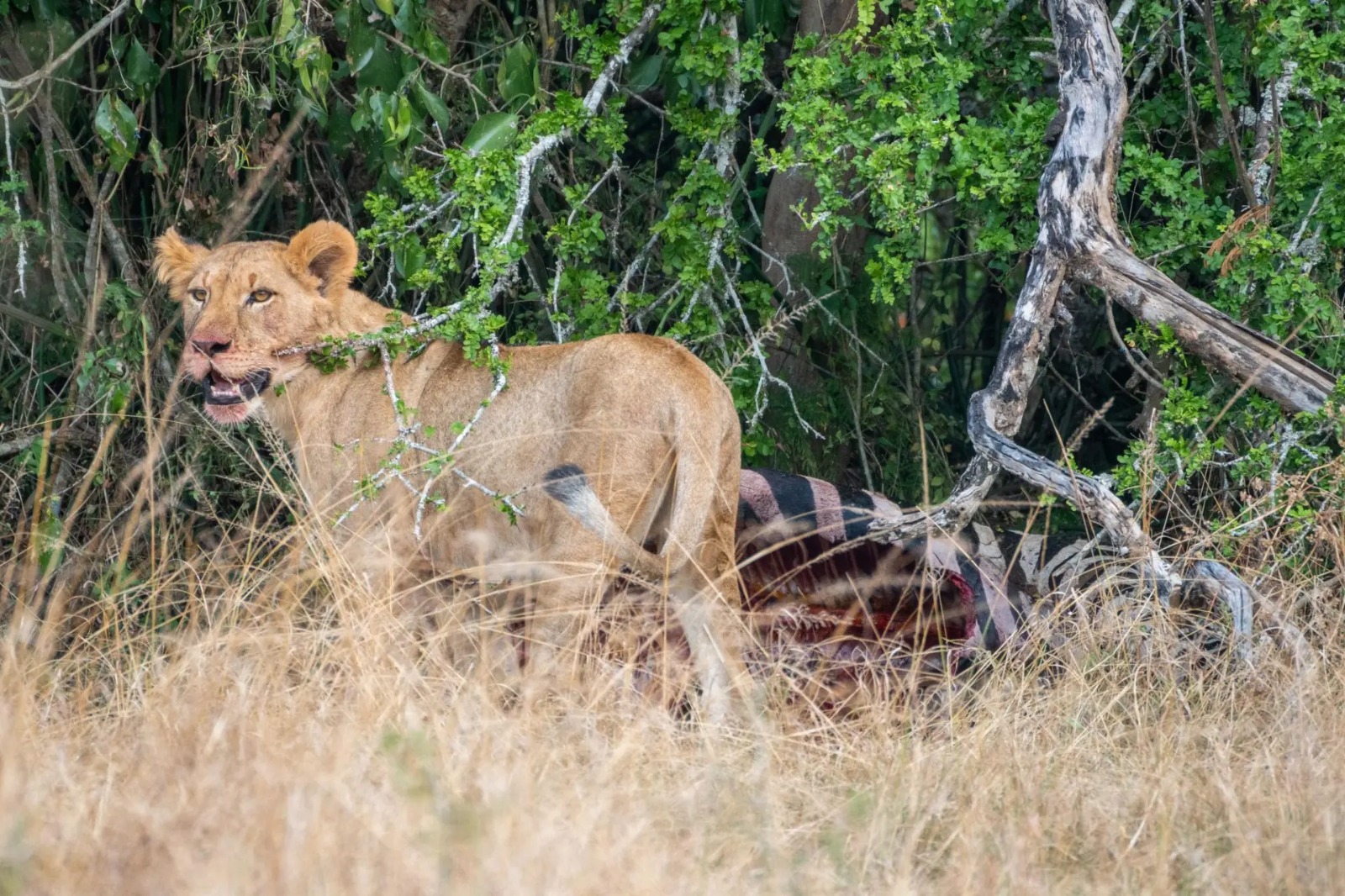
Akagera is also an important conservation success story. Following years of habitat pressure and wildlife decline, restoration and protection efforts have helped bring key species back to the park, including lions in 2015 and eastern black rhinoceroses in 2017. Today, the park offers visitors an opportunity to experience Rwanda’s wildlife while learning about the importance of protecting natural habitats.
However, the quality of a safari can vary depending on the time of year. Rainfall affects vegetation, road conditions, animal movements and photography opportunities. Understanding these seasonal differences can help you select the right travel dates and make the most of your experience.
Whether you are planning a one-day safari from Kigali, a two-day wildlife adventure or a longer journey through Rwanda, this guide explains what to expect throughout the year and how to prepare for an unforgettable Akagera safari.
Understanding Akagera's national Park's Climate Seasons
Akagera National Park lies in a tropical climate zone with two distinct seasons: the dry season and the wet season. Each offers a different safari experience, and understanding these patterns will help you plan the perfect trip. Rwanda's location near the equator means temperatures remain fairly consistent year-round, typically between 20°C and 30°C, but rainfall patterns significantly affect wildlife behaviour and visibility.
The principal seasonal patterns are:
- Long dry season: June to September.
- Short dry season: December to February.
- Long rainy season: March to May.
- Short rainy season: October to November.
Dry Season (June – September): Best for Game Viewing
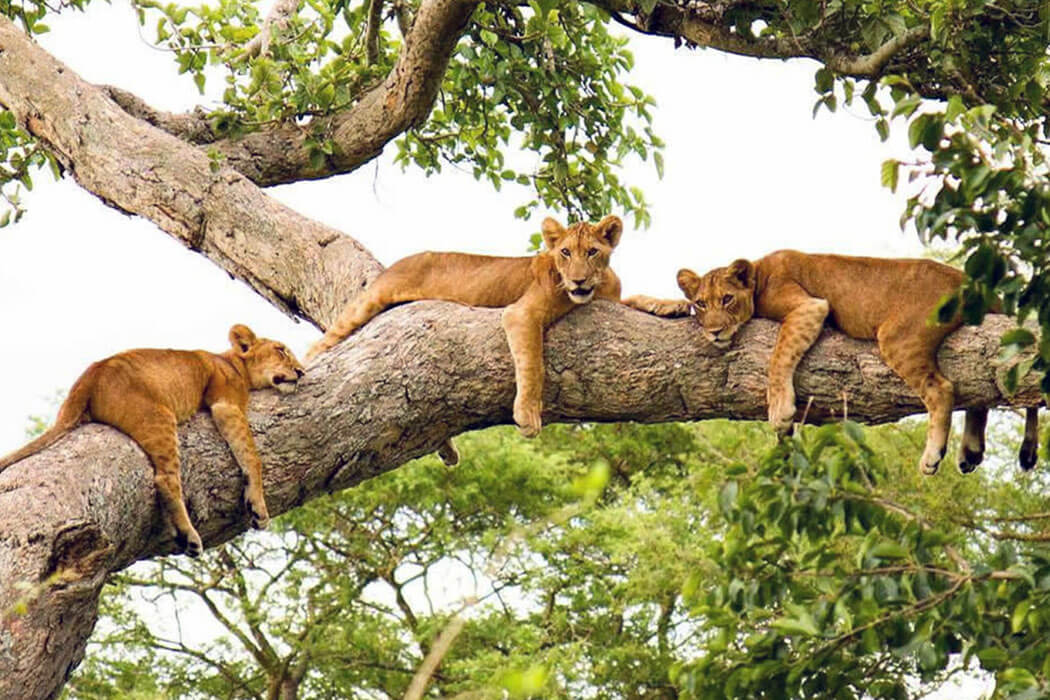
The dry season from June to September is widely considered the best time to visit Akagera for wildlife viewing. With less rainfall, vegetation thins out and animals congregate around the park's lakes and remaining water sources, making them much easier to spot. This is prime time for seeing the Big Five, especially lions and elephants near the lakes. The roads are in excellent condition, and the skies are clear — perfect for photography. This is peak season, so booking in advance is recommended.
What makes this season special?
Better wildlife visibility: Thinner vegetation can make animals easier to identify across open grasslands.
Favourable road conditions: Many tracks are generally easier to navigate when there is less rain, although local conditions still vary.
Excellent photography opportunities: Clearer weather and open landscapes can create beautiful safari photographs, particularly during early morning and late-afternoon drives.
Comfortable planning for outdoor activities: The lower likelihood of persistent rain can make it easier to organise game drives, boat excursions and other activities.
What should you consider?
June to September is a popular travel period, so it is wise to reserve accommodation, guides and other activities in advance. The landscape can also become dry and dusty, especially towards the end of the season.
The dry season improves the conditions for wildlife viewing, but it does not guarantee sightings of every member of the Big Five.
Best for: First-time safari travellers, wildlife photographers, families planning a wildlife holiday and visitors hoping to maximise their game-viewing opportunities.
Short Dry Season (December – February): A Hidden Gem
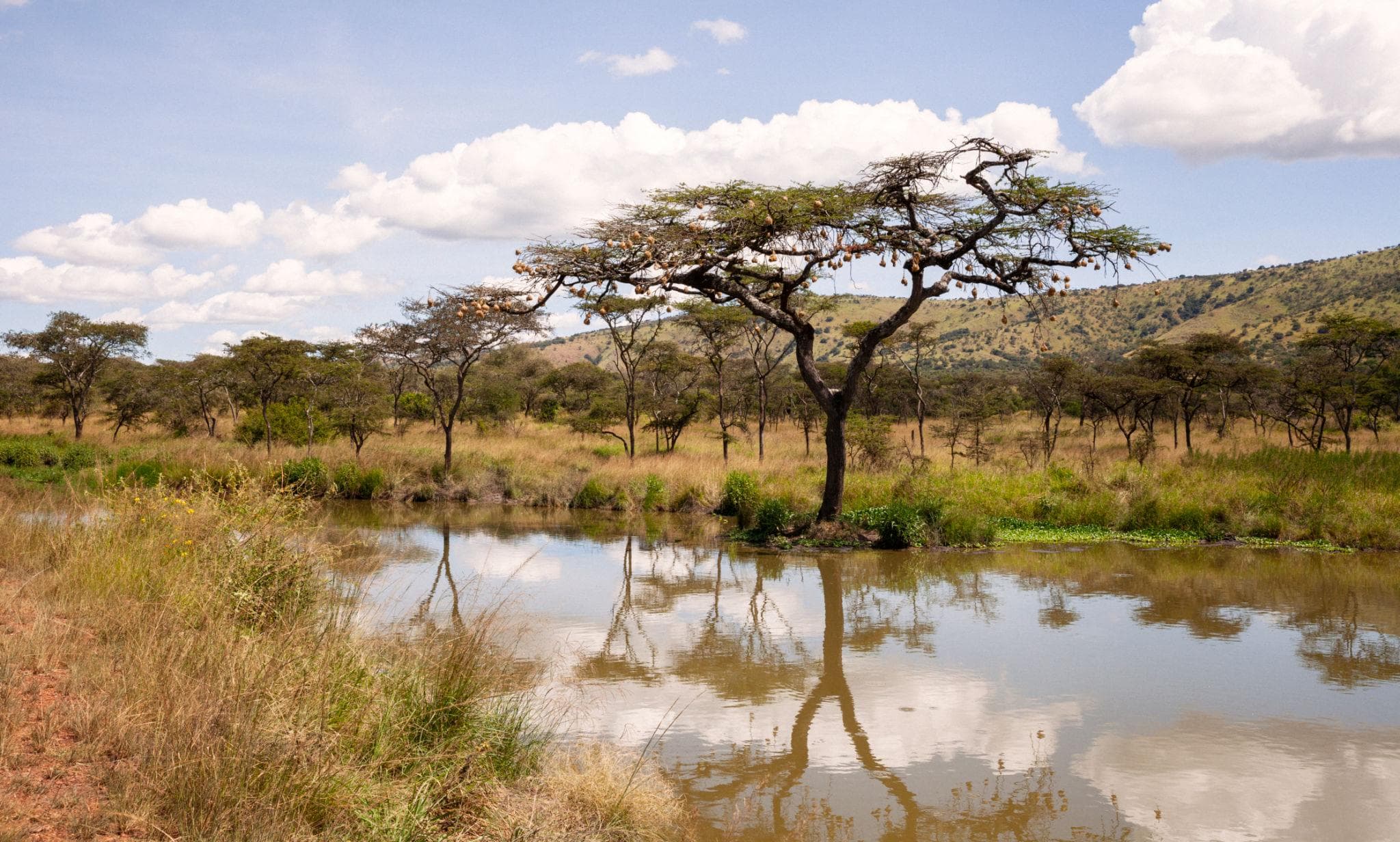
The short dry season between December and February is another excellent window for visiting Akagera. Conditions are similar to the main dry season but with fewer tourists. The landscape is lush and green from recent rains, providing a beautiful backdrop for photography. Migratory birds are present during this period, making it ideal for birdwatchers. Temperatures are slightly warmer, and you'll often have game drive routes to yourself.
Why visit during these months?
- Wildlife can be easier to spot when vegetation is relatively sparse.
- Game drives can benefit from generally drier tracks.
- The scenery can remain green and appealing following earlier rainfall.
- Birdwatchers may encounter resident species as well as migratory birds, depending on the month.
- Visitors can plan a safari around the Christmas and New Year holidays, although accommodation and activities should be booked early.
December to February is not necessarily quiet everywhere, particularly during holiday periods. Travellers should check accommodation availability and current activity schedules before departure.
Best for: Travellers seeking a balance between wildlife viewing, scenic photography and generally favourable driving conditions.
Wet Season (March – May, October – November): Budget-Friendly
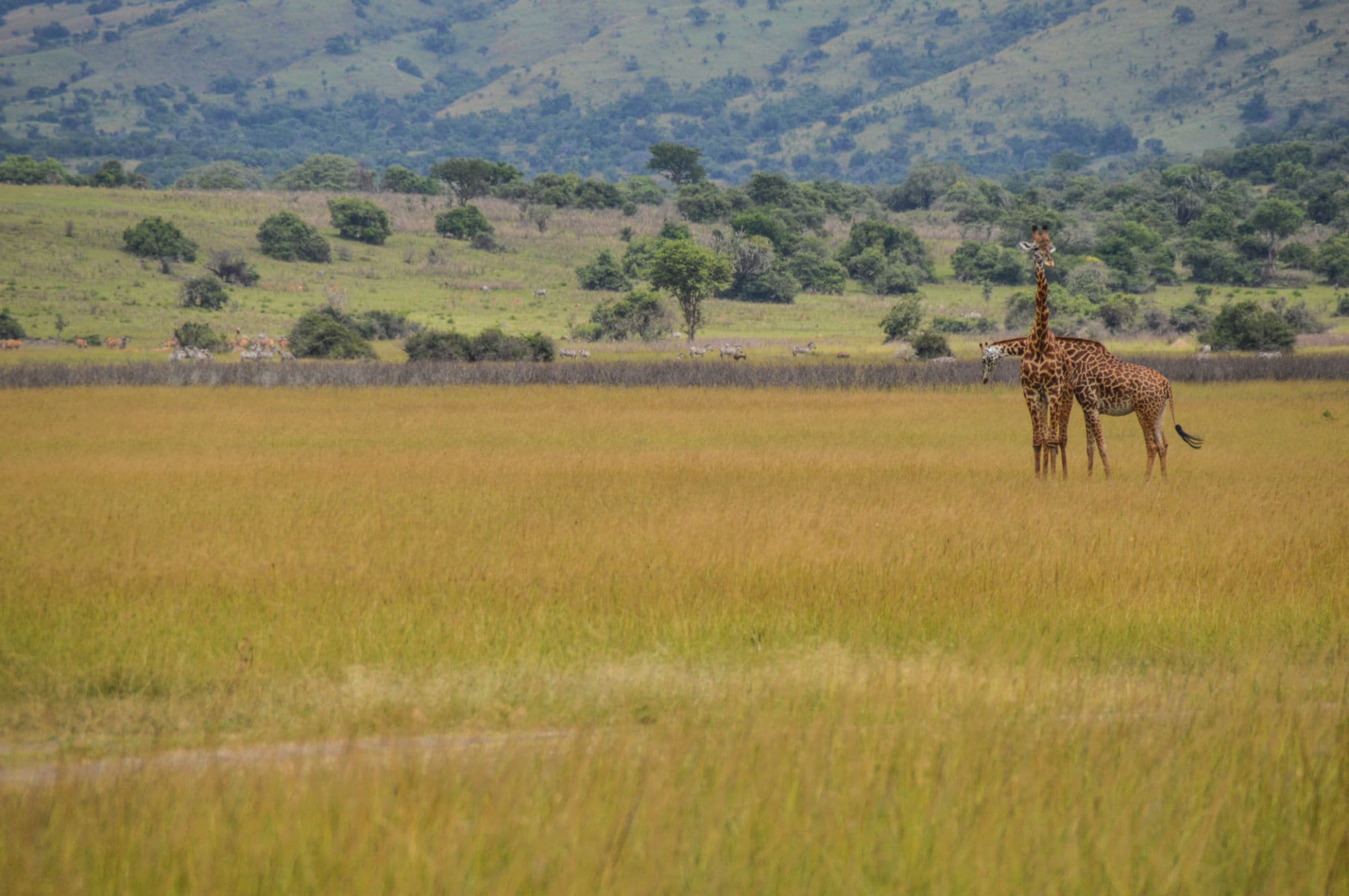
The long rains fall from March to May, while shorter rains occur in October and November. During these periods, the park is at its greenest and most photogenic. While some roads may become challenging, the park remains open and game drives continue. The wet season brings newborn animals, dramatic skies, and significantly lower prices on accommodation and tours. Birdlife is at its peak with migratory species present. If you don't mind occasional showers, this is the best value time to visit.
What makes the rainy season worthwhile?
Beautiful scenery: Fresh vegetation and greener hills create a different visual experience from the golden dry-season landscape.
Birdwatching opportunities: Akagera supports a remarkable diversity of bird species. Seasonal movements can bring additional birds to the park, making this period attractive to bird enthusiasts.
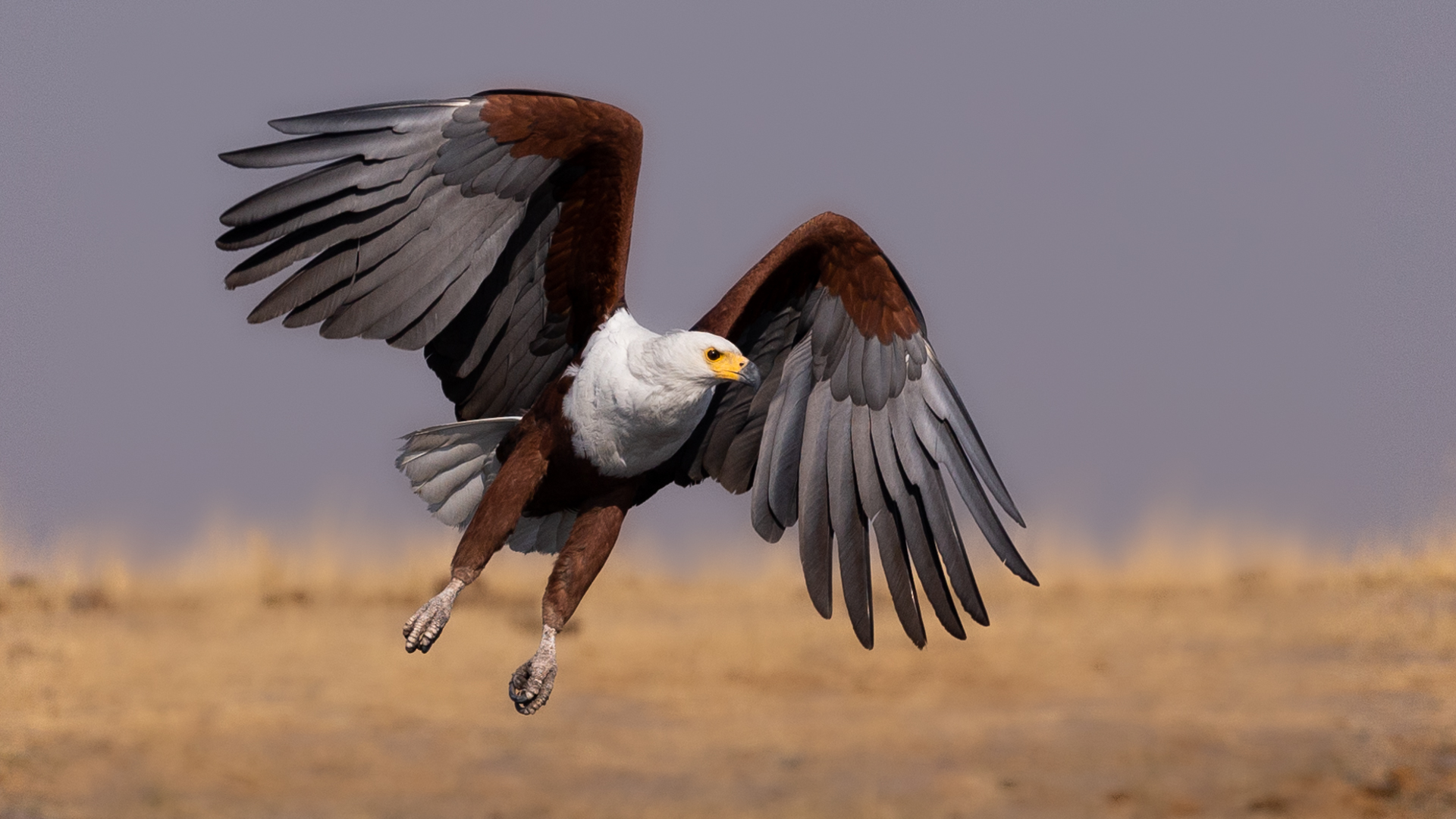
Photography: Cloud formations, reflections on lakes and rich vegetation provide excellent opportunities for landscape photography.
Potentially quieter travel periods: Some dates may have fewer visitors than the peak dry-season months, offering a more peaceful atmosphere. Actual visitor numbers and prices vary, so confirm availability and rates before booking.
New wildlife activity: Young animals may be encountered during parts of the year, although birth periods vary by species and sightings are never guaranteed.
What are the challenges?
Rain can reduce visibility, make certain tracks slippery or muddy and affect the time needed to travel between locations. A suitable vehicle, flexible schedule and experienced driver-guide can make a significant difference.
If you plan to visit during the rainy season, check current park conditions and activity availability before travelling.
Best for: Birdwatchers, nature lovers, landscape photographers and travellers who prefer green scenery and are comfortable adapting their plans to the weather.
Month-by-Month Breakdown
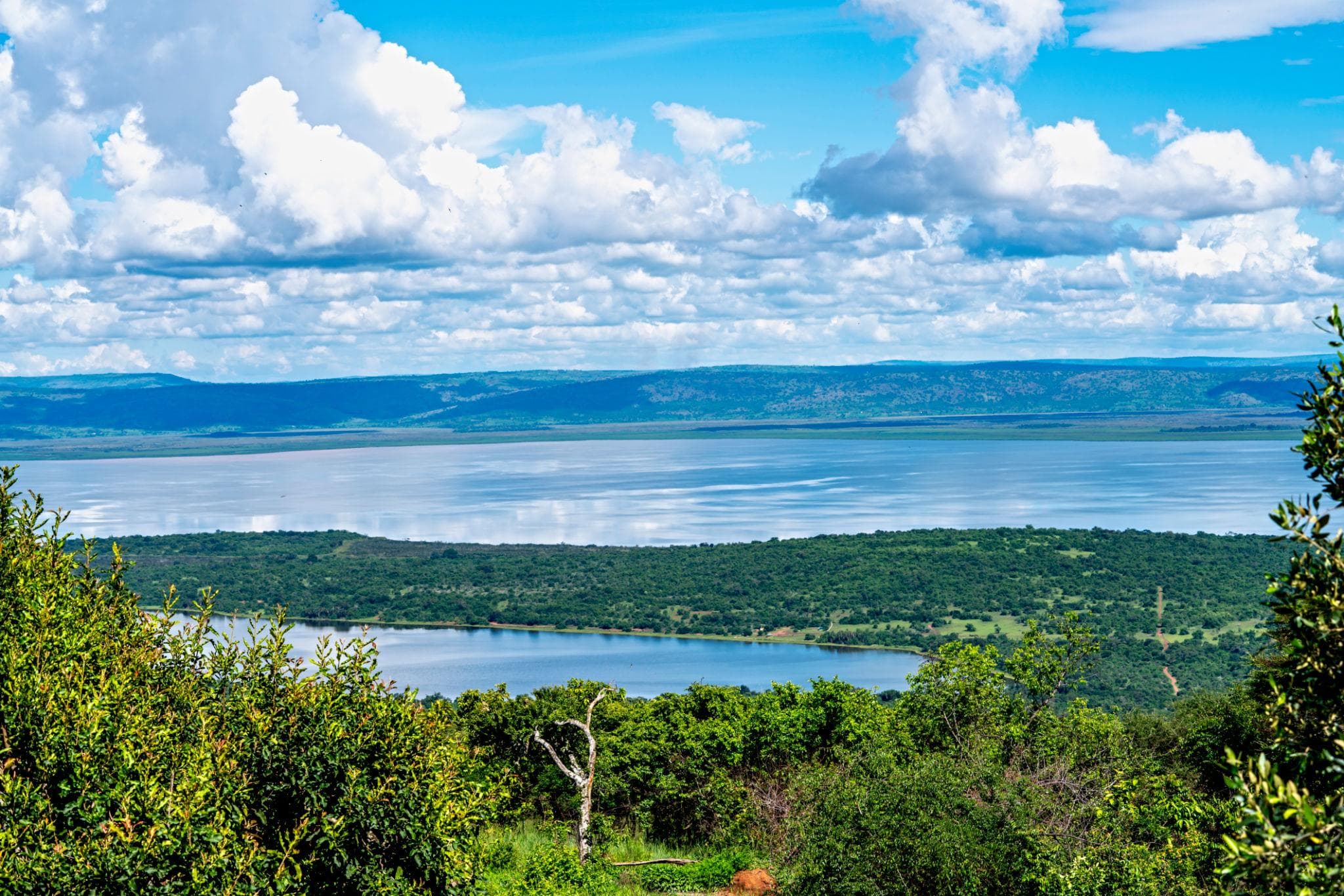
January-February: Warm and dry, great wildlife viewing, fewer crowds. March-May: Long rains, lush scenery, excellent birding, budget-friendly. June-August: Peak dry season, best game viewing, busiest period. September: End of dry season, animals still near water, great weather. October-November: Short rains begin, green landscape, baby animals. December: Rains ease, festive season, good all-round conditions. Each month has something special to offer, so there truly is no bad time to visit Akagera.
Which Activities Are Best in Each Season?
Choosing when to visit Akagera becomes easier when you consider the activities you want to enjoy.
Game drives and the Big Five
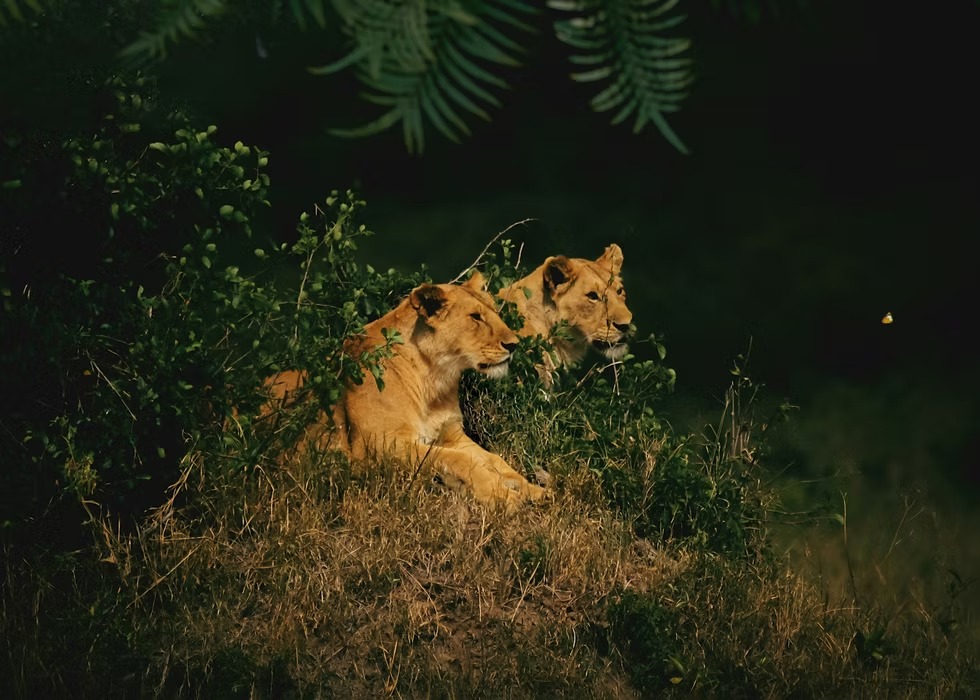
June to September and December to February are generally strong choices for wildlife-focused game drives. The relatively open vegetation and concentration of animals around permanent water sources can improve visibility.
Akagera is home to the Big Five: lions, leopards, elephants, buffaloes and rhinoceroses. Seeing all five during one visit is possible but never guaranteed.
Morning drives are valuable because wildlife may be active during cooler hours. Afternoon drives offer another opportunity to explore different habitats.
Boat safari on Lake Ihema
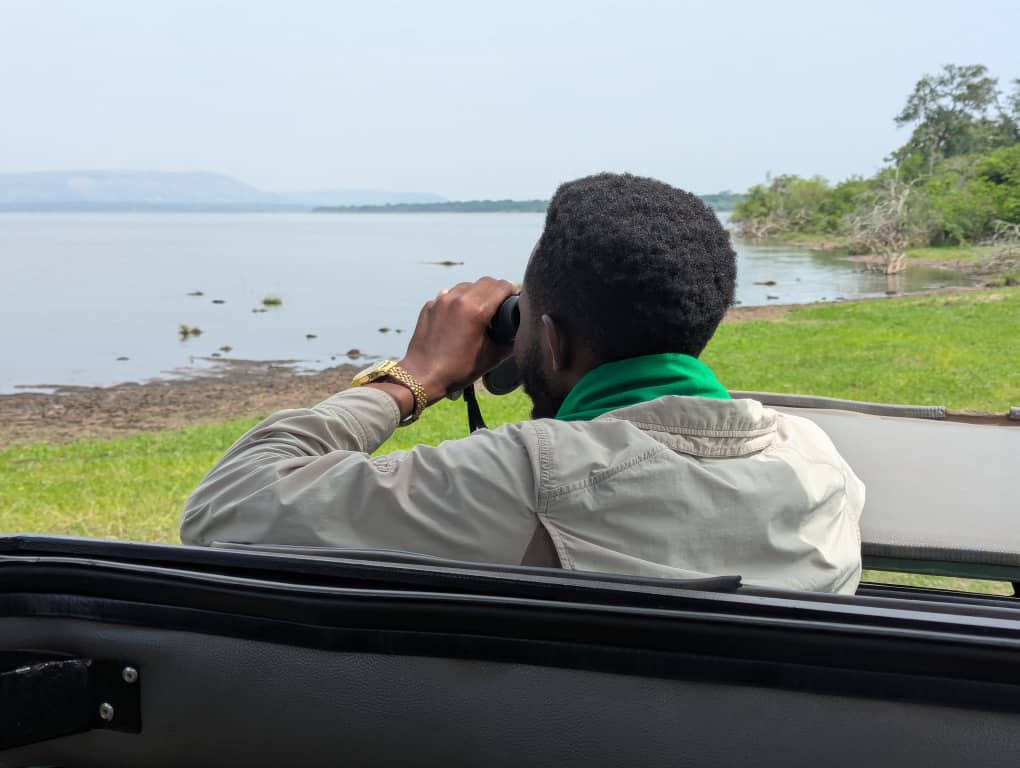
A boat excursion on Lake Ihema provides a different perspective from a traditional vehicle-based safari.
Visitors may see hippos, Nile crocodiles and a variety of waterbirds along the lake and its surrounding wetlands. Birdwatching opportunities can be especially rewarding for those interested in aquatic habitats.
Boat trips are subject to schedules, weather and operational availability. Confirm your departure time before travelling, particularly if you are visiting Akagera on a single day from Kigali.
Birdwatching
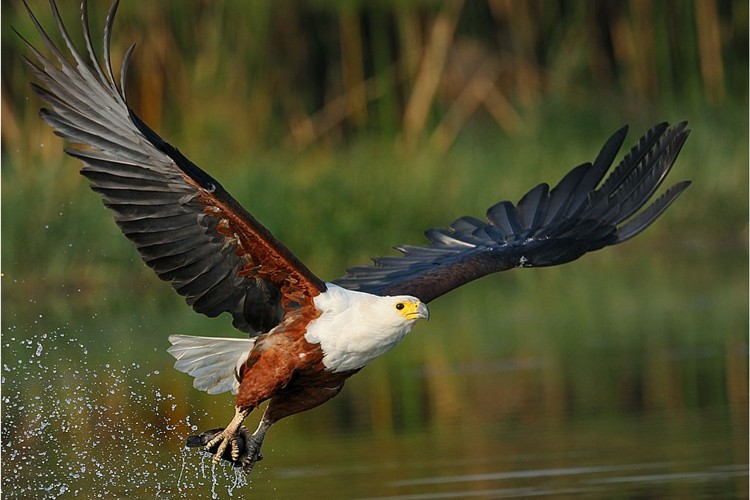
Akagera's lakes, wetlands, grasslands and woodland create habitats for a wide range of bird species.
The rainy periods can be particularly rewarding for birdwatching because of seasonal bird movements and changing ecological conditions. However, birdwatching remains worthwhile throughout the year.
Travellers with a specific interest in rare or seasonal species should consider arranging their visit with a knowledgeable birding guide.
Wildlife photography
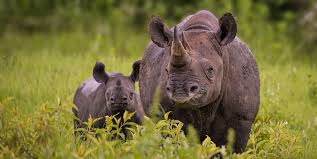
The best season for photography depends on the style of images you want.
- Dry season: Open landscapes, golden grasses and potentially clearer views of animals.
- Rainy season: Green vegetation, dramatic skies, reflections and richly textured scenery.
Early morning and late afternoon often provide attractive natural light. A camera with a zoom lens can be useful for photographing distant wildlife without approaching animals too closely.
Night game drives
Night drives can offer opportunities to look for nocturnal wildlife that is less frequently encountered during daytime activities.
Availability, departure times and operating areas should be confirmed with park management or your tour operator before booking.
How Long Should You Spend in Akagera National Park?
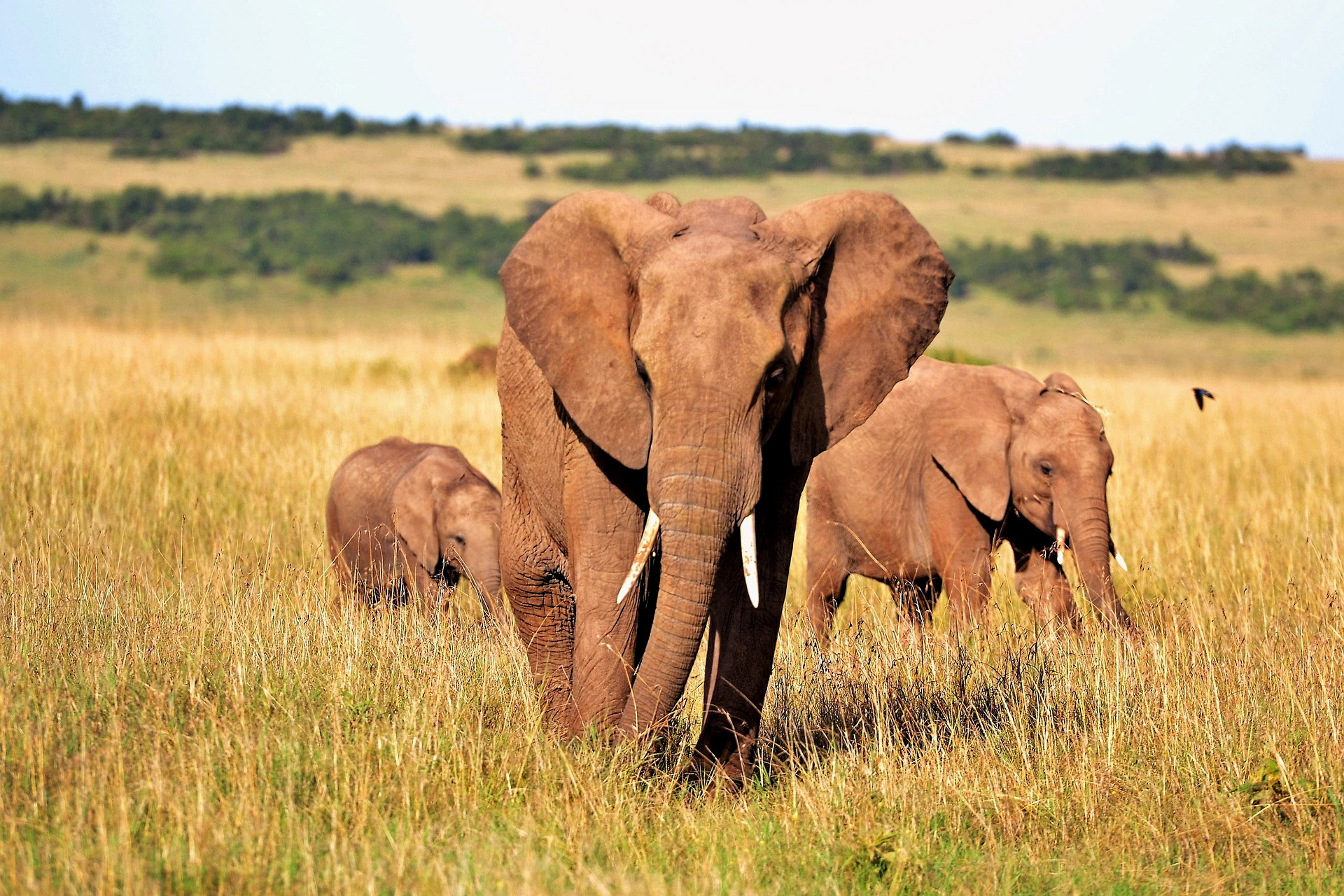
Your ideal safari length depends on your schedule, budget and wildlife interests.
One-day Akagera safari from Kigali
A one-day safari is suitable for travellers with limited time. It can include an early departure from Kigali, a game drive and selected activities, depending on the route and schedule.
However, the park is large, and a single day limits the time available to explore different habitats. It is important to agree on a realistic itinerary before departure rather than attempting to cover the entire park.
Two-day Akagera safari

Two days provide a more relaxed experience and allow more time for wildlife viewing.
An itinerary may combine game drives with a Lake Ihema boat safari and an overnight stay near or inside the park. The exact activities depend on accommodation location, road conditions and availability.
Three-day Akagera safari
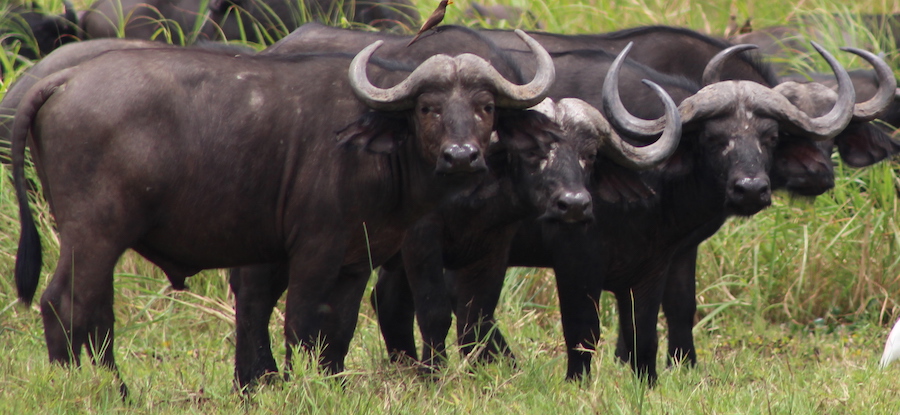
A three-day visit is ideal for travellers who want a deeper experience of the park.
Additional time allows for more game drives, opportunities to explore different areas, birdwatching and a less rushed schedule. It can also provide more chances to encounter wildlife that was not visible during an earlier drive.
Our recommendation: If Akagera is a major highlight of your Rwanda holiday, consider two or three days. Choose a one-day safari when your itinerary is limited, and plan your route carefully.
How to Get to Akagera National Park from Kigali
Akagera is located in eastern Rwanda and is accessible by road from Kigali. The journey generally takes a few hours, depending on your starting point, traffic, gate and destination within the park.
Travellers can visit using a private vehicle, a suitable self-drive rental or an organised safari with a professional driver-guide.
Self-drive or guided safari?
A self-drive safari offers flexibility and independence, but visitors must understand the park's driving rules, routes and current road conditions.
A guided safari can be especially helpful for first-time visitors. A knowledgeable guide can assist with route planning, explain animal behaviour, help identify wildlife and coordinate activities within the available time.
A suitable 4x4 vehicle is particularly worth considering when travelling in wet conditions or exploring more challenging tracks. Always follow the park's current vehicle and road guidance.
Where to Stay During Your Akagera Safari
Staying overnight can make it easier to enjoy early activities and spend more time exploring the park.
Accommodation options include lodges, tented camps and designated campsites, with different comfort levels and locations. Some properties provide convenient access to particular sections of the park, so consider your planned activities before choosing where to stay.
When comparing accommodation, look at:
- Distance from the park entrance and planned safari routes.
- Access to game drives and boat activities.
- Meal arrangements and available facilities.
- Budget and preferred level of comfort.
- Availability during public holidays and peak travel periods.
Book ahead during popular travel months, and verify current operating dates and services directly with your chosen accommodation.
What to Pack for an Akagera Safari
Packing appropriately helps you remain comfortable throughout the day.
Clothing
- Lightweight, breathable clothing in neutral colours.
- A light jacket for early mornings and evenings.
- A rain jacket or waterproof layer during rainy months.
- Comfortable closed shoes.
Wildlife viewing and photography
- Binoculars for observing distant animals and birds.
- A camera or smartphone with sufficient storage.
- Extra batteries or a power bank.
- Sunglasses and a sun hat.
Personal essentials
- Sunscreen.
- Insect repellent.
- Drinking water.
- Personal medication and basic travel supplies.
- Any identification or booking confirmations required for your visit.
Bring only what you need and keep valuables secure. Follow your guide's instructions and remain inside your vehicle unless you are in an authorised area where getting out is permitted.
Responsible Tourism and Akagera's Conservation Story
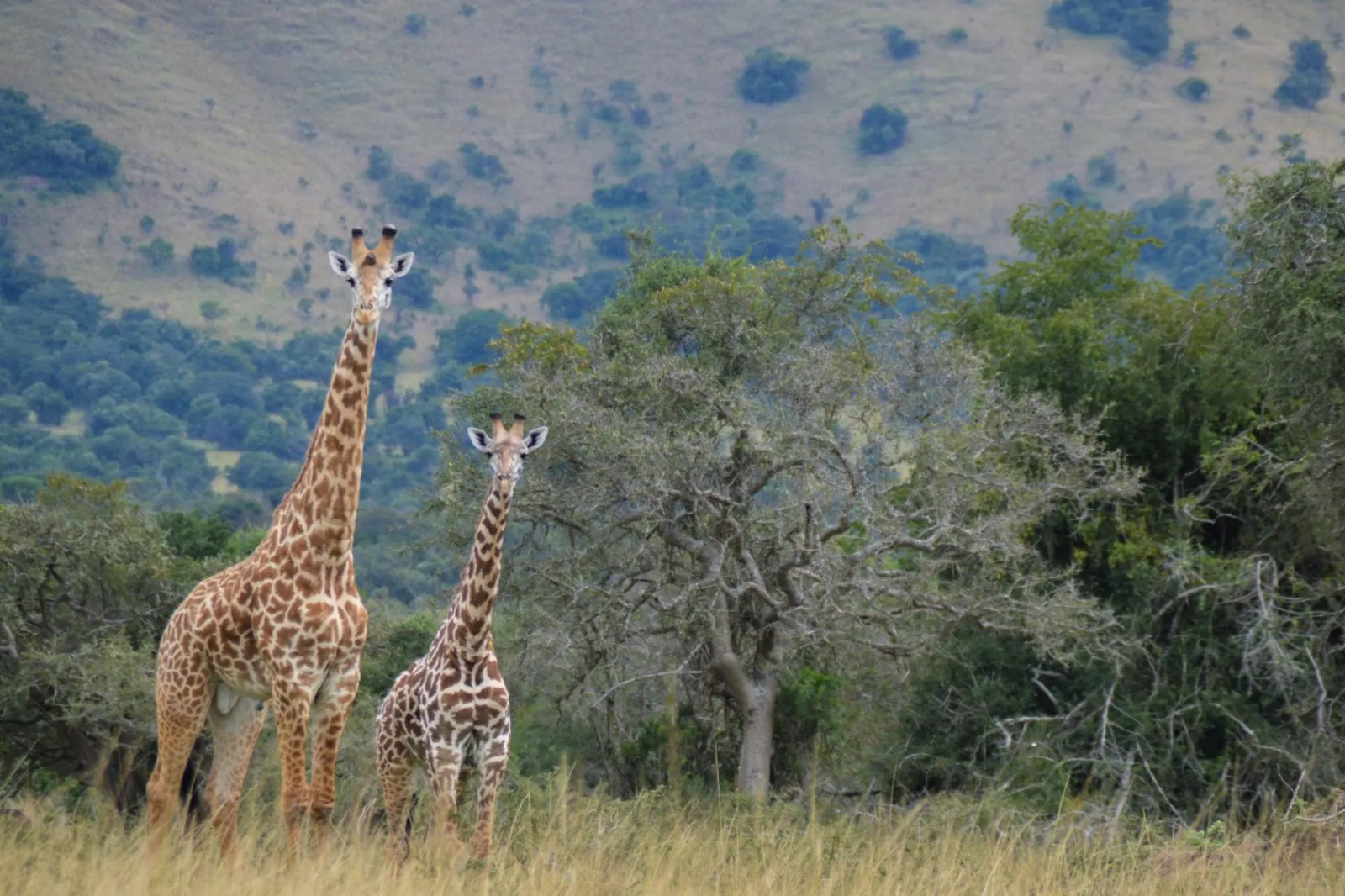
Akagera is more than a place to photograph African wildlife. It is an important example of how sustained conservation work can help restore a protected landscape.
The park was established in 1934. Over subsequent decades, land pressure and other challenges affected its size and wildlife populations. Conservation efforts strengthened through a partnership between the Rwanda Development Board and African Parks, established in 2010, have supported improved park management and wildlife recovery.
The return of lions in 2015 and the reintroduction of eastern black rhinoceroses in 2017 were important milestones in restoring the park's wildlife.
Today, responsible tourism helps support conservation and the communities connected to the park. Visitors can contribute by following park regulations, respecting wildlife, avoiding litter and using authorised guides and services.
When you visit Akagera, you are not simply exploring a savannah. You are experiencing a living conservation landscape whose future depends on continued protection and responsible travel.
Our Recommendation: When Is the Best Time to Visit Akagera?
There is no single perfect month for every traveller. The right time depends on your priorities.
For first-time visitors focused on the Big Five: Choose June to September, when drier conditions often make wildlife easier to spot.
For a second dry-season option: Consider December to February, while checking local weather and holiday availability.
For birdwatching: Consider the rainy periods, particularly October to March, while remembering that bird activity and migratory arrivals vary by species and year.
For green landscapes and photography: March to May and October to November can offer lush scenery and dramatic skies.
For a potentially quieter experience: Consider dates outside the busiest travel periods, but confirm accommodation availability and current prices rather than assuming every rainy-season trip will be cheaper.
Whatever month you choose, plan around your interests, allow enough time for the activities you value most, and remain flexible when wildlife and weather do not follow a predictable schedule.
Frequently Asked Questions About Visiting Akagera National Park
Can I visit Akagera National Park during the rainy season?
Yes. Akagera is a year-round destination, although rain can affect road conditions and some activities. Check the latest park information before departure and allow flexibility in your itinerary.
What is the best month to see the Big Five in Akagera?
July and August are strong choices because they fall within the long dry season. June, September, January and February can also offer favourable game-viewing conditions. No month guarantees that all five species will be seen.
What is the weather like in Akagera National Park?
The park generally has a warm climate, with temperatures commonly around 20°C to 30°C. Conditions vary by season and time of day, so lightweight clothing, sun protection and a light jacket are useful.
When is the best time for birdwatching in Akagera?
The rainy periods, particularly October to March, can be rewarding because of seasonal bird movements. Akagera's varied habitats support birdlife throughout the year.
Is one day enough for an Akagera safari?
Yes, a well-planned day trip can provide an enjoyable introduction to Akagera. However, two or three days allow more time for game drives, a boat safari and exploration at a comfortable pace.
Can I see all the Big Five in one day?
It is possible to encounter several Big Five species in a single day, but seeing all five is not guaranteed. Leopards and other elusive animals can be particularly difficult to find.
Do I need a 4x4 vehicle?
A suitable 4x4 can be beneficial, particularly on challenging or wet tracks. Vehicle suitability depends on current conditions and the routes you plan to use. Check park guidance before setting off.
Should I book my Akagera safari in advance?
Advance booking is advisable, especially during popular travel periods and when you want a particular lodge, guide or boat departure. Confirm current park fees, accommodation rates and activity availability before paying.
Can I visit Akagera during the rainy season?
Yes! The park is open year-round. Rain usually falls in short afternoon bursts, leaving mornings clear for game drives. Plus, you'll enjoy lower prices and fewer tourists.
What is the temperature like in Akagera?
Temperatures range from 20°C to 30°C year-round. Mornings and evenings can be cooler, especially in the dry season, so bring a light jacket.
When is the best time for bird watching in Akagera?
October to March is the best period for birding, when migratory species swell the park's resident population to over 500 species.
Our Recommendation
For first-time visitors focused on Big Five sightings, we recommend June to September. For birdwatchers, October to March is ideal. For budget-conscious travellers wanting a great experience with fewer crowds, December to February hits the sweet spot. Whatever time you choose, Akagera's diverse landscapes and abundant wildlife will make your safari unforgettable.
It is an opportunity to see Rwanda's conservation transformation with your own eyes.
Explore Akagera with Seek Wild Africa and let us organise every part of your journey—from your Kigali pick-up and park entry to game drives, boat experiences, accommodation and your return to Kigali.
Ready to Experience Akagera?
Book your safari today and turn these travel tips into unforgettable memories.