Best Things to Do in Akagera National Park Beyond Game Drives in 2026–2027
October 12, 2026Clementine
Imagine gliding across a beautiful African lake as hippos surface beside the reeds, crocodiles rest along the shoreline, and African fish eagles fly above the water. Later, you might discover the stories behind Rwanda’s remarkable wildlife recovery, spend a peaceful afternoon fishing beside a lake, or venture into the savannah after sunset to search for nocturnal animals.
This is the experience waiting for travellers who look beyond the traditional game drive in Akagera National Park, one of Rwanda’s most remarkable natural destinations.
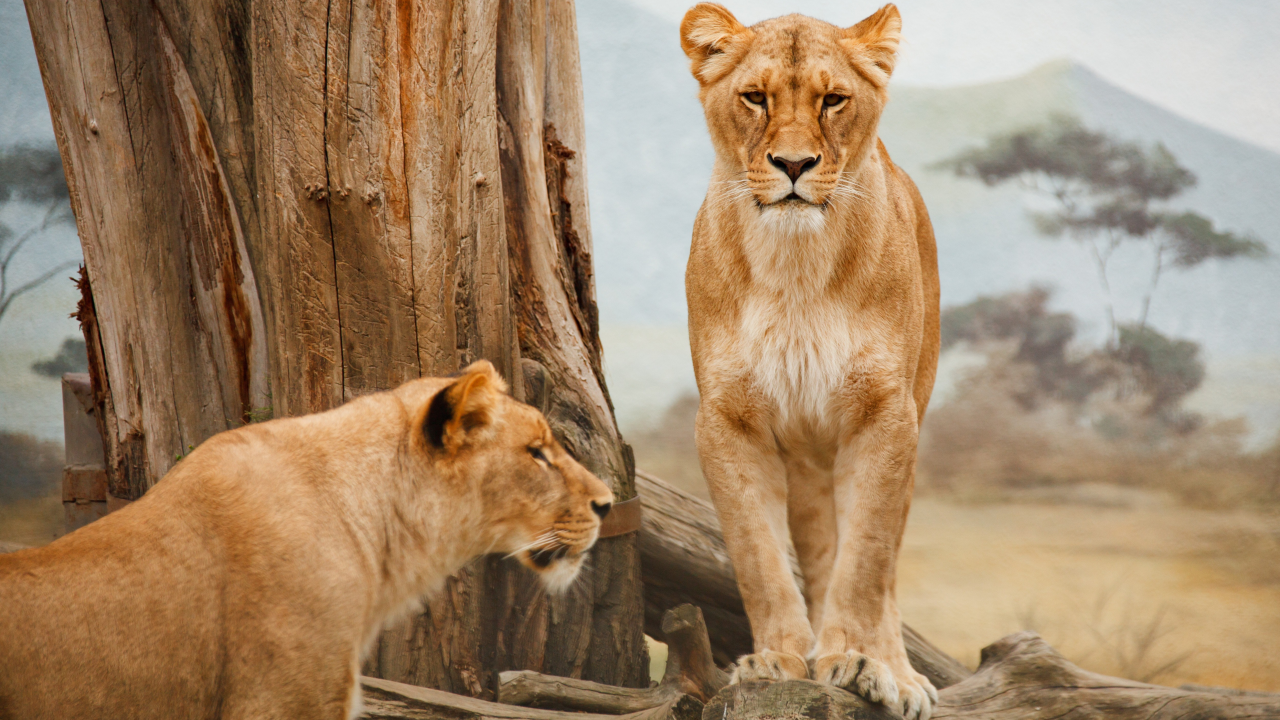
Located in eastern Rwanda along the Tanzanian border, Akagera is famous for its Big Five wildlife, but its appeal extends far beyond lions, elephants, leopards, rhinoceroses, and buffaloes. Its lakes, wetlands, woodland, open grasslands, birdlife, and conservation programmes create opportunities for travellers to experience the wilderness in several different ways.
For visitors planning a Rwanda wildlife safari in 2026–2027, discovering the best things to do in Akagera National Park beyond game drives means exploring the destination more deeply. A Lake Ihema boat trip reveals the life of the wetlands, birdwatching introduces visitors to an extraordinary variety of species, and behind-the-scenes conservation experiences explain the work required to protect this ecosystem.
Akagera’s history makes these experiences even more meaningful. Established in 1934, the park has faced severe challenges, including habitat loss, declining wildlife populations, and poaching. Since the management partnership between the Rwanda Development Board and African Parks began in 2010, sustained conservation efforts have helped restore wildlife and strengthen the park’s future. The return of lions in 2015 and the reintroduction of rhinos from 2017 onwards are among its most important milestones. African Parks’ account of Akagera’s history explains this transformation in detail.

Today, Akagera offers something distinctive within Africa’s safari landscape: the excitement of a Big Five destination combined with wetlands, peaceful lake experiences, conservation learning, and convenient access from Kigali.
Whether you are visiting Rwanda for one day or planning a multi-day adventure, this guide explores what to do, where to stay, how to plan your visit, and how Seek Wild Africa can help you organise a rewarding Akagera experience.
Why Akagera National Park Is Worth Exploring Beyond Game Drives
Game drives remain one of the main reasons travellers visit Akagera, but experiencing the park exclusively from a vehicle can mean missing some of its most distinctive attractions.
Akagera is one of Central Africa’s most important protected wetland landscapes and Rwanda’s only protected savannah region. Its combination of lakes, papyrus swamps, woodland, grassland, and rolling hills supports an impressive variety of wildlife.
These habitats make it possible to enjoy different experiences within one destination. You can observe large mammals from a safari vehicle, watch waterbirds from a boat, learn about wildlife protection from conservation staff, and appreciate the quieter side of nature beside a lake.
A different experience from the Serengeti and Masai Mara
Tanzania’s Serengeti and Kenya’s Masai Mara are internationally famous for the Great Migration, when enormous herds of wildebeest and other grazing animals move across the wider Serengeti–Mara ecosystem in search of food and water.
Akagera has a different identity. Rather than competing with these destinations on the scale of the migration, it offers a distinctive combination of Big Five wildlife, lake excursions, wetland biodiversity, and conservation recovery.
For travellers combining several experiences in Rwanda, Akagera is particularly attractive because it can complement mountain gorilla trekking in Volcanoes National Park, chimpanzee trekking in Nyungwe National Park, and cultural visits in Kigali.
The opportunity to enjoy a traditional savannah safari and then experience the park from the water or through conservation activities gives Akagera a distinctive place in a wider African travel itinerary.
A conservation story that gives every visit meaning
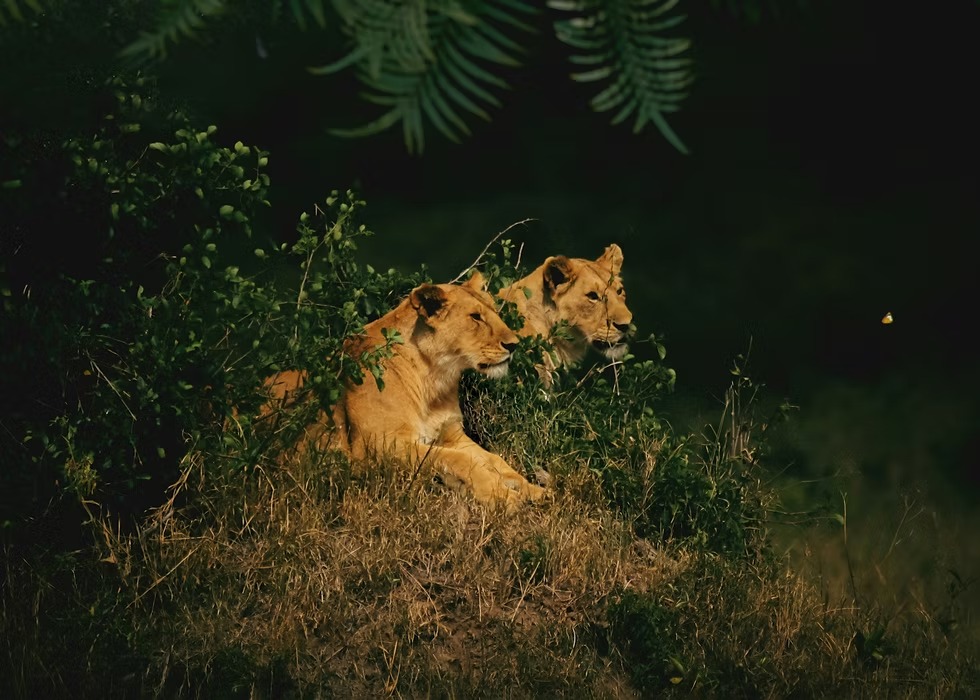
Akagera’s recovery is an important part of its appeal.
After losing substantial land and suffering severe declines in wildlife, the park entered a new phase of management through the partnership between the Rwanda Development Board and African Parks in 2010. Stronger protection, wildlife monitoring, habitat management, and community engagement have helped support its recovery.
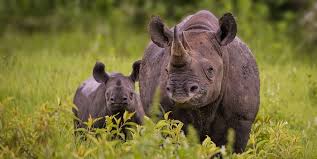
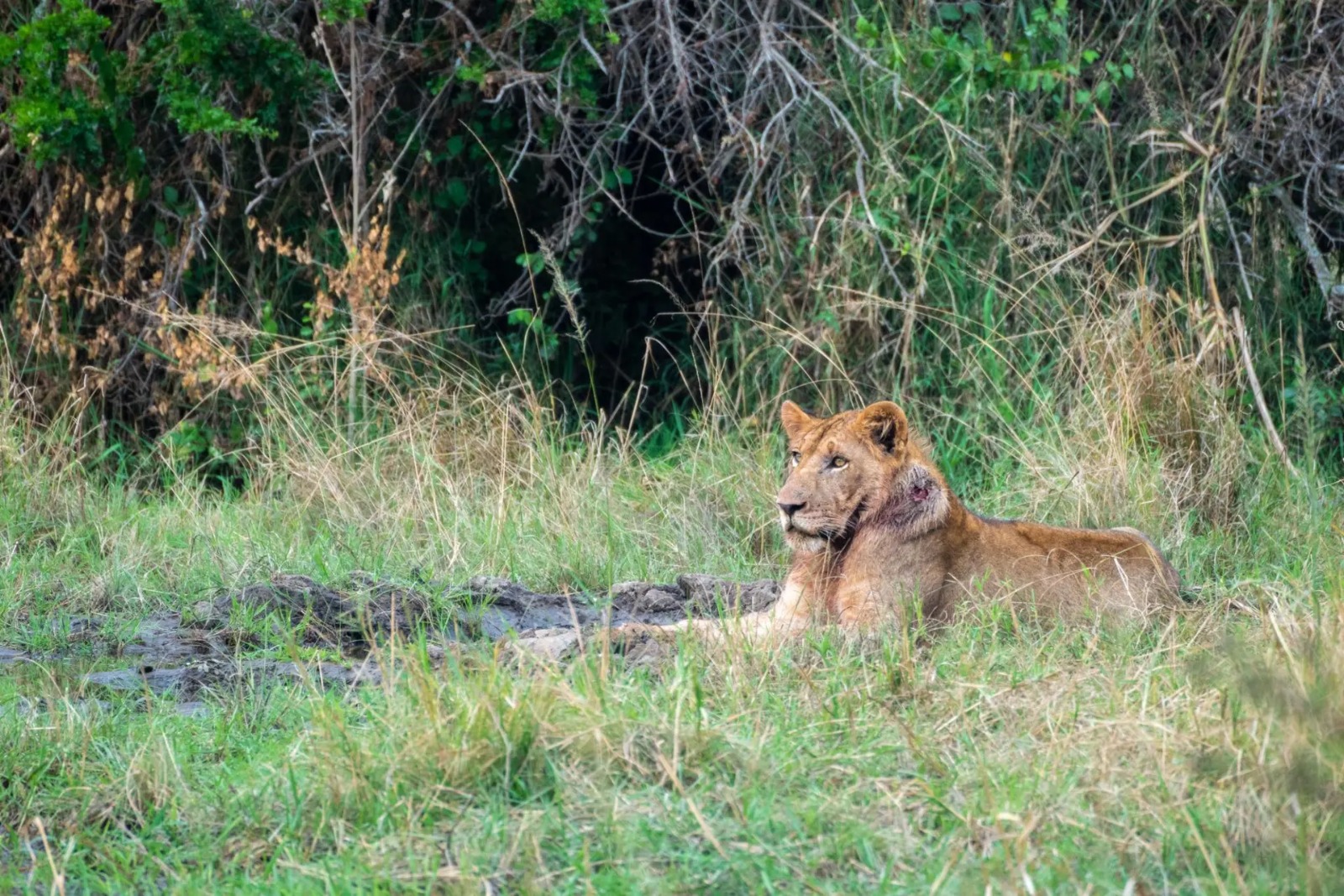
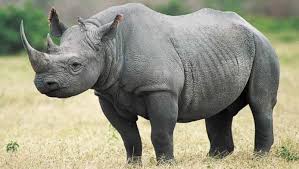
Lions were reintroduced in 2015, eastern black rhinos in 2017 and 2019, and southern white rhinos in 2021. In June 2025, a further 70 southern white rhinos arrived as part of the Rhino Rewild Initiative.
This history demonstrates that Akagera is not simply a place to see wildlife. It is a place to understand how conservation, tourism, and community participation can contribute to the future of a protected ecosystem.
The Best Things to Do in Akagera National Park Beyond Game Drives
Enjoy an Akagera Boat Safari on Lake Ihema
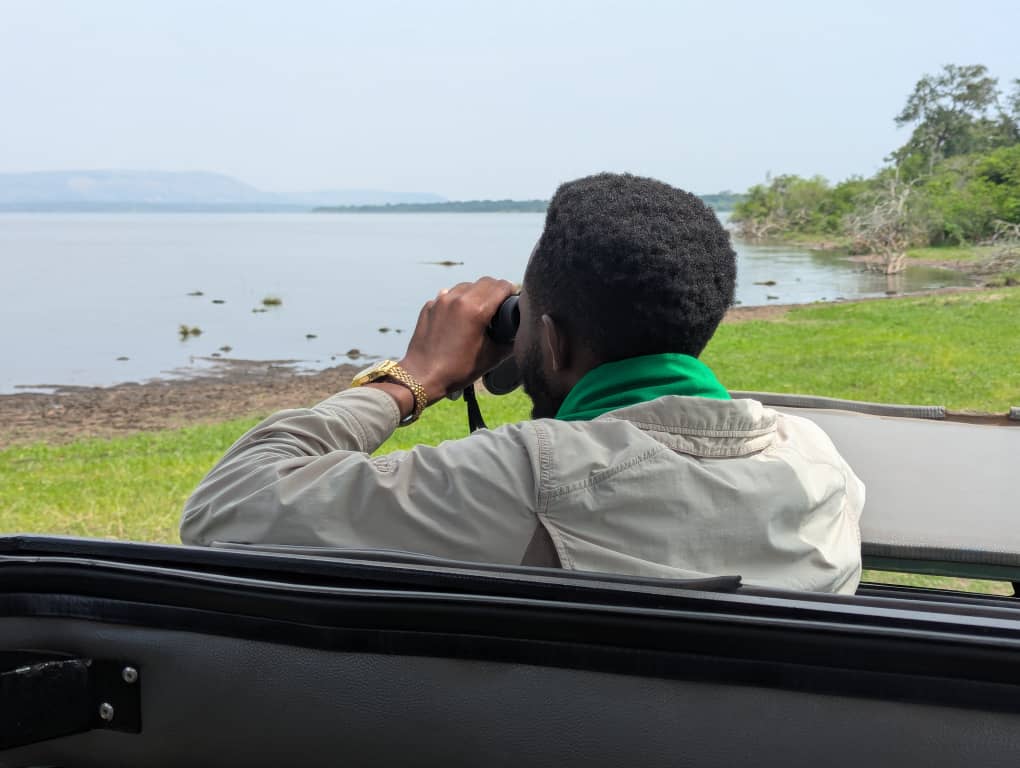
A Lake Ihema boat trip is one of the most distinctive activities to include in an Akagera National Park itinerary.
Lake Ihema lies in the southern part of the park and supports a rich wetland ecosystem. From the boat, visitors can observe the landscape at water level, watching the shoreline and vegetation while looking for wildlife.
Hippos are among the animals visitors may encounter in the lake. Nile crocodiles may also be seen resting along the banks or moving through the water. Above the lake, African fish eagles, herons, kingfishers, and other waterbirds create excellent opportunities for wildlife observation and photography.
Unlike a game drive, which focuses on moving through different habitats by vehicle, a boat safari offers a slower experience. It allows visitors to appreciate the relationship between wildlife and water while enjoying the scenery of one of Akagera’s most beautiful environments.
The experience can be especially rewarding for photographers, birdwatchers, couples, and families who want to add variety to their safari.
What makes the Lake Ihema boat safari special?
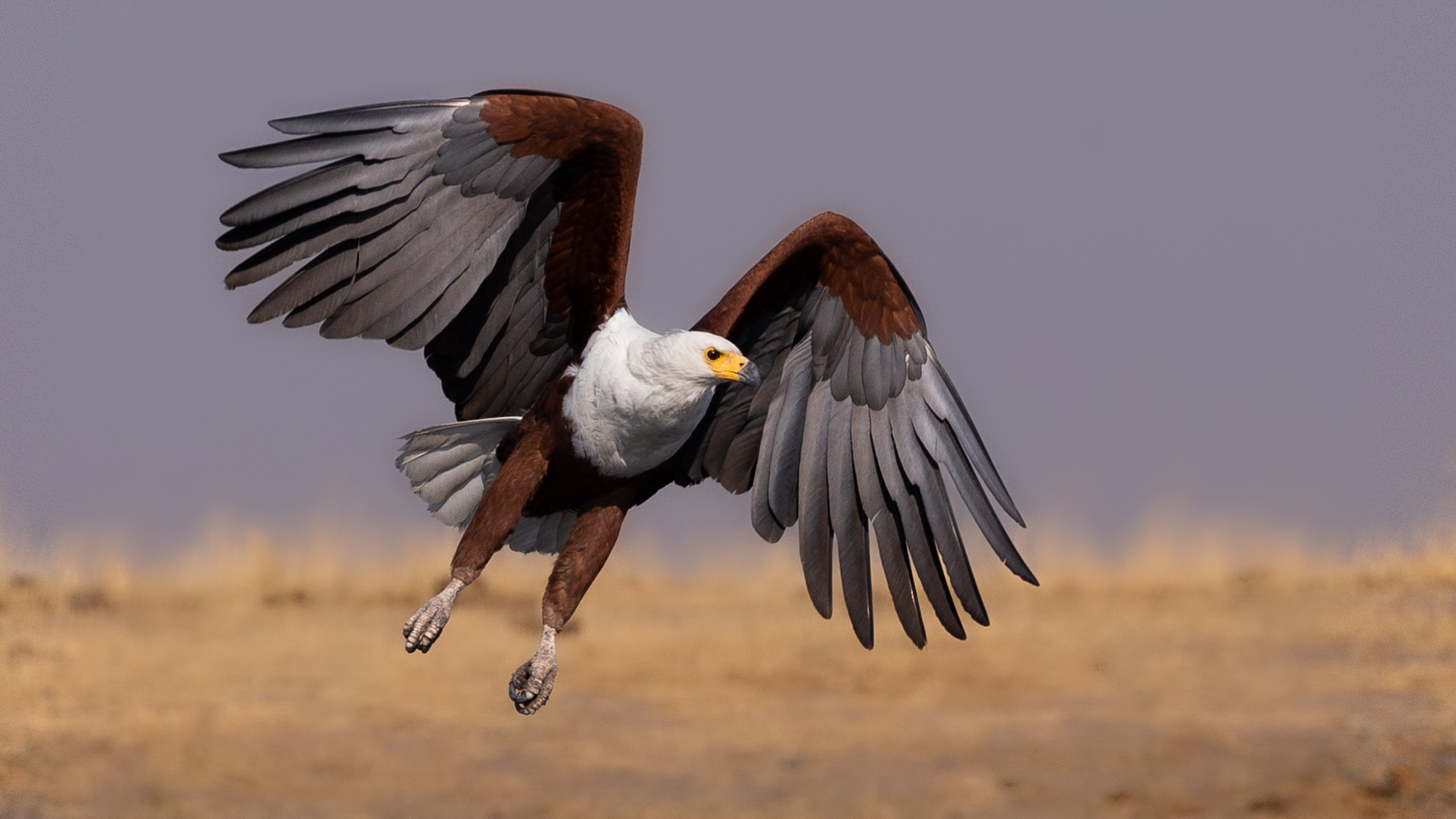
- Wildlife from the water: Look for hippos, crocodiles, and animals using the shoreline.
- Birdwatching opportunities: Observe waterbirds and birds of prey in their natural habitat.
- Beautiful scenery: Enjoy the lake, papyrus vegetation, and surrounding landscape.
- A relaxing safari activity: Experience Akagera from a different perspective after a game drive.
According to the park’s published activity information, boat excursions have scheduled departures at 7:30 AM, 9:00 AM, 3:00 PM, and 4:30 PM, with private trips potentially available at other times. Schedules can change, so confirm the current timetable before travelling. Official Akagera National Park activities.
Travel tip: If a Lake Ihema boat safari is important to your visit, plan it before finalising the rest of your itinerary. This is particularly important for one-day travellers coming from Kigali.
Discover Akagera’s Birdlife Through Dedicated Birdwatching
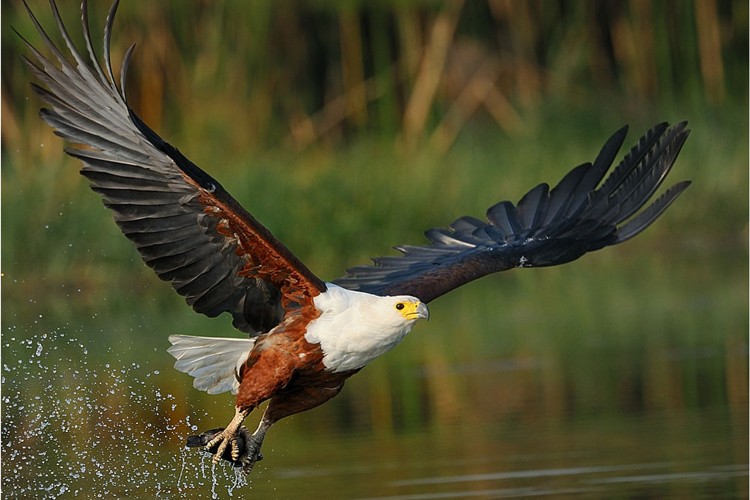
Akagera is an outstanding destination for birdwatching because of the variety of habitats found within the park.
Its wetlands support waterbirds, while grasslands and woodland provide habitats for numerous other species. African fish eagles, herons, kingfishers, and storks are among the birds visitors may encounter, depending on location and conditions.
The park’s conservation sources report nearly 500 bird species, making it an important destination for bird enthusiasts.
Birdwatching also changes the pace of a safari. Instead of concentrating only on large mammals, visitors begin to notice bird calls, feeding behaviour, flight patterns, and the small details that make each habitat unique.
A dedicated birdwatching experience can be particularly rewarding for photographers and travellers interested in biodiversity. A knowledgeable guide can help identify species and explain why certain birds are associated with wetlands, woodland, or open grasslands.
For visitors who have already experienced a game drive, birdwatching provides a fresh reason to explore Akagera.
Join a Guided Night Drive and Discover the Nocturnal Wilderness
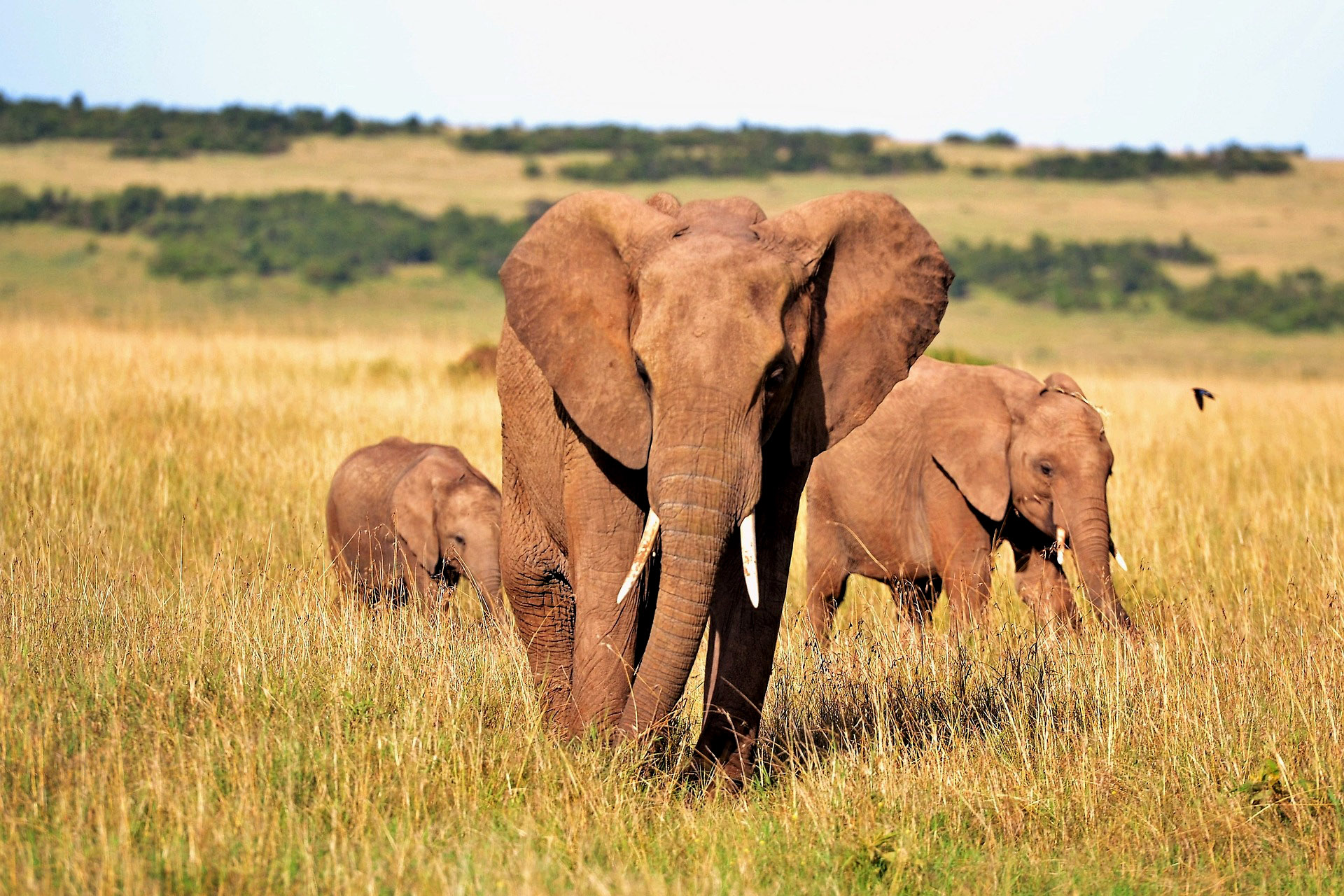
A guided night drive offers visitors a chance to explore this different side of the park. Using an authorised safari vehicle and a trained guide, travellers may search for nocturnal mammals and other creatures that are difficult to observe during the day.
The atmosphere is very different from a morning game drive. Sounds become more noticeable, the shapes of trees emerge against the night sky, and the guide’s light may reveal eyes or movement in the vegetation.
A night drive can add excitement to an overnight safari, especially for wildlife enthusiasts who want to understand how animal activity changes between day and night.
Night drives are generally available to overnight guests and must be arranged according to park procedures. They are not an activity to assume you can add to a standard one-day trip from Kigali.
Best for: Overnight visitors, wildlife enthusiasts, photographers, and travellers seeking a different safari experience.
Go Fishing at Lake Shakani
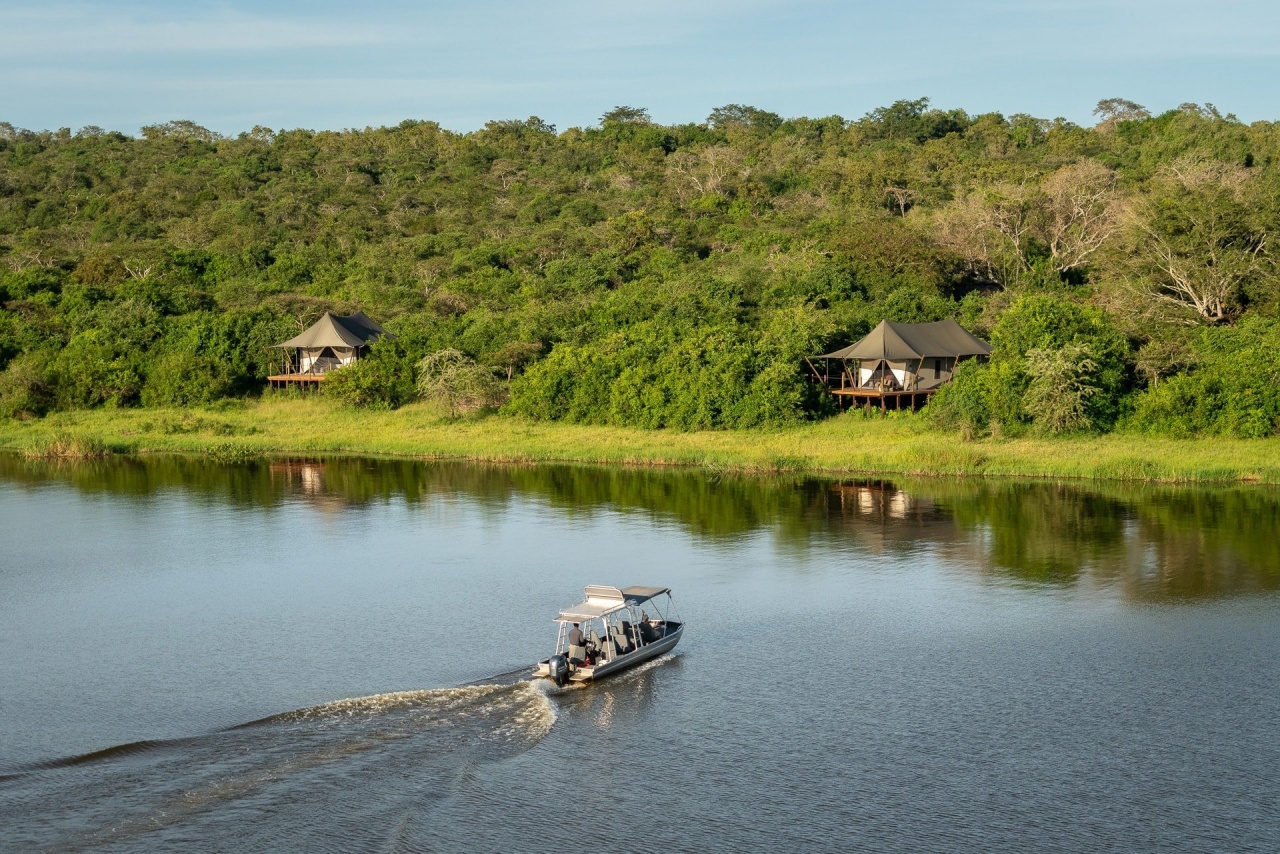
Not every activity in Akagera needs to involve searching for large mammals. Fishing at Lake Shakani provides a quieter way to enjoy the natural environment.
Visitors can spend time beside the water, enjoy the surrounding scenery, and experience a different rhythm from the movement of a game drive. According to the park’s activity information, fishing is available through designated arrangements, with opportunities to prepare the catch at a campsite subject to current rules.
This activity can suit travellers who enjoy outdoor recreation or want to include a peaceful break in a longer safari.
Before your visit, confirm whether fishing is available on your dates, what equipment is permitted, and whether any additional fees or restrictions apply.
Fishing should always follow park regulations and conservation requirements, including rules about permitted locations, catch handling, and waste disposal.
Go Behind the Scenes of Akagera’s Conservation Work
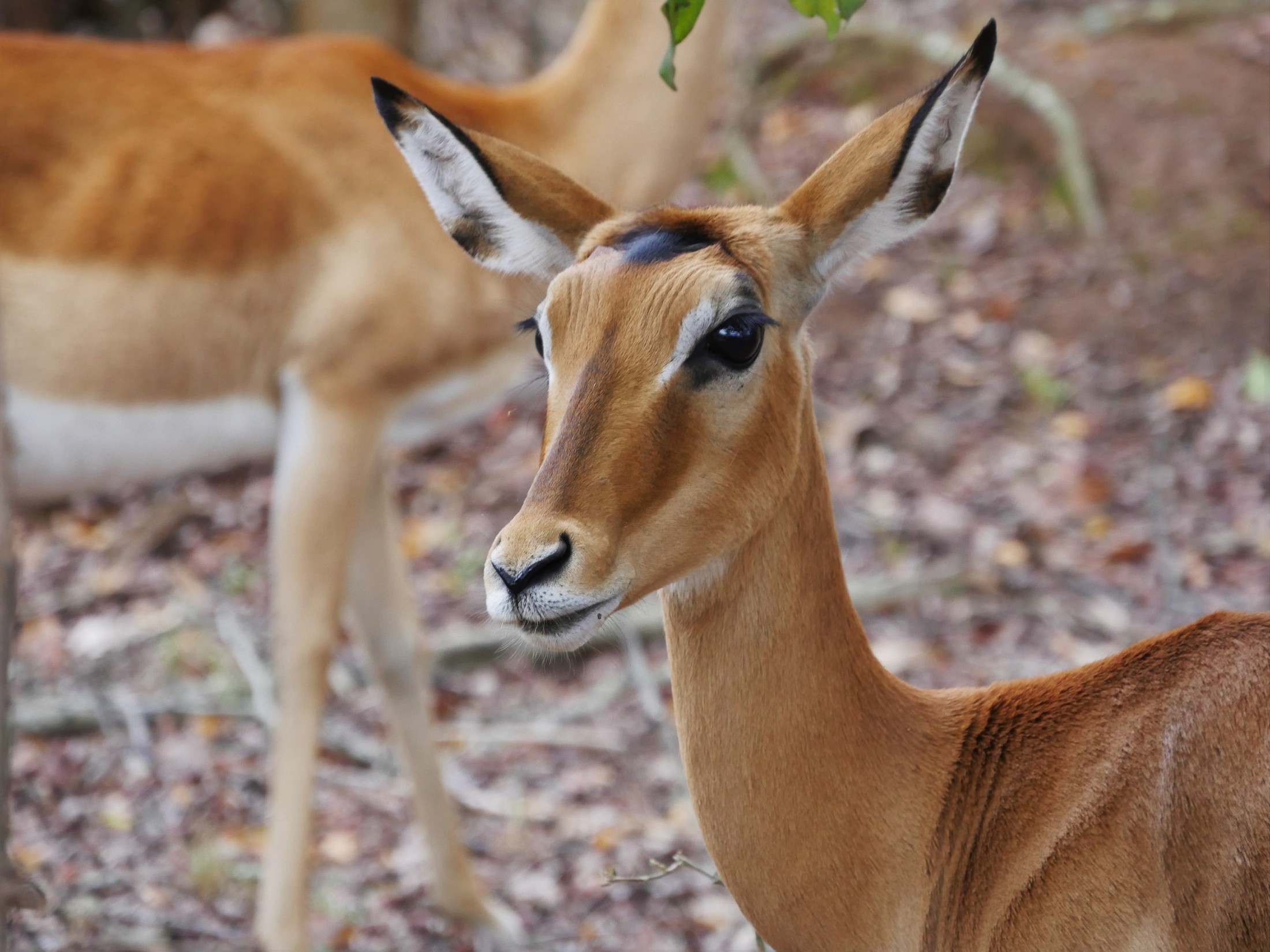
Akagera’s wildlife recovery has required long-term planning, effective management, monitoring, law enforcement, and cooperation between conservation organisations and local communities.
A behind-the-scenes experience, where available, gives visitors insight into this work. The park advertises an opportunity to visit its headquarters, meet people involved in conservation, and learn about the challenges of managing a protected landscape.
This type of experience can help travellers understand what happens beyond the sightings they enjoy on a safari. Protecting elephants, lions, and rhinos requires trained personnel, reliable monitoring systems, habitat management, and ongoing attention to threats.
It also highlights the relationship between conservation and tourism. Visitors contribute to the park’s economy, while responsible management helps protect the wildlife and landscapes that attract travellers in the first place.
The park indicates that minimum group numbers may apply to behind-the-scenes activities, so advance confirmation is important.
Why it matters: You leave Akagera with a deeper understanding of how Rwanda has worked to restore and protect its savannah ecosystem, rather than simply remembering the animals you photographed.
Explore the Park’s Lakes, Wetlands, and Landscapes
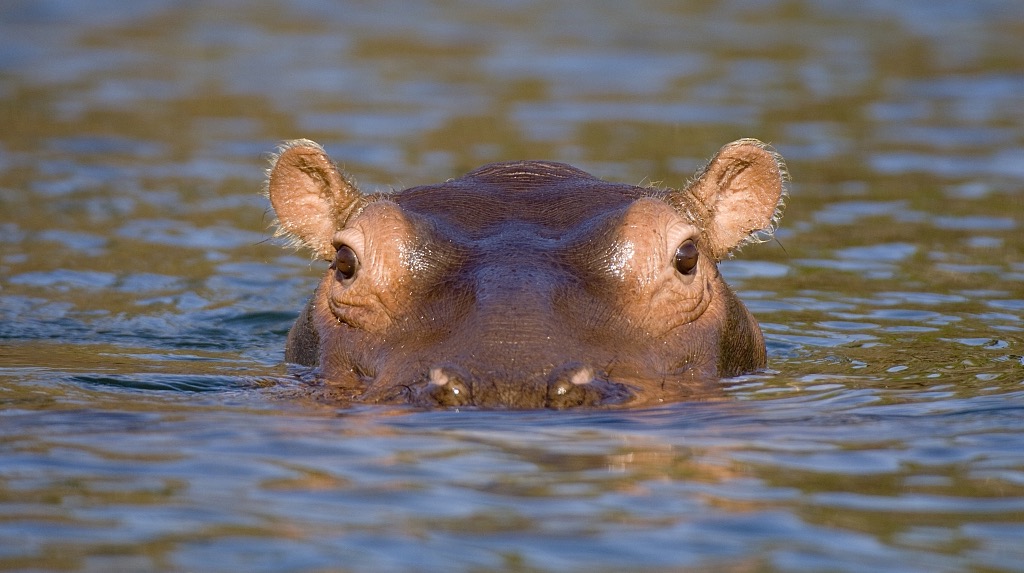
Akagera is not only about individual activities. Simply appreciating the variety of landscapes is one of the reasons a visit can be so rewarding.
The park includes open grasslands, woodland, rolling hills, lakes, and papyrus wetlands. Each environment contributes to the character of the destination and supports different forms of wildlife.
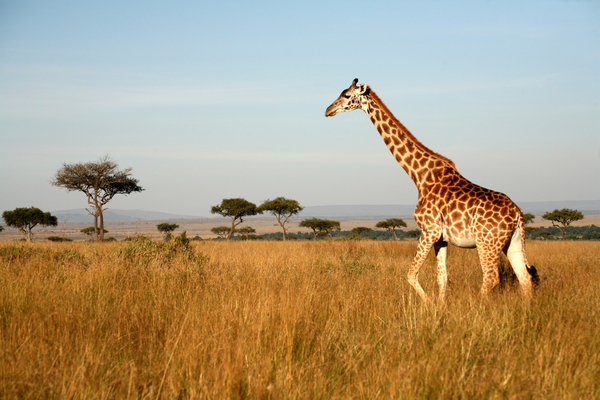
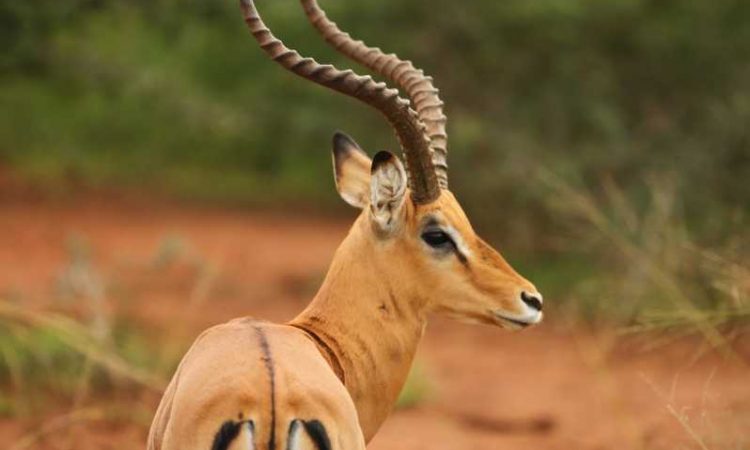
During a guided safari, you may move from open areas where zebras and antelopes graze to wooded sections where elephants may be encountered. Near the water, you may see hippos, crocodiles, or birds feeding along the shoreline.
Take time to notice the landscape between sightings. The changing light, the colours of the grasslands, the reflections on the lakes, and the sounds of birds all contribute to the experience.
Visitors should remain on authorised routes and avoid walking into the bush or approaching wildlife without permission. The best way to appreciate Akagera is to explore responsibly and follow the instructions of park staff.
Experience Community and Cultural Activities Near Akagera
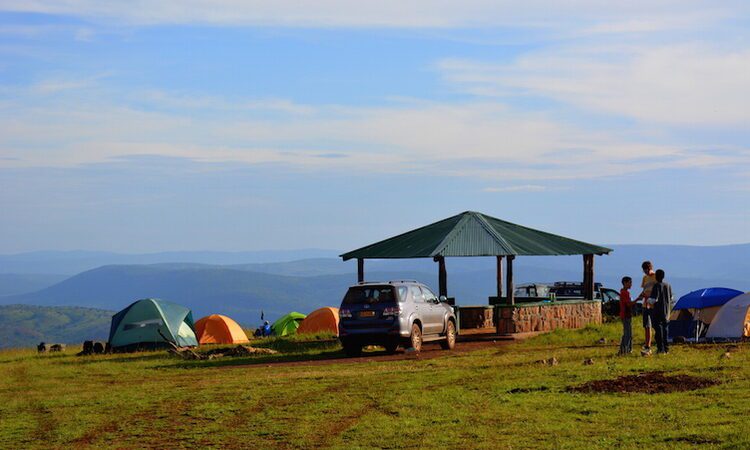
The story of a national park is also connected to the people who live around it.
Community-based experiences in the wider Akagera area may introduce visitors to local livelihoods, traditional practices, agricultural activities, and small enterprises. Depending on current arrangements, experiences may include learning about honey production, dairy traditions, or other local activities.
These visits can provide a richer understanding of the relationship between tourism and community development.
Where activities are offered by community groups or local providers, booking responsibly can help support local livelihoods and make tourism benefits more widely shared.
Because these experiences may be managed separately from the park’s main activities, confirm the provider, location, duration, and availability before including them in your itinerary.
Enjoy a Photography-Focused Safari
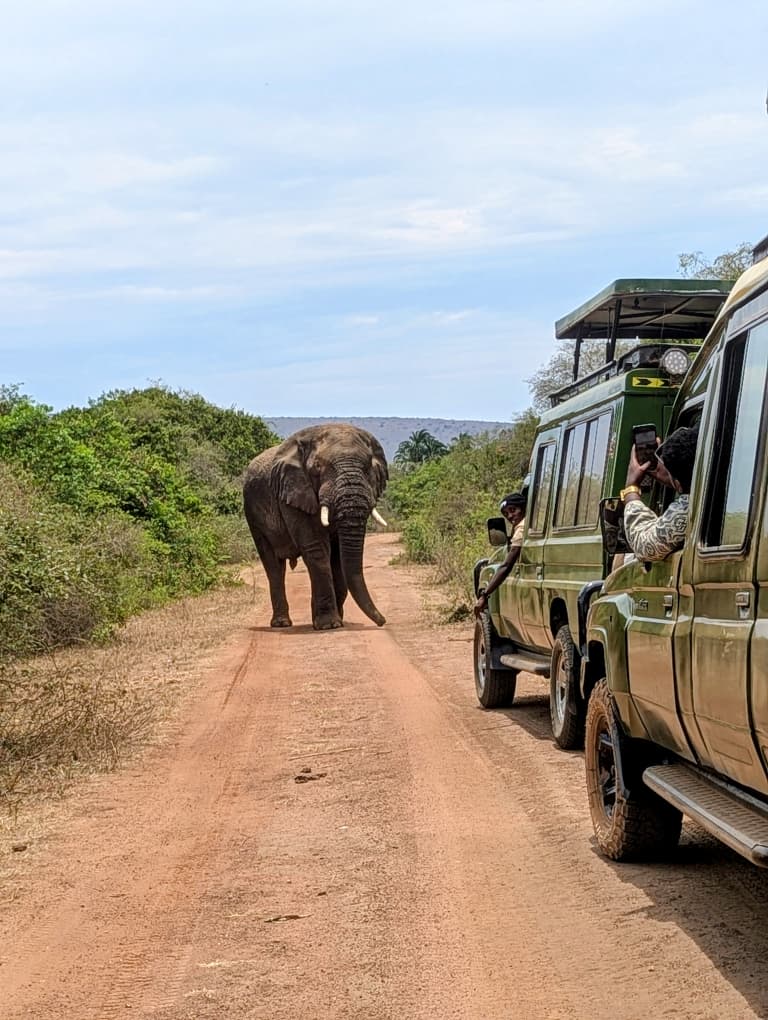
Akagera offers excellent opportunities for travellers who want to photograph more than the Big Five.
A photography-focused visit can include wildlife portraits, bird photography, landscapes, lakeside scenery, and the changing light of sunrise and sunset.
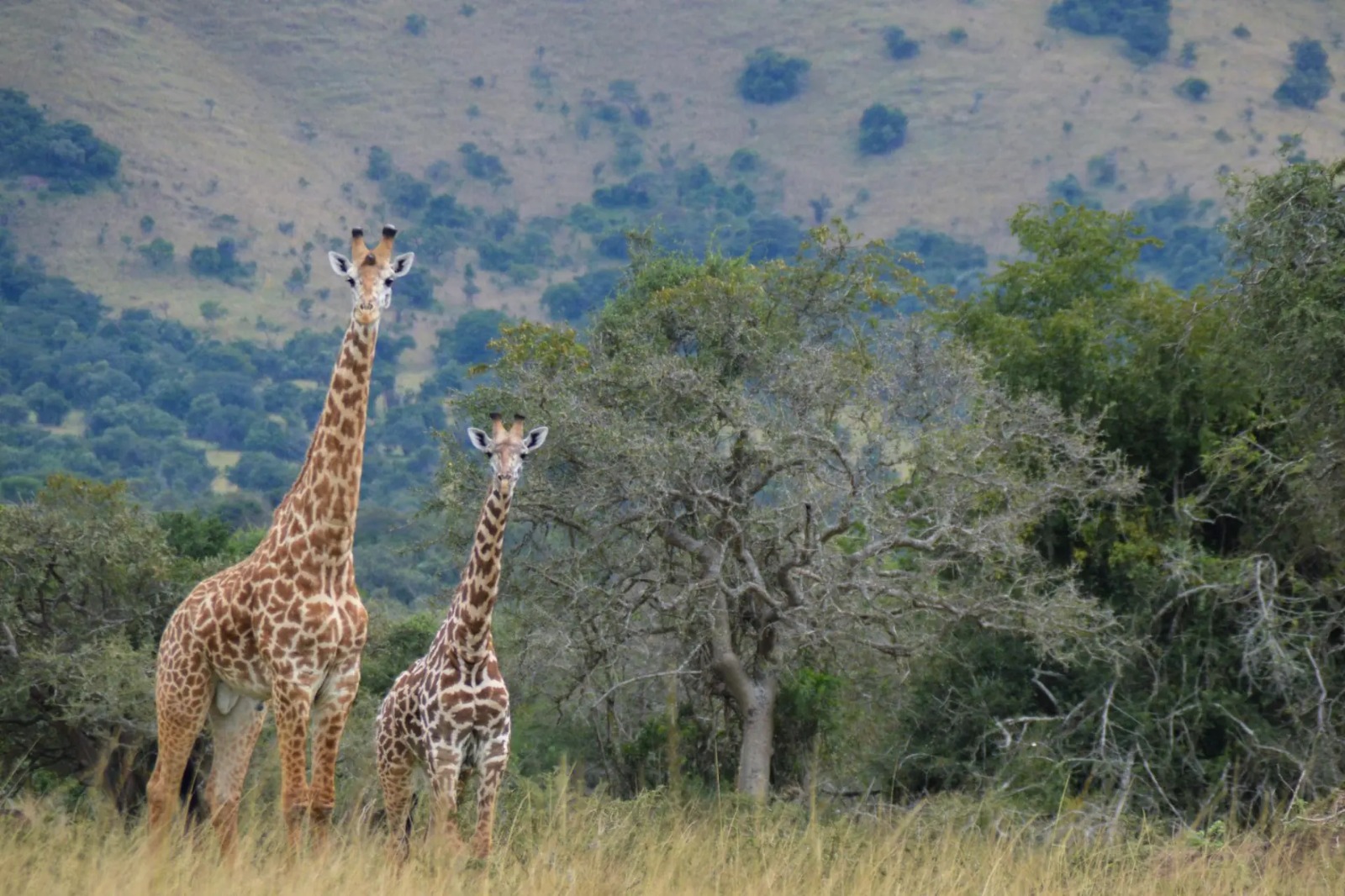
Elephants and giraffes may provide striking subjects, while zebras and antelopes create opportunities to photograph animal behaviour in open habitats. Lake Ihema offers a different setting, with birds, water reflections, and wetland vegetation.
For the best results, allow sufficient time at sightings rather than rushing from one location to another. Bring charged batteries, adequate storage, and a camera or smartphone suited to your interests.
A guide familiar with the park can help you plan the day around the time available and the habitats you wish to explore. However, wildlife encounters are unpredictable, so patience is essential.
How to Combine These Activities with a Game Drive
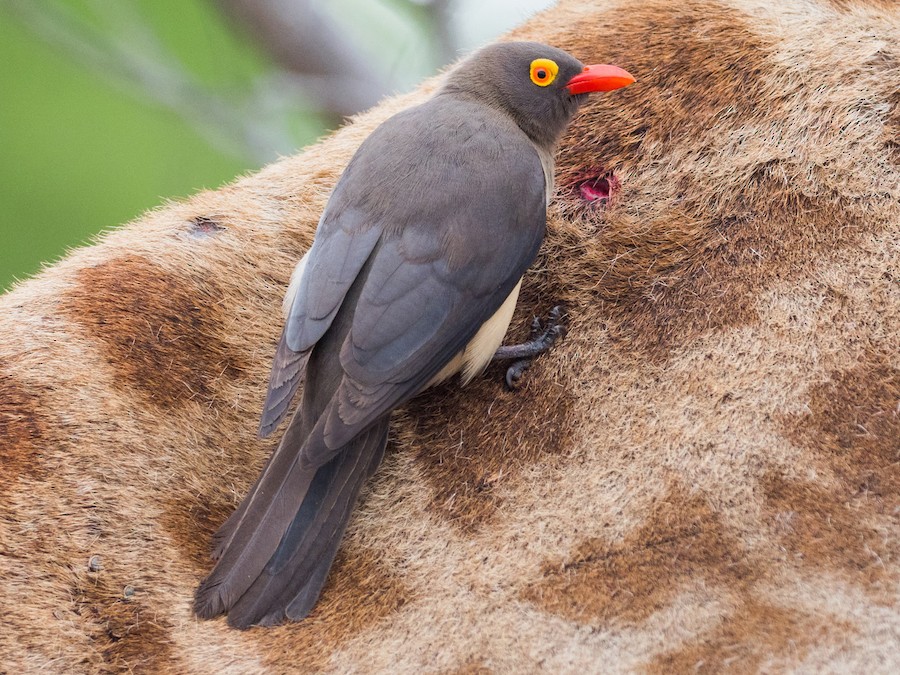
Although this guide focuses on experiences beyond game drives, a carefully planned drive remains a useful way to understand Akagera’s wildlife and landscapes.
The key is to choose activities according to your interests and the time available rather than attempting to fit everything into one day.
For example, a one-day visitor might combine a morning game drive with a scheduled Lake Ihema boat trip, provided the departure times and route work together.
An overnight visitor has more flexibility. They may enjoy a daytime game drive, take a boat safari, stay at a lodge or campsite, and book a night drive if available.
A practical game drive strategy
Start early when conditions are generally cooler and many animals may be active. Explore suitable habitats with a knowledgeable guide, allowing time to stop safely for wildlife observation.
As the day warms up, use the opportunity to enjoy birdwatching, a scheduled boat excursion, lunch, or a break at a permitted location.
In the afternoon, continue exploring if time allows, but keep the park’s closing arrangements and your return journey in mind.
For a one-day trip, focus on a manageable route rather than trying to cover the entire park. The northern and southern areas are not equally convenient to explore in a short visit, and long distances can reduce the time available for activities.
The most effective itinerary is one that gives you time to enjoy each experience without rushing.
One-Day Akagera Safari from Kigali: A Carefully Planned Itinerary
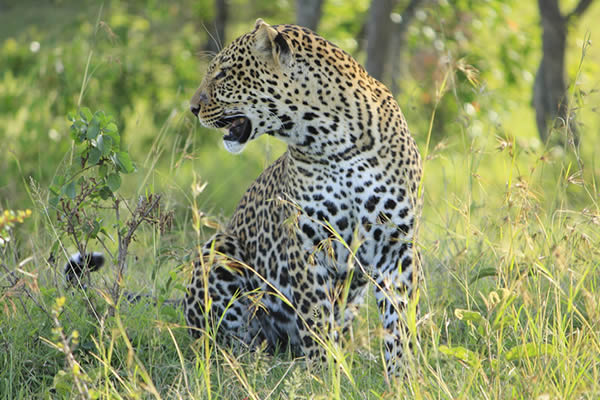
Can you visit Akagera National Park in one day from Kigali and still experience activities beyond a game drive? Yes, with careful planning.
The most important consideration is timing. Akagera’s official visitor information lists daytime self-drive access from 6:00 AM to 6:00 PM, but travellers must also account for the road journey, entry procedures, and the scheduled departure of any booked activity.
A one-day safari is therefore best designed around a focused game drive and, if the schedule permits, one additional experience.
Suggested itinerary: Kigali to Akagera and Lake Ihema
4:30–5:00 AM — Pick-up in Kigali
Meet your driver-guide at your hotel or agreed location. Confirm the day’s route, activity booking, refreshments, and return arrangements before departing.
5:00–7:30 AM — Travel to Akagera National Park
Drive east through Rwanda’s countryside towards the park’s southern entrance. The journey time will depend on traffic, road conditions, and your pick-up location.
7:30–8:00 AM — Arrival and entry arrangements
Complete the necessary park formalities and confirm the timing of your planned activities. Actual entry time should follow the park’s current operating arrangements.
8:00–10:30 AM — Morning game drive
Explore suitable wildlife habitats in search of elephants, giraffes, zebras, buffaloes, antelopes, and other animals. Lions, leopards, and rhinos may also be encountered, although sightings cannot be guaranteed.
10:30–11:30 AM — Continue wildlife exploration
Continue the drive at a comfortable pace, allowing time for wildlife observation and photography.
11:30 AM–12:30 PM — Lunch and preparation for the next activity
Enjoy a pre-arranged meal at a permitted location and prepare for your scheduled boat trip.
Afternoon — Lake Ihema boat safari, if timing permits
Join a confirmed boat departure and enjoy the lake’s wildlife, birdlife, and scenery. The exact departure should be confirmed before travel. If the available boat schedule does not fit the day trip, prioritise the game drive rather than rushing between activities.
After the boat trip — Return towards the park exit
Allow adequate time to leave the park according to the current closing arrangements. Do not schedule activities so tightly that you risk missing the permitted exit time.
Late afternoon to evening — Return to Kigali
Drive back to Kigali and arrive at your hotel or agreed drop-off point. The actual arrival time depends on when you leave the park and the road conditions.
This itinerary is a planning example, not a confirmed schedule. The Lake Ihema boat trip must be booked or confirmed in advance, and the timing may need to change. A night drive, which is generally for overnight guests, should not be included in this one-day plan.
Is one day enough to experience Akagera beyond game drives?
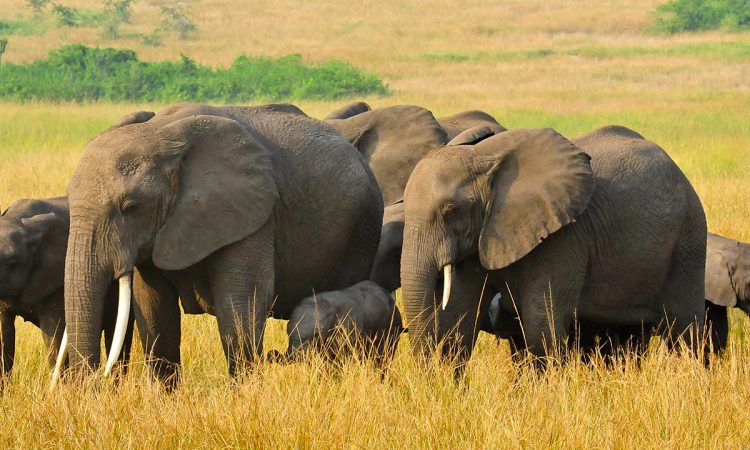
One day can provide a rewarding introduction to Akagera, particularly if you combine a game drive with one scheduled activity.
However, visitors who want to enjoy a boat safari, birdwatching, fishing, a conservation experience, and a night drive should consider staying for two days or longer. Trying to fit every activity into one day can turn an enjoyable wildlife experience into a rushed journey.
Where to Stay: Lodges and Camps in and Around Akagera National Park
Accommodation is an important part of planning an Akagera safari, especially if you want to experience activities that require an overnight stay.
Ruzizi Tented Lodge
Located beside Lake Ihema, Ruzizi Tented Lodge offers an intimate tented-lodge experience with en-suite facilities and a setting designed to blend with the surrounding environment.
Its lakeside location makes it appealing to travellers interested in birdlife, scenery, and selected activities around Lake Ihema.
Best for: Couples, nature lovers, and travellers seeking a comfortable eco-lodge atmosphere.
Karenge Bush Camp
Karenge Bush Camp offers a more remote wilderness experience in the northern part of the park. Its location suits travellers who want to spend more time exploring the northern landscape.
Because of the distance from the southern entrance, this camp is better suited to multi-day itineraries than a short visit from Kigali.
Best for: Safari enthusiasts, photographers, and travellers seeking a secluded camp setting.
Wilderness Magashi
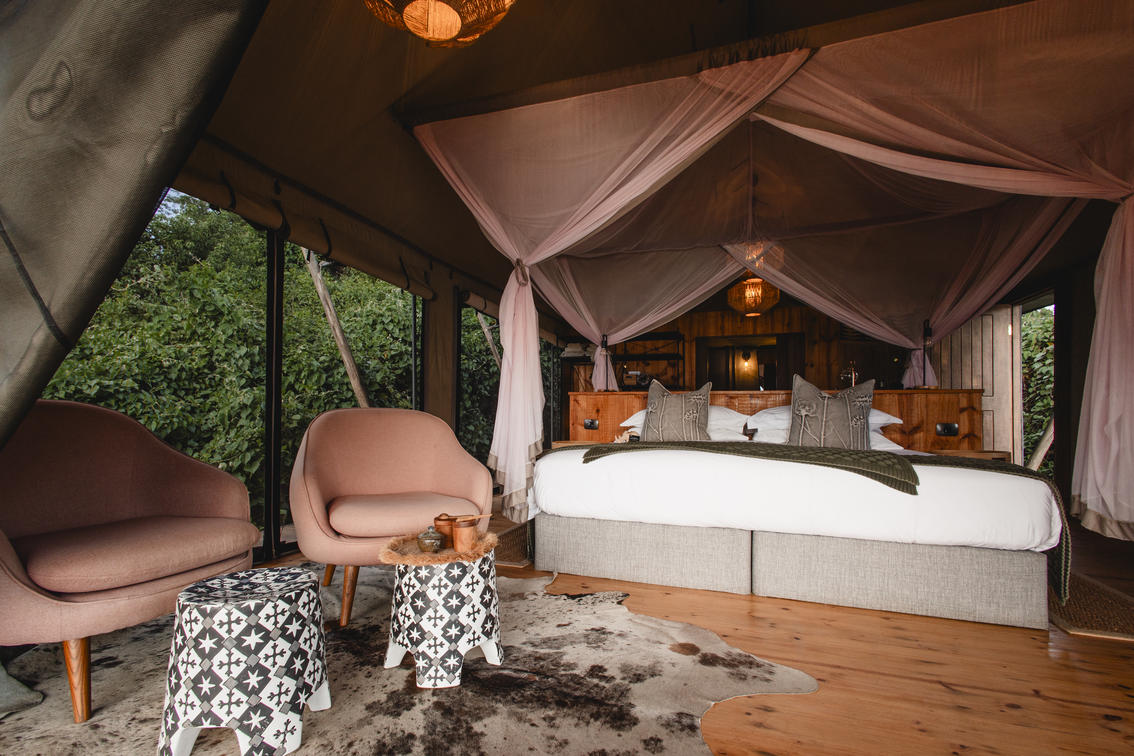
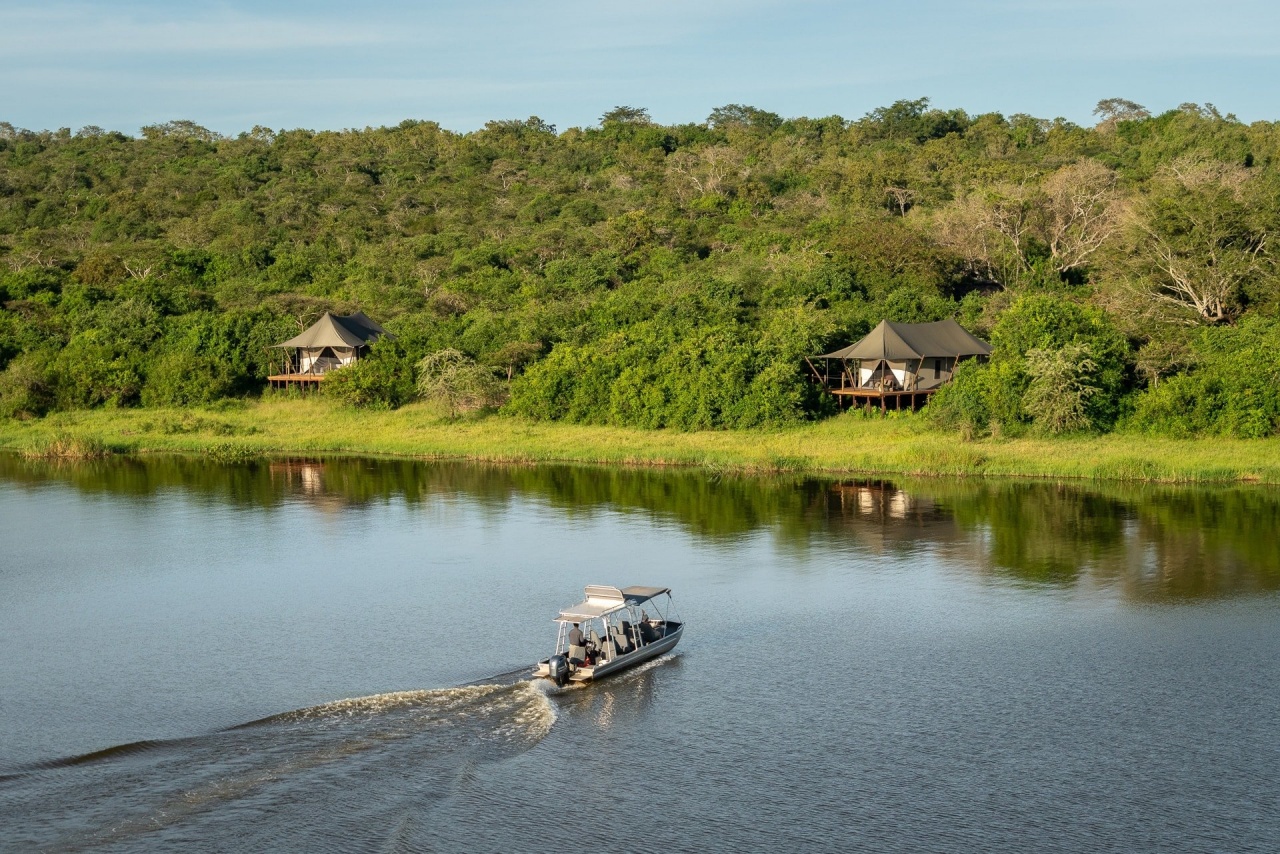
Magashi Camp is a premium tented camp in the northeastern part of Akagera, beside Lake Rwanyakazinga.
It offers a high-end safari experience for visitors seeking comfortable accommodation, personalised hospitality, and opportunities to appreciate the park’s wildlife and scenery.
Best for: Luxury travellers, couples, and guests seeking an exclusive safari atmosphere.
SALT of Akagera
SALT of Akagera is another option to consider when planning an overnight stay. Confirm its current location details, facilities, rates, and availability directly before booking.
Best for: Travellers seeking an alternative lodge experience within an Akagera itinerary.
Campsites and accommodation outside the park
Designated campsites offer a simpler outdoor experience for visitors who enjoy camping. Facilities vary, so check what is provided and what you must bring.
Accommodation outside the park can also be suitable for travellers with specific budget or comfort requirements. However, choose the location carefully because additional driving may reduce your time for activities.
For current accommodation information and official activity arrangements, consult the Akagera National Park website.
Best Time to Visit Akagera National Park in 2026–2027

Akagera can be visited throughout the year, but the weather affects road conditions, vegetation, and the overall experience.
During drier periods, some roads may be easier to navigate and visibility may improve in certain habitats. These conditions can be helpful for game drives and wildlife photography.
During wetter periods, the landscape becomes greener and birdwatching can be rewarding, although some roads may be more challenging.
When choosing your travel dates, consider the activities you want to enjoy, your accommodation, and the time available. If a Lake Ihema boat trip or night drive is central to your plans, confirm availability before finalising the rest of your itinerary.
Wildlife sightings are never guaranteed in any season, and a flexible itinerary helps you make the most of the experience.
What to Pack for Your Akagera National Park Safari
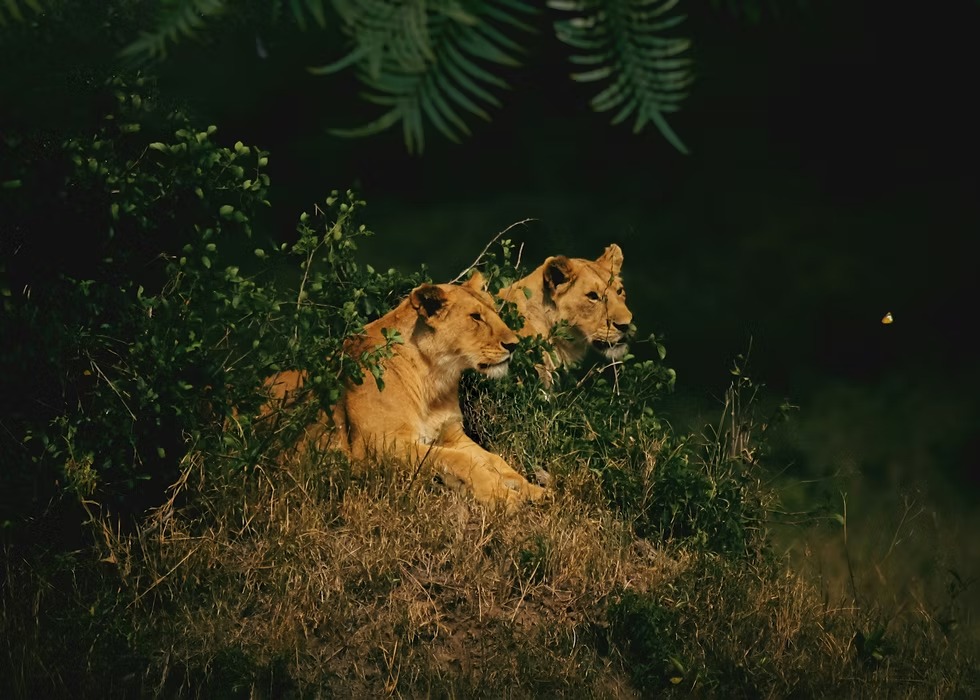
Preparing well makes your safari more comfortable and helps you respect the environment.
Bring lightweight, neutral-coloured clothing, a light jacket for early mornings, comfortable shoes, a hat, sunglasses, sunscreen, insect repellent, binoculars, and a camera or smartphone with sufficient battery power.
A small daypack is useful for carrying personal items, while any medication you need should be packed before departure.
Choose reusable water bottles and avoid prohibited plastics
Rwanda has strict environmental rules regarding plastic carry bags and single-use plastic items. Akagera also provides guidance intended to reduce plastic pollution in the park.
Before travelling, check the latest visitor regulations and avoid bringing prohibited disposable plastic bottles, bags, and similar single-use items.
Bring a reusable stainless-steel, aluminium, or durable refillable water bottle. An insulated stainless-steel bottle is especially practical for keeping water cool during a long day outdoors.
Confirm refill arrangements with your tour operator or accommodation and carry sufficient drinking water for the journey. Reusable food containers can also help reduce waste.
Following the park’s current rules helps protect the wetlands, lakes, and wildlife that make Akagera such a special destination.
How Seek Wild Africa Helps You Organise Your Akagera Experience
A successful safari requires more than choosing activities. Travellers need to coordinate transport, entry arrangements, accommodation, meal breaks, activity schedules, and return journeys.
At Seek Wild Africa, we help travellers organise their Akagera National Park safari according to their available time, interests, group size, and preferred level of comfort.
Tailor-made itineraries
Whether you have one day in Kigali or several days available, we can help plan a realistic itinerary that combines suitable wildlife activities with the time needed for travel.
For day visitors, this may mean prioritising a game drive and a scheduled Lake Ihema boat trip. For overnight guests, we can help coordinate additional experiences where available.
Transport and guiding arrangements
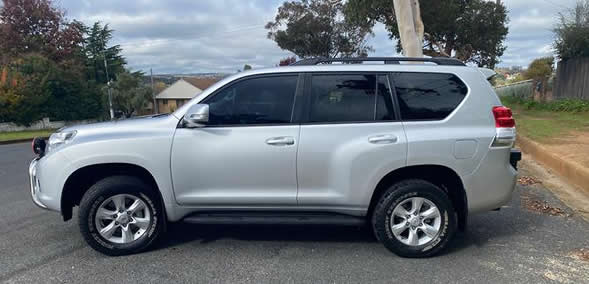
We help coordinate transport from Kigali and other agreed locations. Depending on the selected package, arrangements can include a professional driver-guide and suitable transport for the journey.
A knowledgeable guide can help you understand the landscape, observe wildlife responsibly, and make better use of your time.
Accommodation and activity coordination
We can help you compare accommodation options according to your budget and preferred comfort level, from eco-lodge stays to premium tented camps and simpler outdoor accommodation.
We also help coordinate available activities and confirm important timing requirements so that the itinerary is practical rather than rushed.
Preparing you for the journey
Before departure, we can help you understand what to bring, how early to leave Kigali, how to plan around activity schedules, and why responsible wildlife viewing and waste reduction matter.
For travellers exploring more of Rwanda, Akagera can also be combined with gorilla trekking in Volcanoes National Park, chimpanzee trekking in Nyungwe National Park, and cultural experiences in Kigali.
To explore an organised safari option, visit our 2-Day Akagera National Park Safari: Boat Cruise and Big Five Wildlife Adventure.
Contact Seek Wild Africa to discuss your preferred dates, accommodation, activities, and transport requirements.
Conclusion: Discover a Different Side of Akagera National Park
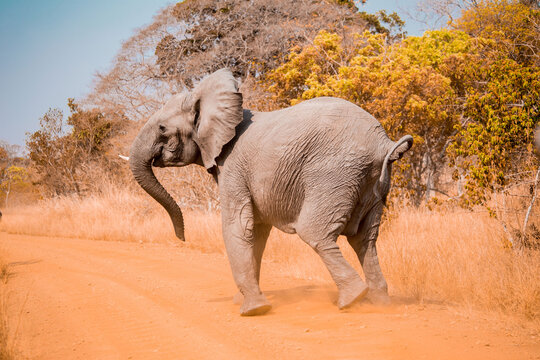
A Lake Ihema boat safari introduces you to the park’s wetlands and waterbirds. Birdwatching reveals the richness of its biodiversity. Fishing offers a quieter outdoor experience, while guided night drives and conservation activities provide different ways to understand the wilderness.
These experiences become even more meaningful when considered alongside Akagera’s history. Established in 1934, the park has experienced significant challenges and an impressive recovery supported by improved management, wildlife reintroductions, habitat protection, and community engagement.
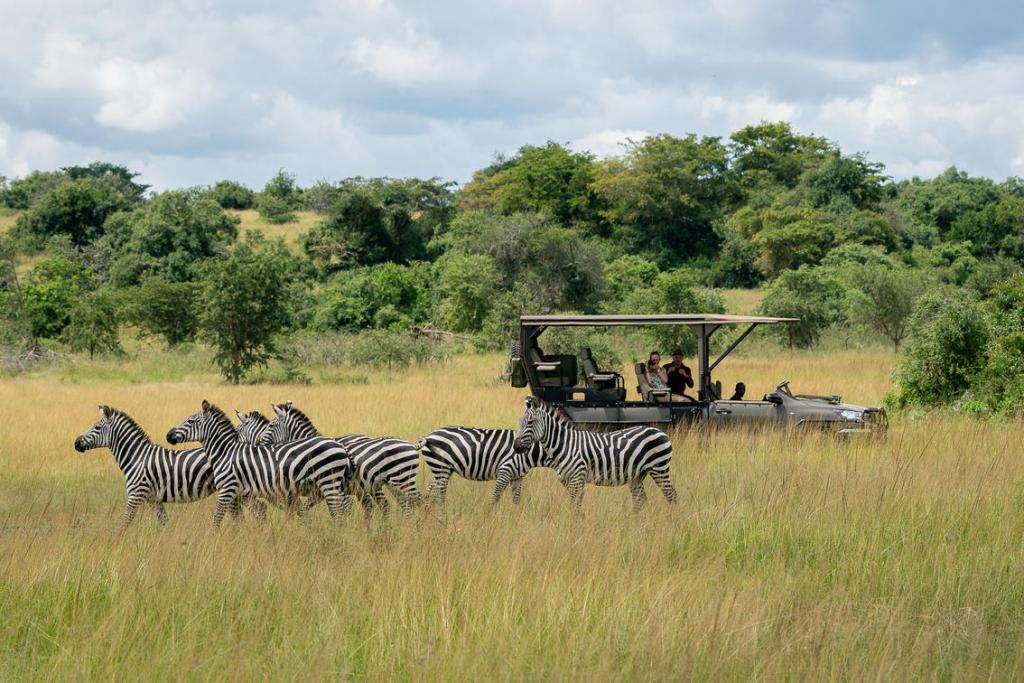
While the Serengeti and Masai Mara are celebrated for the Great Migration, Akagera offers its own distinctive appeal: Rwanda’s Big Five, a rich wetland ecosystem, varied landscapes, and an accessible conservation-focused safari.
Whether you choose a one-day excursion from Kigali or a longer stay that allows you to explore more activities, Akagera offers a rewarding opportunity to experience Rwanda beyond its mountain forests.
Let Seek Wild Africa help you organise your next adventure. From transport and itinerary planning to accommodation and available safari activities, we help bring the details together so you can enjoy a well-planned visit.
Explore Rwanda with Seek Wild Africa and discover the experiences waiting beyond the game drive.